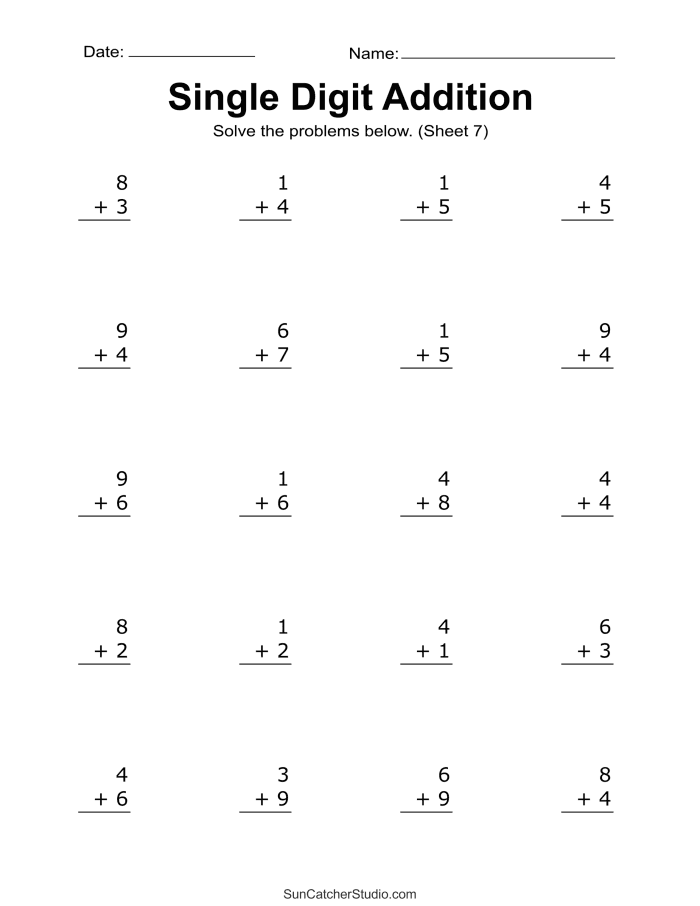
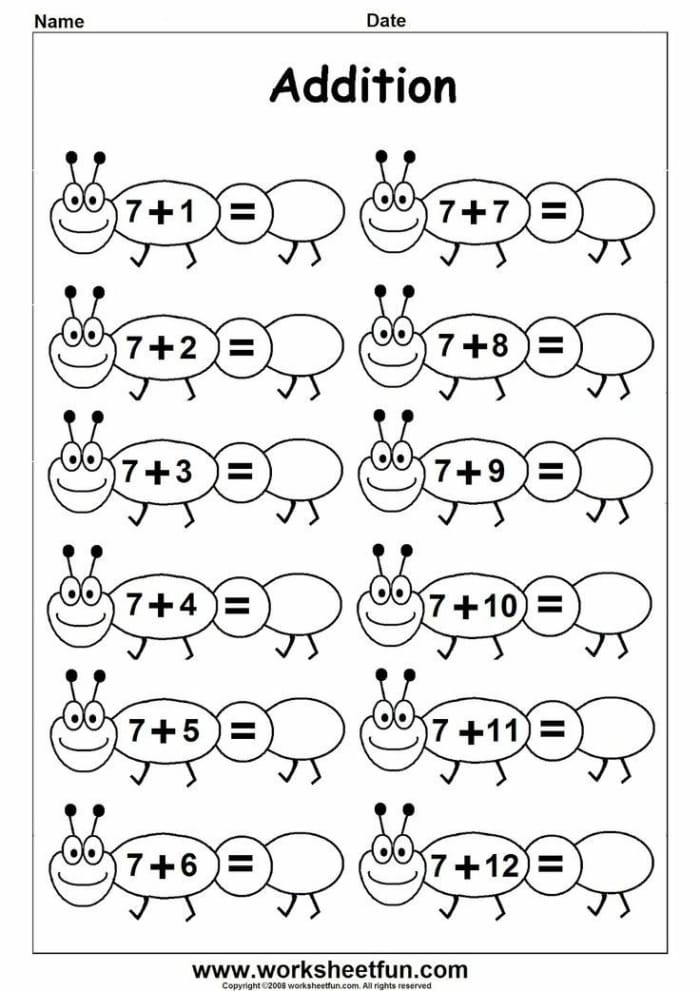
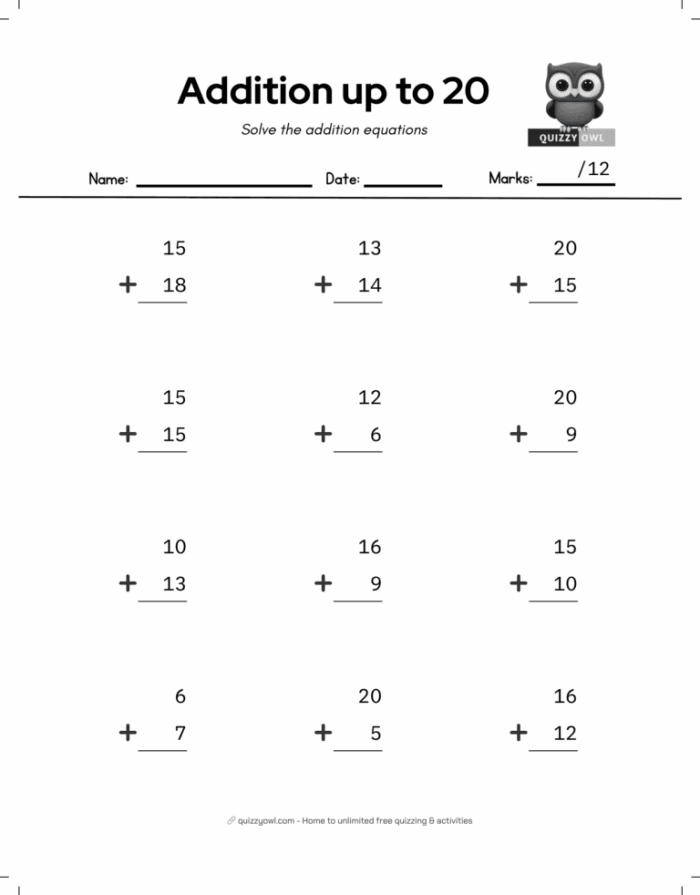
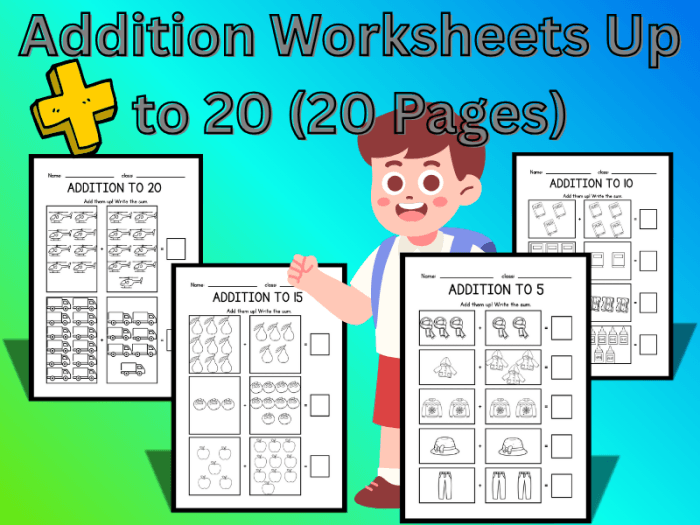
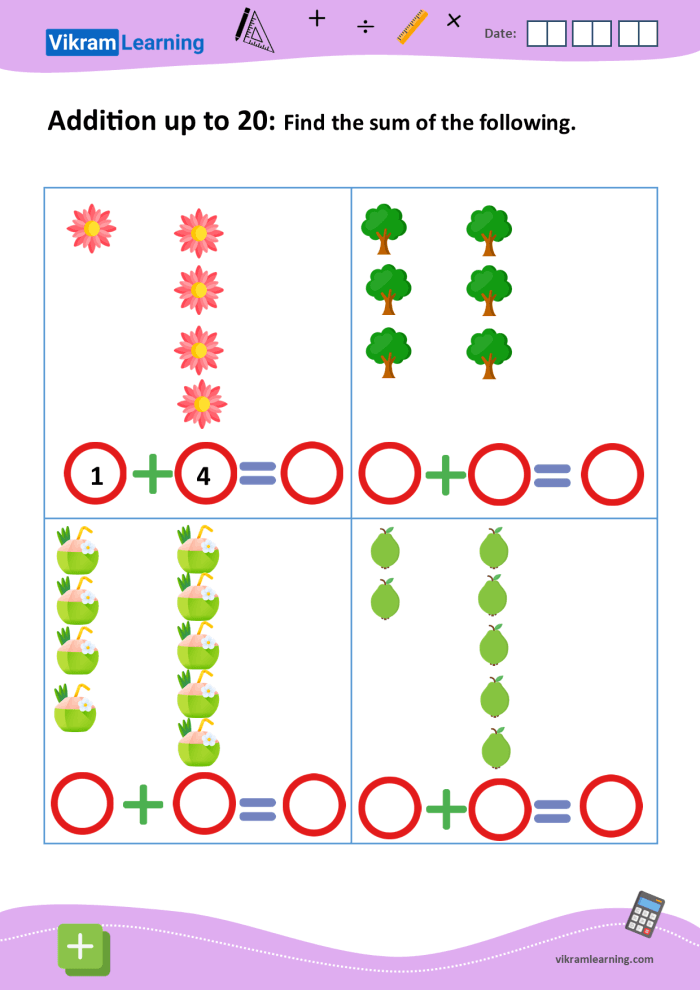
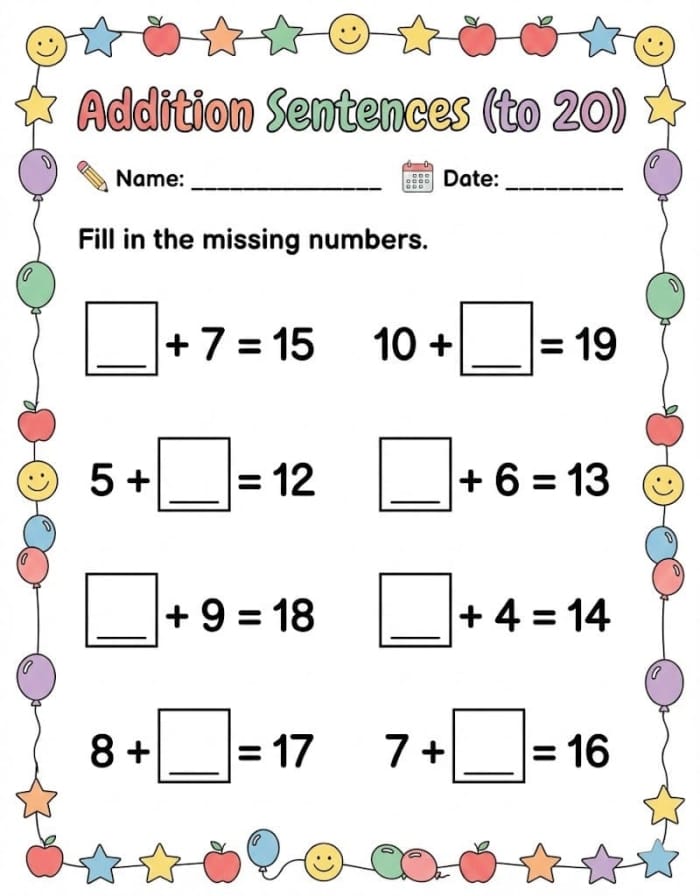
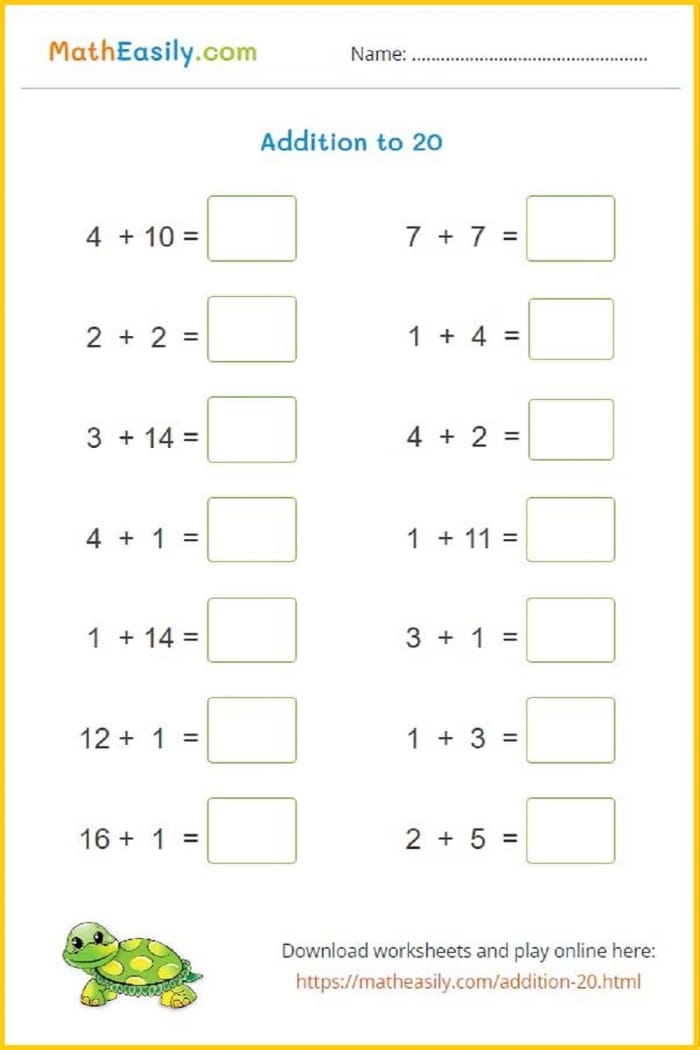
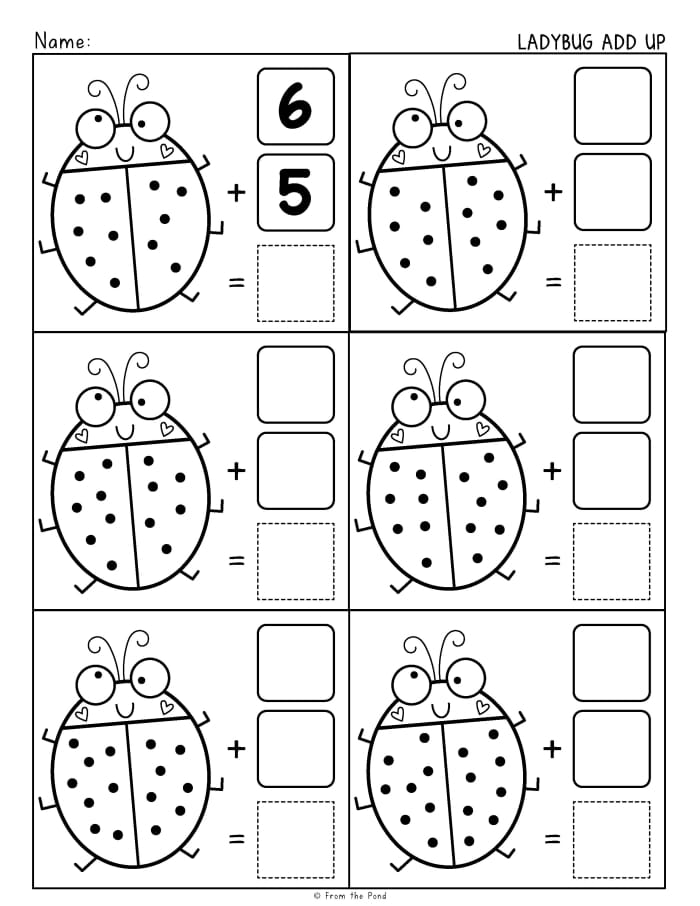
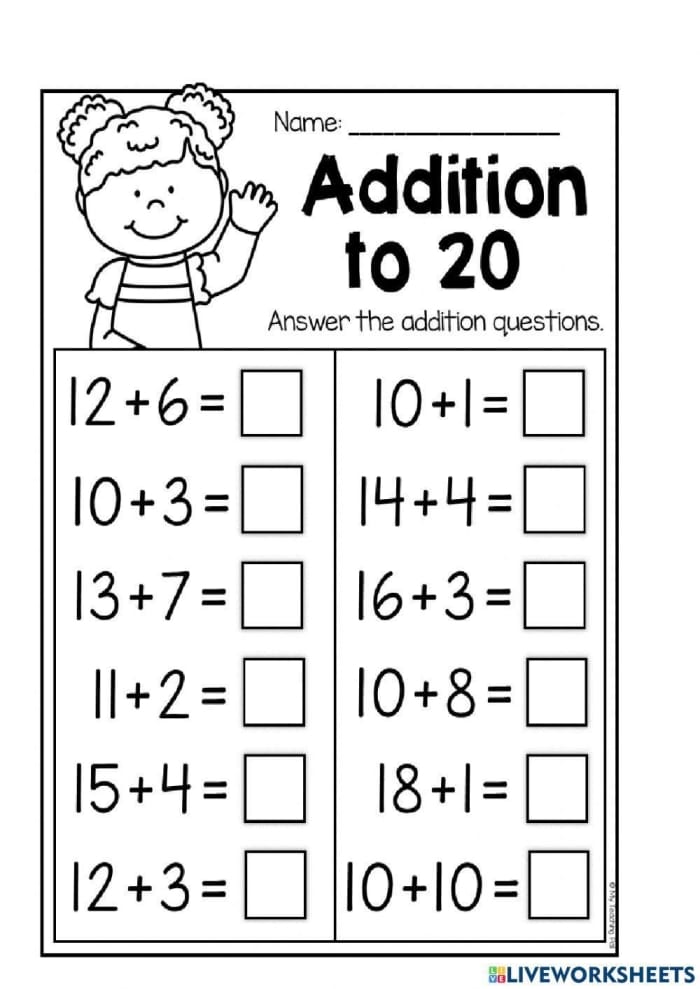
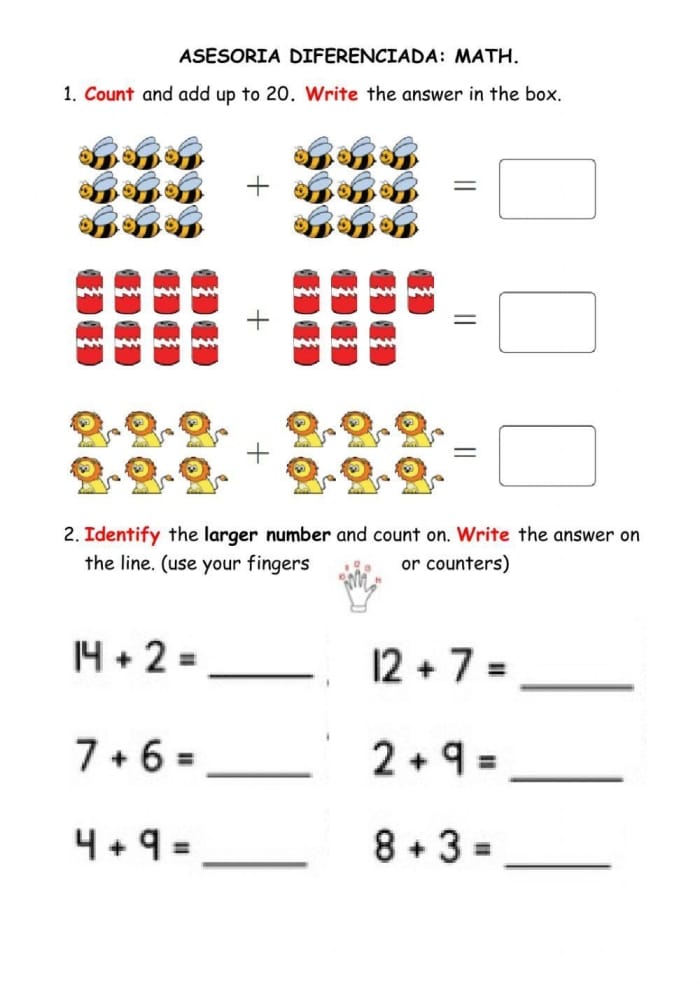
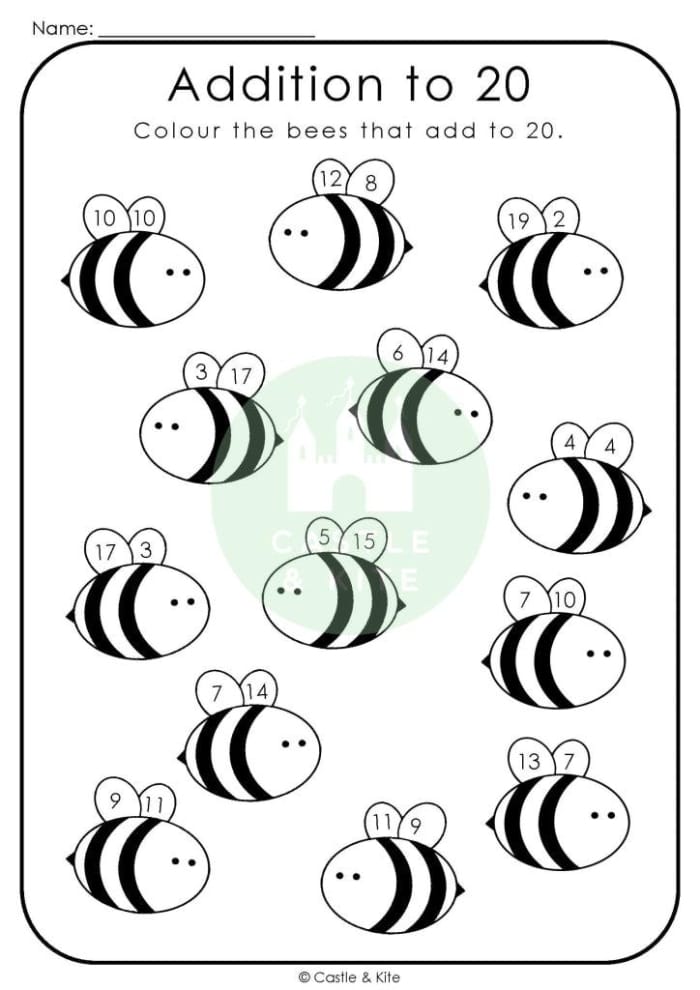
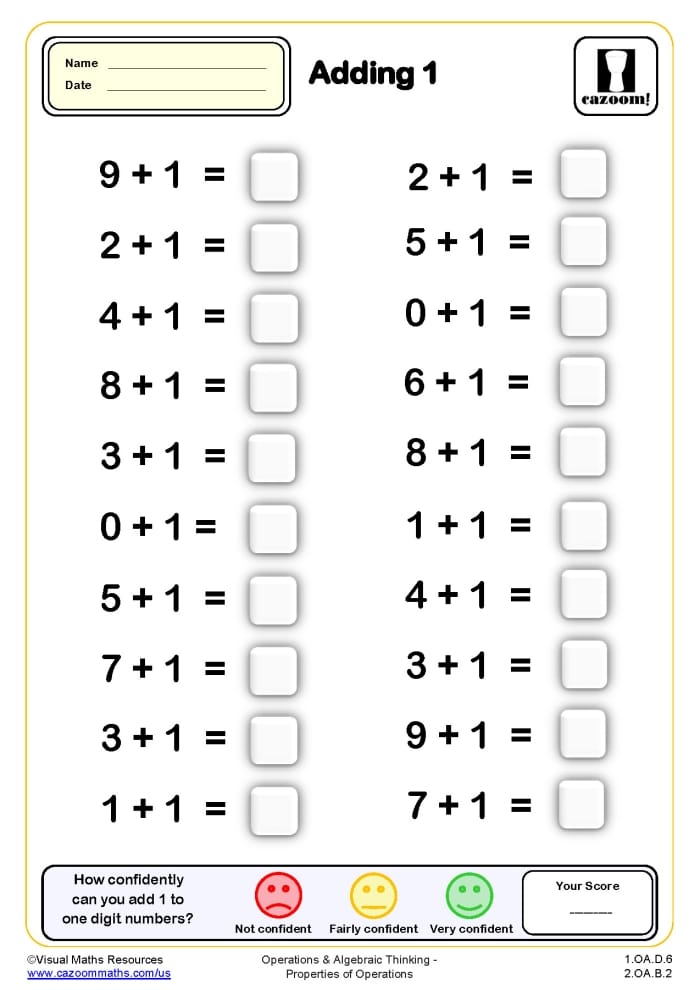
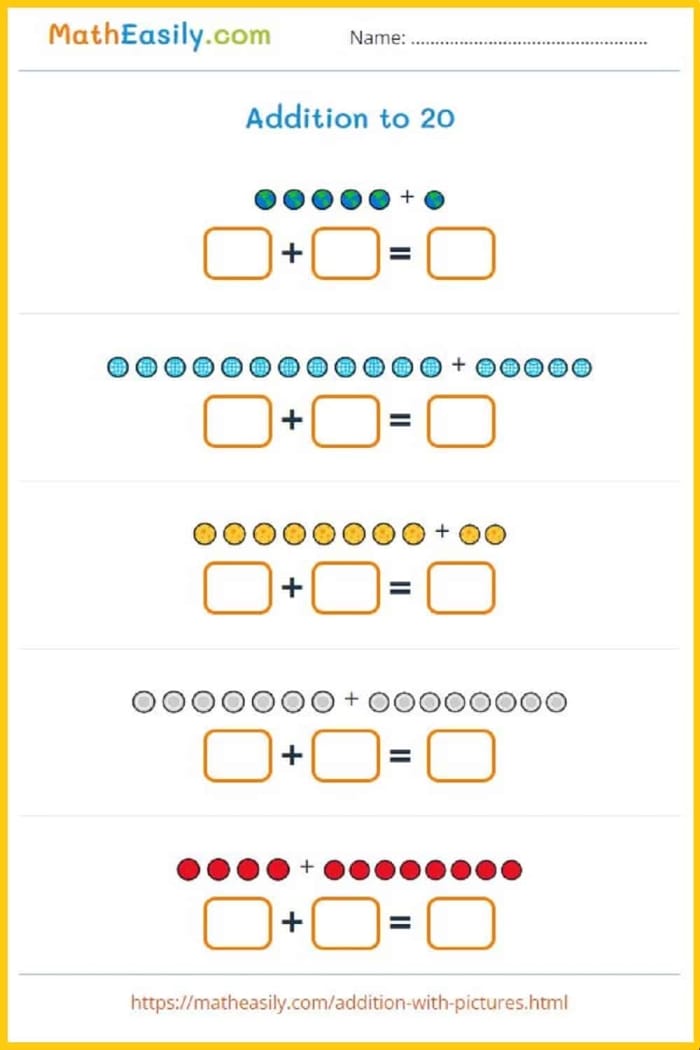
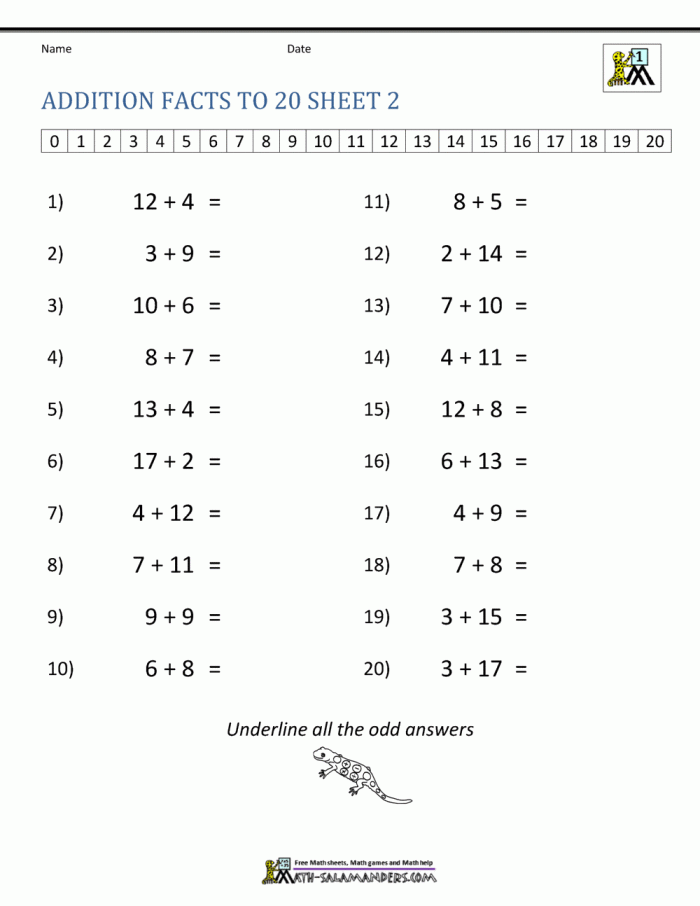
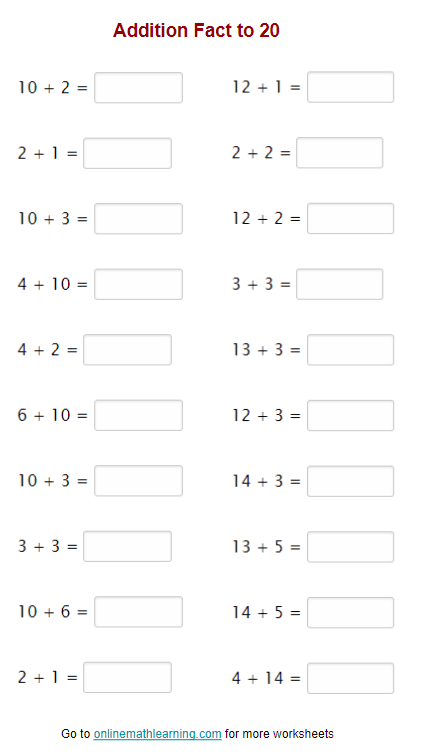
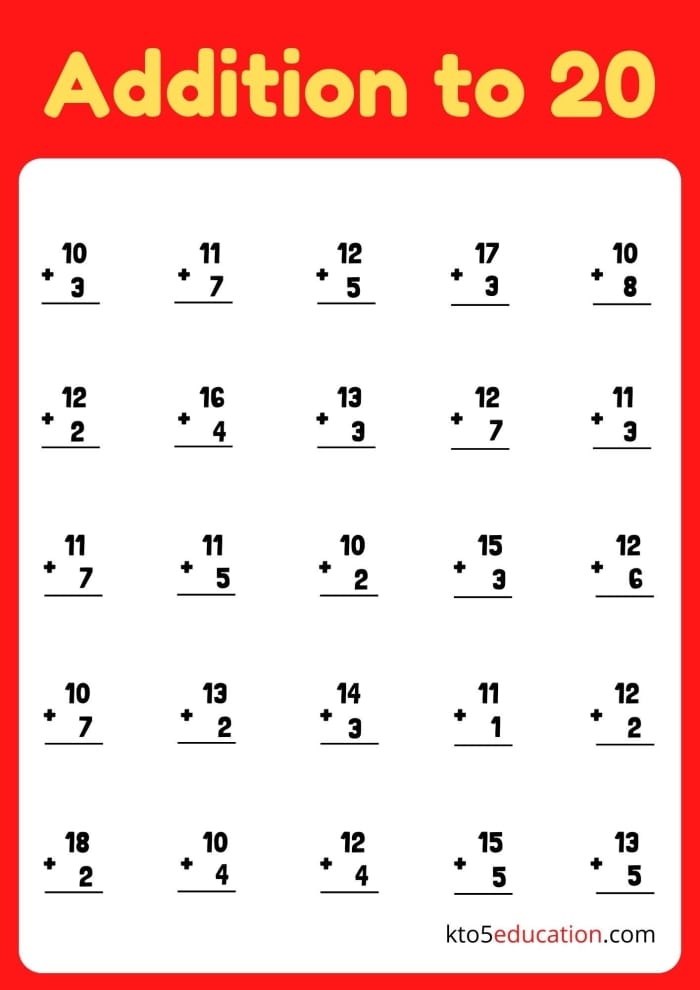
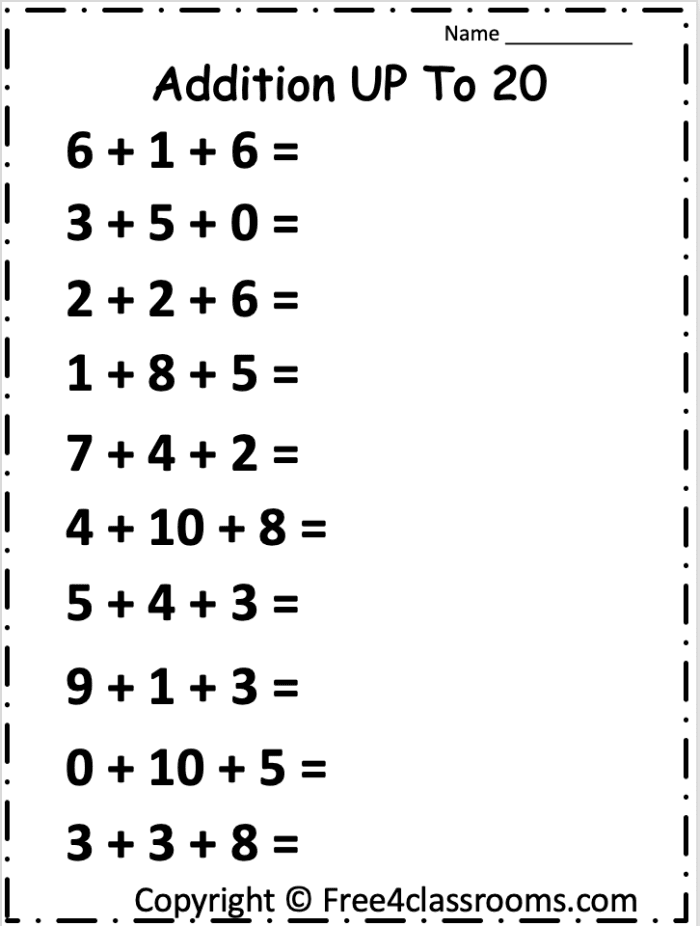
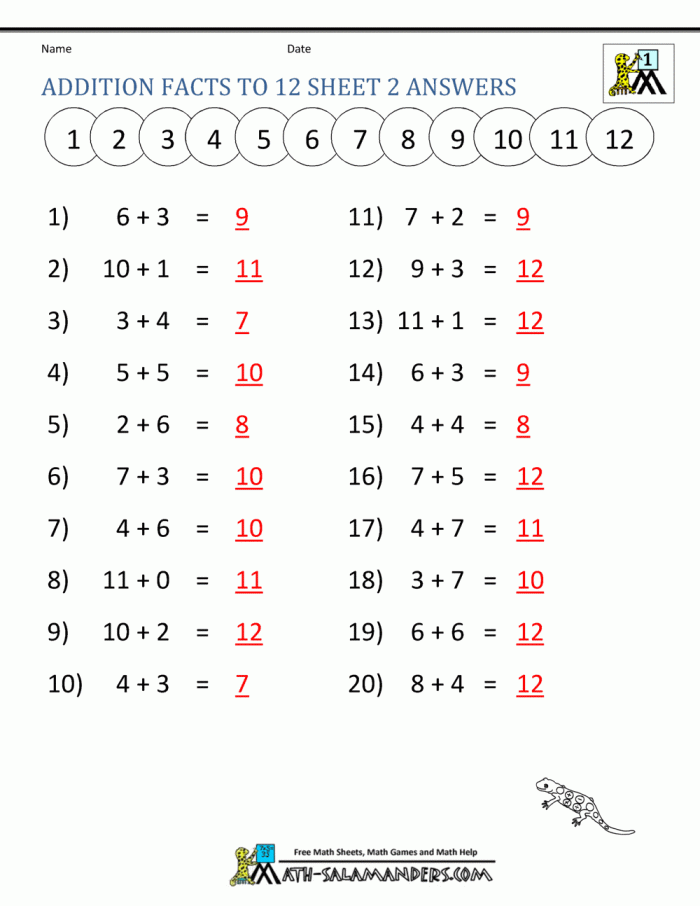
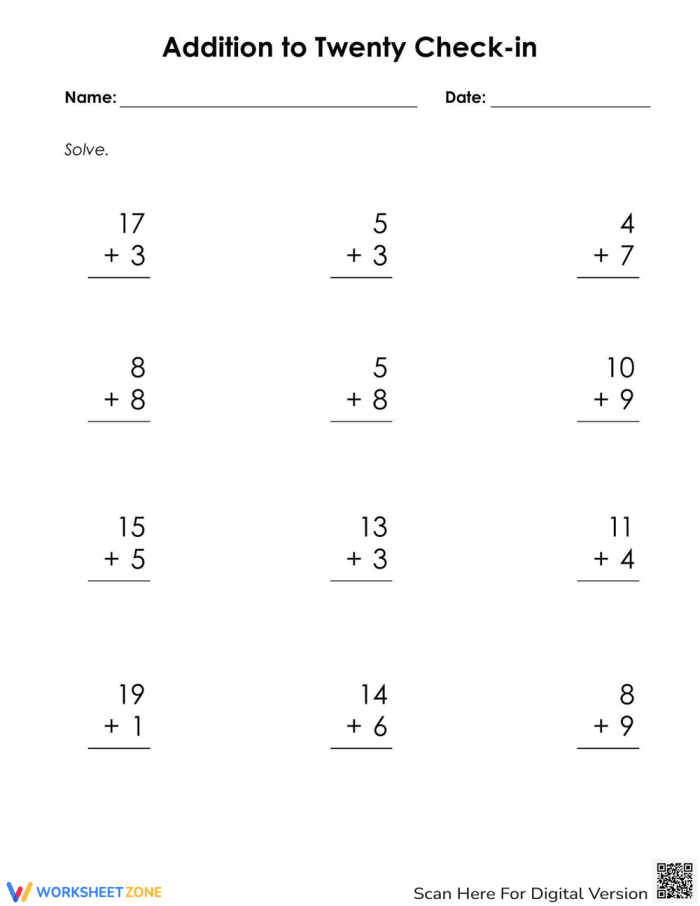
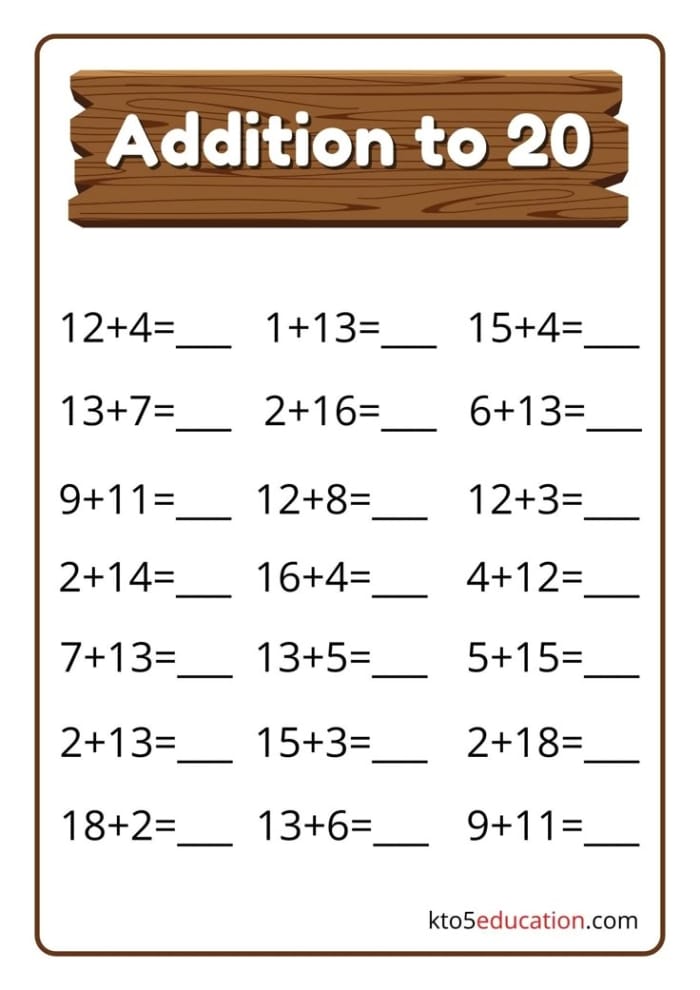
When your first grade student sits down with a pencil, you want to know exactly where they stand with addition. The best way to find out is through a focused check-in that targets their ability to add within 20. This isn’t about drilling facts endlessly, it’s about getting a clear picture of what they can do right now and where they might need more practice.
Addition within 20 is a critical milestone in early math development. By first grade, students should be moving beyond counting on their fingers and starting to recognize number patterns and relationships. A proper assessment helps you identify whether a student has truly grasped the concept or is simply memorizing answers. Some children will naturally group numbers (like recognizing that 7 + 3 = 10), while others still need to count each individual item.
When you administer an addition to 20 check-in worksheet, watch how your student approaches the problems. Do they use manipulatives like blocks or fingers? Do they visualize the numbers mentally? Can they explain their thinking? These observations matter more than the final answer.
The beauty of a targeted assessment is that it guides your next steps. If a student struggles with sums above 15, you might focus on simple addition and subtraction strategies using concrete tools. If they’re ready for more challenge, you can introduce related concepts like subtracting within 20 using ten frames to deepen their number sense.
Regular check-ins throughout the year prevent gaps from widening. You’ll catch misconceptions early and celebrate growth as it happens. This approach turns assessment from a stressful event into a useful teaching tool that informs your instruction and keeps your student moving forward with confidence.
Grab These Worksheets Now