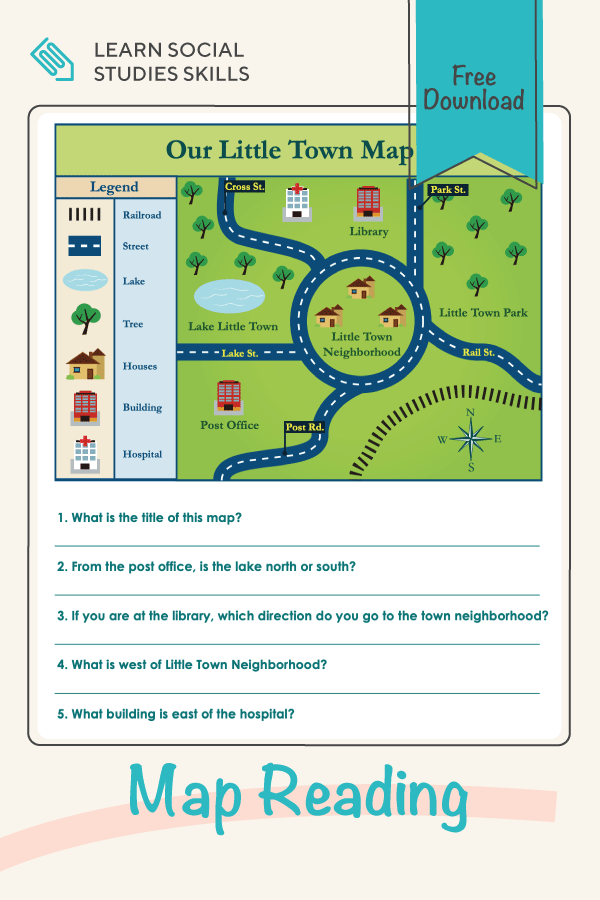
Maps are one of those skills that seem simple until you actually try to teach them. When your child starts learning to read a map in First Grade, they’re building spatial reasoning that extends far beyond finding locations. They’re learning to think in directions, understand symbols, and navigate the world with confidence.
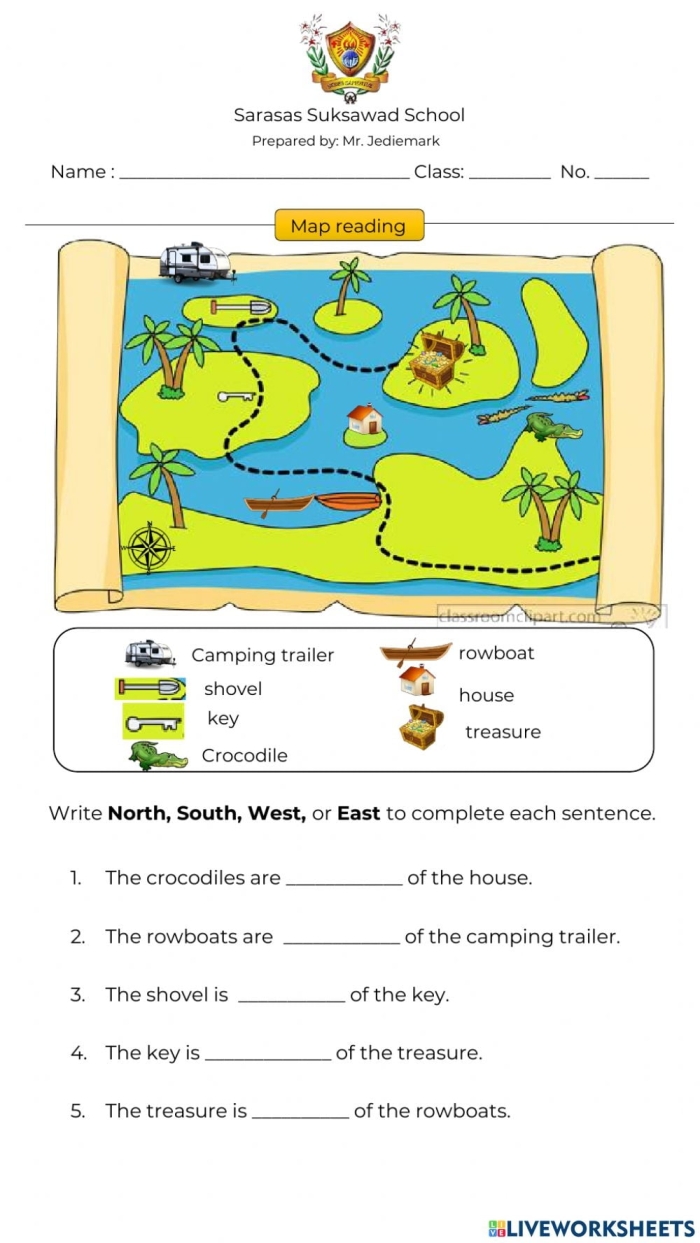
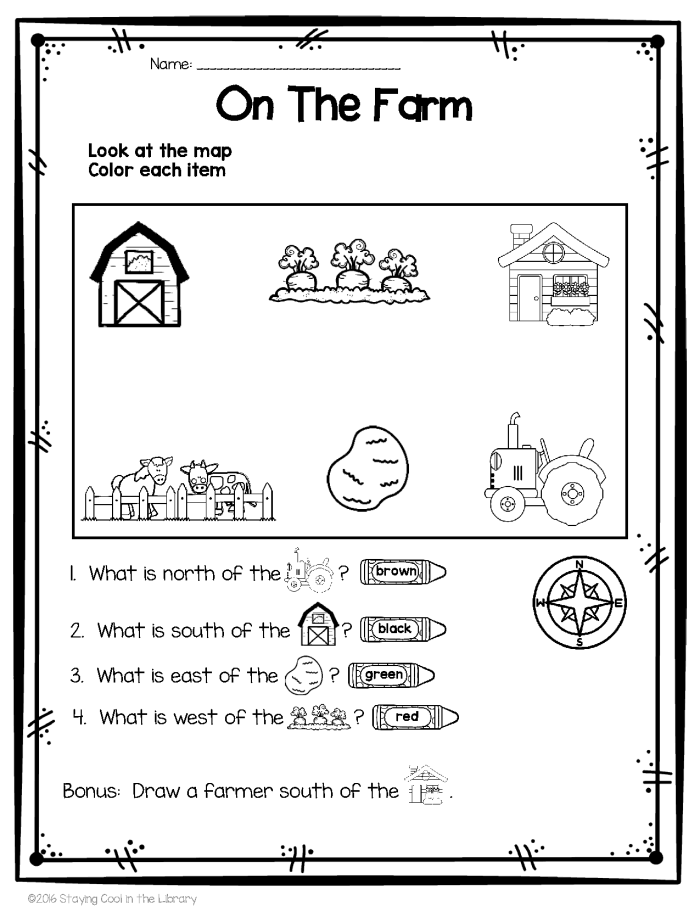
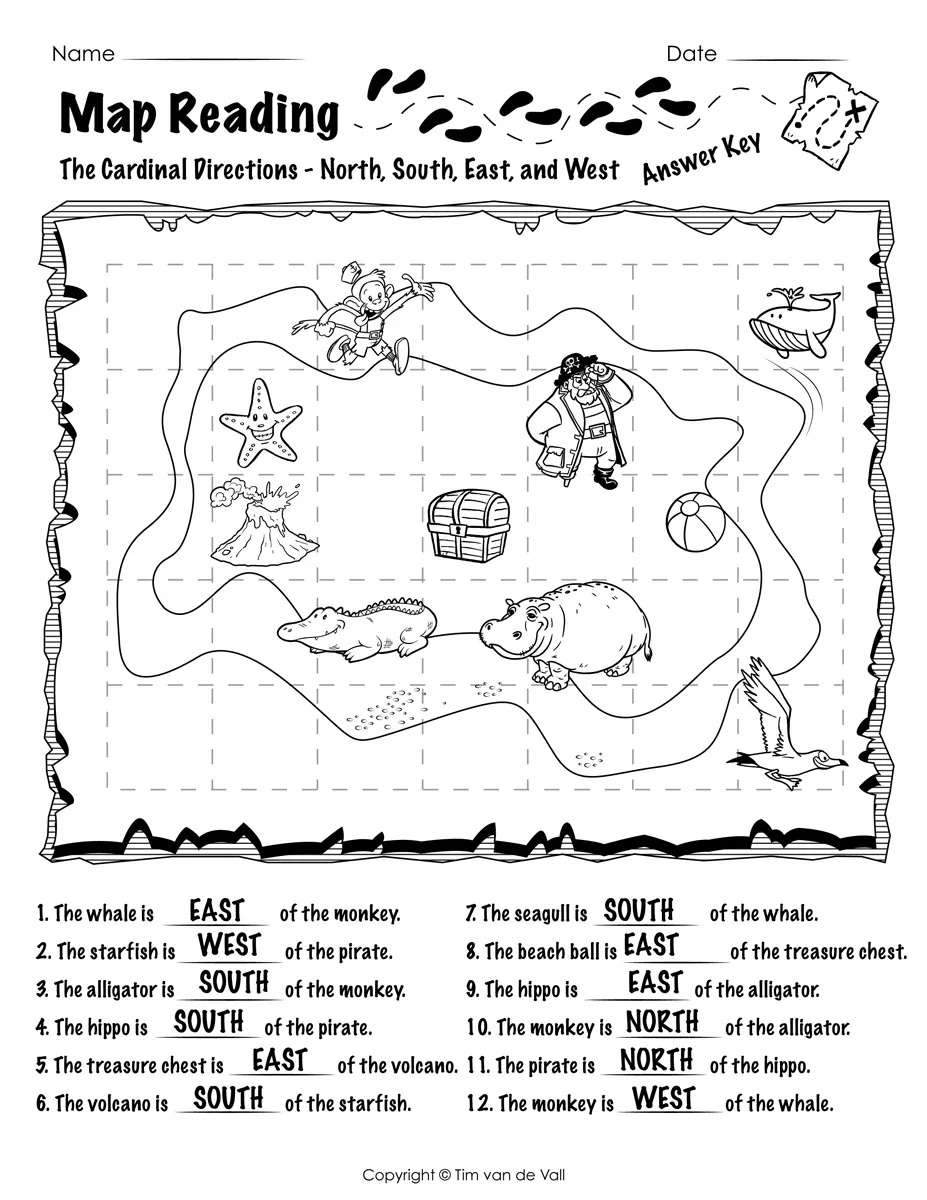
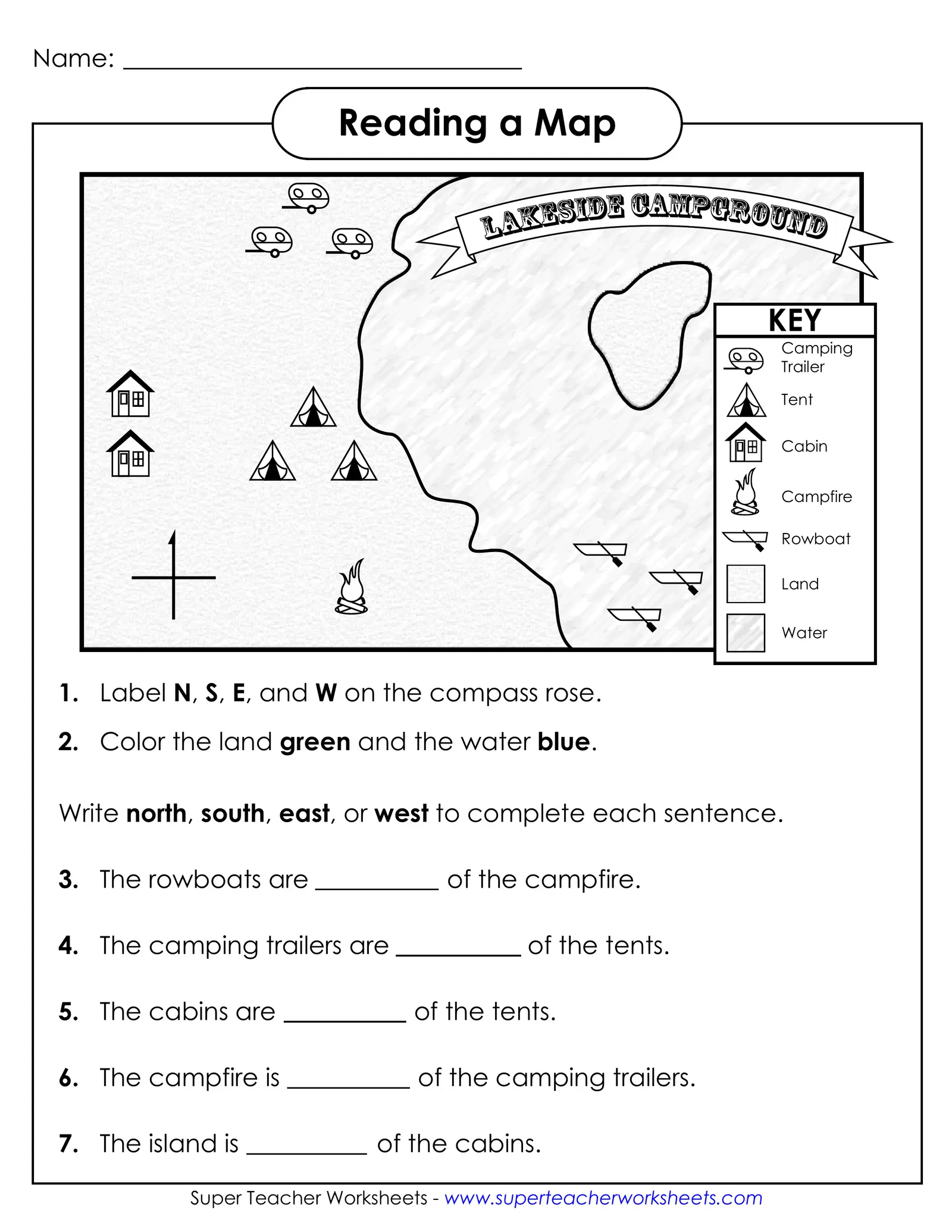
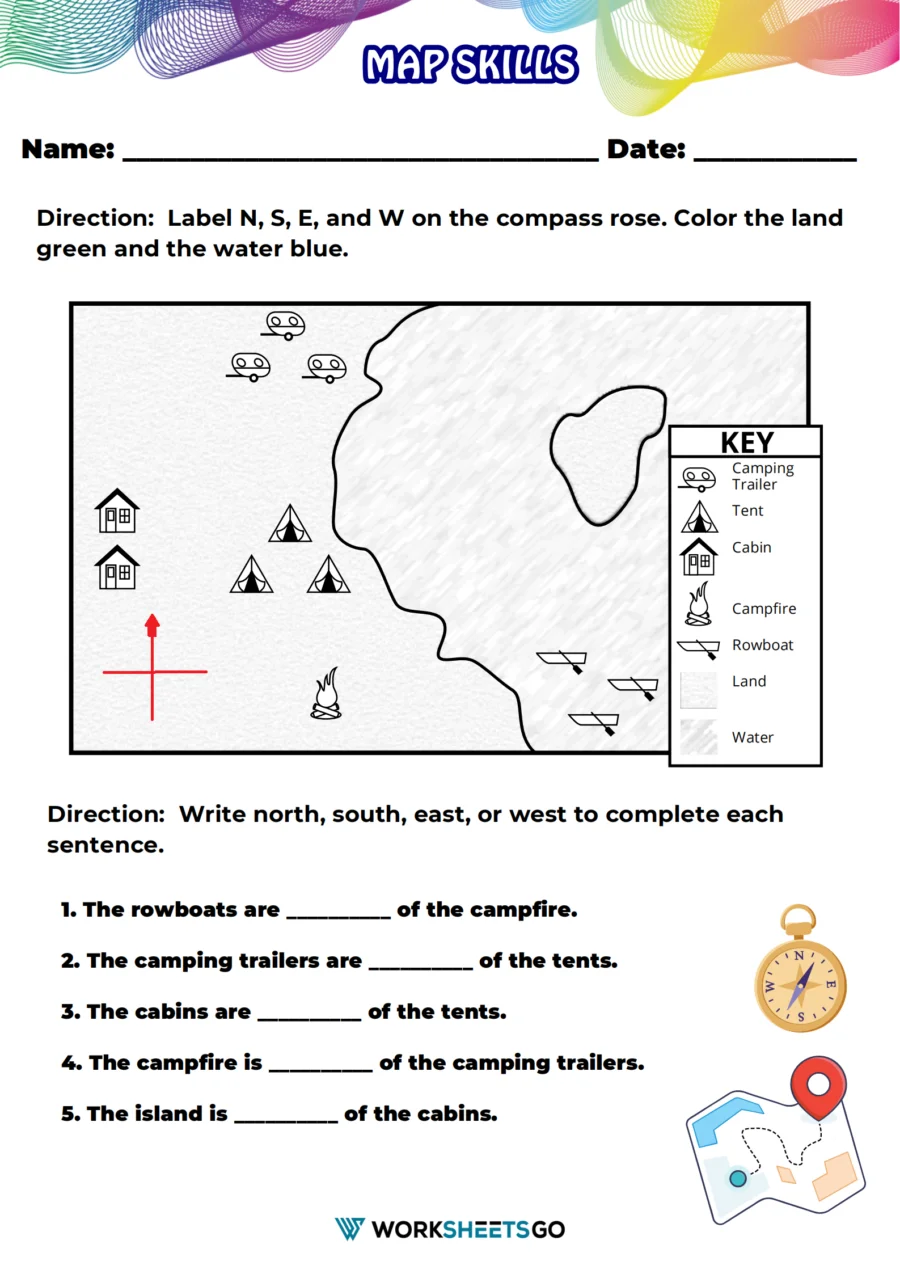
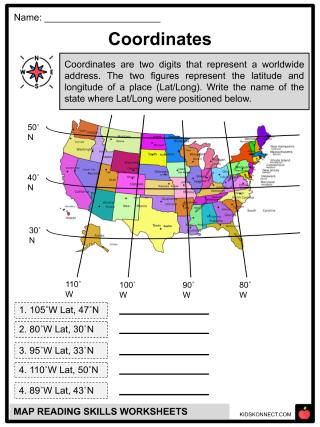
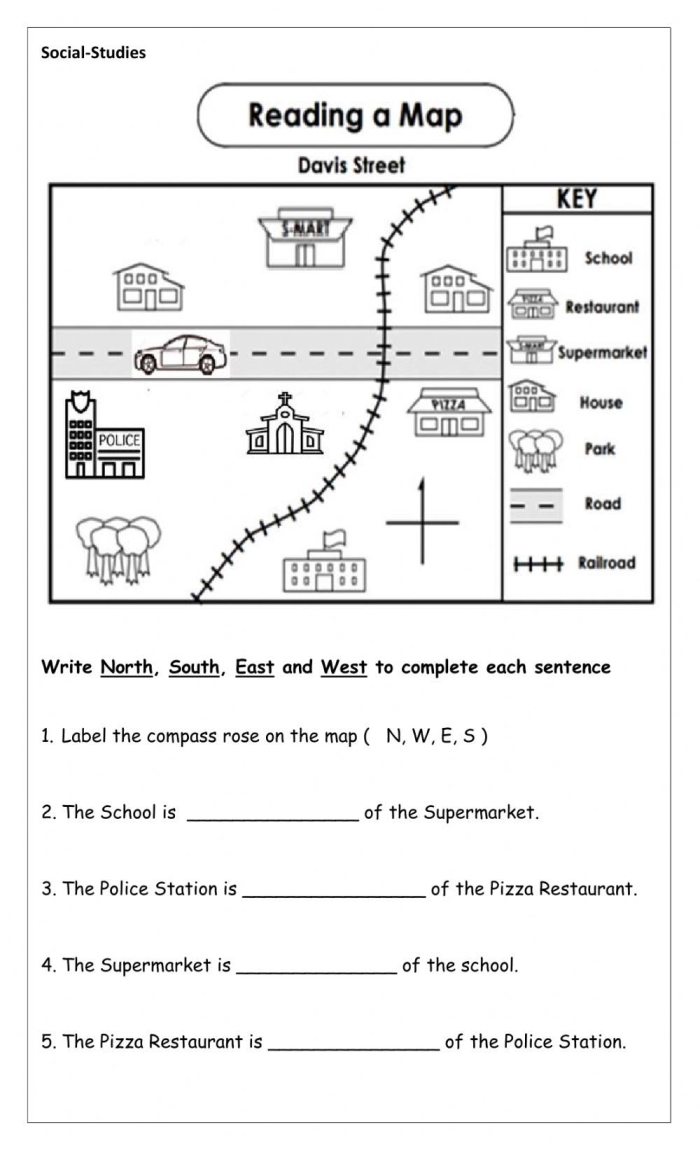
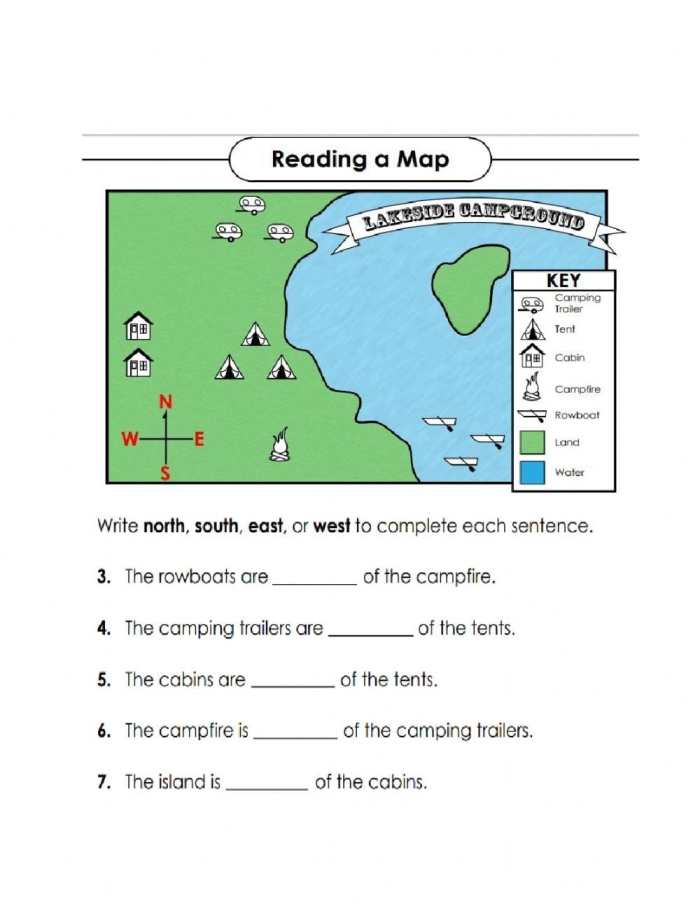
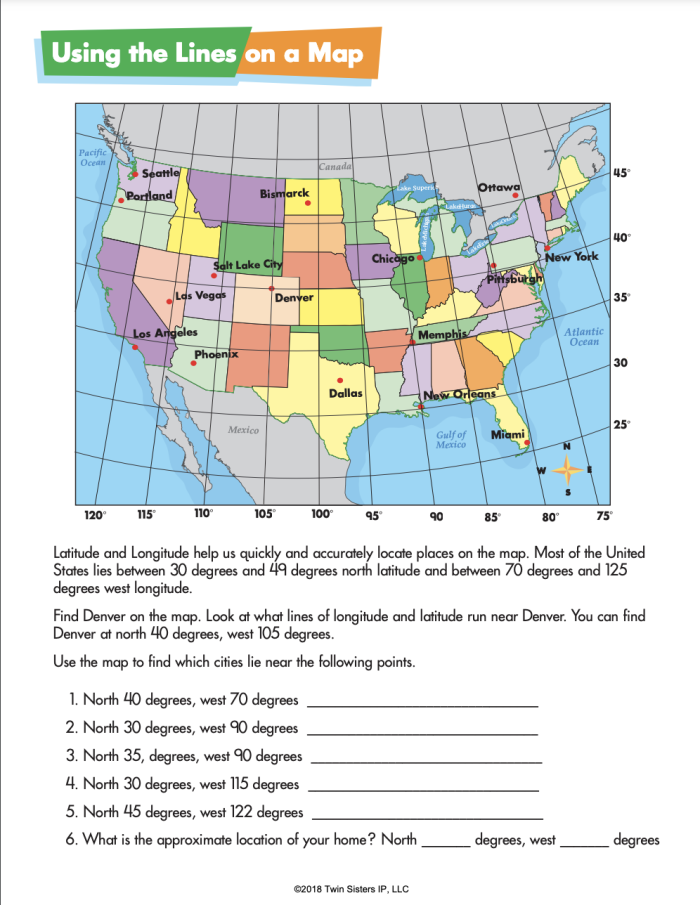
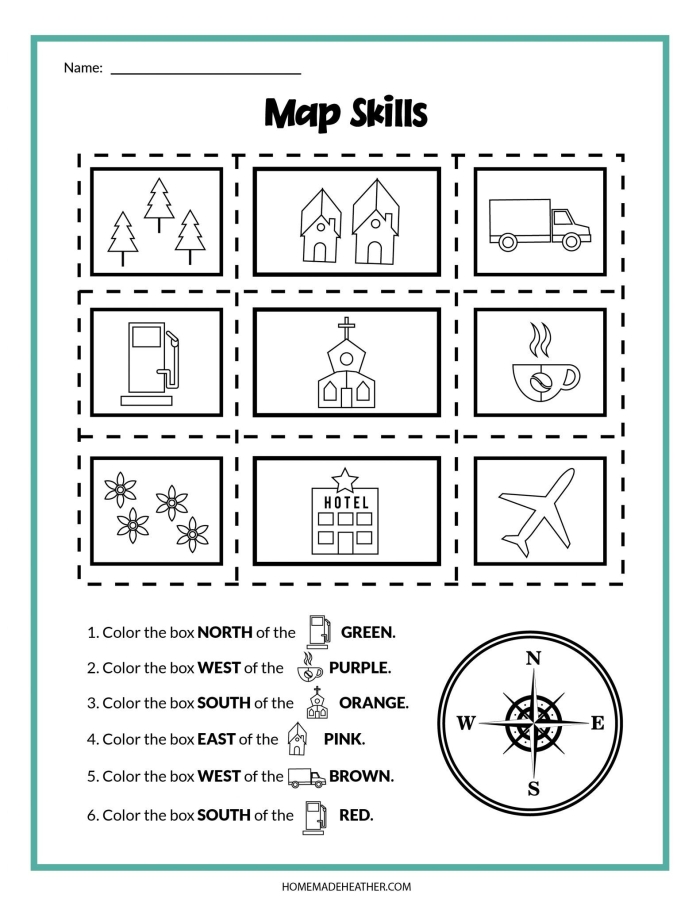
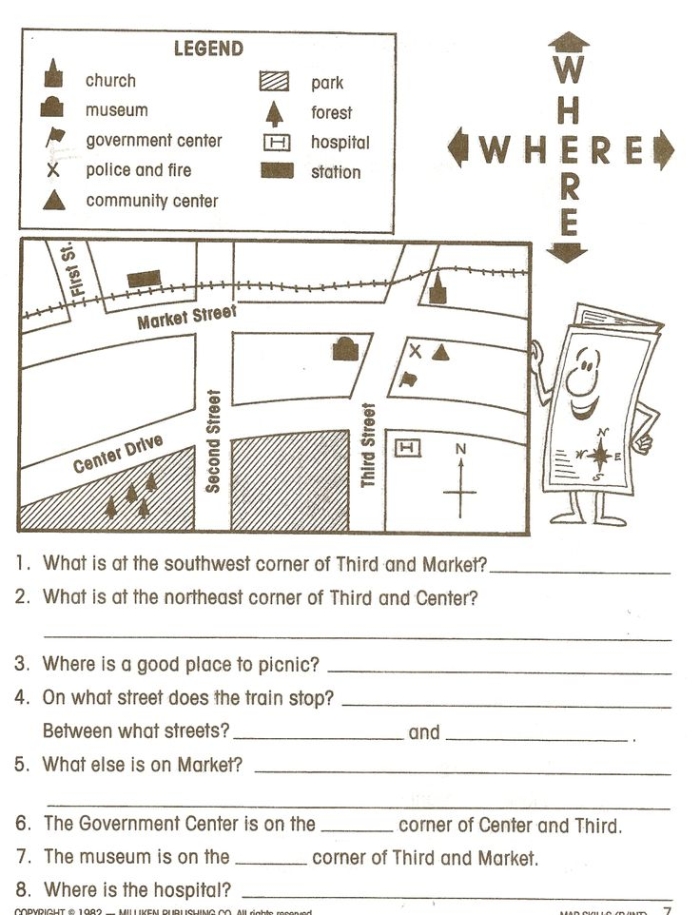
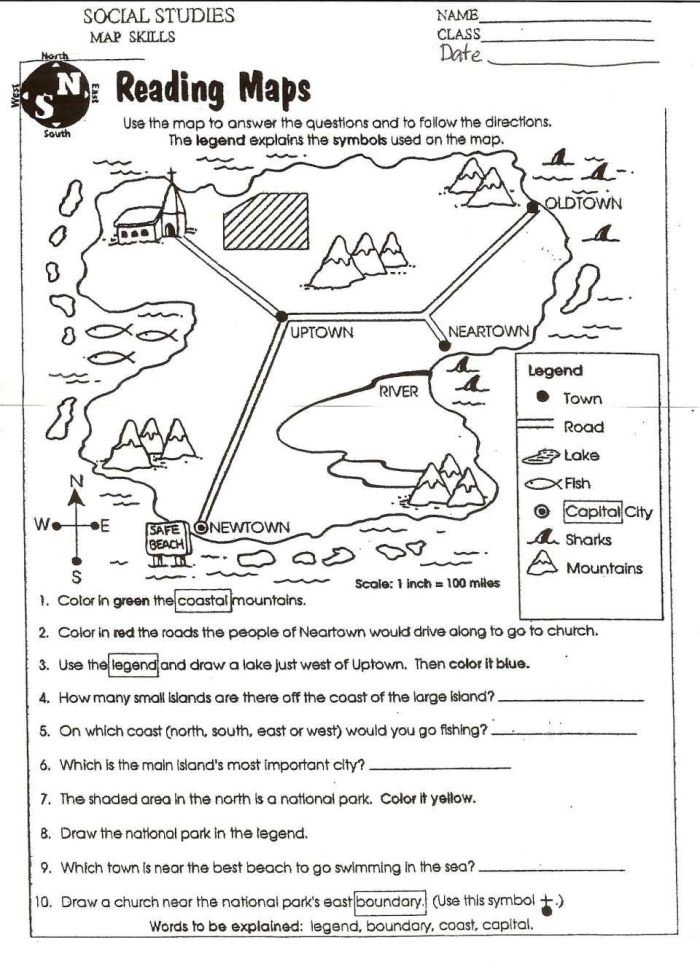
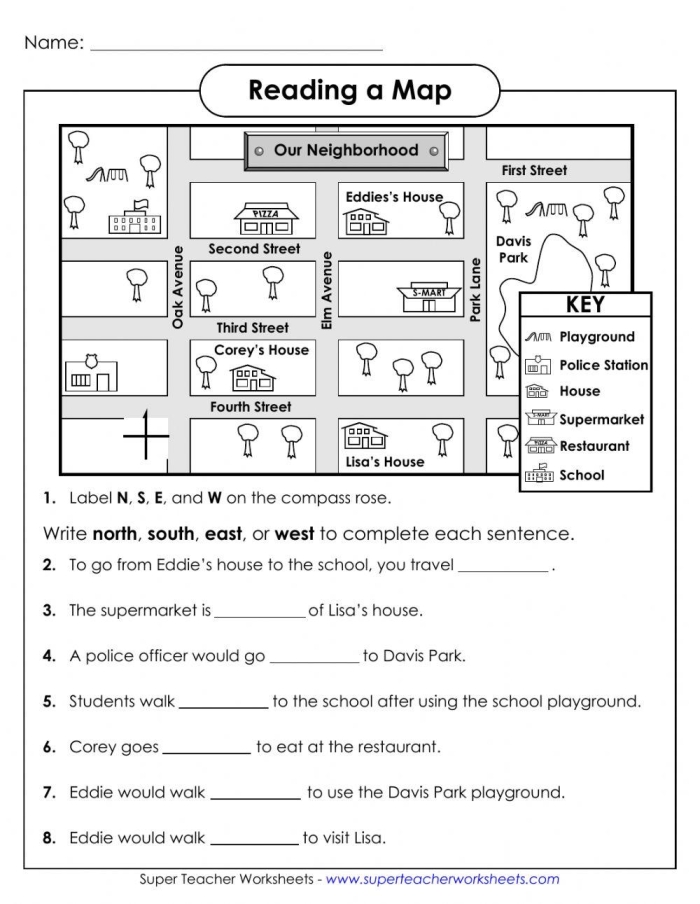
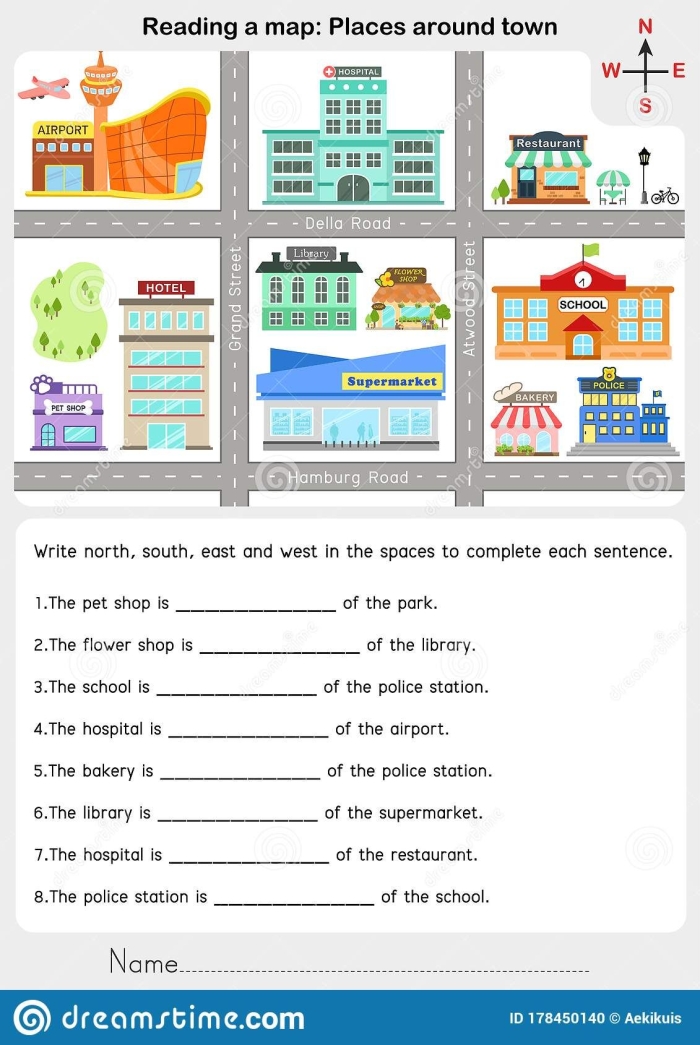
The foundation of map reading begins with cardinal directions: north, south, east, and west. These four directions form the backbone of how we orient ourselves on any map. Start by establishing these directions in your home or classroom. Point out which direction is north from your window, then practice identifying the other three. Once your child grasps the concept physically, they can apply it to a flat map.
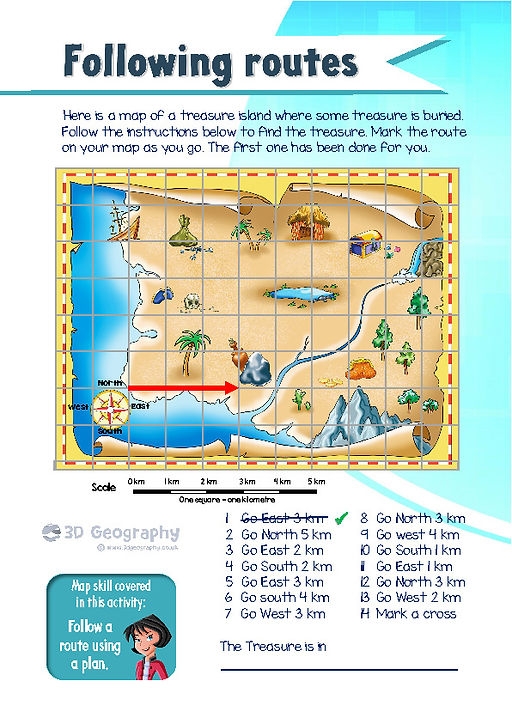
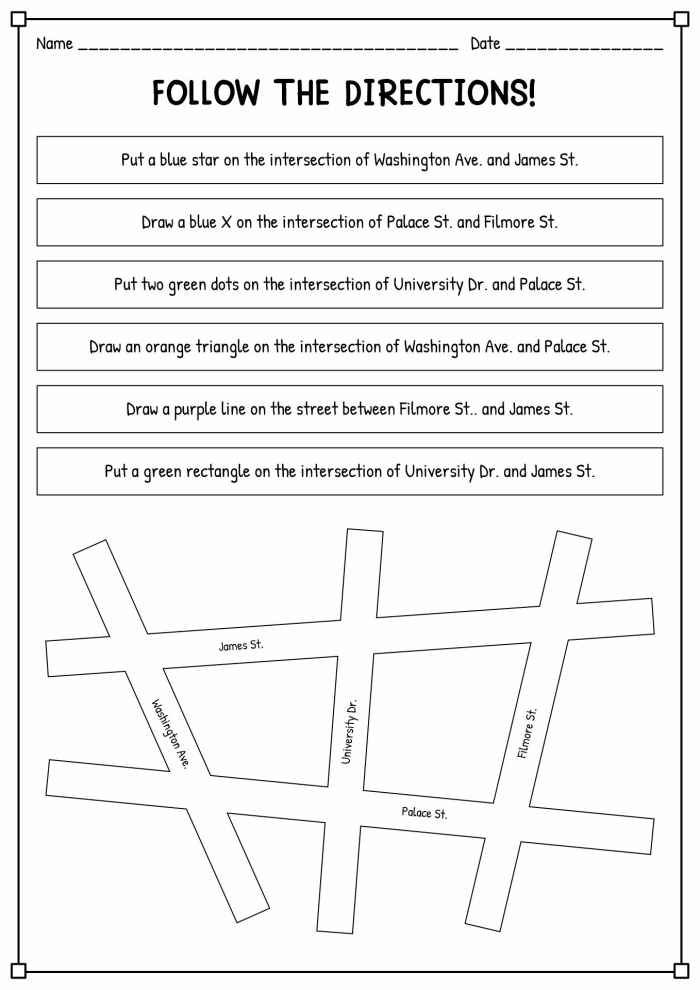
One effective approach involves simple, hands-on activities. Create a basic map of your house or neighborhood using paper and colored pencils. Label the cardinal directions clearly at the top of the map. Have your child place objects or draw landmarks in the correct positions relative to north, south, east, and west. This concrete practice helps them see how directions work in representation.
When your child works through engineering and science inquiry activities, they’re developing observational skills that transfer directly to map reading. The same attention to detail applies when they interpret symbols and locations on a map.
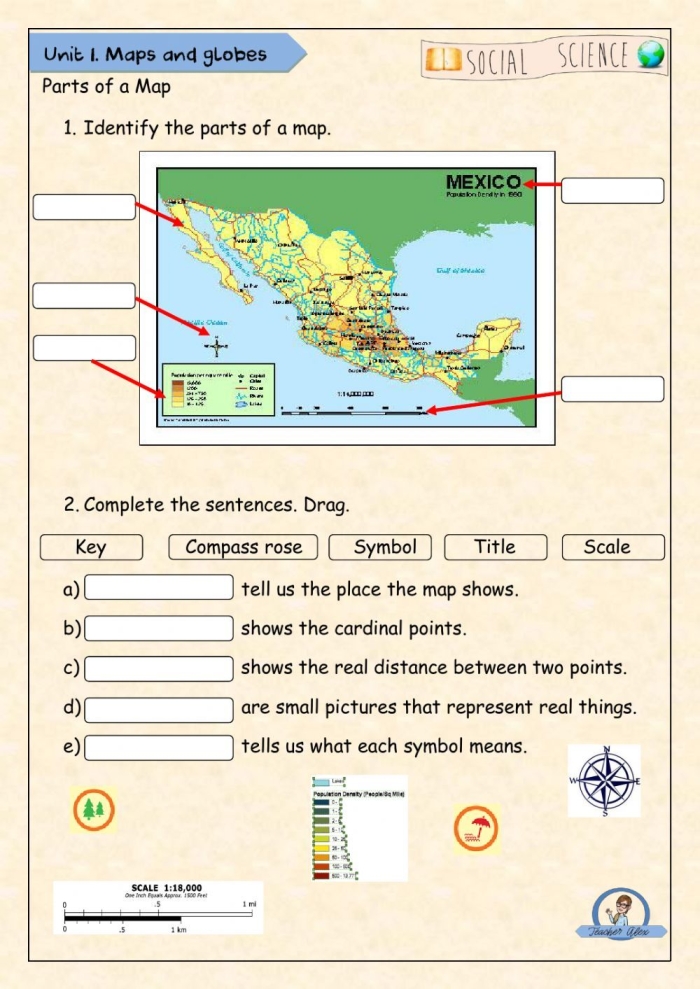
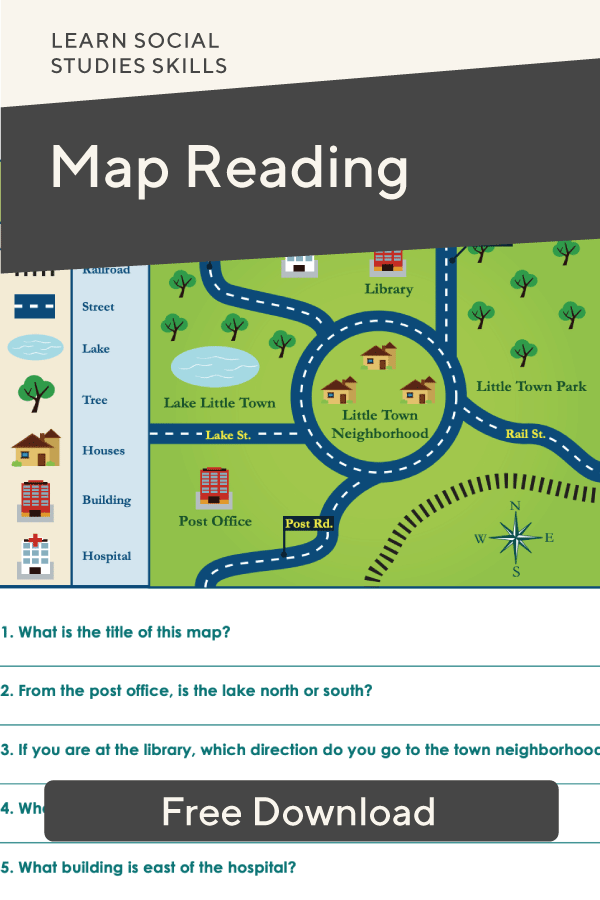
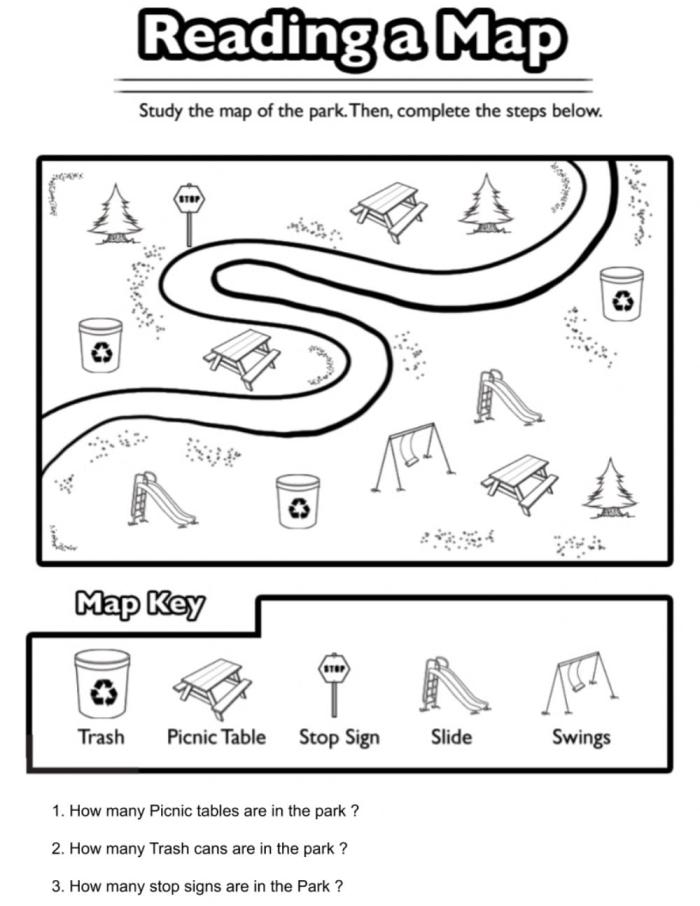
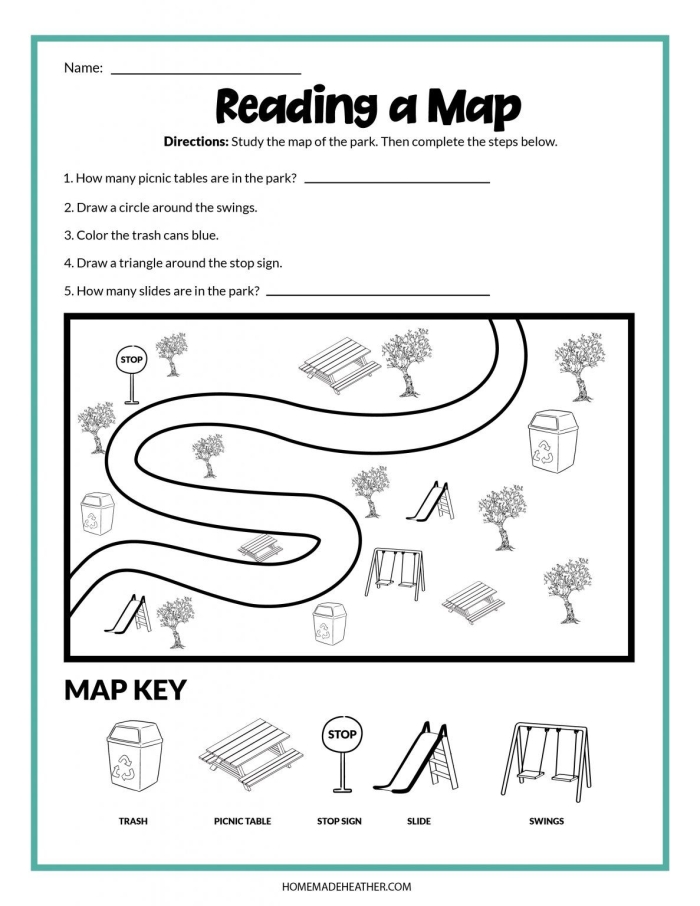
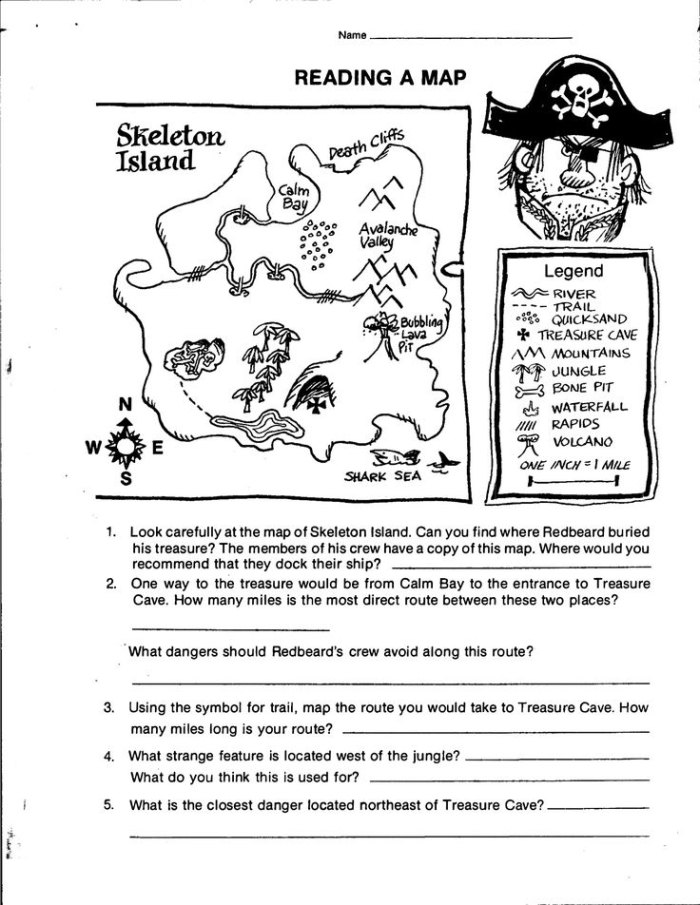
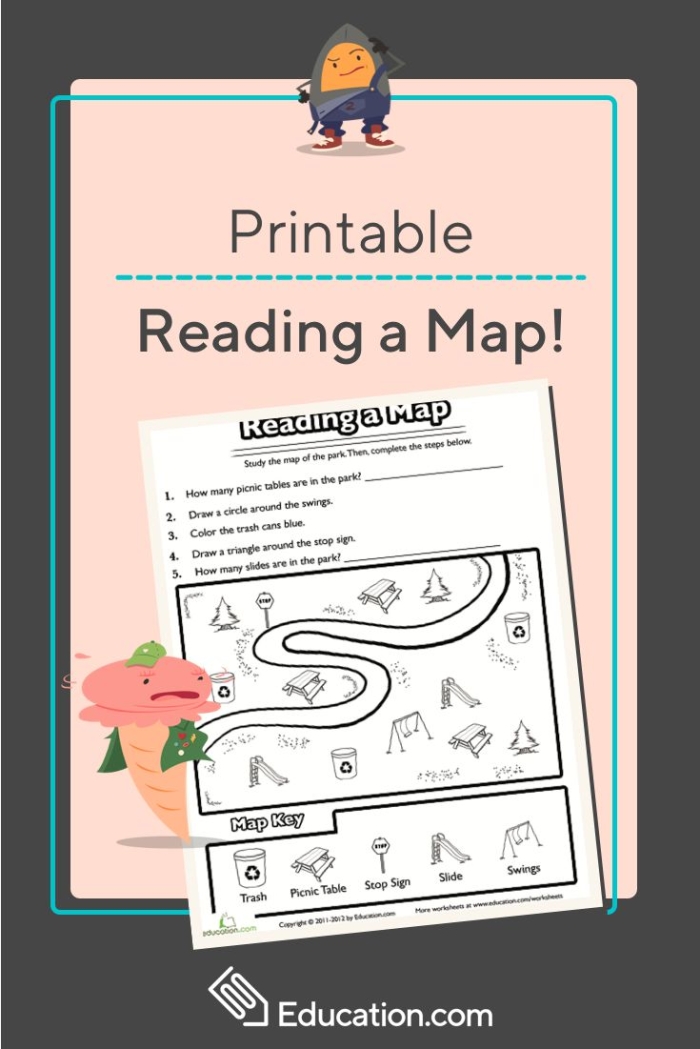
Introduce map symbols gradually. A simple legend showing that a square means a house or a triangle means a tree makes maps less intimidating. Practice reading these symbols together before moving to more complex maps. Regular practice with social studies activities reinforces directional awareness in meaningful contexts.
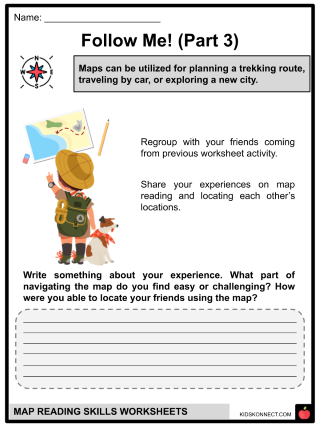
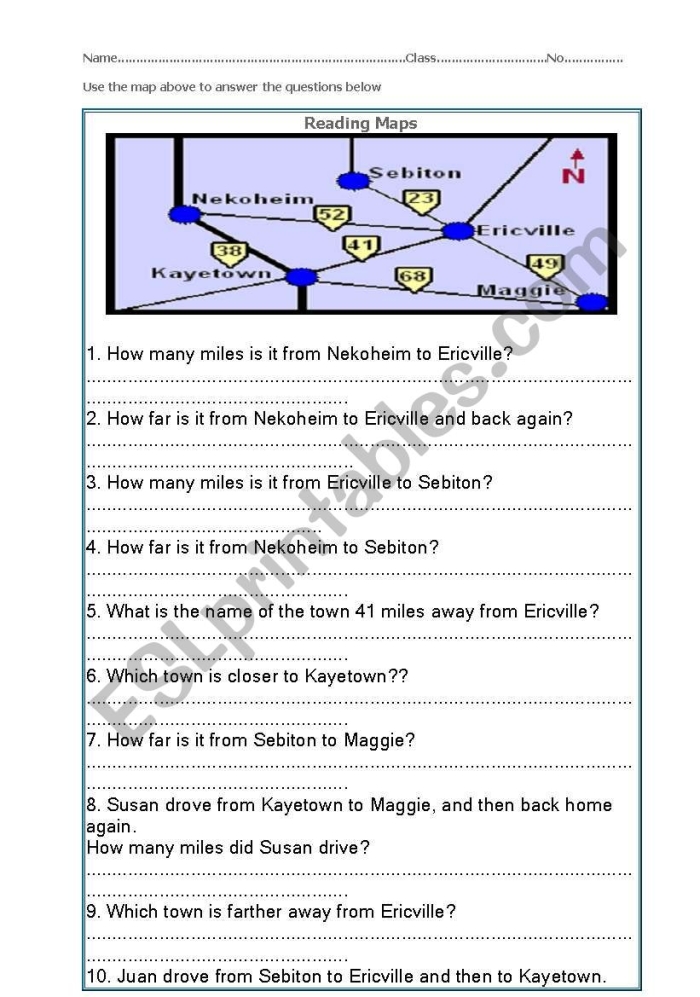
Make map reading part of real life. When you’re in the car, point out directions. When you visit a park, look at the map together and find where you are. This practical application shows your child why these skills matter beyond worksheets.
Hands-On Worksheet Activities