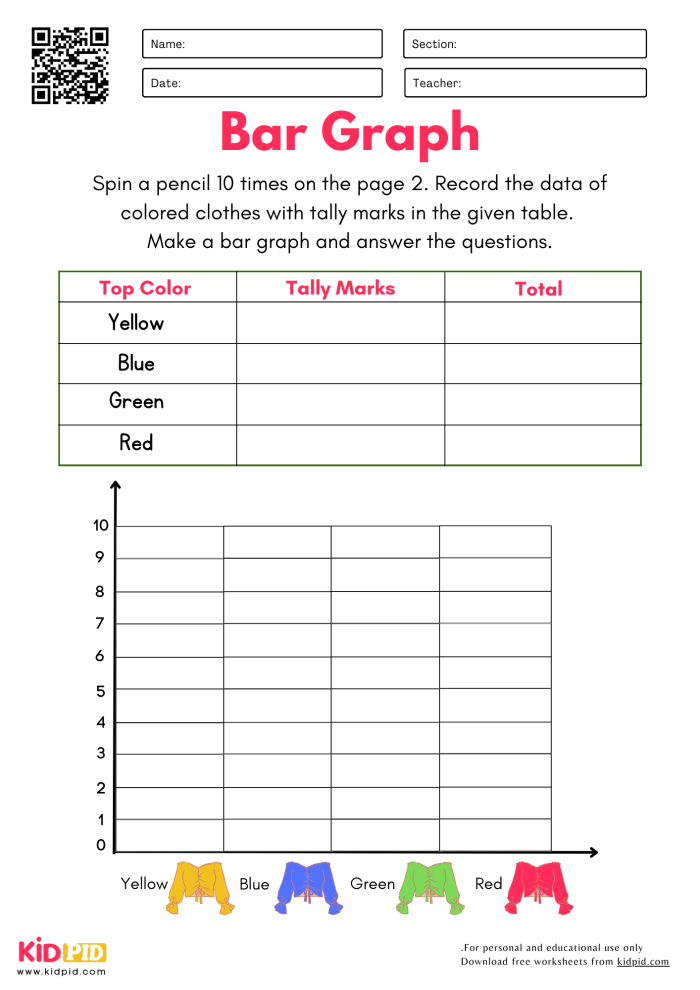
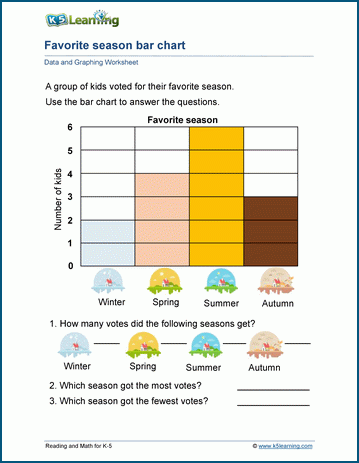
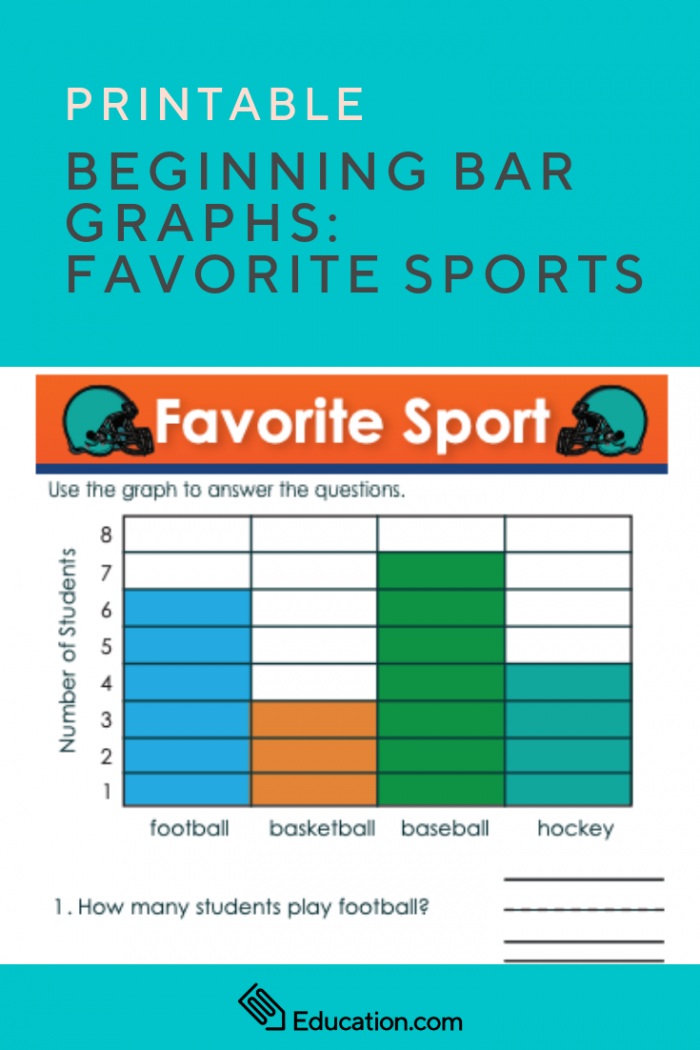
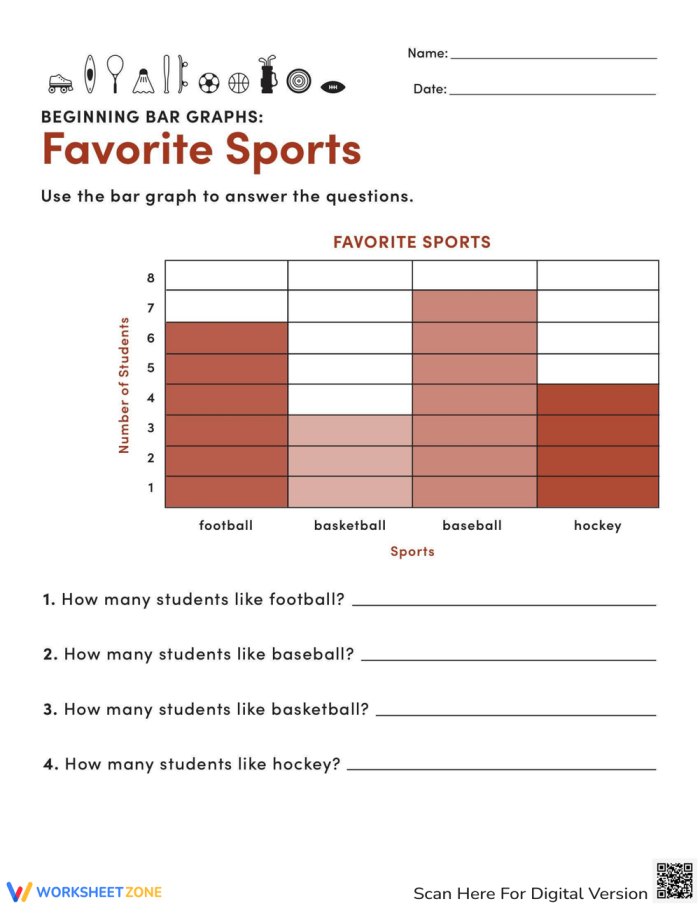
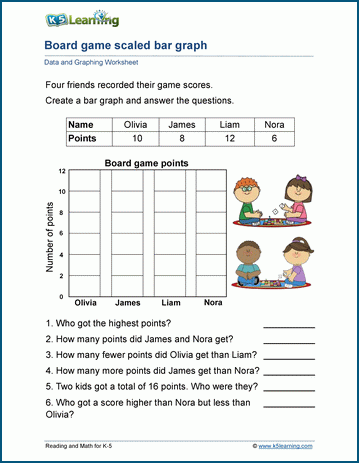
Bar graphs can feel abstract to First Grade students who are still building foundational math skills. When you introduce data visualization through something concrete like favorite cake flavors, the concept clicks almost immediately. Kids understand cake. They have preferences about cake. So when their own choices become the data points on a graph, reading that graph becomes personal and relevant.
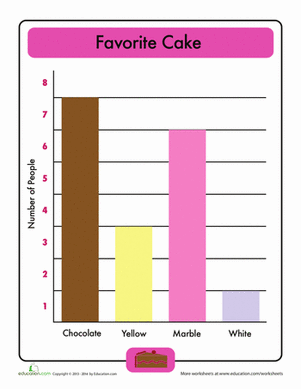
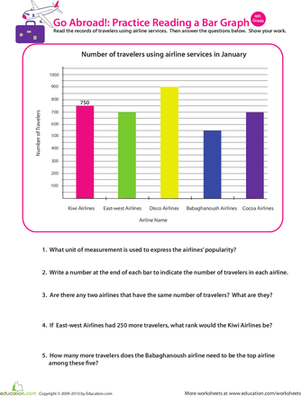
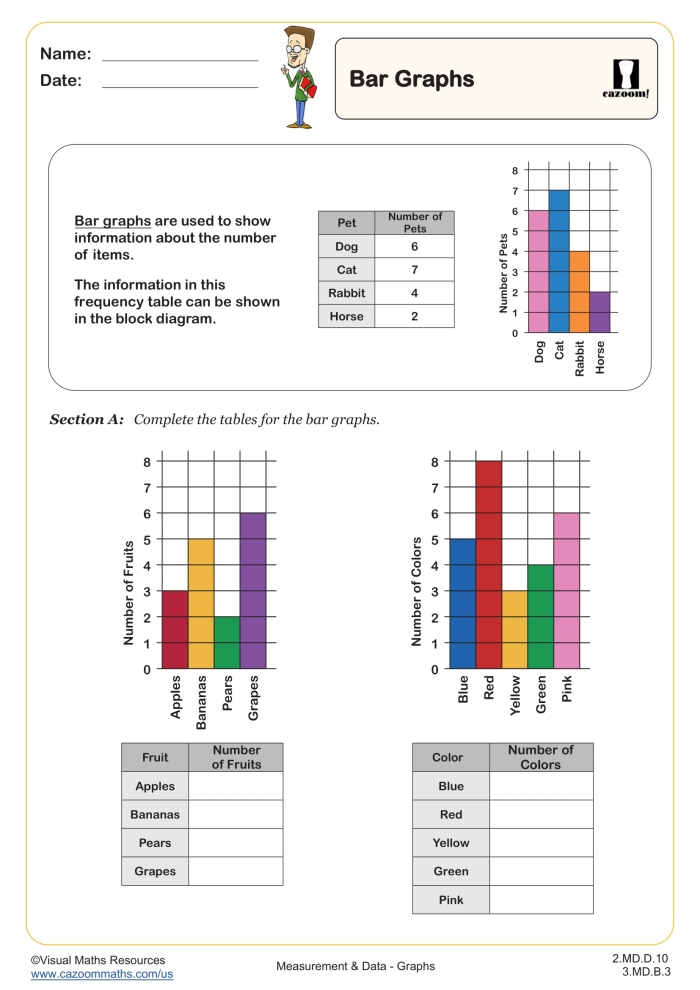
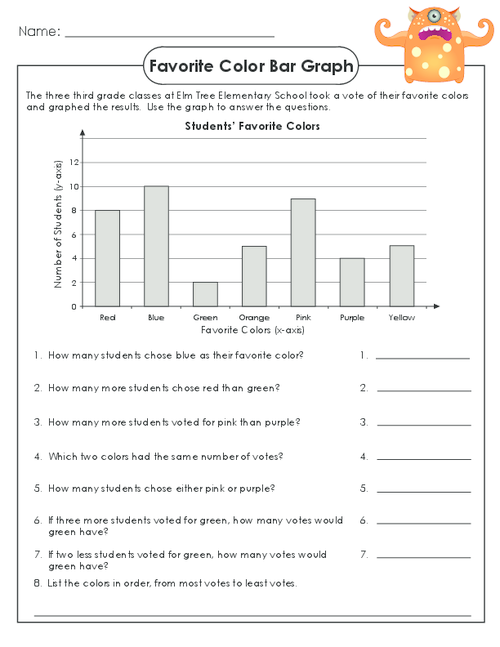
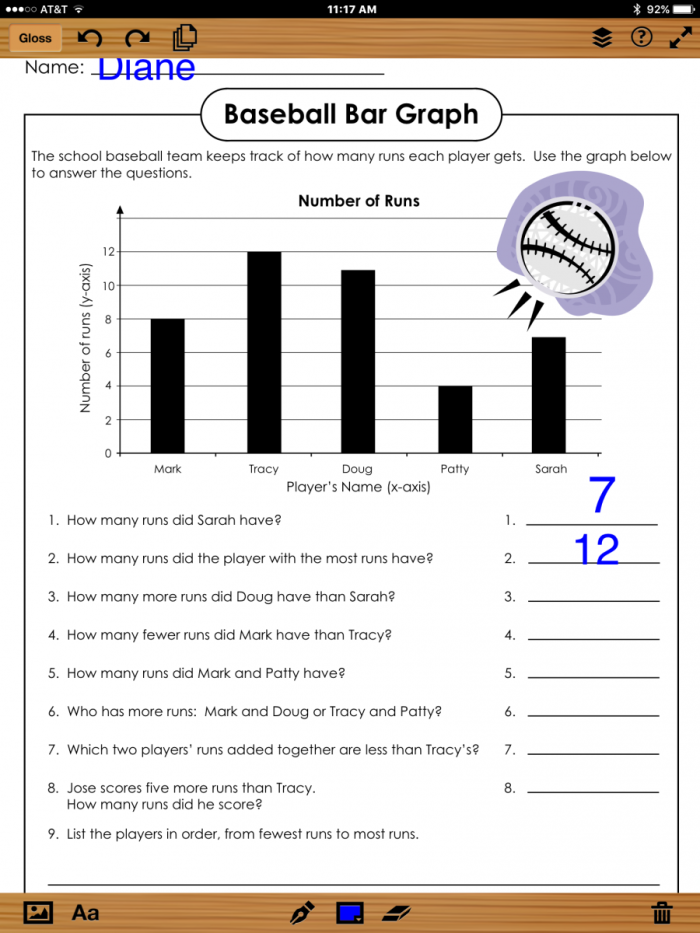
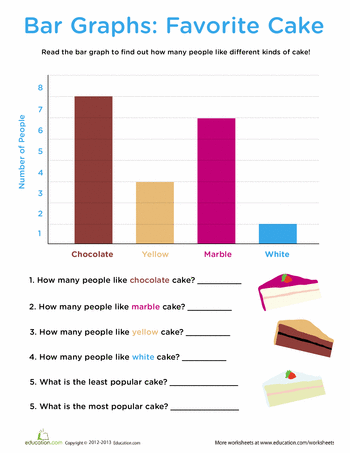
The favorite cake bar graph works because it combines two things young learners already know: food choices and simple counting. A First Grade student might not grasp why they need to read a bar graph about abstract numbers, but ask them to track which cake flavor their classmates prefer, and suddenly the exercise has purpose. They’re collecting real information from their peers and representing it visually. That’s genuine data work, not just worksheet completion.
What makes this approach particularly effective in a Social Studies context is how it naturally builds community awareness. Students learn about each other’s preferences while practicing essential skills. They discover that their classmate prefers chocolate while another loves vanilla, and this information becomes visible on the graph. The bar graph transforms individual preferences into a shared visual story the whole class can read together.
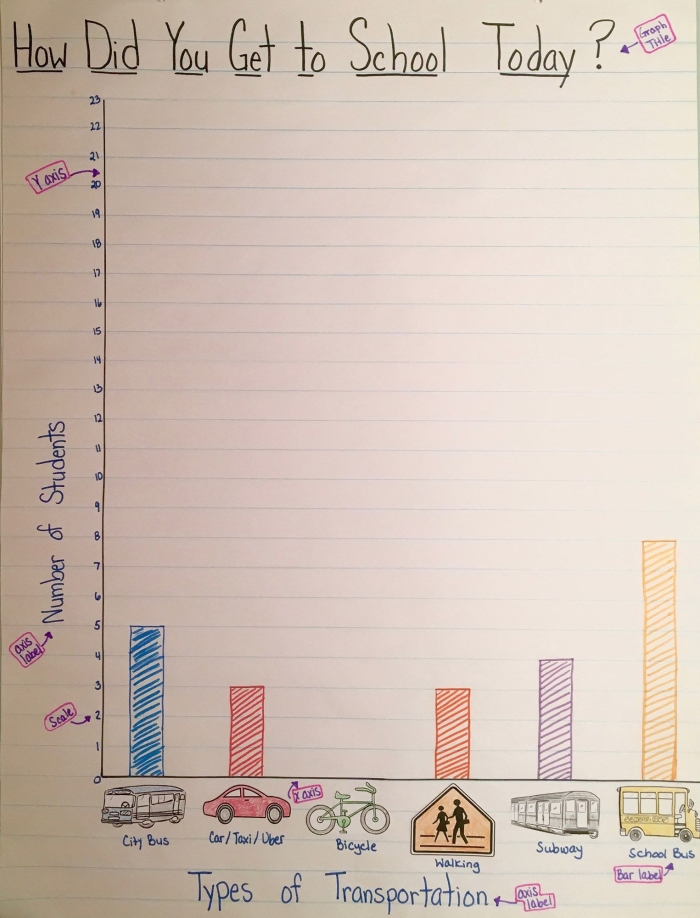
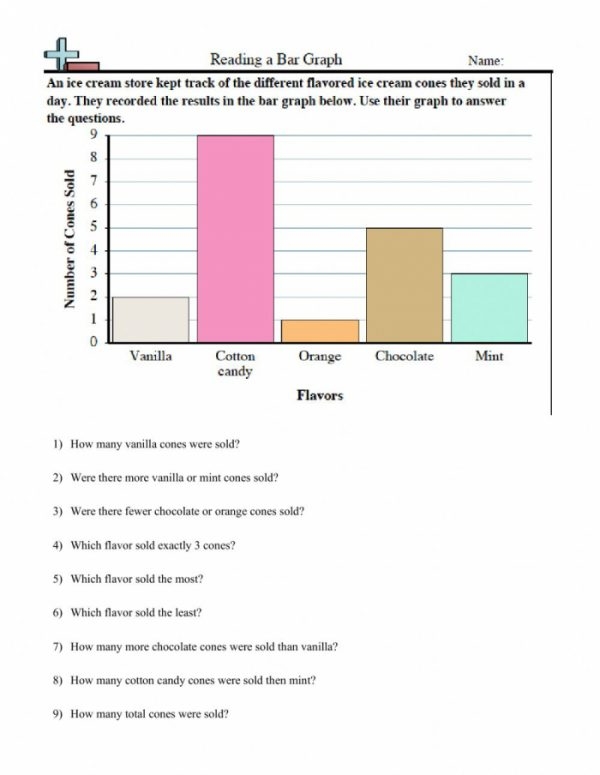
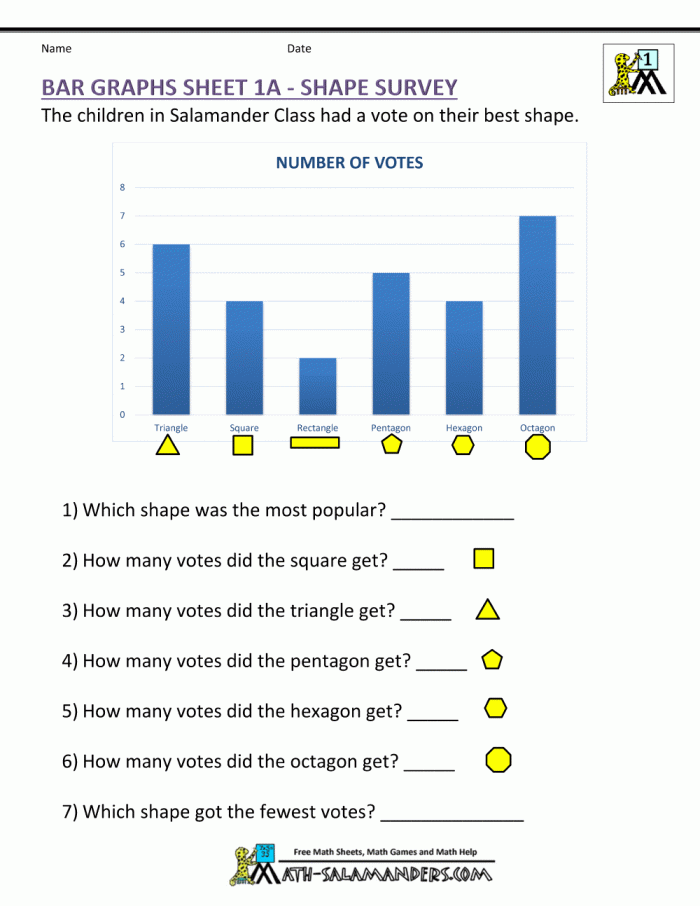
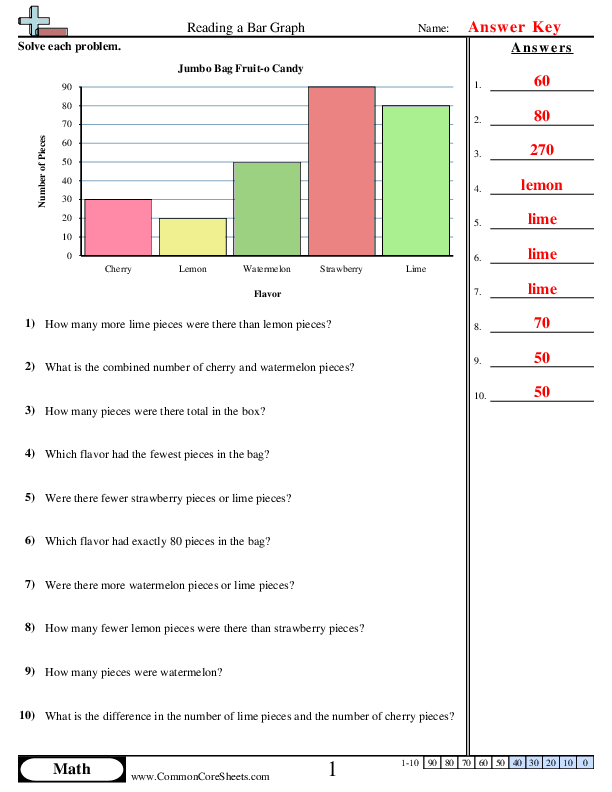
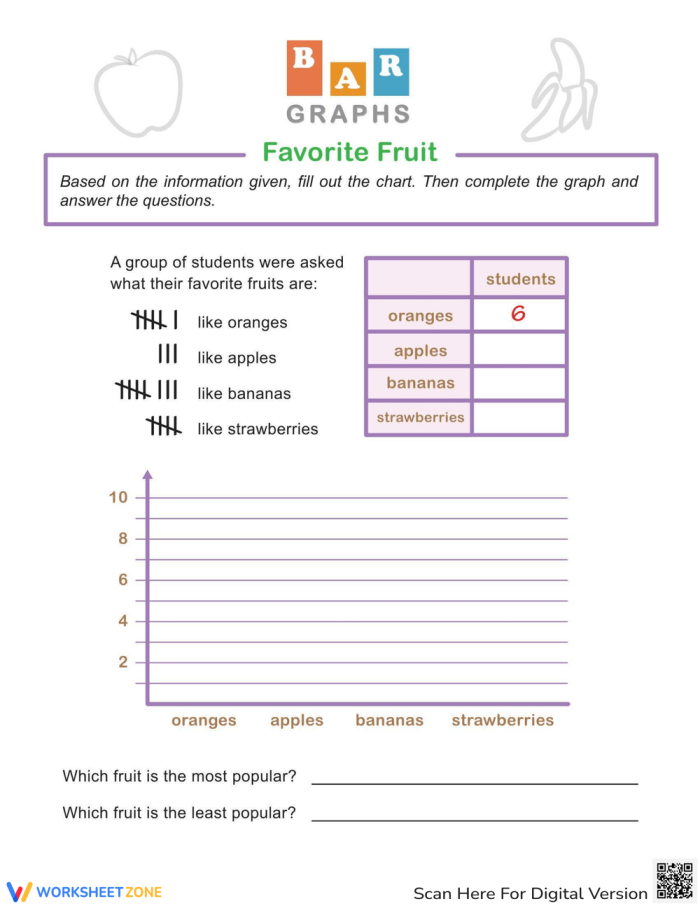
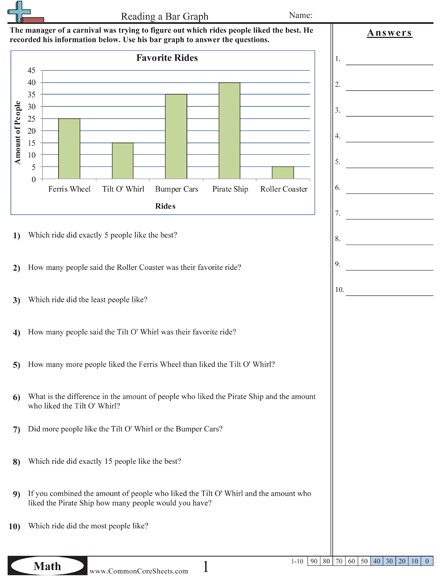
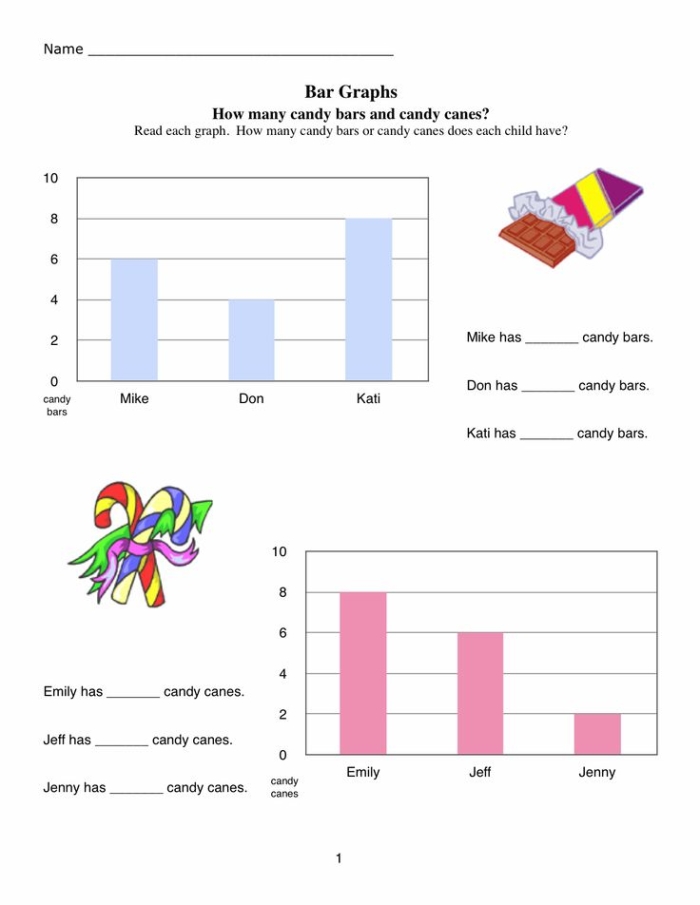
The simplicity of the cake theme also reduces cognitive load. Instead of processing unfamiliar objects or complex scenarios, students focus entirely on understanding how the graph works. The bars grow taller or shorter based on votes, and that visual relationship between height and quantity is easy to grasp. Printable beginning bar graphs using favorite cake worksheets let teachers reinforce this learning repeatedly, giving students multiple opportunities to practice without the lesson feeling repetitive or boring.
Boost Skills with These Worksheets