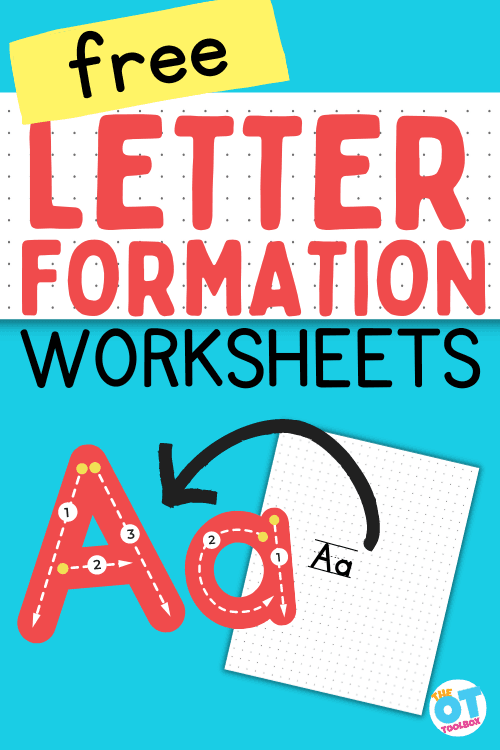
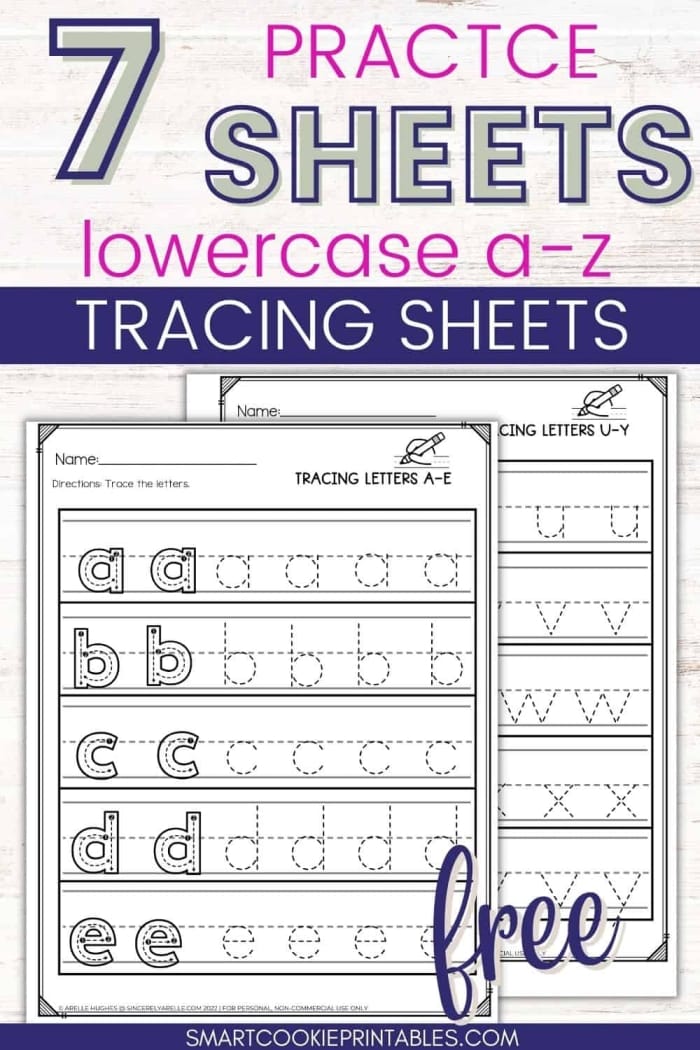
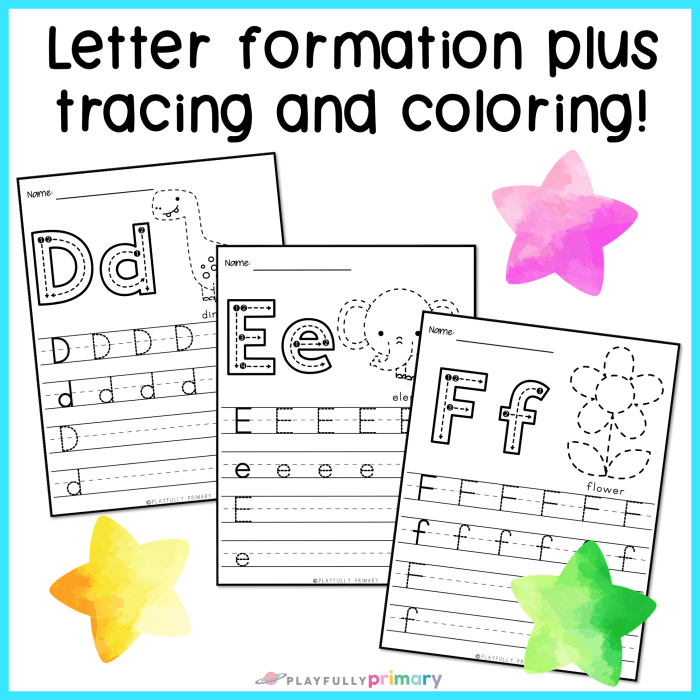
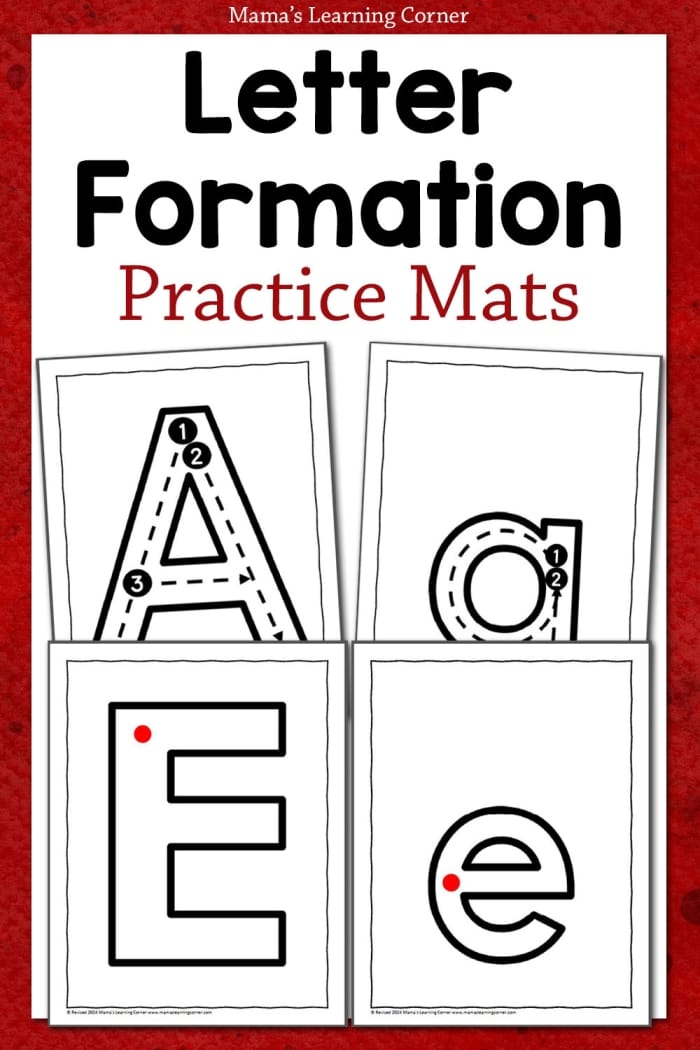
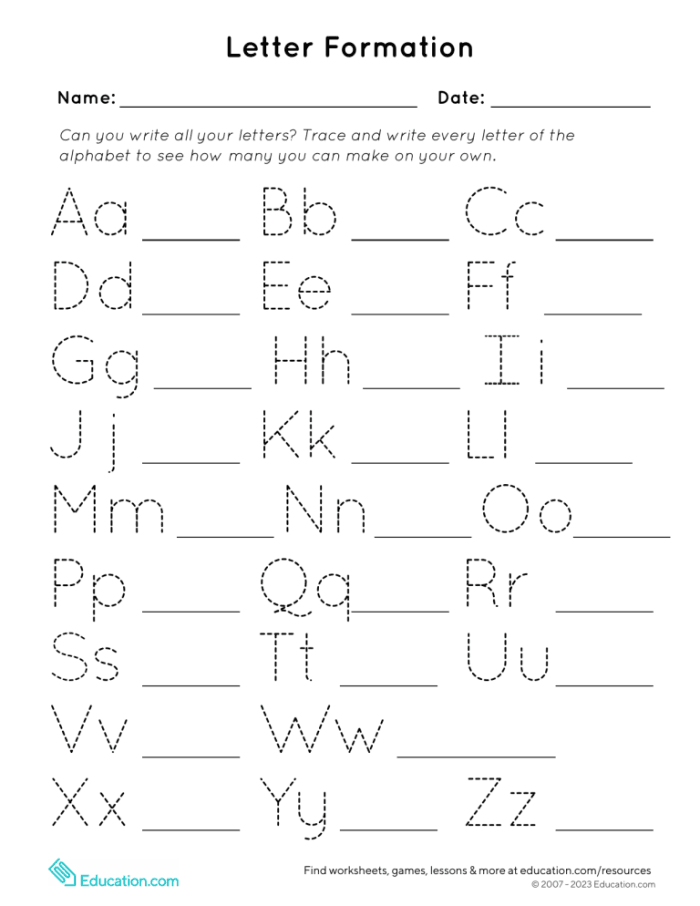
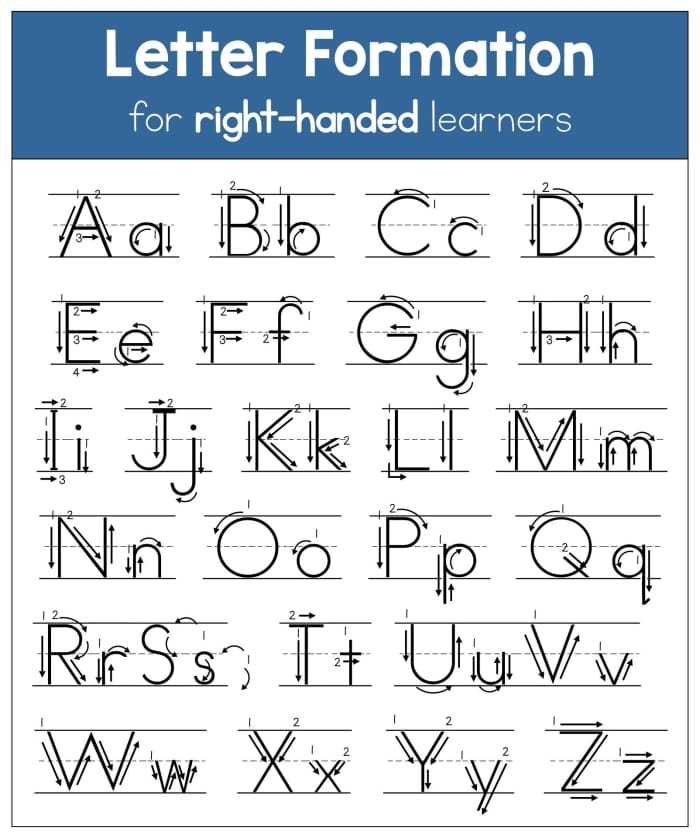
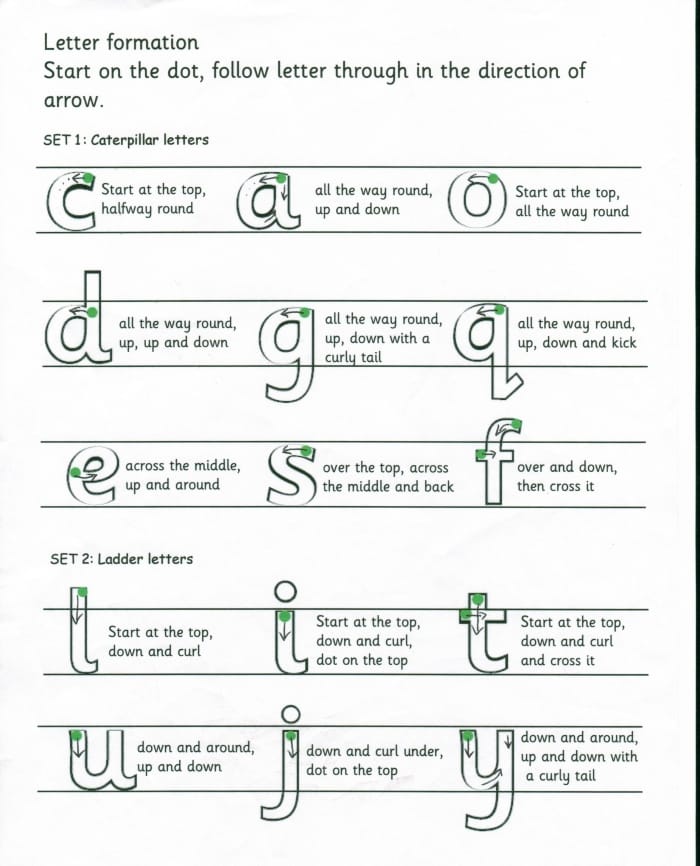
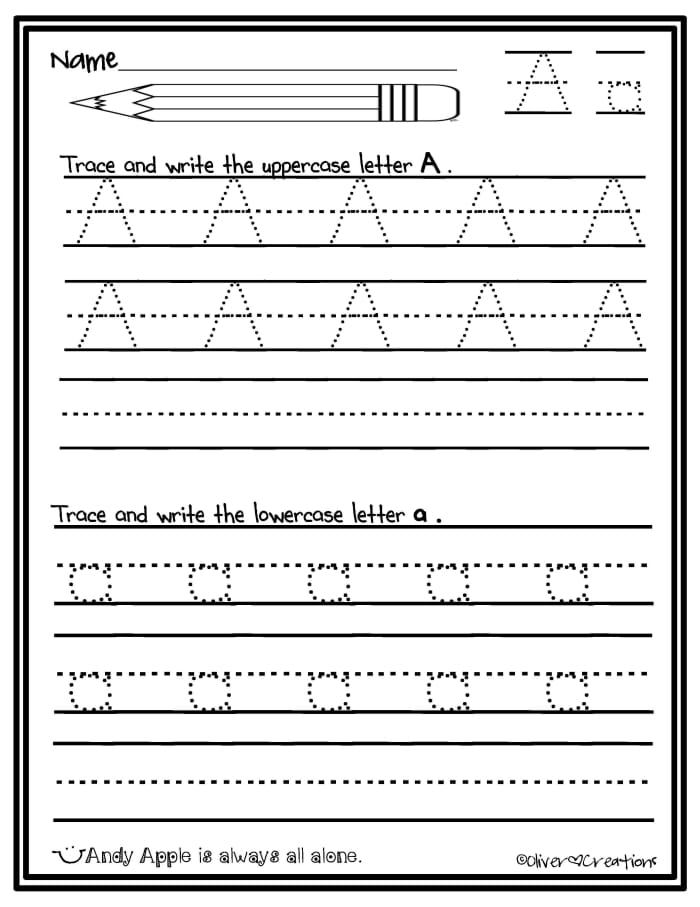
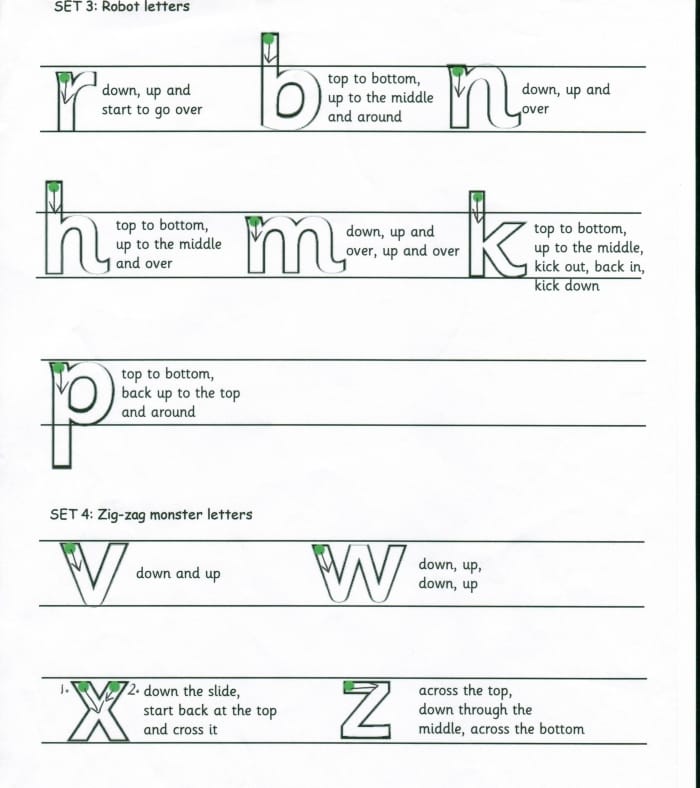
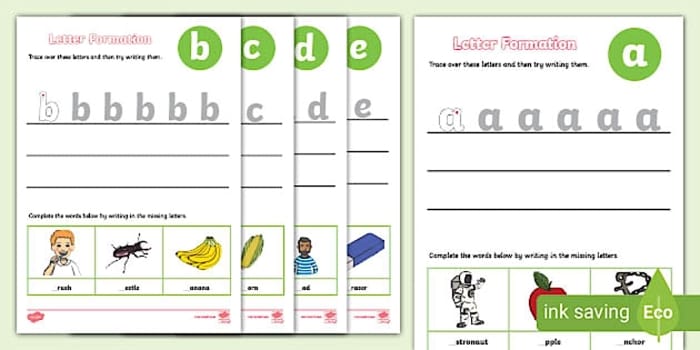
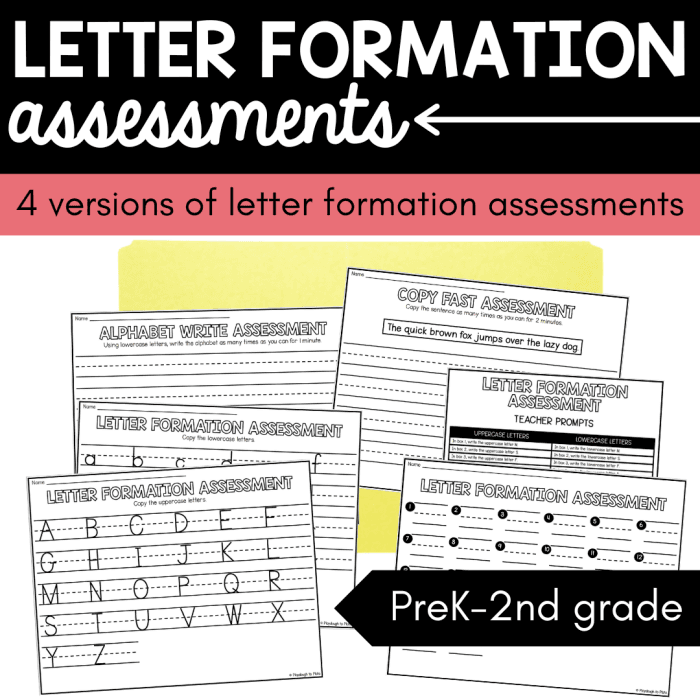
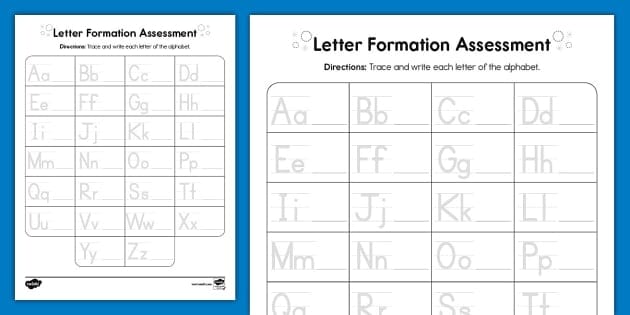
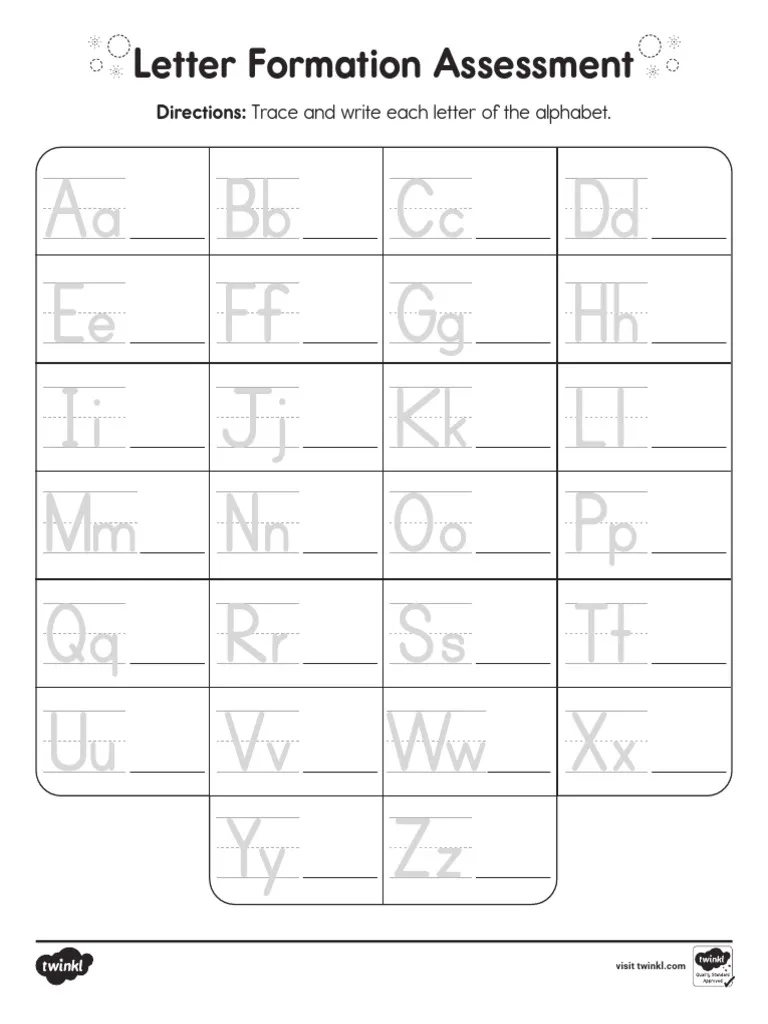
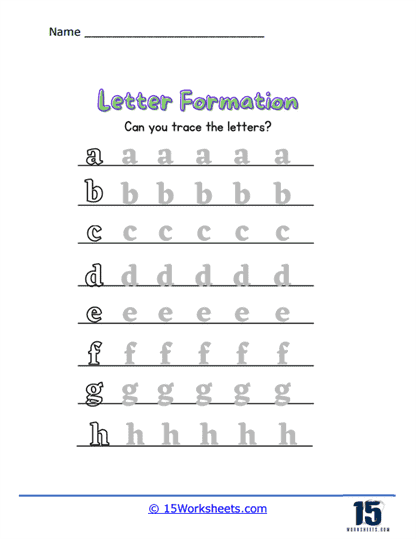
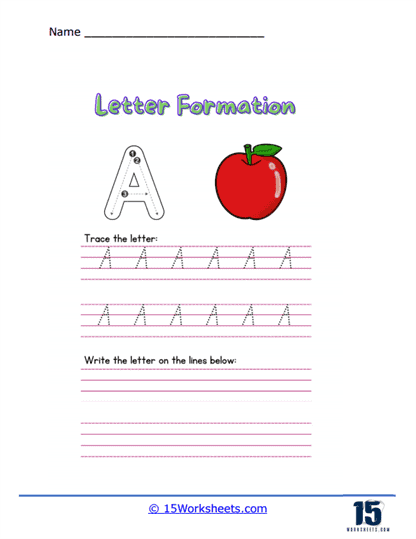
Alphabet tracing worksheets offer a straightforward way to observe how young learners grip pencils, control their hand movements, and form letters. When you watch a child trace letter shapes, you’re actually seeing their fine motor development unfold on paper. This direct observation reveals whether they’re ready for independent writing or need more practice with basic strokes.
The beauty of using tracing activities for assessment lies in their simplicity. A Pre-K student who can follow dotted lines with reasonable accuracy demonstrates pencil control and letter recognition simultaneously. Those who struggle with staying on the line or maintaining consistent pressure may benefit from additional practice with foundational skills like prewriting skills with vertical lines before moving to full letter formation.
When selecting worksheets, look for ones that progress logically. Starting with tracing the letter A makes sense because it uses straight lines that young hands find easier to control. As students gain confidence, they can move toward more complex letters. Some worksheets incorporate visual interest through themes like fish-themed activities that keep engagement high during assessment.
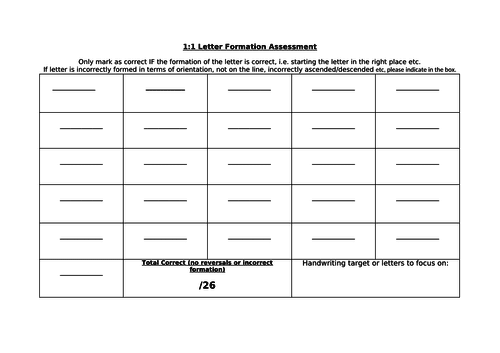
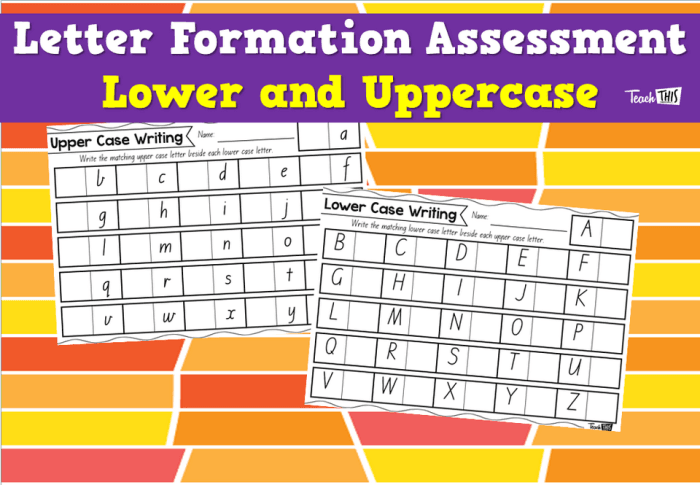
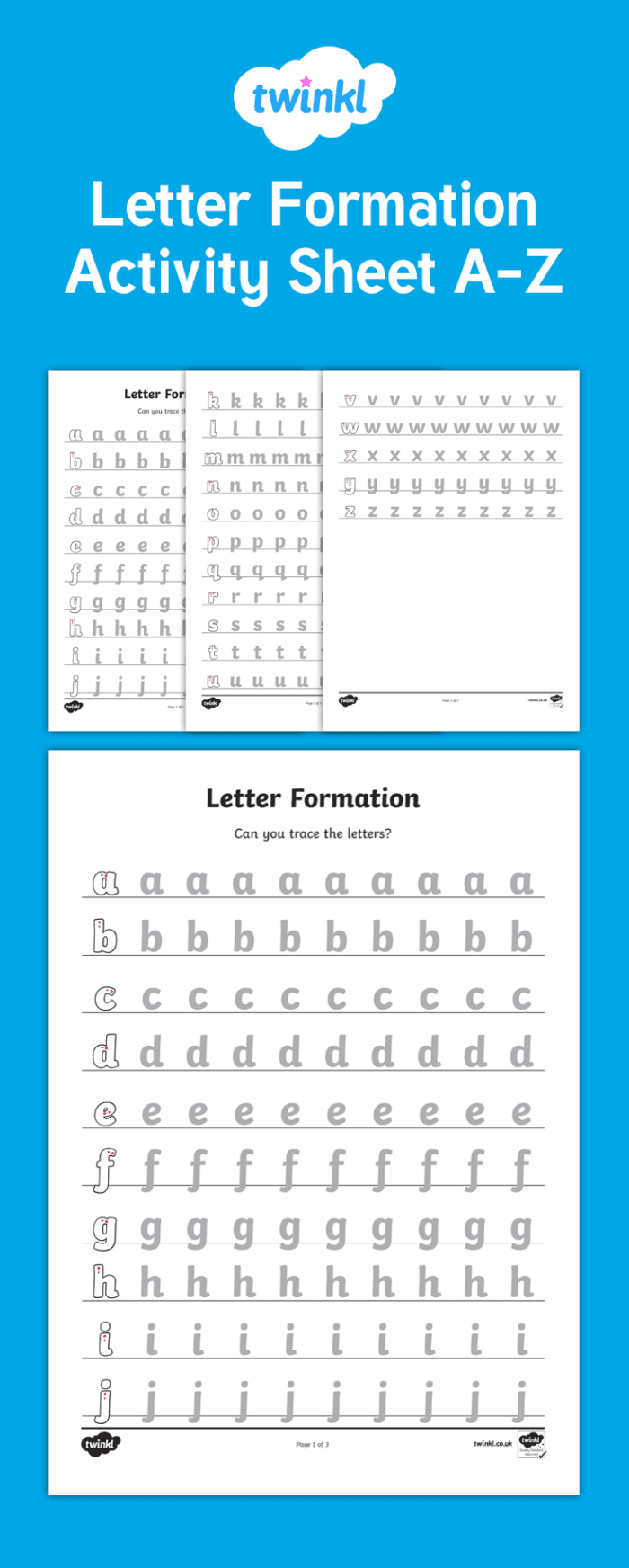
The assessment itself doesn’t require formal scoring. Instead, notice whether the child completes the task independently, asks for help frequently, or shows frustration. Pay attention to letter reversals, which are completely normal at this age. A child who traces uppercase letters confidently might still struggle with lowercase letter formations, indicating where future instruction should focus.
For a comprehensive picture of each student’s abilities, use letter tracing activities across multiple sessions rather than relying on a single worksheet. This approach gives you reliable information about their writing readiness and helps guide your next instructional steps.
Boost Skills with These Worksheets