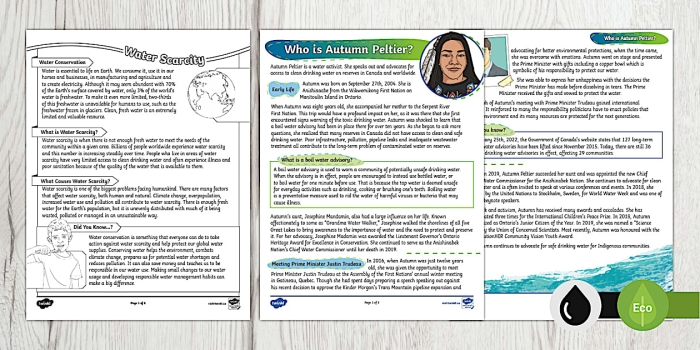
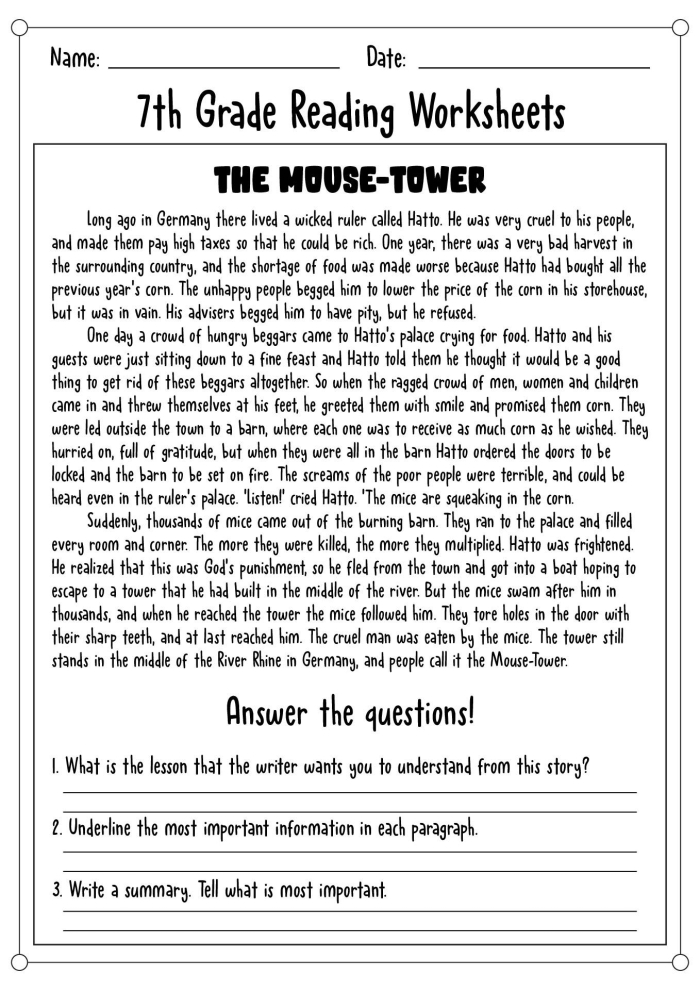
Learning about inspiring figures can motivate students and deepen their understanding of diverse cultures. This is especially true when it comes to indigenous women who have made significant contributions to their communities and beyond. A four-page reading comprehension worksheet introduces learners to three remarkable indigenous women, each with a powerful story that highlights their resilience, leadership, and commitment to their people.
One of the featured women is Winona LaDuke, a Native American activist known for her work on environmental issues and sustainable development. LaDuke co-founded the Indigenous Women’s Network and has been a strong advocate for tribal sovereignty and environmental justice. Her efforts have brought attention to the importance of protecting natural resources, which is crucial for indigenous communities.
Another inspiring figure is Dr. Jessica Hernandez, a scientist and advocate for environmental justice. As a member of the Mixteco community, she emphasizes the need for indigenous voices in environmental science. Her research focuses on the intersection of science and traditional ecological knowledge, showcasing how indigenous practices can lead to sustainable solutions. This unique angle not only empowers students but also encourages them to think critically about the role of different perspectives in science.
The third woman highlighted is Dr. Kim TallBear, a scholar and activist who examines the complexities of race and identity in the context of indigenous peoples. Her work challenges conventional narratives and promotes a deeper understanding of what it means to be indigenous in today’s world. By studying her contributions, students can learn about the importance of representation and the diverse experiences within indigenous communities.
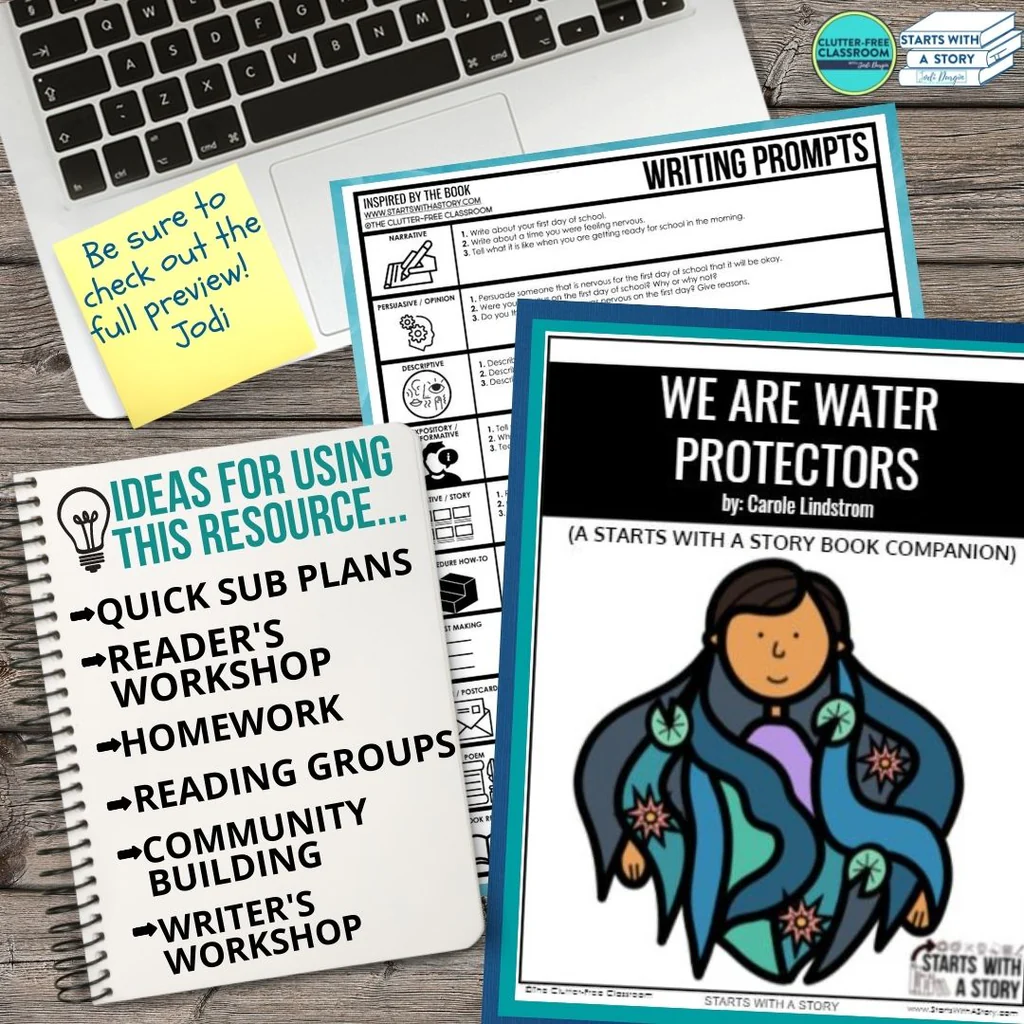
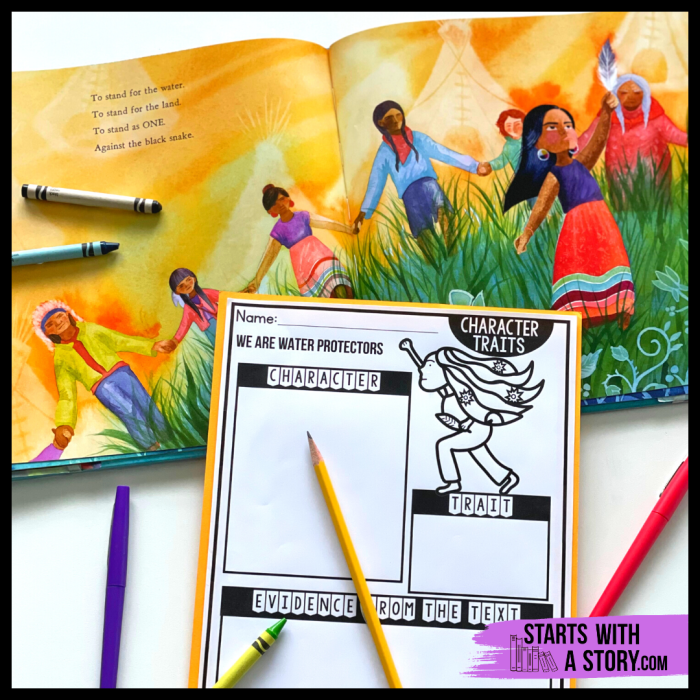
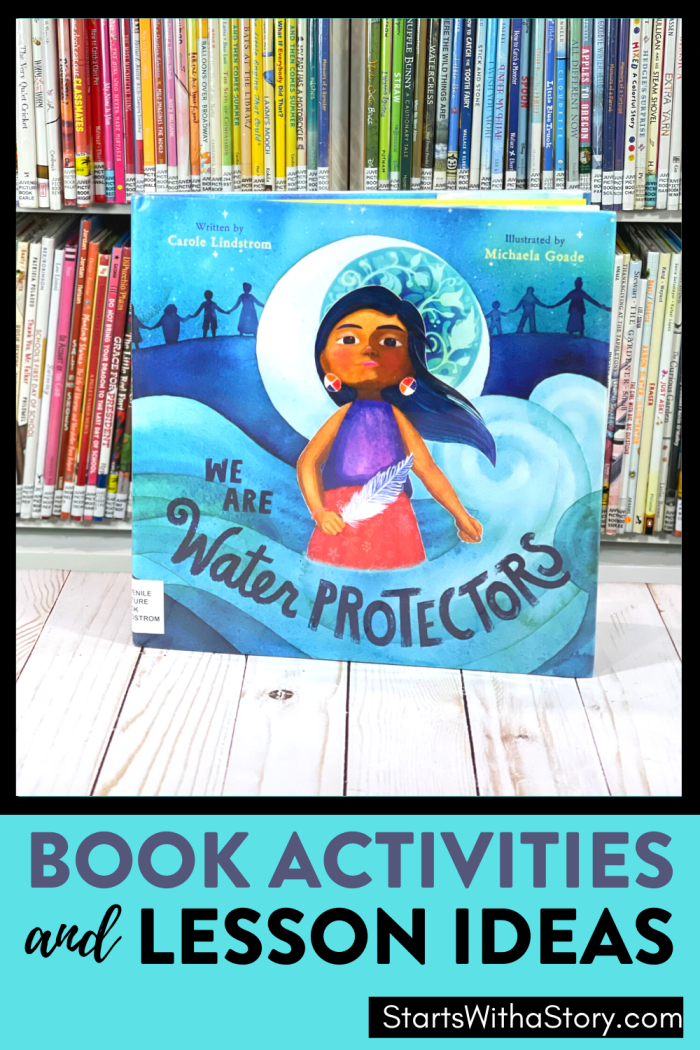
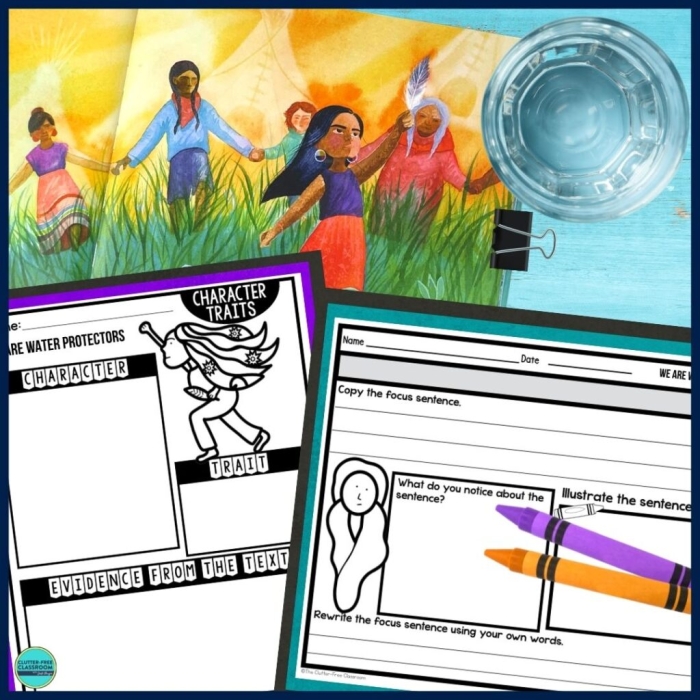
Using this reading comprehension worksheet, seventh graders can engage with the inspiring stories of these women, enhancing their understanding of indigenous cultures and the challenges they face. Incorporating lessons on environmental protection, social justice, and identity, this resource offers practical value for educators. For those interested in more reading comprehension materials, consider exploring additional resources, such as the Informational Reading Comprehension: Water Protectors worksheets, which provide further insights into the vital role of water protectors in indigenous communities.
Worksheet Practice Section