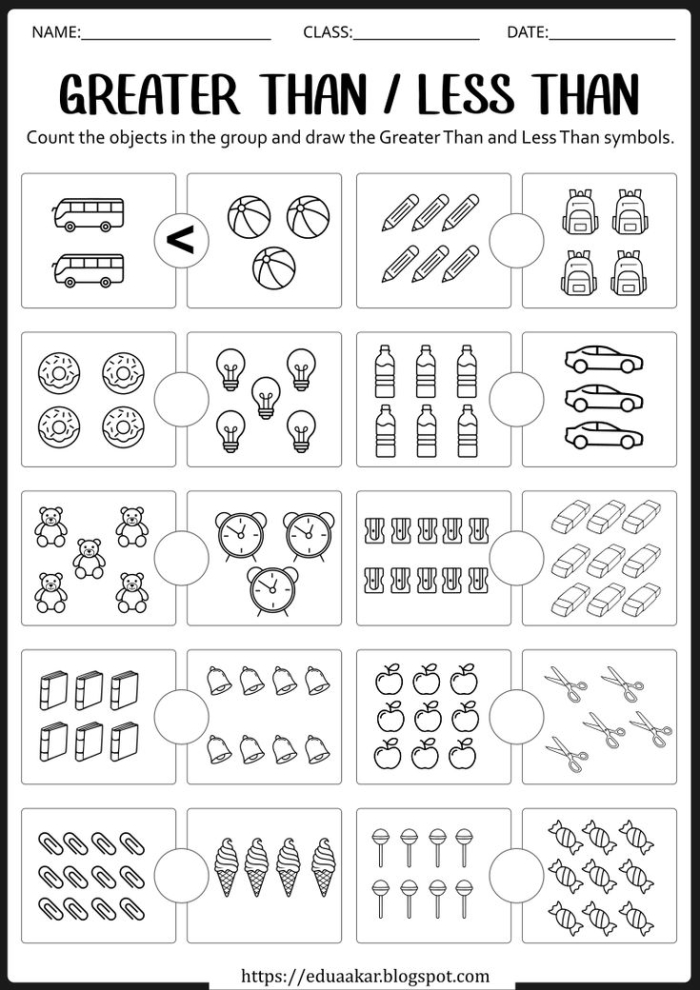
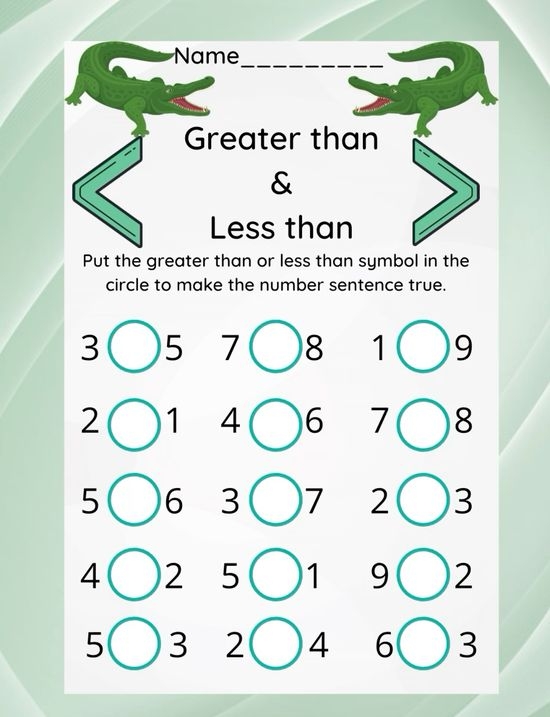
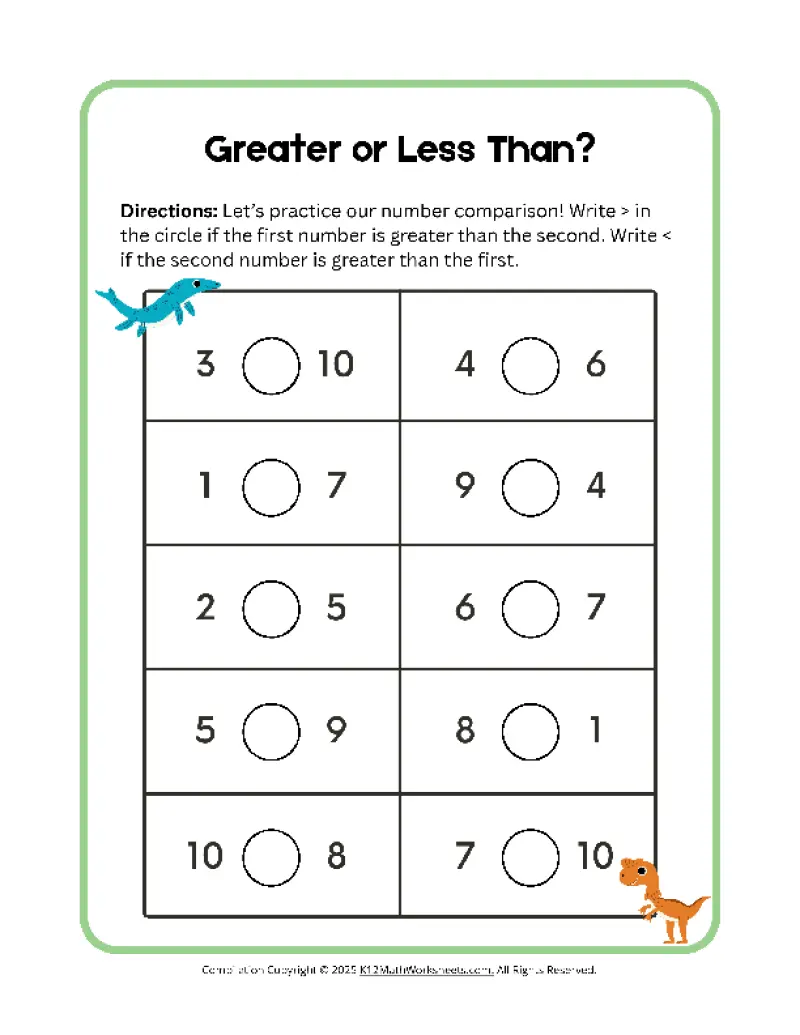
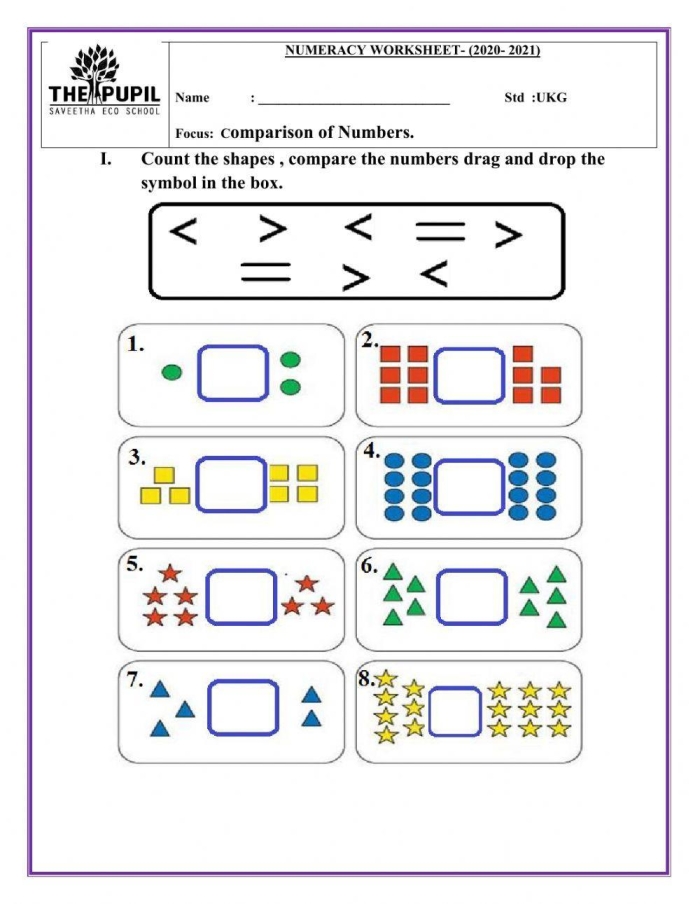
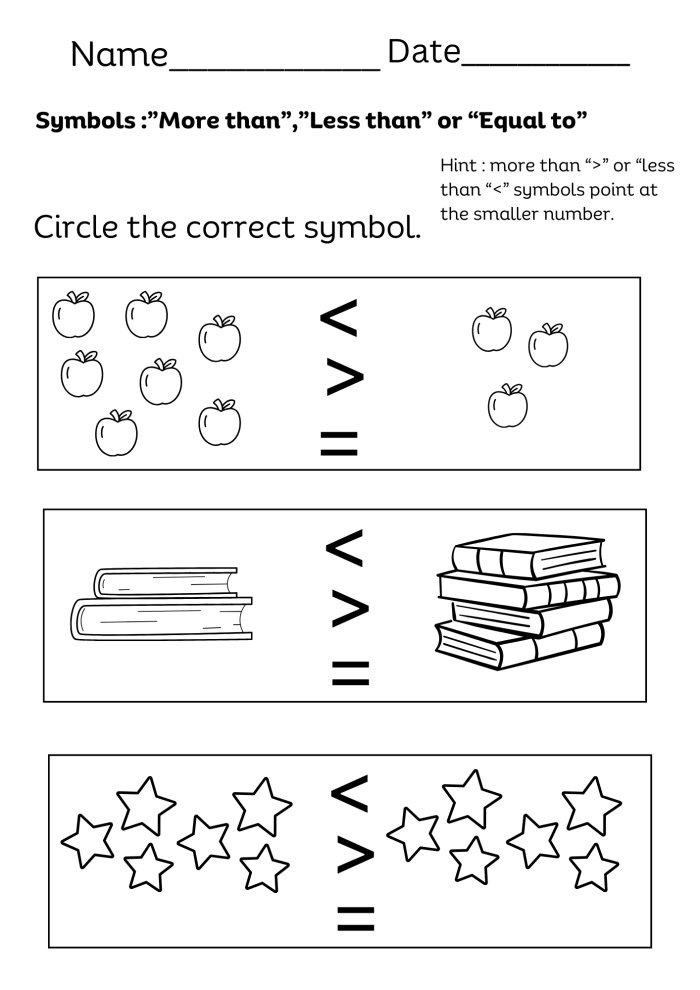
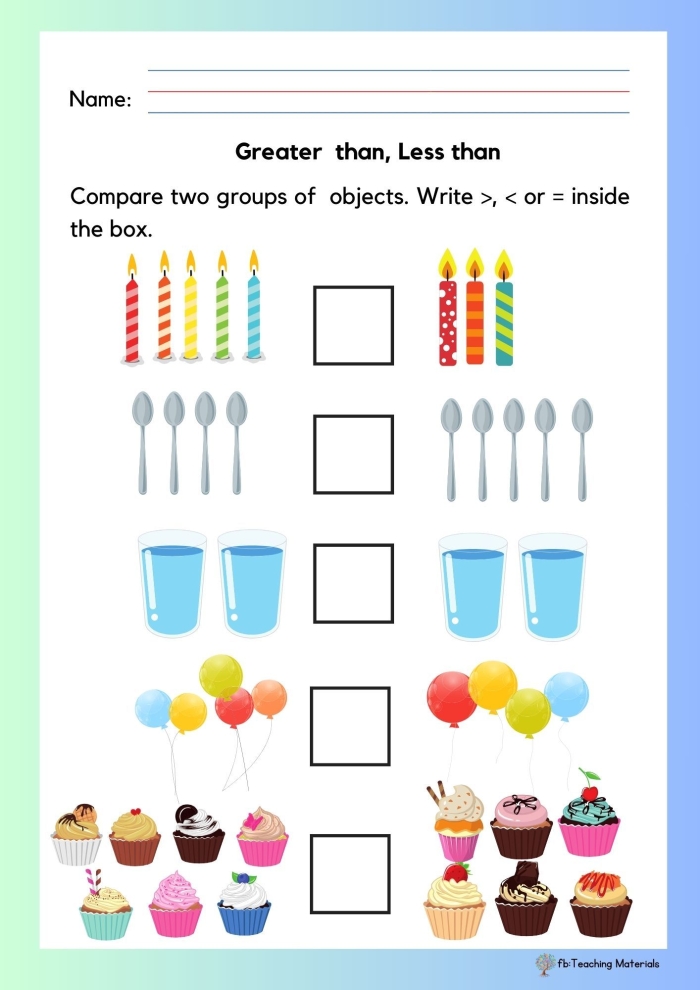
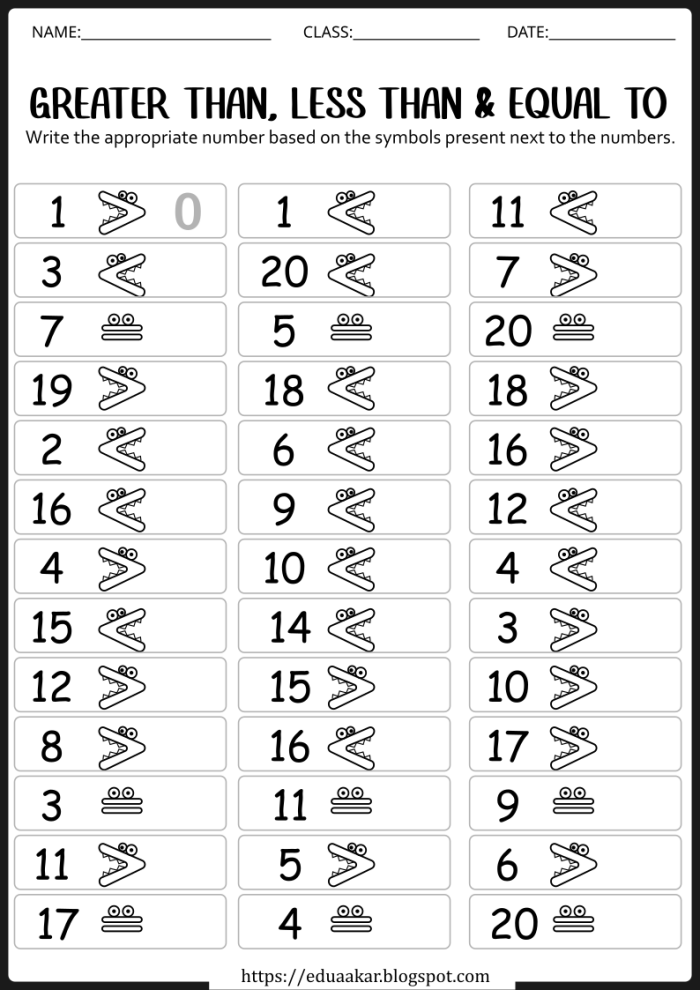
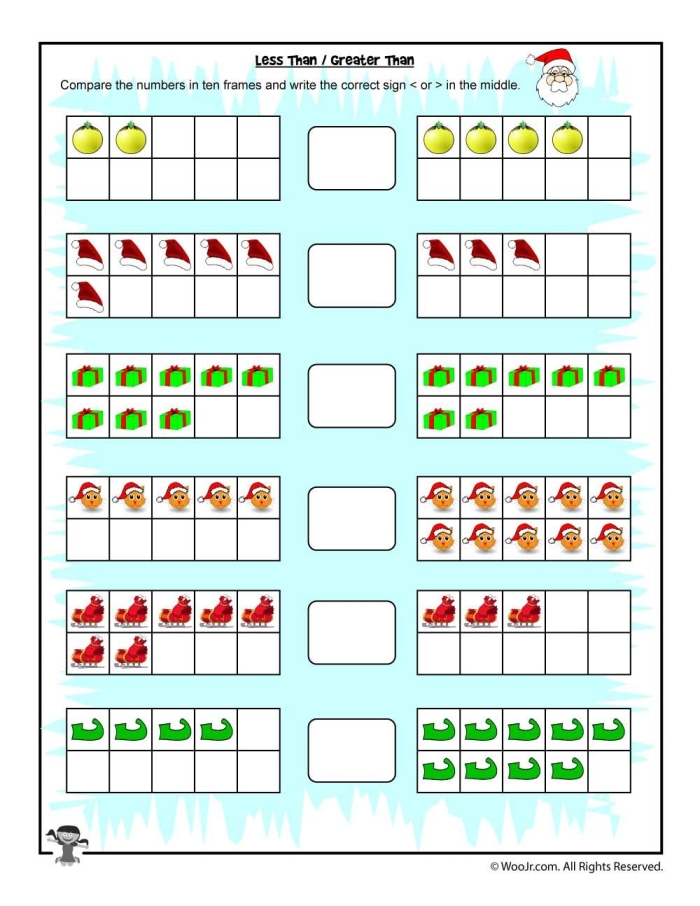
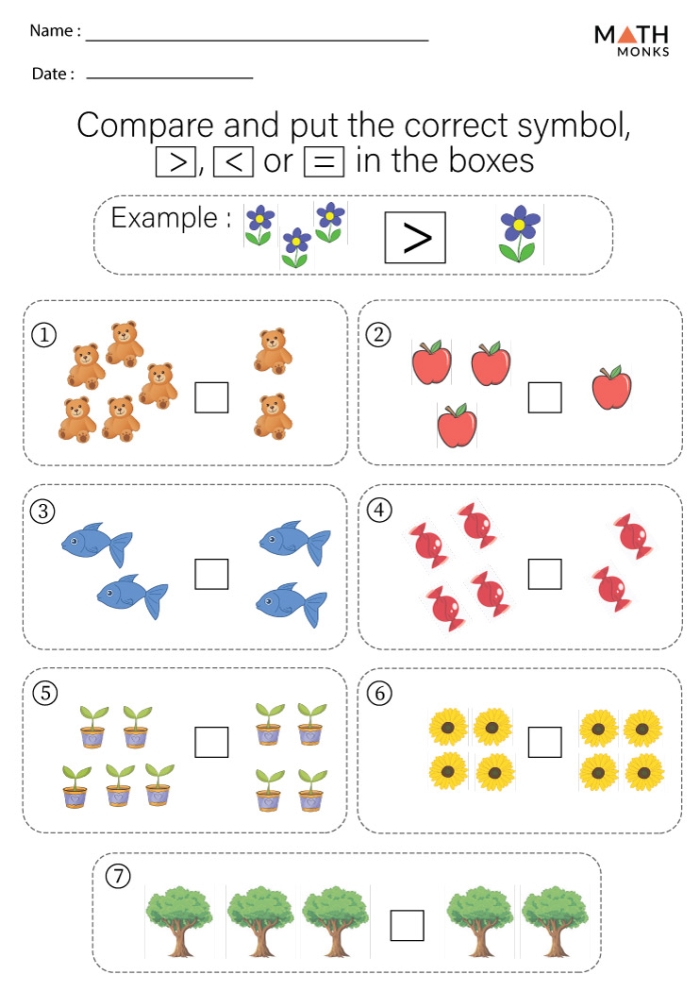
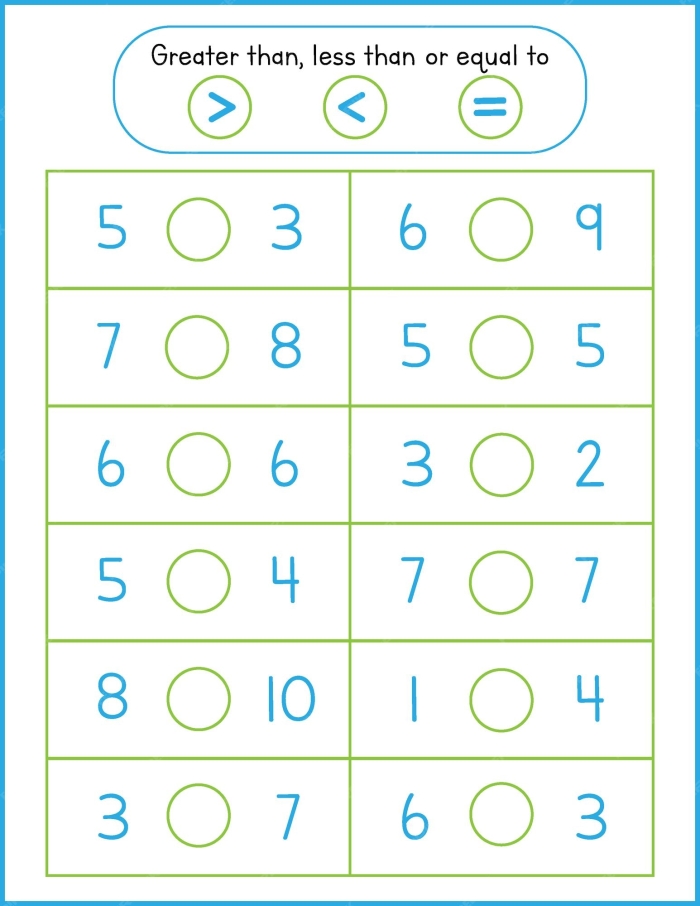
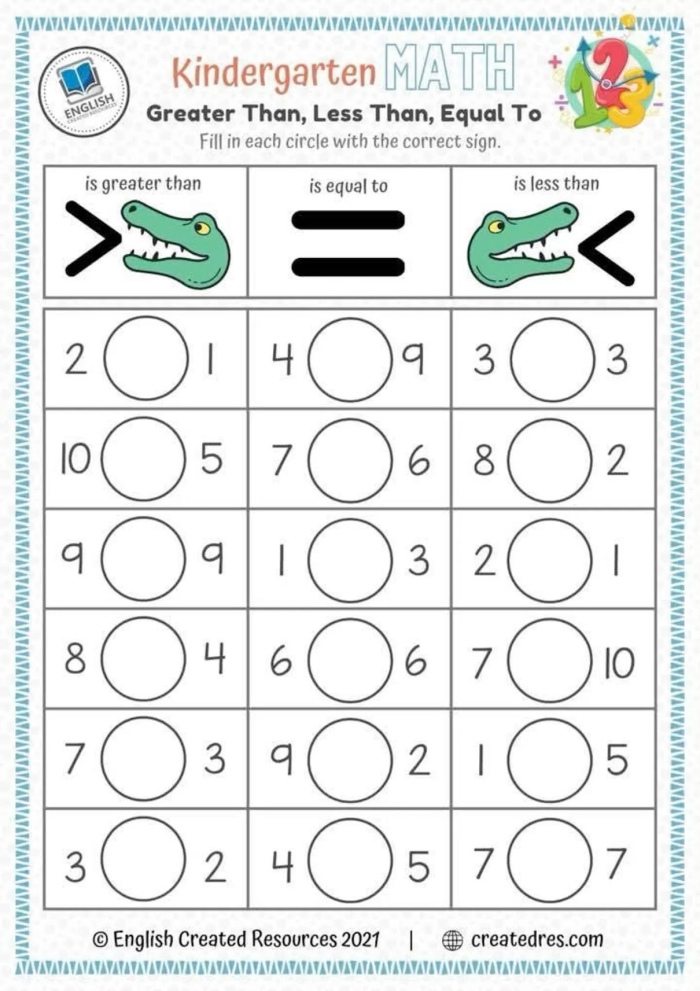
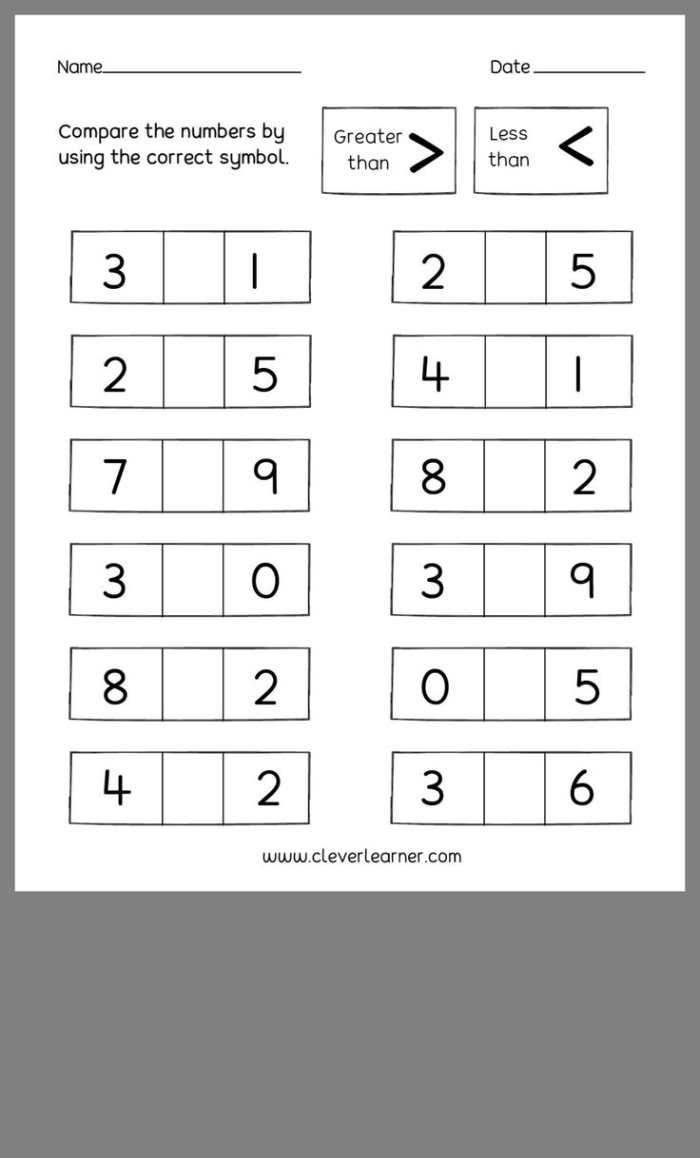
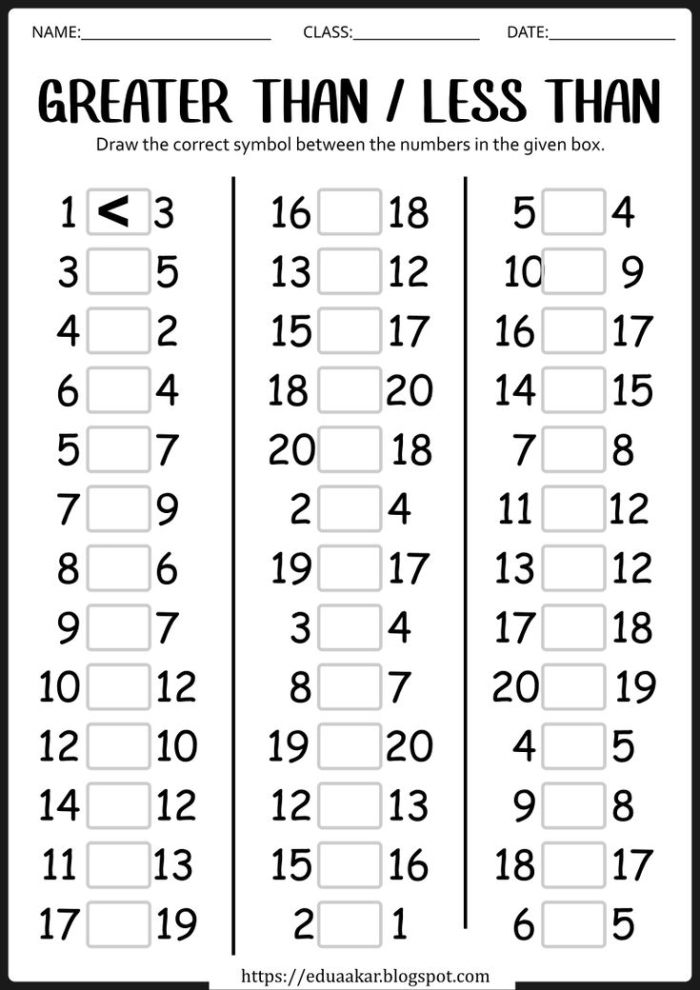
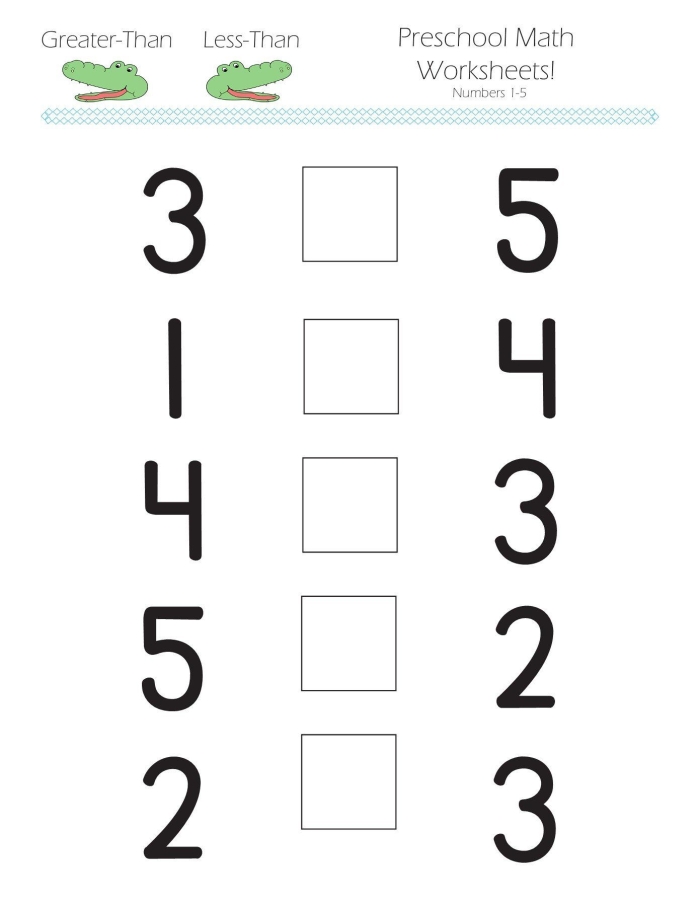
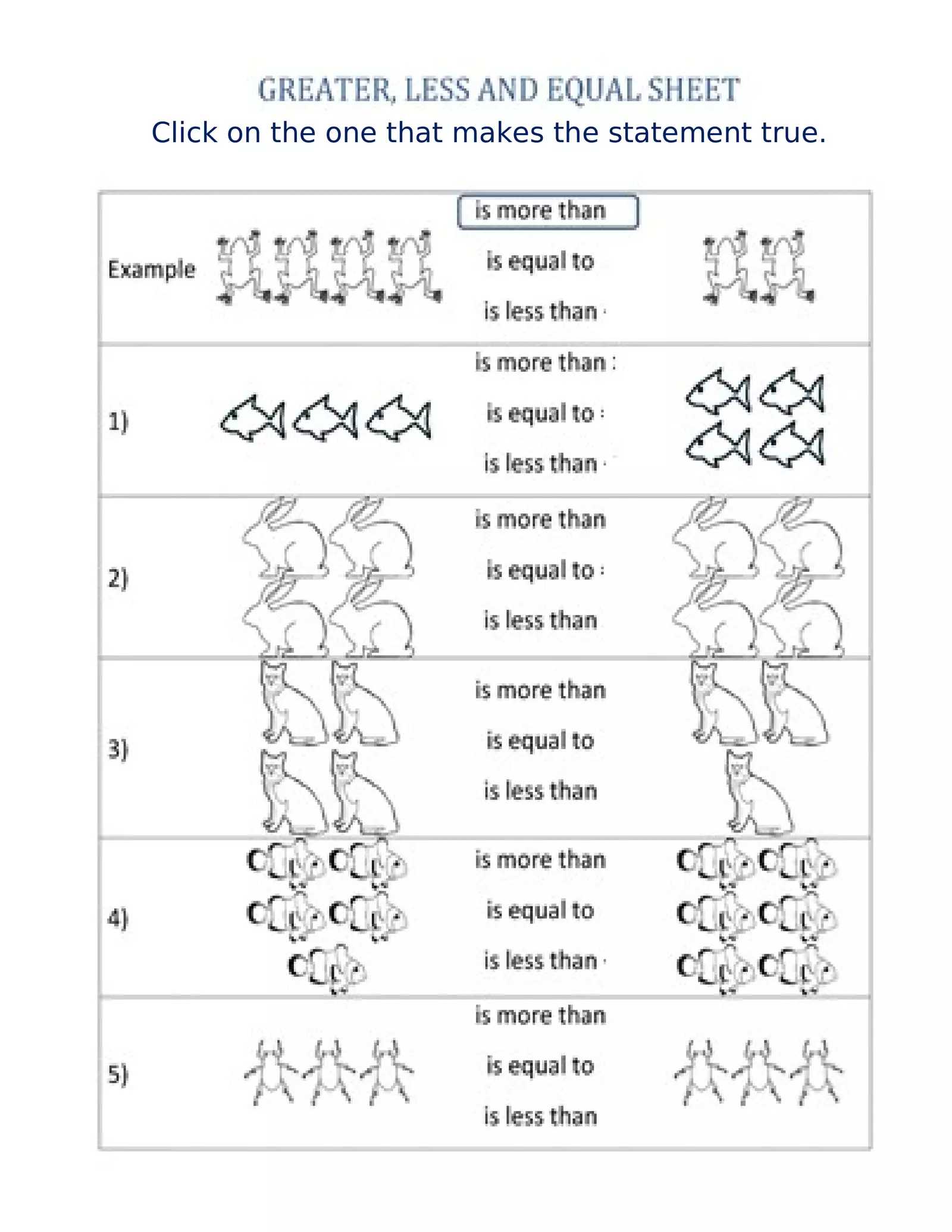
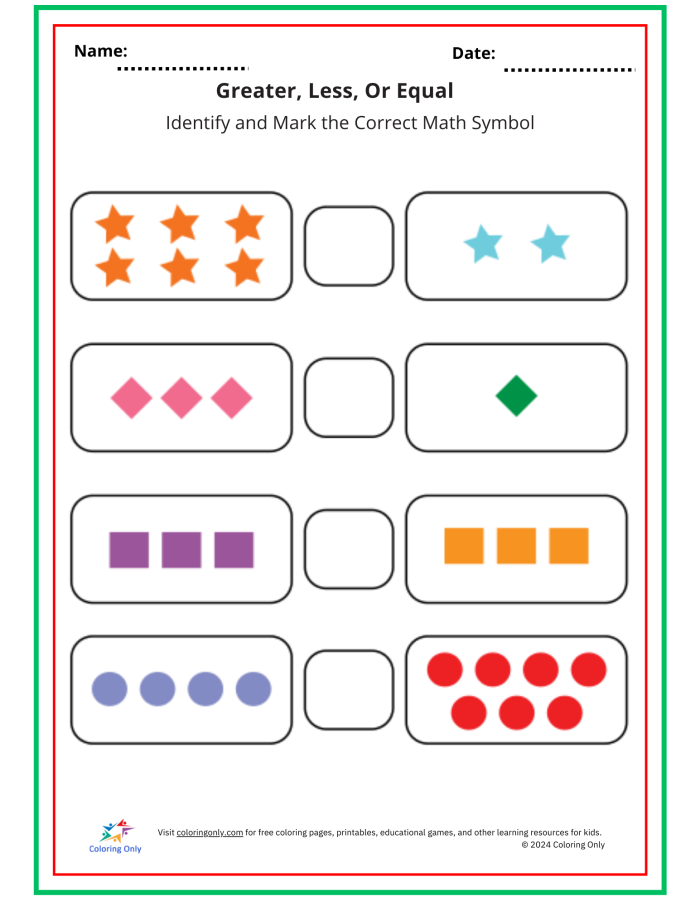
When your kindergartener lines up five blocks next to three blocks and announces that five is more, something important just happened. They weren’t simply counting, they were comparing quantities and understanding relationships between numbers. This skill forms the foundation for how children think about math throughout their education.
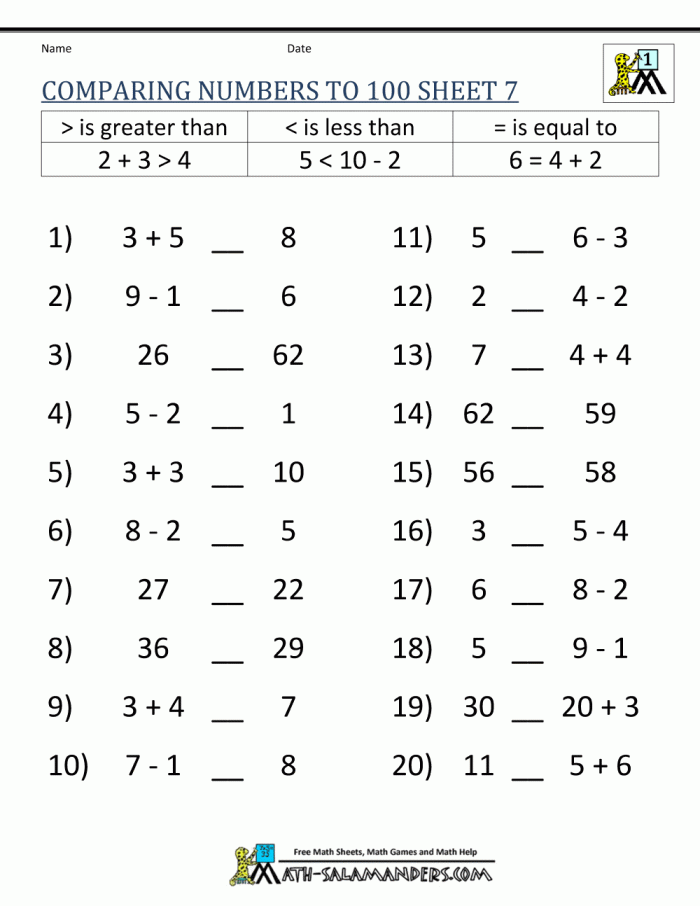
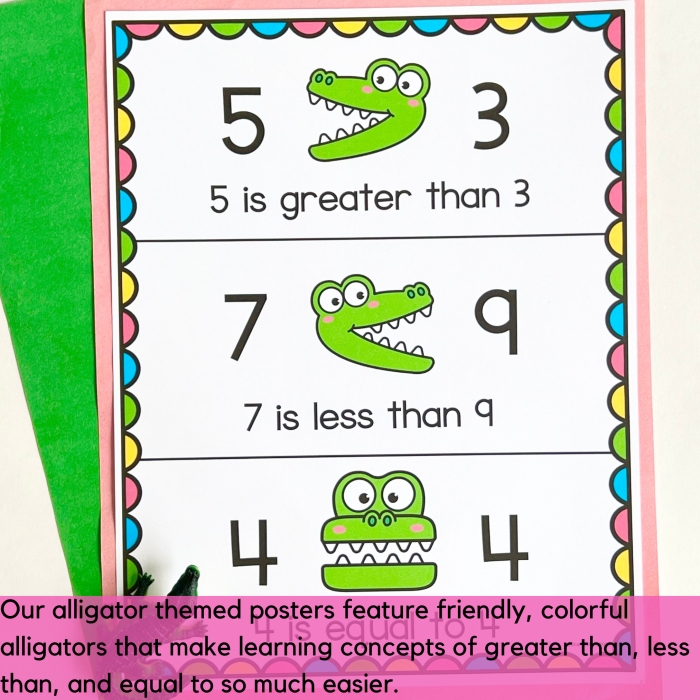
Comparison activities teach children to recognize that numbers exist in relation to each other. By counting groups of objects and deciding if one is less than, greater than, or equal to the other, your child develops number sense that goes far beyond recitation. They begin to understand that 7 blocks will always be more than 4 blocks, regardless of whether those blocks are red, blue, or scattered across the floor.
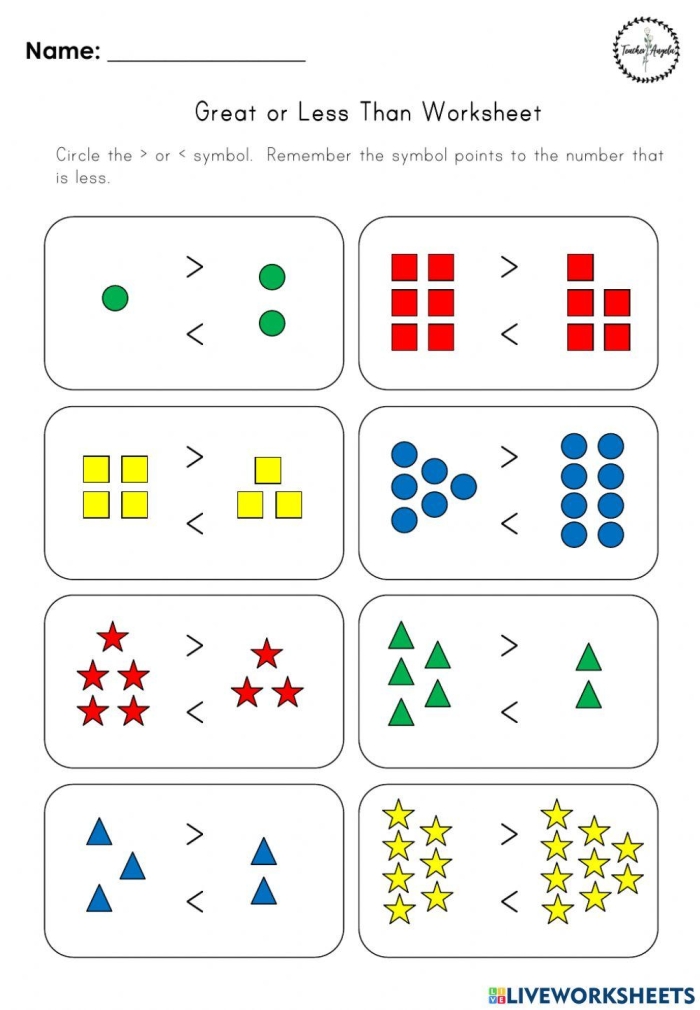
In kindergarten, these exercises typically start with concrete objects your child can touch and move. Buttons, crackers, toy cars, or even fingers work perfectly. The physical act of pushing objects into groups and comparing them helps cement the concept in their mind. Teachers often use visual representations too, drawing circles or using dot cards to reinforce what children see when they count.
This foundational work connects directly to ratios and proportions, concepts your child will encounter in later grades. When children understand that one group can be larger or smaller than another, they’re building the mental framework needed to compare parts to wholes. Resources like information gap cards and number counting activities help extend this thinking as children progress.
The language matters too. Using words like “more,” “fewer,” and “same” consistently helps children internalize these concepts. When your child says “I have more crackers than you,” they’re not just making an observation, they’re practicing mathematical reasoning that will support everything from basic arithmetic to understanding data patterns later on.
Worksheet Practice Section