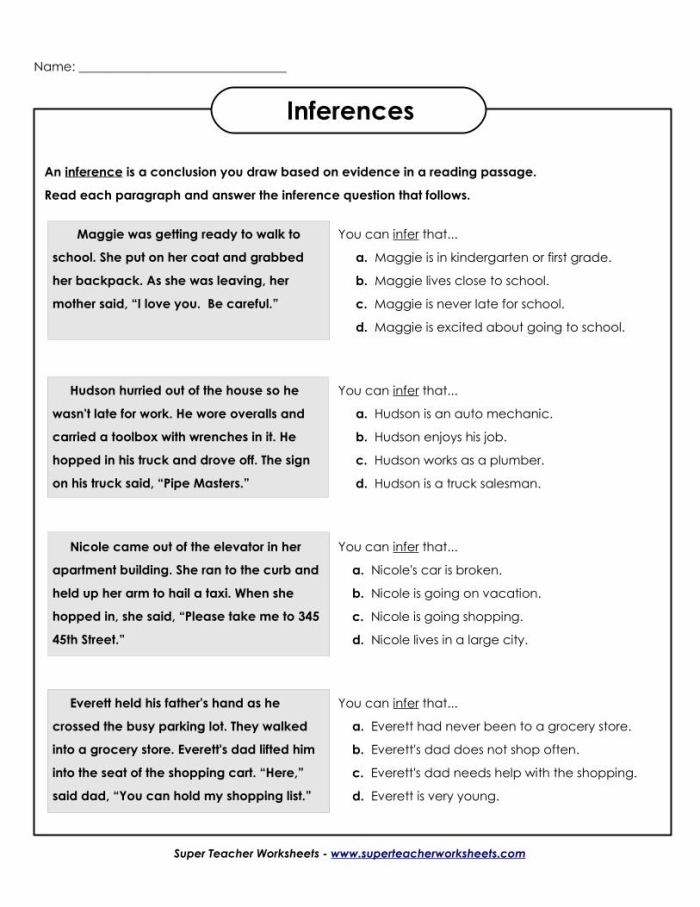
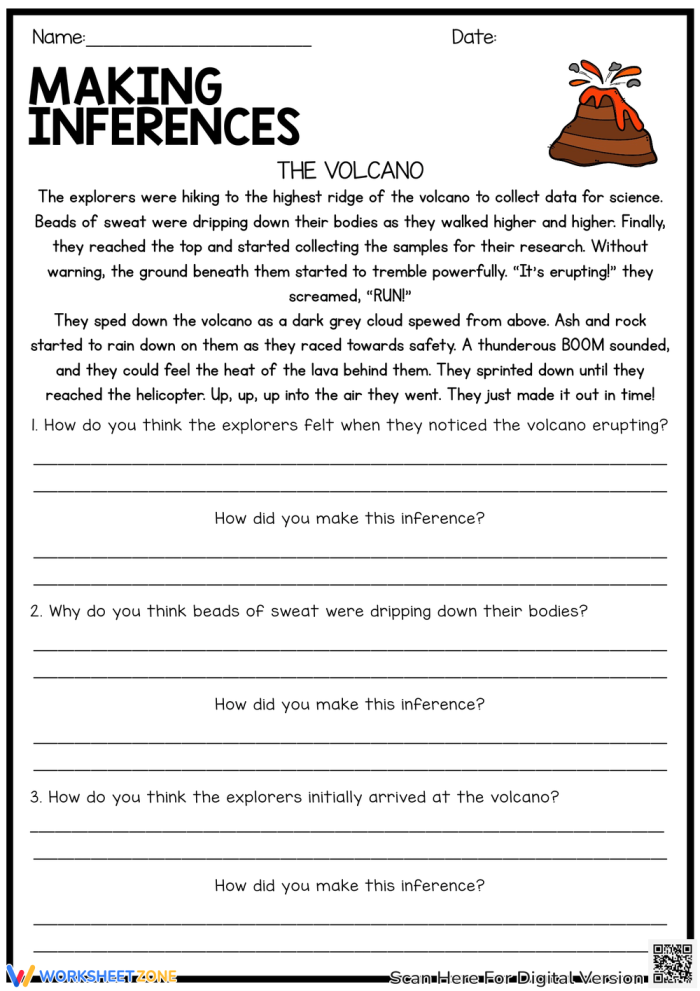
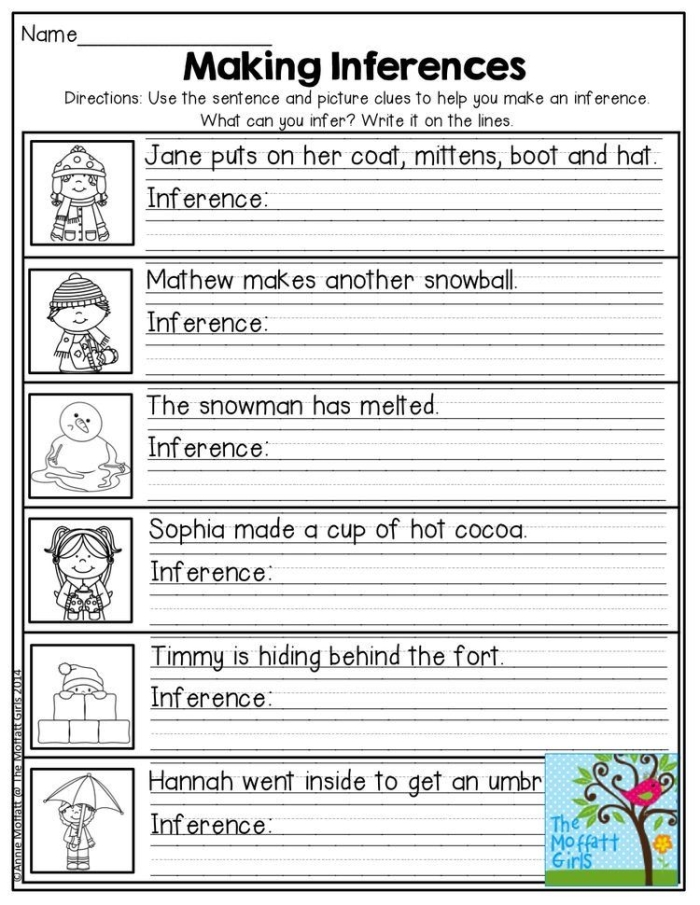
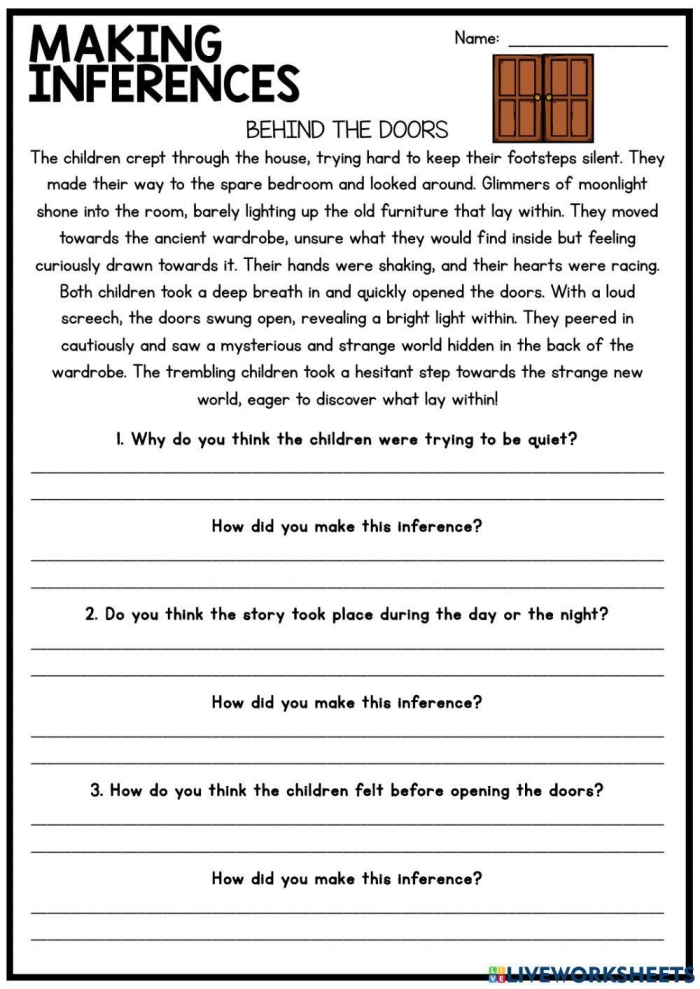
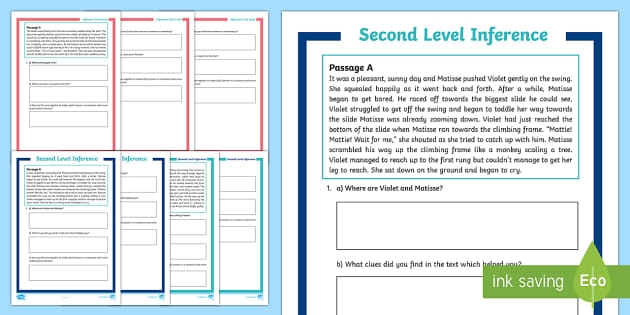
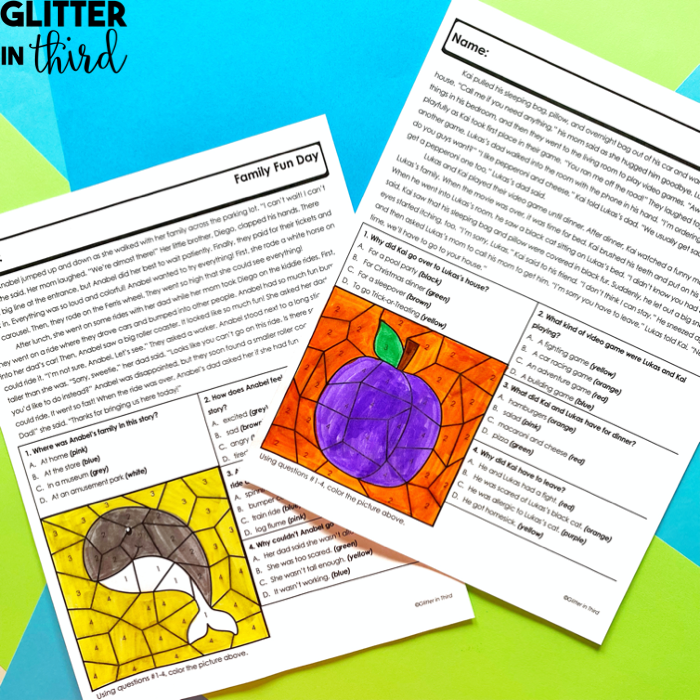
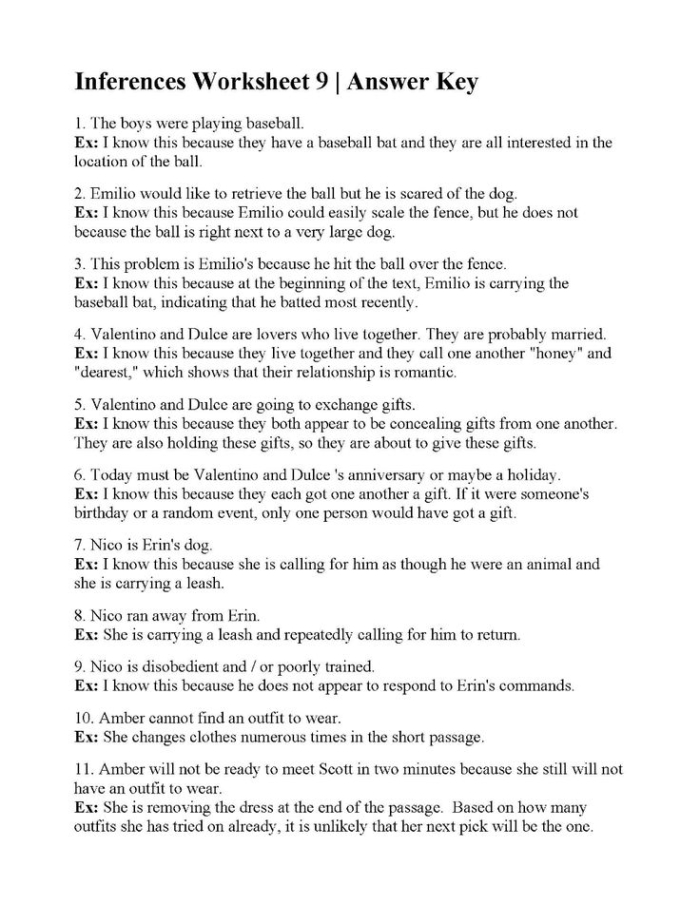
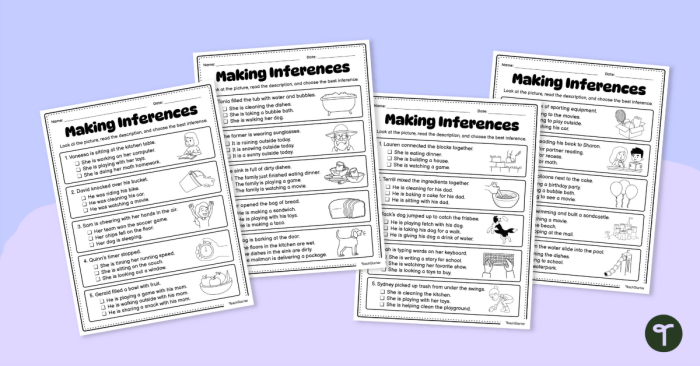
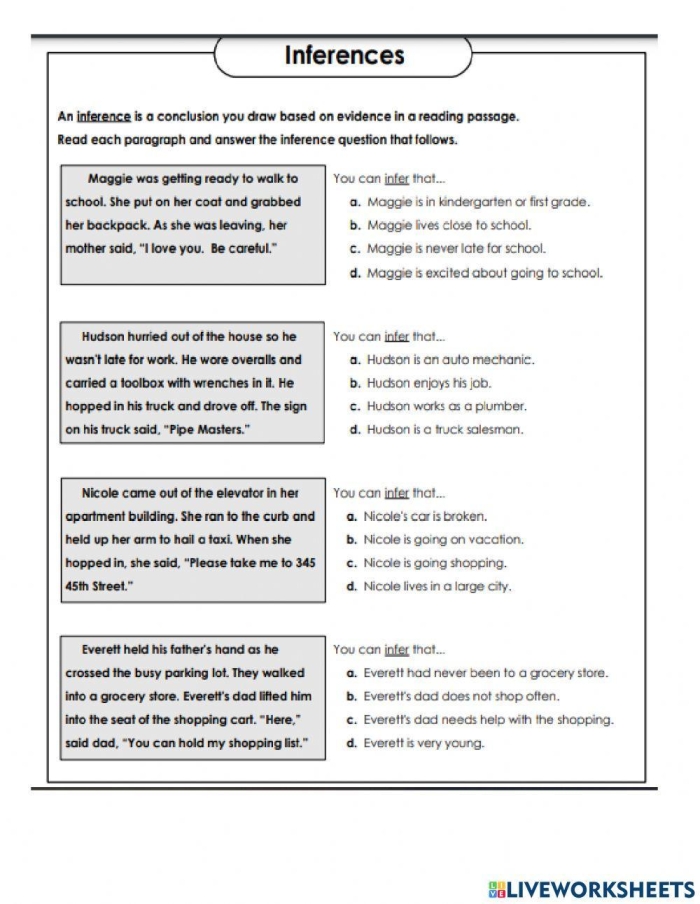
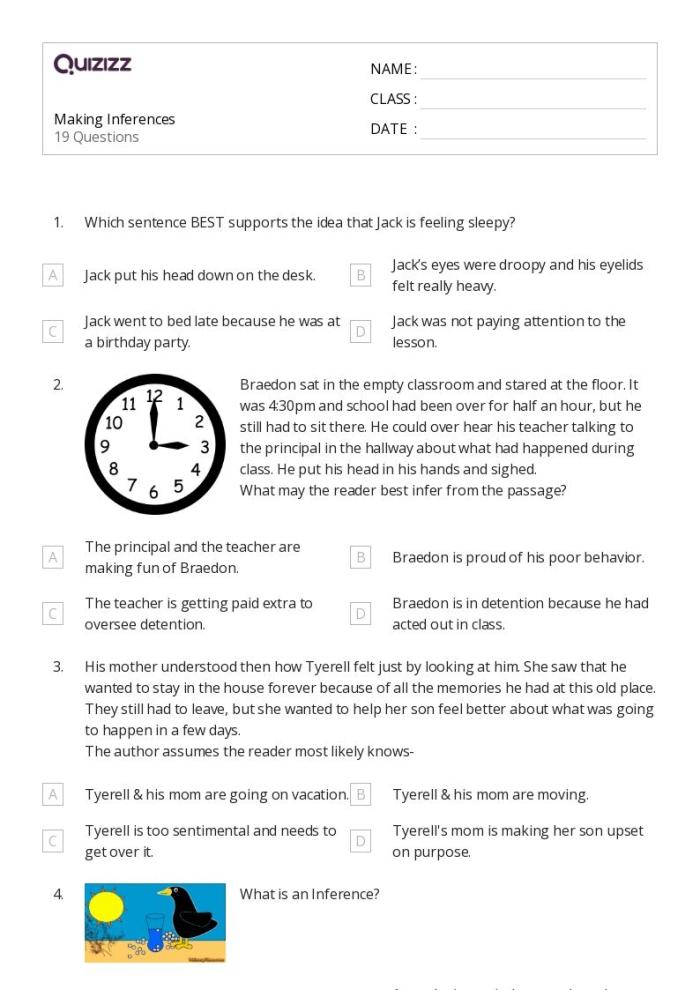
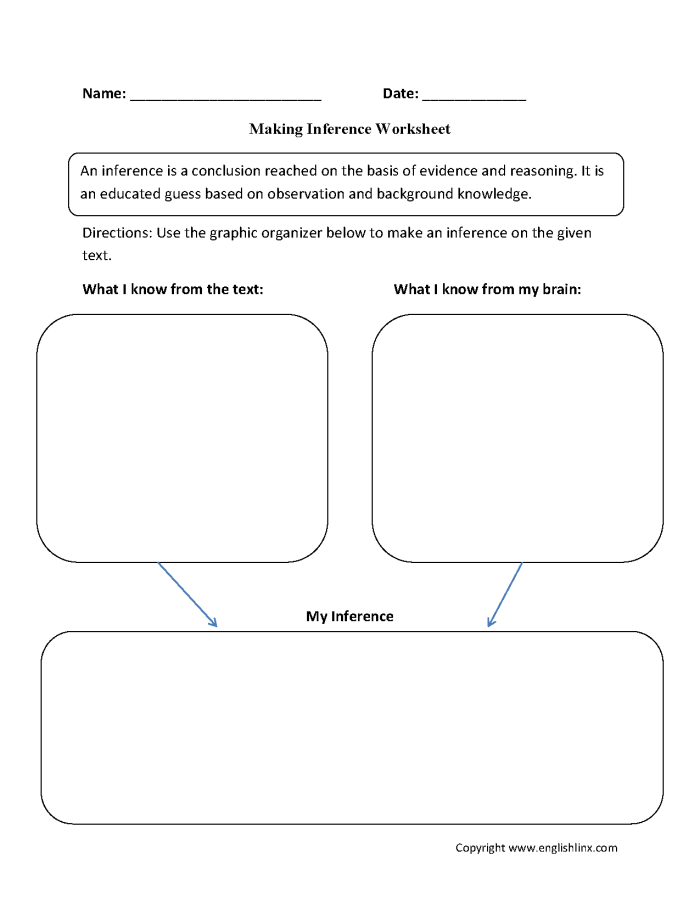
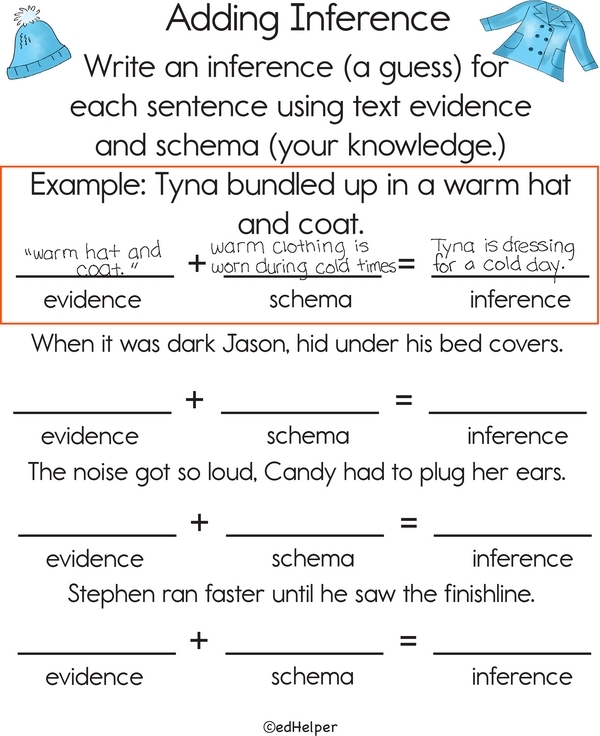
Pictures tell stories, and second grade students are naturally curious about what those stories mean. When you introduce inference through visual activities, you’re tapping into something kids already do instinctively: they look at an image and start asking questions about what’s happening, why it matters, and what comes next. This worksheet builds on that natural curiosity by teaching students how to use context clues and their own experiences to understand what a picture is really showing them.
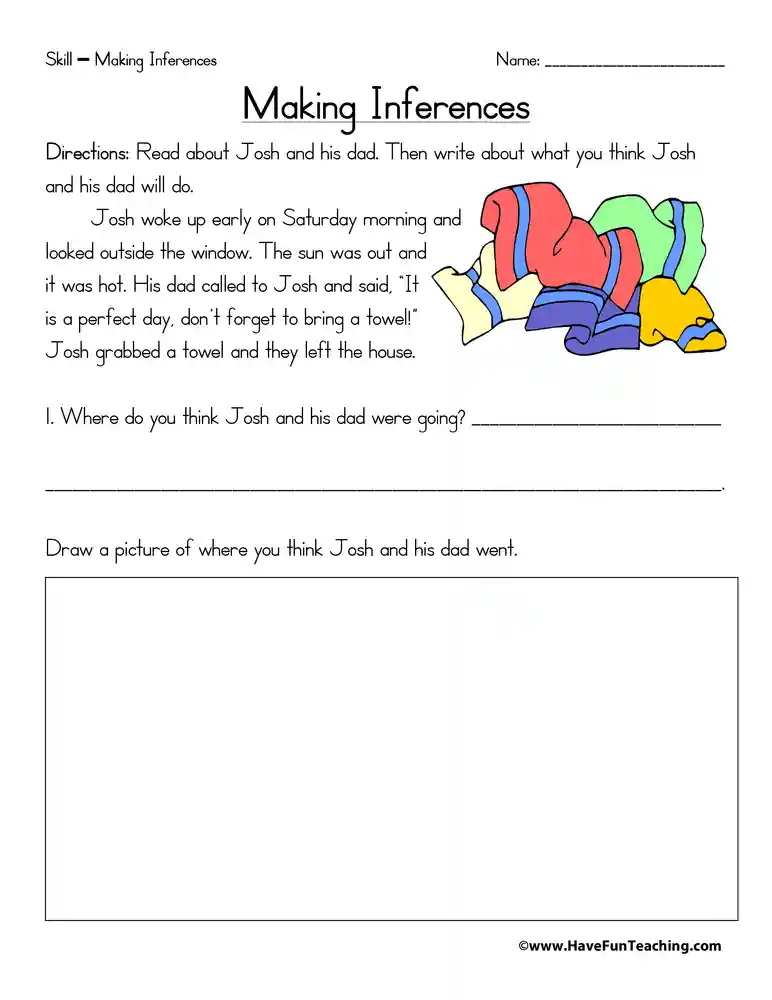
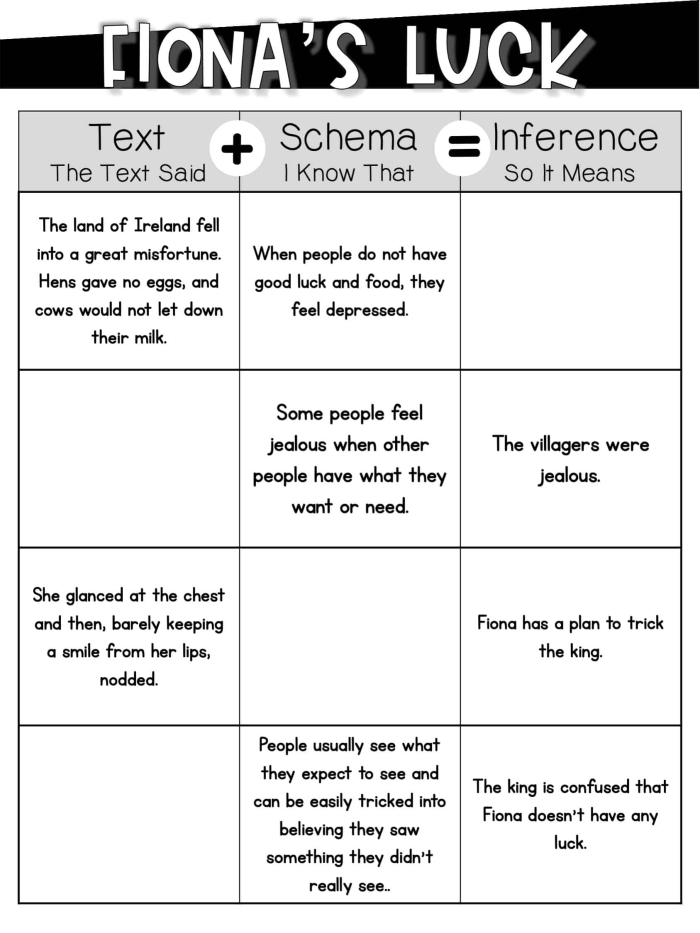
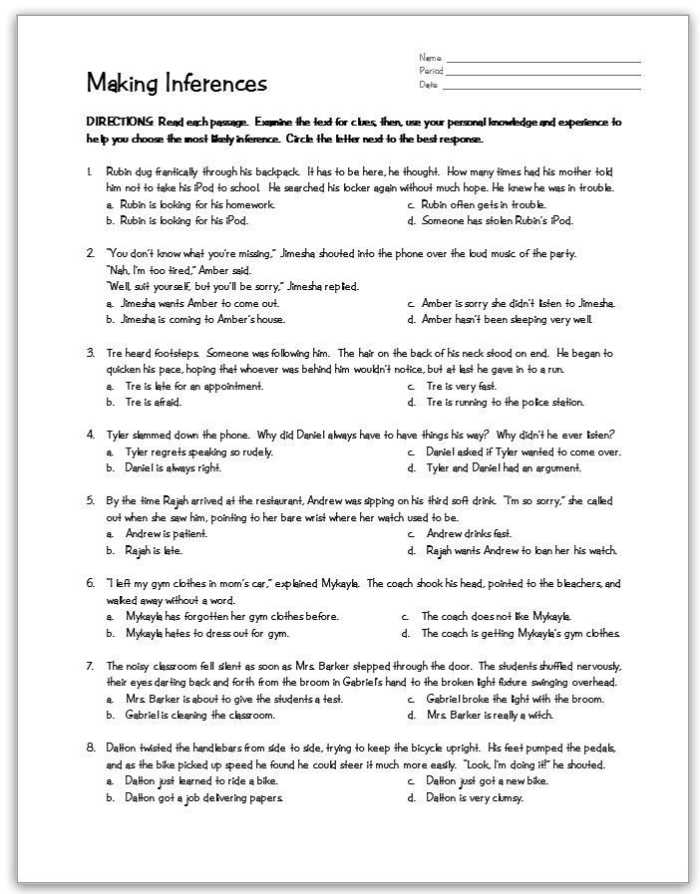
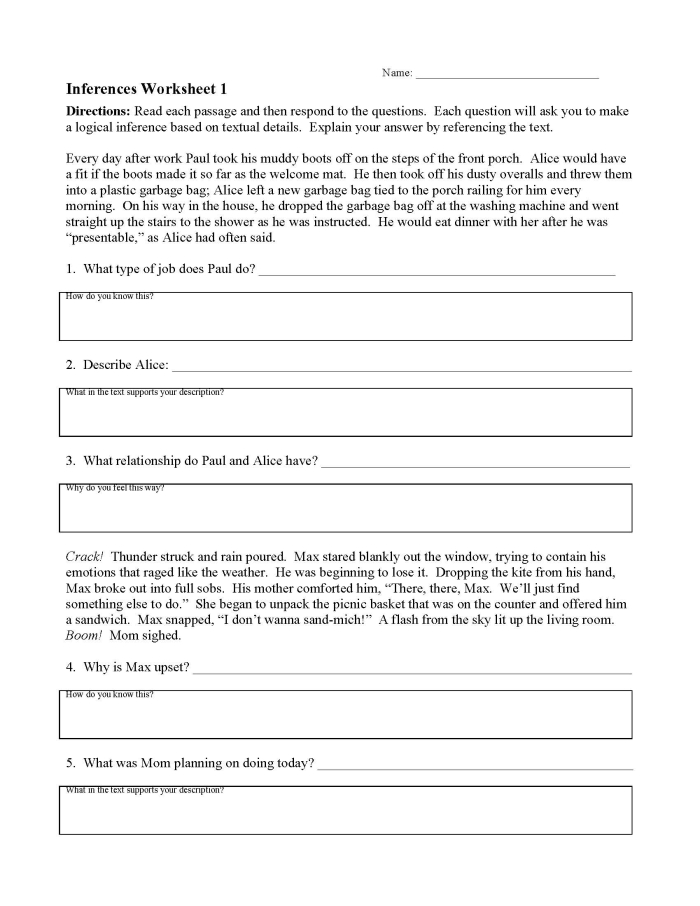
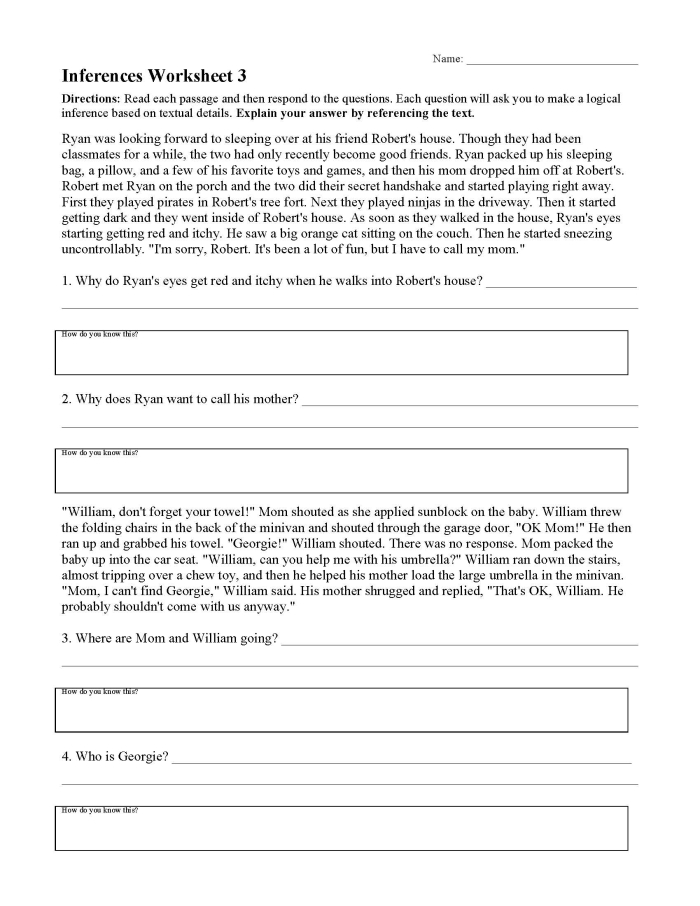
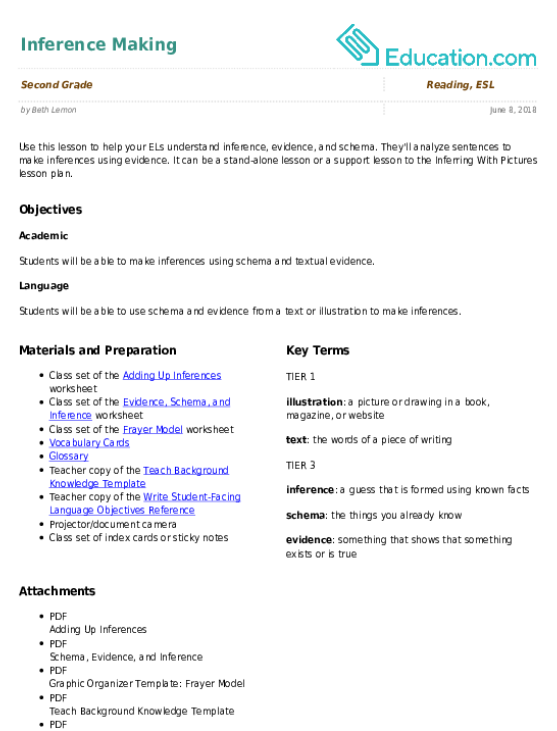
Inference is one of those reading skills that feels abstract until you give students concrete tools to work with. When a second grader sees a picture of a child holding an umbrella near a puddle, they might not immediately connect those details to the concept of rain. By walking through the visual evidence together, you help them understand that inference means putting clues together to figure out something that isn’t directly stated. This is exactly where this worksheet shines as an introduction to the vocabulary in the Inferring With Pictures lesson plan.
The activity works because it respects how young learners actually think. Rather than asking students to memorize definitions, they’re actively using their imaginations to make sense of what they see. A child who has played in the rain brings that personal experience, or schema, to the picture. Another student might draw on a story they’ve heard. Both approaches are valid, and both strengthen their ability to read between the lines.
Starting with this foundation prepares students for more complex reading tasks ahead. As they progress through second grade geometry and other subject areas, the ability to infer becomes increasingly important. Whether they’re solving word problems about shapes or reading about historical figures like Jackie Robinson, students who understand how to gather evidence and make reasonable conclusions will approach learning with confidence and curiosity.
This worksheet also pairs well with other comprehension-building activities. You might combine it with extended reading comprehension exercises as students grow older, or use it alongside activities that strengthen foundational skills like mathematical reasoning to show how inference applies across different subjects.
Try These Printable Worksheets