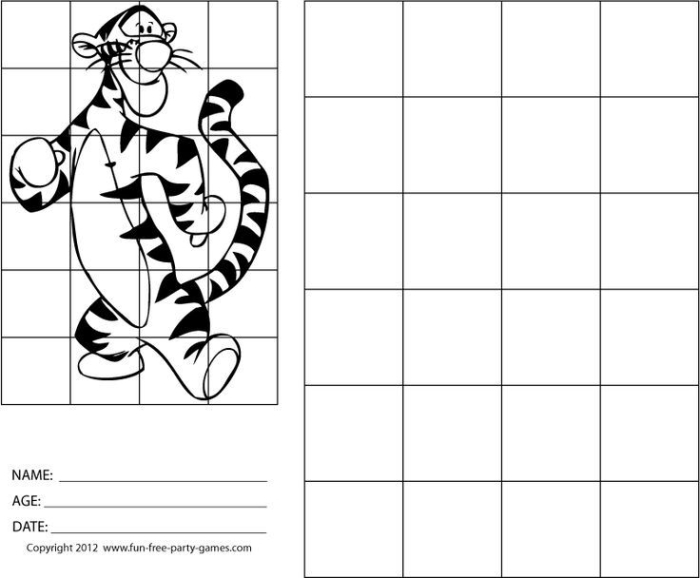
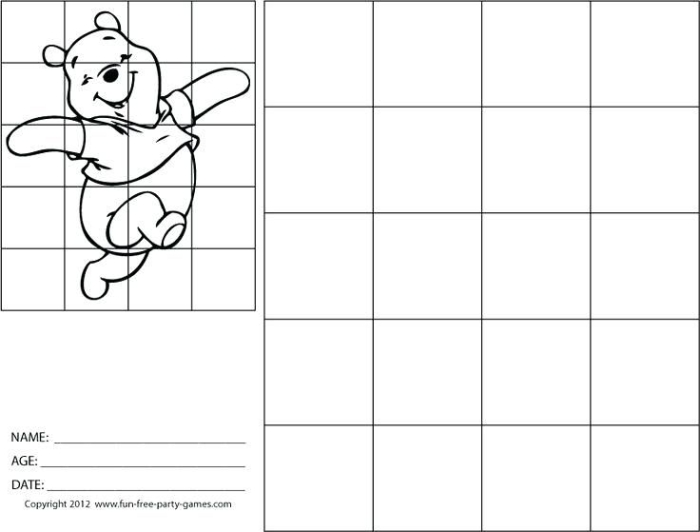
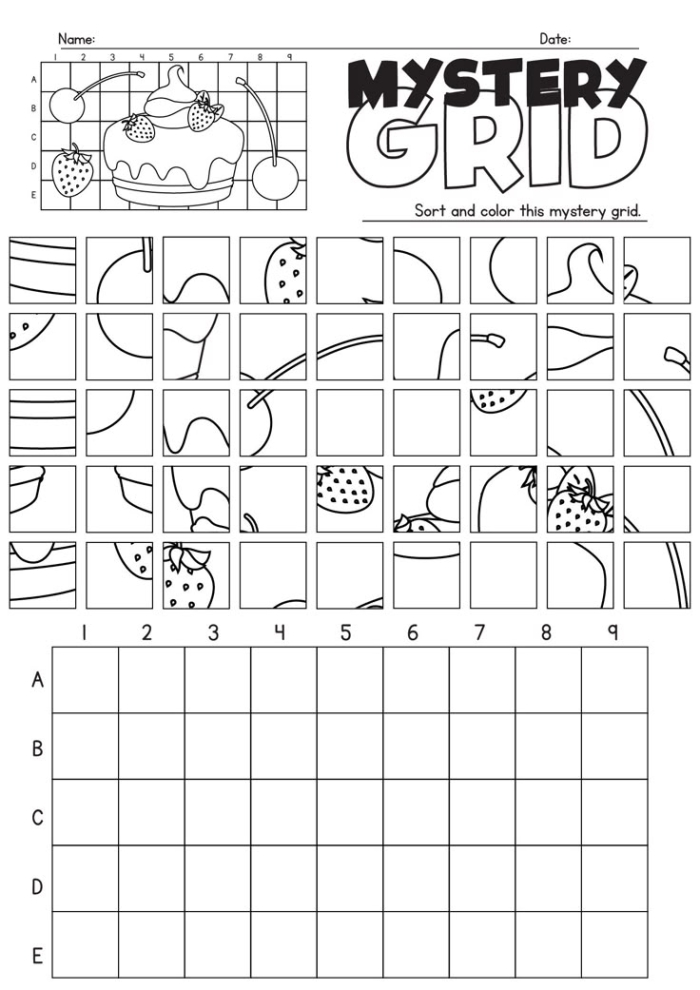
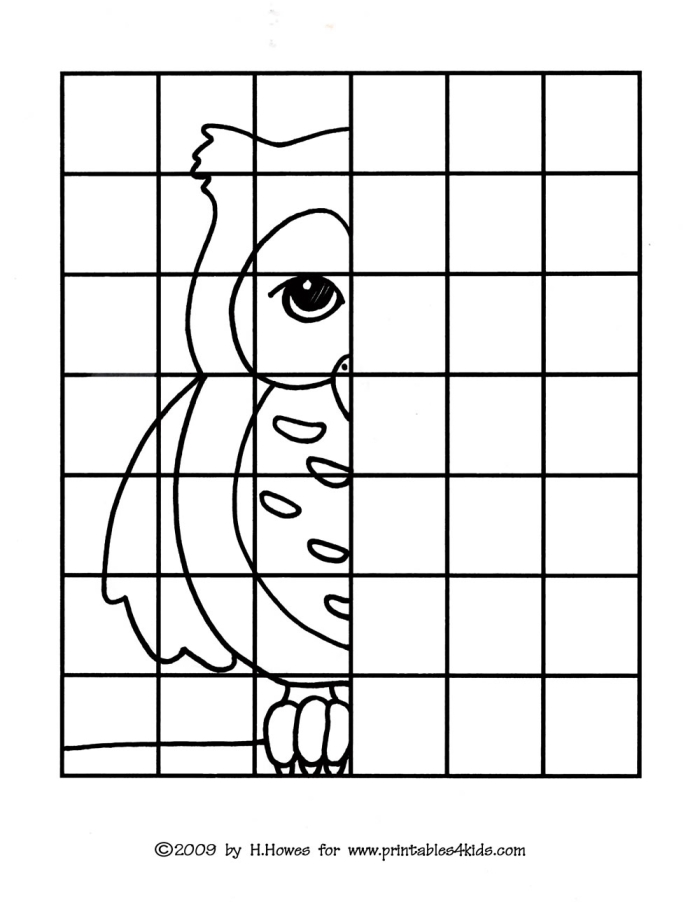
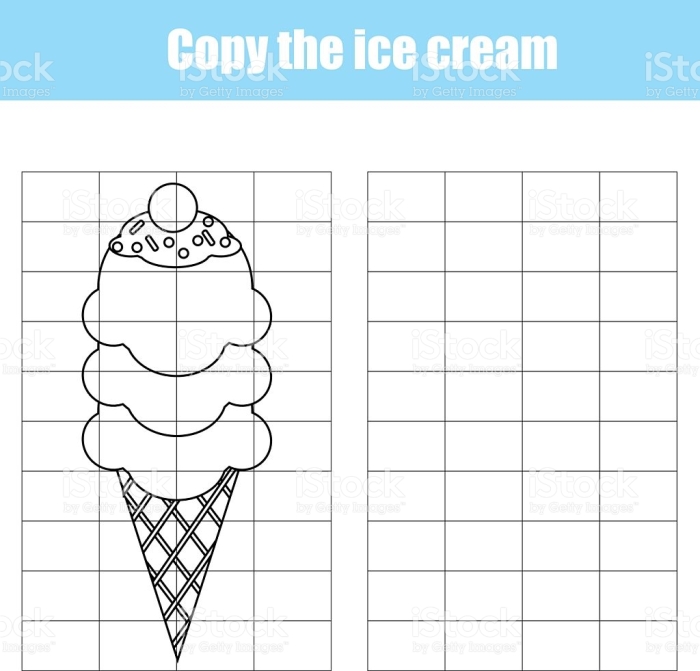
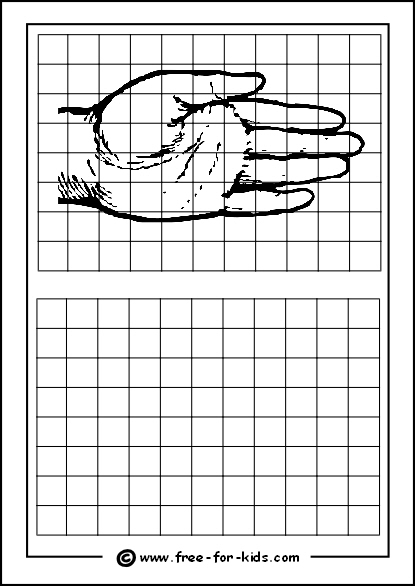
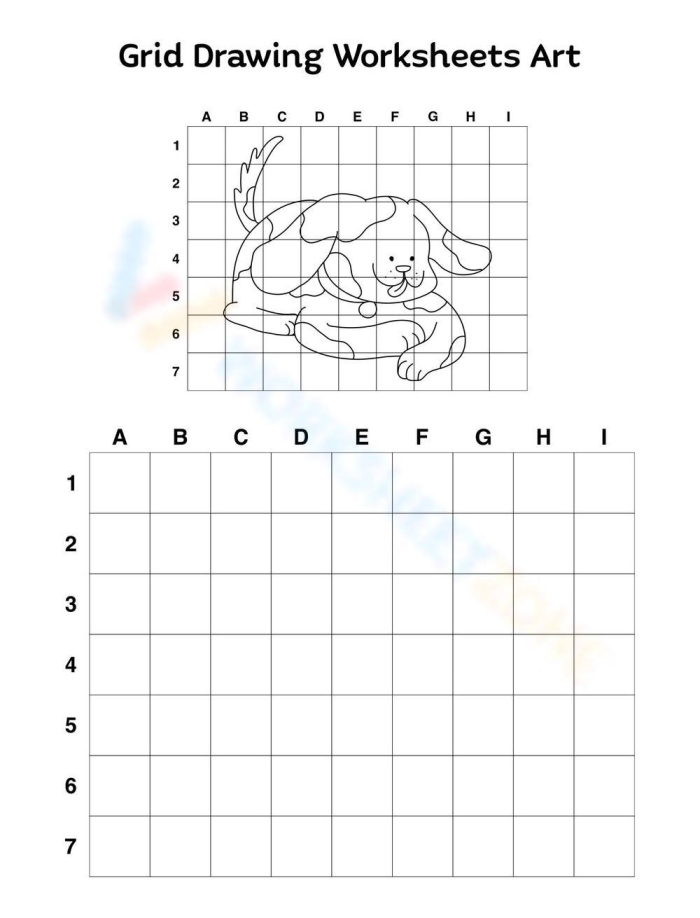
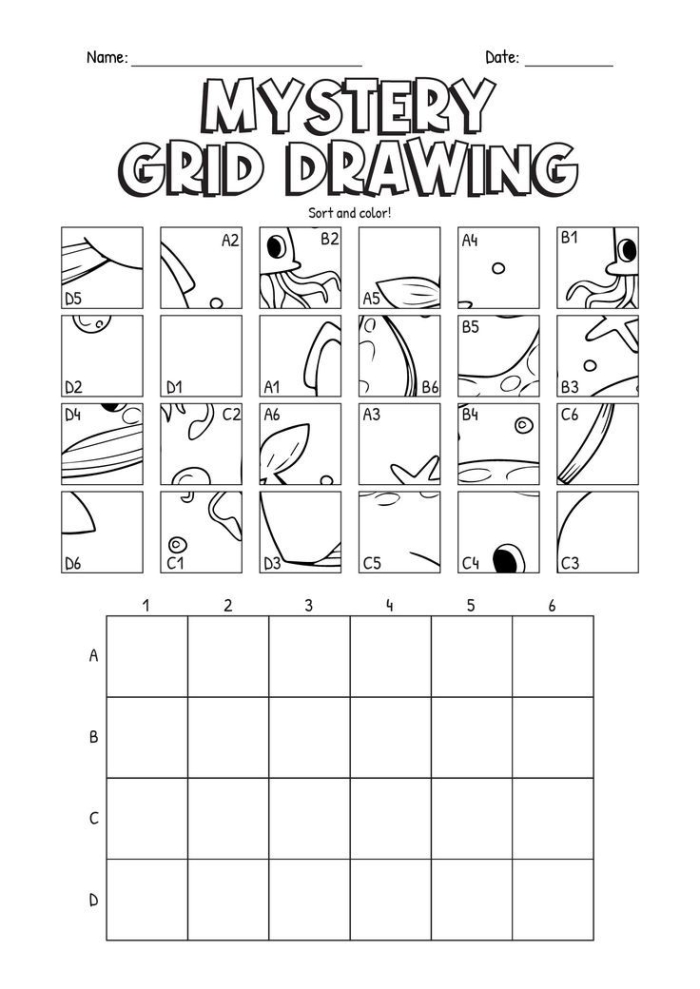
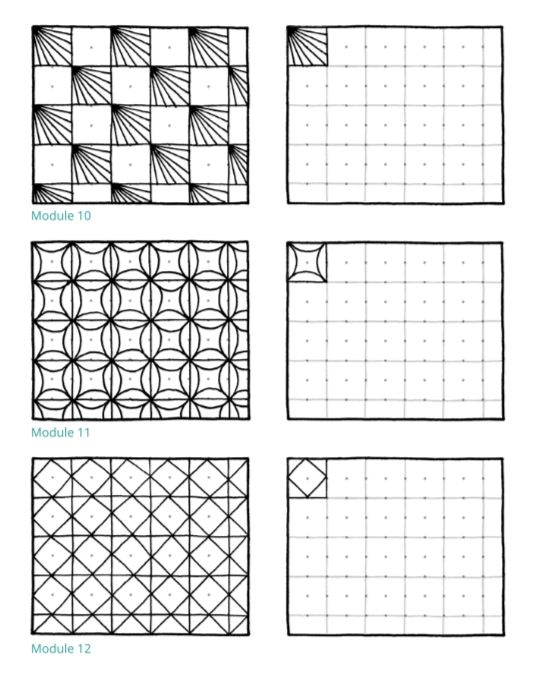
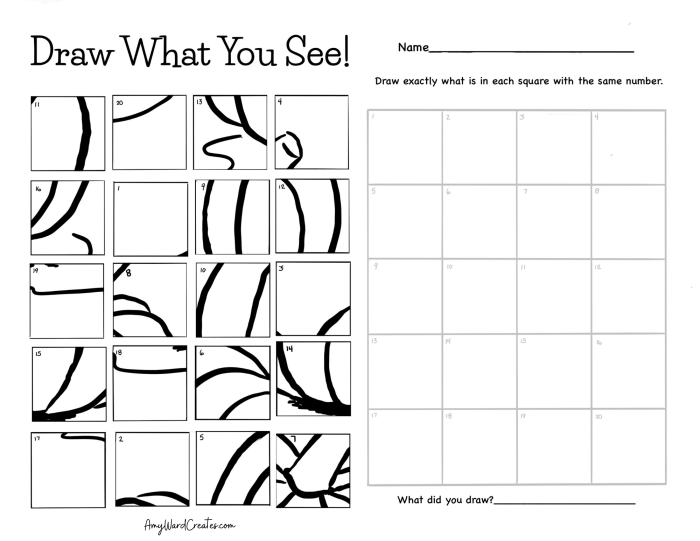
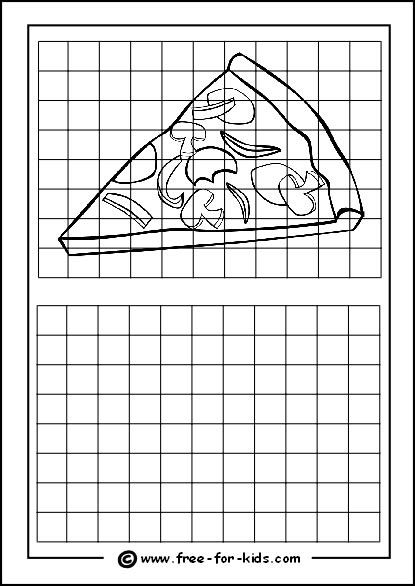
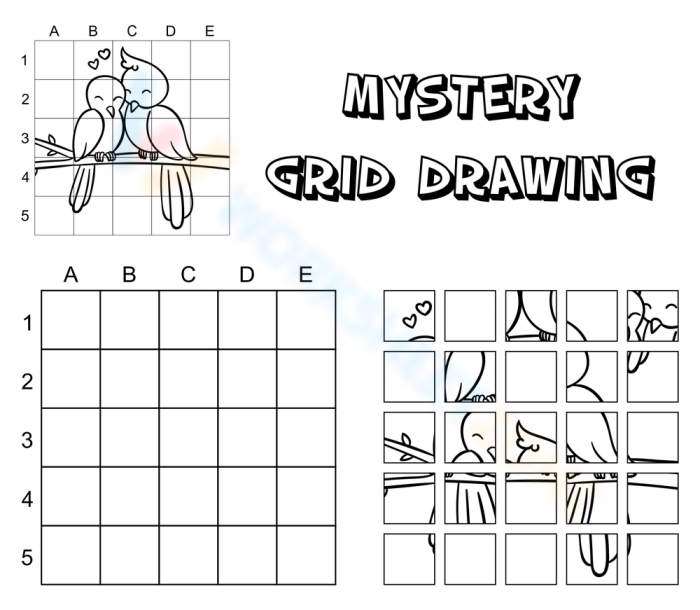
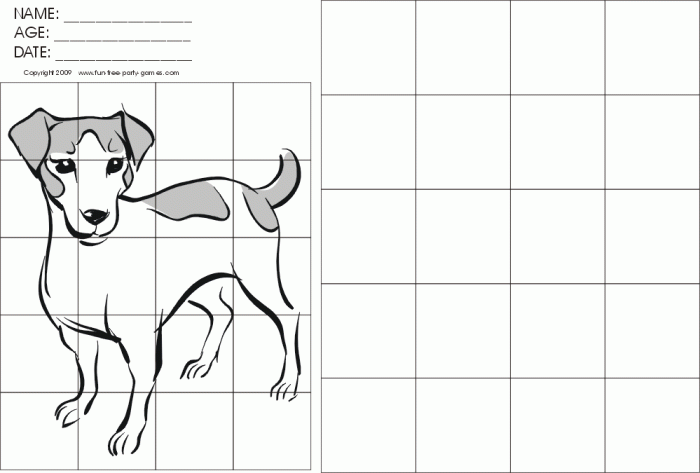
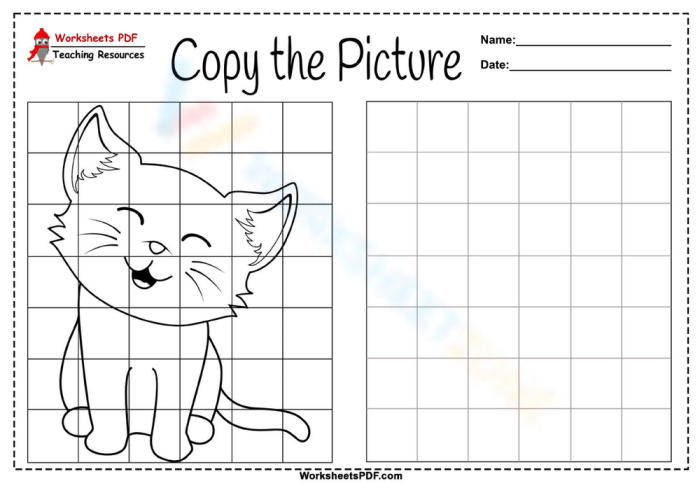
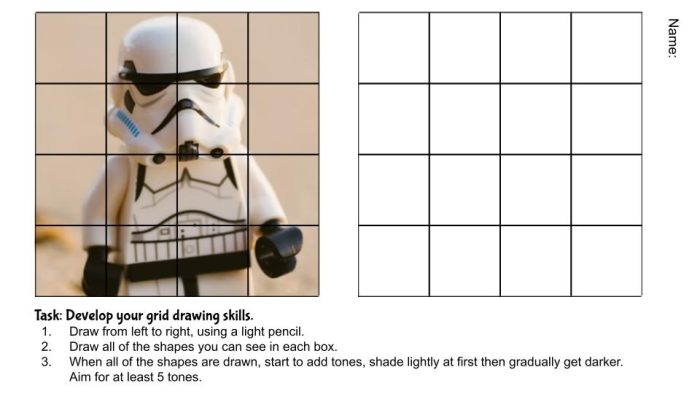
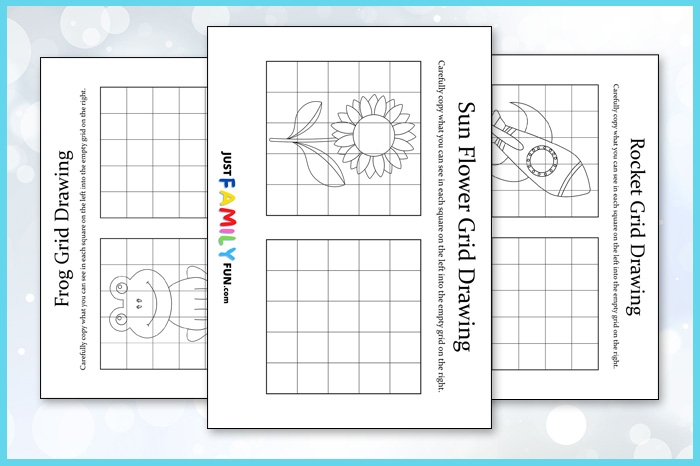
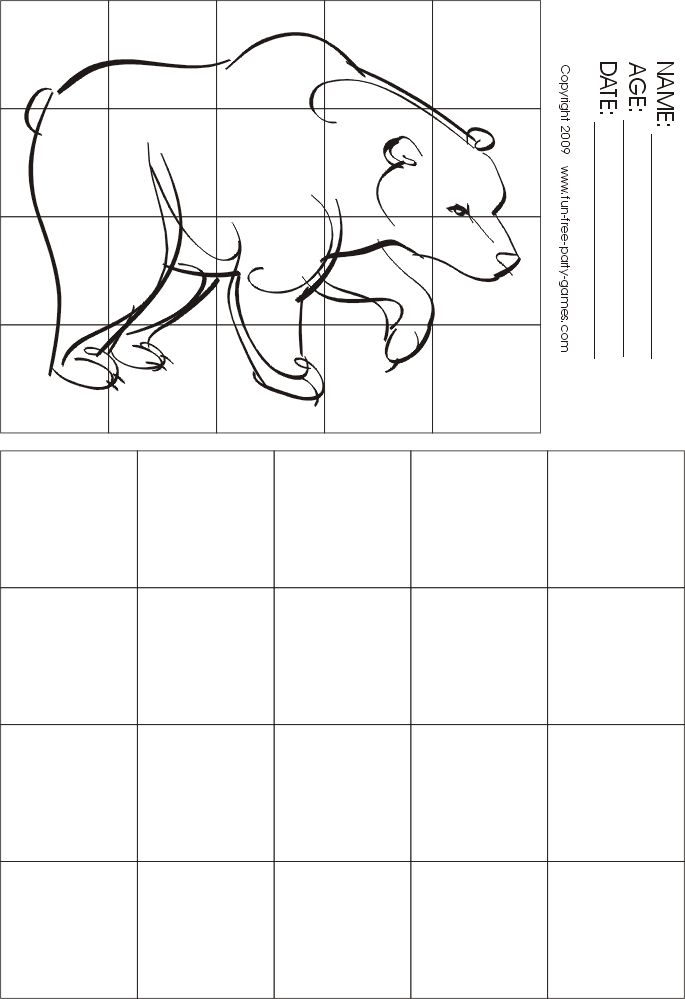
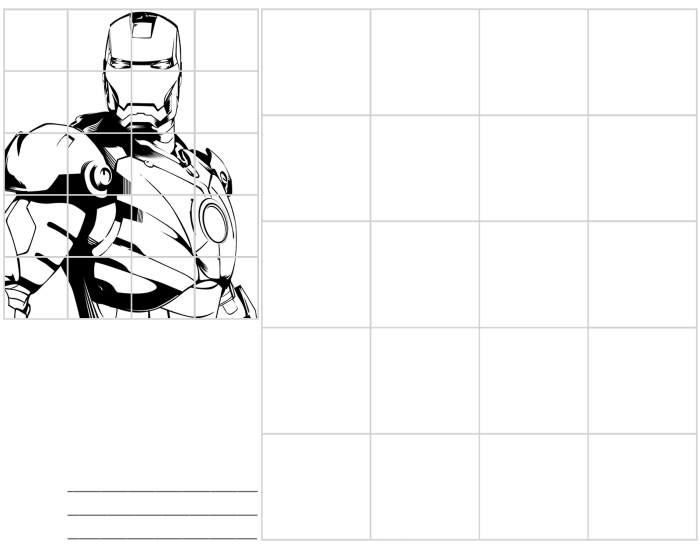
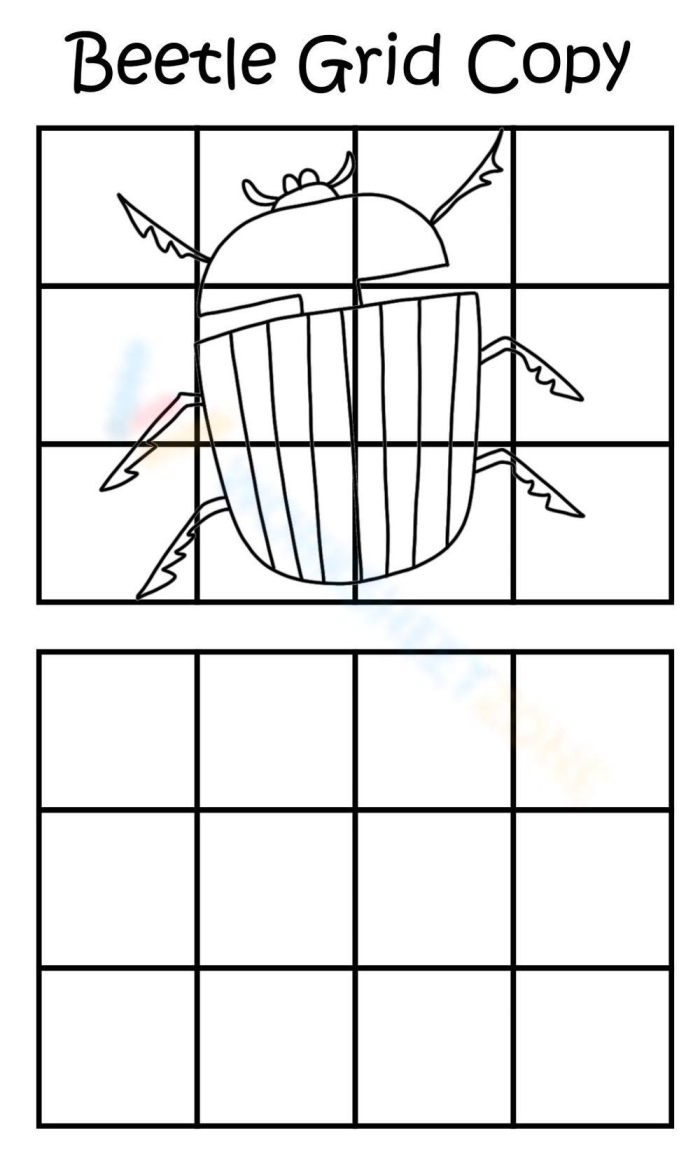
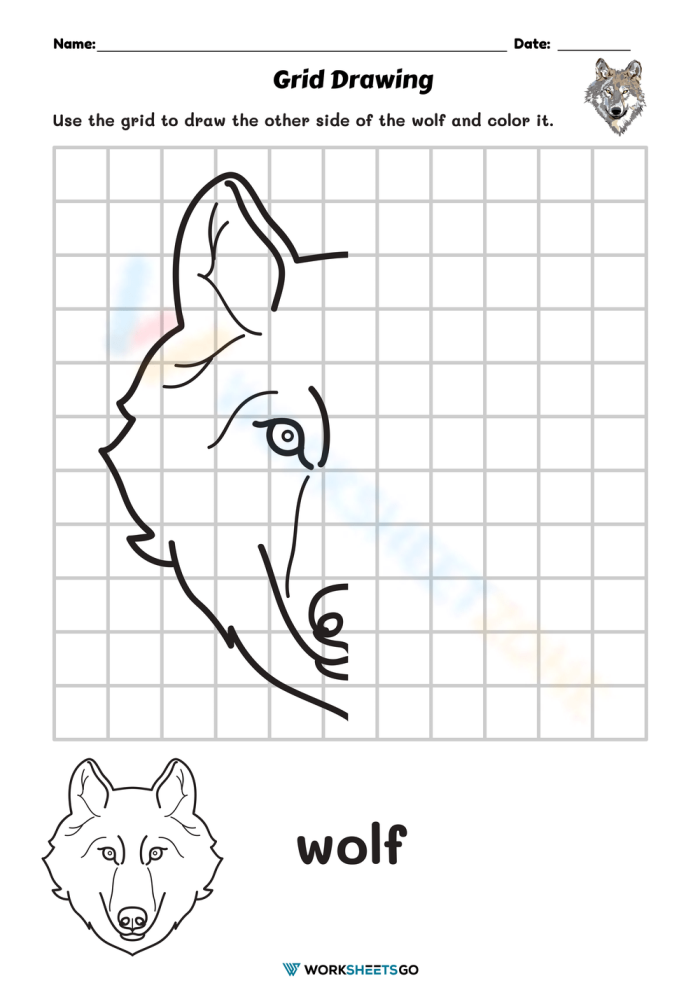
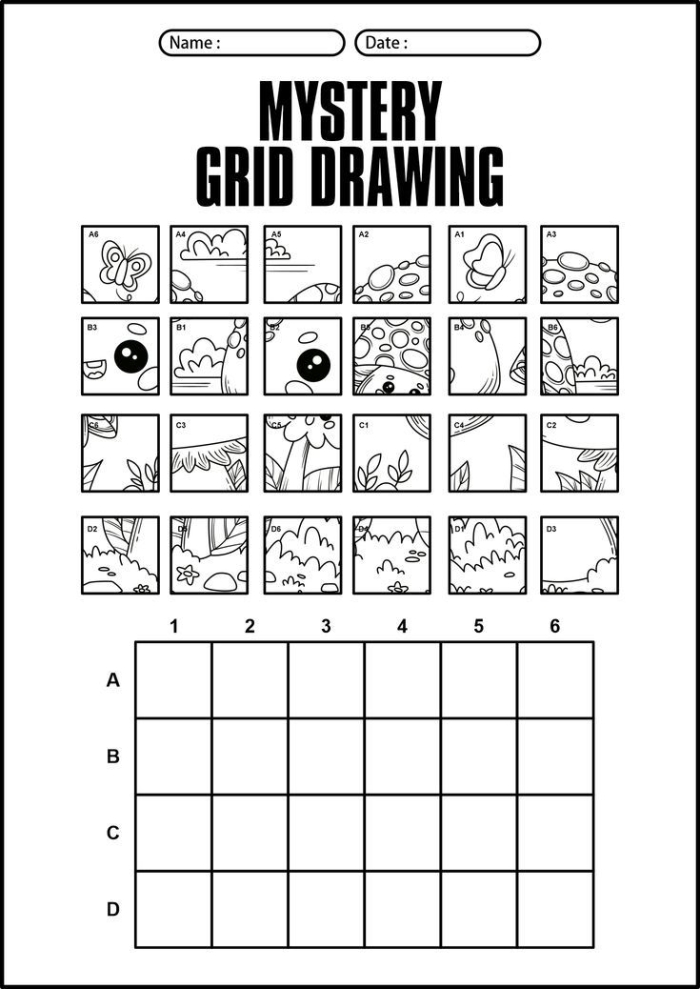
The grid method transforms how students approach drawing by breaking down complex images into manageable squares. Instead of staring at a blank page wondering where to start, you overlay a grid on your reference image, then draw the same grid at a larger scale on your paper. Each small square becomes a puzzle piece, and you simply copy what appears in each square one at a time. This approach removes the intimidation factor and makes accurate reproduction possible for anyone, regardless of natural artistic ability.
What makes this technique particularly valuable for fifth grade students is how it naturally incorporates mathematical thinking. You’re working with spatial reasoning, proportions, and measurements without it feeling like a math lesson. When you enlarge an image using grids, you’re actually applying the concept of scaling, which connects directly to understanding ratios and exponents and roots. A student copying a 1-inch grid square onto a 2-inch grid square is doubling dimensions, which reinforces how multiplication and scaling work together.
The practical benefits extend beyond the classroom. Students develop patience and attention to detail, two skills that transfer to every academic area. They learn that accuracy comes from breaking large tasks into smaller steps. They also gain confidence because the method produces visible results quickly. A fifth grader who struggles with freehand drawing can suddenly create something they’re genuinely proud of.
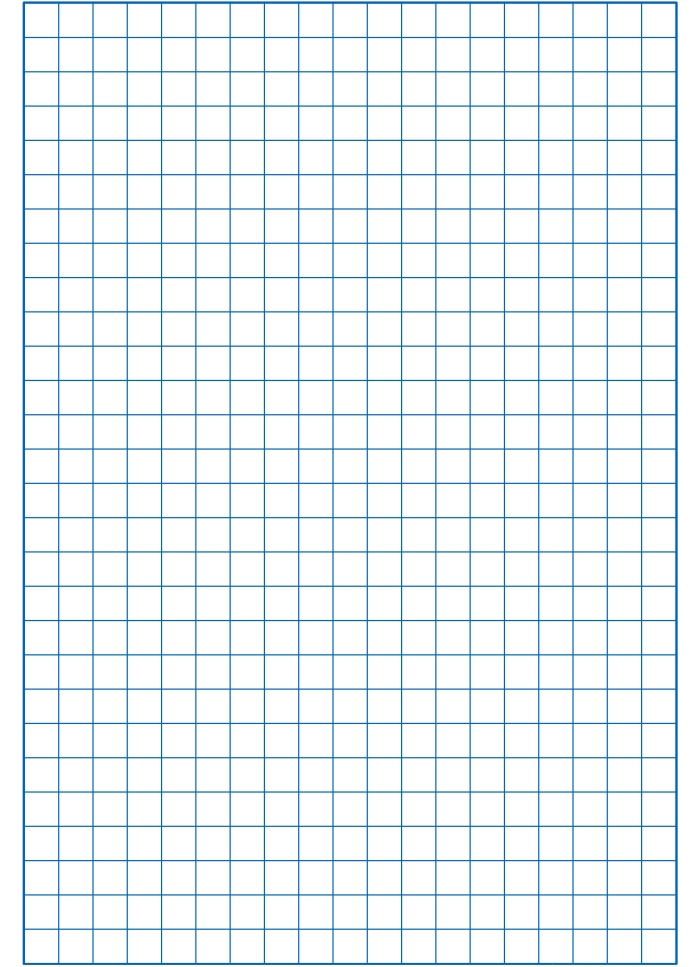
Getting started requires minimal supplies: graph paper, your reference image, and pencils. You can find engaging projects online, or create your own by selecting images that interest your students. Whether copying portraits, animals, or landscapes, the grid method consistently delivers success. For students exploring how mathematical concepts like area and decimals apply to real-world problems, grid art offers a tangible, creative application that makes the connection clear and memorable.
Grab These Worksheets Now