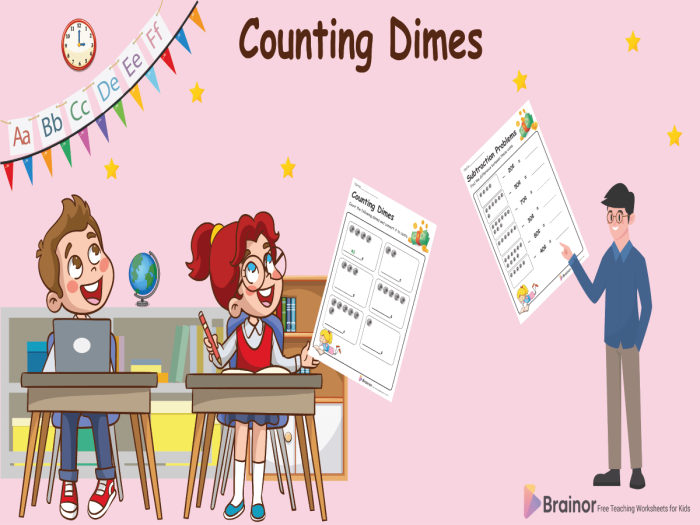
Teaching a first grader to count by tens opens a door to understanding place value and mental math patterns that will serve them for years. Dimes are the perfect tool for this lesson because they’re tangible, familiar, and naturally group into tens. A dime-based counting worksheet transforms an abstract concept into something your child can visualize and touch.
When you introduce counting by tens using dimes, you’re building a bridge between concrete objects and numerical thinking. A first grader holding ten dimes and recognizing that equals one dollar learns more than just a fact. They begin to see how groups work, how skip counting follows predictable patterns, and how money relates to numbers. This foundation makes later math concepts like multiplication and division feel less mysterious.
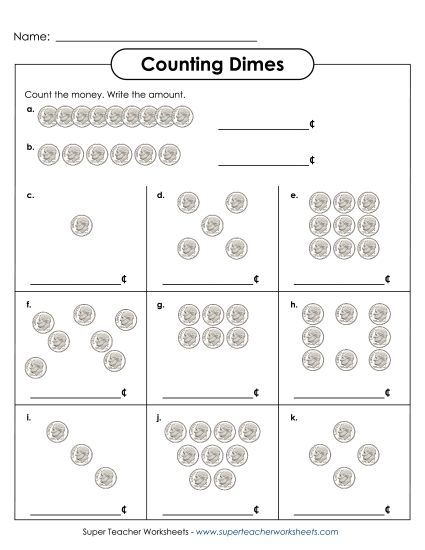
The beauty of using dimes specifically is that they connect to real-world experience. Children encounter coins regularly, so this isn’t abstract learning divorced from their daily lives. When they count ten, twenty, thirty, forty dimes, they’re not just reciting numbers. They’re understanding that each dime represents ten cents, and that understanding sticks because it matters.
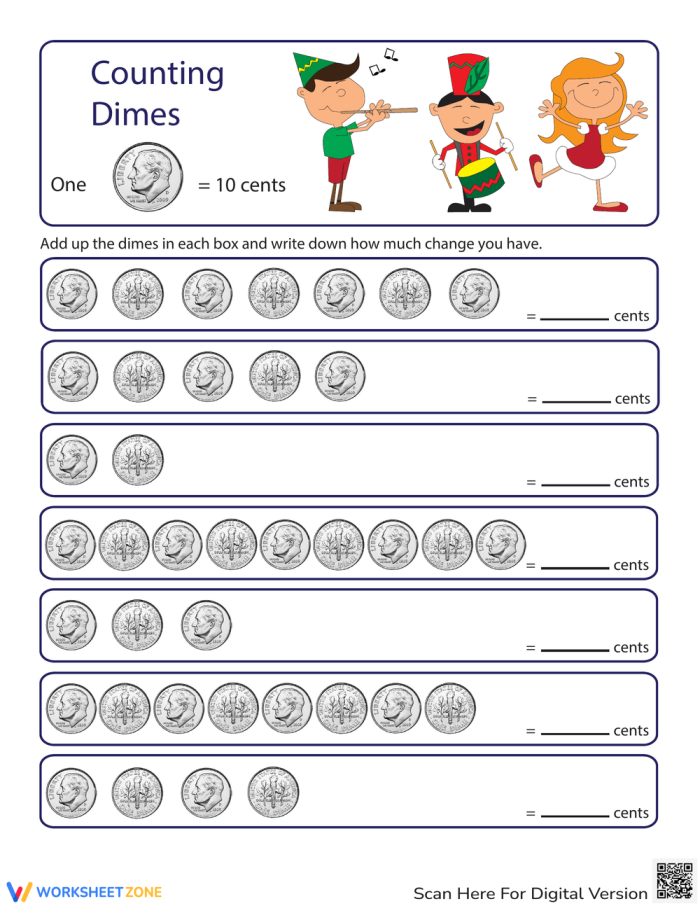
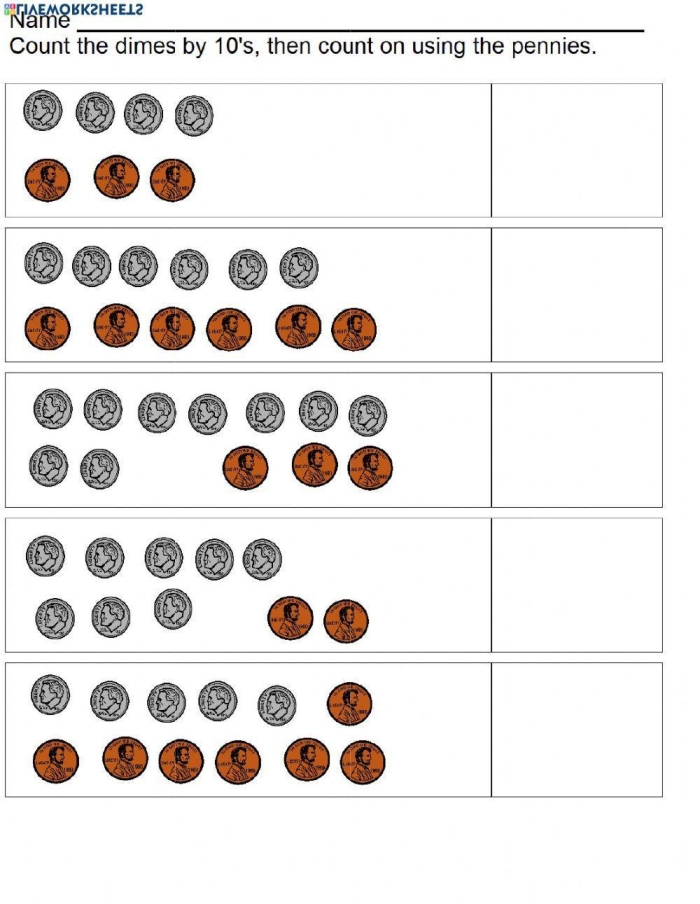
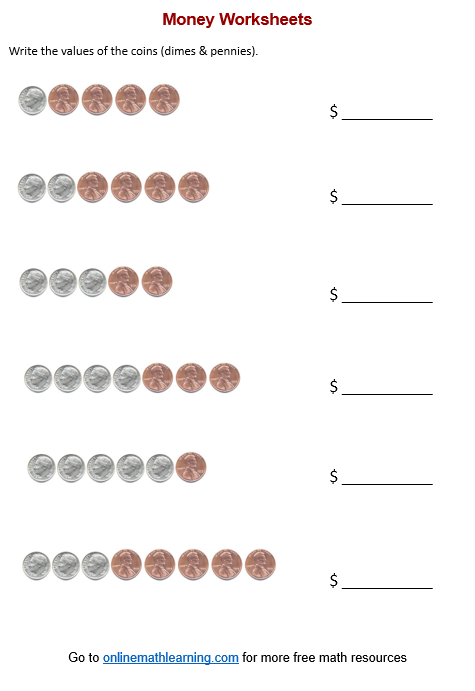
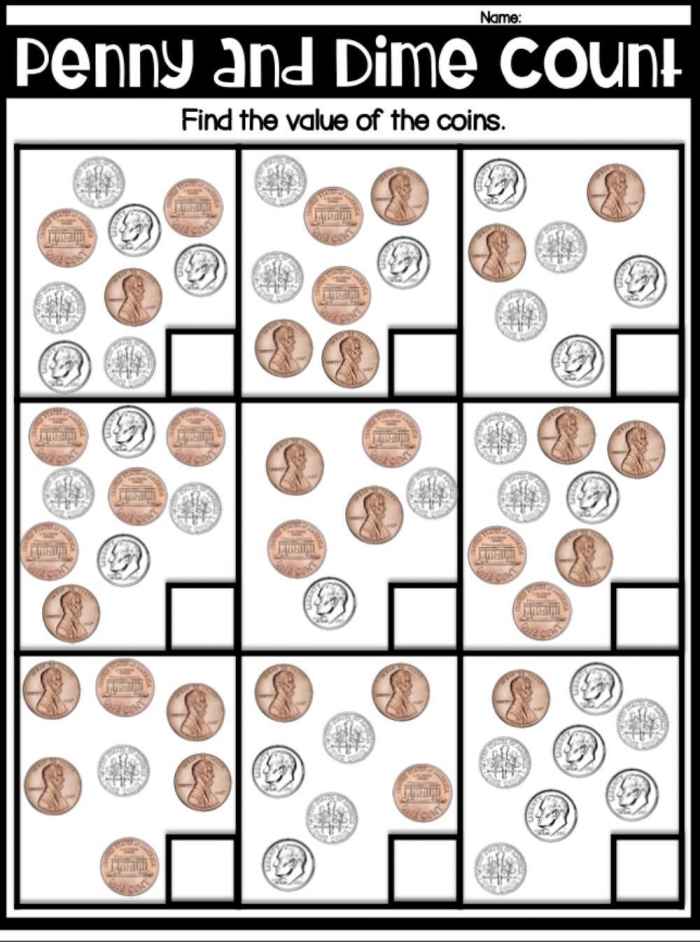
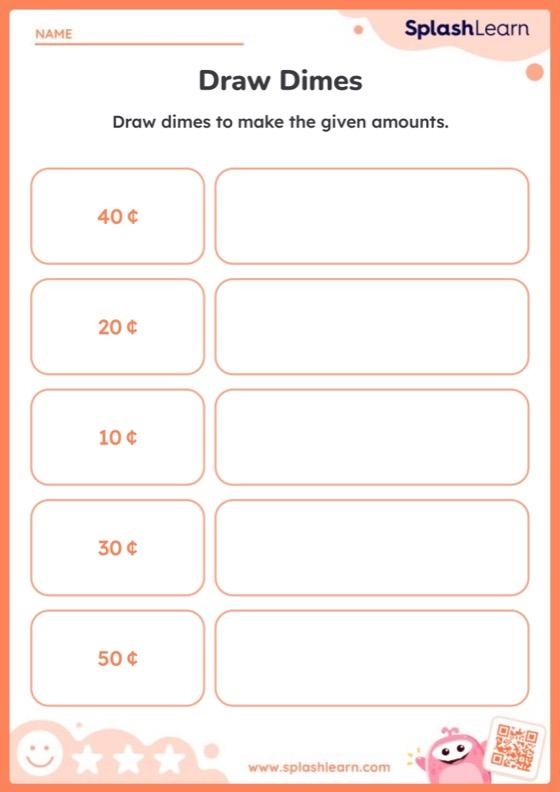
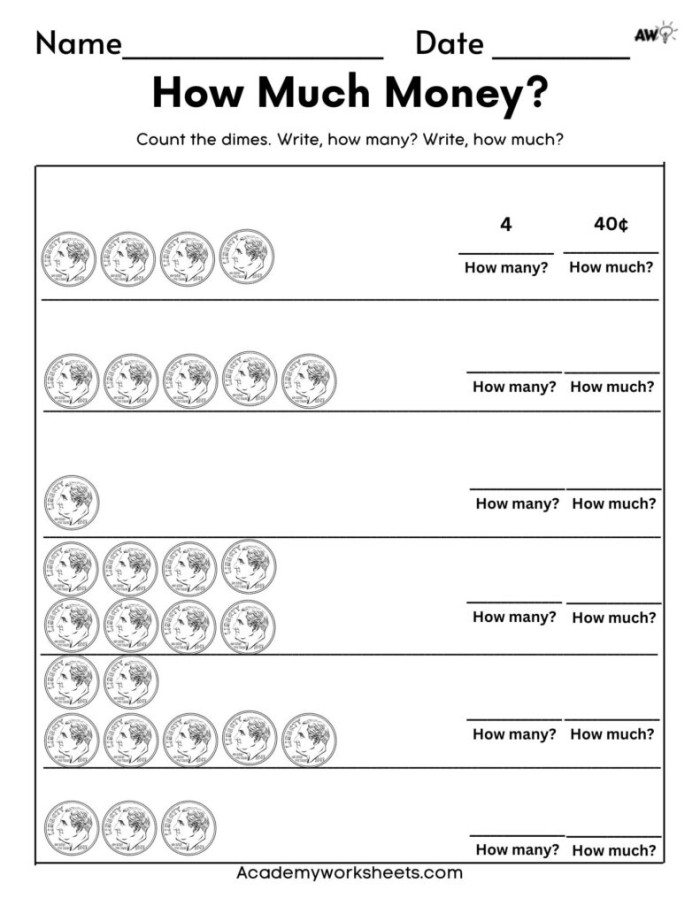
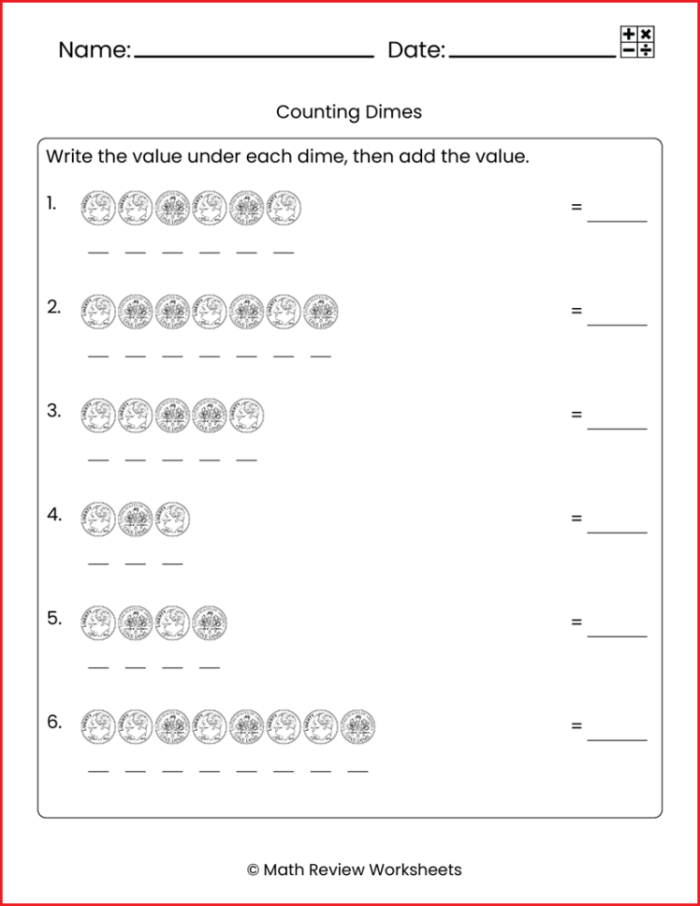
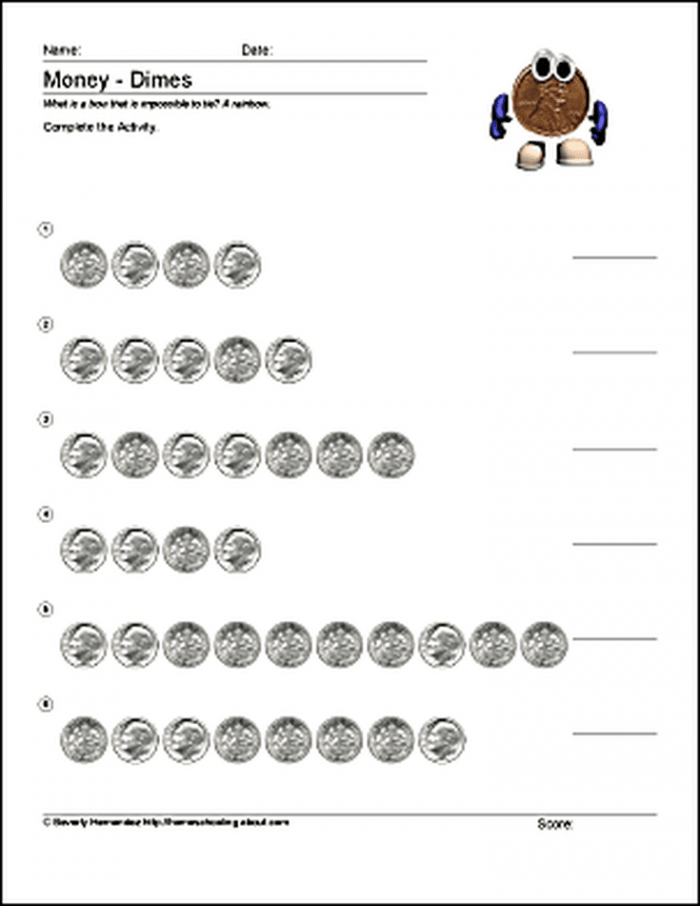
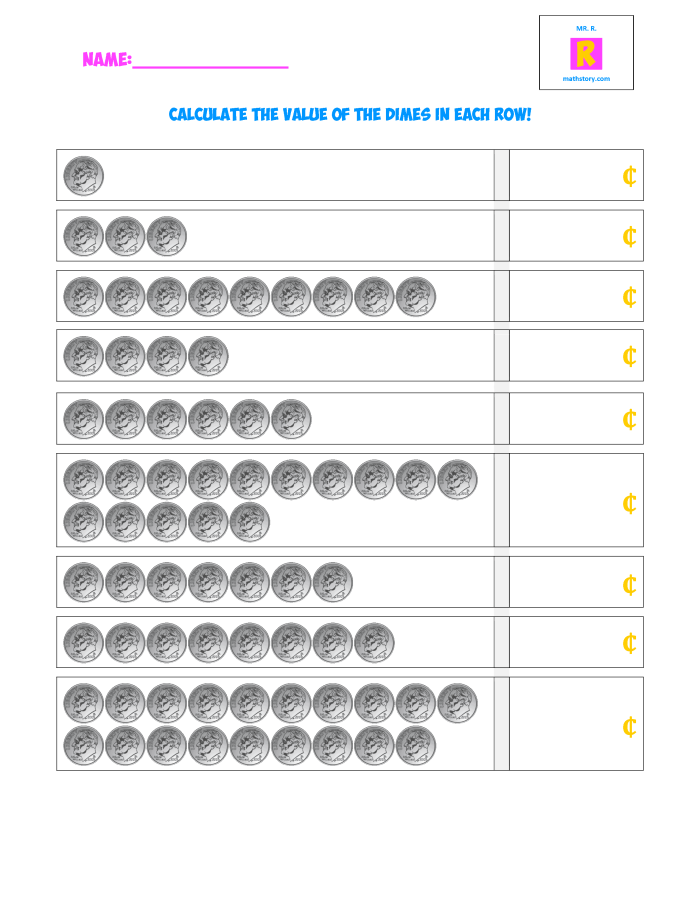
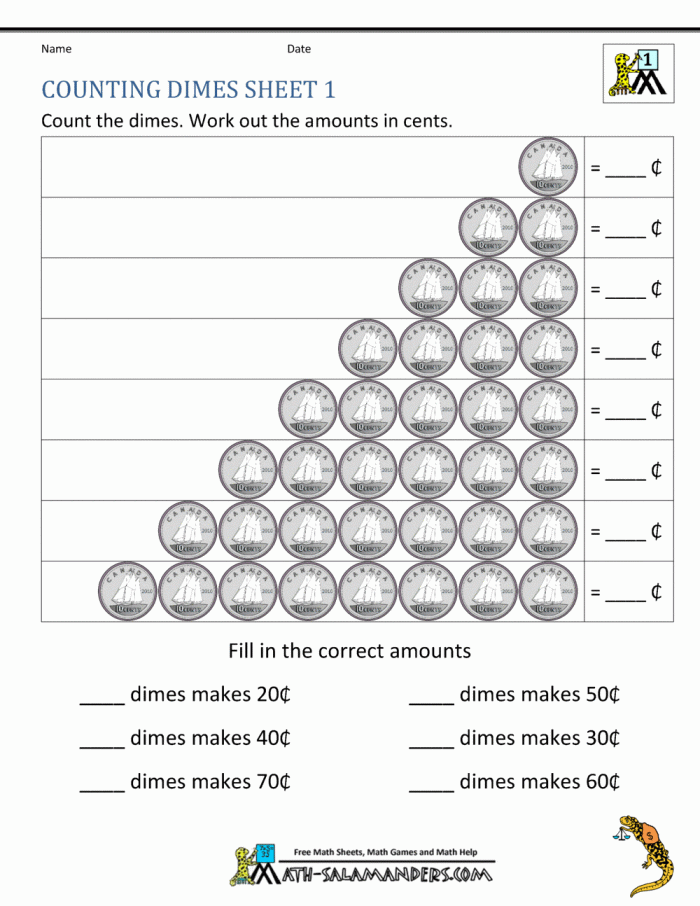
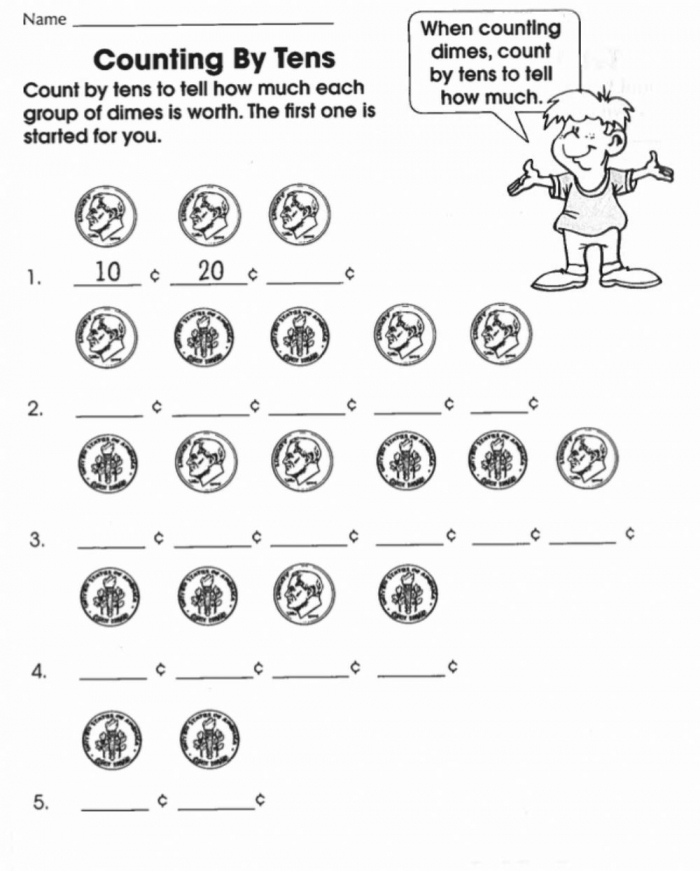
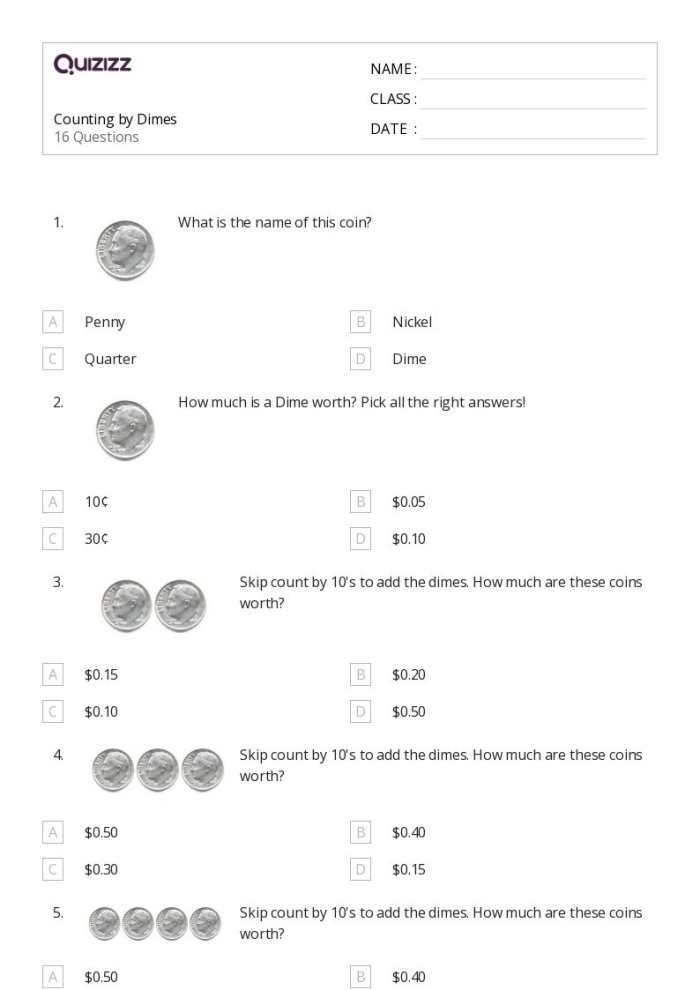
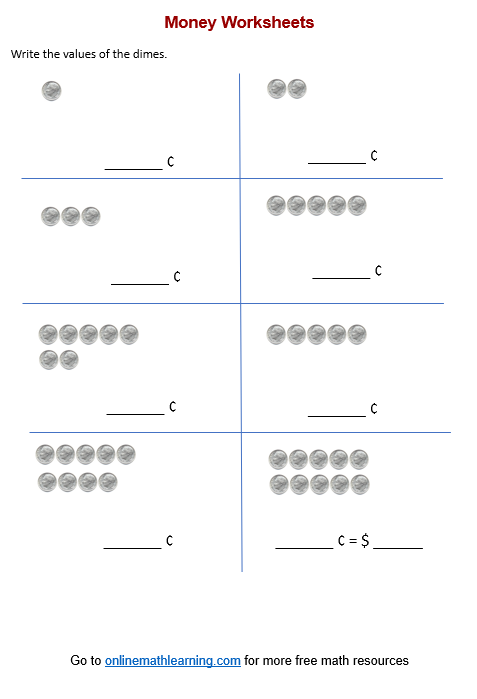
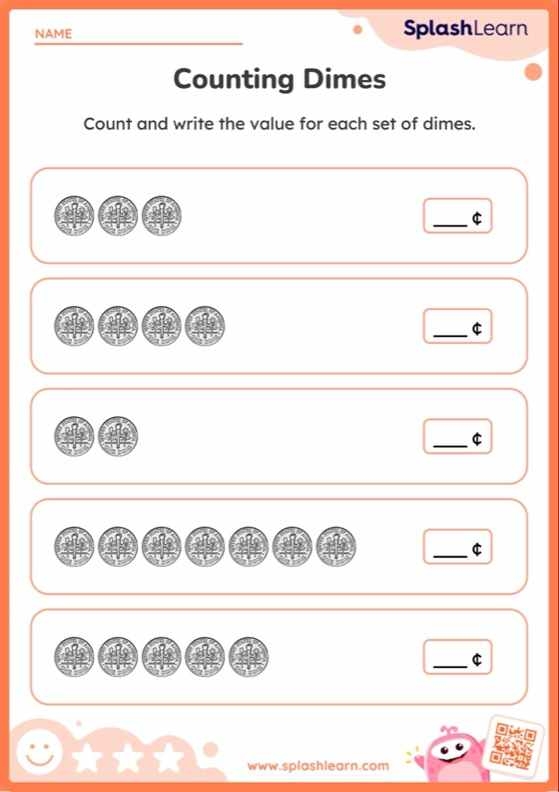
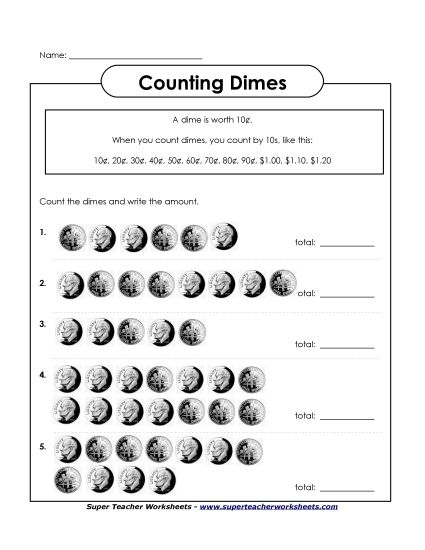
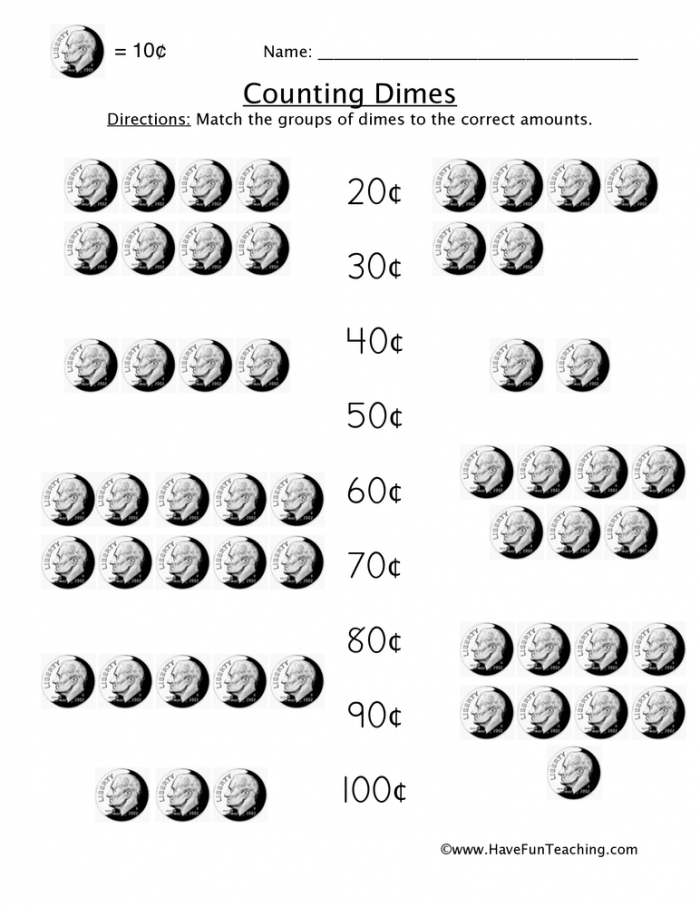
A well-designed worksheet guides this learning step by step. It might show groups of dimes that children count aloud, then write the number. Some worksheets include simple word problems where your child figures out how much money is shown. This reinforces both the counting skill and practical money sense.
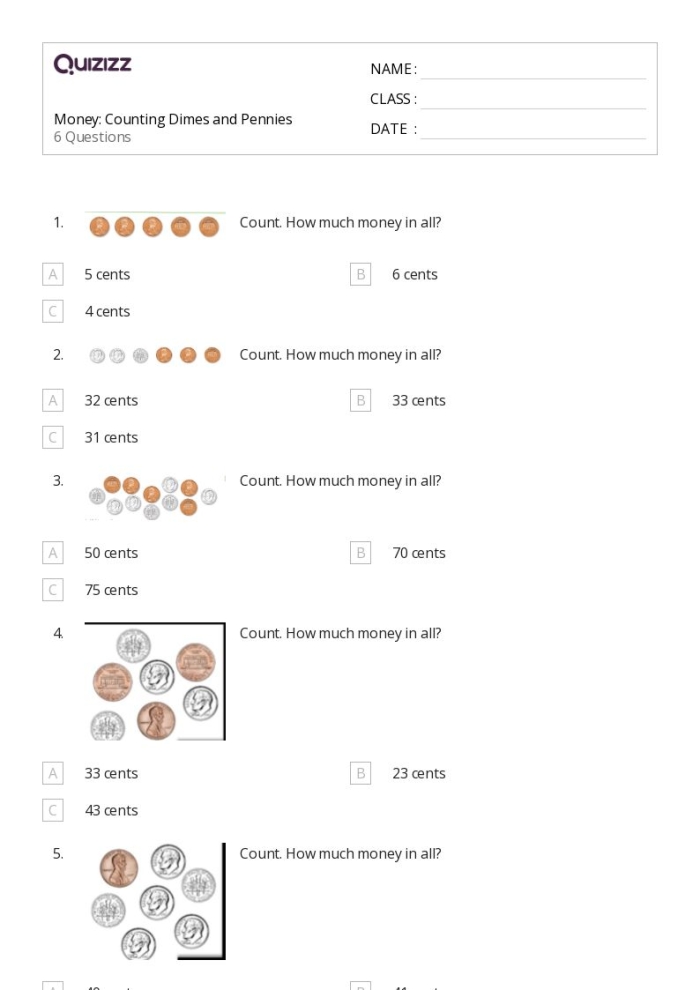
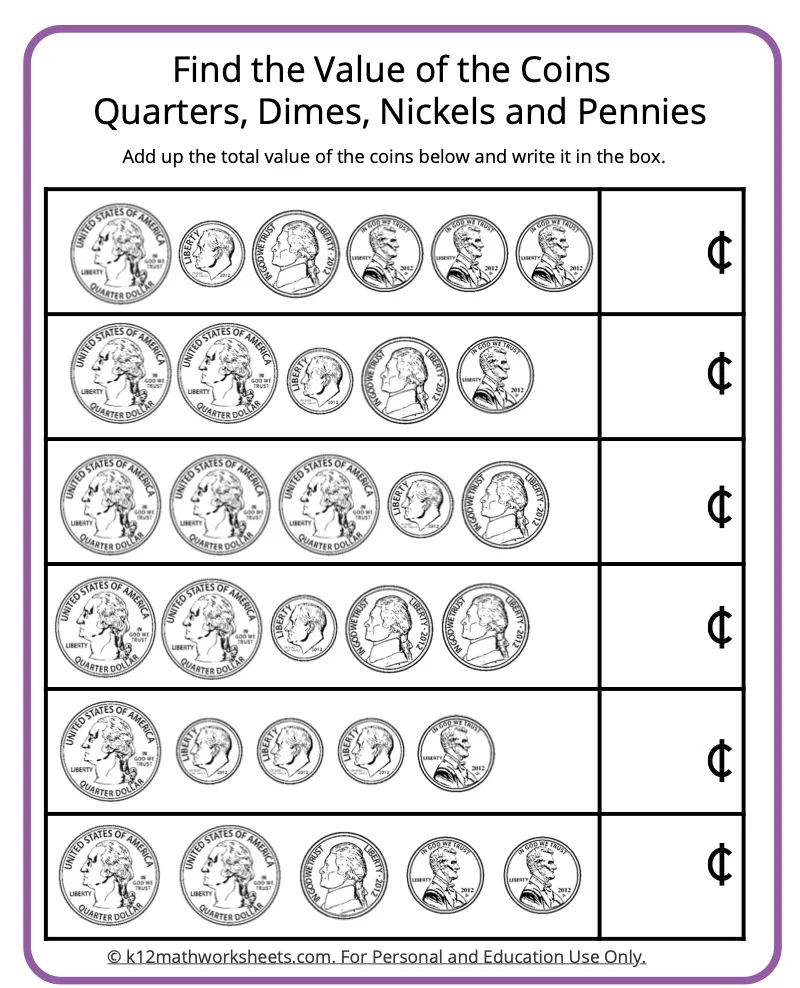
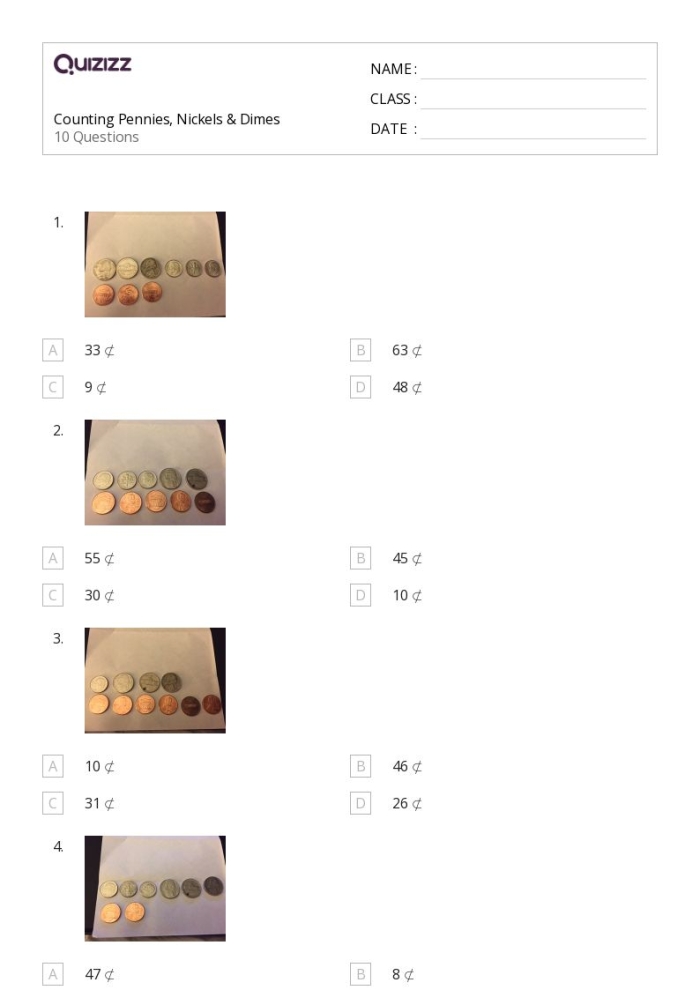
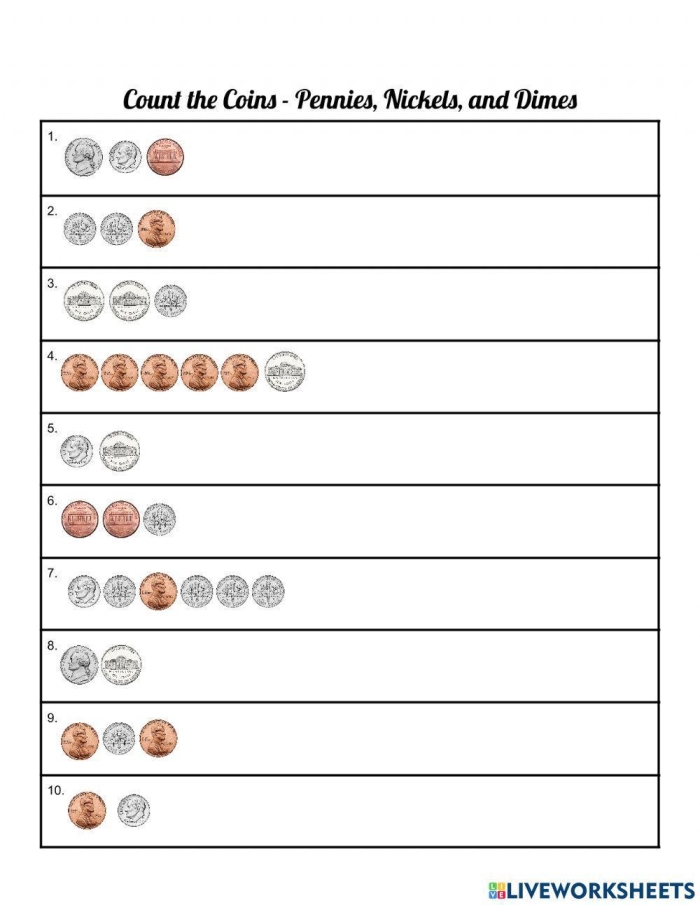
As you work through these exercises together, you’ll notice your first grader starting to recognize the pattern. Ten, twenty, thirty. The rhythm becomes automatic. This is exactly when skip counting becomes a tool rather than a rote exercise. You might pair this practice with other first grade worksheets that build related skills, such as counting money, time and money activities or three addend word problems that explore place value.
Repetition with purpose is key. A printable counting by tens dimes worksheet lets your child practice this skill multiple times without pressure, building confidence with each completed row.
Grab These Worksheets Now