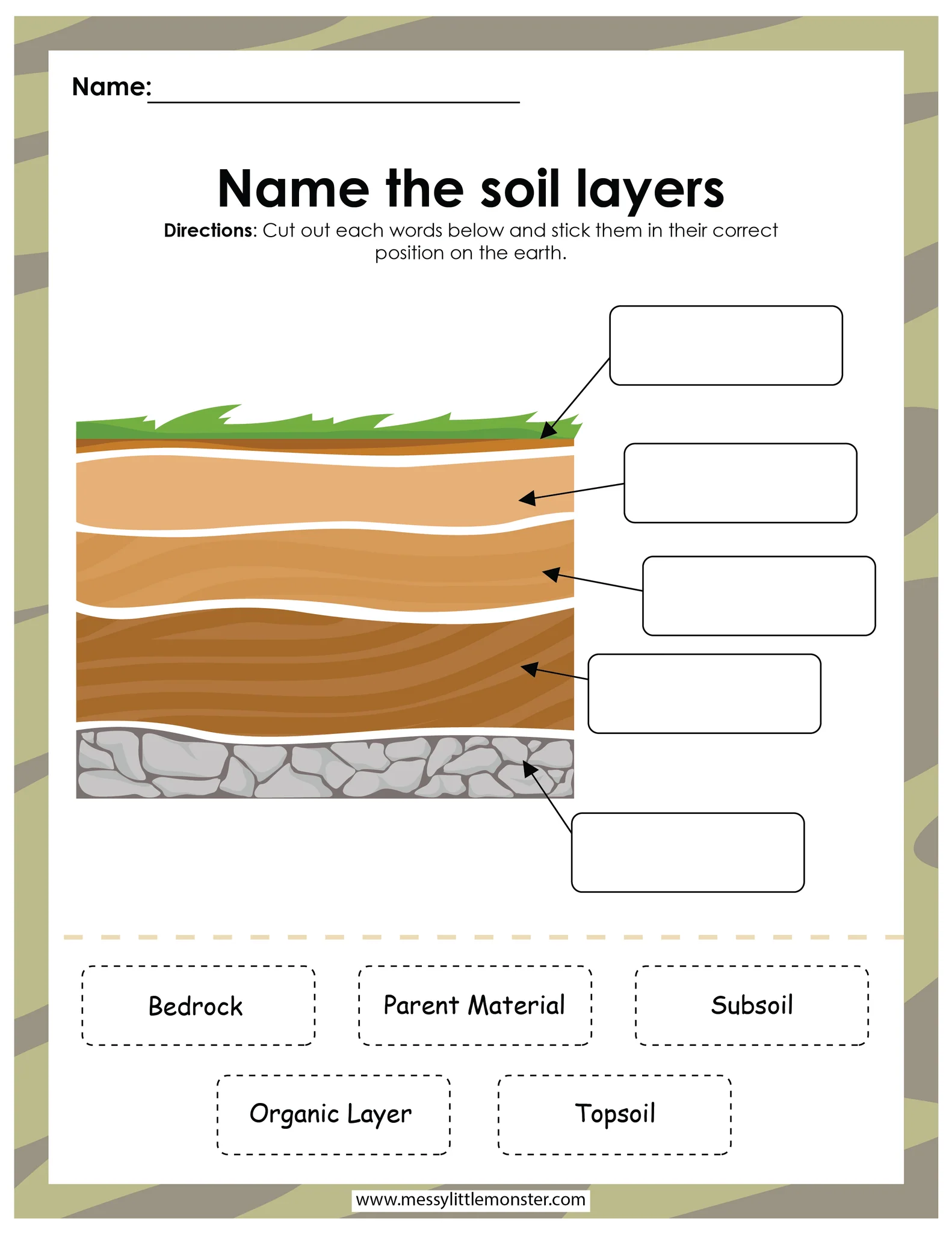
Kids naturally love digging in dirt, so why not turn that curiosity into real learning? A soil science worksheet gives second grade students a hands-on way to understand what’s actually beneath their feet. Rather than just telling children about soil, these sheets let them explore the distinct layers and discover which creatures call each zone home.
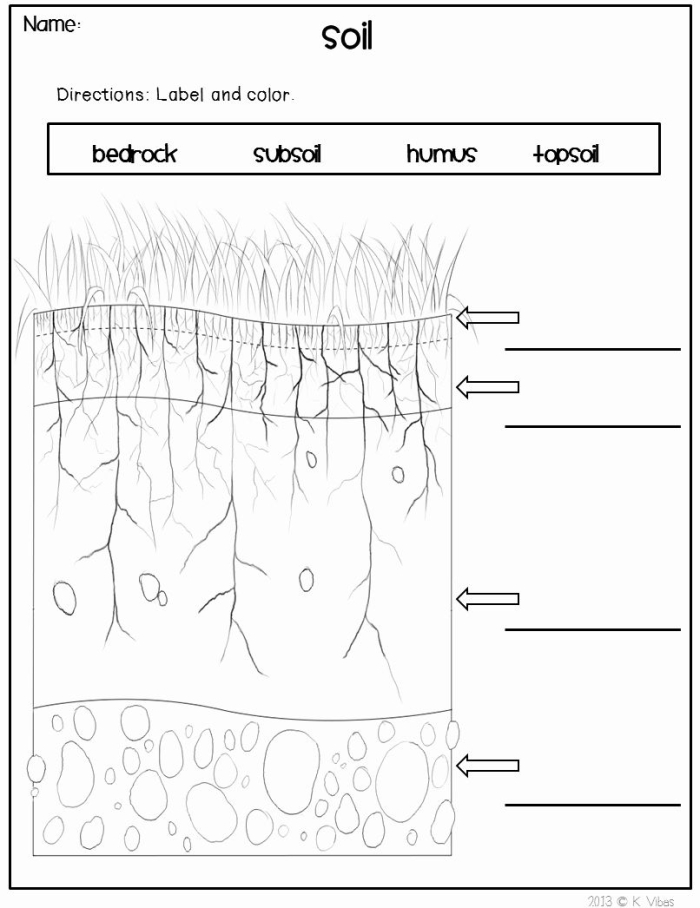
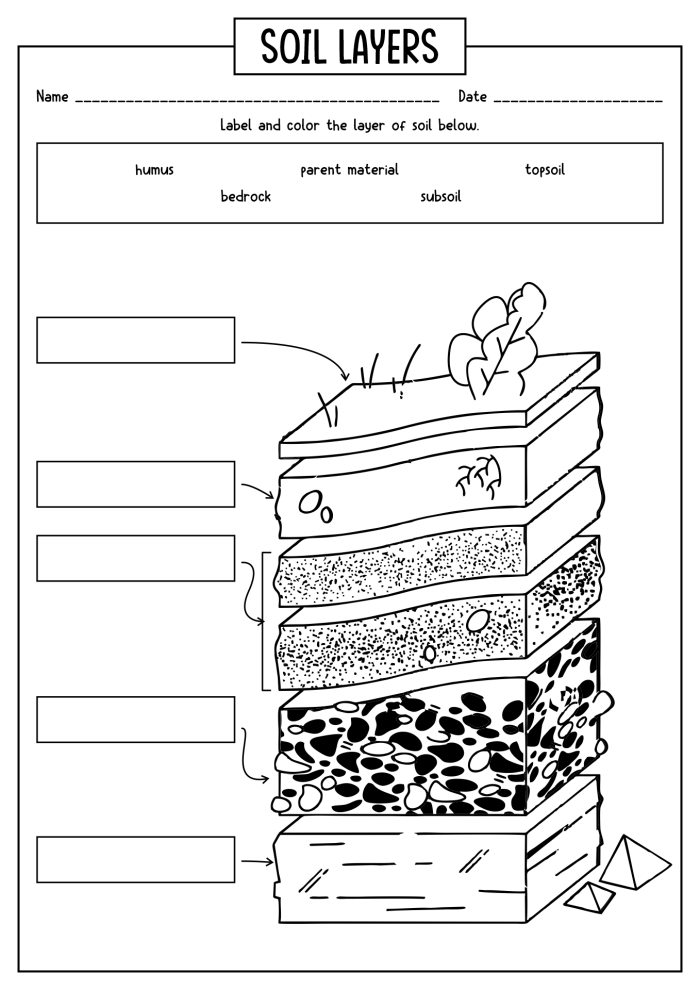
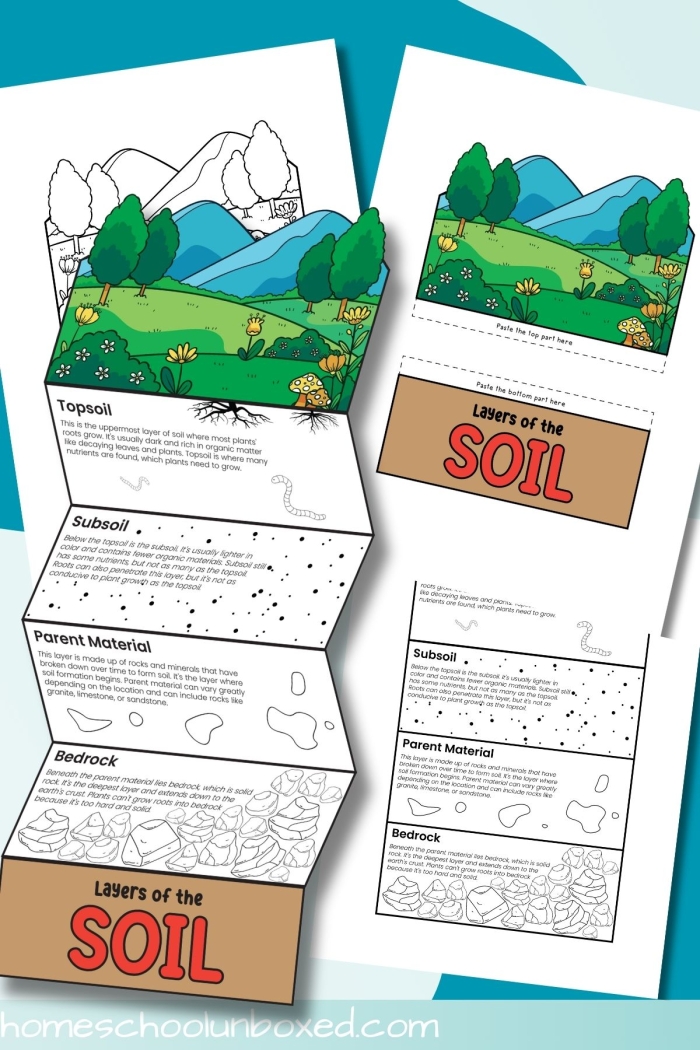
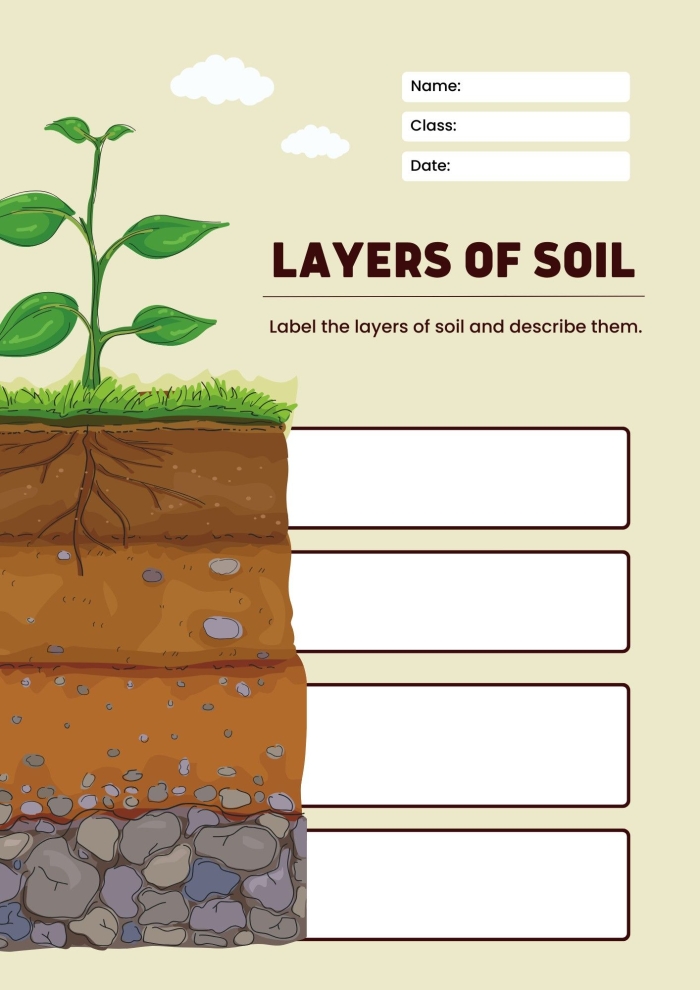
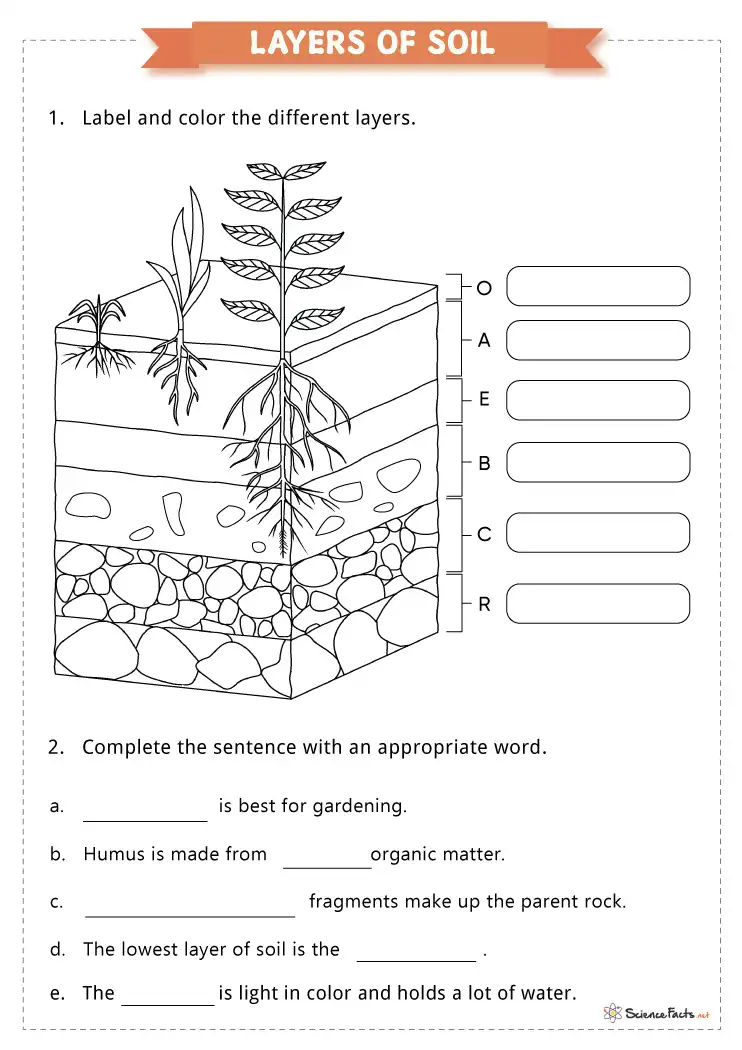
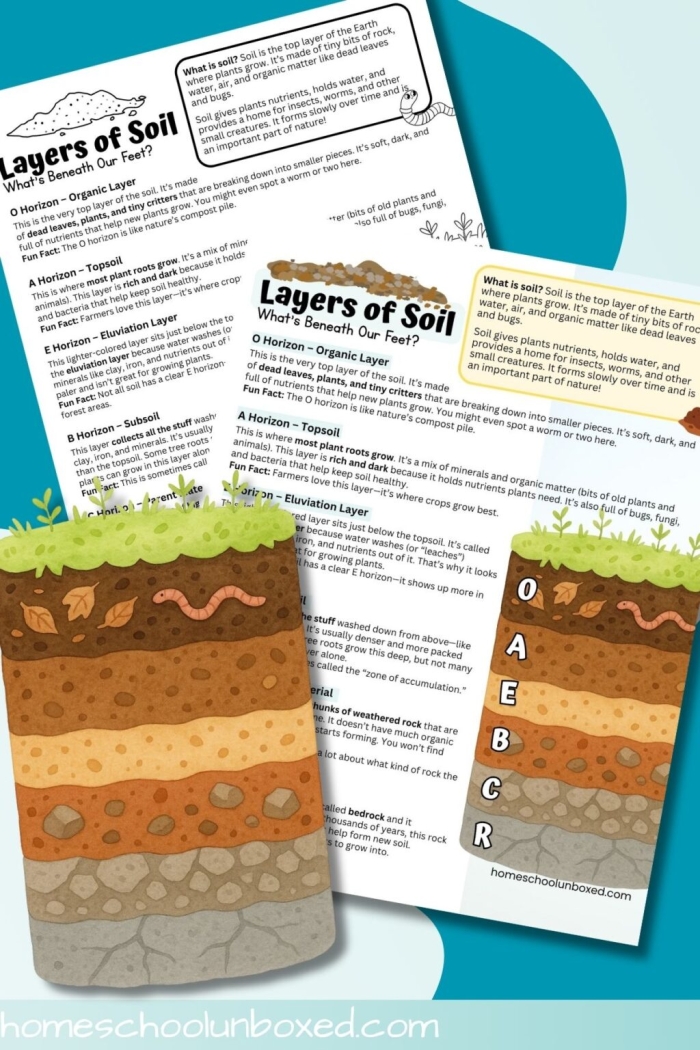
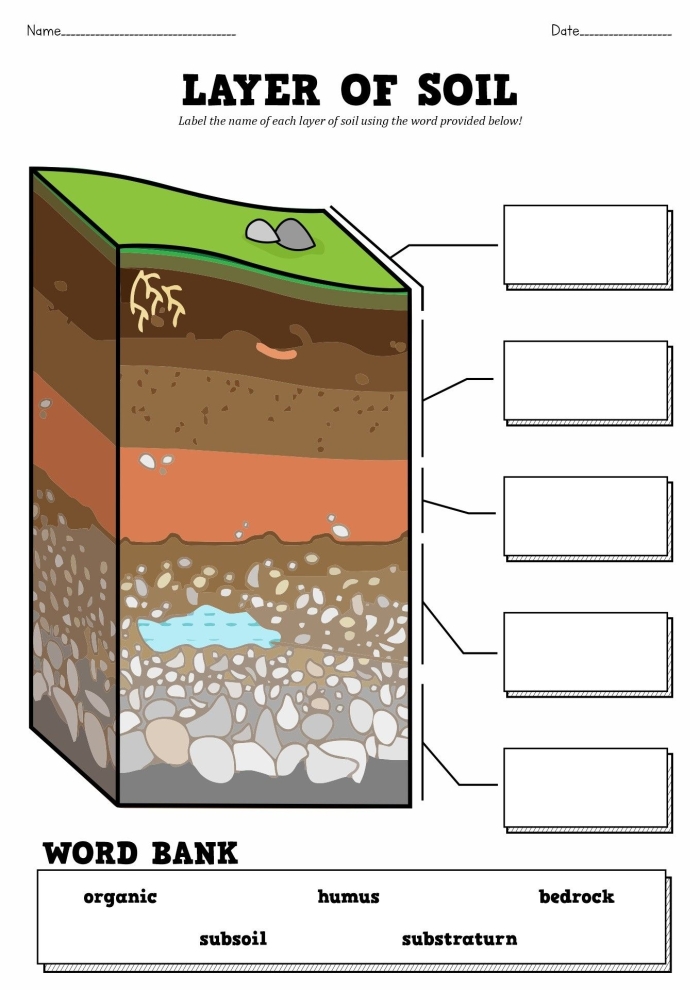
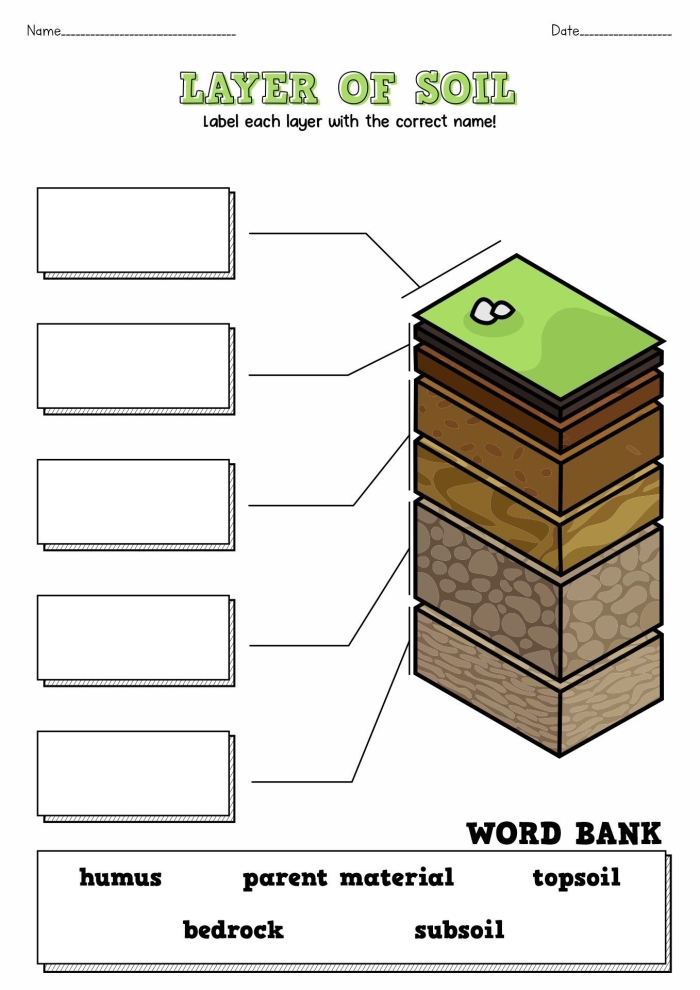
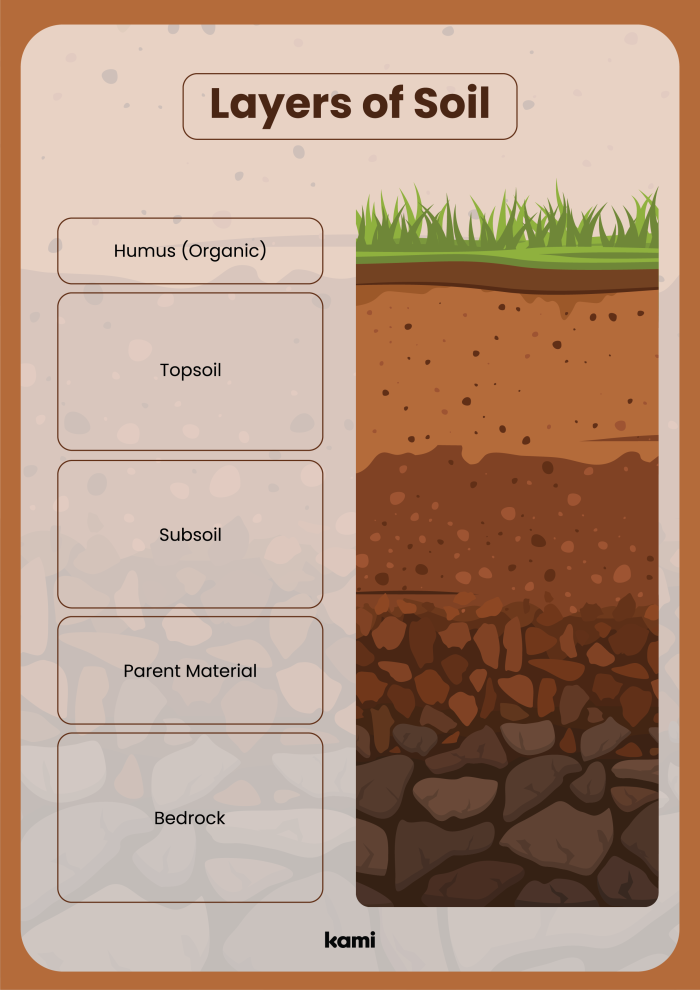
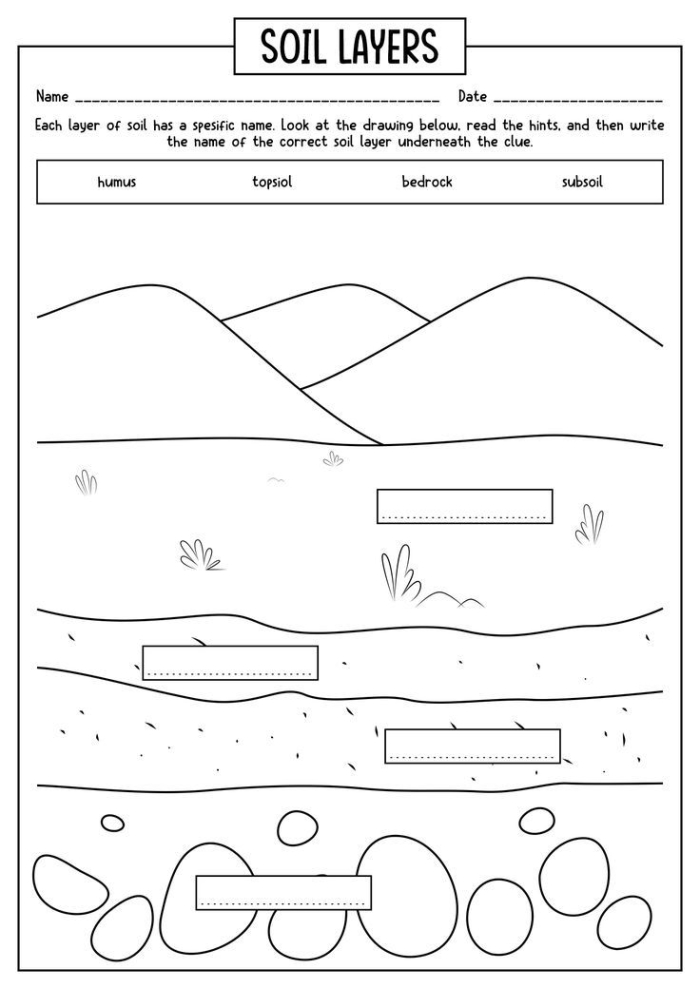
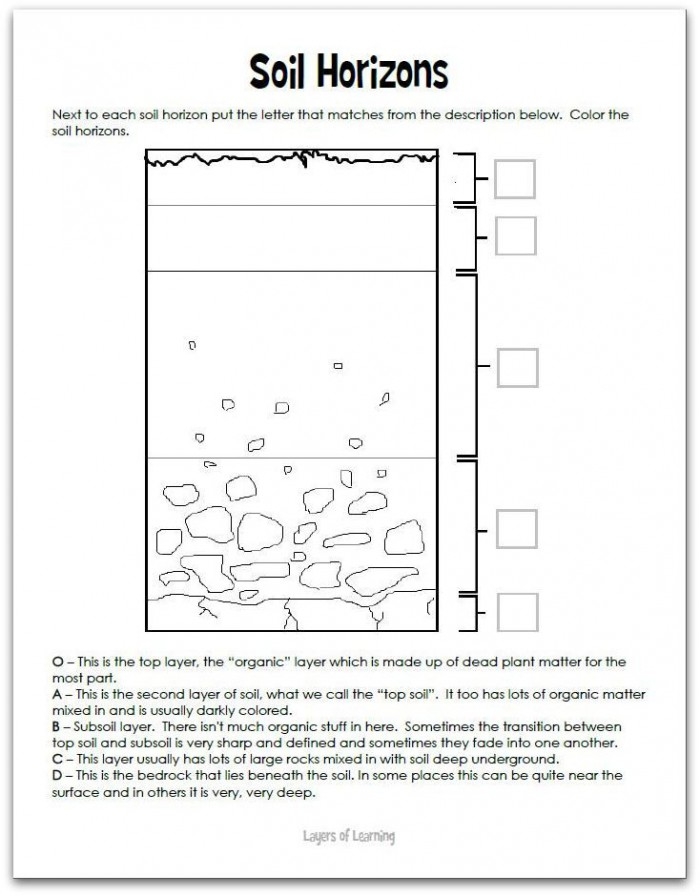
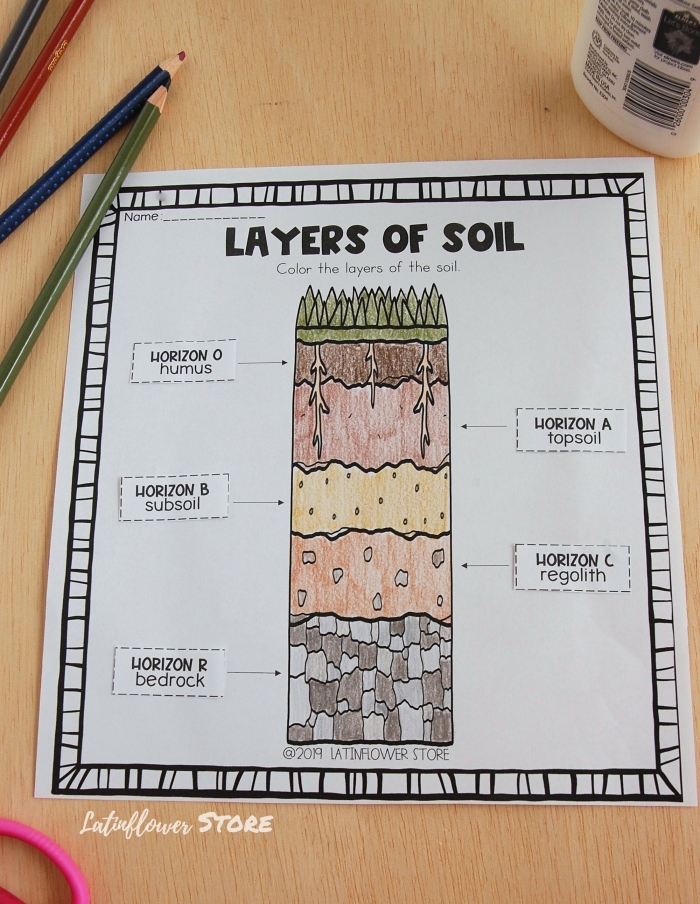
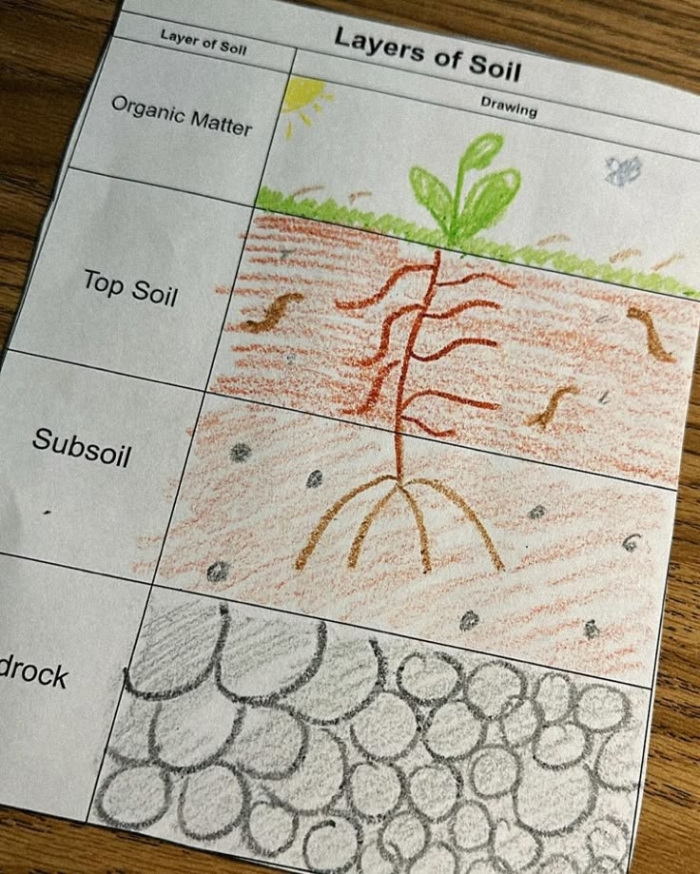
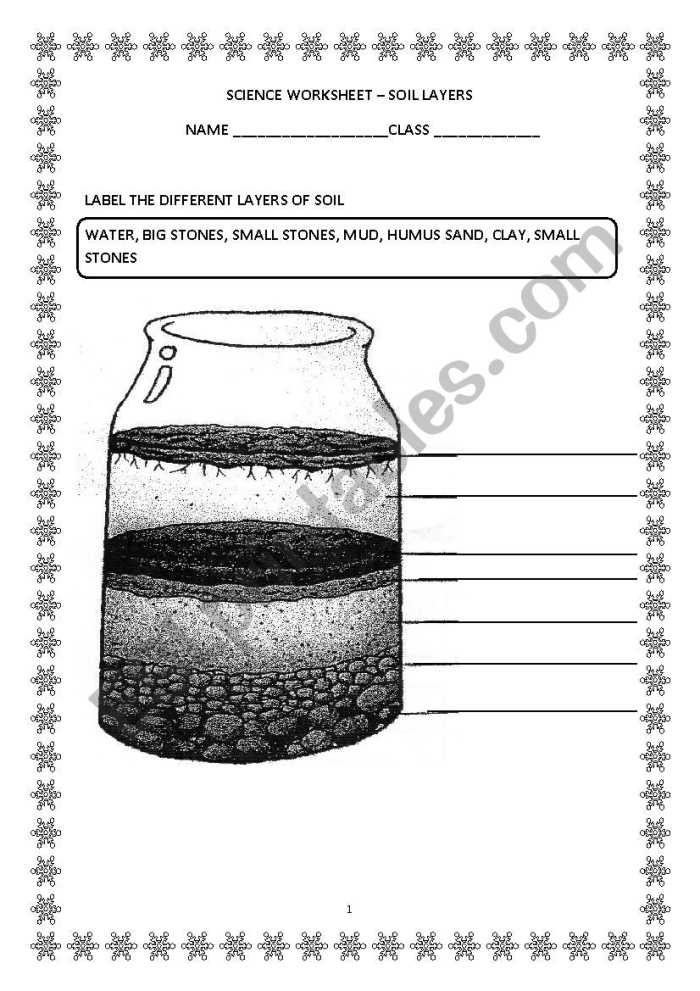
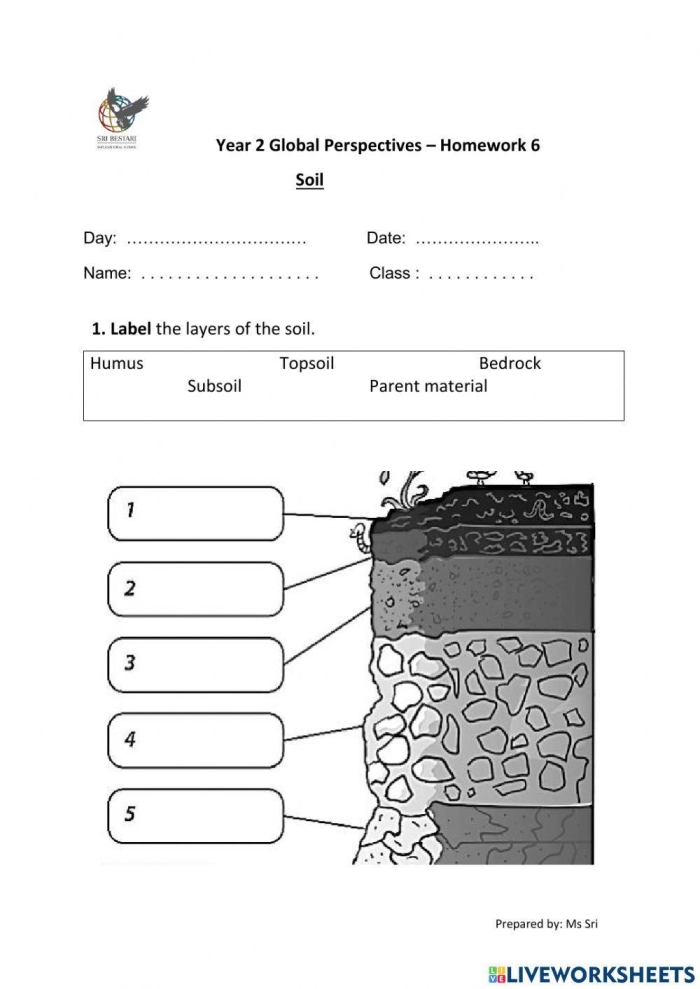
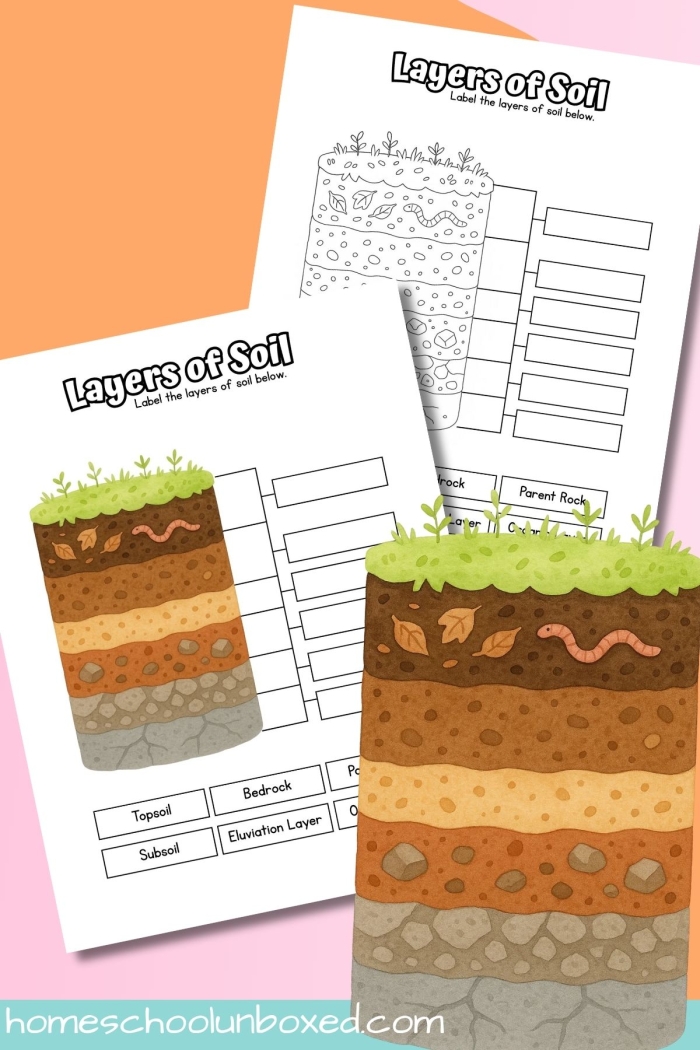
The top layer, called the O horizon or organic layer, is where most of the action happens. This dark, crumbly section contains decomposing leaves, twigs, and dead organisms. Earthworms, beetles, and fungi thrive here because there’s plenty of food. When kids work through a soil layers worksheet, they start to see soil not as just “dirt” but as a living ecosystem packed with activity.
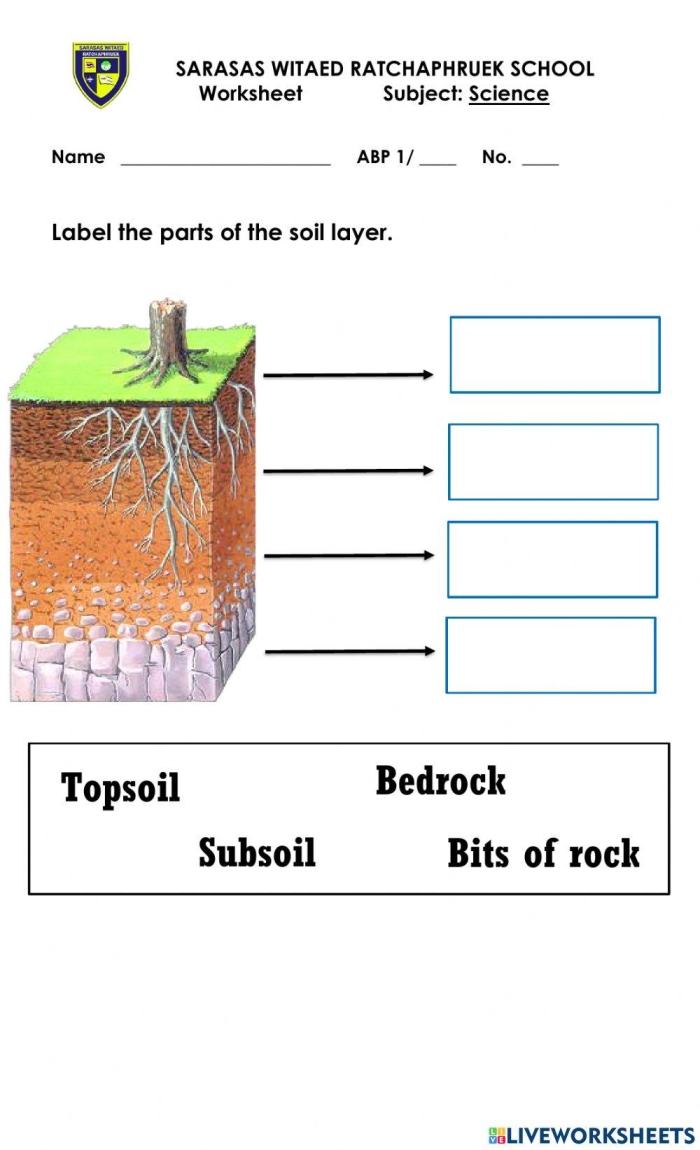
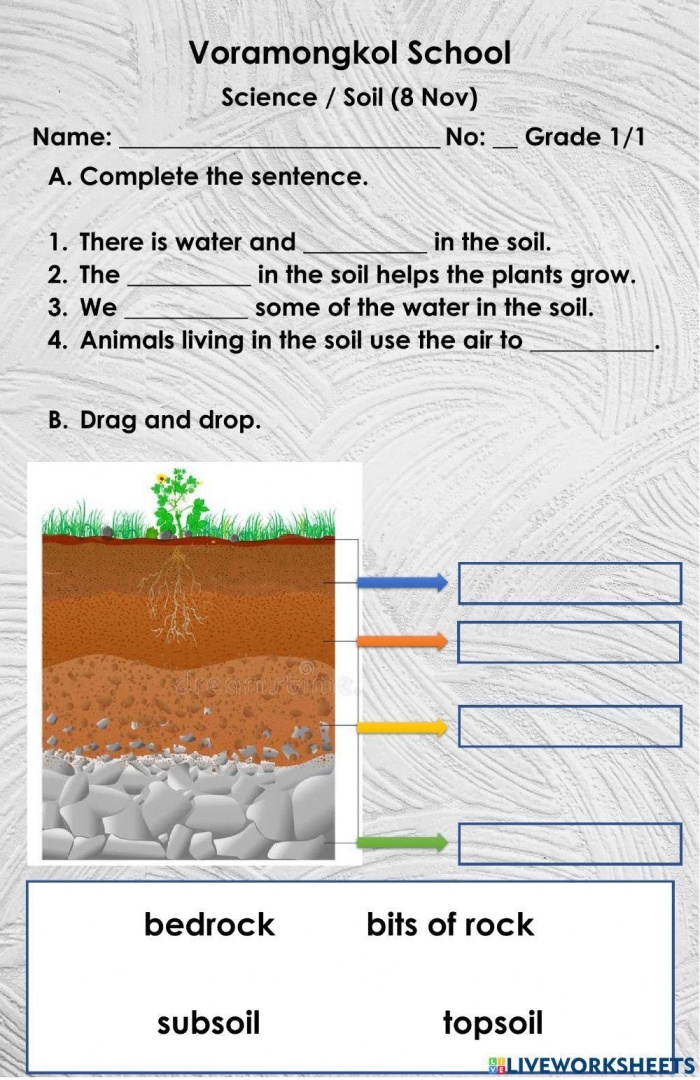
Below that sits the A horizon, or topsoil, which is what farmers care most about. This layer has broken-down organic matter mixed with mineral particles, creating rich growing conditions for plant roots. Second graders often get excited learning that the food they eat starts in this specific layer.
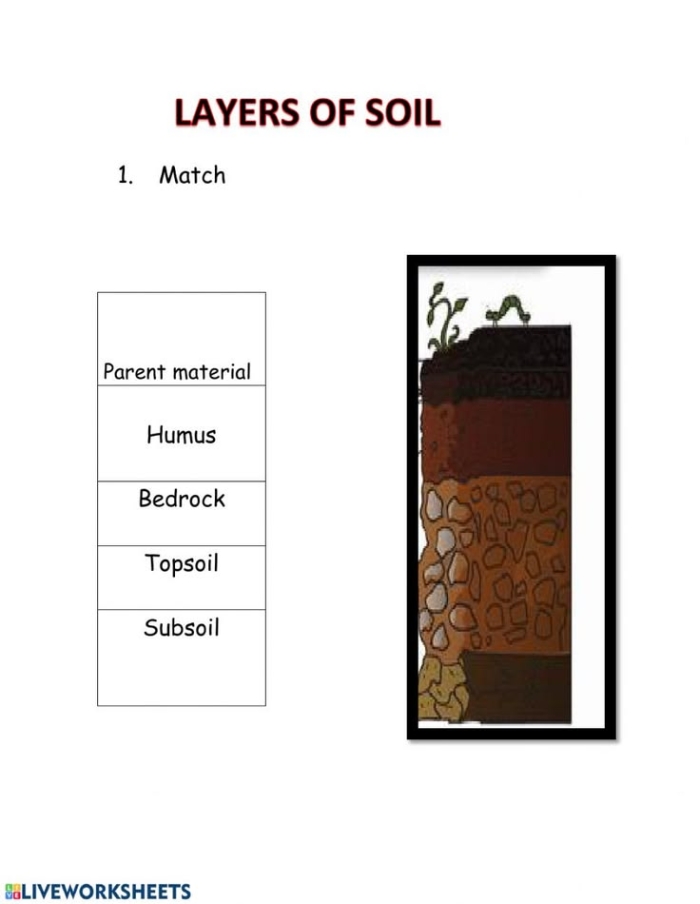
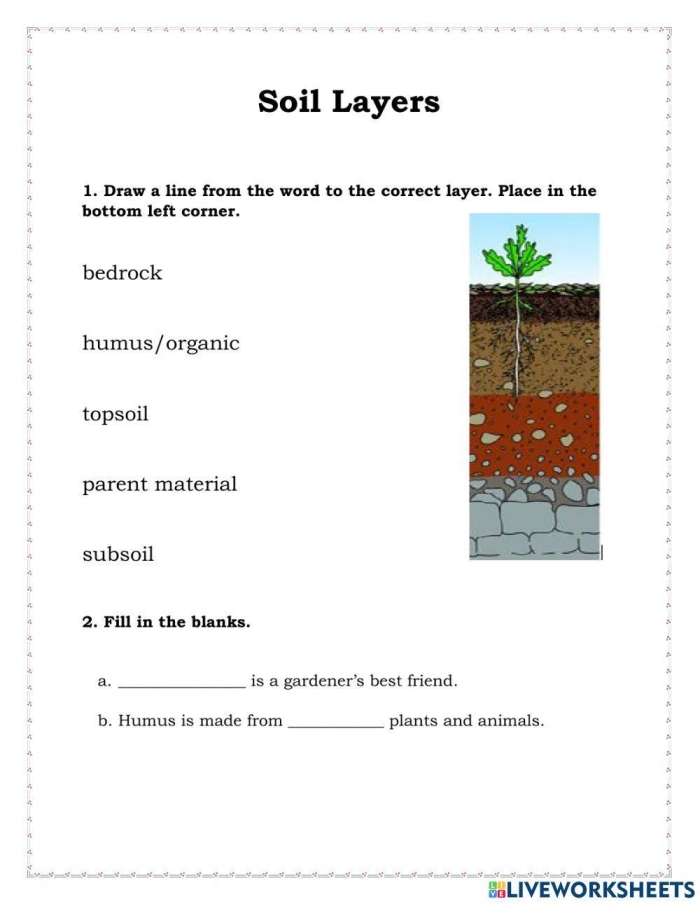
The B horizon, or subsoil, contains clay and minerals that have washed down from above. Fewer organisms live here, though some roots and burrowing animals still venture through. The C horizon below that is mostly weathered rock and parent material, practically untouched by living things.
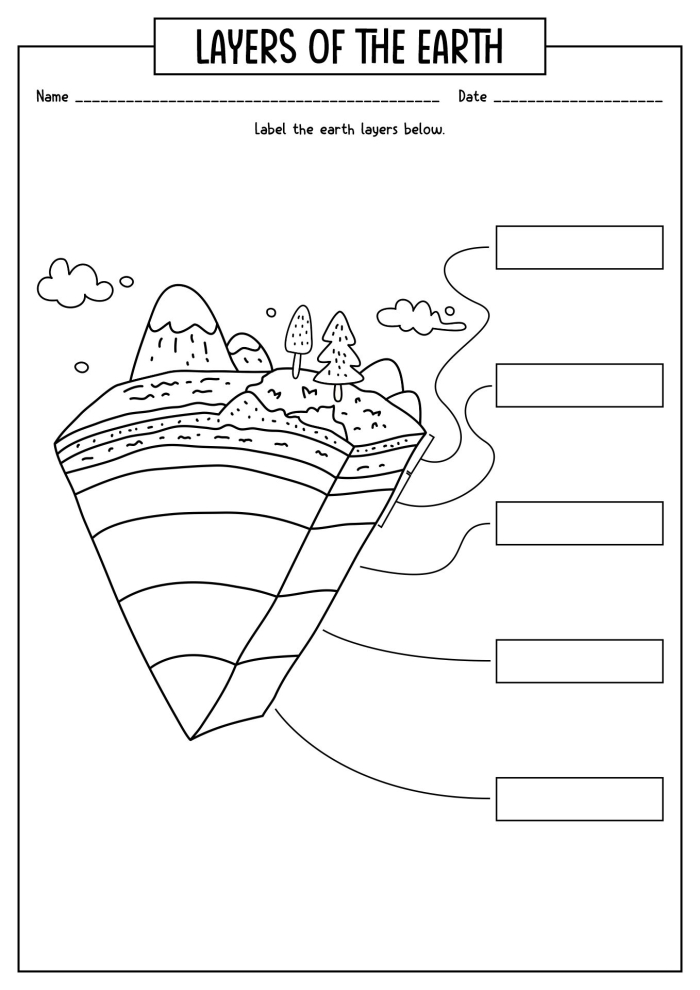
Using a printable layers of soil worksheet helps children visualize these zones and understand the sequence of how soil forms over time. Pairing this with other second grade grammar and mechanics practice, like working on sequence of events skills, reinforces how to describe processes step by step. Your young learner will start seeing soil as something complex and fascinating rather than something to brush off their shoes.
Boost Skills with These Worksheets