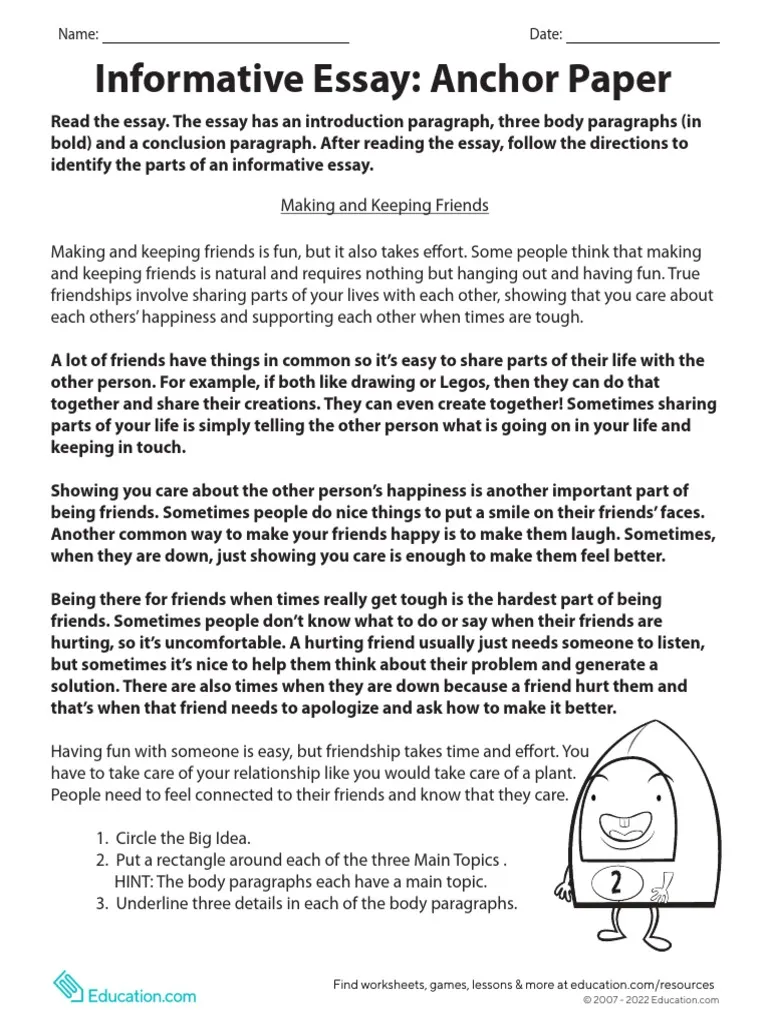
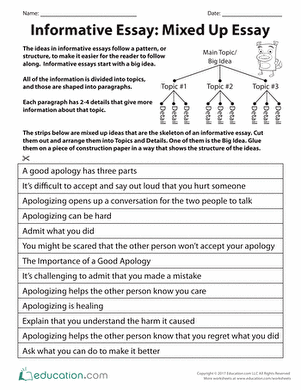
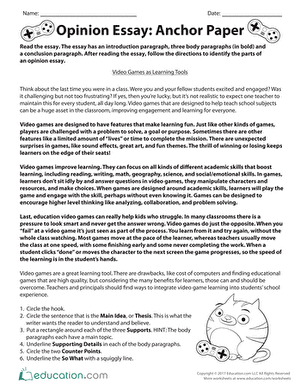
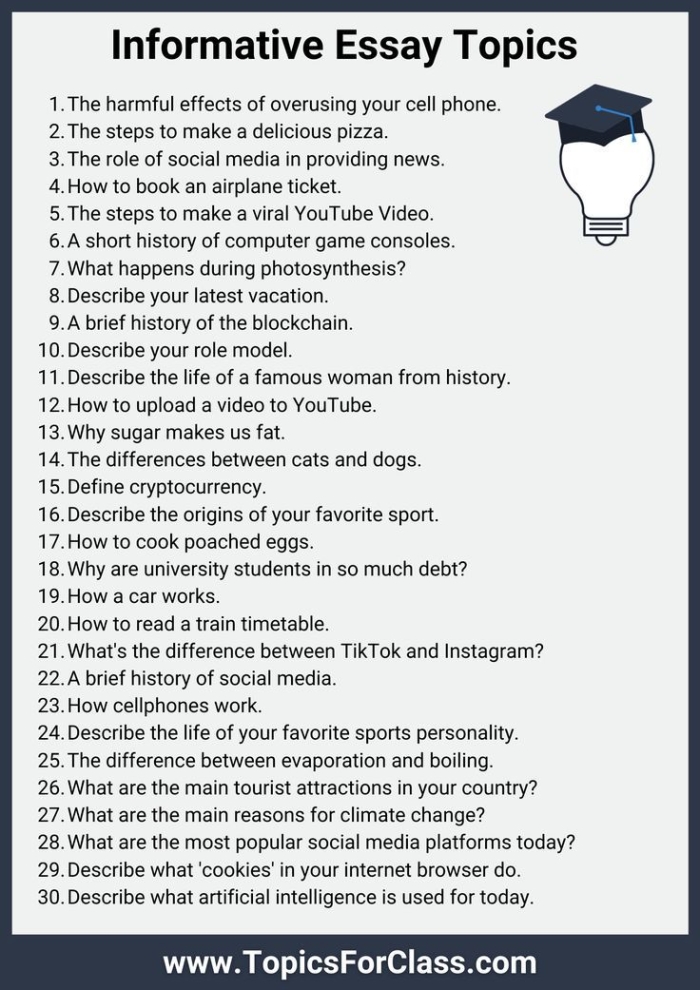
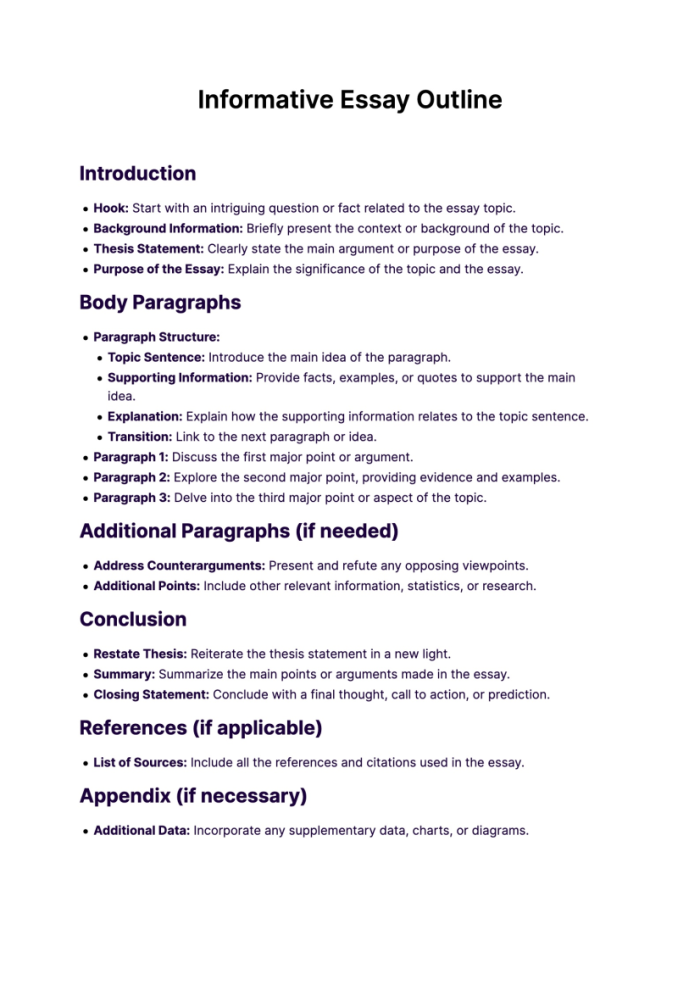
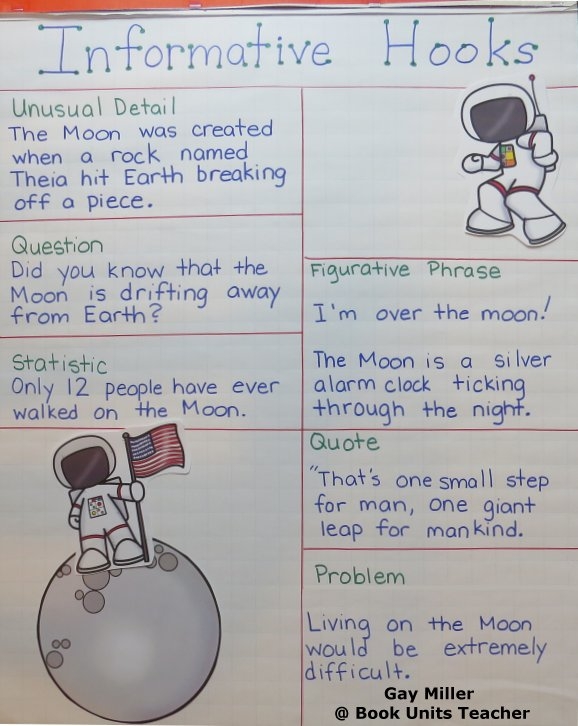
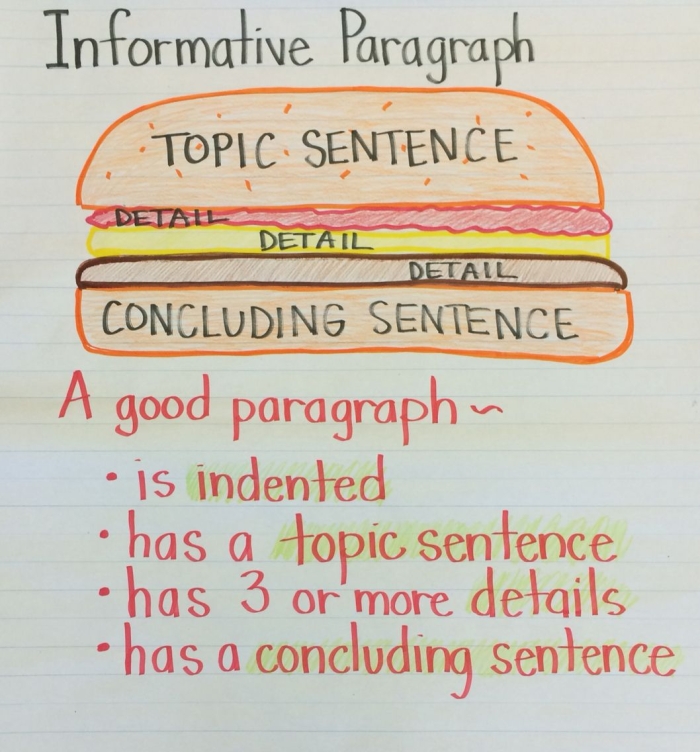
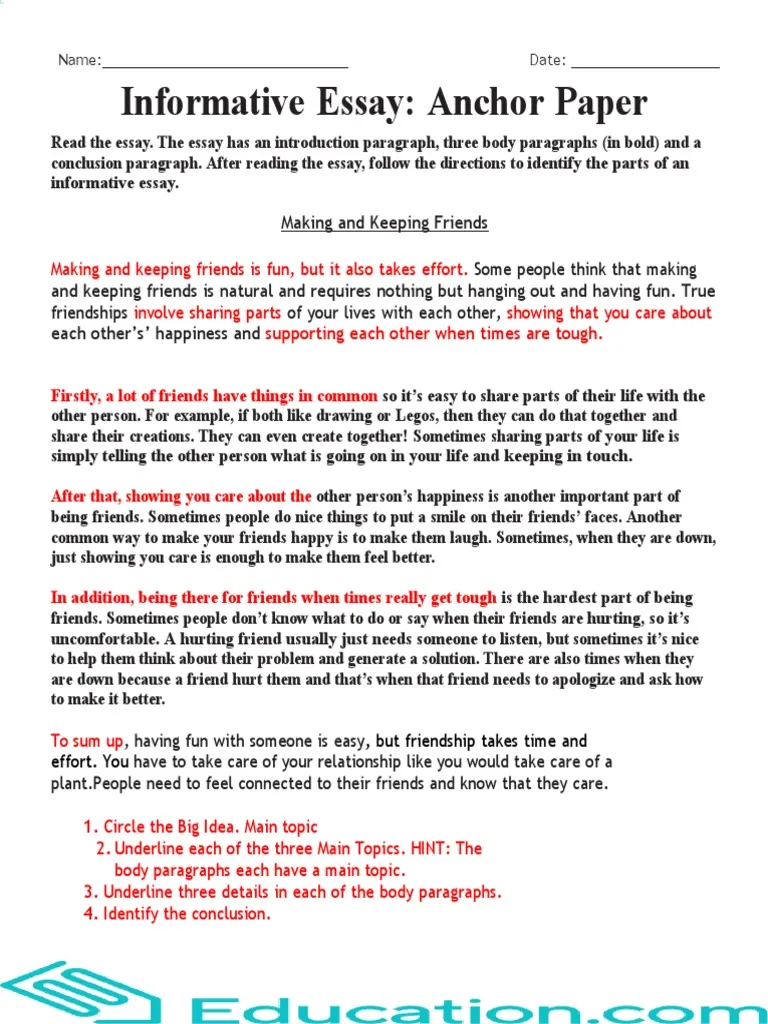
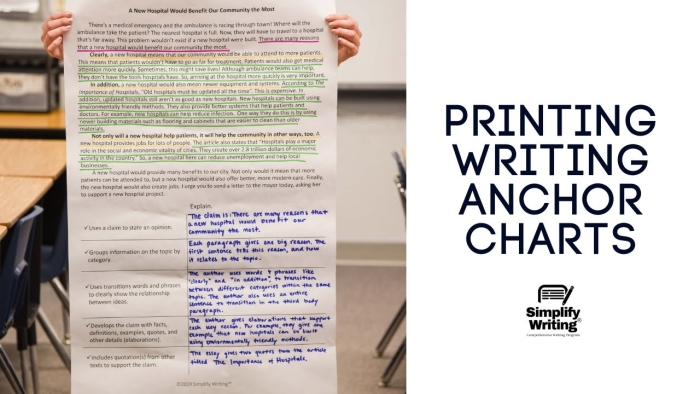
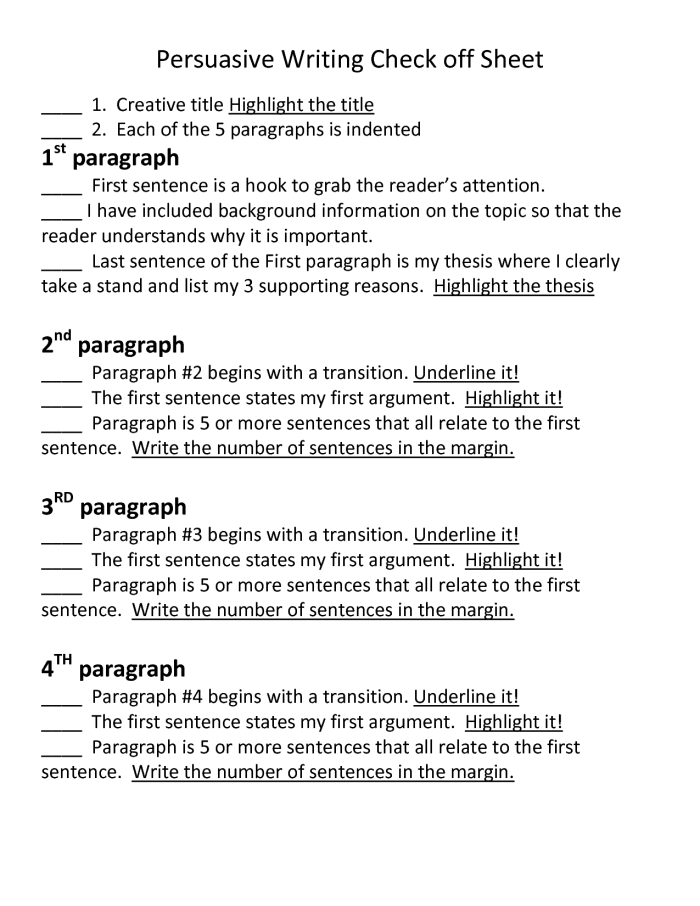
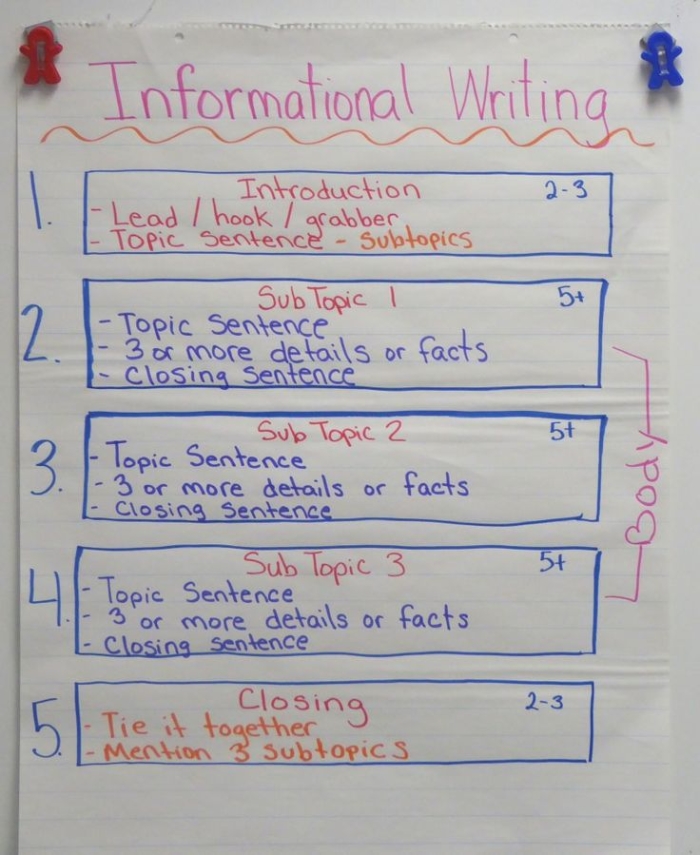
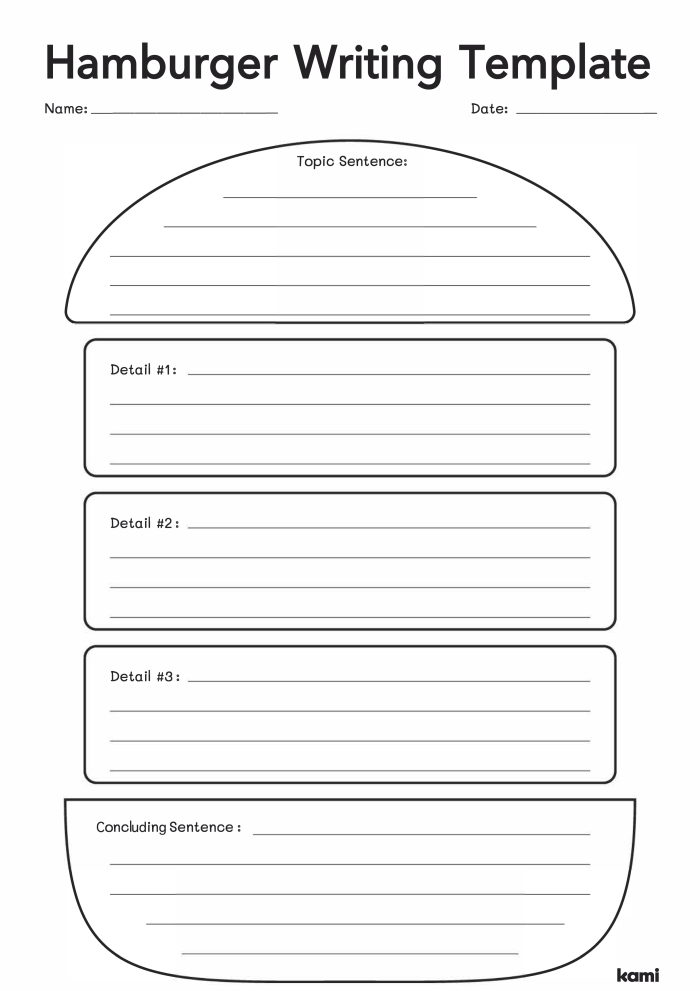
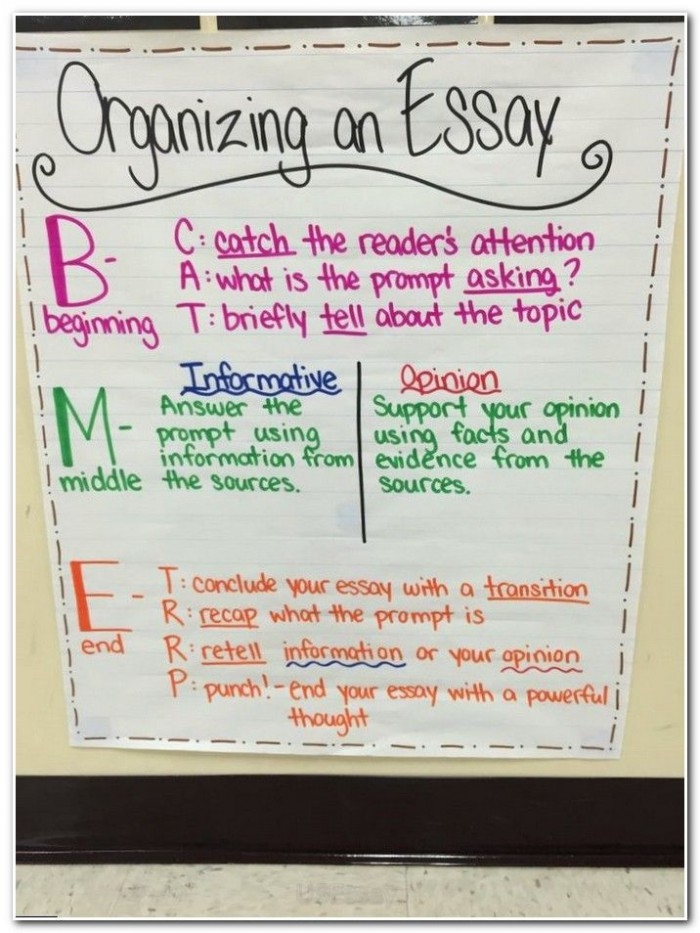
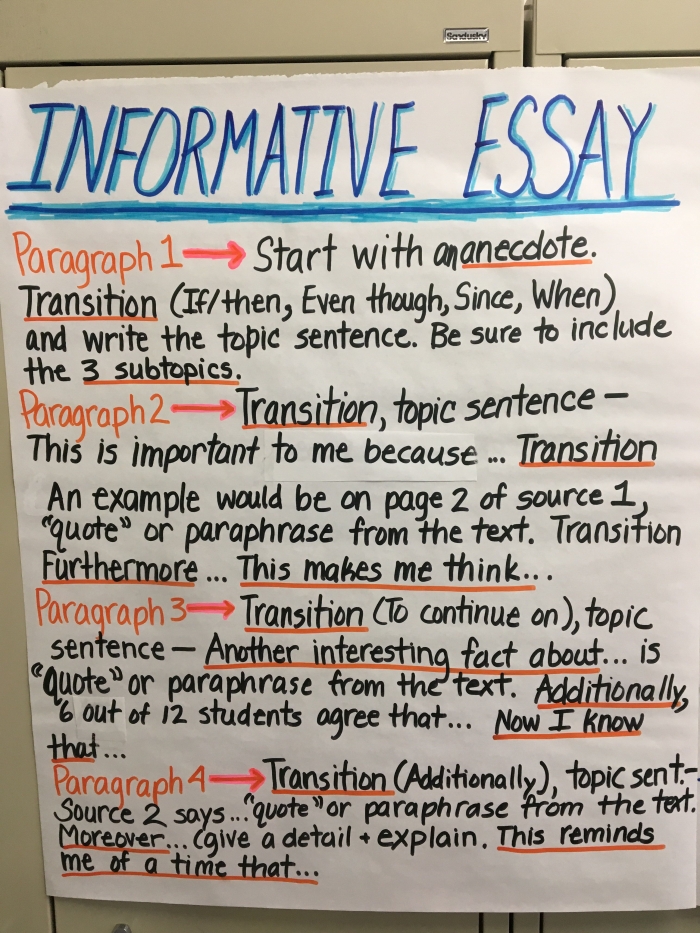
Learning to write an informative essay starts with understanding what makes one work. Fourth grade students benefit most from studying real examples, examining how writers organize facts and ideas to teach readers something new. This approach helps young writers see the mechanics of effective writing before attempting their own pieces.
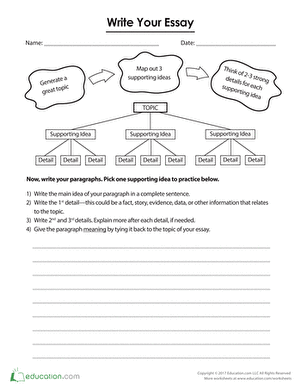
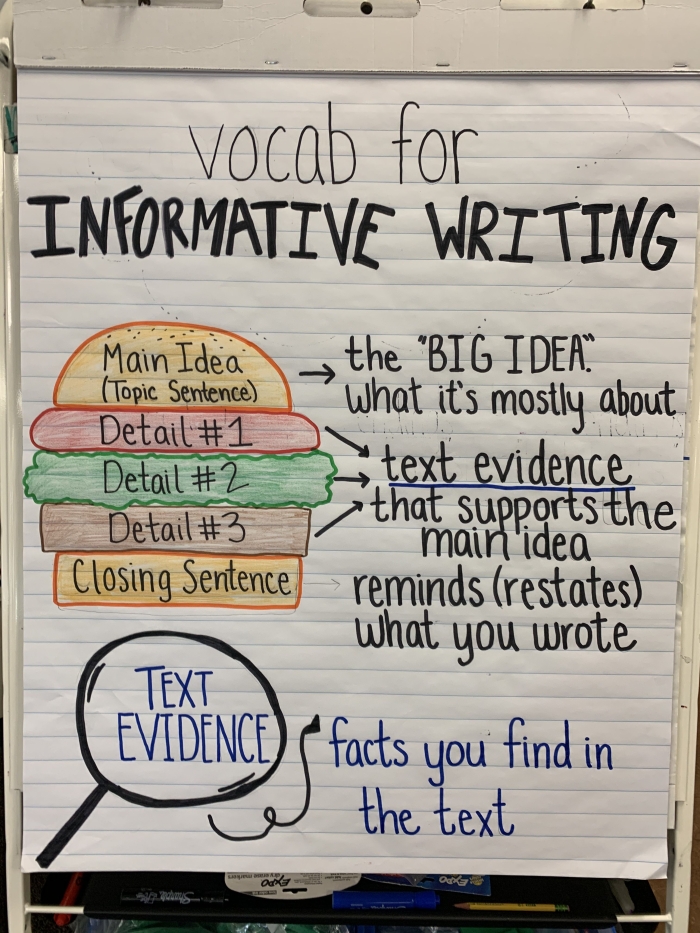
When students examine a sample essay, they’re hunting for two critical elements: the specific details that support the main idea and the big ideas that hold everything together. A detail might be a fact about how monarch butterflies migrate thousands of miles, while the big idea is that these insects have remarkable survival instincts. Students learn that without details, an essay feels empty. Without big ideas tying those details together, readers get lost in disconnected facts.
This analytical work strengthens other language skills too. As fourth graders study how sentences flow from one to the next, they naturally improve their understanding of noun and verb agreement and sentence structure. Noticing how a writer uses transitions between paragraphs teaches students about organization, which connects directly to their own writing development.
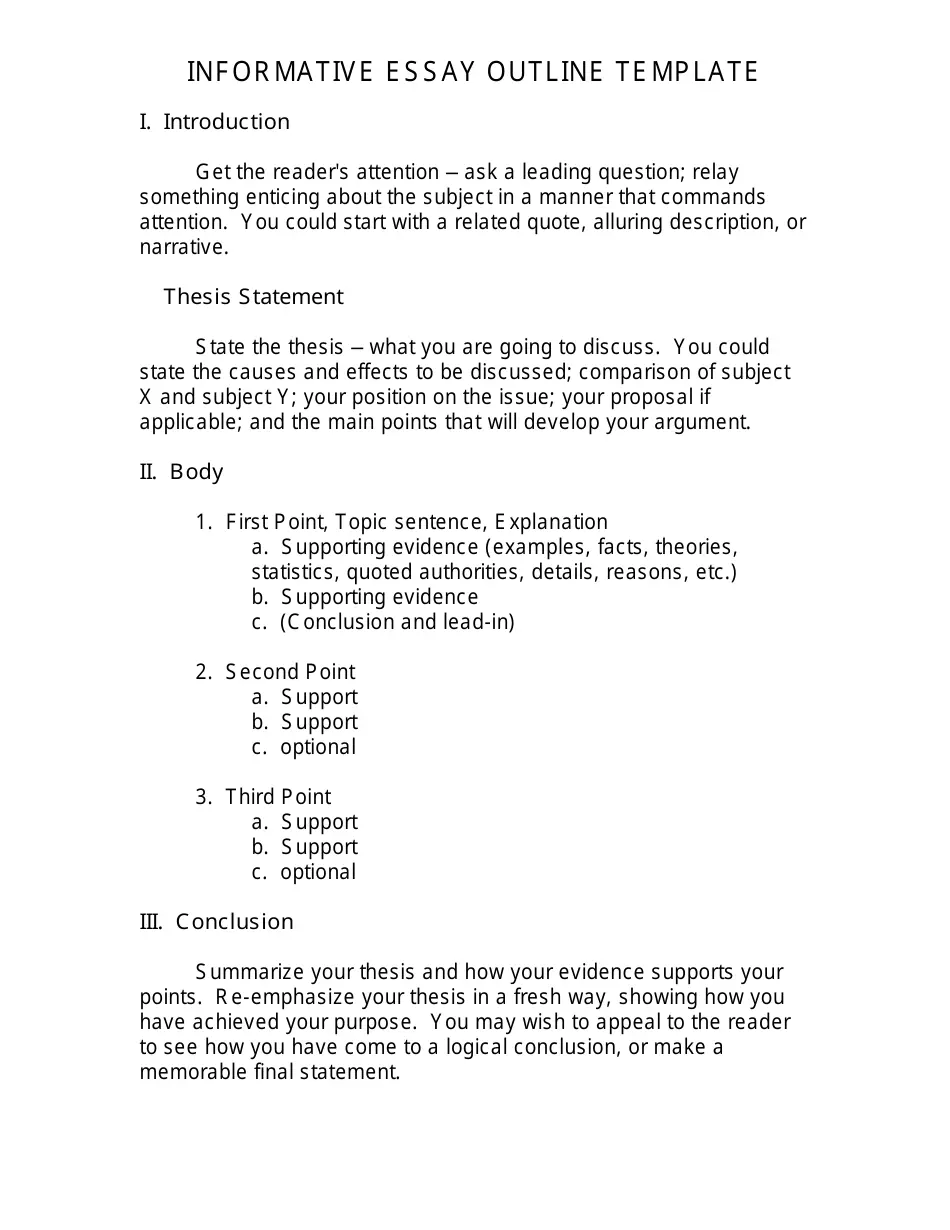
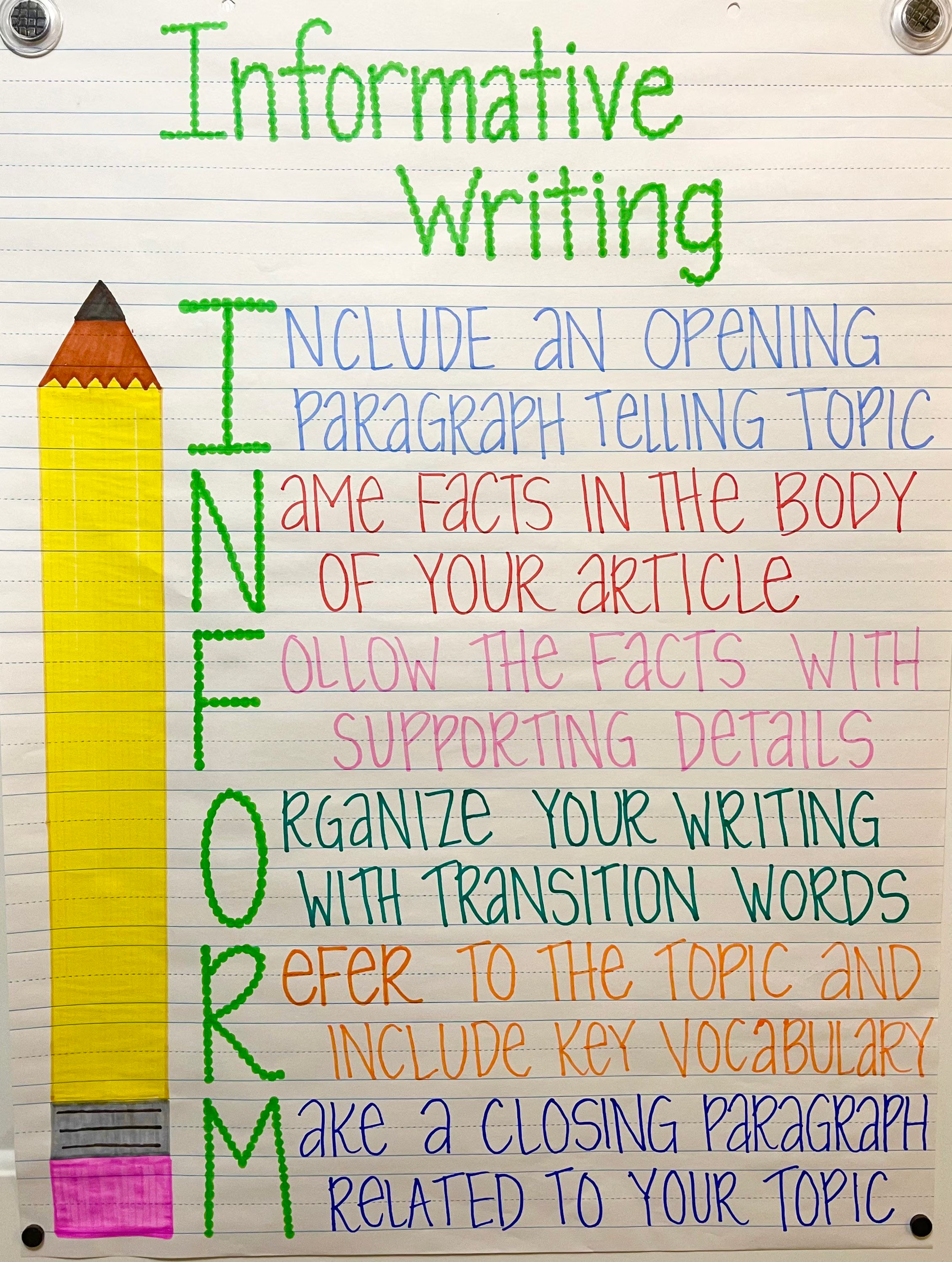
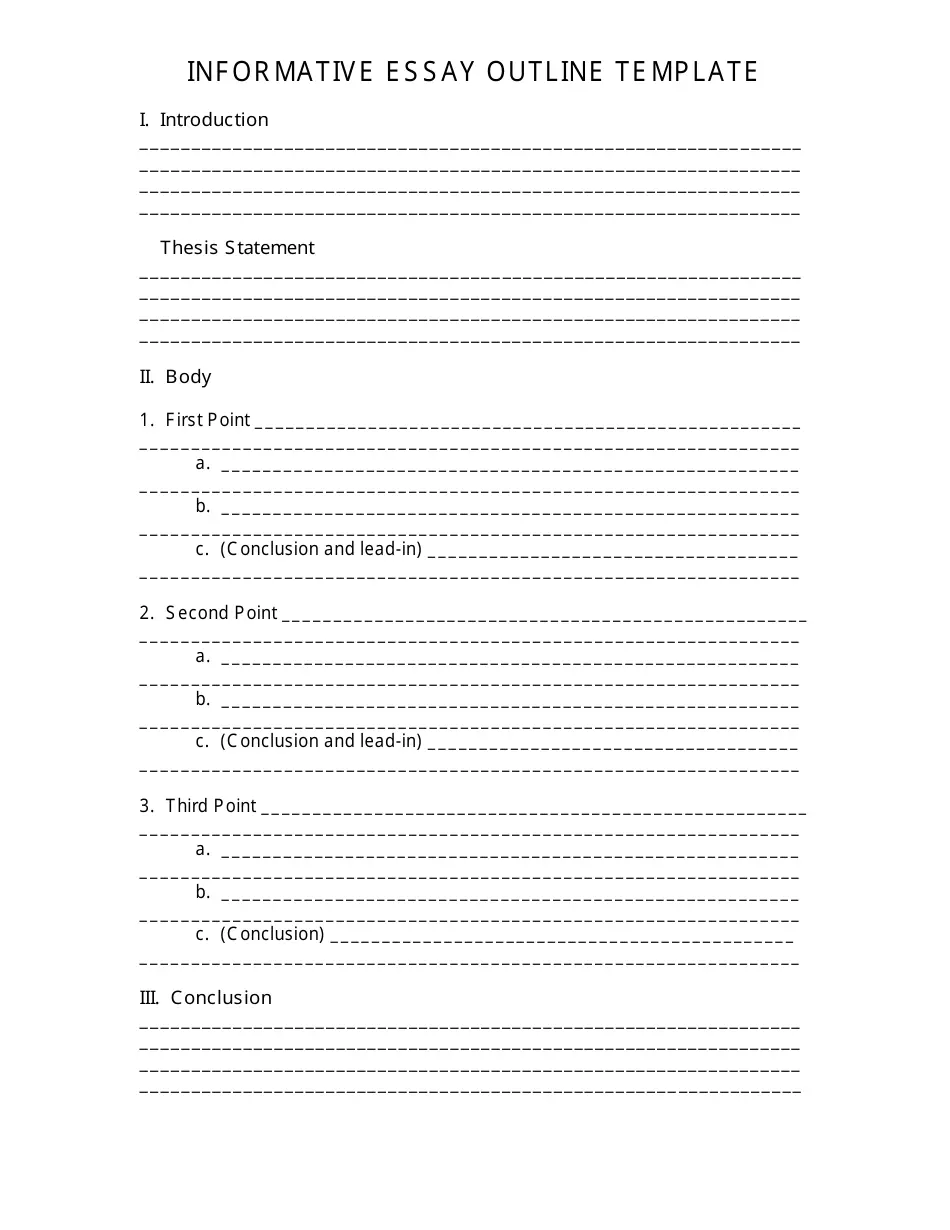
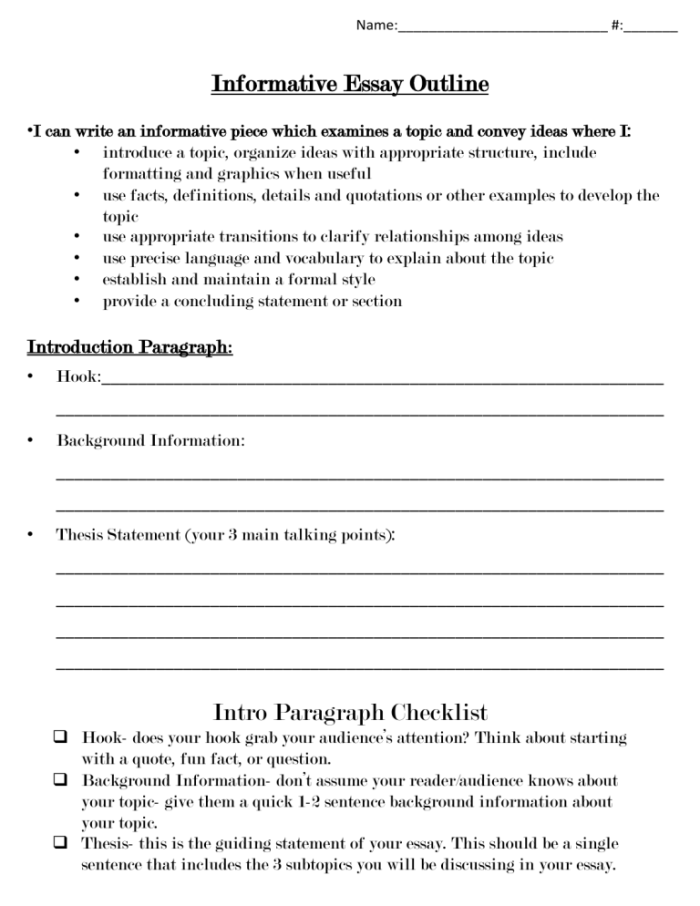
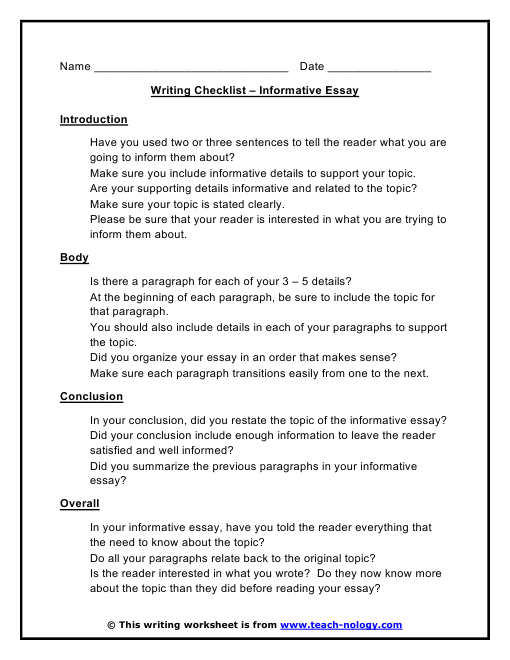
The practice of picking apart a sample essay also builds confidence. Students realize that professional writing isn’t magic, it’s construction. They can see where a writer introduces a topic, adds supporting information, and wraps up with a conclusion. This framework becomes a blueprint for their own work.
Supplementing this anchor paper study with targeted practice helps reinforce learning. Working through spelling exercises for the er sound or reviewing questions in Spanish keeps foundational skills sharp while students focus on essay structure and content development.
By examining how experienced writers choose their words and organize their thoughts, fourth graders develop a toolkit for creating their own informative essays that actually inform, rather than simply list facts.
Practice with These Worksheets