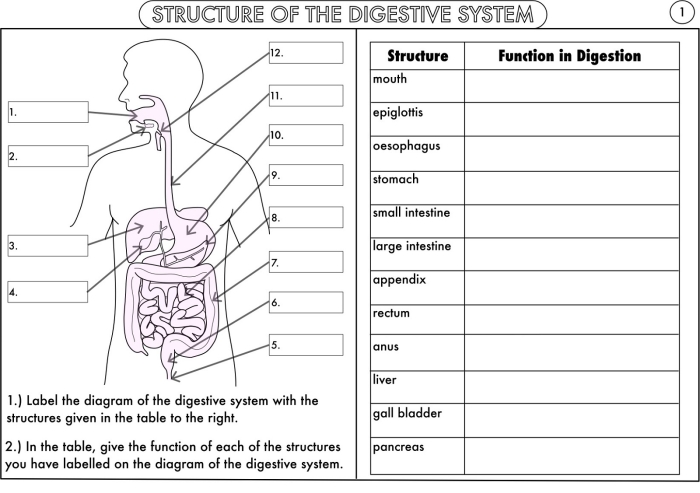
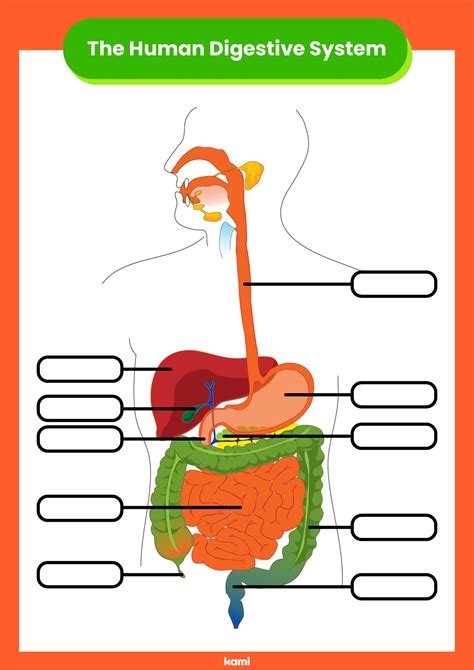
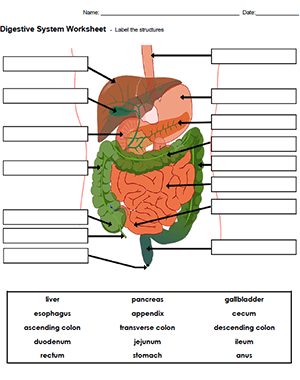
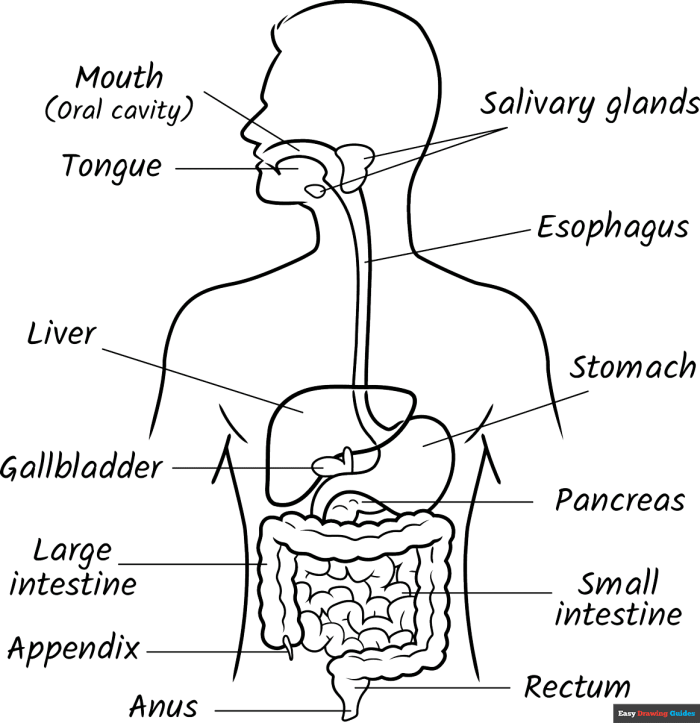
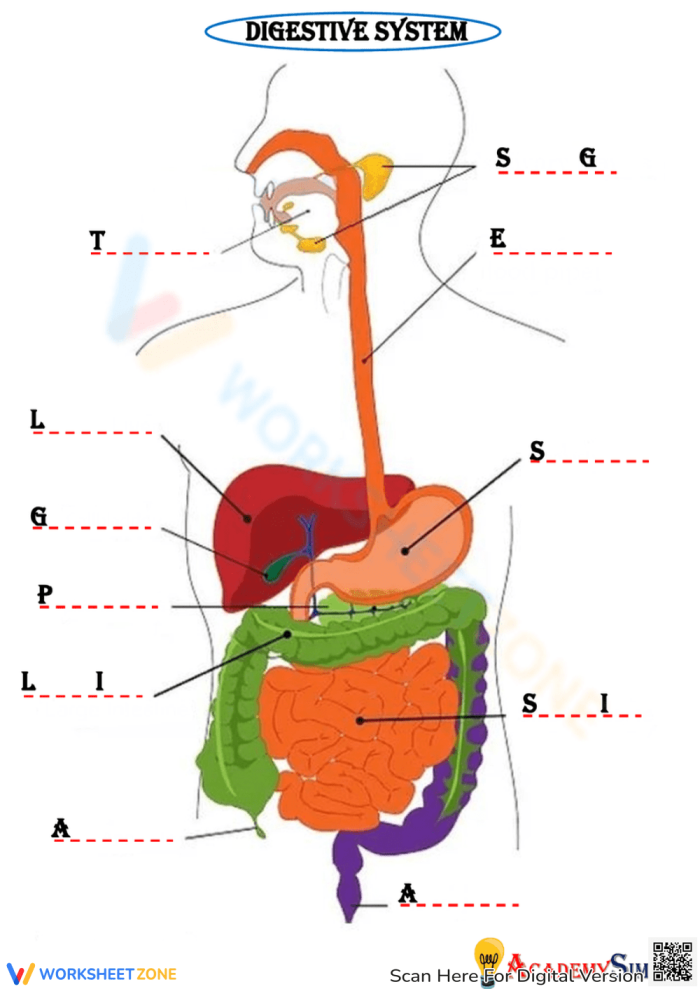
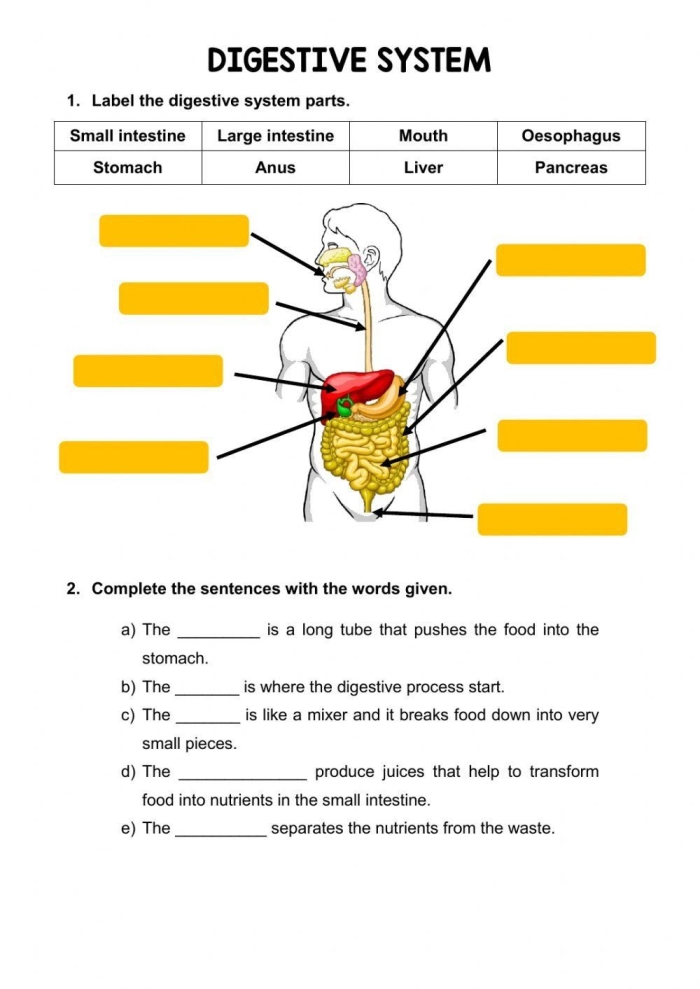
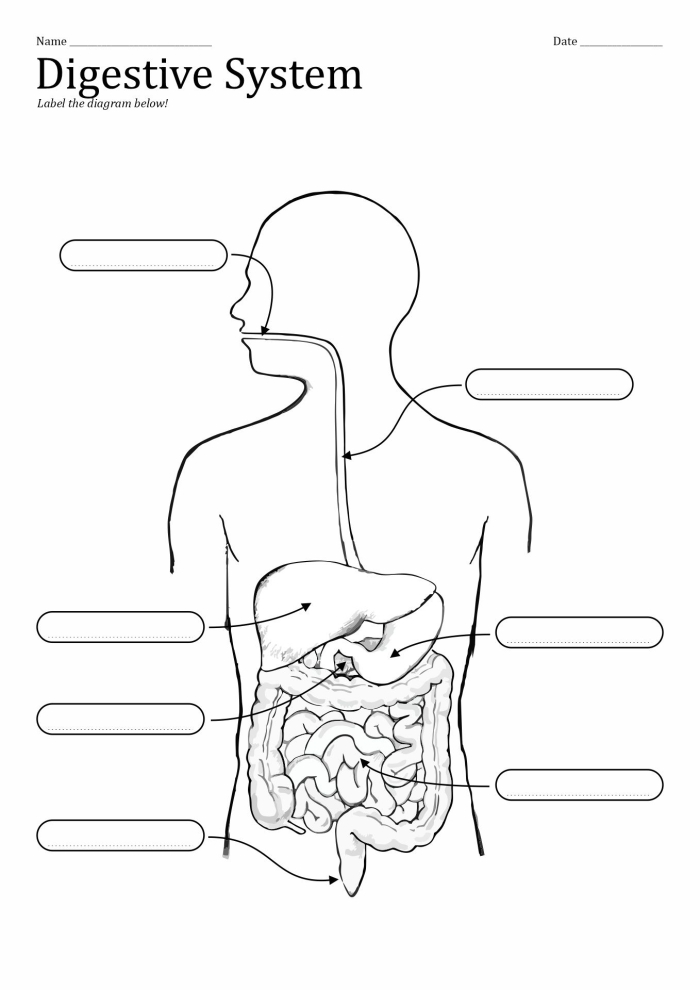
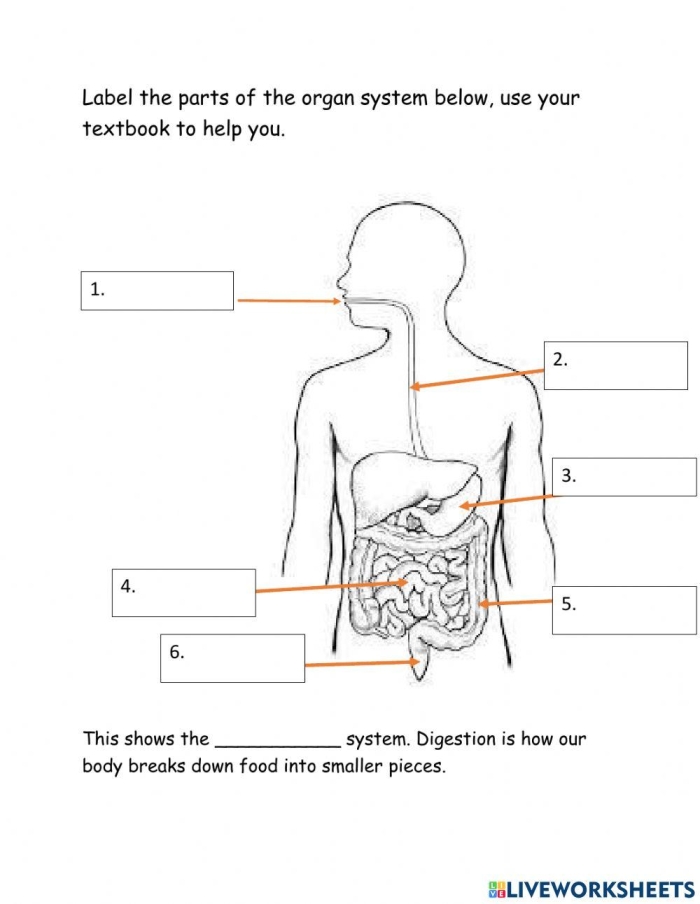
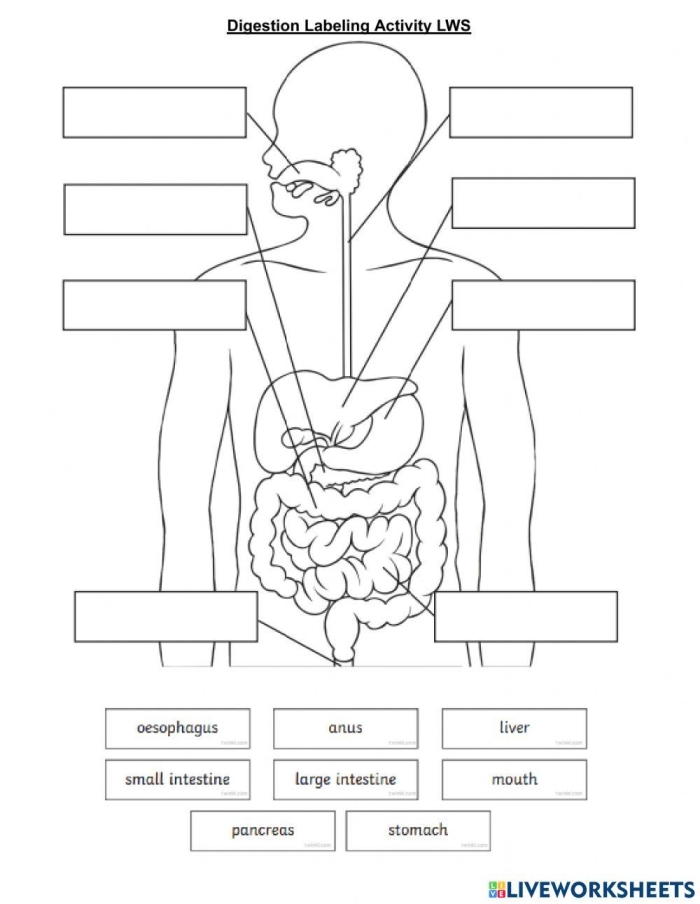
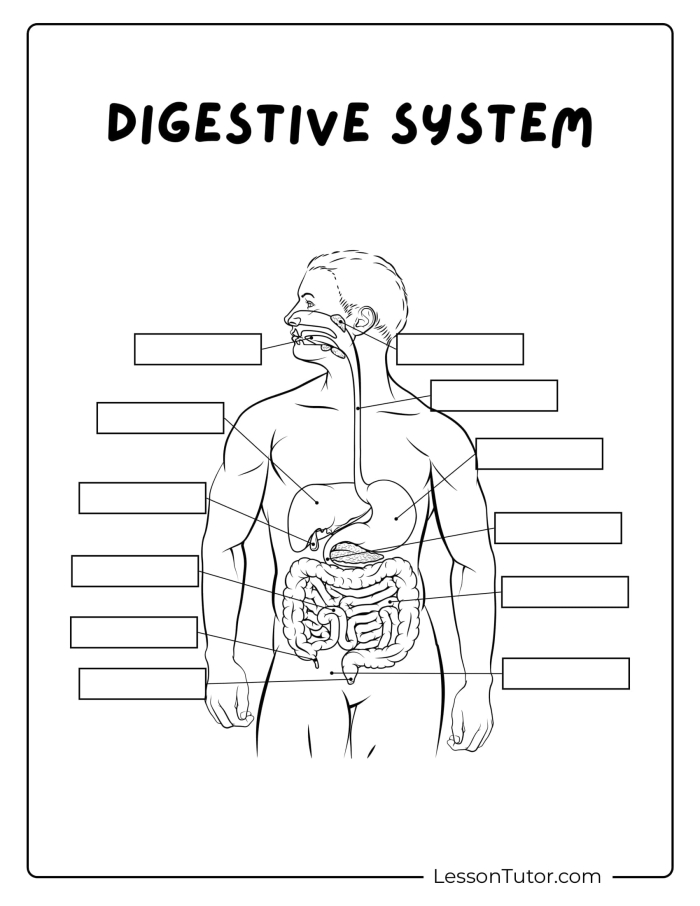
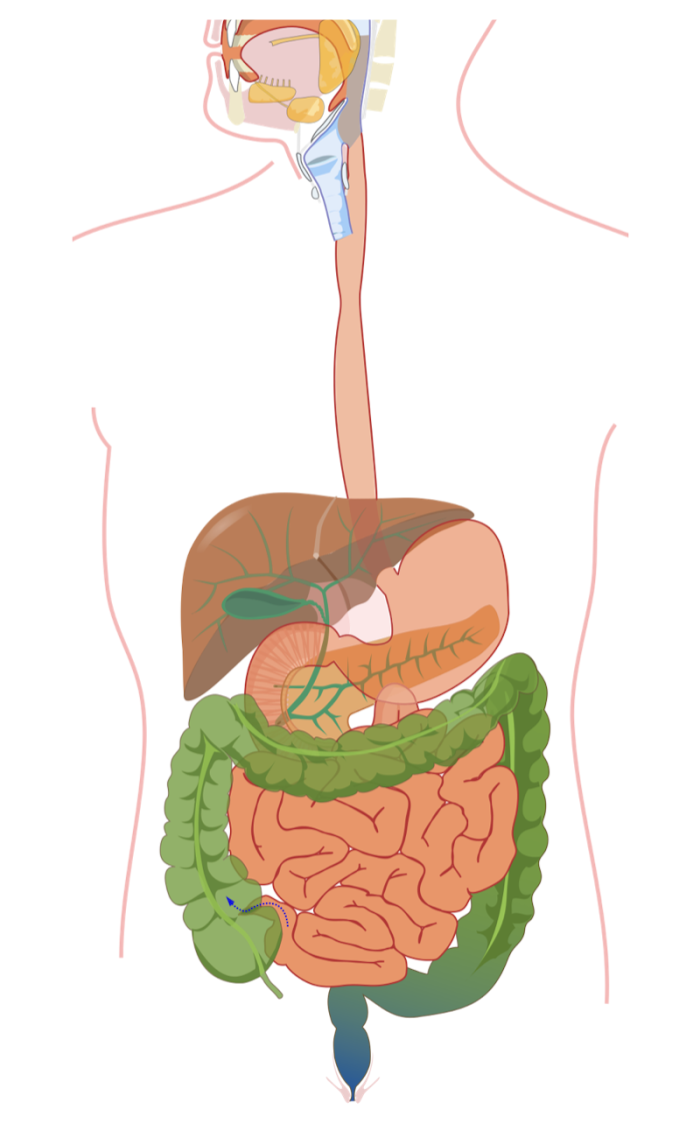
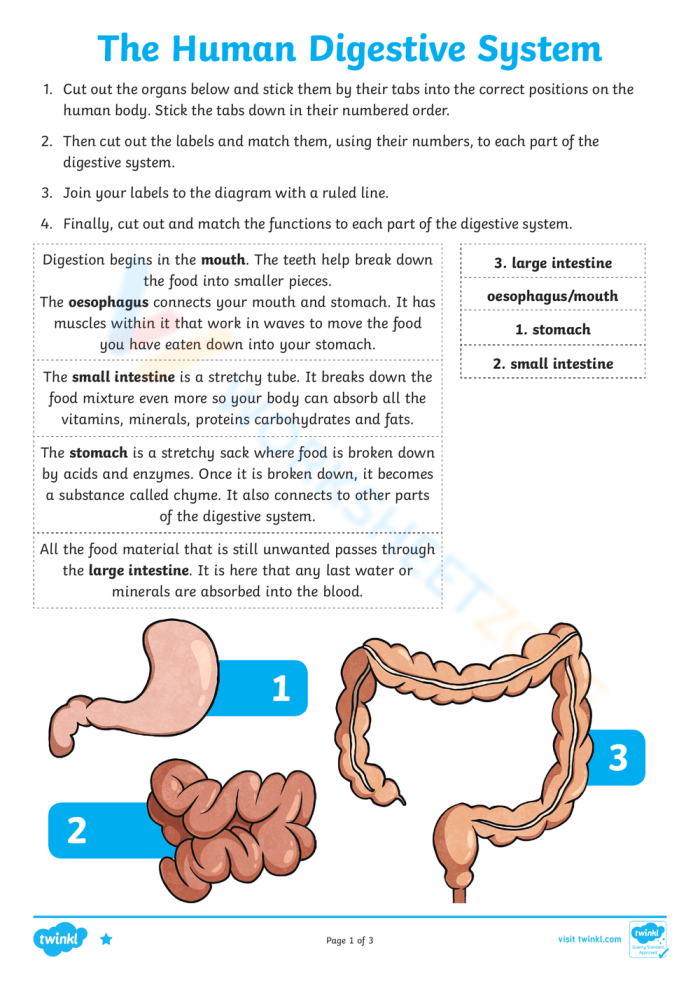
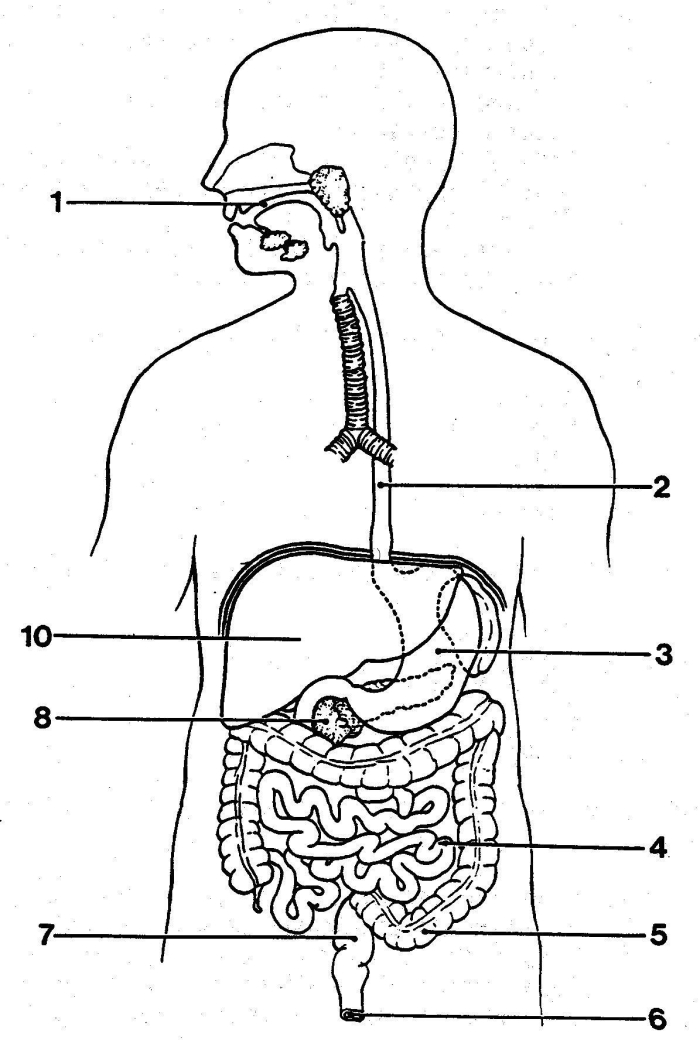
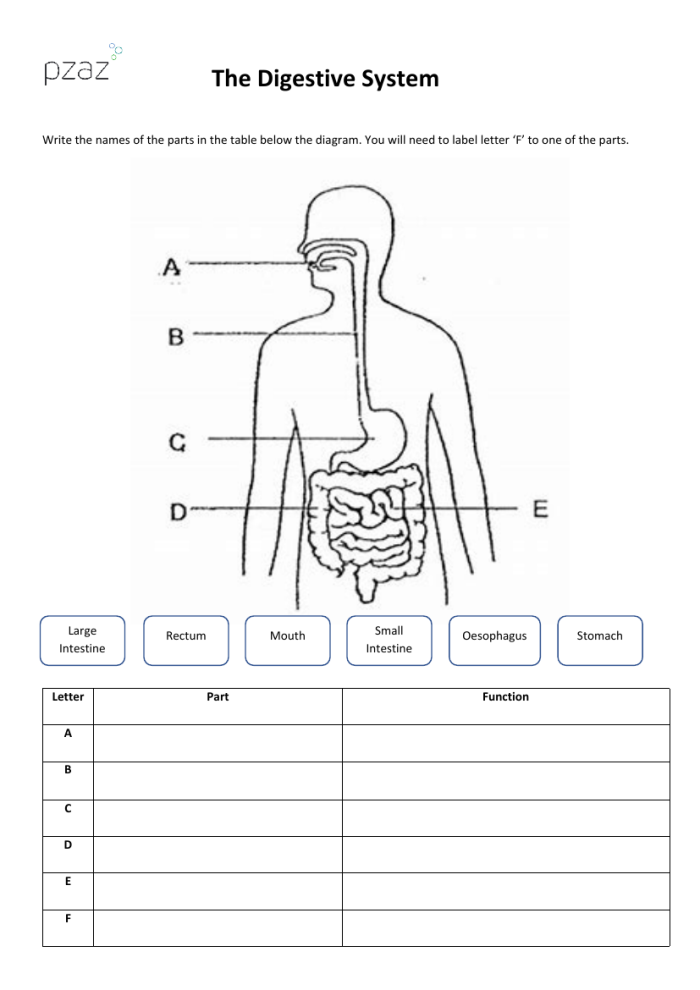
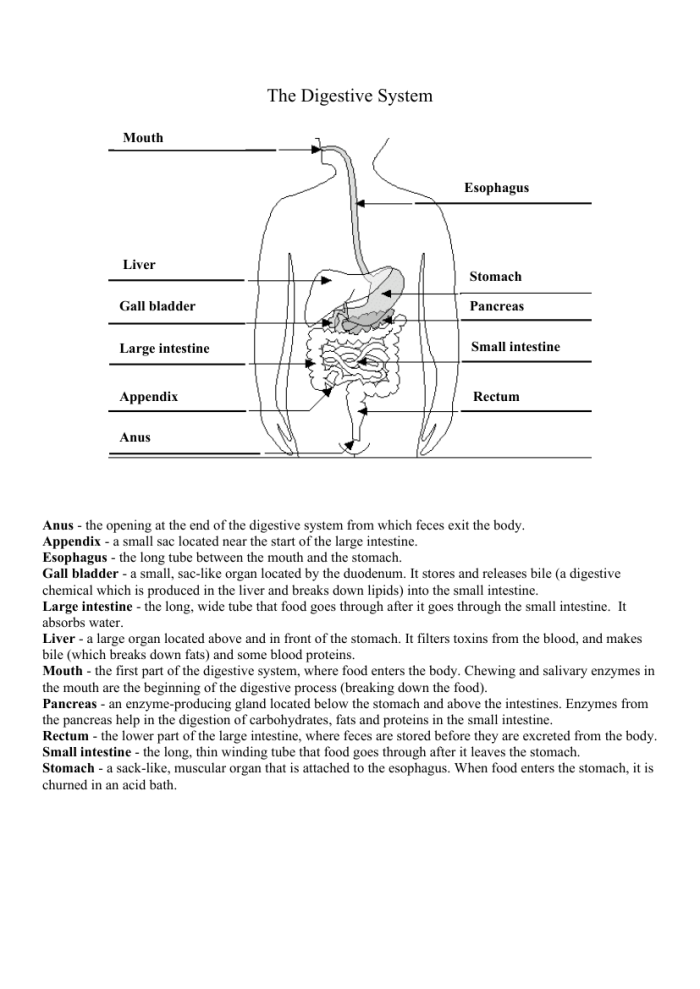
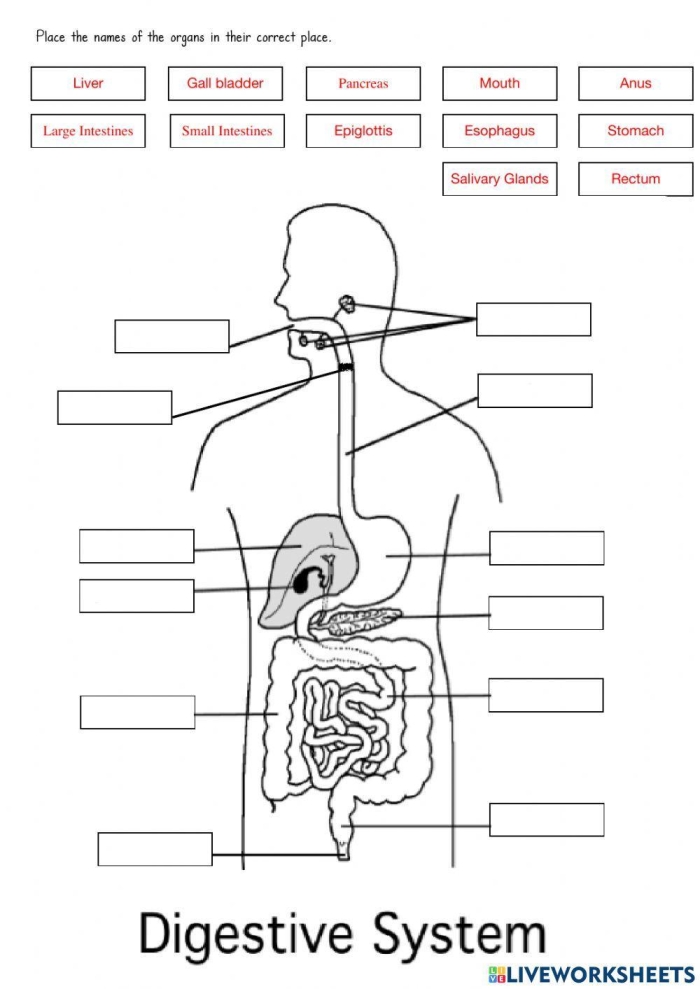
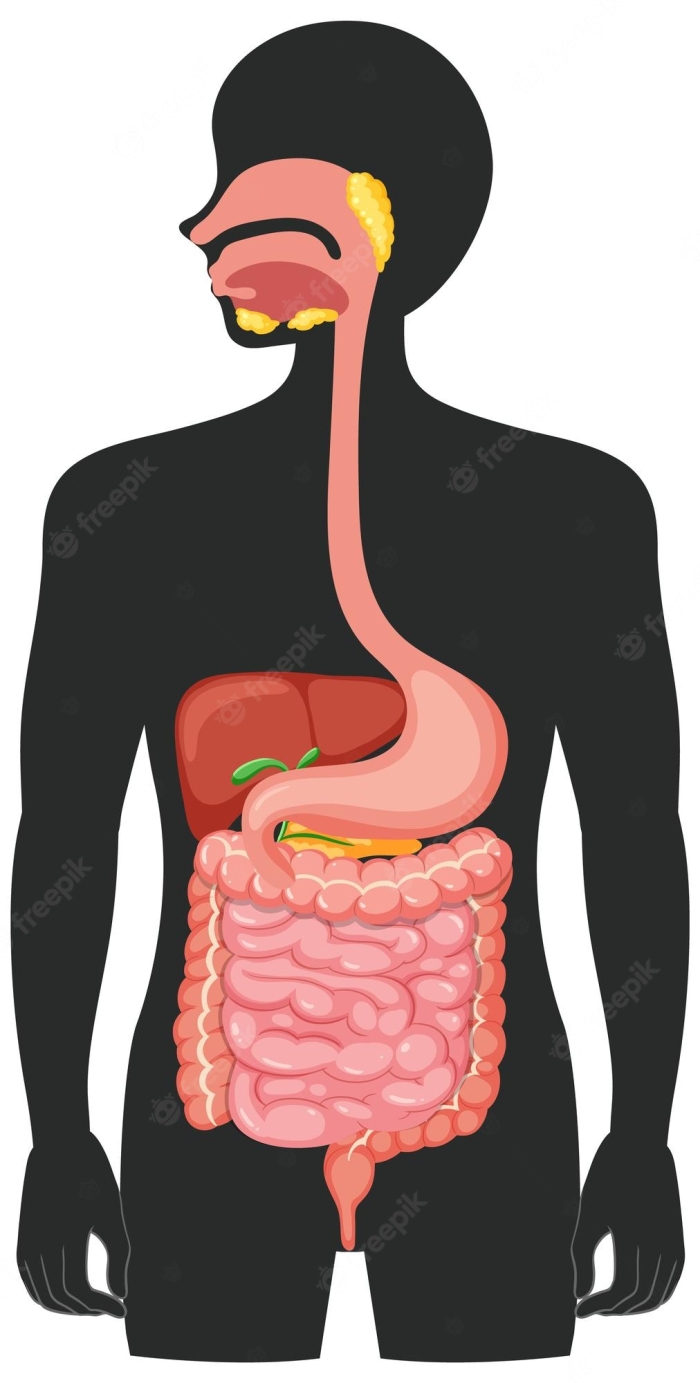
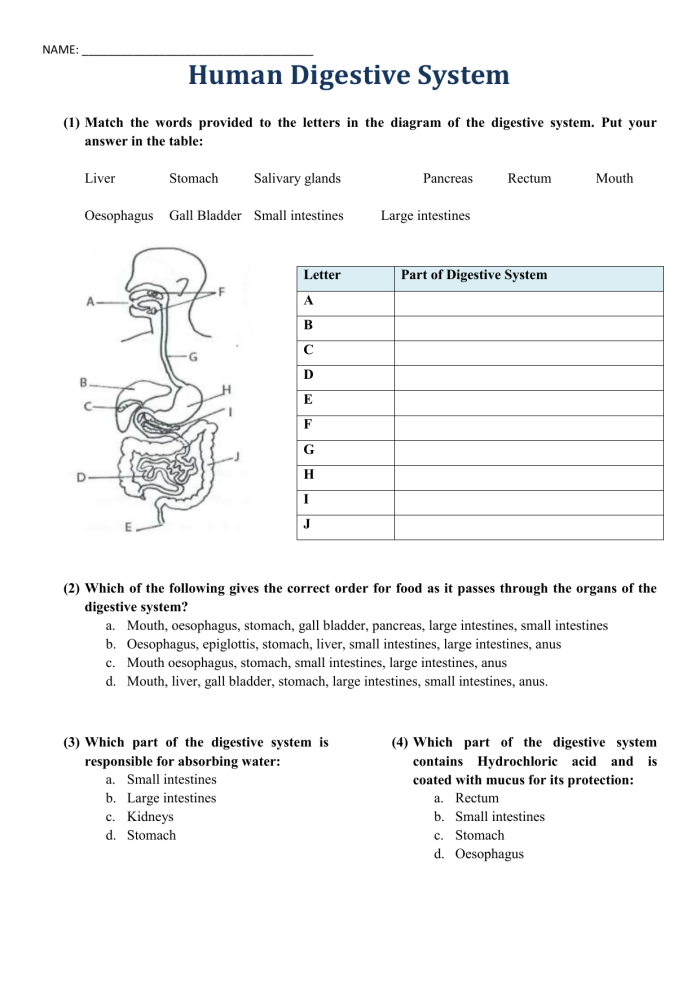
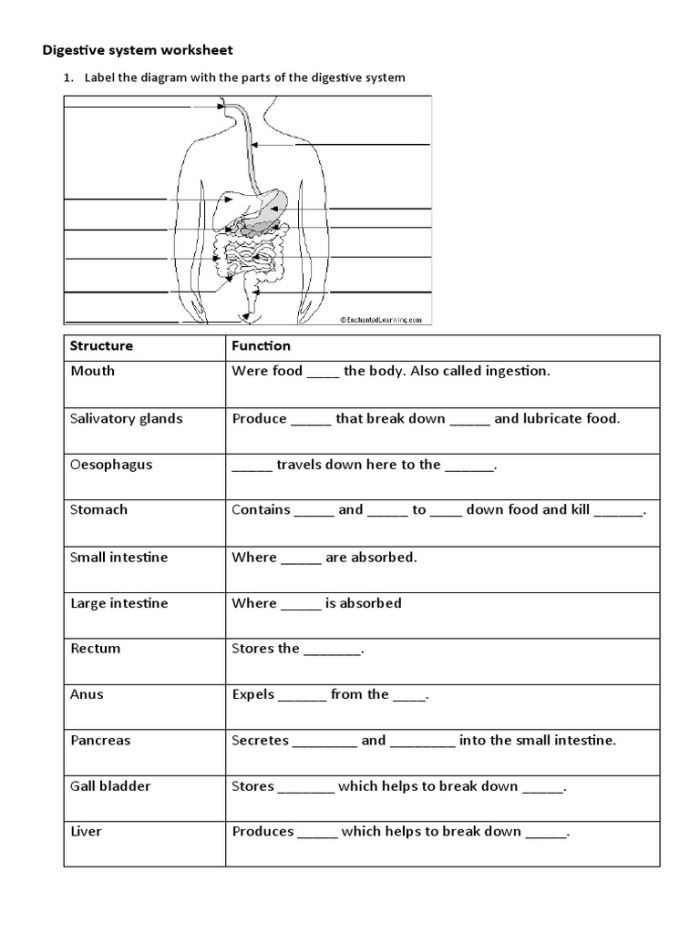
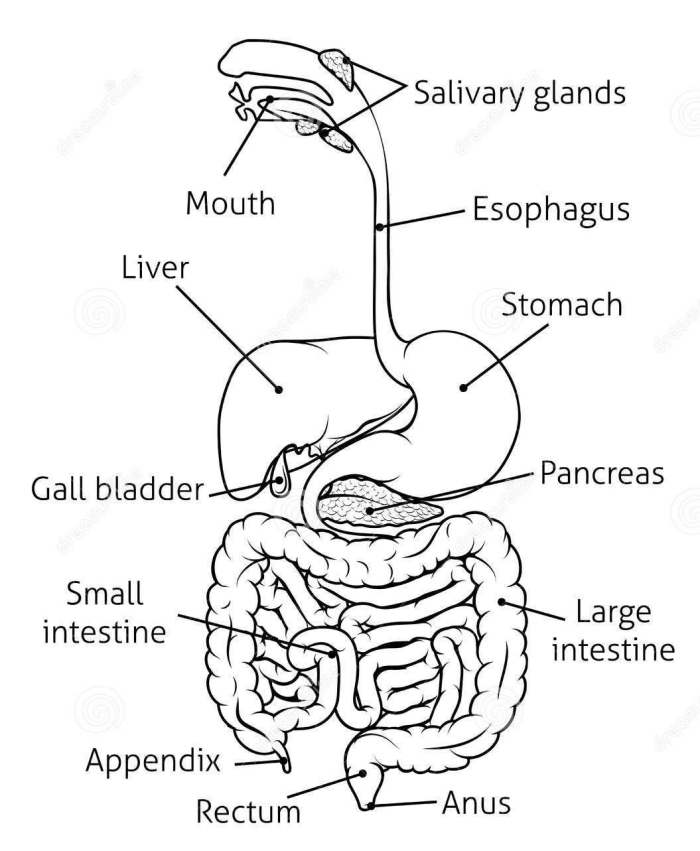
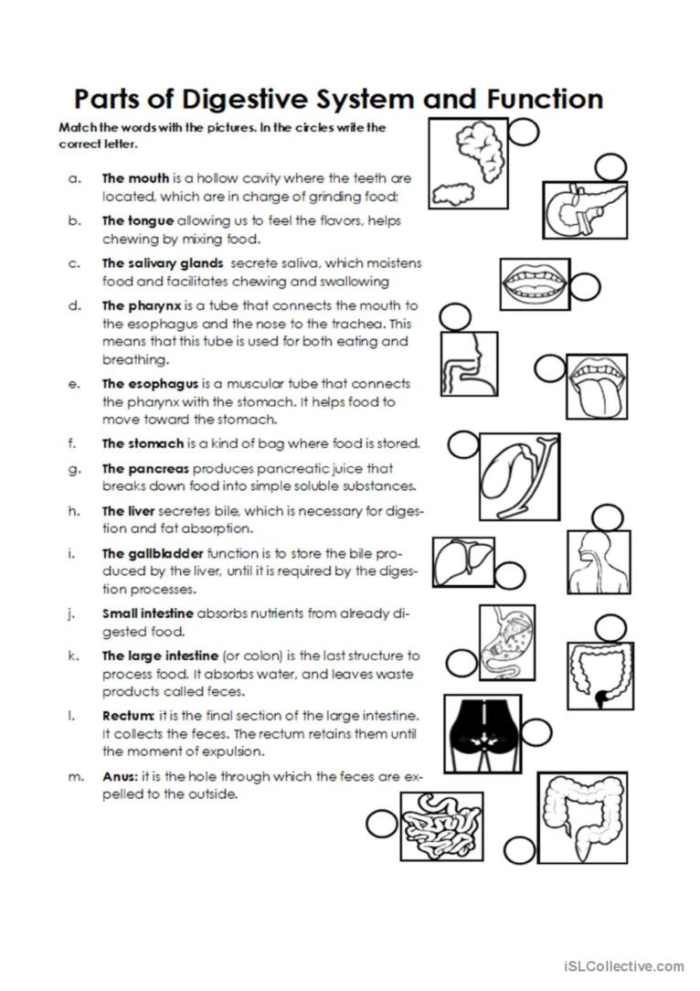
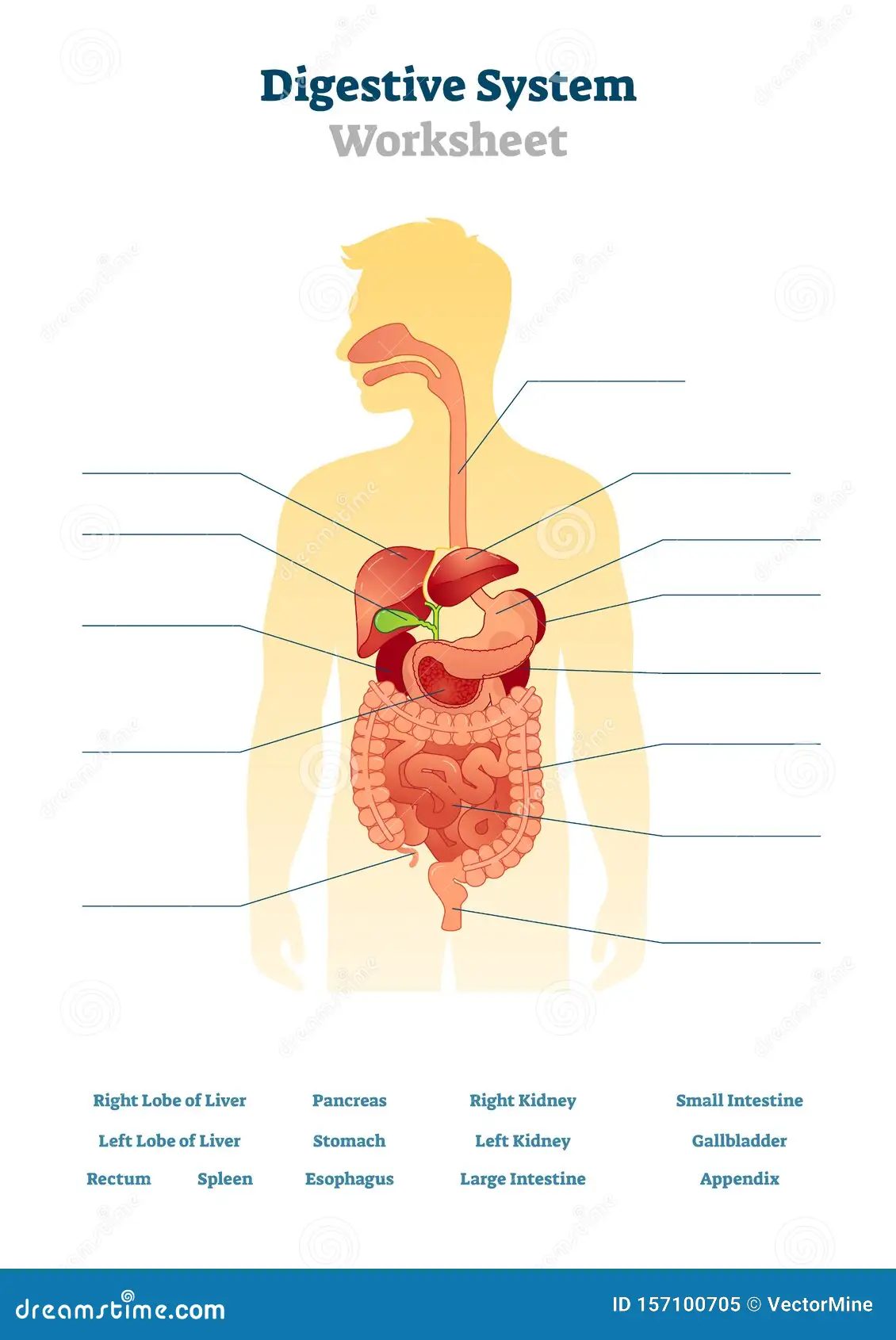
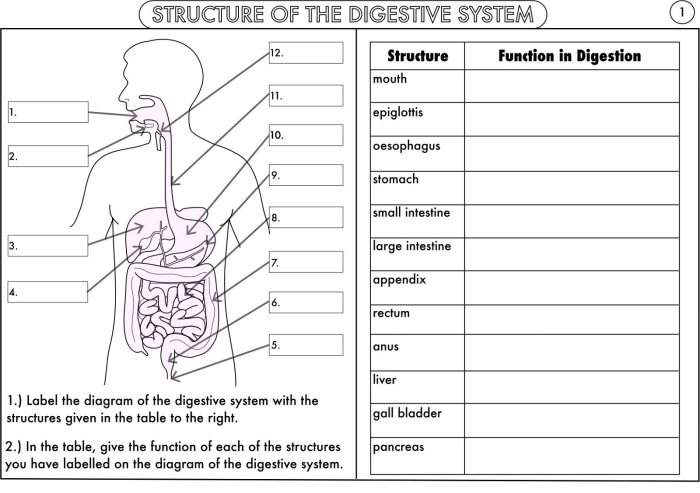
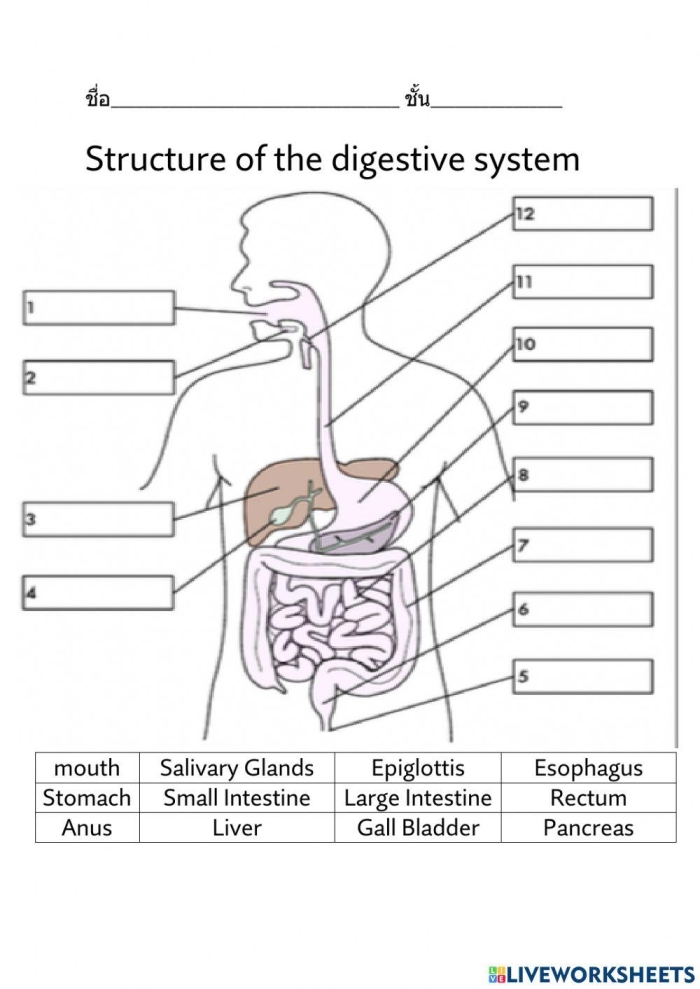
Understanding the human digestive system is a crucial part of life sciences education, especially for fifth-grade students. This knowledge lays the foundation for grasping how our bodies function. A practical way to engage learners is through a diagramming activity where they label 15 specific parts of the digestive system using a word bank. This hands-on approach not only reinforces their understanding but also enhances their ability to recall and apply what they have learned.
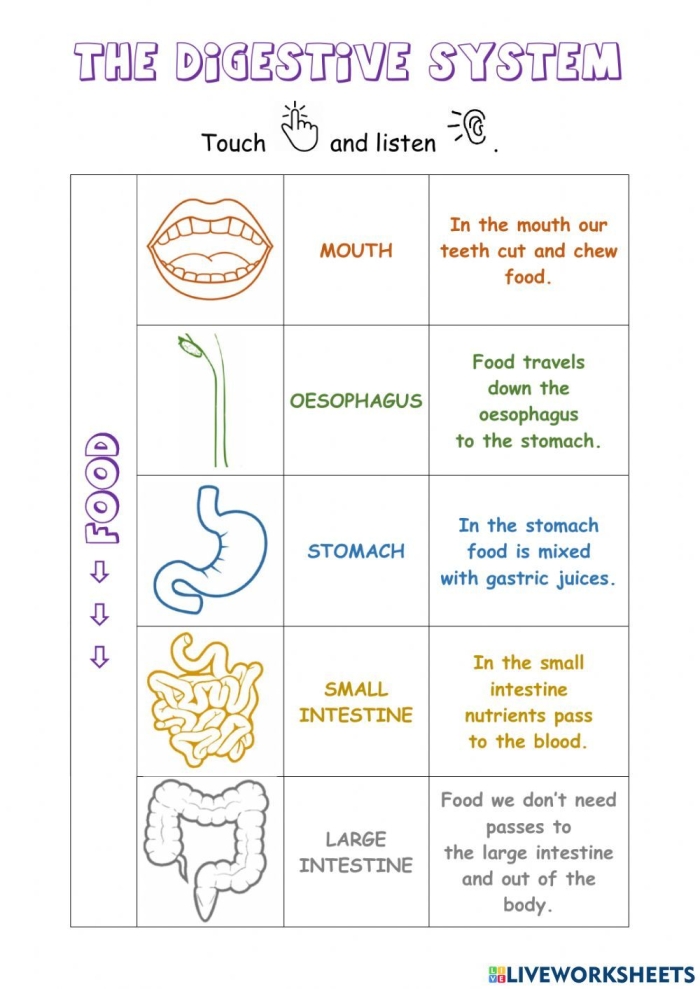
During the activity, students will encounter key components such as the esophagus, stomach, and intestines. By labeling each part, they gain insights into the digestive process—how food transforms and travels through their bodies. This process is essential for understanding nutrition and health. When students actively participate in identifying each component, they are more likely to remember their functions. For example, knowing that the stomach is where food is mixed with acids and enzymes can deepen their appreciation of how digestion works.
Incorporating a word bank simplifies the task, allowing learners to focus on comprehension rather than struggling with spelling or recalling terms. This method also aligns perfectly with the Grammar and Mechanics curriculum, as it encourages proper terminology and language use. Activities like these can be seamlessly integrated into various subjects, making learning more interconnected. For those interested in expanding their skills in other areas, resources like the Super Powers of Ten worksheets or Classroom Math Division worksheets provide additional practice.
Ultimately, labeling the diagram of the human digestive system is not just an exercise in memorization; it is an opportunity for students to engage with science in a meaningful way. They become active participants in their learning journey, making connections that will serve them well beyond the classroom.
Worksheet Practice Section