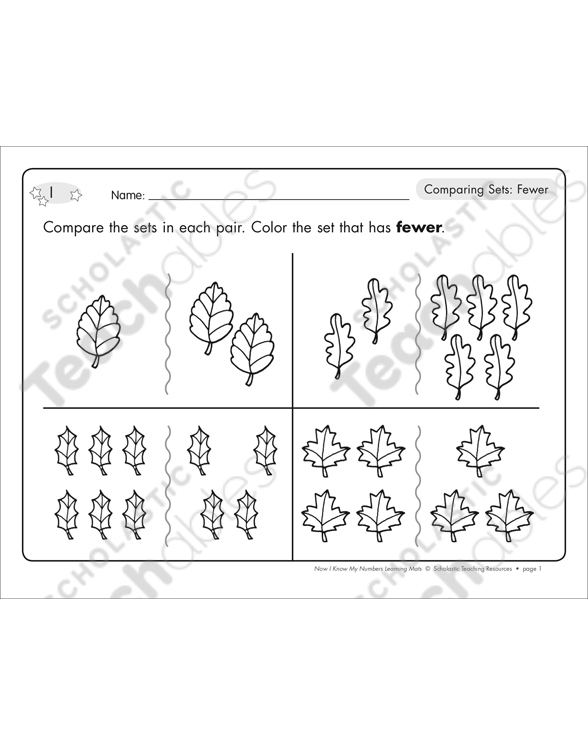
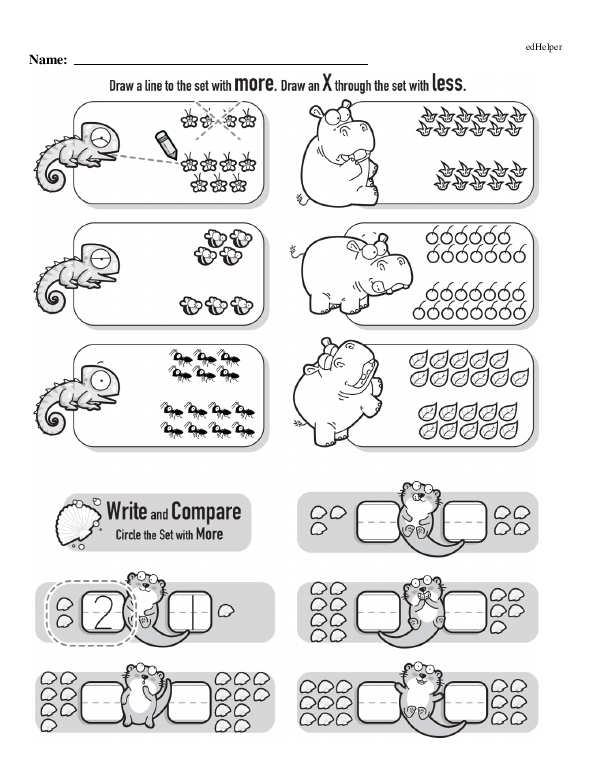
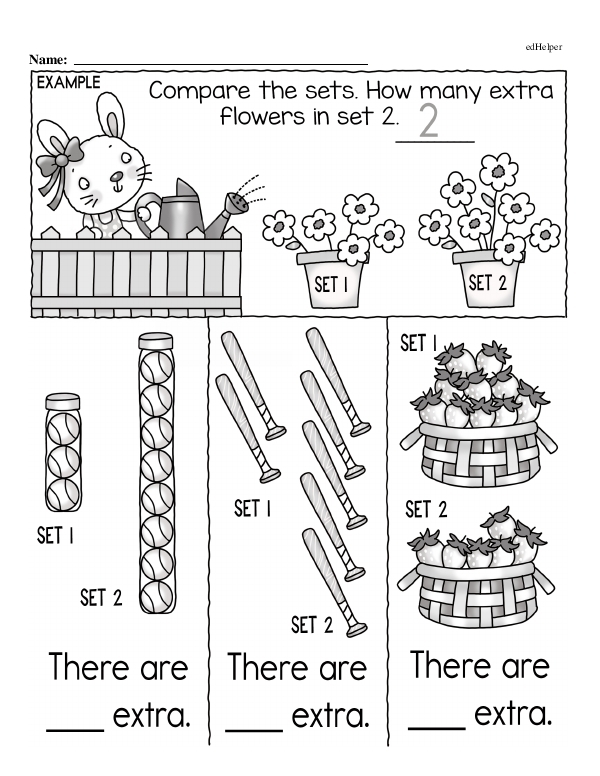
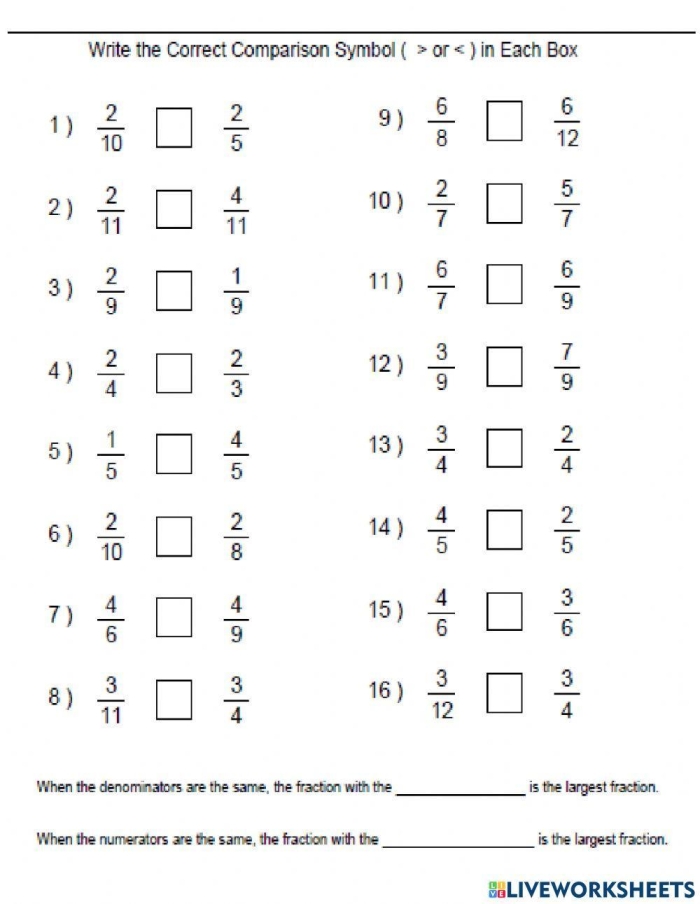
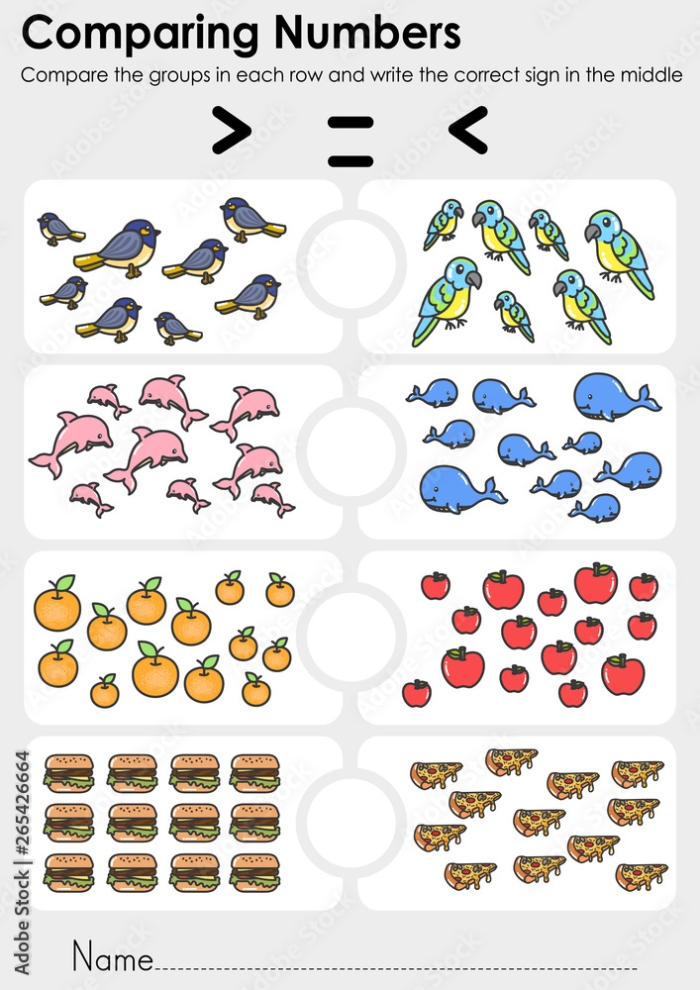
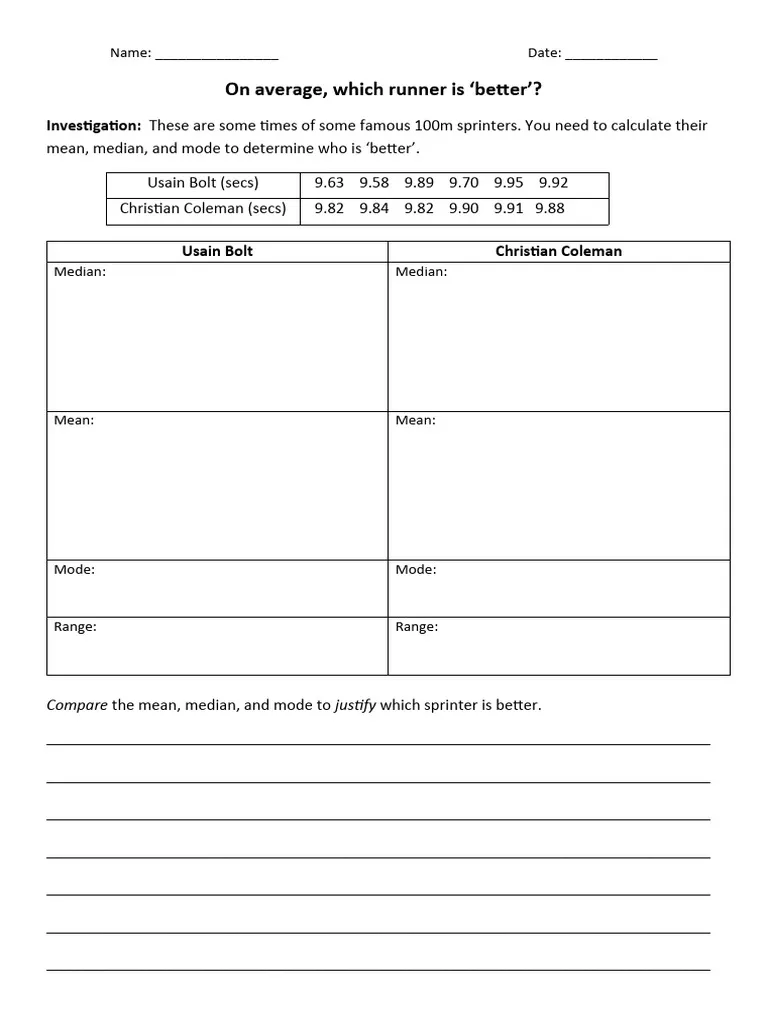
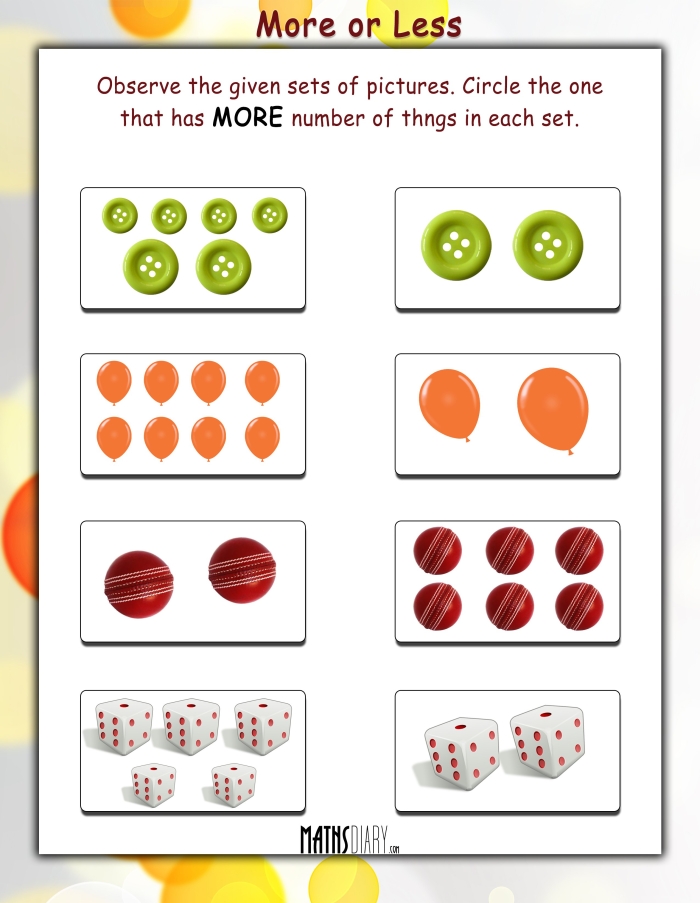
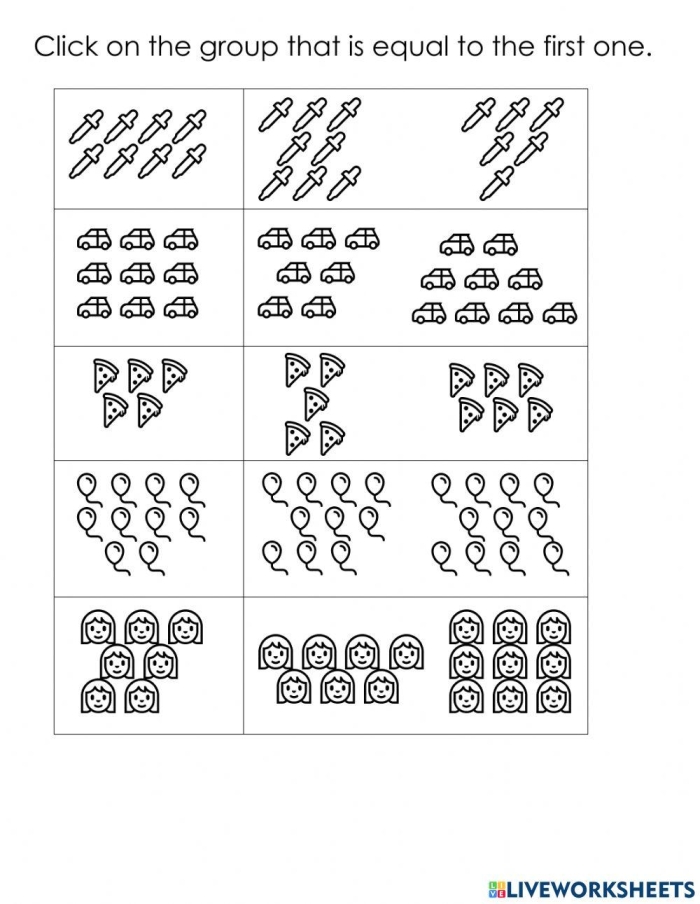
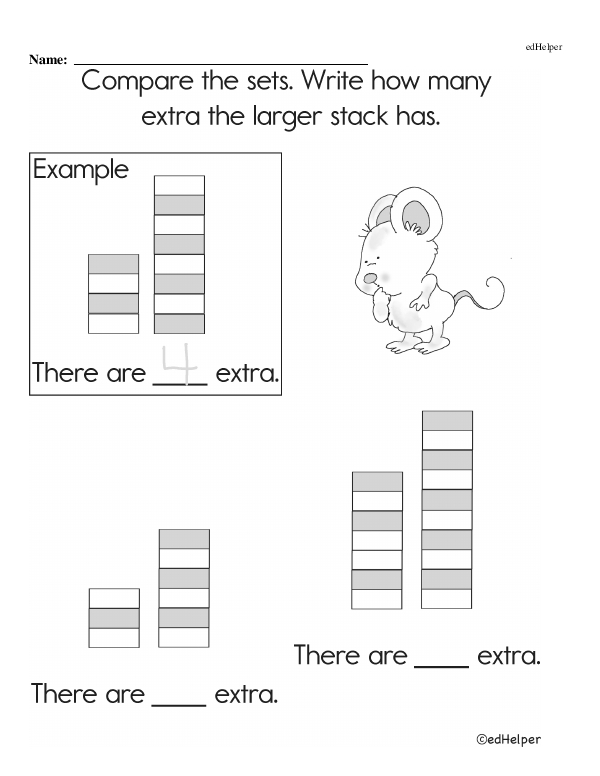
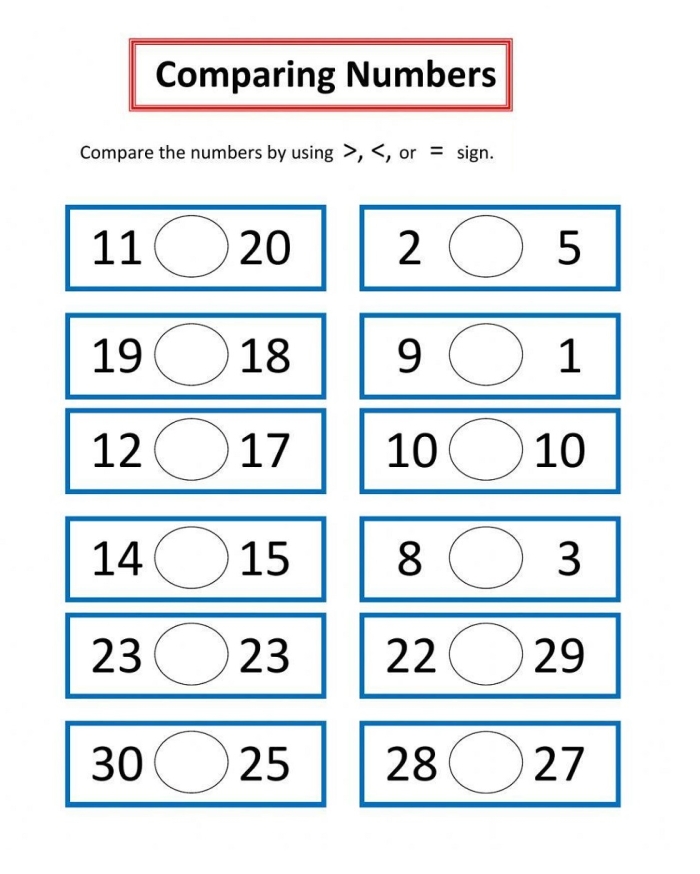
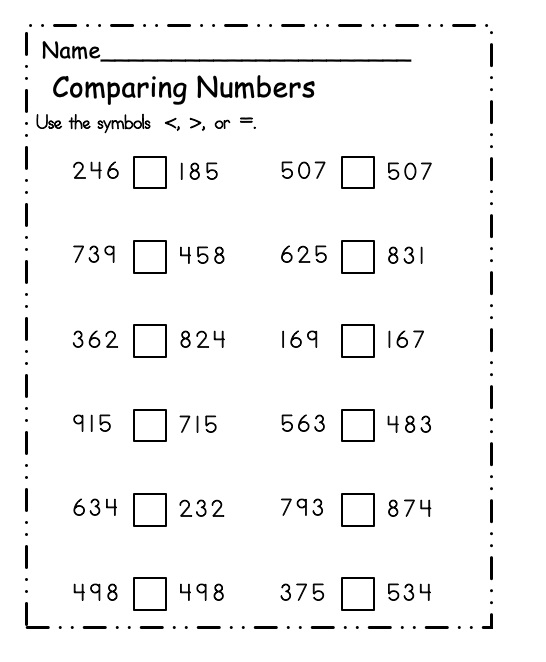
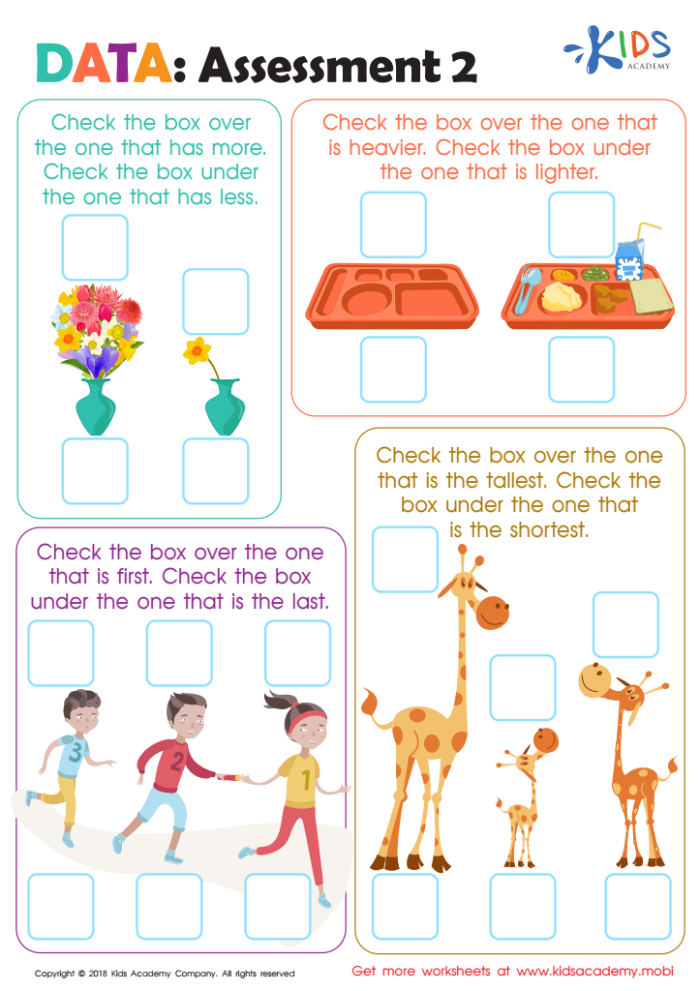
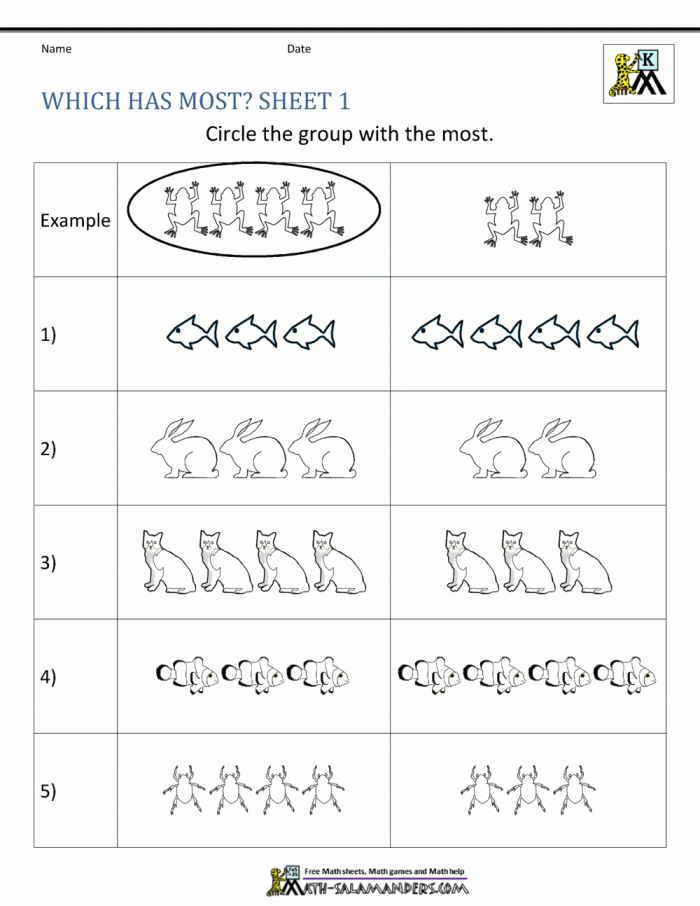
Are your second graders ready to explore the fascinating world of data? Helping young students think critically about how data is represented can be both engaging and educational. One effective strategy is to laminate and display worksheets that encourage discussion around different methods of presenting data.
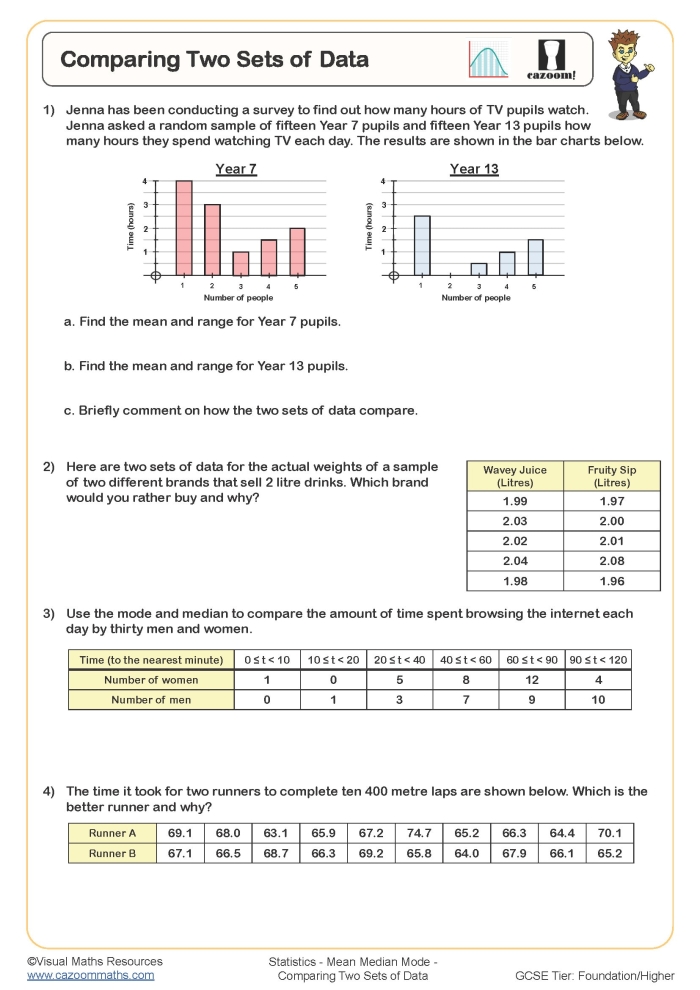
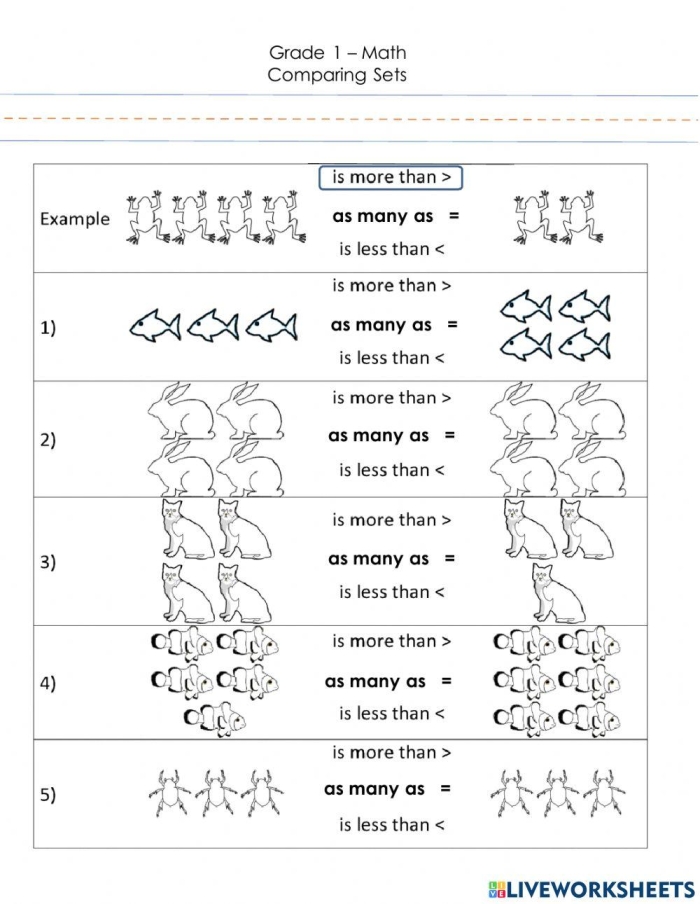
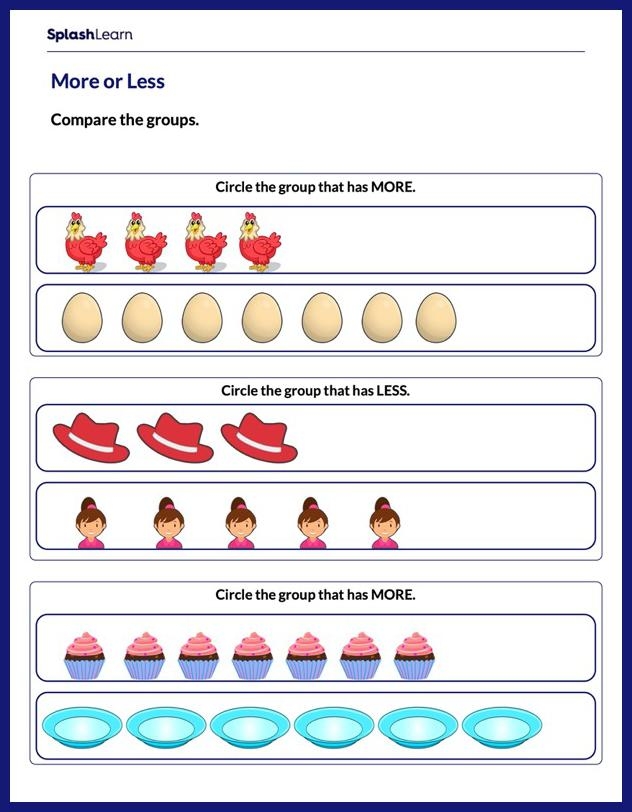
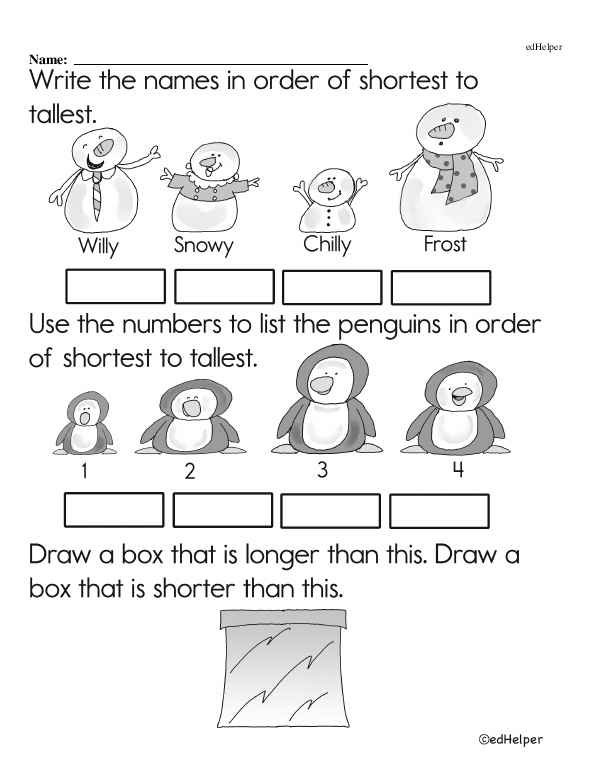
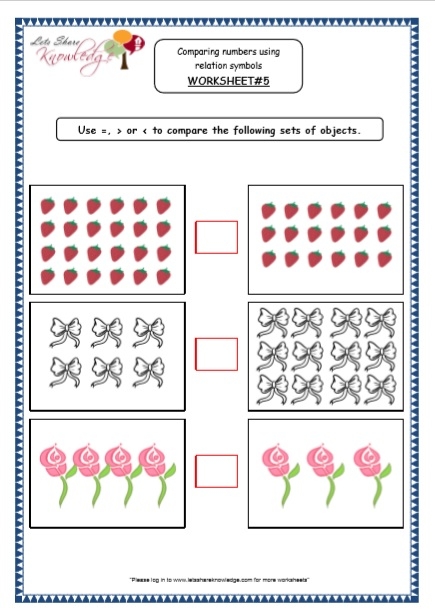
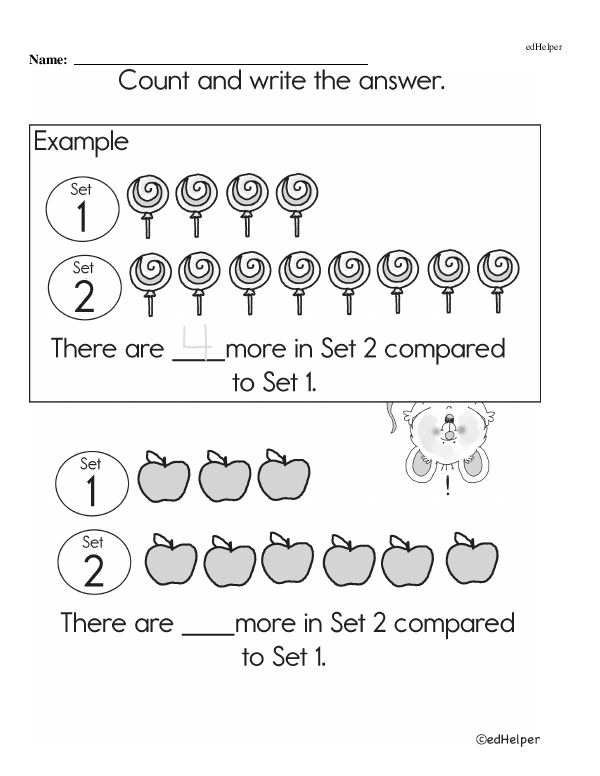
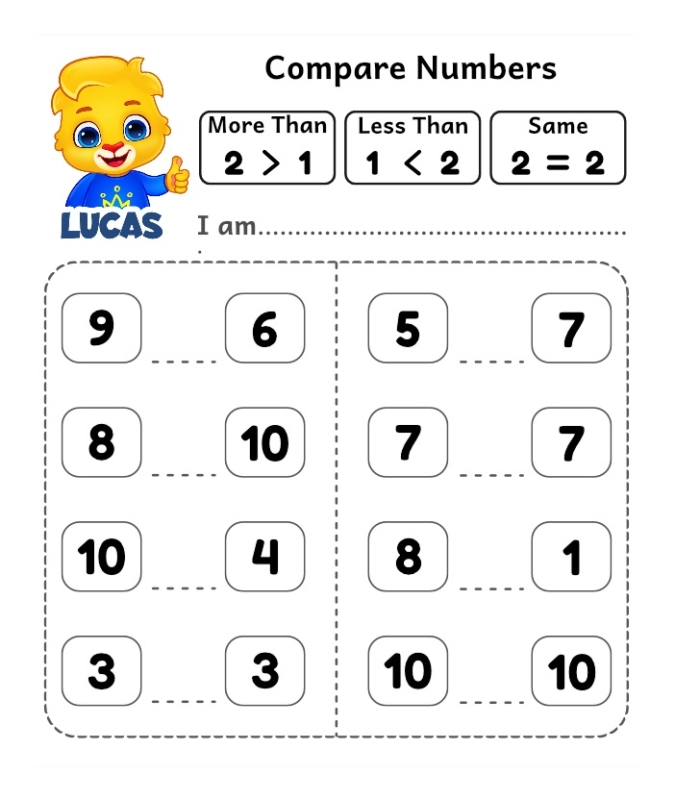
When students interact with visually appealing worksheets, they can better grasp concepts like comparing sets of data. For instance, a simple chart that shows favorite fruits among classmates can lead to conversations about how to organize and interpret that data. Students might compare the number of votes for apples versus bananas, sparking questions like, “What does this tell us about our class’s preferences?” and “How can we show this information differently?”
Using printable comparing sets of data worksheets allows students to practice their analytical skills in a hands-on way. They can learn to create bar graphs, pie charts, or line plots, depending on the data at hand. Each representation offers a different insight, inviting students to think critically about which format best conveys the information. For example, while a pie chart might show proportions effectively, a bar graph may make it easier to compare quantities at a glance.
To enhance this learning experience, consider integrating various subjects. Worksheets that combine data and graphing with creative topics, such as St. Patrick’s Day spelling, can make the activity even more enjoyable. Incorporating real-world contexts helps students understand the relevance of data in their daily lives.
Ultimately, fostering critical thinking in data representation lays a strong foundation for future learning. As students engage with these worksheets, they not only develop essential skills but also cultivate a curiosity about the world around them. By displaying these resources prominently in the classroom, you create an environment ripe for discussion and exploration.
Use These Worksheets Today