Once students grasp how powers of 10 work, multiplication and division suddenly feel less intimidating. The pattern is elegant: moving a decimal point to the right multiplies, moving it left divides. That’s the entire trick, and it works every single time.
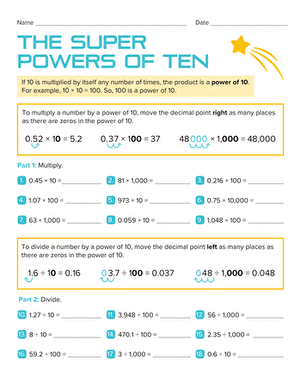
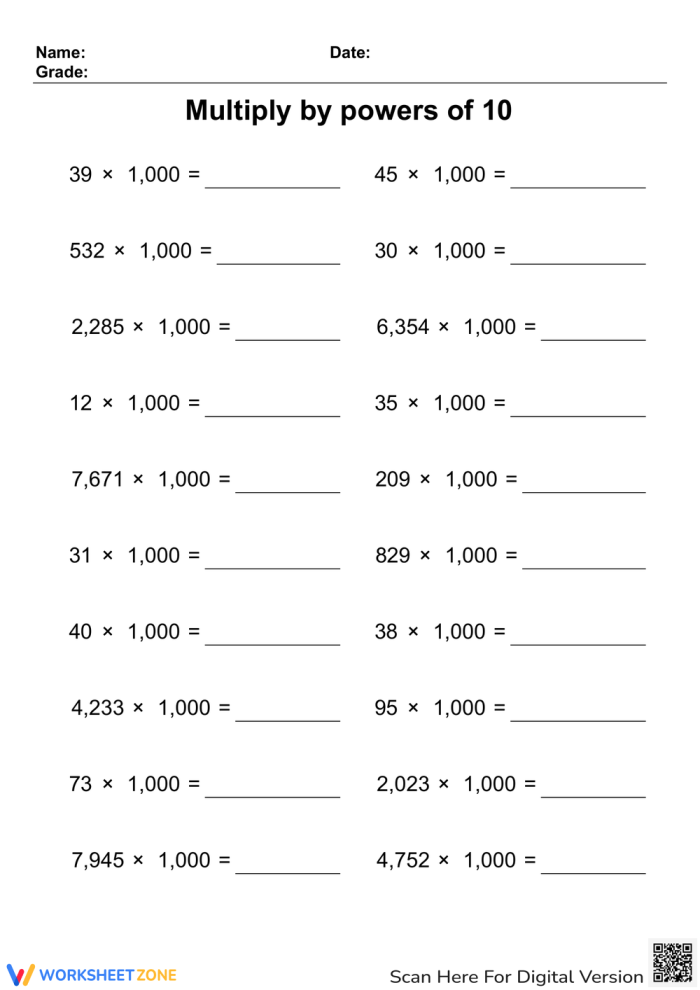
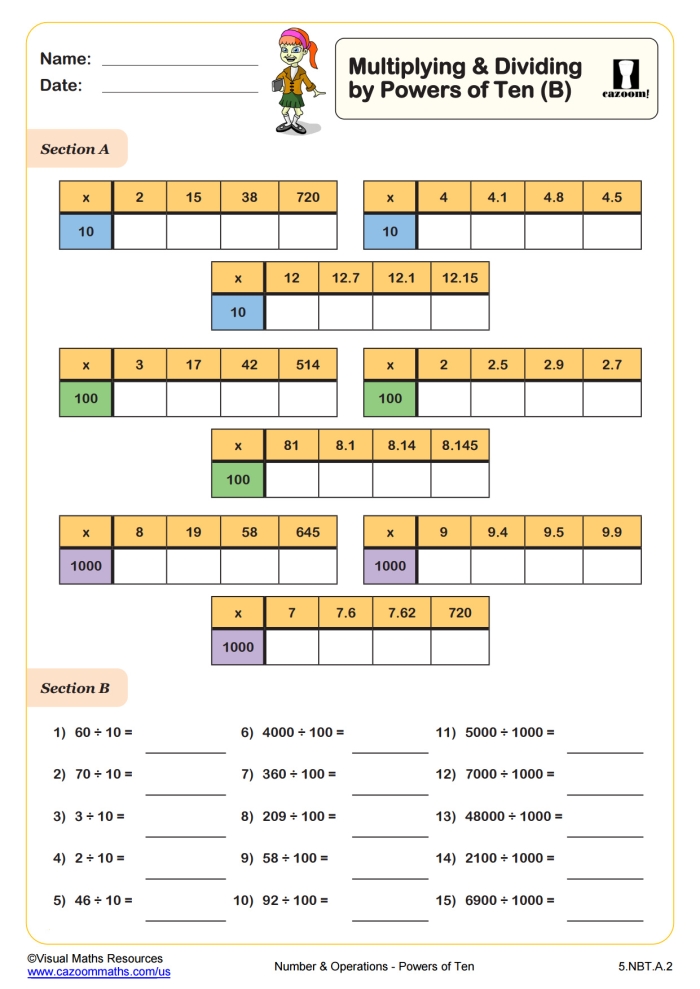
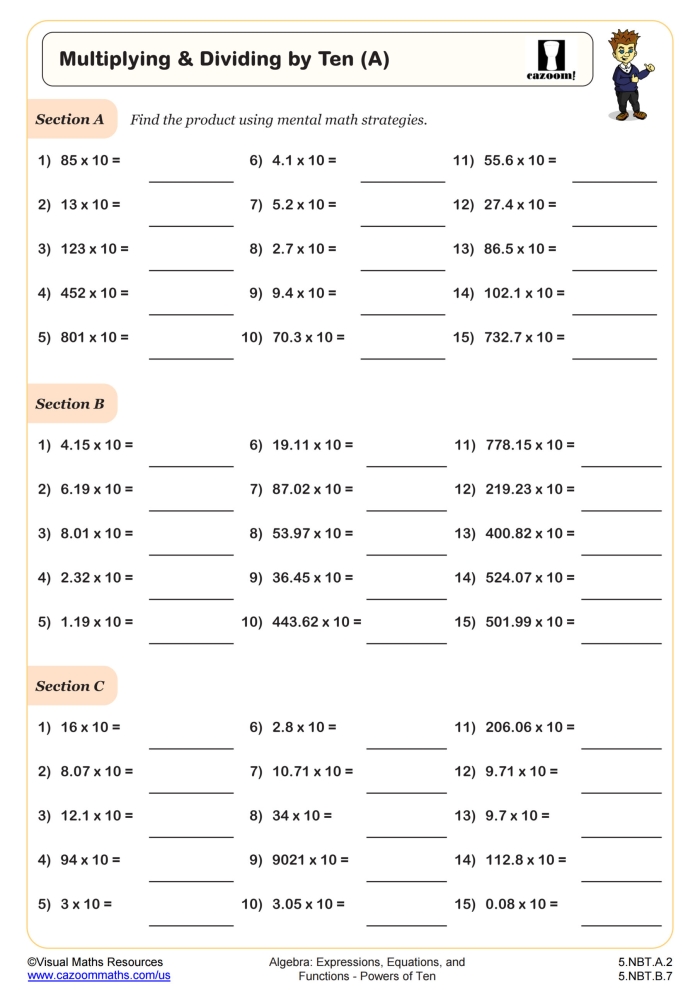
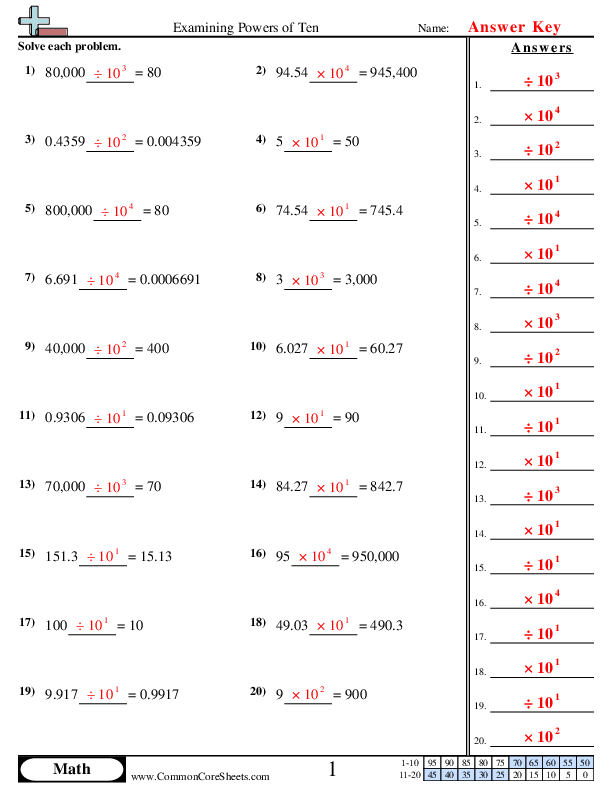
Fifth-grade math builds on foundational skills, and understanding place value becomes crucial at this level. Powers of 10 connect directly to how our decimal system functions. When you multiply 3.5 by 10, you get 35. Multiply by 100, and you have 350. The digit shifts one place to the right for each zero in the power of 10. This isn’t abstract theory—it’s a concrete pattern students can see and use immediately.
Division works the same way in reverse. Dividing 450 by 10 gives 45. Dividing by 100 gives 4.5. Once students recognize this pattern, they stop needing calculators for these operations. They develop number sense instead, understanding what happens when quantities get larger or smaller by factors of ten.
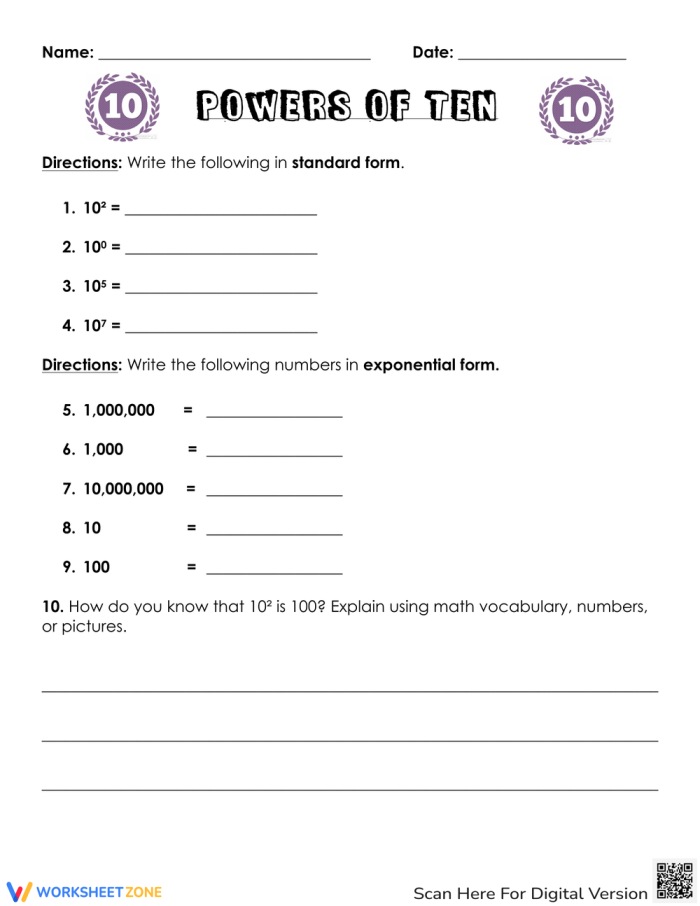
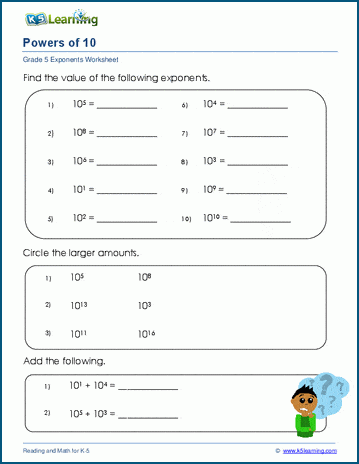
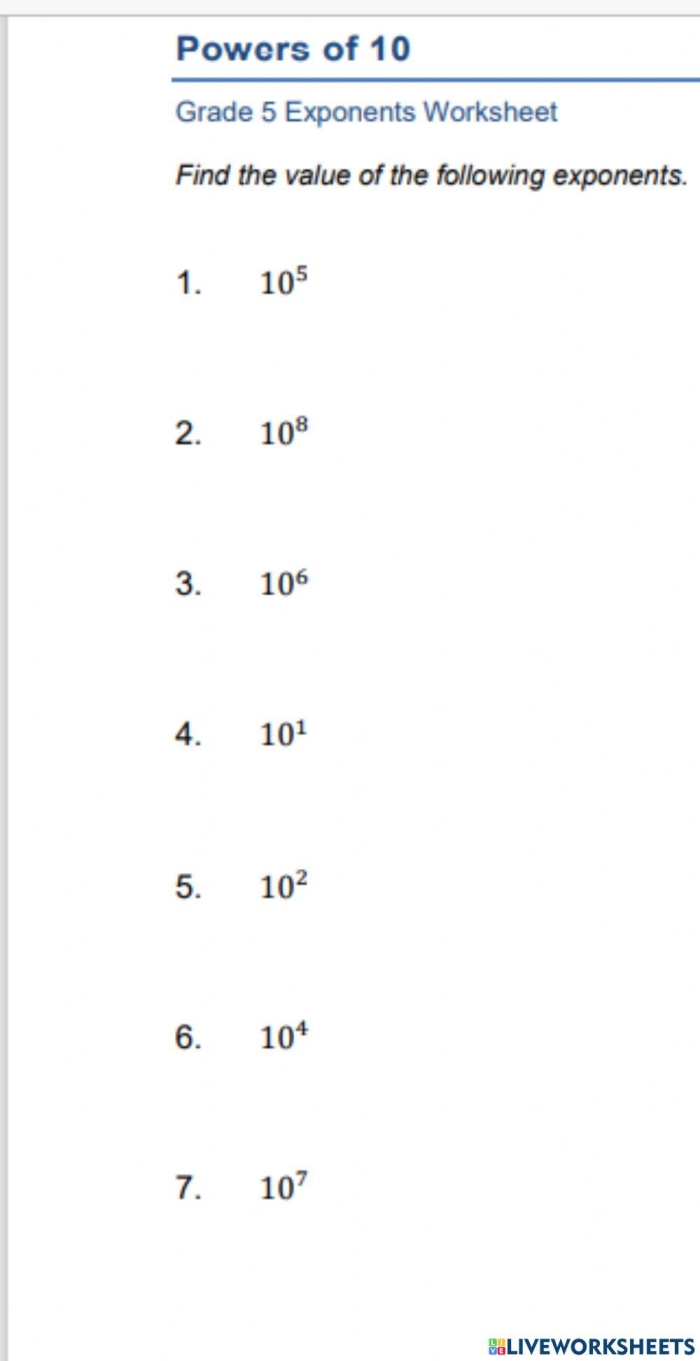
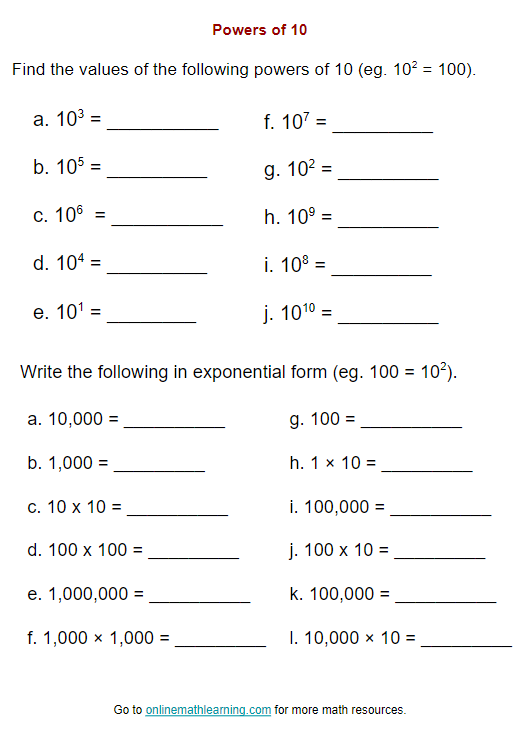
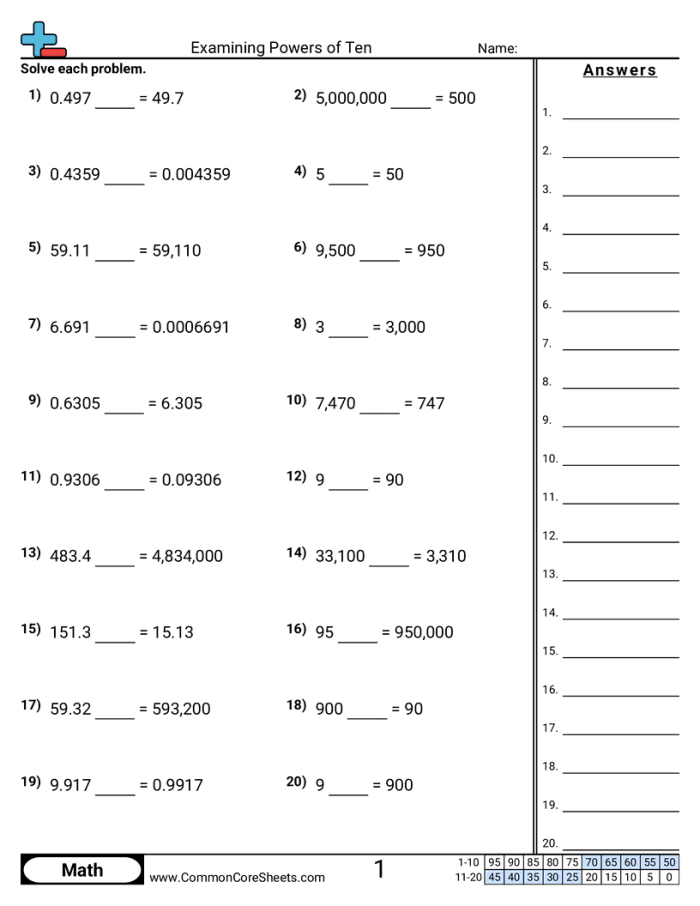
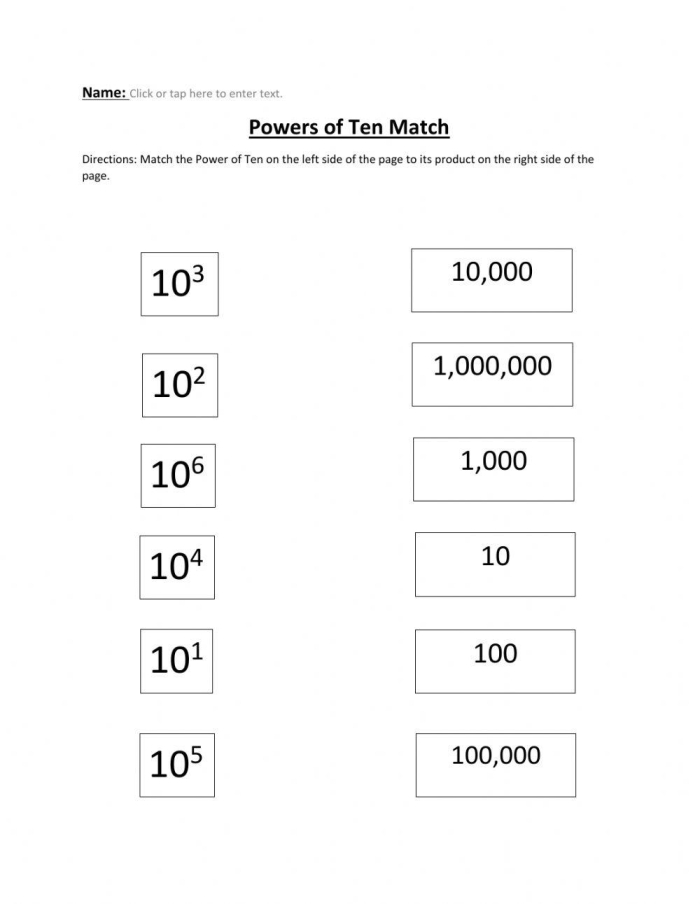
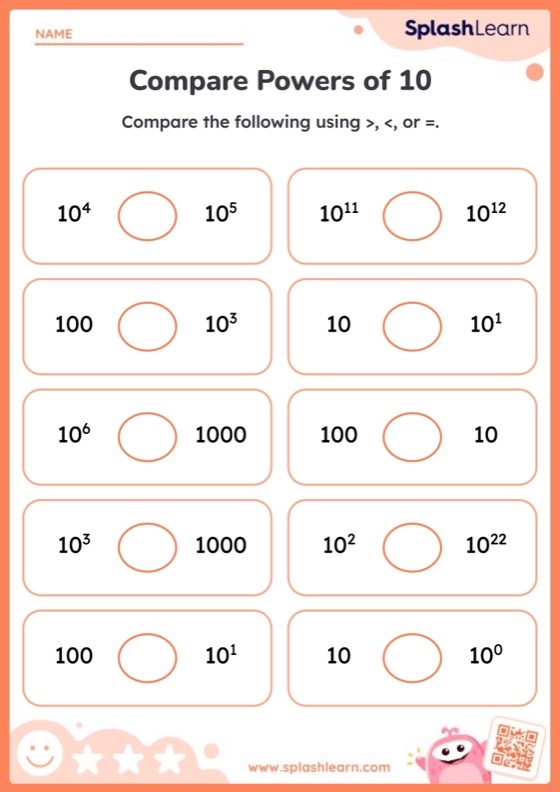
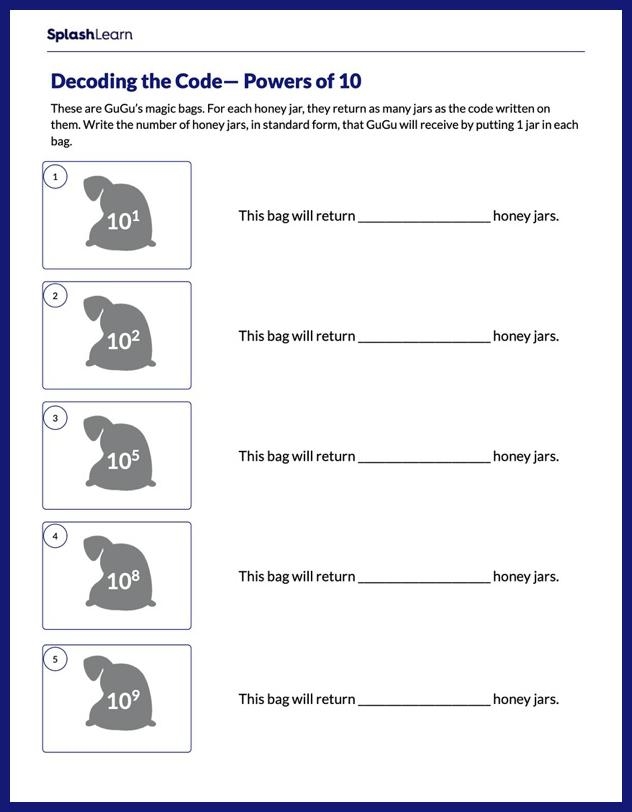
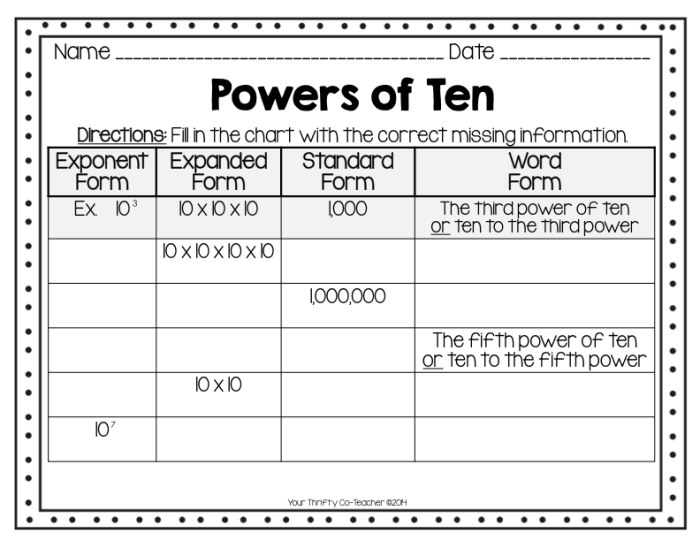
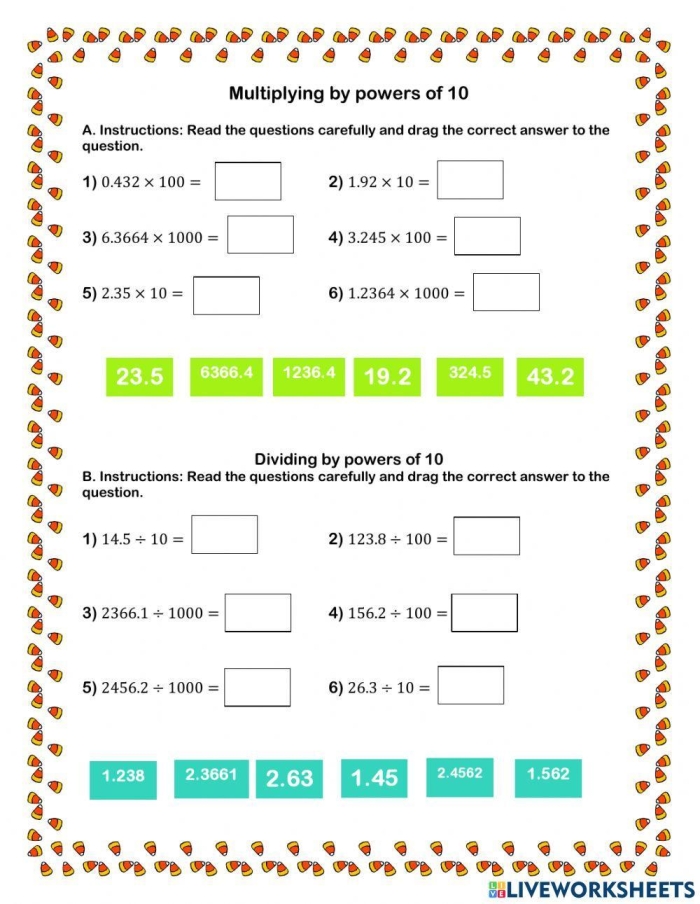
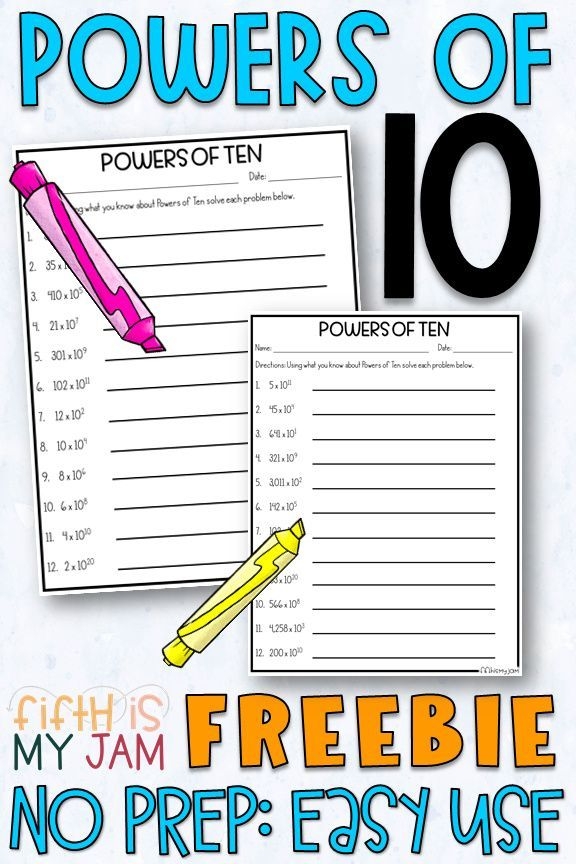
Worksheets designed around this concept give fifth graders the repetition they need without tedium. A well-structured worksheet includes problems that gradually increase in difficulty, from simple multiplications like 7 × 10 to more complex decimal work. The visual layout helps students track their decimal movements, reinforcing the mechanical skill until it becomes automatic.
This foundational work in Grammar and Mechanics of mathematics connects to broader problem-solving skills. Students who master powers of 10 find scientific notation easier later on. They also develop confidence tackling word problems that involve scaling quantities up or down.
Pairing this practice with other fifth-grade resources strengthens overall numeracy. Materials covering how to order decimals and place value complement powers of 10 work perfectly. Students see how these concepts interconnect rather than treating them as isolated skills.
Hands-On Worksheet Activities