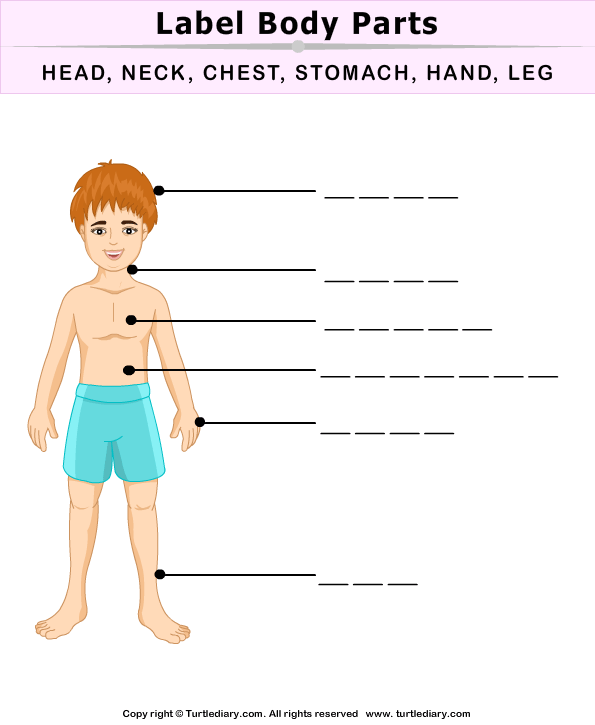
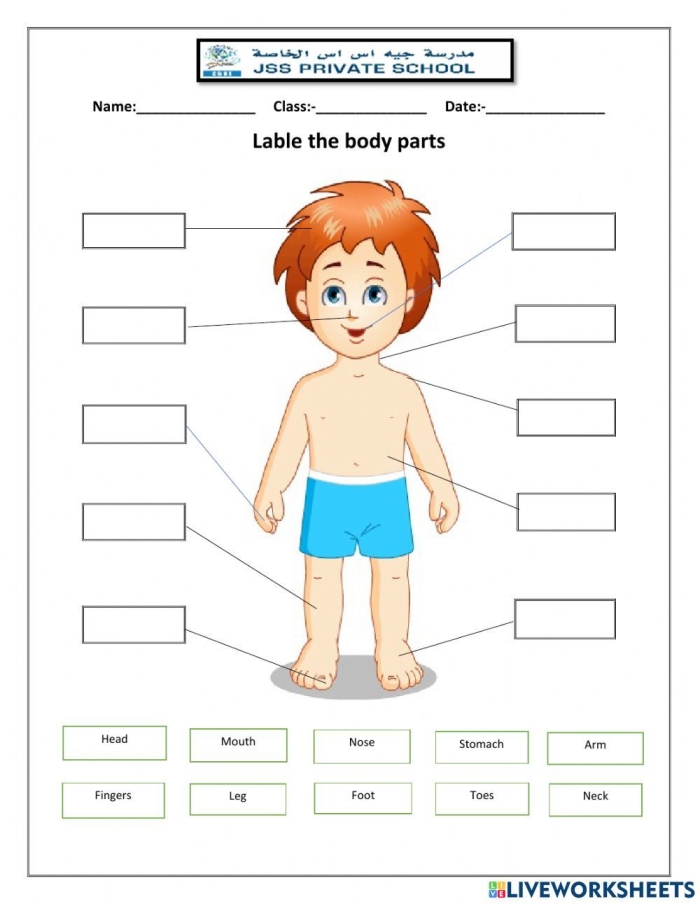
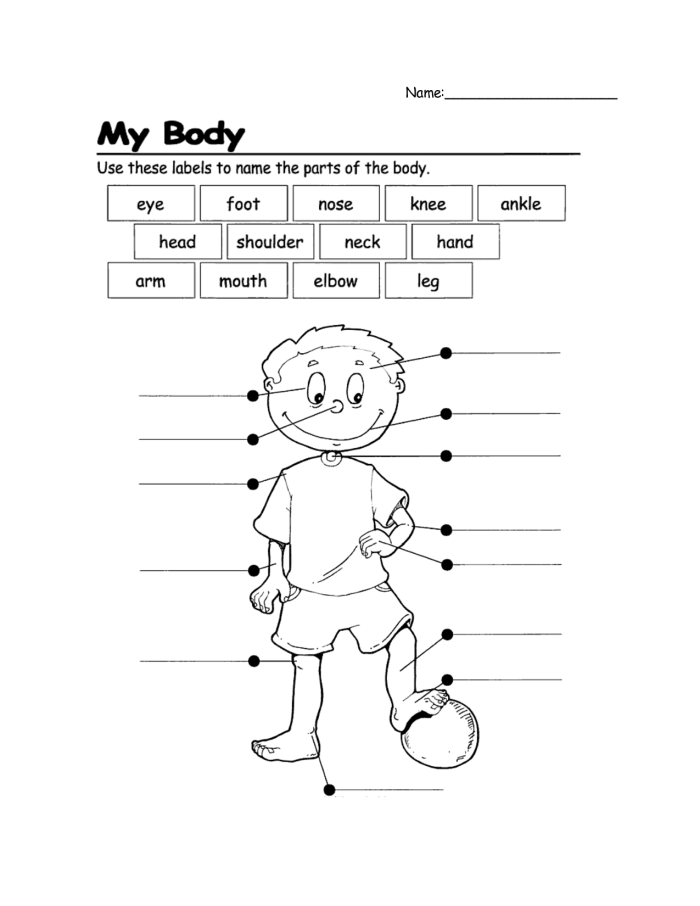
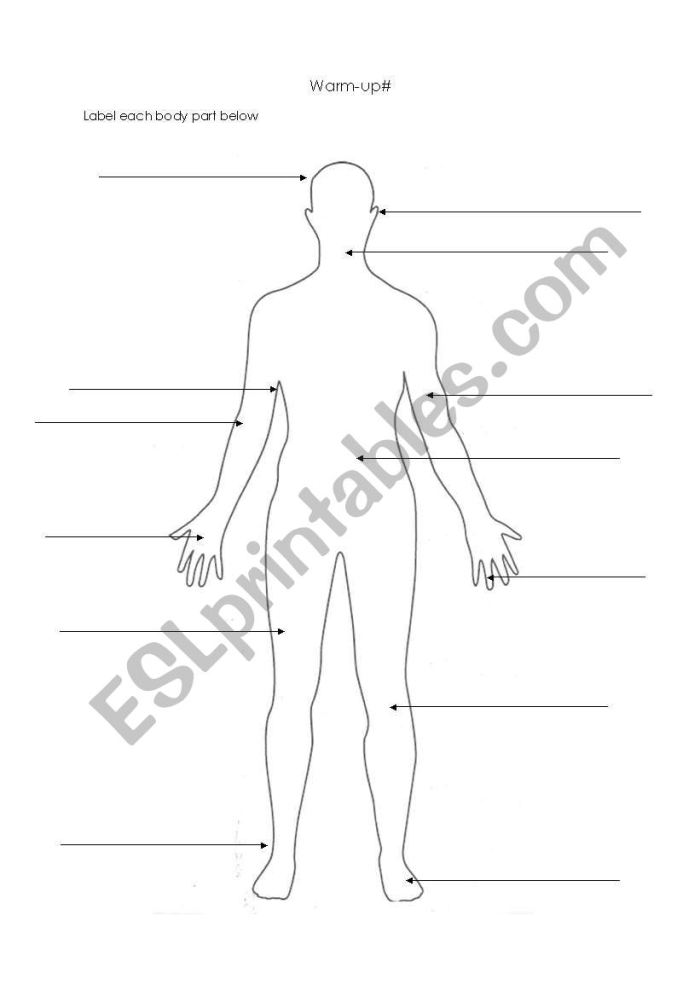
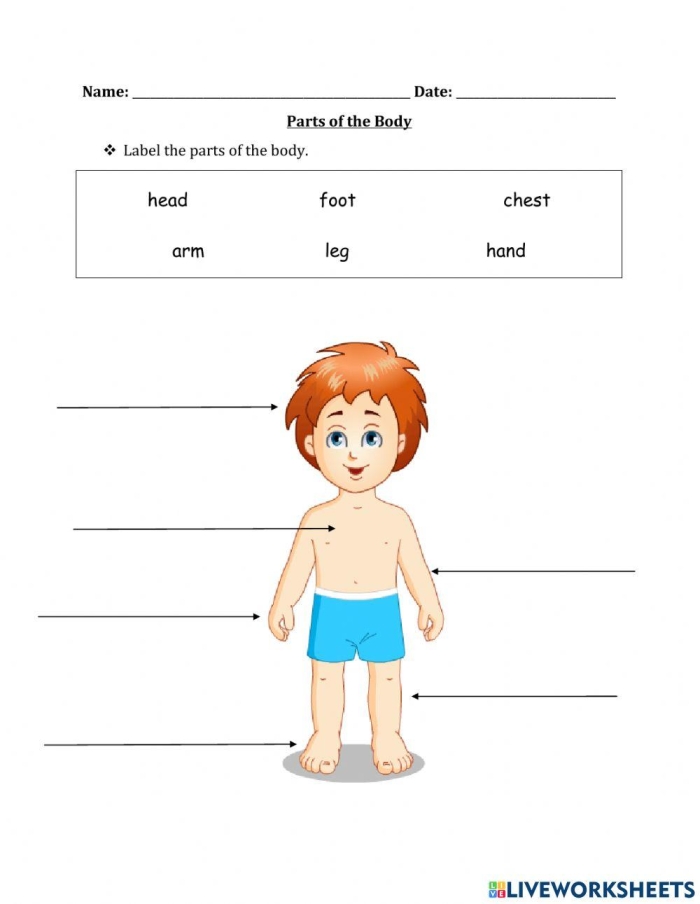
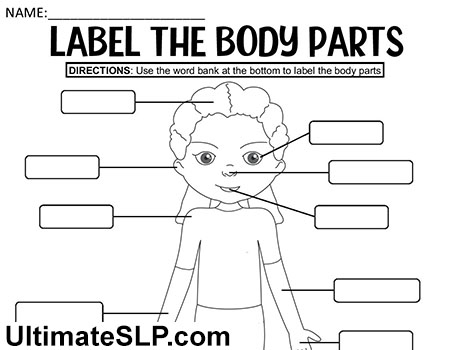
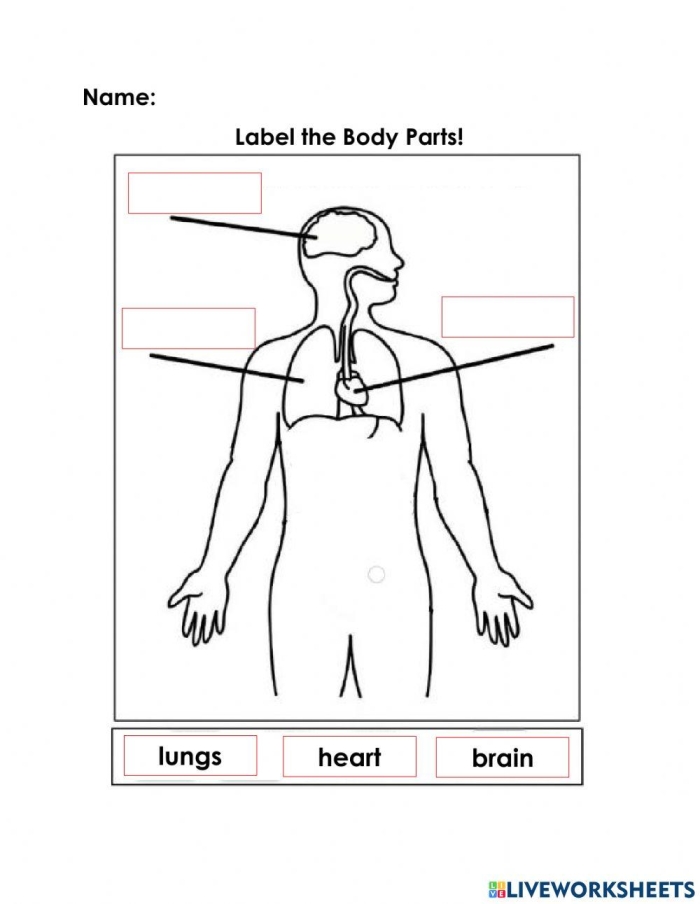
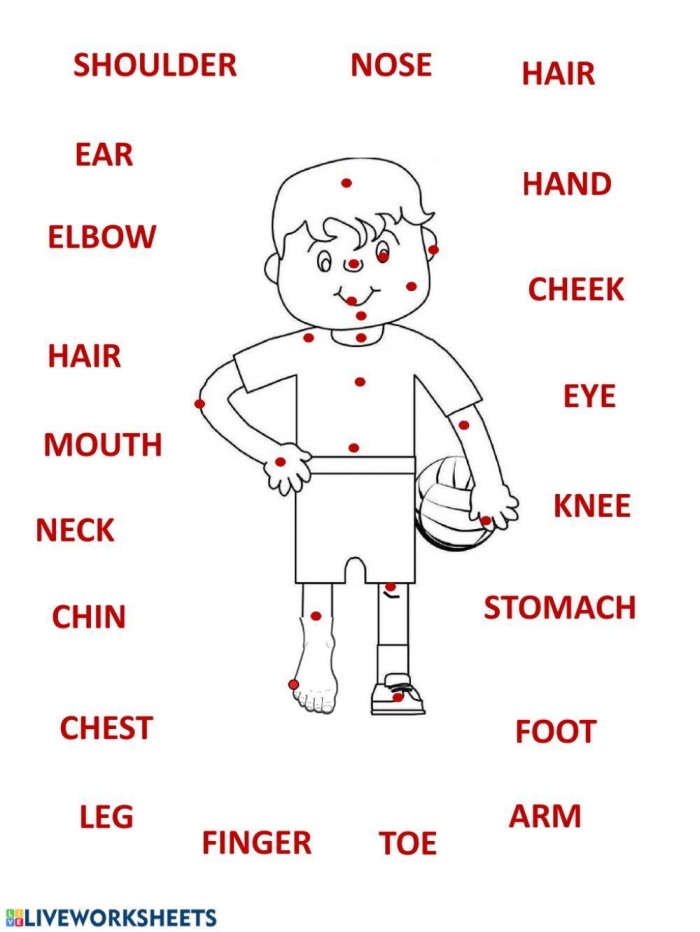
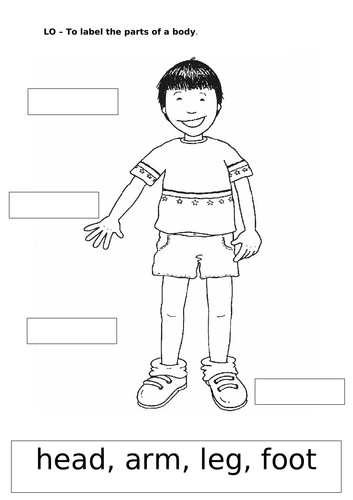
Kindergarten students benefit from worksheets that weave together multiple learning objectives at once, and body parts identification paired with reading practice does exactly that. When young learners label the body parts on a diagram while reading the corresponding words, they’re building foundational literacy skills without the worksheet feeling like a chore.
The beauty of this approach lies in how concrete it is. Children can point to their own nose, ears, or hands while simultaneously connecting those physical experiences to written words. This sensory connection strengthens memory and makes reading feel relevant to their immediate world. Unlike abstract alphabet practice that sometimes leaves kindergarteners confused about why letters matter, labeling body parts gives them a clear, personal reason to engage with text.
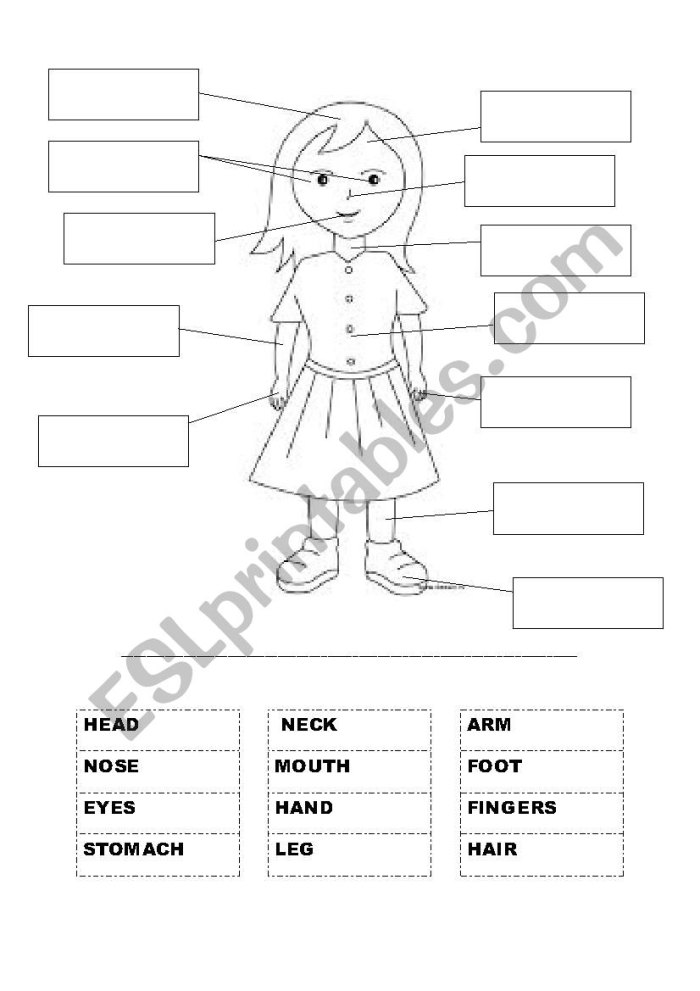
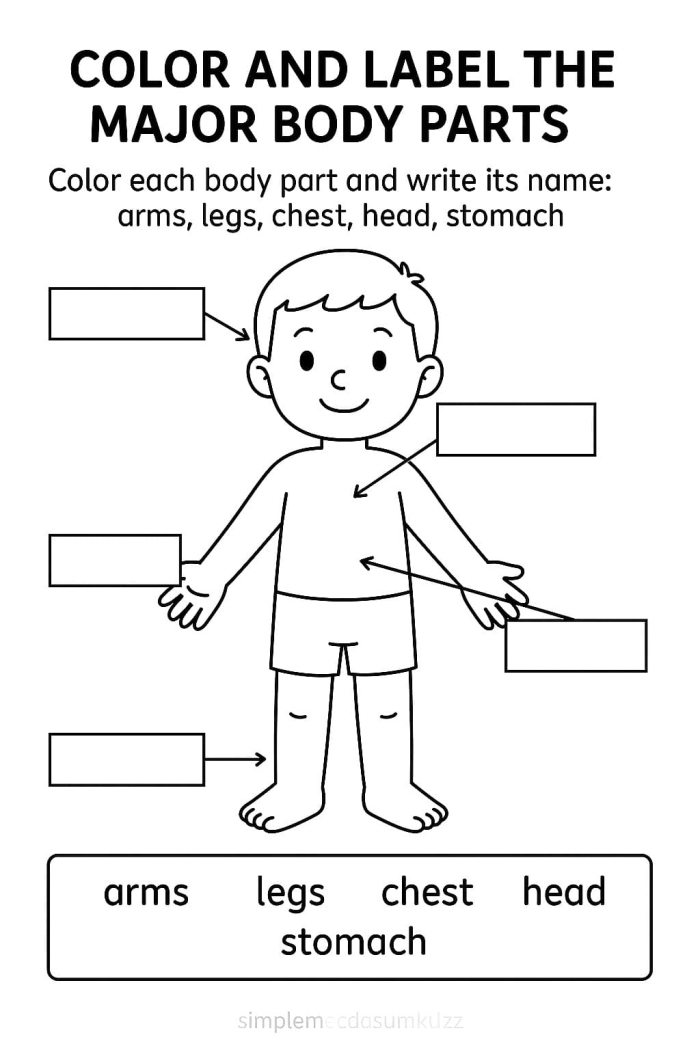
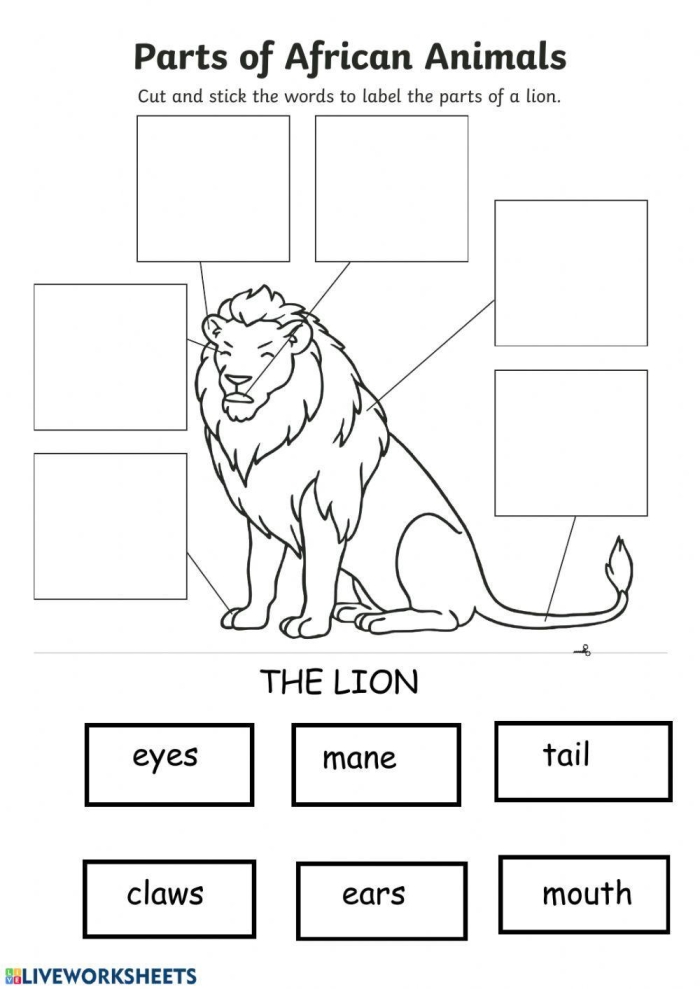
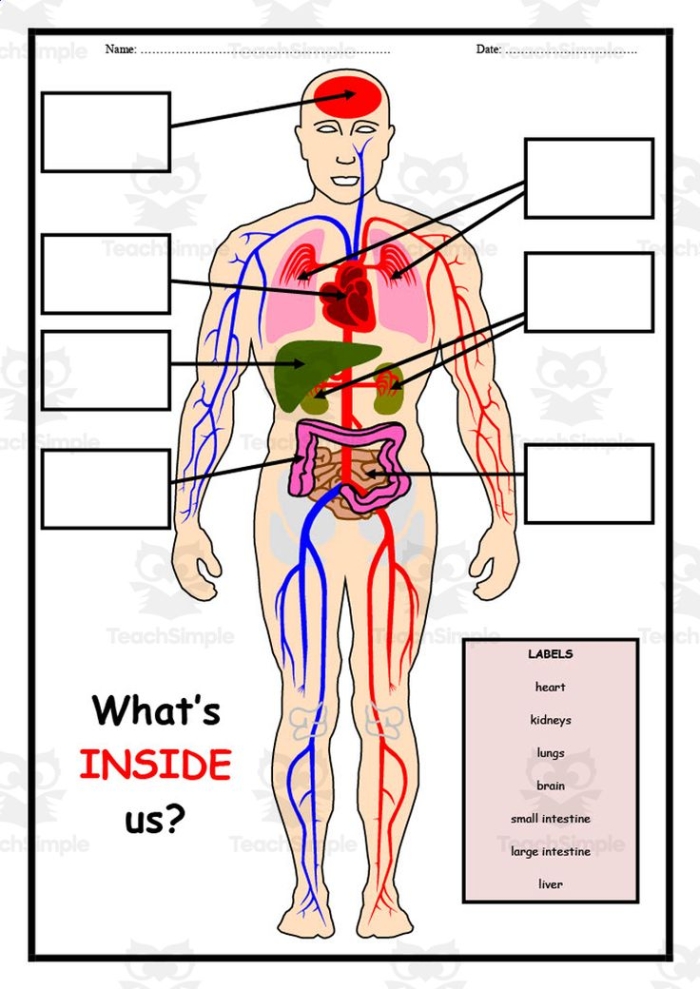
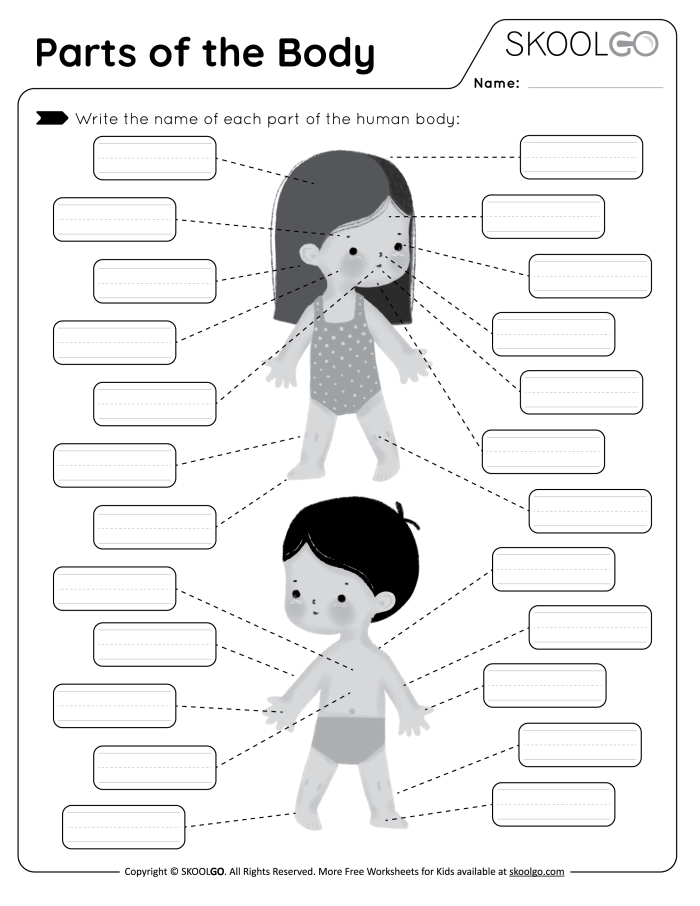
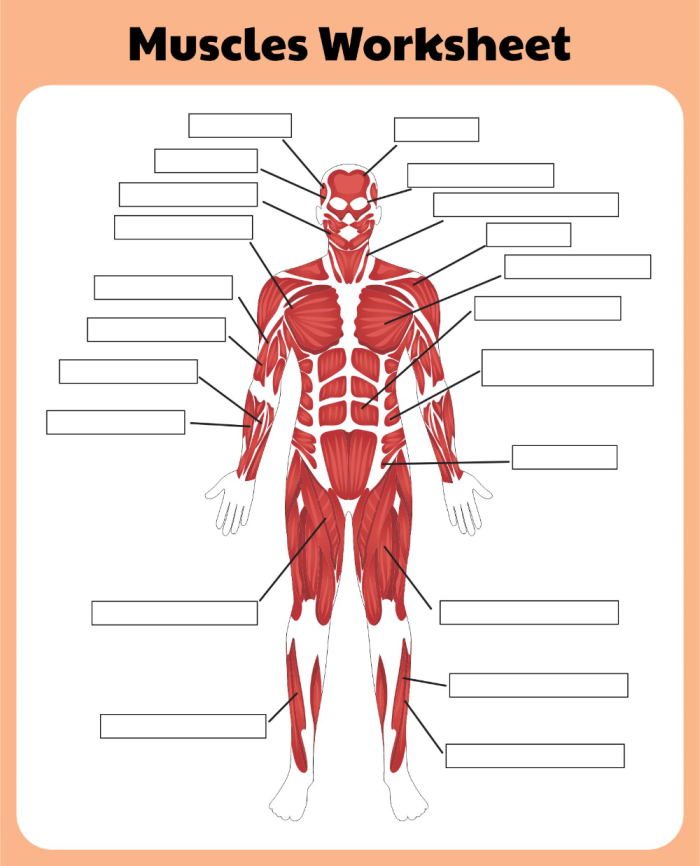
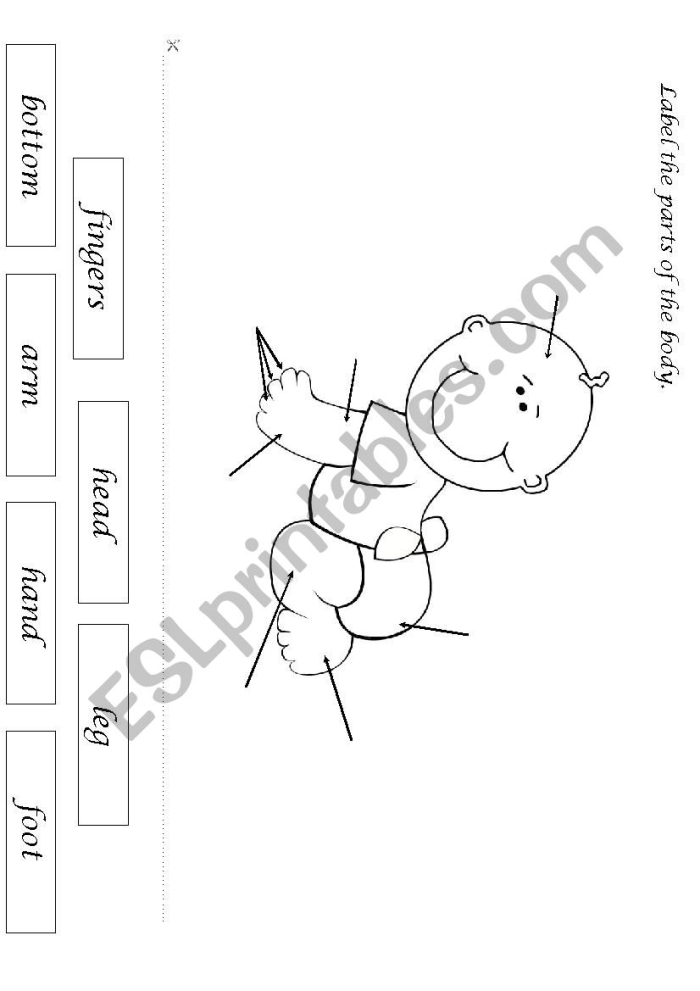
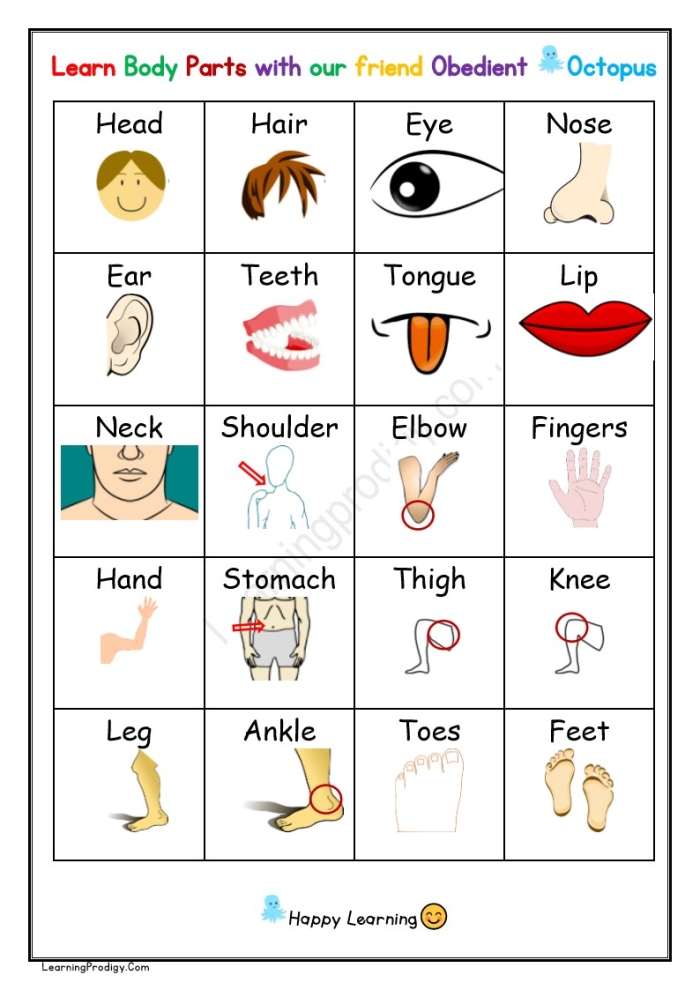
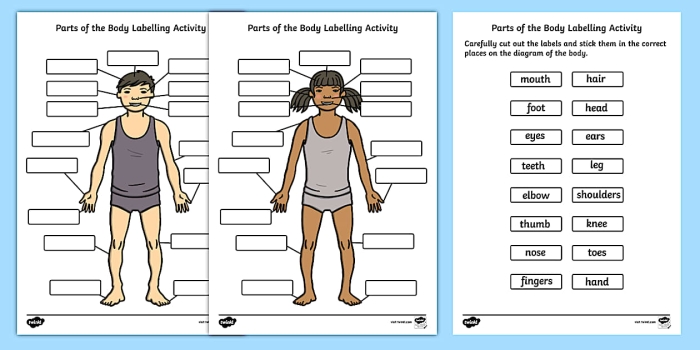
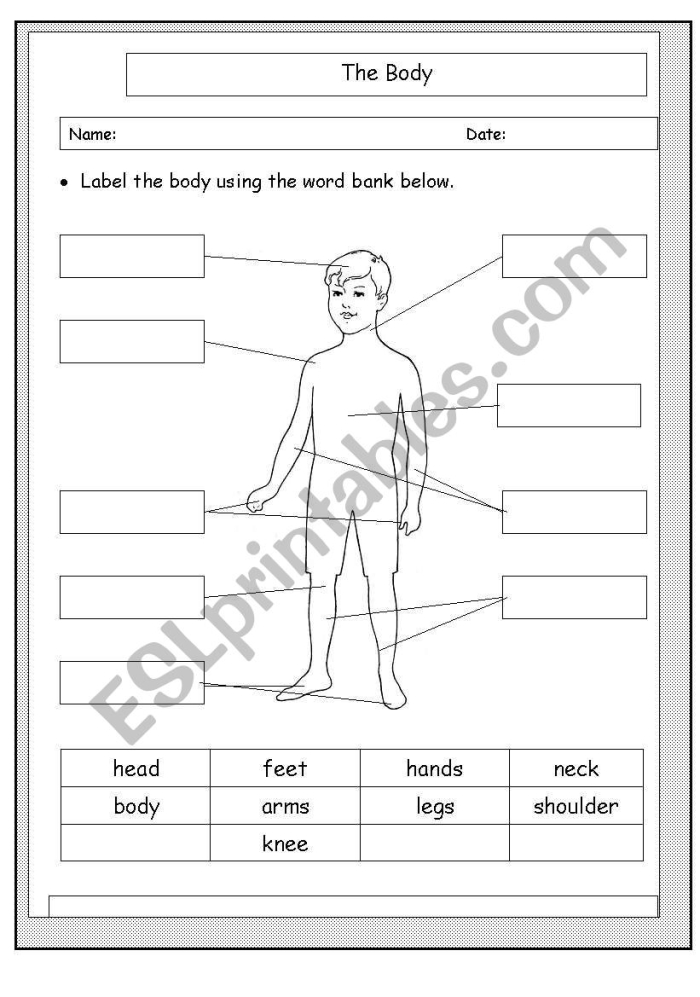
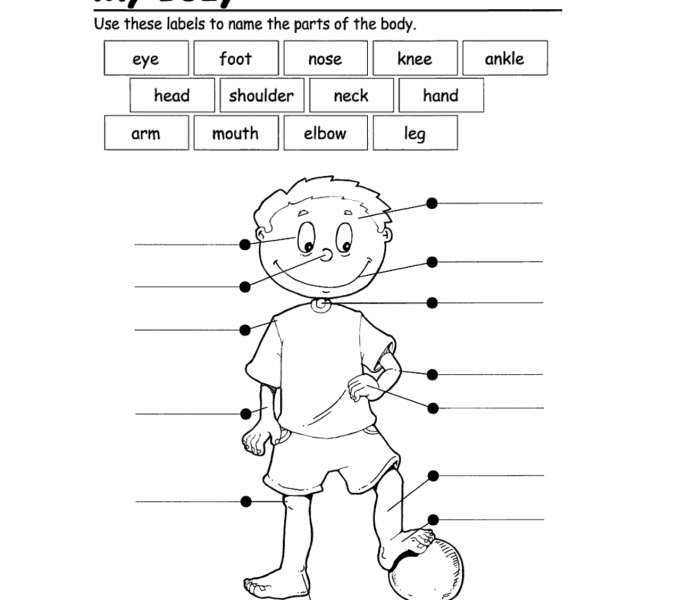
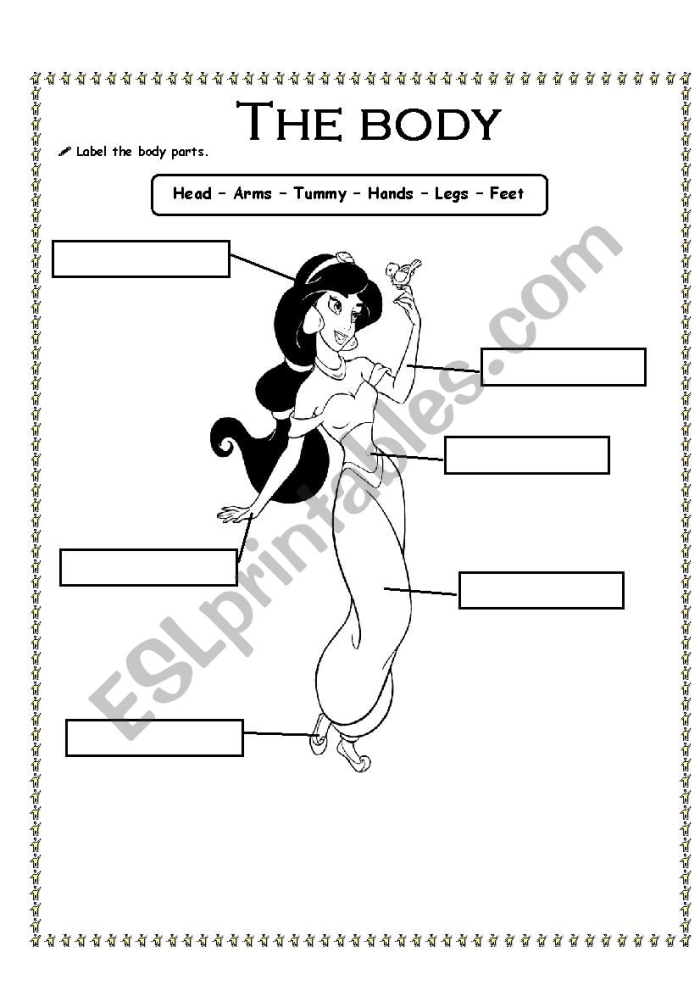
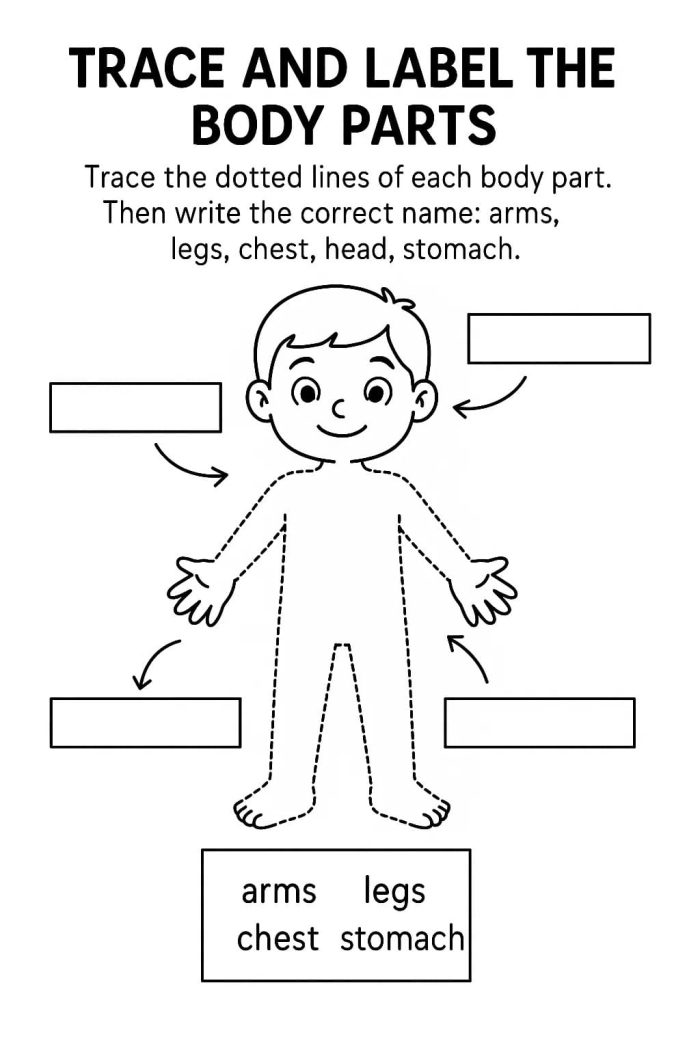
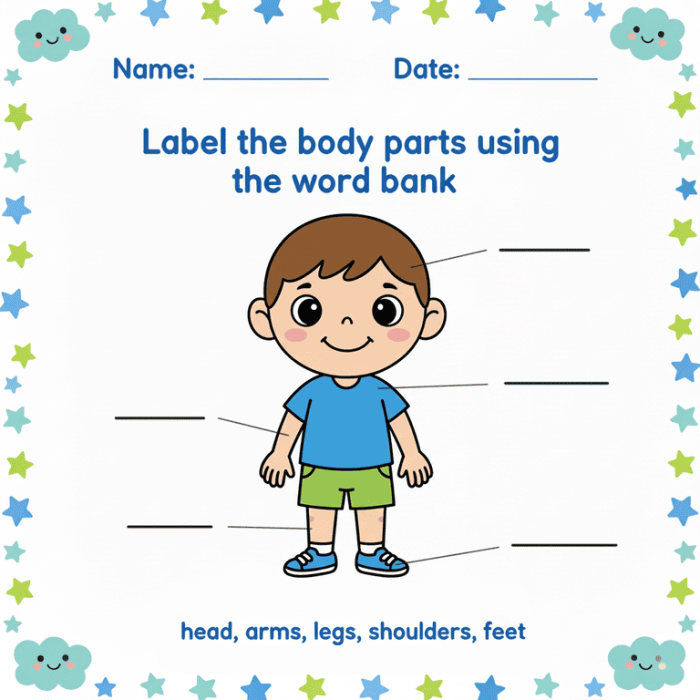
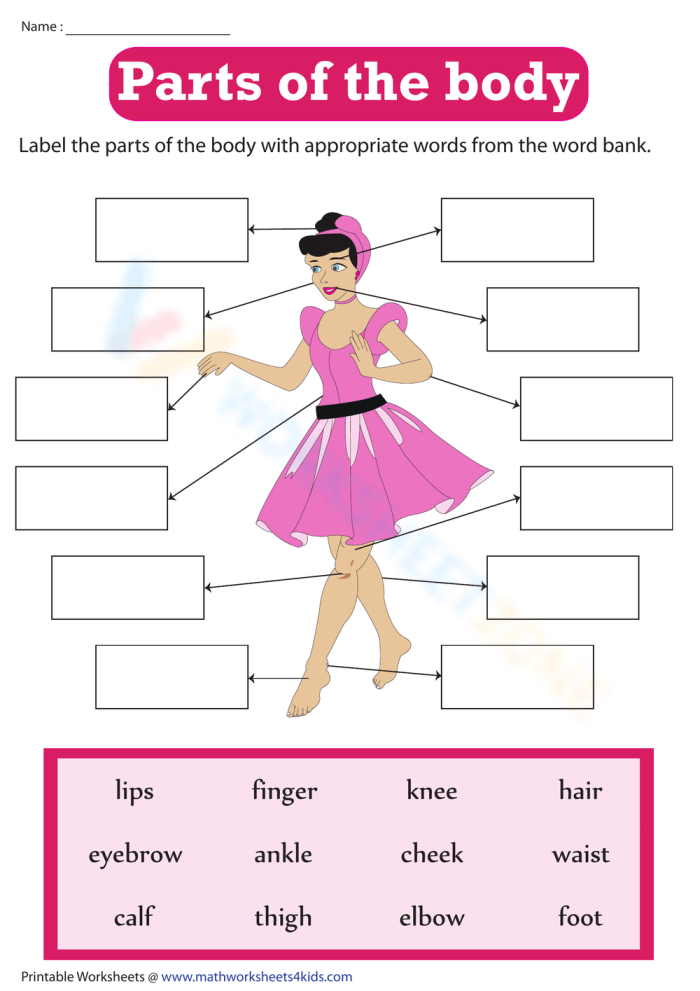
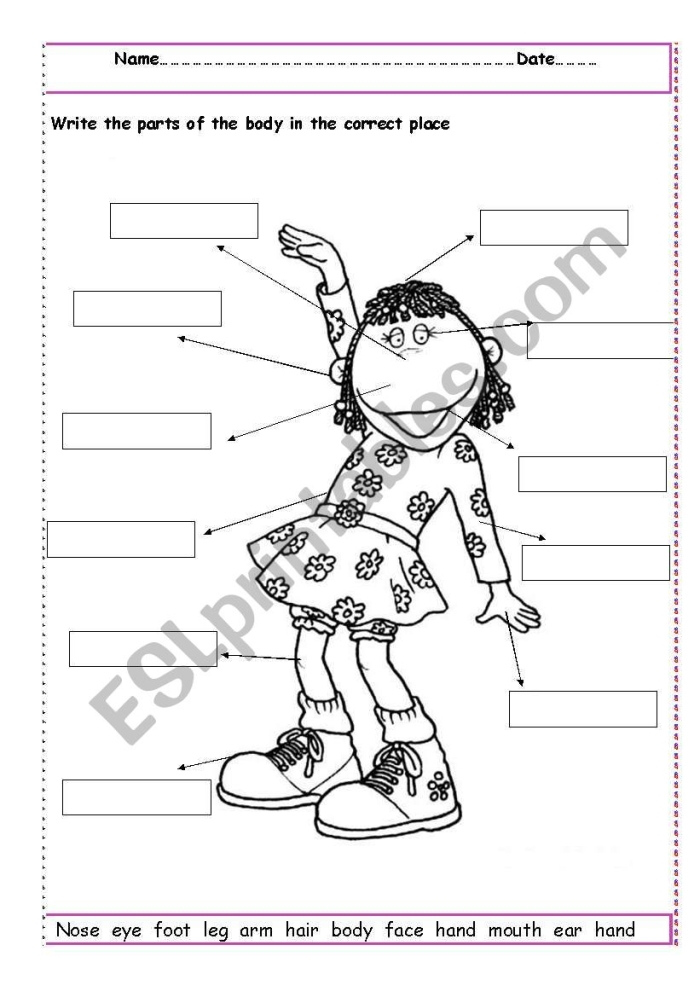
These printable label the body parts worksheets typically include simple illustrations with blank lines where students write or trace the names of different body parts. The vocabulary is usually limited to common terms like head, eyes, arms, legs, and feet, keeping the reading load manageable for emerging readers. Some worksheets incorporate coloring activities alongside the labeling, which helps maintain engagement while developing fine motor control.
Teachers often find that kindergarteners who struggle with traditional reading exercises respond well to this format because they’re motivated by the personal relevance. A child who might resist generic alphabet worksheets will enthusiastically label their own body parts. This same principle applies to other thematic learning activities, such as when students explore colors in Spanish or practice reading through seasonal themes like warm winter words matching activities.
The repetition that comes from completing these worksheets also reinforces both vocabulary and reading fluency. By the time kindergarteners finish labeling their body parts across multiple exercises, they’ve encountered each word numerous times in a low-pressure context, which builds confidence in their emerging reading abilities.
Printable Worksheets for Practice