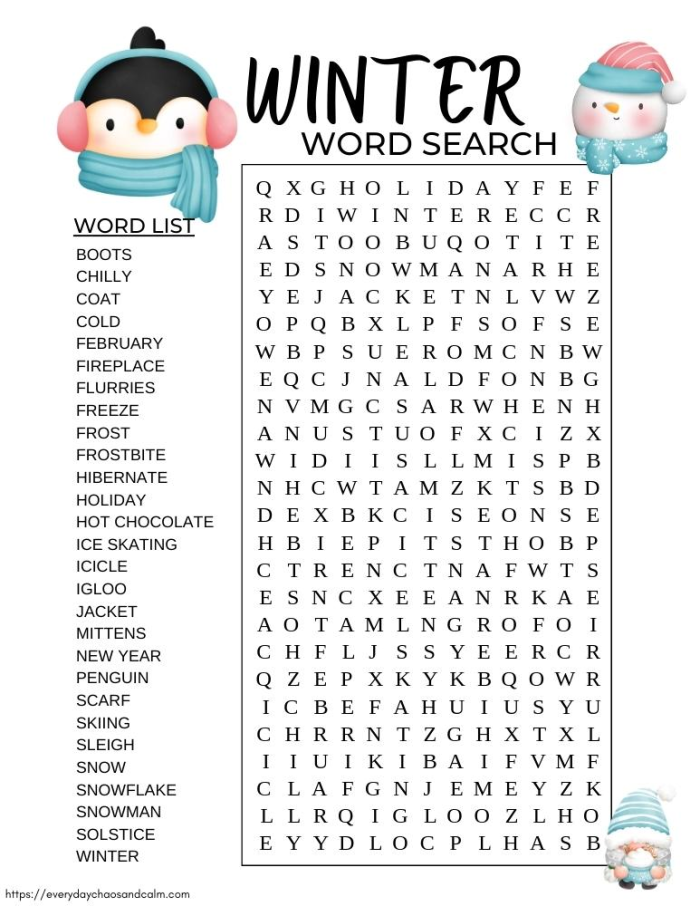
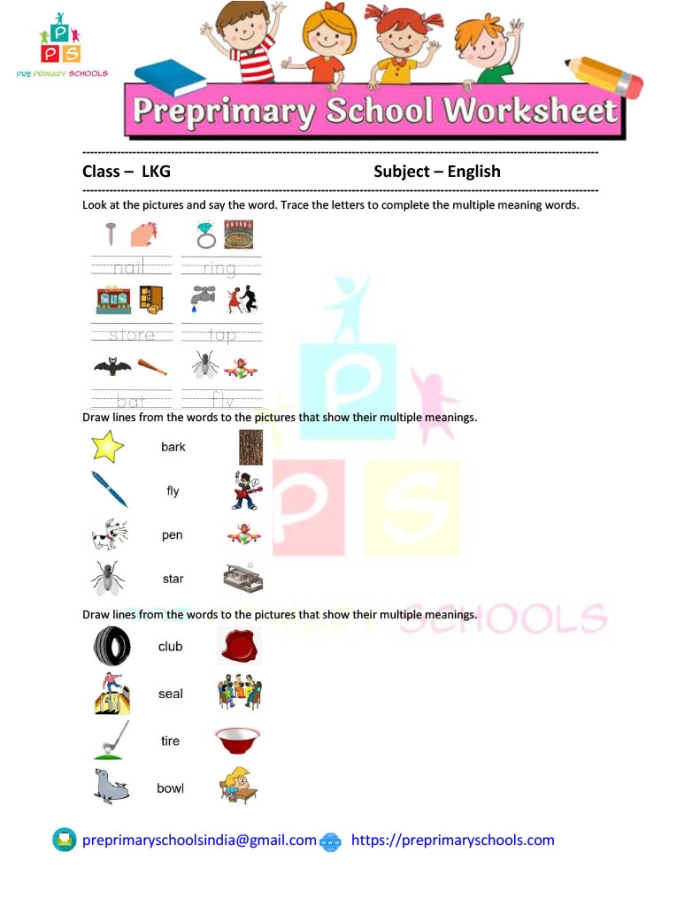
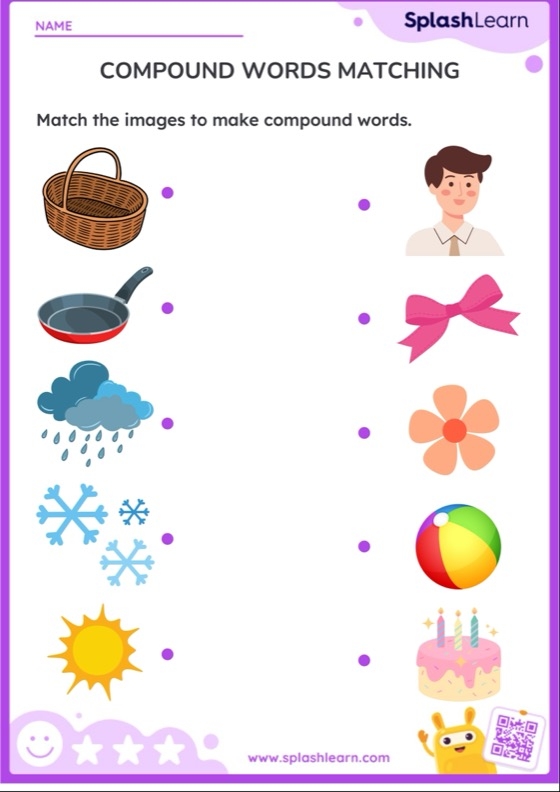
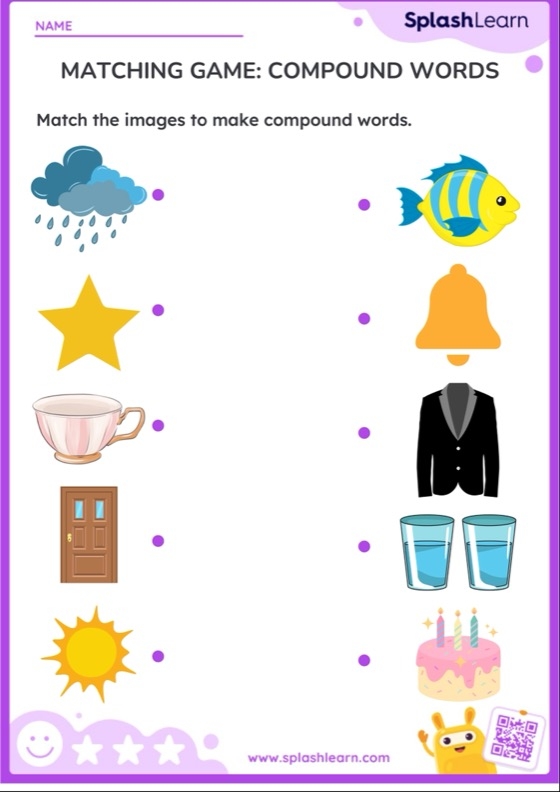
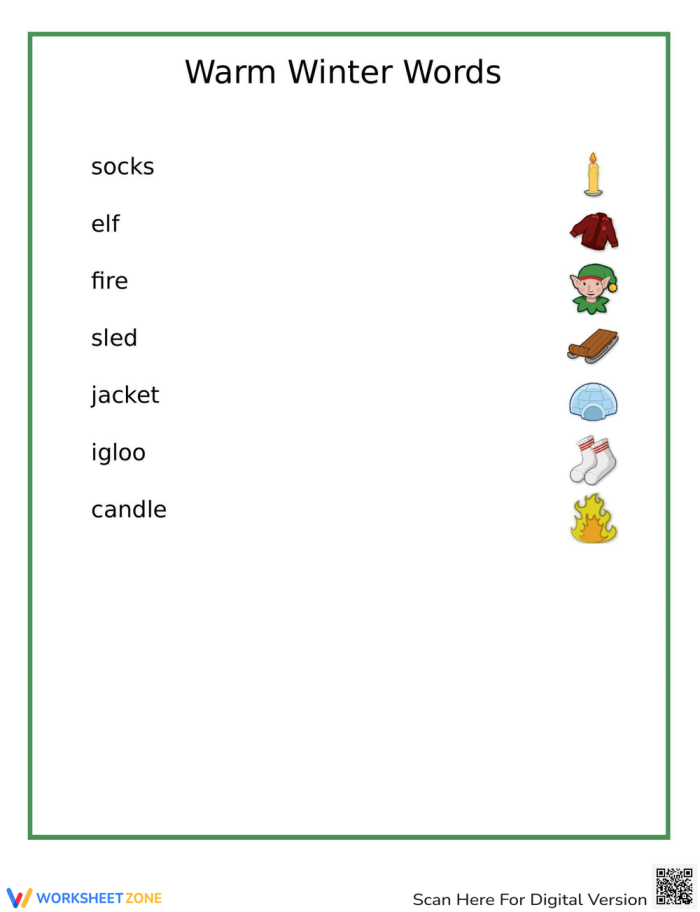
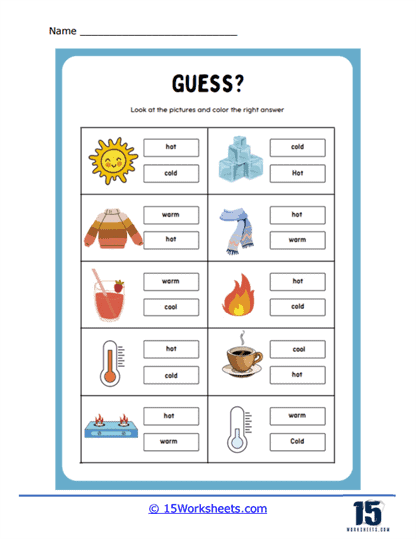
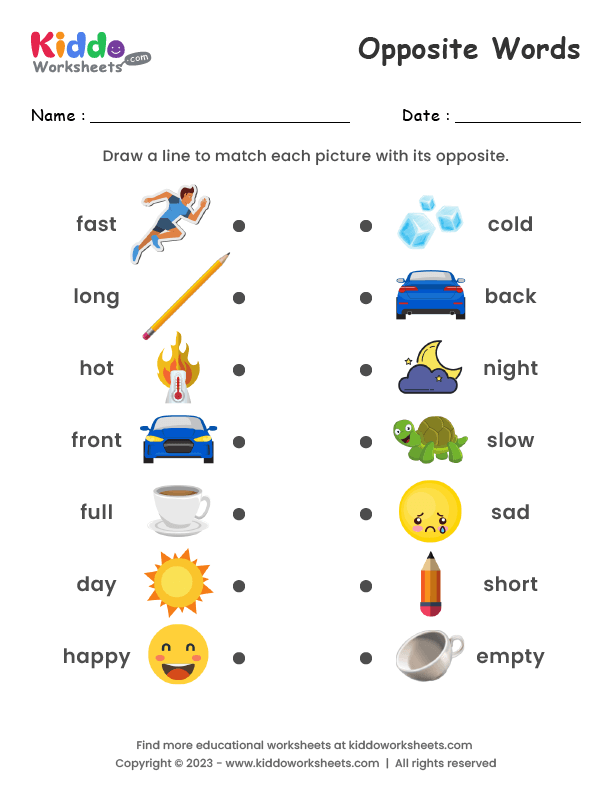
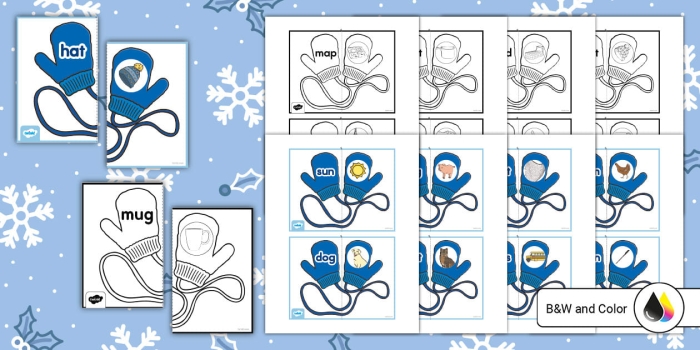
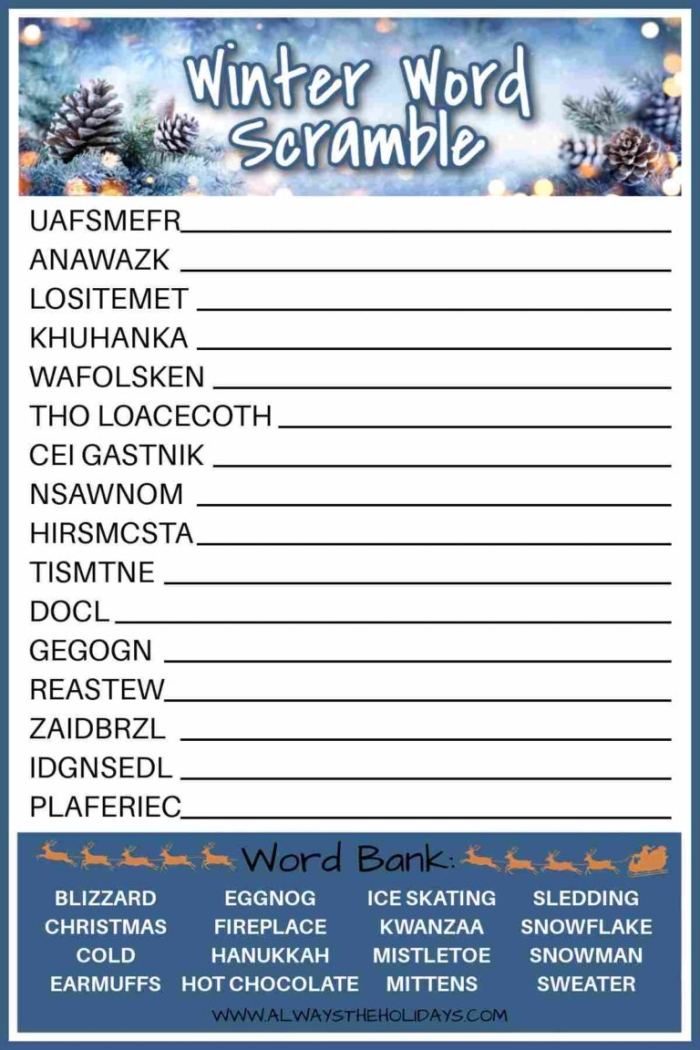
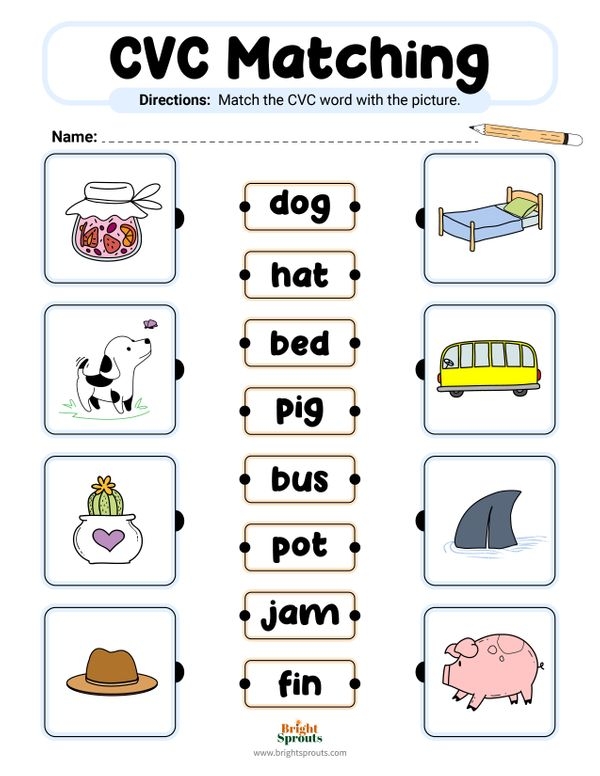
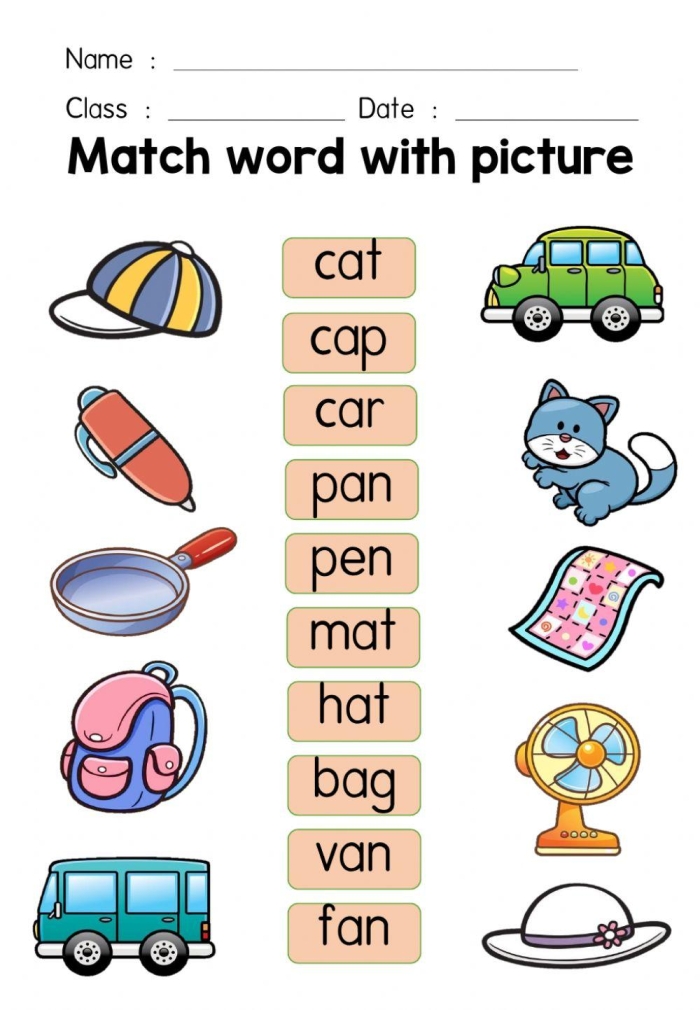
Engaging your kindergarten child in learning can be a delightful experience, especially during the winter months when the world outside transforms into a snowy wonderland. One effective way to nurture their reading skills is by using themed worksheets that combine fun visuals with educational content. A great resource for this is a worksheet designed to help children identify words associated with winter pictures.
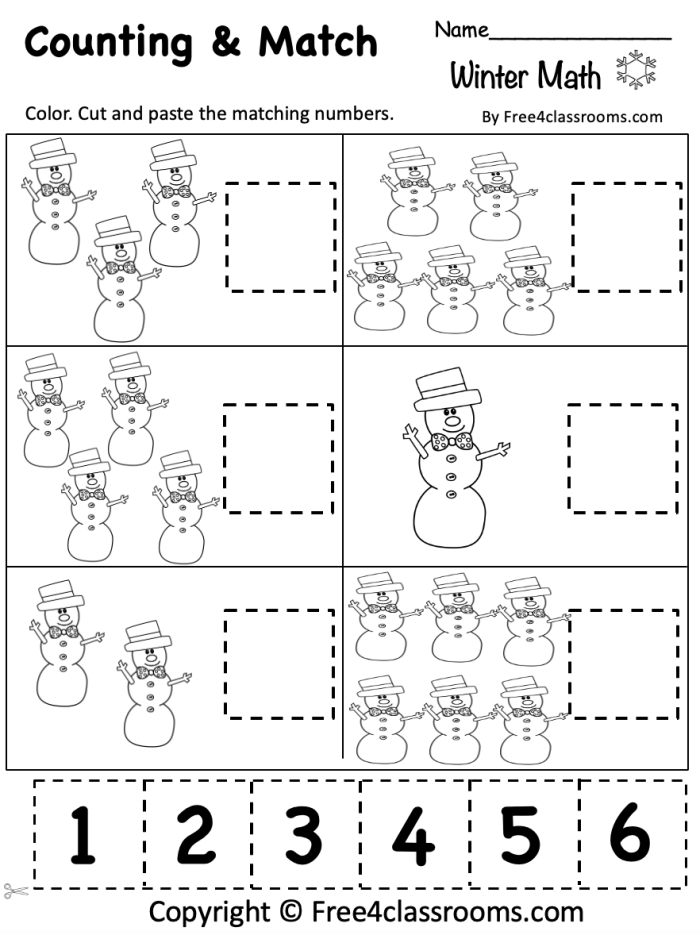
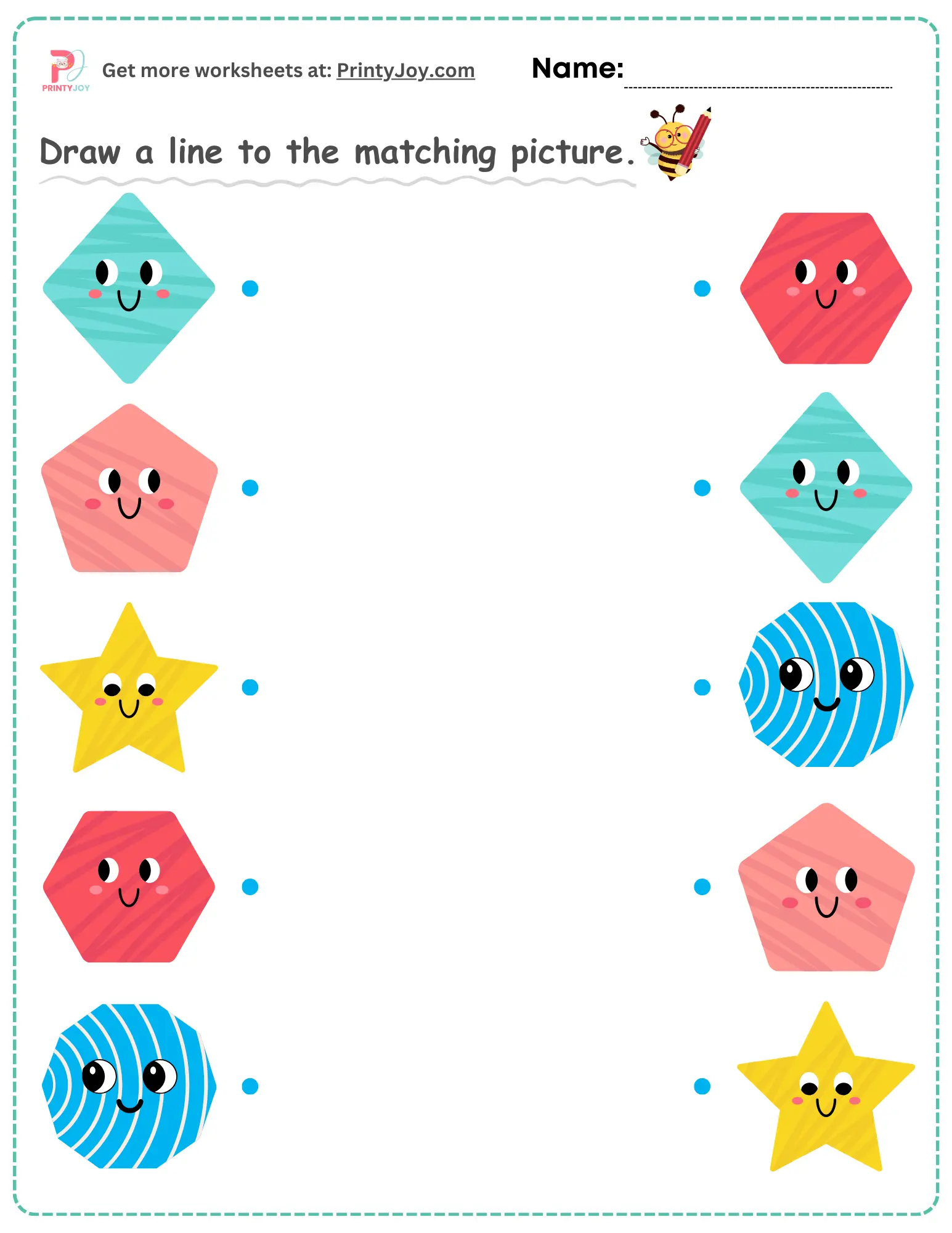
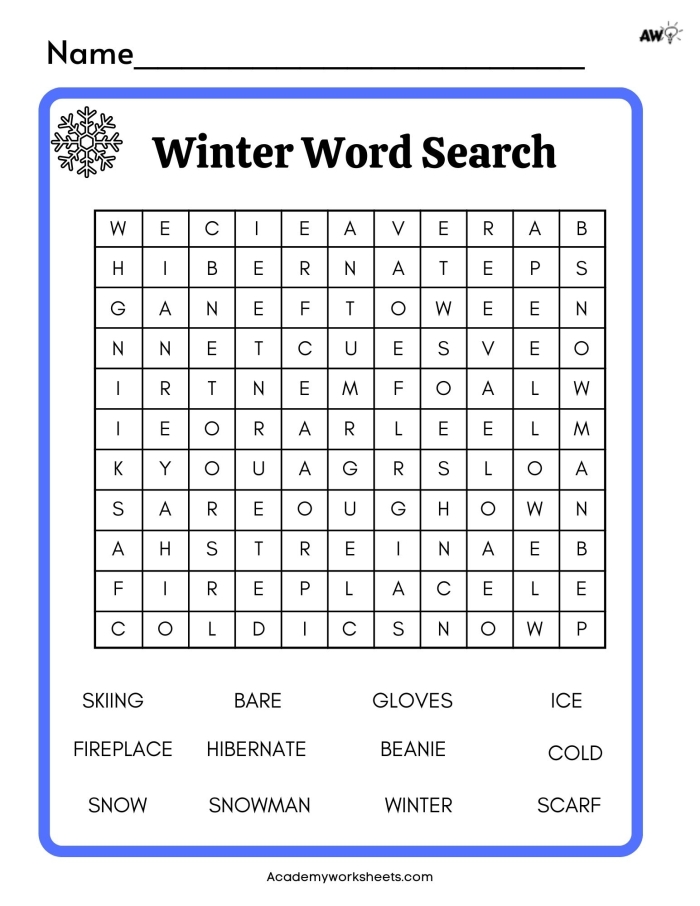
These worksheets often feature delightful images such as snowmen, sleds, and mittens. Each picture serves as a visual cue that can help your child connect the image with the corresponding word. For instance, when they see a picture of a snowflake, they can learn to associate that image with the word “snow.” This method not only builds vocabulary but also enhances their ability to recognize words through contextual clues. By engaging with these visuals, children are more likely to remember the words they are learning.
Incorporating this kind of learning into your routine can be both easy and enjoyable. Set aside a few minutes each day to work on the worksheet together. Ask your child to point out the pictures first, then encourage them to say the words out loud. This practice can boost their confidence in reading and help them develop a love for learning. If you’re looking for more resources, consider browsing through Warm Winter Words: Matching Worksheets for additional engaging activities.
Furthermore, you might find it helpful to discuss the pictures beyond just naming them. Ask your child questions like, “What do we do with a sled?” or “How does snow feel?” This encourages them to think critically and express their thoughts, which further develops their language skills. The blend of visual aids and conversation creates a rich learning environment that fosters curiosity and understanding.
As winter progresses, keep the learning momentum going. Find various winter-themed activities that can complement these worksheets. By making reading a part of your daily winter routine, you can help your child thrive in their educational journey.
Worksheet Practice Section