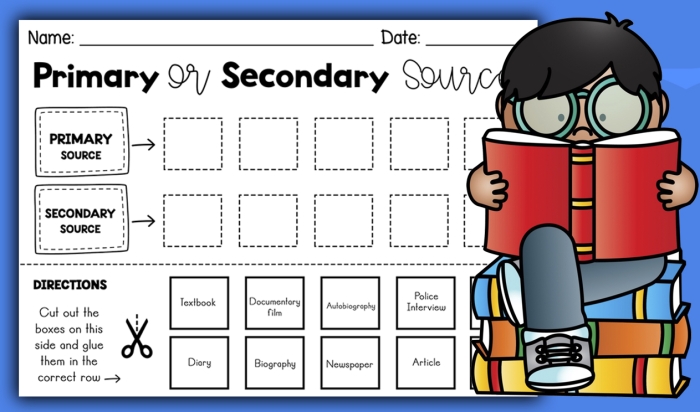
Understanding the difference between primary and secondary sources forms the foundation of solid historical research and critical thinking. When sixth graders learn to distinguish between these two types of sources, they develop skills that extend far beyond the social studies classroom into every subject they study.
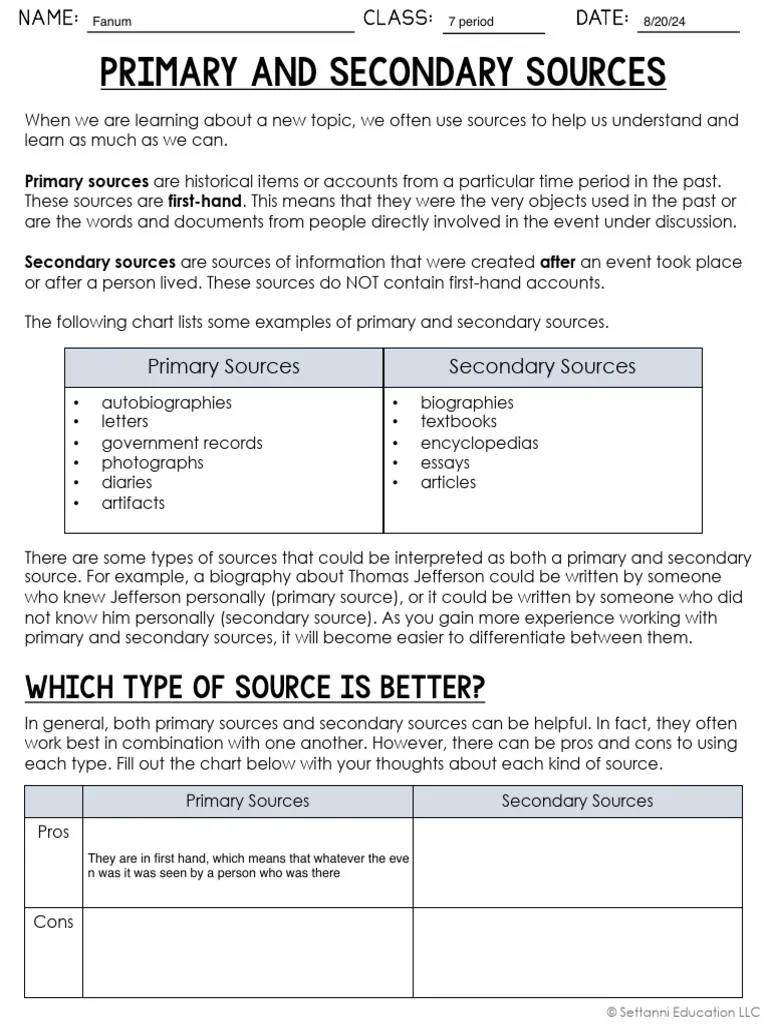
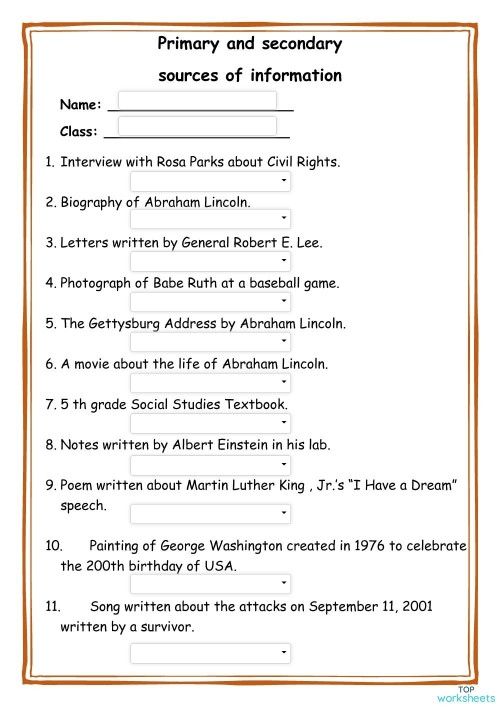
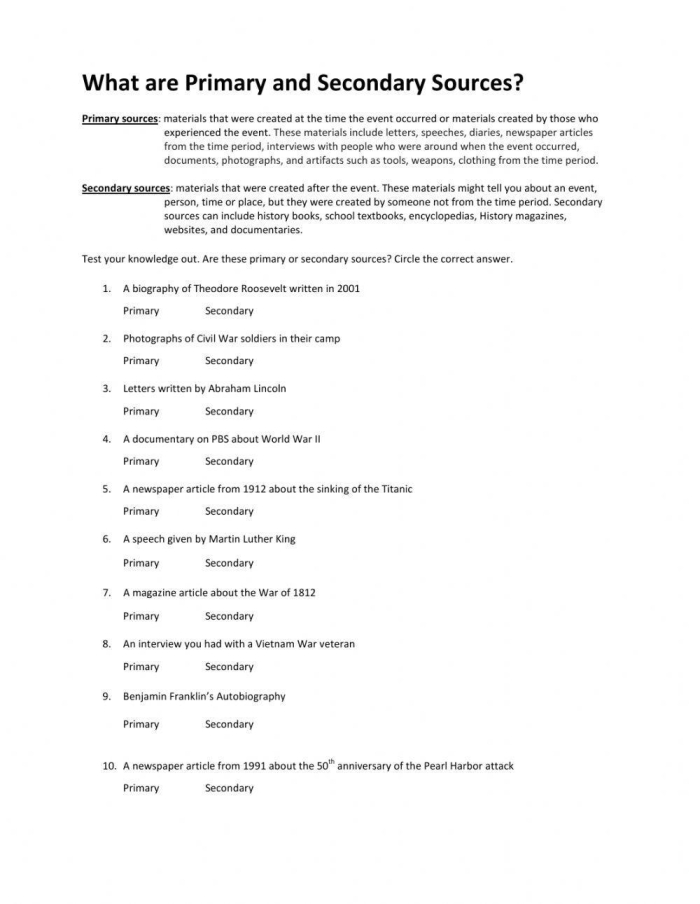
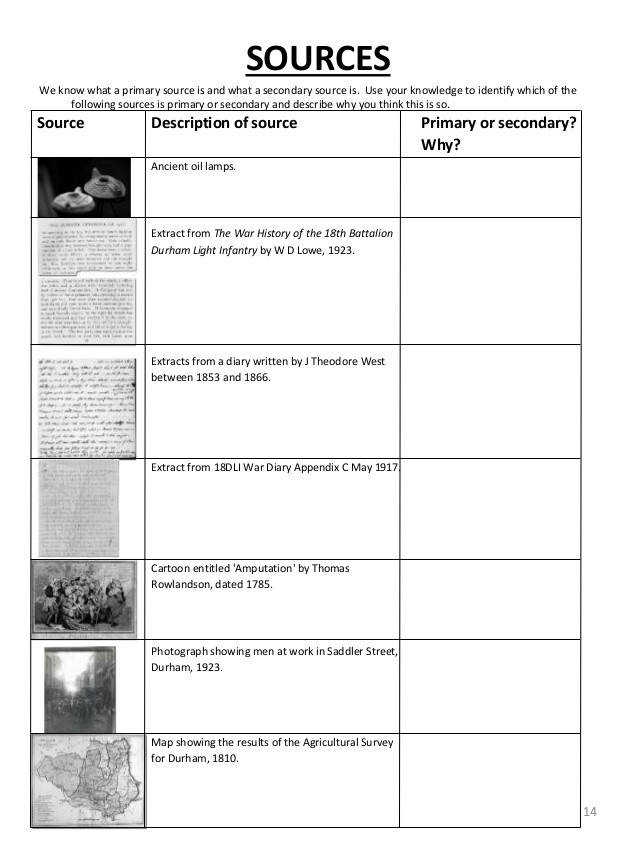
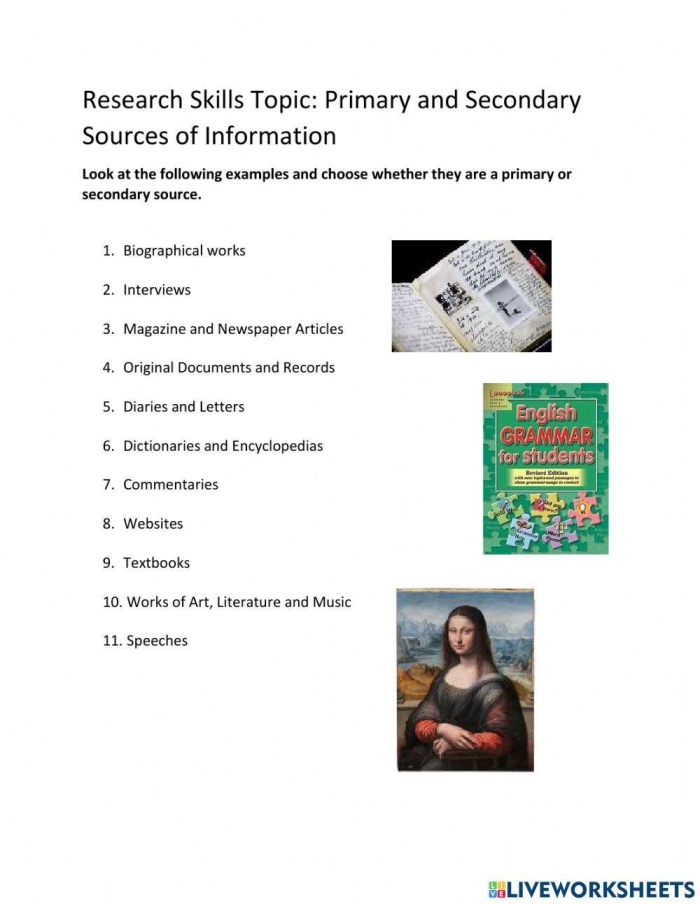
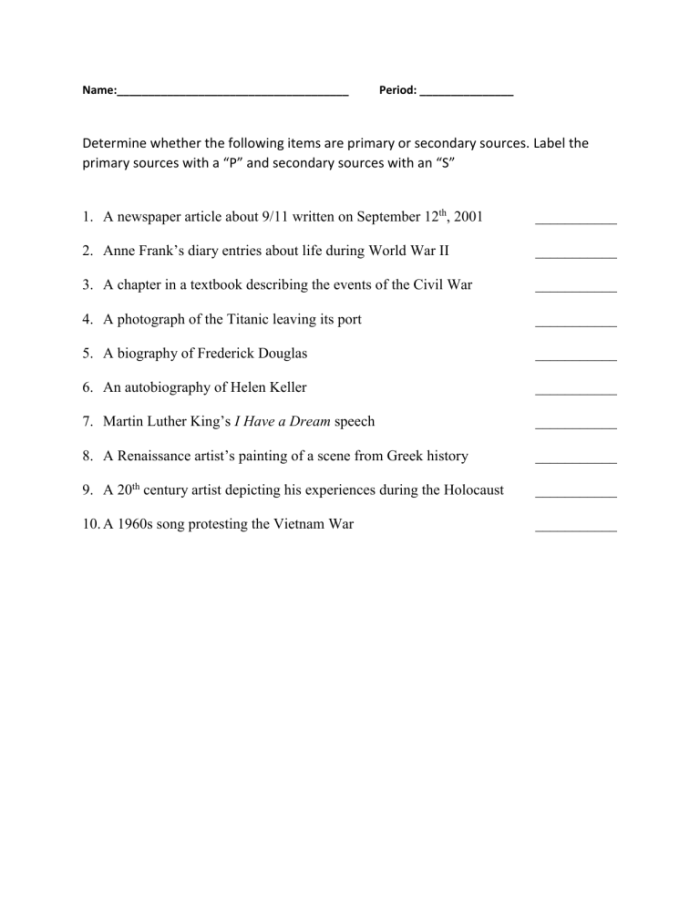
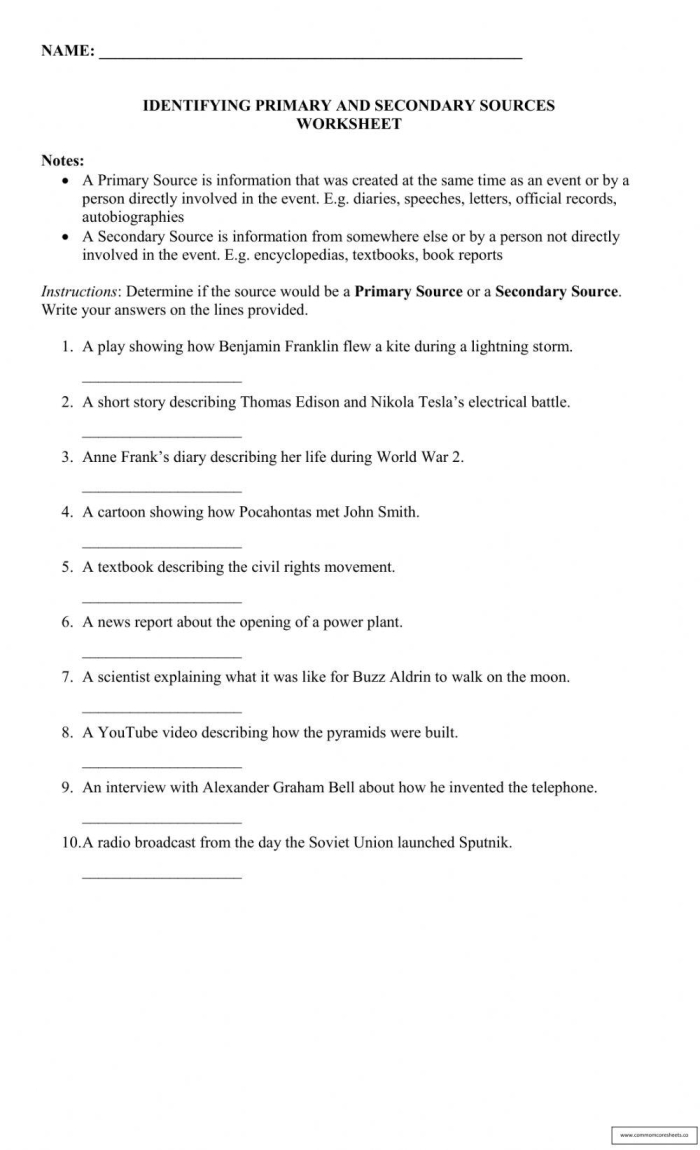
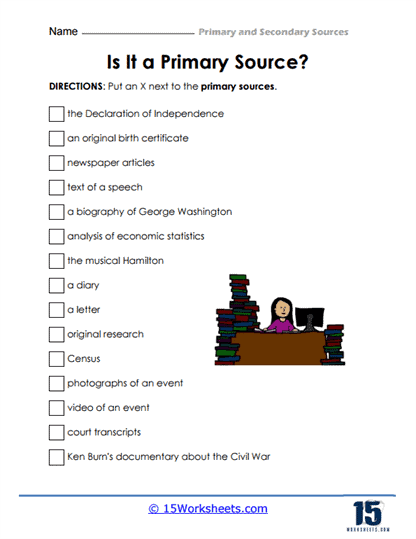
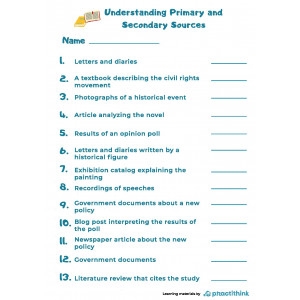
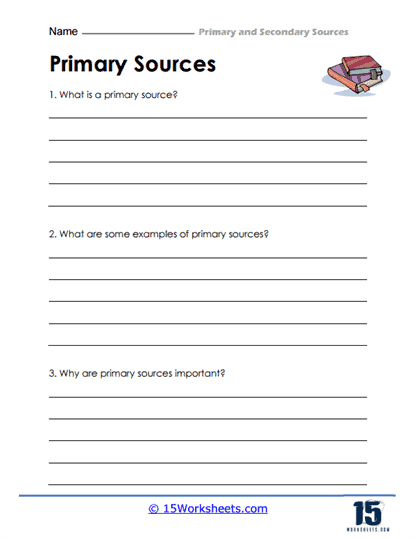
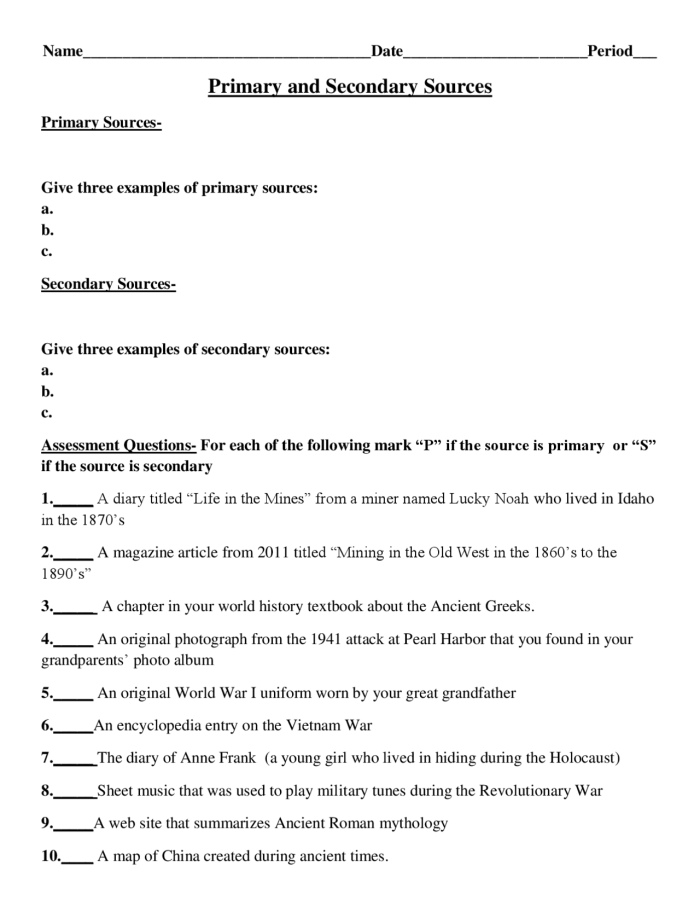
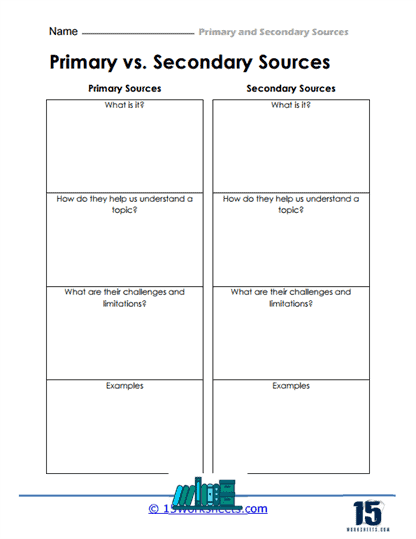
A primary source is original material created during the time period being studied. This includes letters, diaries, photographs, speeches, government documents, and artifacts. When a student reads a letter written by a Civil War soldier or examines a photograph from the 1920s, they’re working directly with primary sources. These materials offer firsthand accounts and authentic perspectives that cannot be replicated.
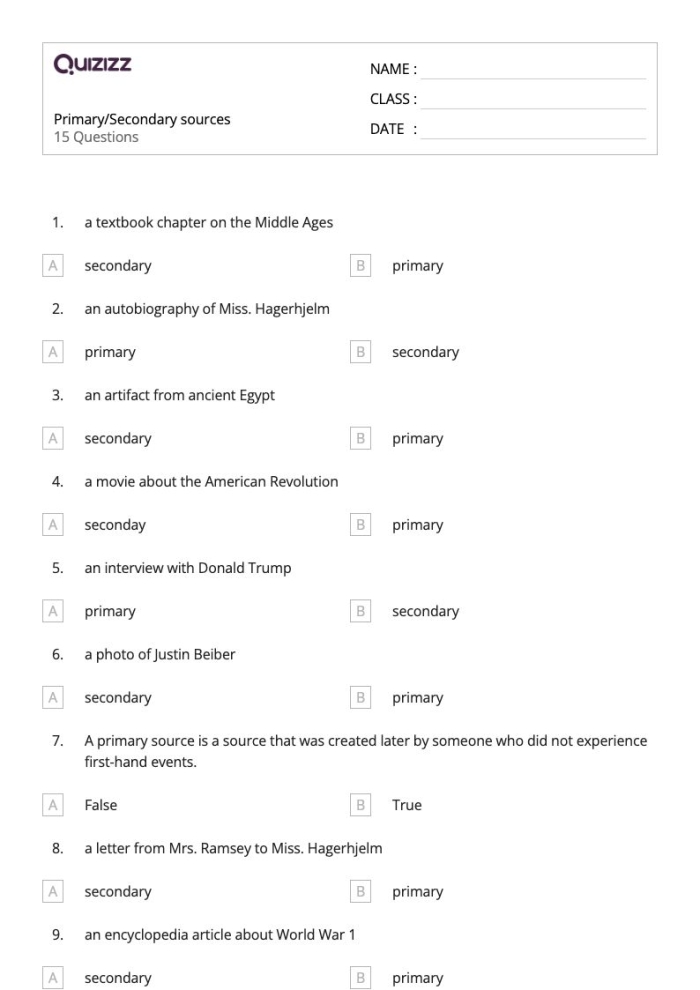
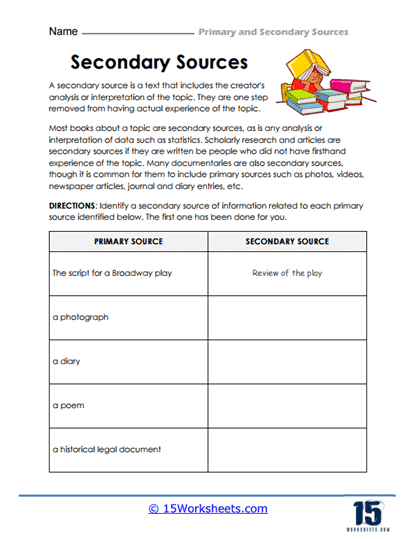
Secondary sources, by contrast, are materials created after the fact by someone who did not witness the events themselves. Textbooks, history books, documentaries, and encyclopedia entries all qualify as secondary sources. These resources synthesize and interpret information from primary sources, helping students understand broader contexts and expert analysis.
The practical difference matters tremendously. Primary sources can be biased or incomplete because they reflect one person’s perspective at a specific moment. Secondary sources provide broader interpretation but may distance readers from the actual events. Sixth graders benefit from working with both types when drafting outlines for informational writing or studying topics like governments in ancient Greece.
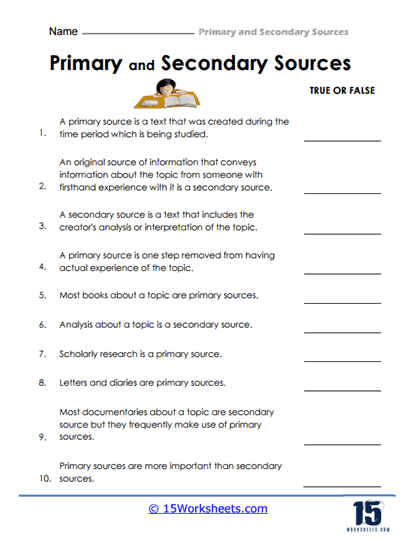
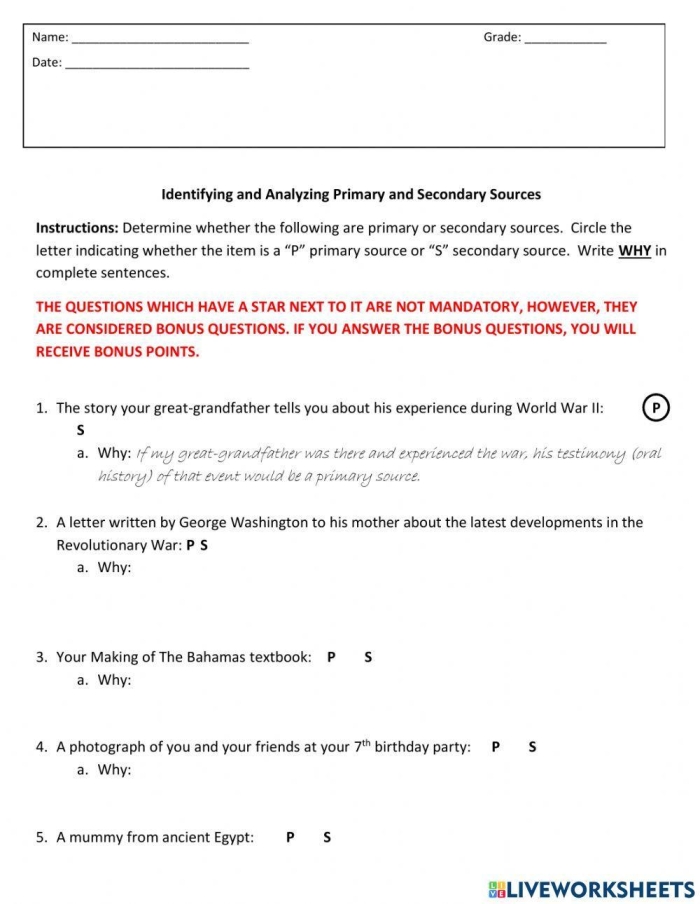
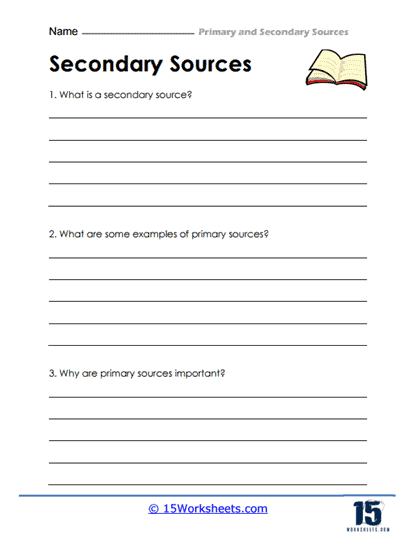
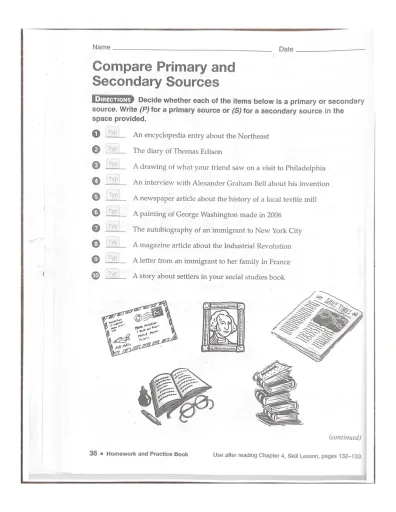
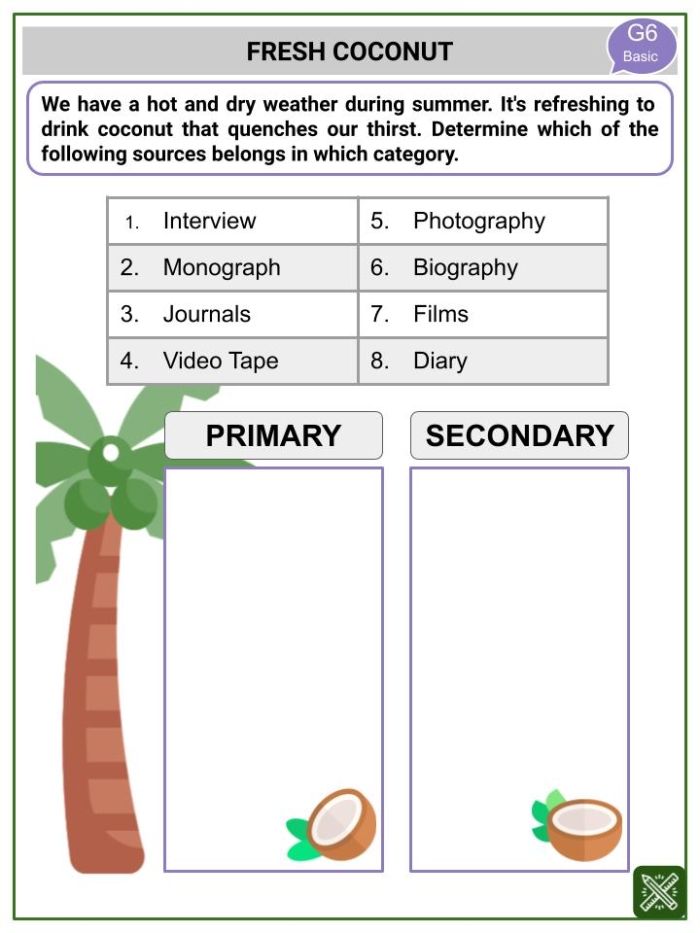
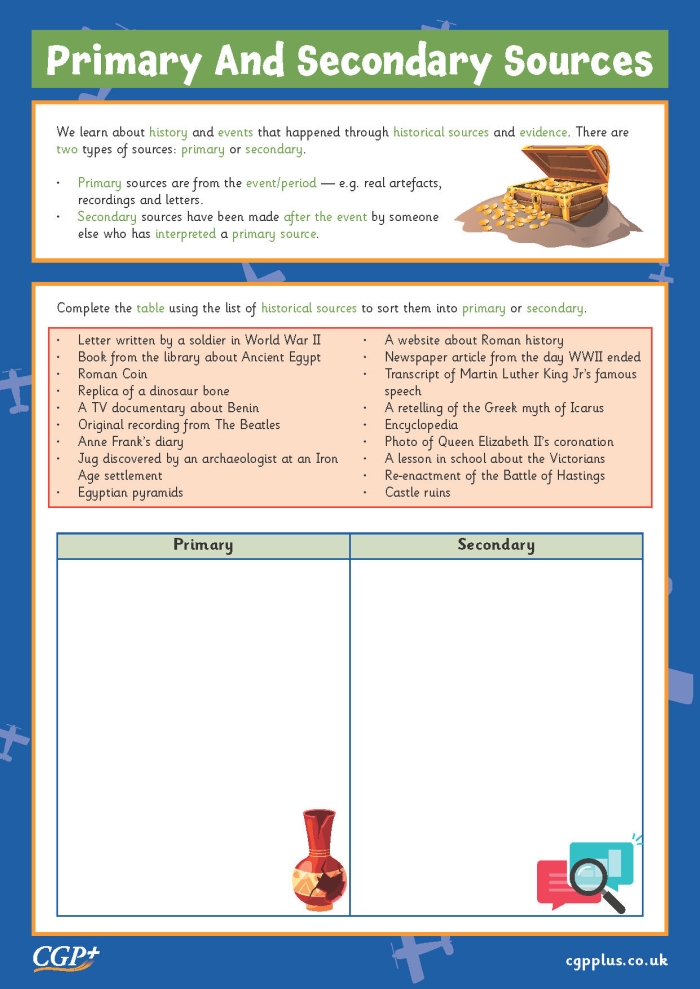
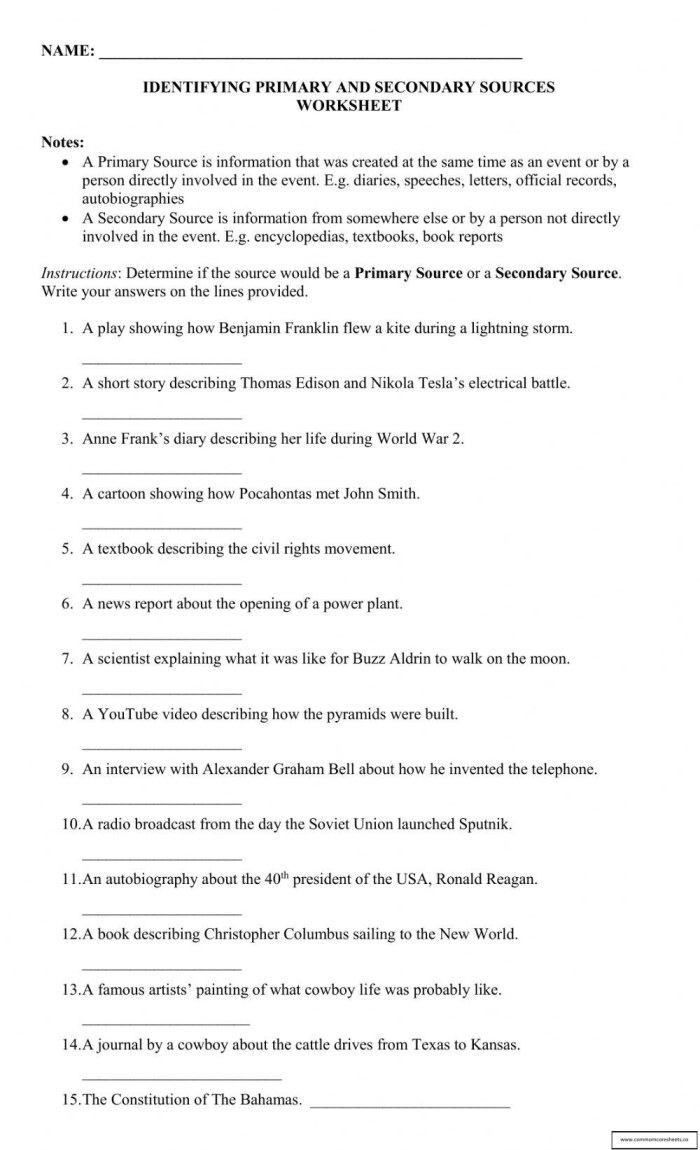
A well-designed worksheet helps students practice this skill through concrete examples. Students might examine a diary entry alongside a history book chapter about the same event, then answer questions about which source provides firsthand experience and which offers analysis. This hands-on approach builds confidence in evaluating sources and understanding how historical knowledge is constructed.
Using these worksheets alongside other sixth-grade activities, such as identifying Earth’s seasons through models or working with ratios in mathematics, reinforces the importance of using reliable information sources across disciplines.
Start Practicing with These Worksheets