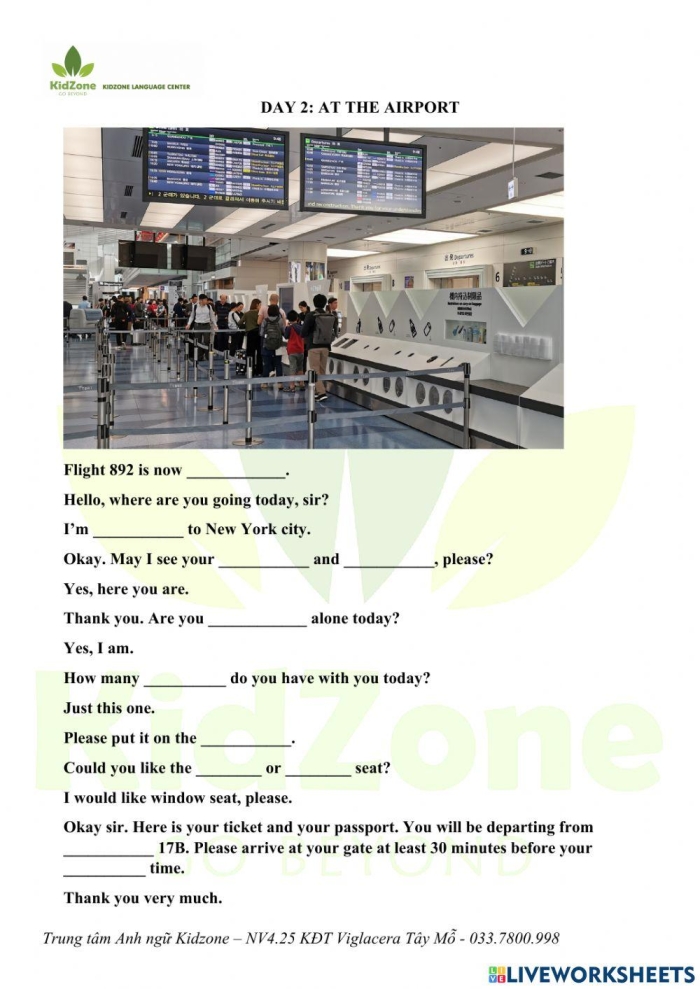
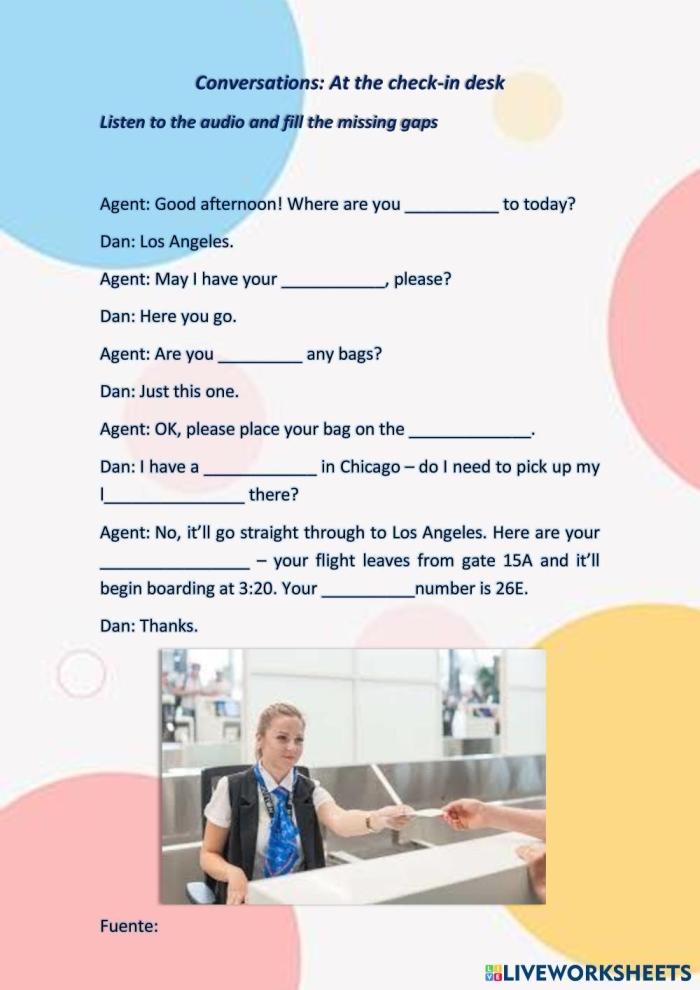
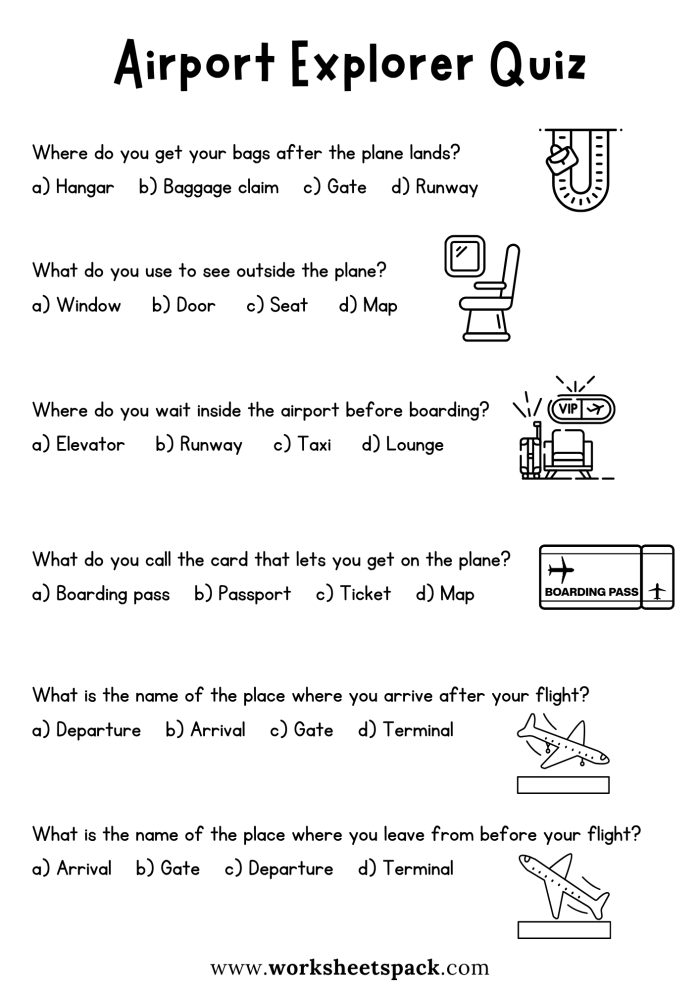
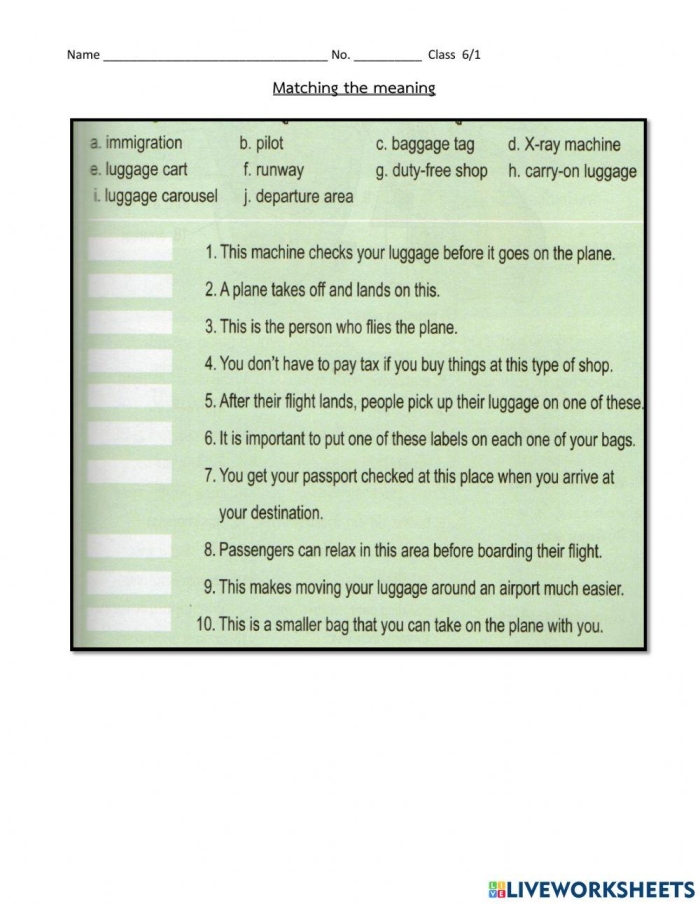
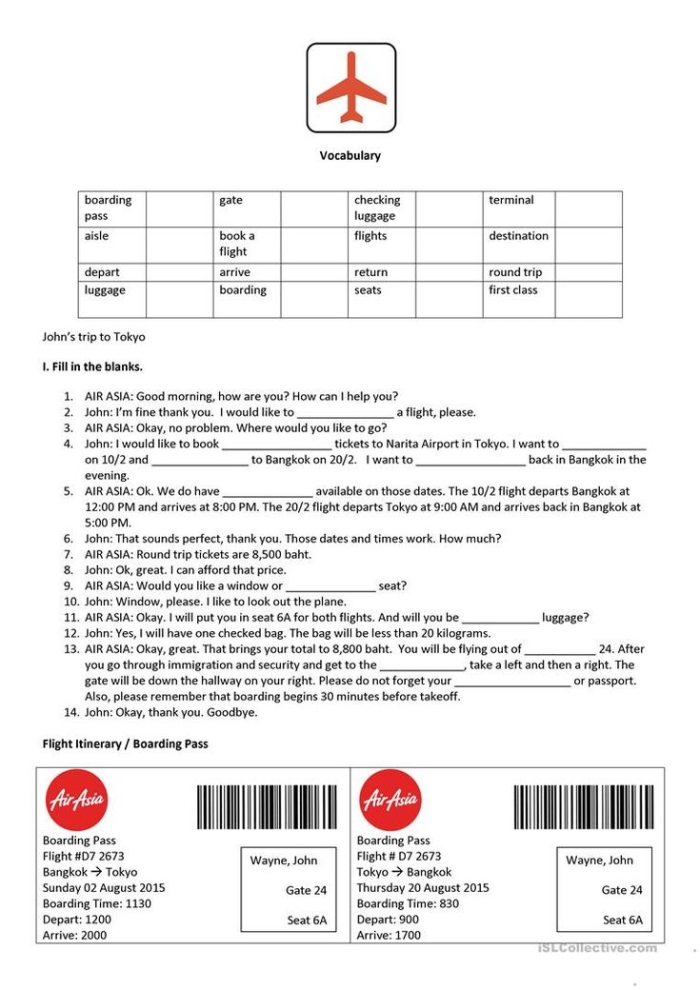
Flight schedules offer a surprisingly practical way to teach fourth grade students how math works in real life. When you hand a child a worksheet showing departure and arrival times, gate numbers, and passenger counts, suddenly math stops being abstract numbers on a page and becomes a tool for solving actual problems.
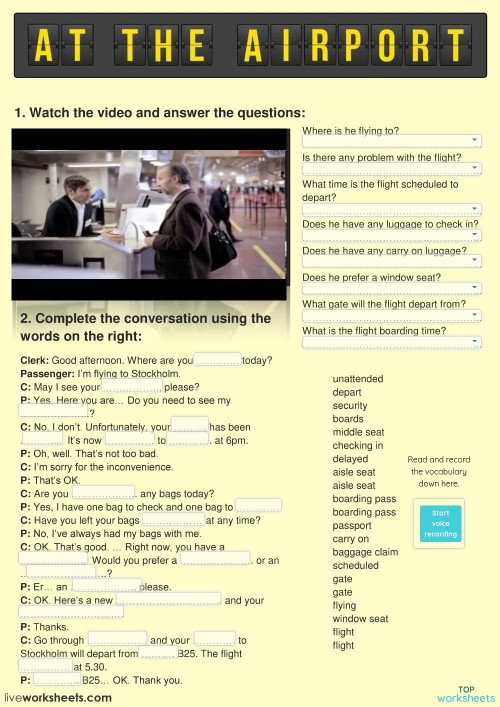
The beauty of using airport schedules in word problems is that kids encounter genuine scenarios they understand. A student might need to figure out how long a flight takes by subtracting the departure time from the arrival time. Another problem could ask them to calculate how many seats remain empty if a plane holds 180 passengers and 156 are boarding. These aren’t contrived situations, they’re the kinds of questions that make sense when you’re looking at a real flight schedule.
For fourth graders working through word families and mathematical reasoning together, airport-themed worksheets create natural connections between reading comprehension and number skills. Students must read the schedule carefully, identify the relevant information, and then apply the correct operation. This layered approach strengthens both literacy and math abilities simultaneously.
What makes these worksheets particularly effective is that they teach time management concepts early. Understanding elapsed time becomes less intimidating when framed around something concrete like a flight from one city to another. Students learn to work with the 12-hour clock format, add and subtract hours and minutes, and think sequentially about schedules.
You can create variations that increase in difficulty. Younger fourth graders might work with simple subtraction to find flight duration, while more advanced students could handle problems involving multiple flights, layovers, or calculating total travel time across different time zones. The printable airport schedule worksheets format makes it easy to differentiate instruction for mixed-ability classrooms.
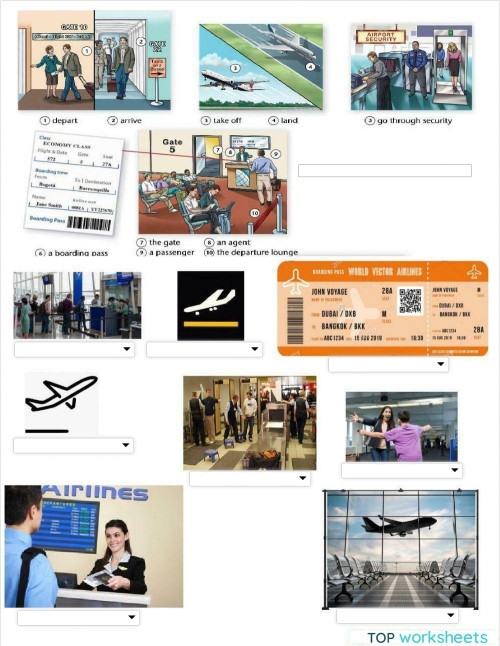
Beyond the math itself, these exercises build practical life skills. When children eventually travel, they’ll already understand how to read a departure board and calculate whether they have enough time between connections. That’s learning that extends far beyond the classroom.
Similar contextual approaches work well with other topics. You might explore two-digit multiplication practice through everyday scenarios, or integrate measurement activities into practical projects. The principle remains the same: real-world contexts make abstract skills stick.
Start Practicing with These Worksheets