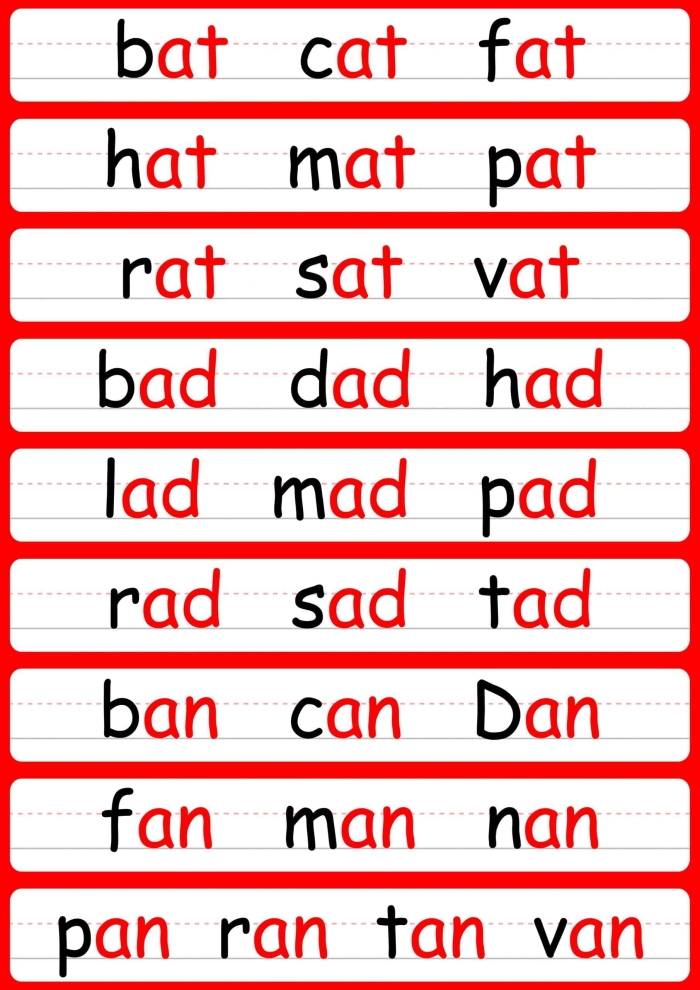
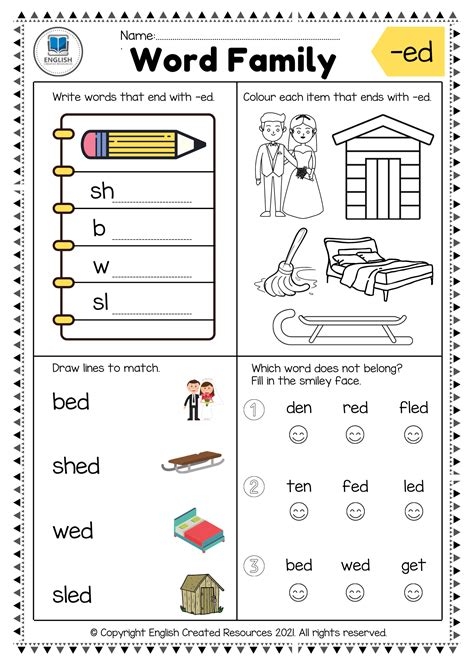
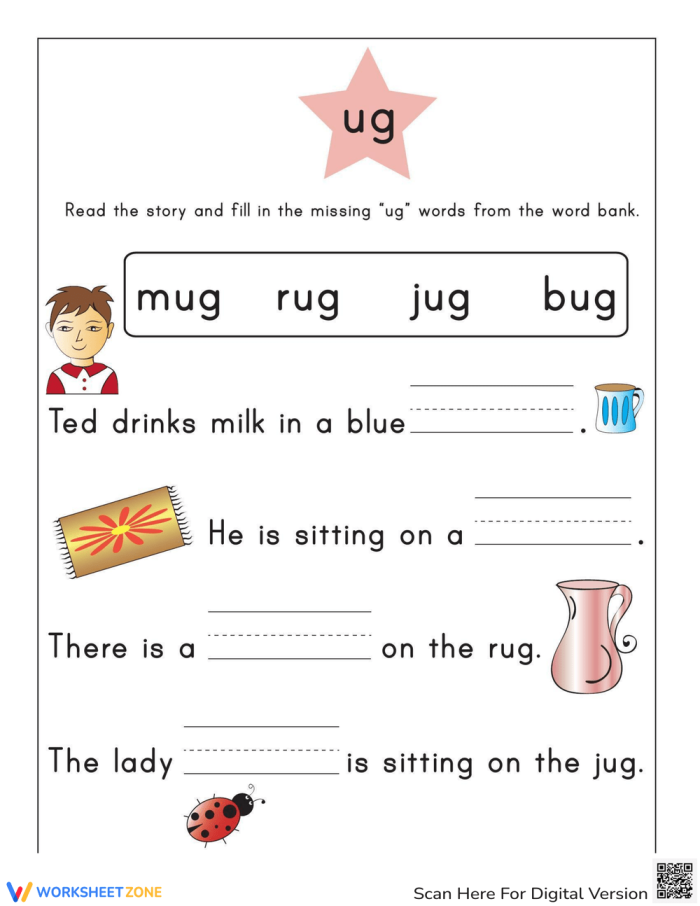
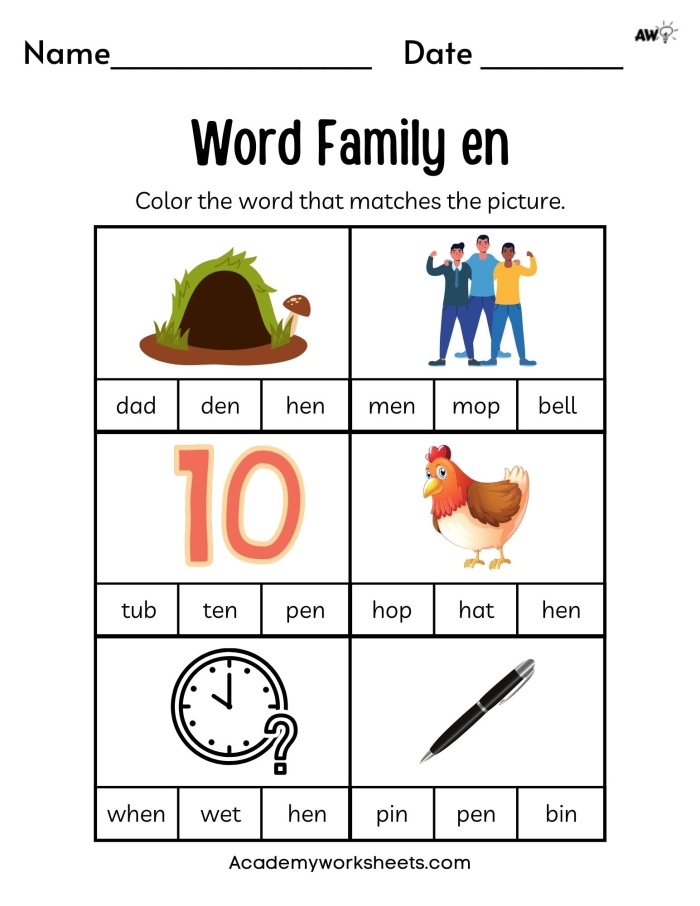
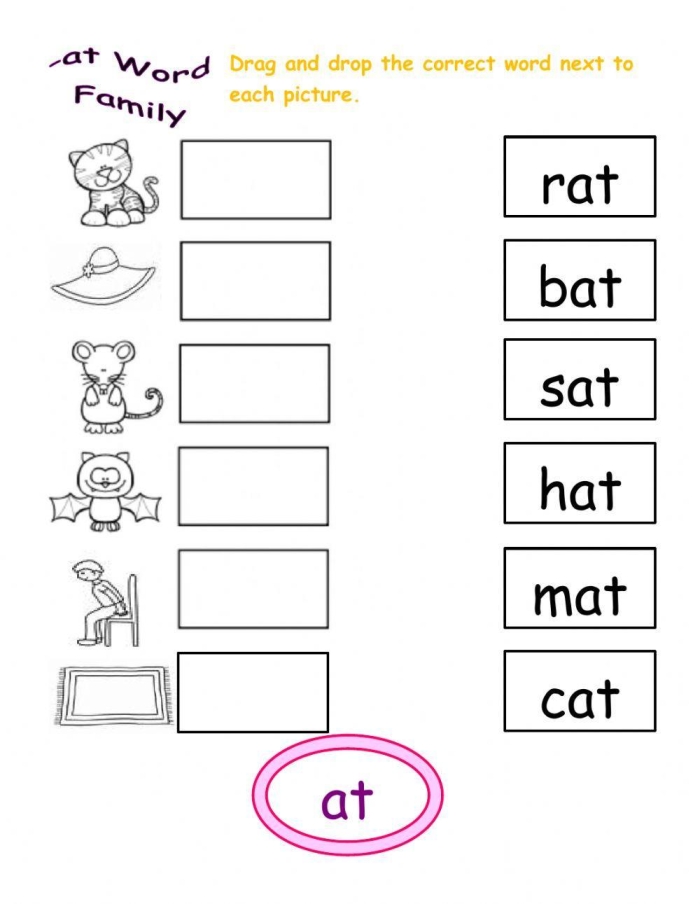
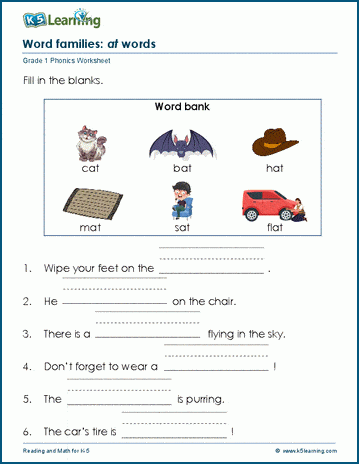
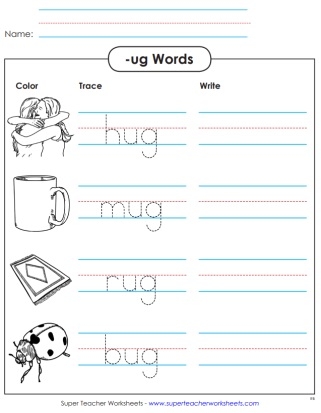
Teaching word families to kindergarteners works best when children can see the words in action rather than just memorizing lists. One of the most effective ways to make “-an” words stick is to weave them into a simple story that kids can follow and remember.
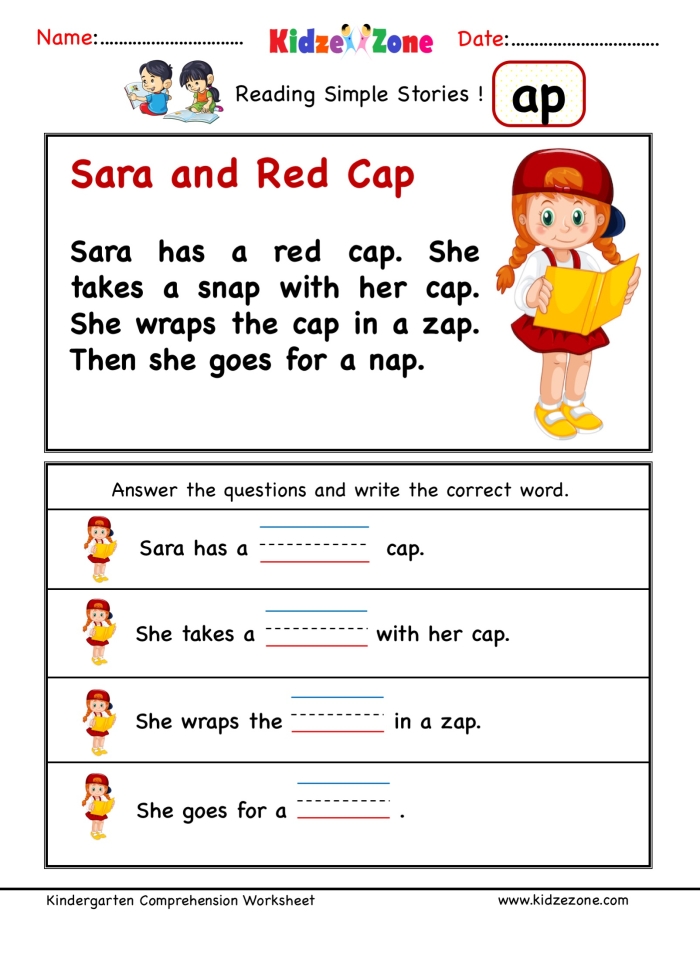
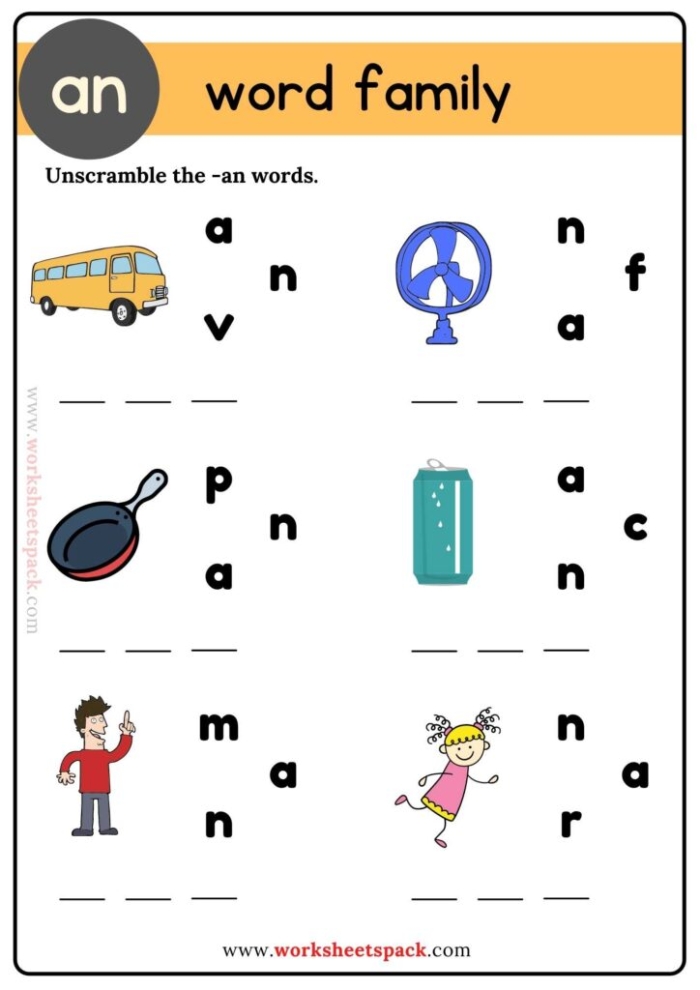
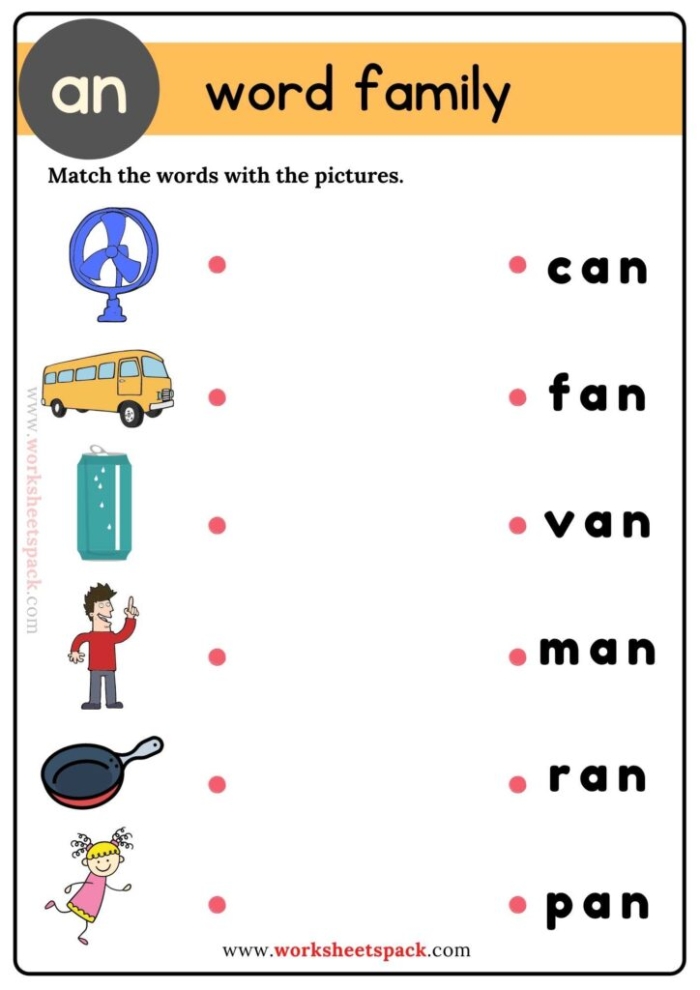
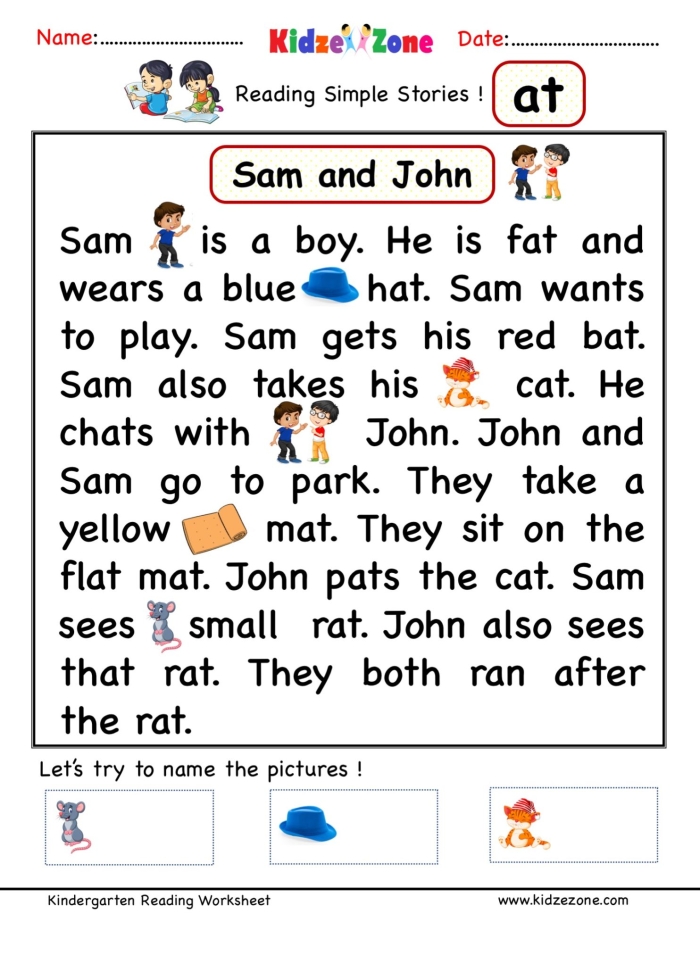
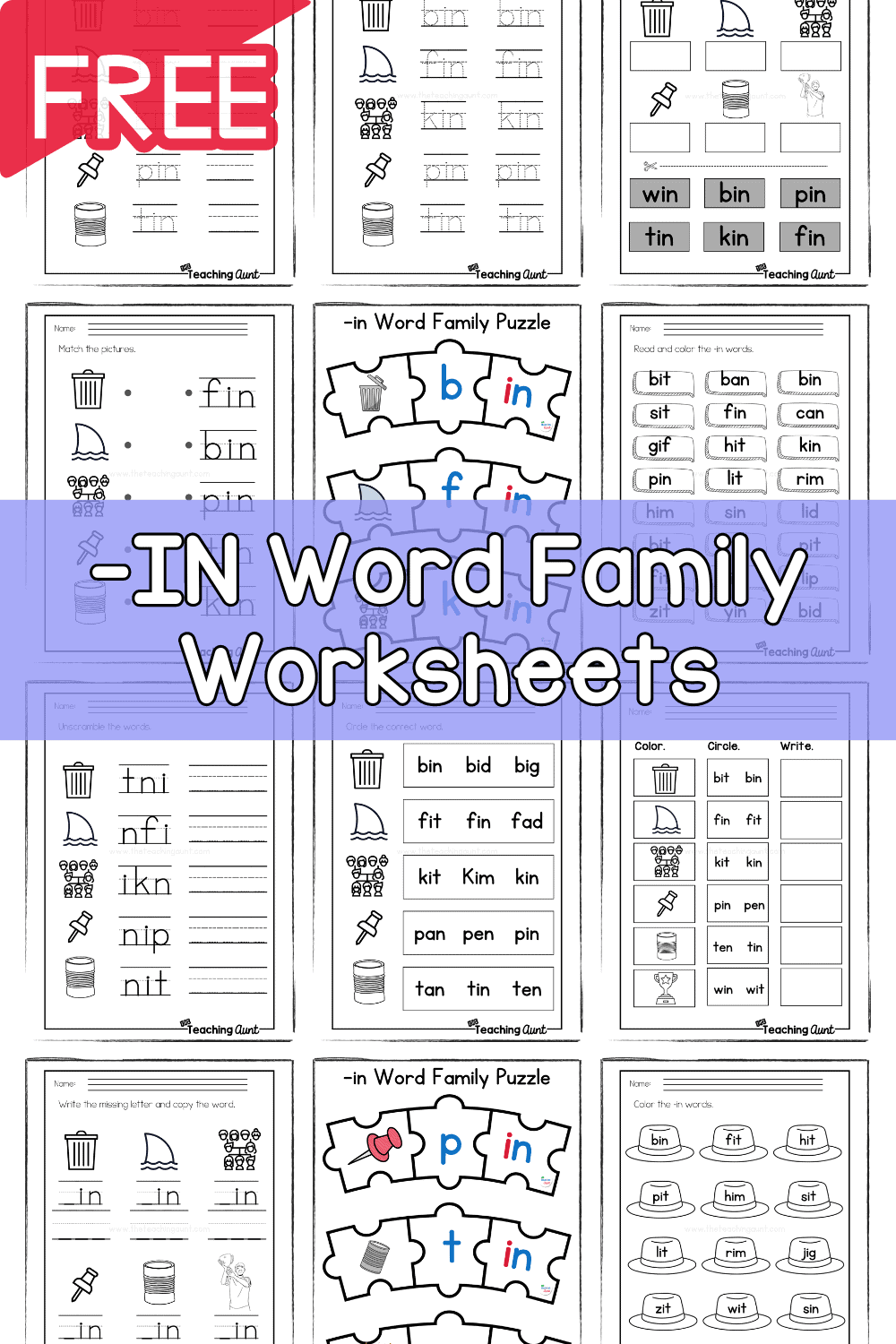
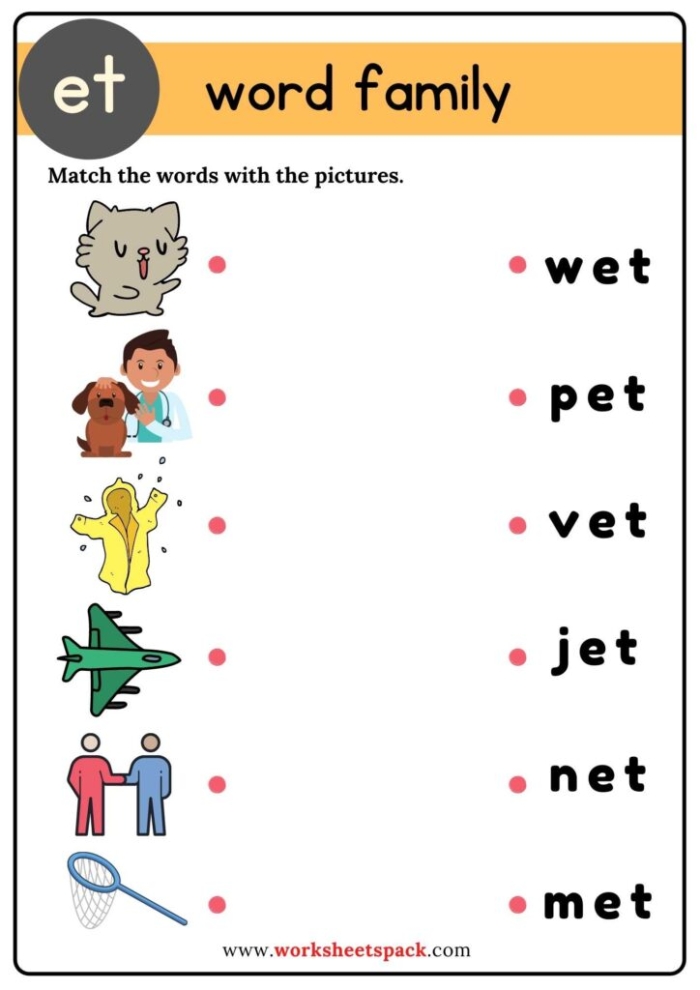
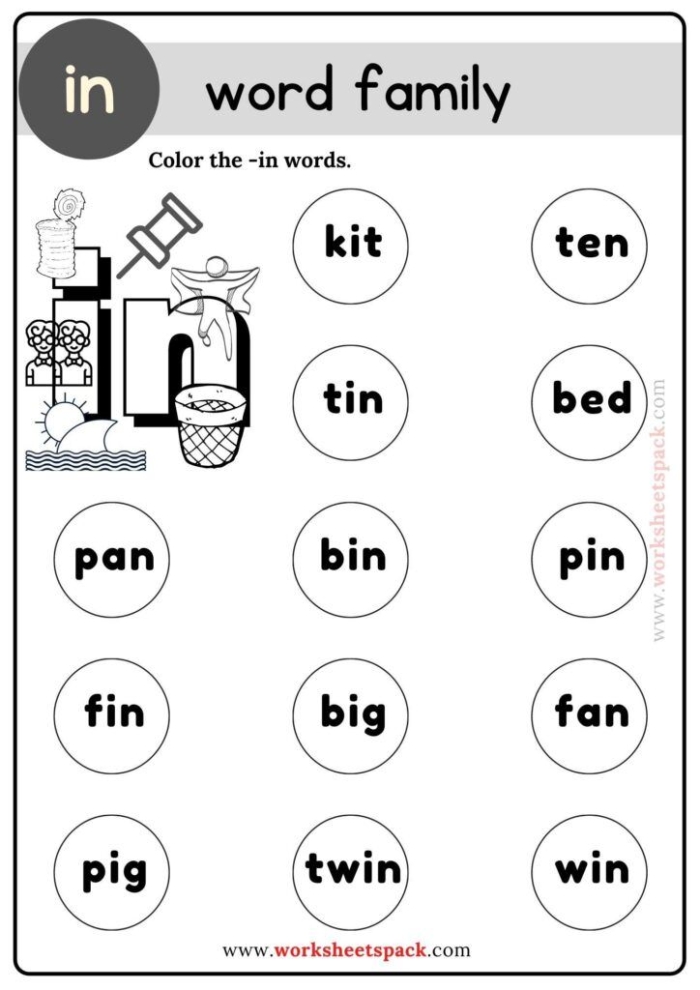
This worksheet approach takes four common words ending in “-an” and places them within a narrative context. When children encounter “can,” “man,” “pan,” and “ran” as part of a connected story, they start recognizing the pattern naturally. Instead of drilling isolated words, they see how these words function in real sentences and how they relate to each other through their shared ending.
The power of this method lies in how the brain processes language. Kindergarteners learn through context and repetition within meaningful situations. A story gives that context. When a child reads about a man who ran to get a pan from the can, the “-an” sound reinforces itself multiple times without feeling like a lesson.
You can enhance this activity by pairing it with other learning resources. Using a visual alphabet chart helps children connect letters to sounds, while interactive dot-to-dot activities keep their fine motor skills engaged alongside phonics practice.
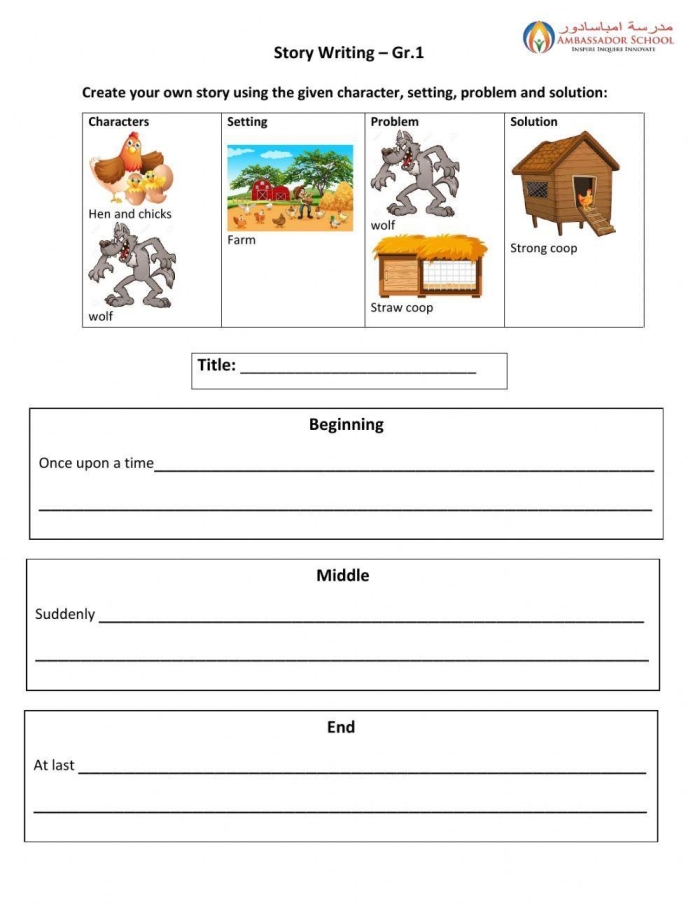
The story format also opens doors for creative extensions. After reading the “-an” story, children can draw pictures of the characters or events. They might even create their own sentences using the same word family. This reinforces the pattern while building confidence in early reading and writing.
Word families form the foundation of phonics instruction in kindergarten and early first grade. By embedding them in stories rather than presenting them as isolated drills, you’re creating stronger neural pathways and making literacy learning feel like play rather than work.
Start Practicing with These Worksheets