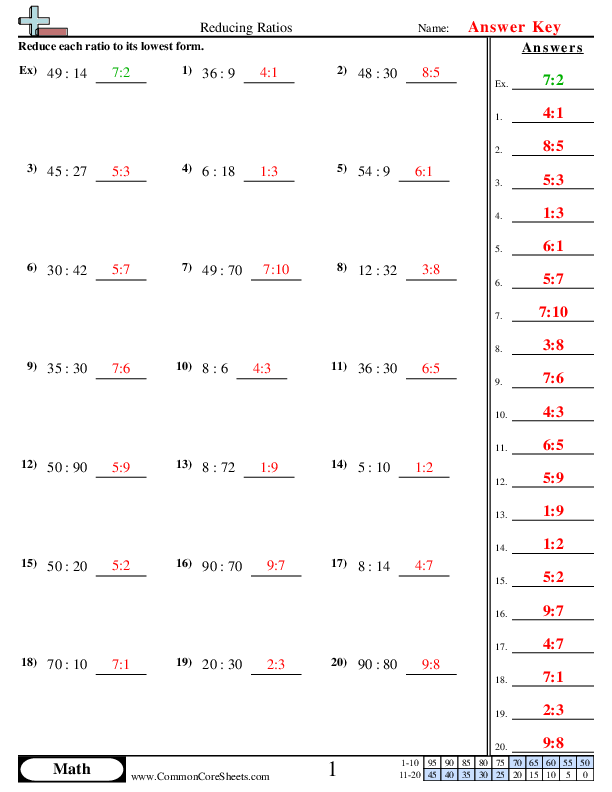
When sixth grade students first encounter ratios, they often struggle to see the connection between the numbers they’re working with. A solid practice worksheet changes that by walking learners through the process of identifying ratios in real contexts, then building toward more complex skills like finding greatest common factors and recognizing equivalent ratios.
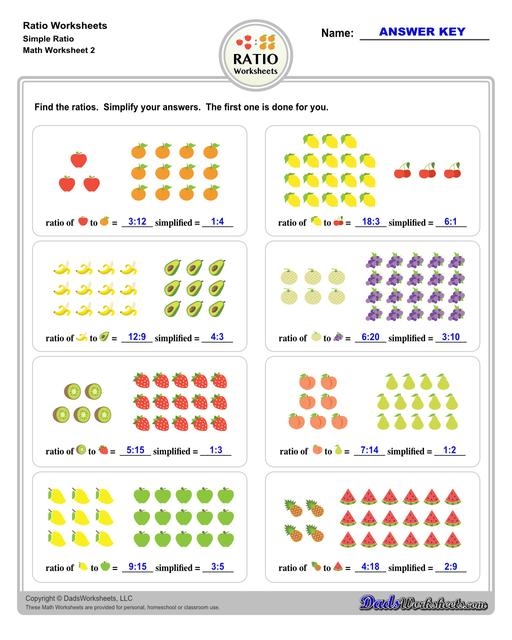
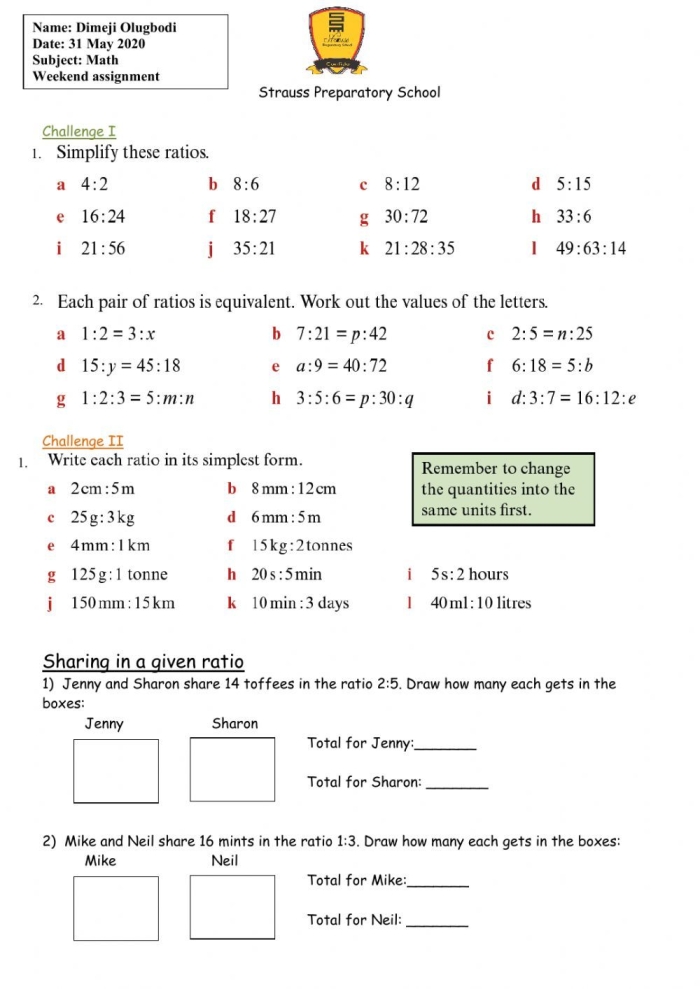
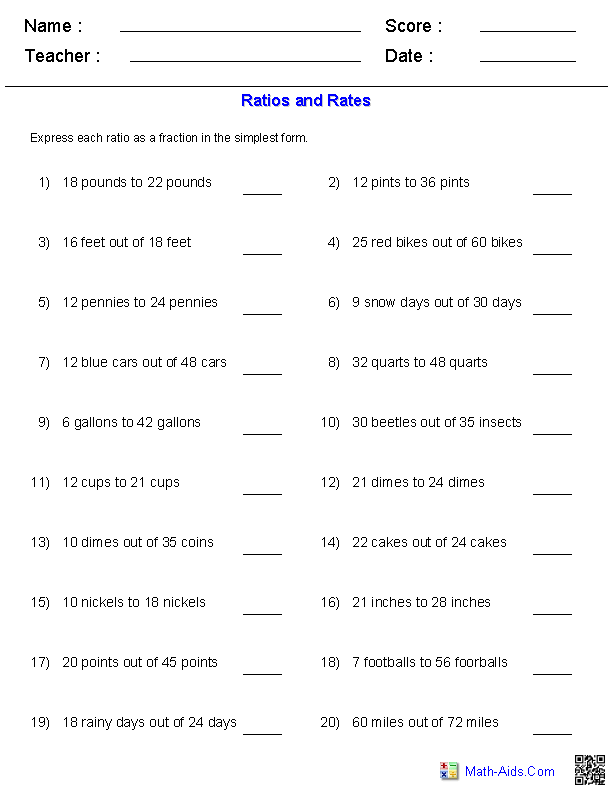
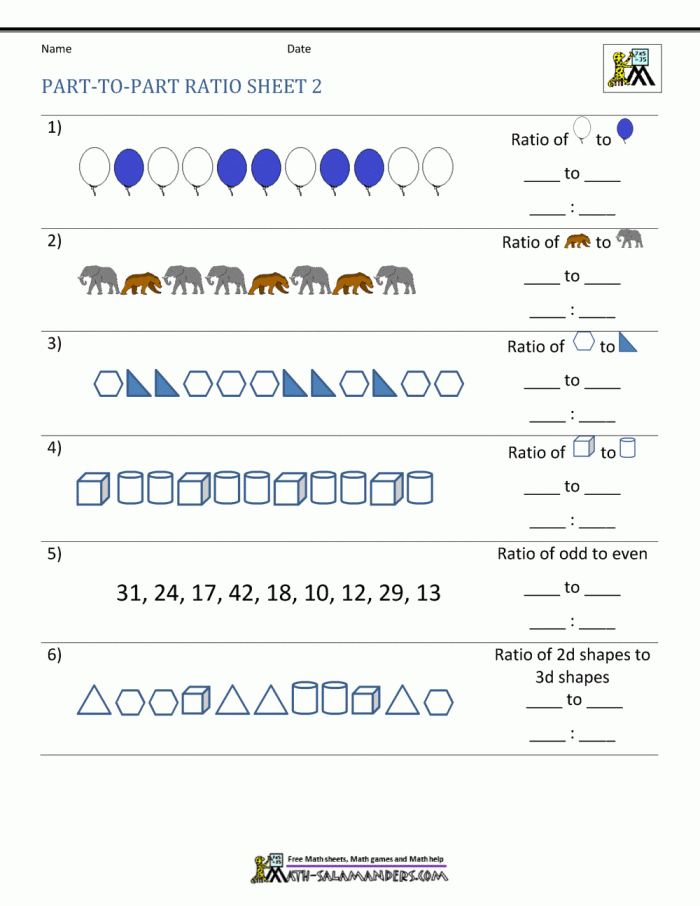
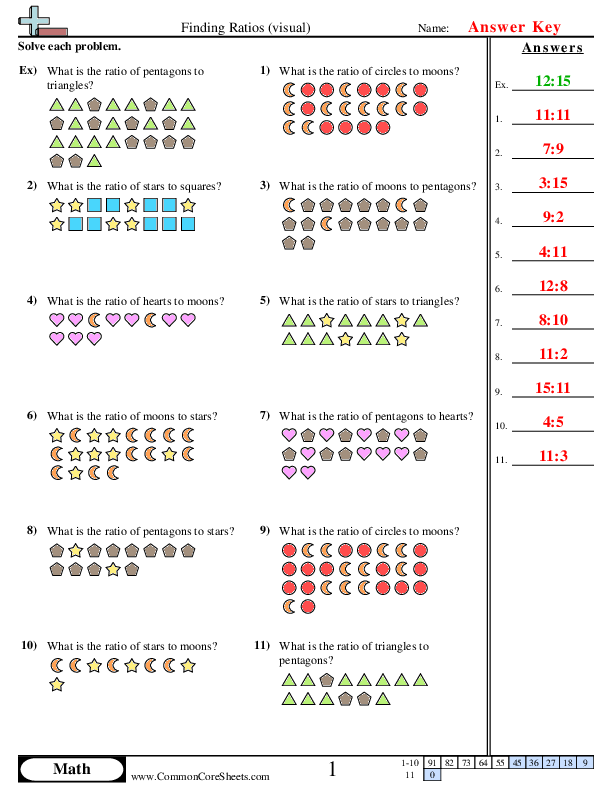
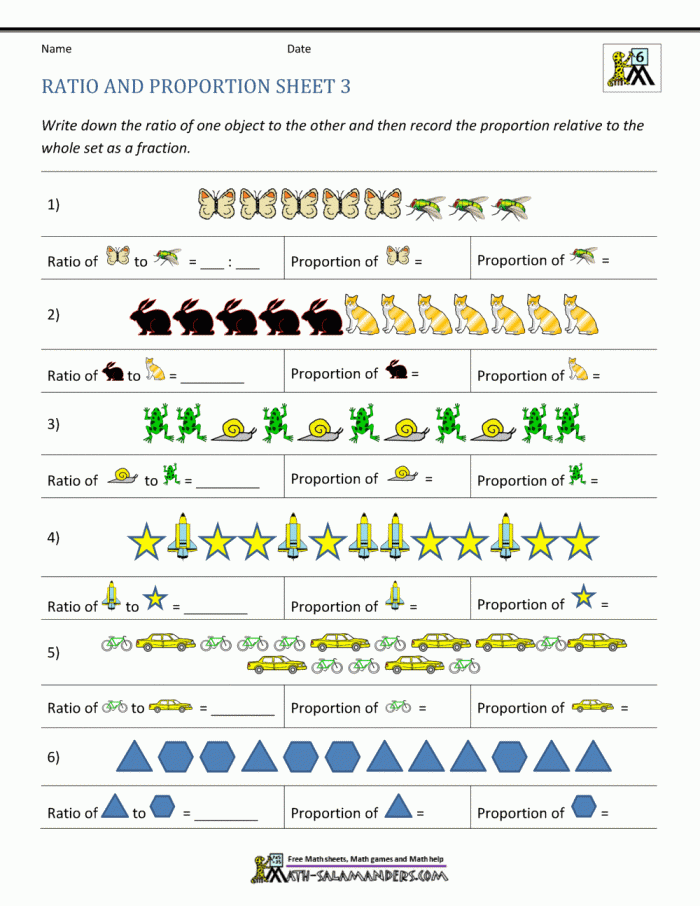
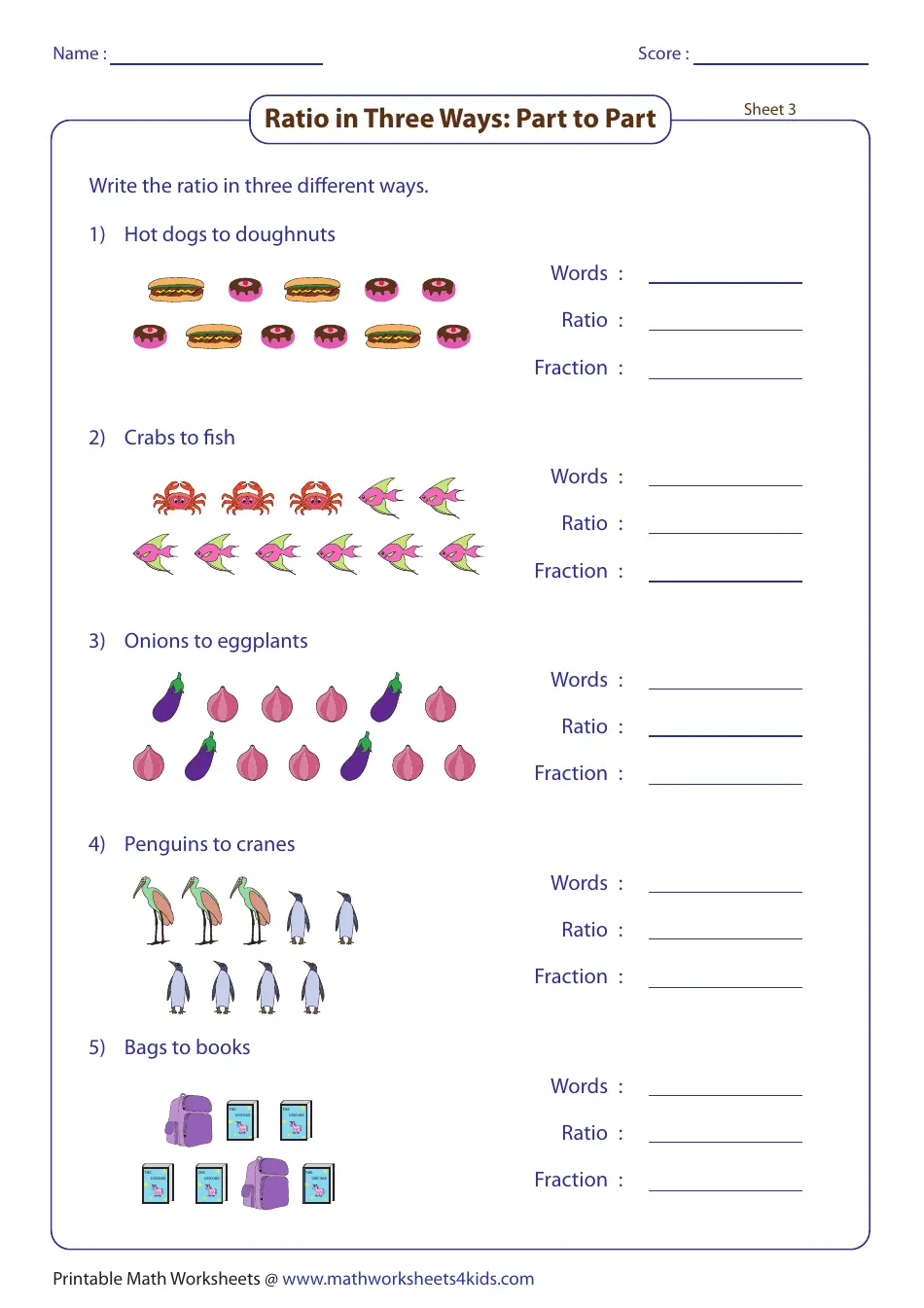
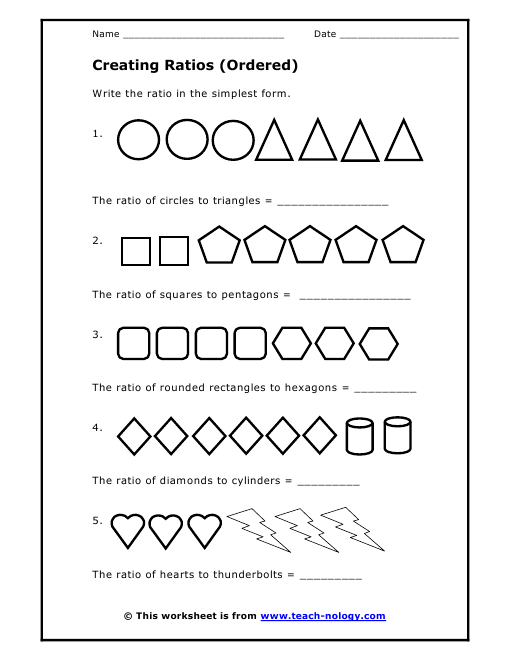
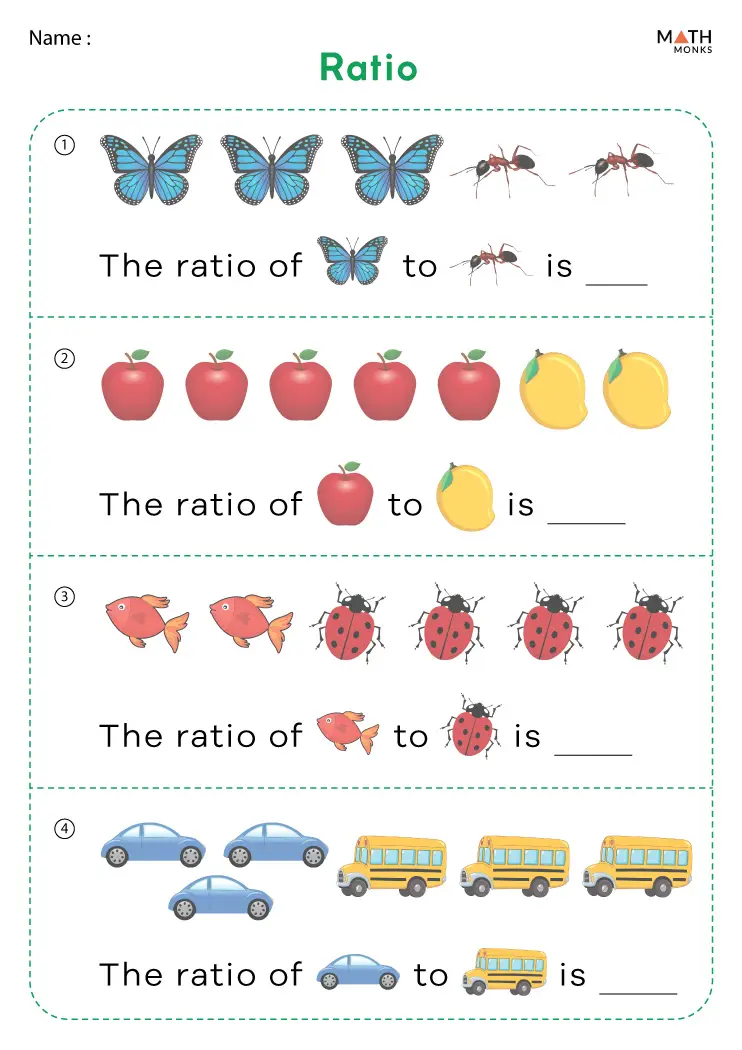
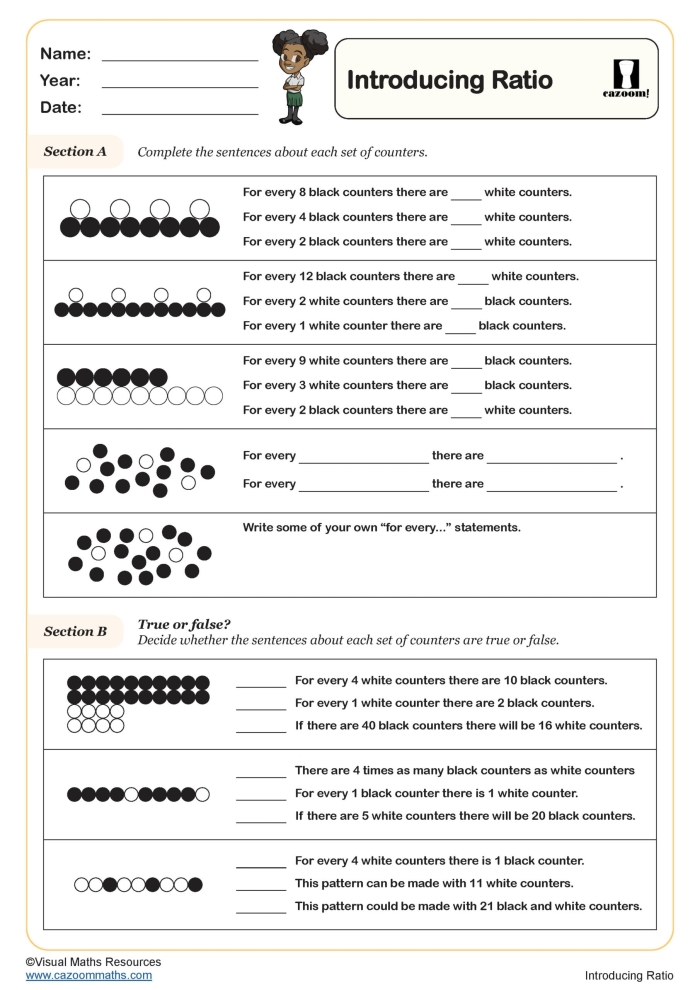
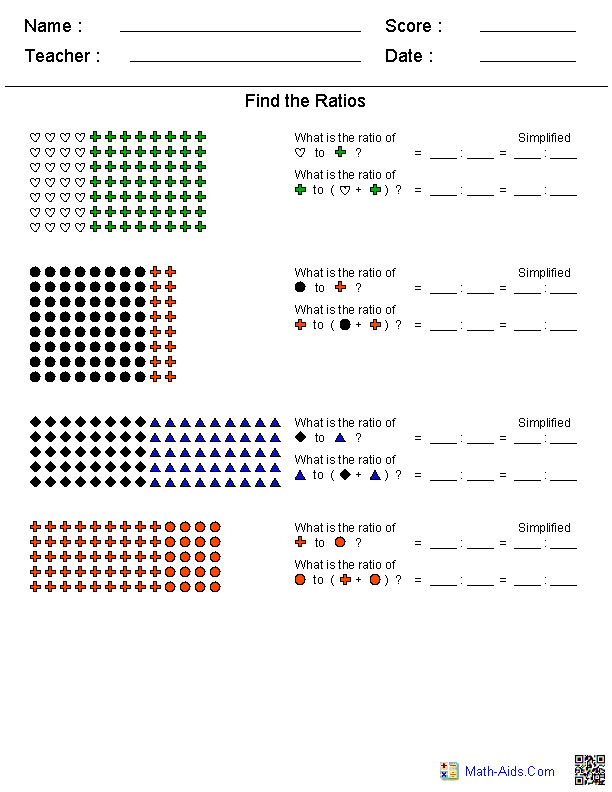
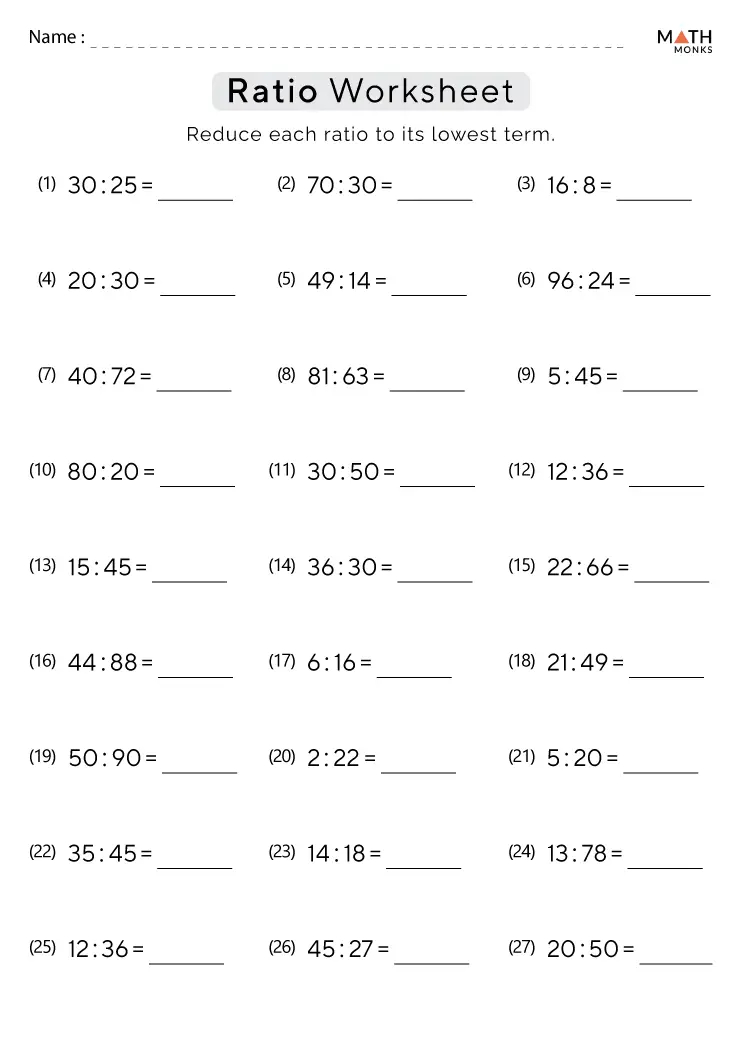
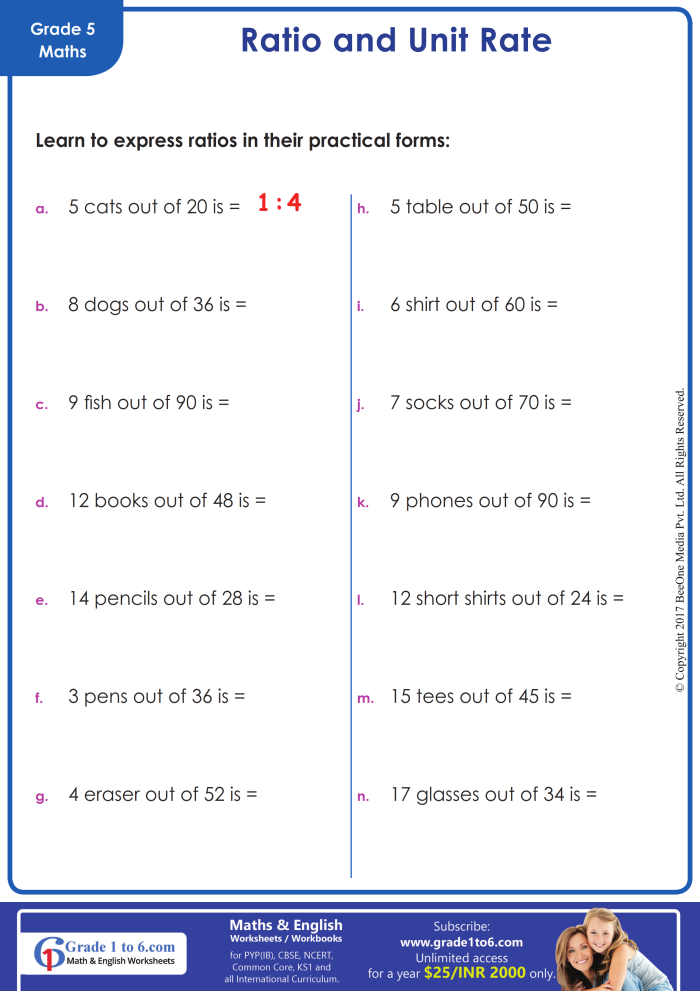
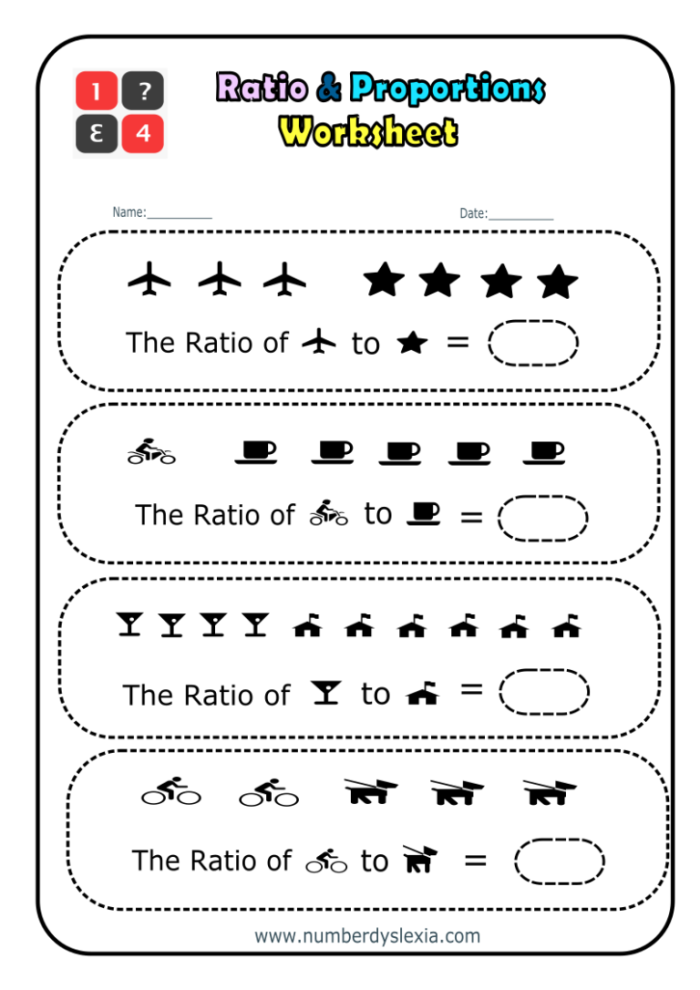
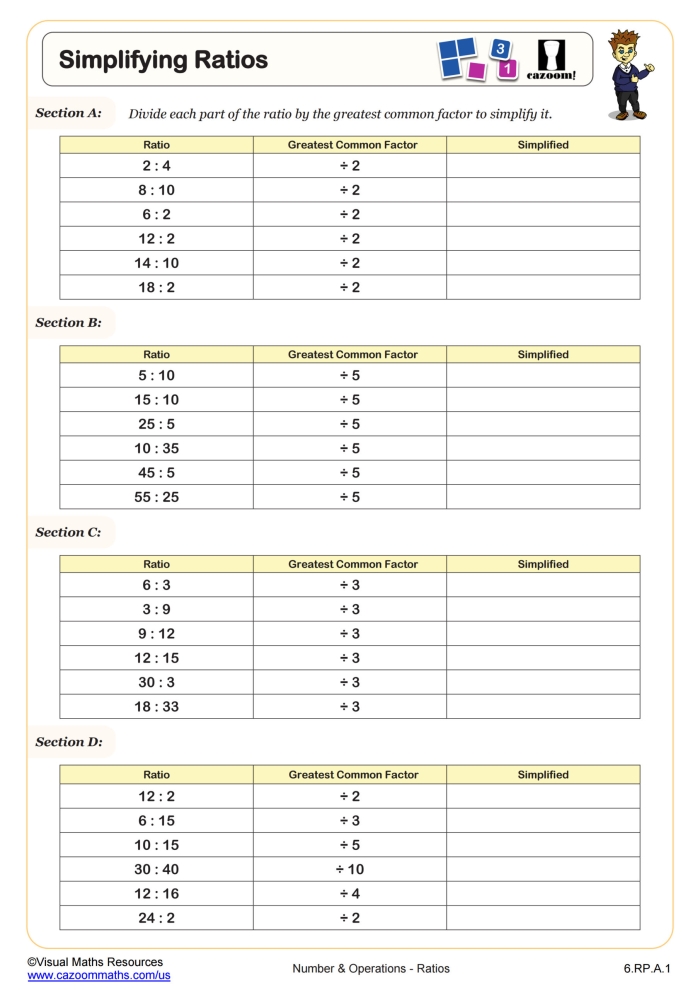
The foundation of ratio work starts with recognition. Students need to see that a ratio compares two quantities, whether that’s 3 cups of flour to 2 cups of sugar or 5 boys to 8 girls in a classroom. Once learners can spot ratios in word problems and visual representations, they’re ready to simplify them. This is where greatest common factors enter the picture. Finding the GCF of both numbers in a ratio allows students to reduce it to its simplest form. For example, a ratio of 12:18 becomes 2:3 when both numbers are divided by their greatest common factor of 6.
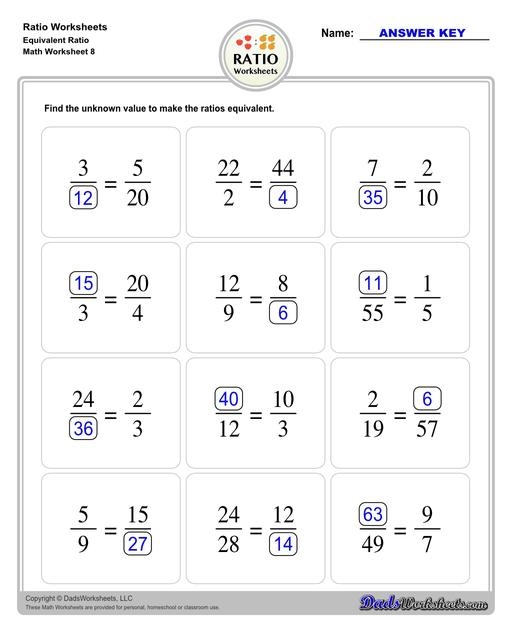
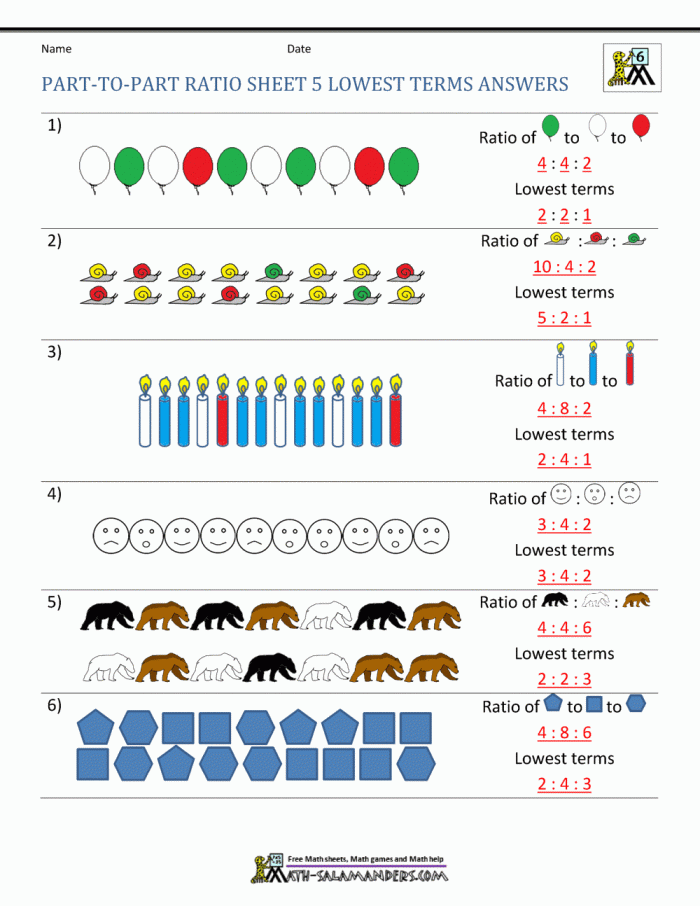
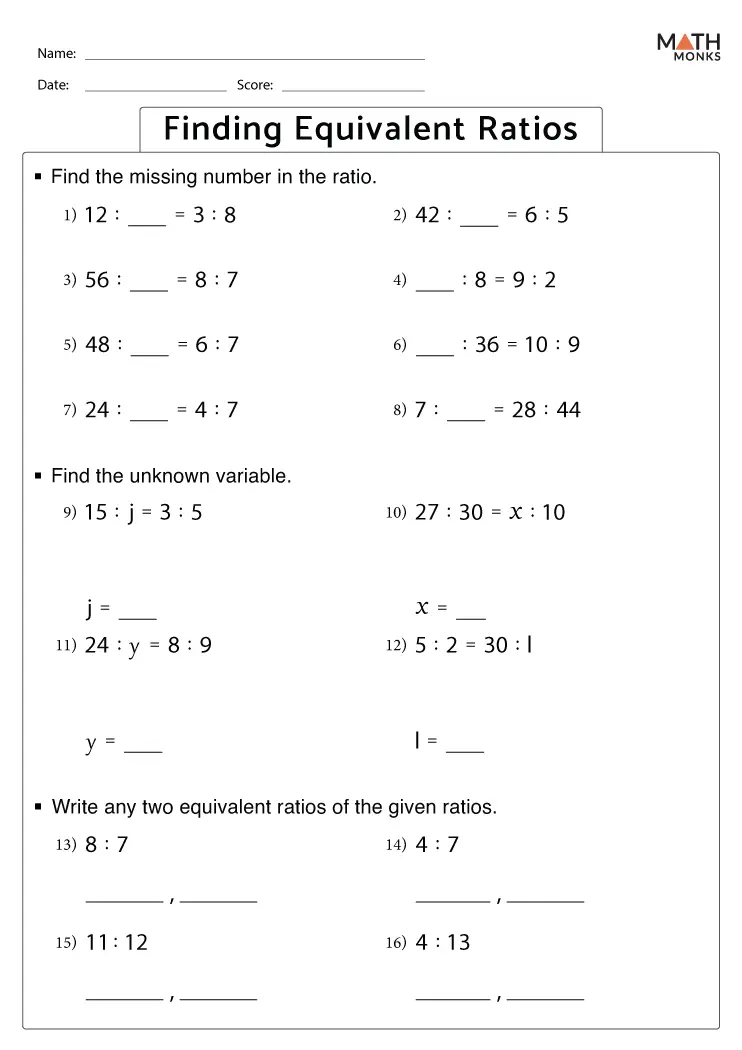
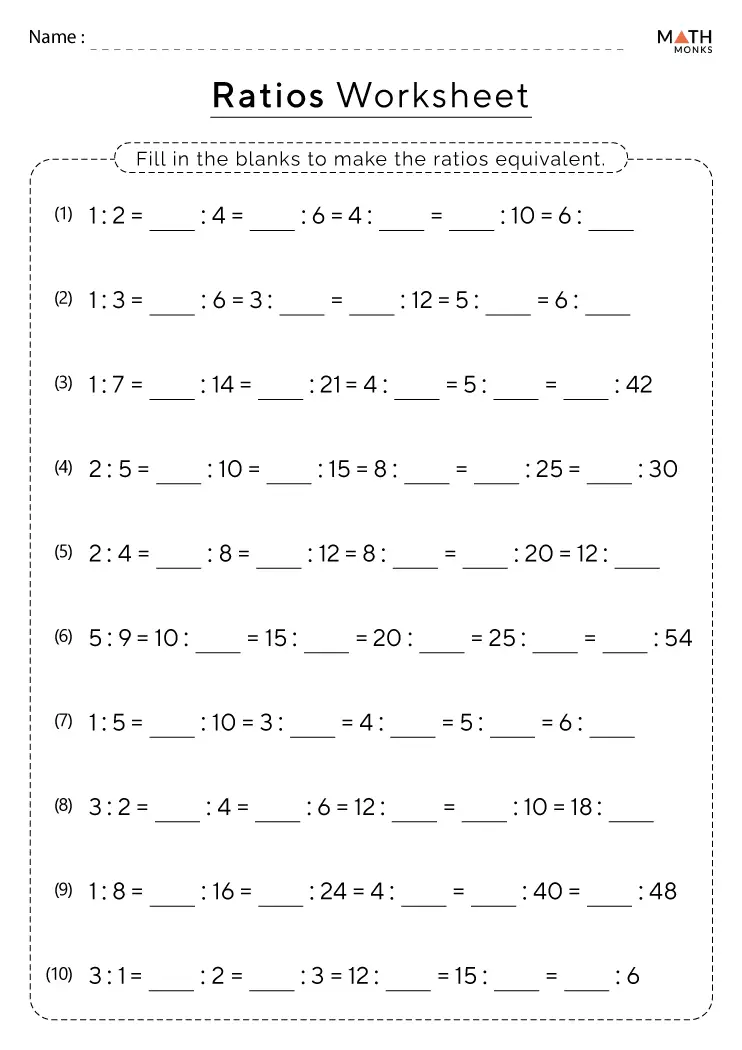
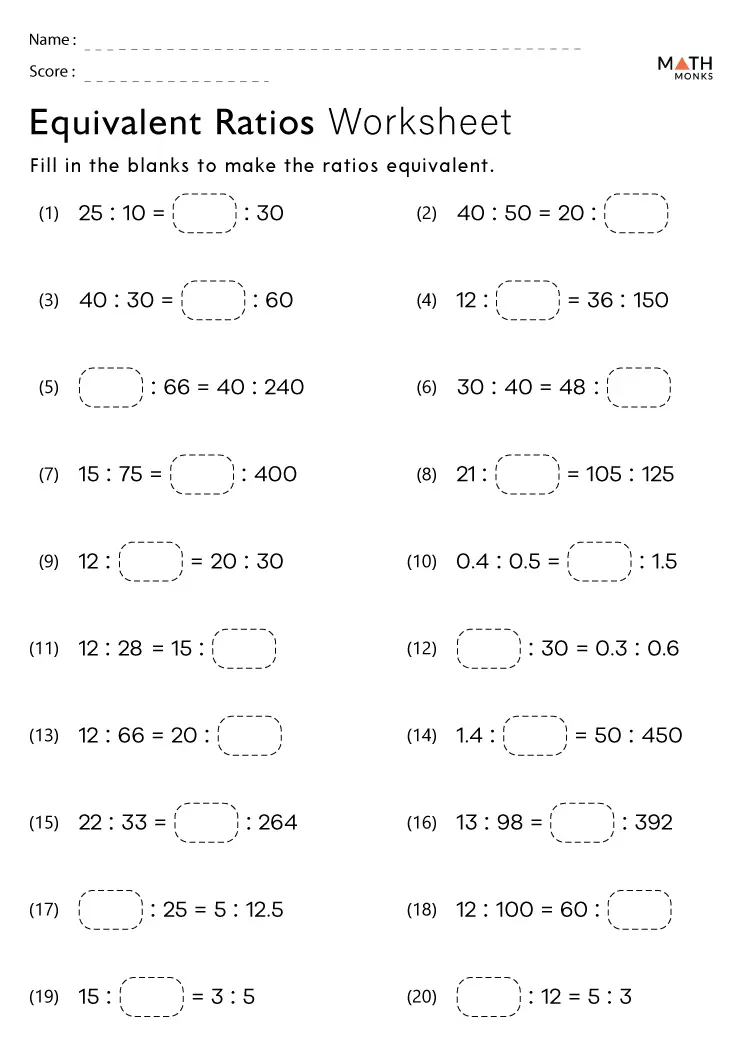
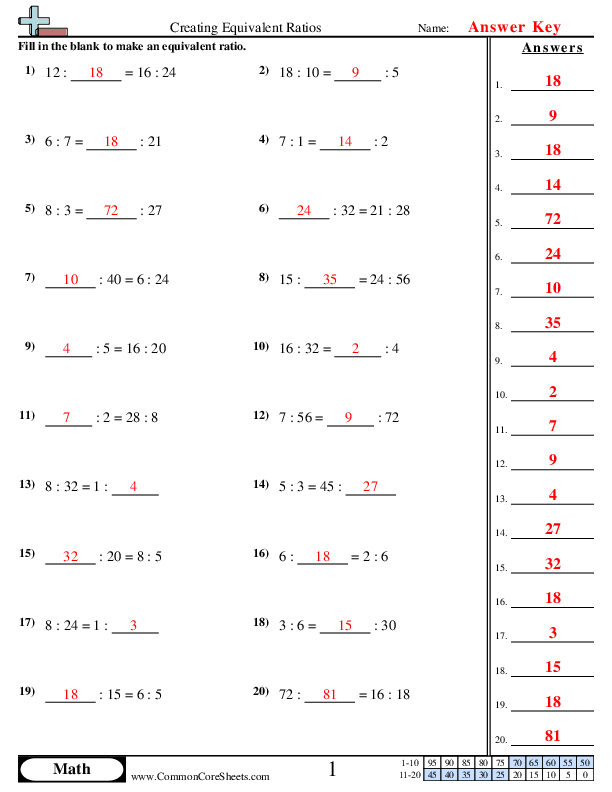
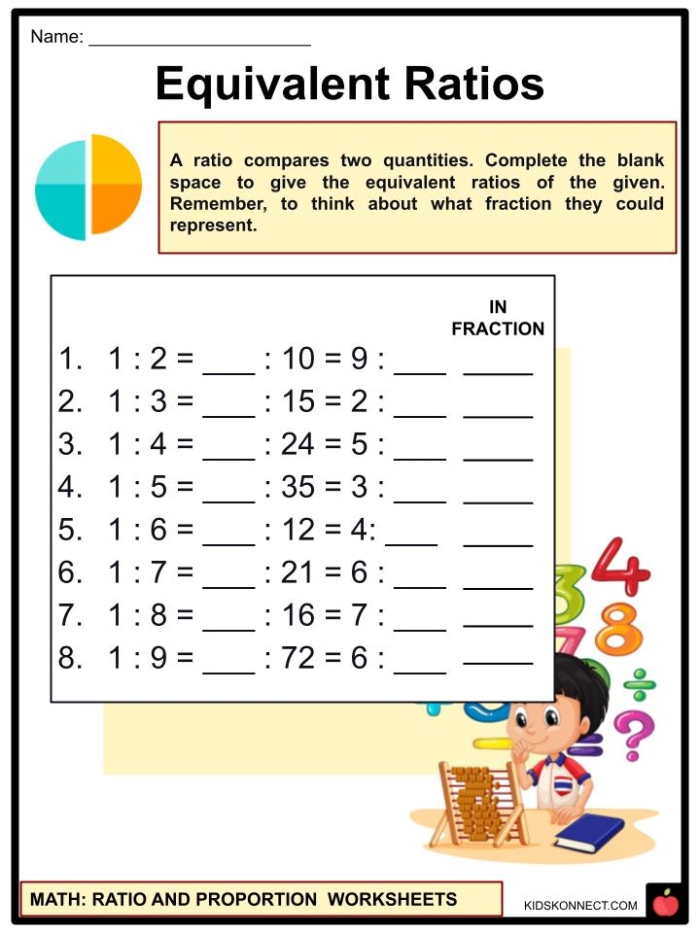
Equivalent ratios build directly on this foundation. Once students understand how to simplify, they can work backward to create equivalent ratios by multiplying both parts of a ratio by the same number. A ratio of 2:3 is equivalent to 4:6, 6:9, and 8:12. This concept connects naturally to other sixth grade geometry and mathematical thinking, similar to how students work with comparing and ordering rational numbers.
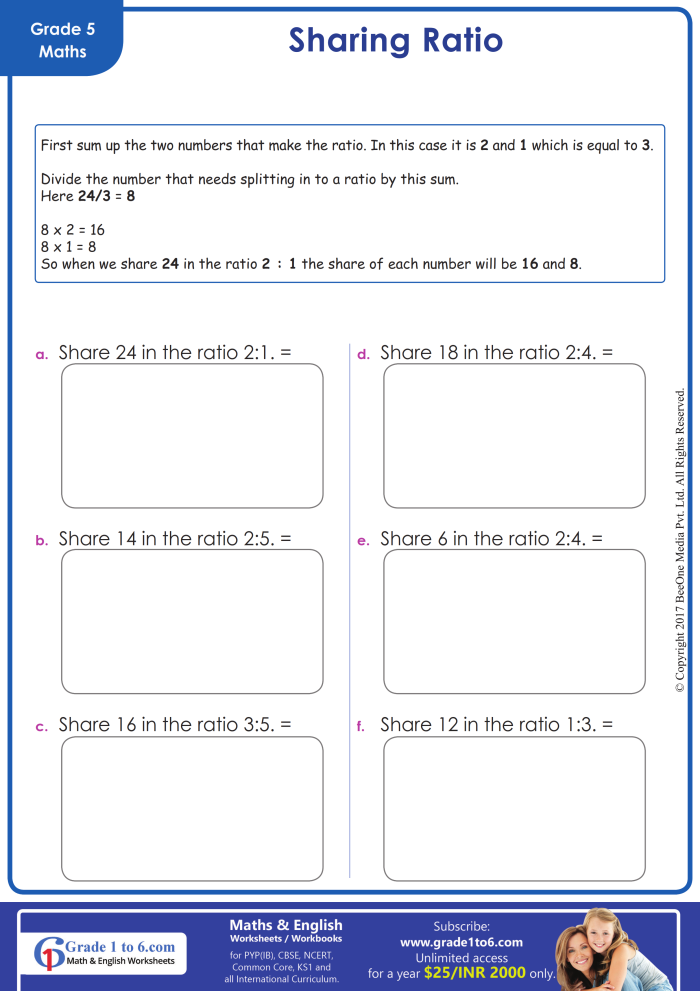
A well-designed practice worksheet scaffolds these three skills progressively. Early problems focus on identification, middle sections ask students to find GCFs and simplify, and final problems require them to generate or verify equivalent ratios. This structure means learners aren’t jumping between unrelated tasks but building confidence through connected practice. The repetition helps cement these foundational concepts that students will use throughout their mathematical journey.
Start Practicing with These Worksheets