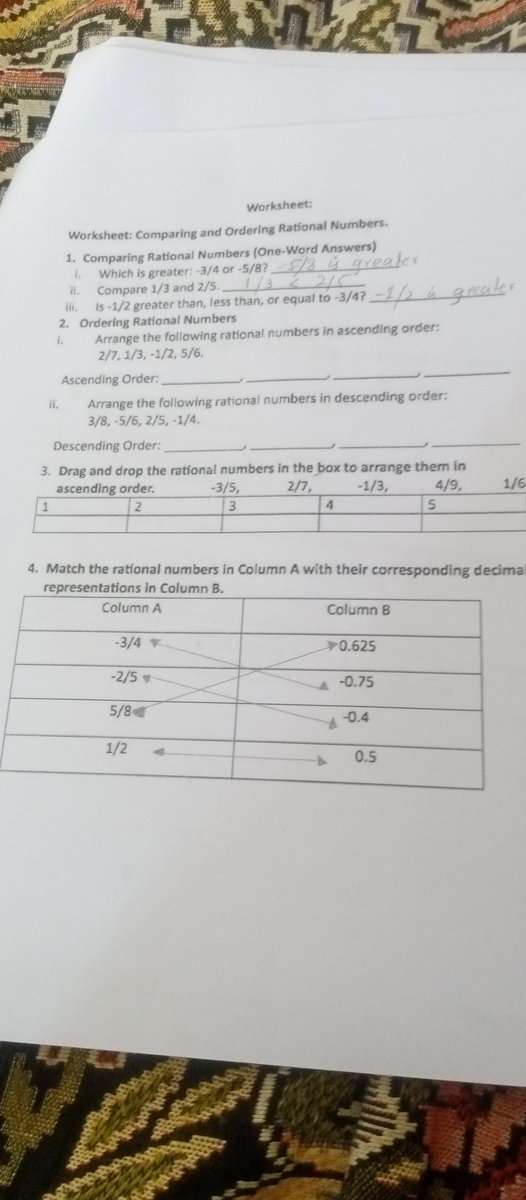
Understanding rational numbers is a crucial skill in mathematics, especially for sixth graders studying geometry. When students start comparing and ordering fractions, decimals, and mixed numbers, they not only enhance their number sense but also lay the groundwork for more complex mathematical concepts. This process can often be challenging, but with the right resources, it becomes more manageable and even enjoyable.
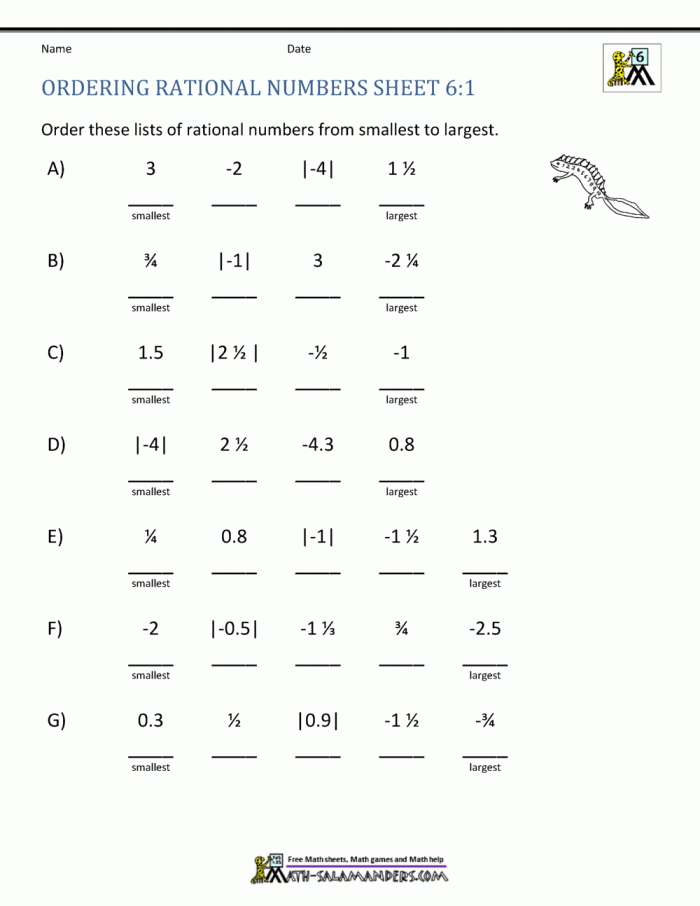
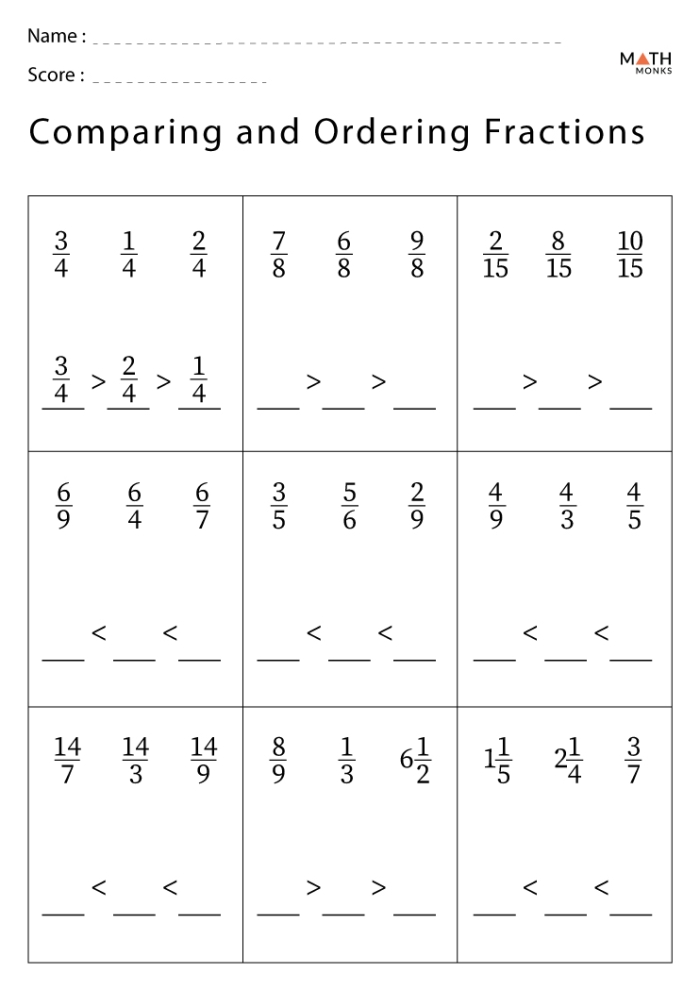
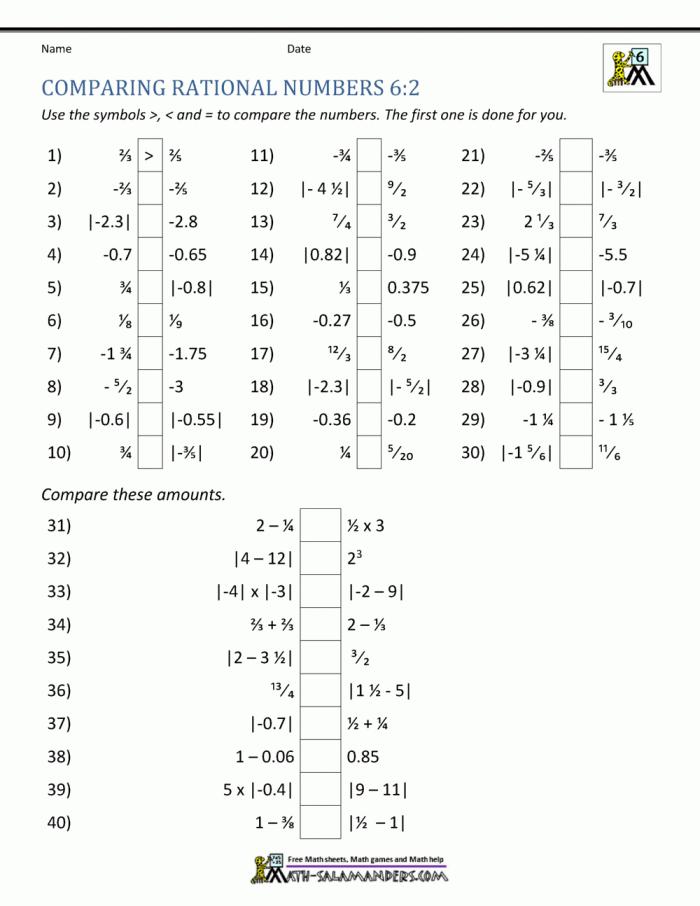
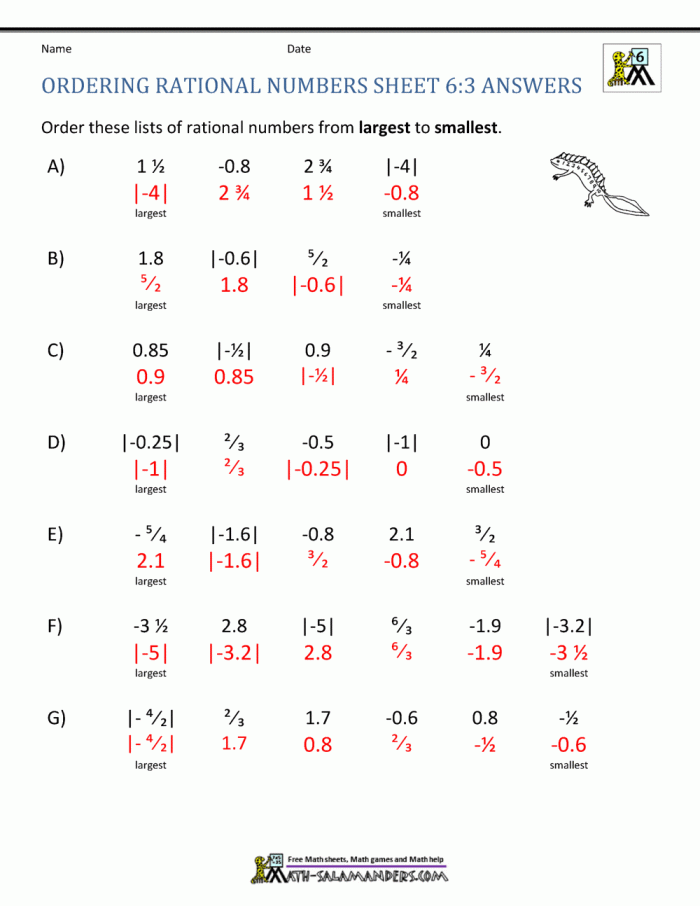
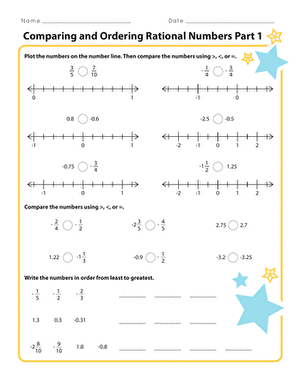
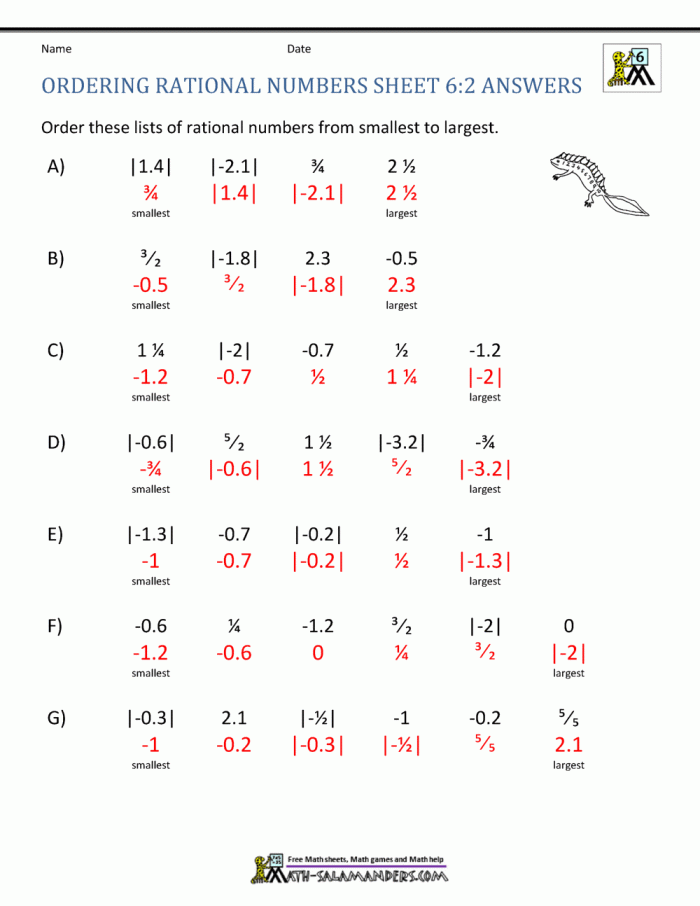
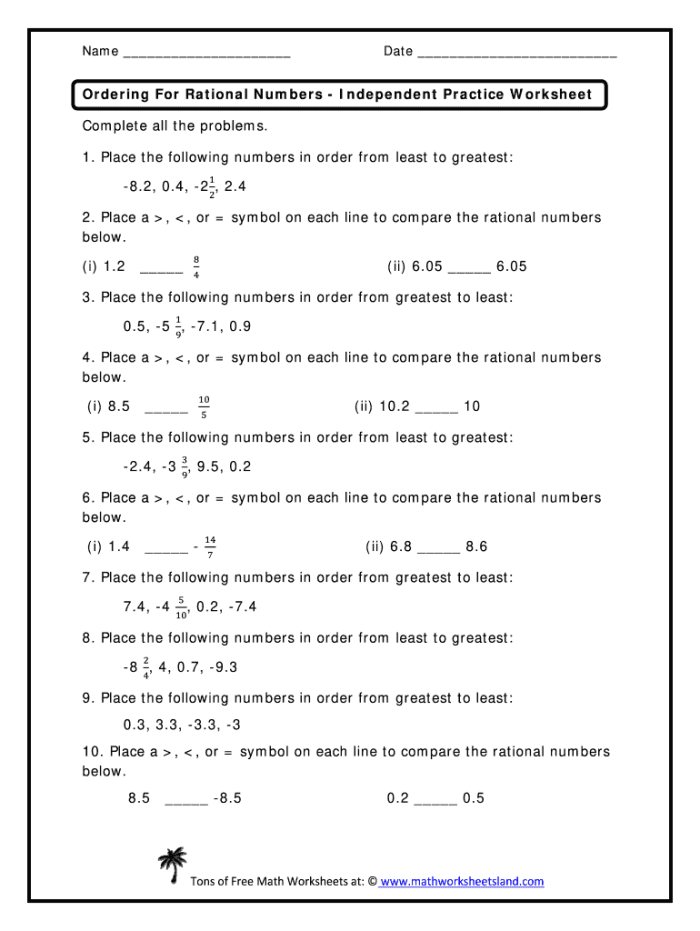
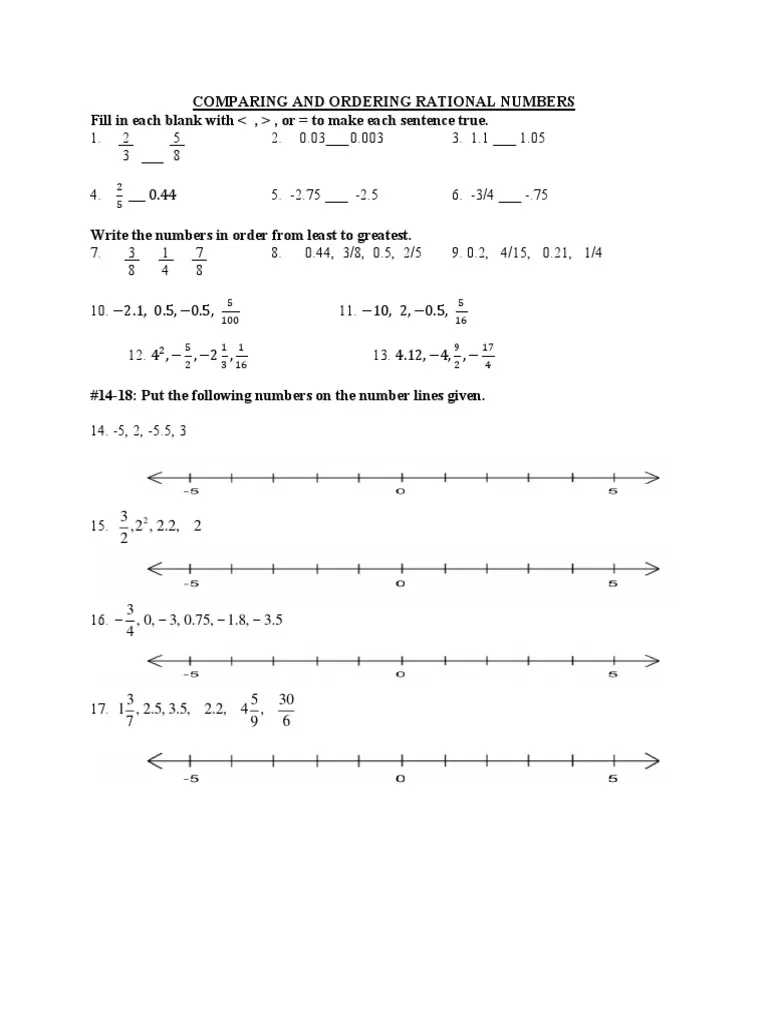
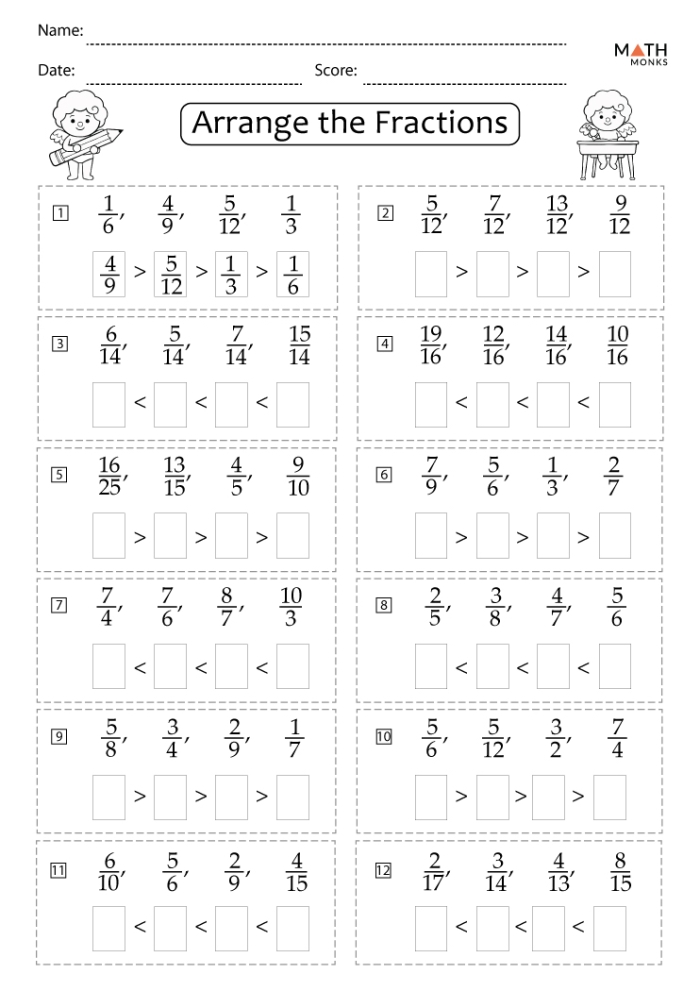
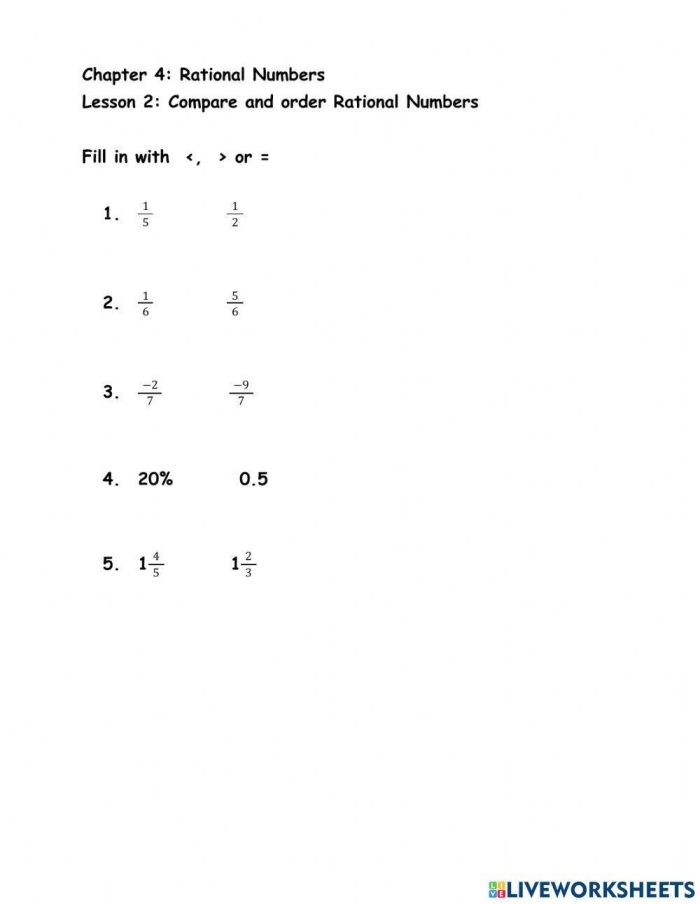
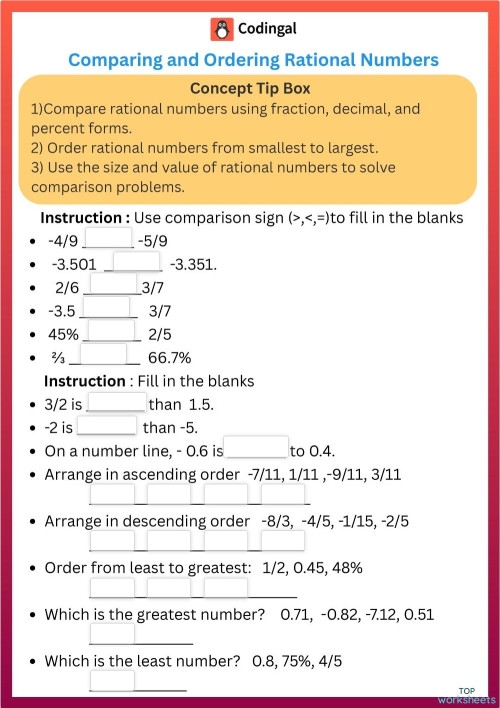
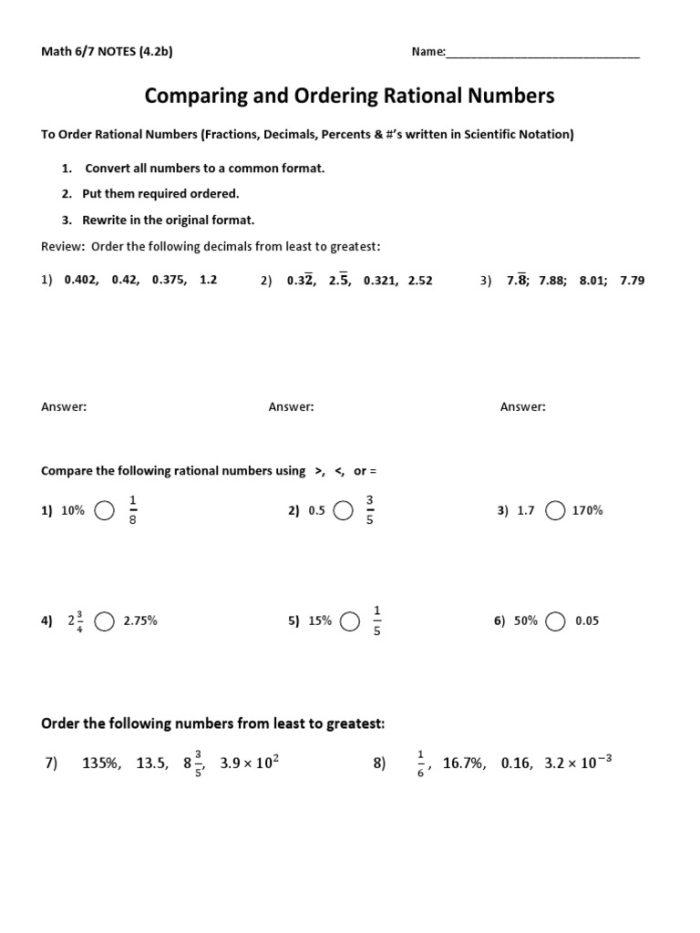
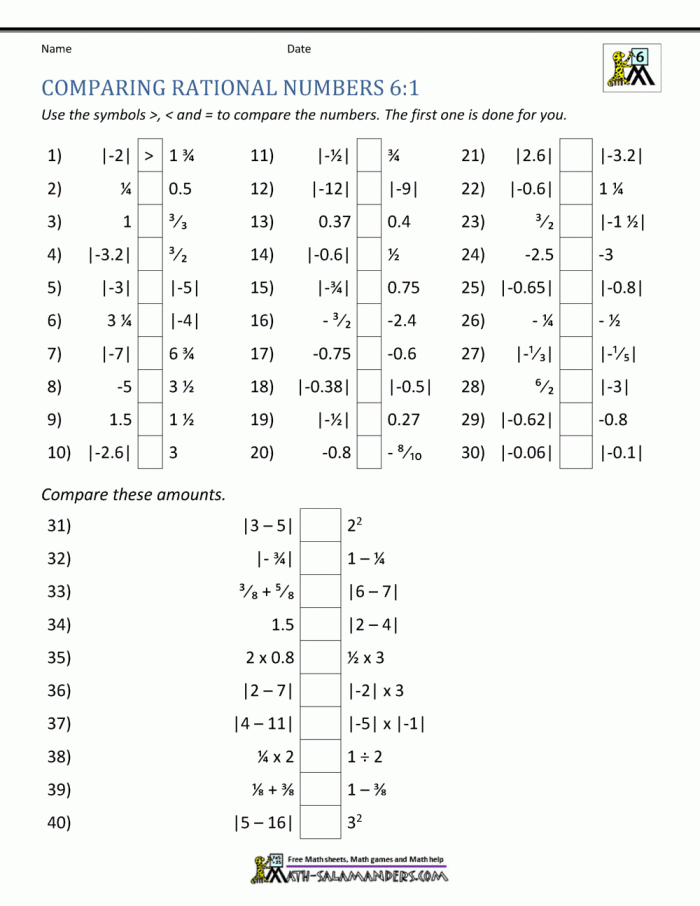
On a worksheet designed specifically for this purpose, students are tasked with comparing various forms of rational numbers. For instance, take the fractions 1/4 and 1/3. To determine which is greater, students can convert these fractions to decimals, finding that 0.25 is less than 0.33. This simple comparison highlights the importance of understanding how to manipulate and interpret different representations of numbers.
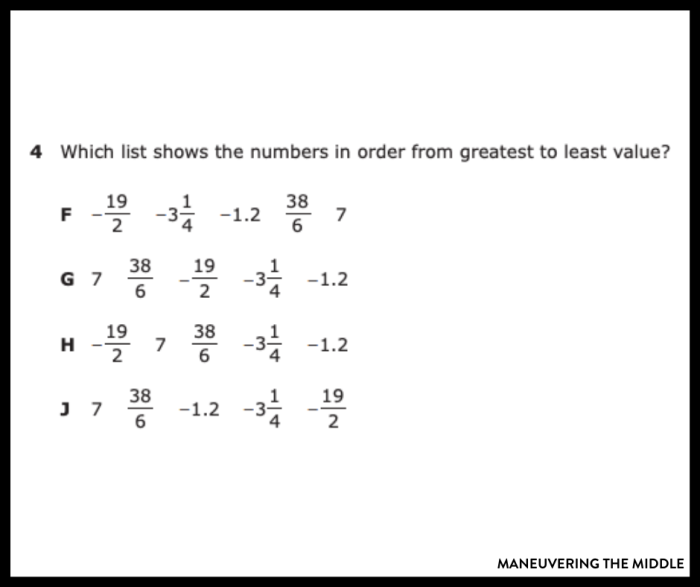
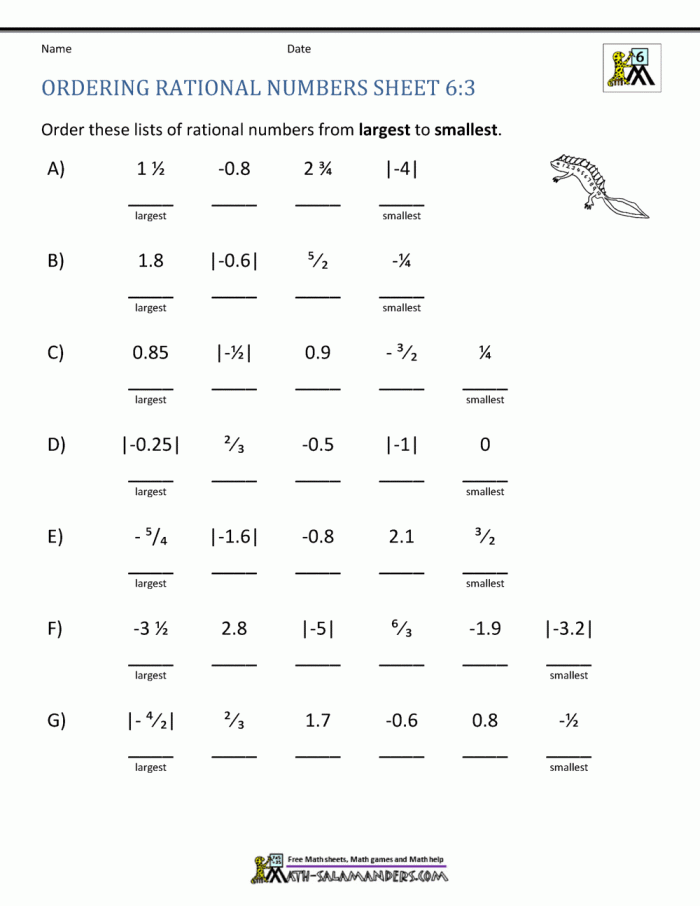
Mixed numbers, like 2 1/2, add another layer of complexity. Students might need to convert them to improper fractions or decimals to make comparisons easier. Knowing that 2 1/2 equals 2.5 can help when placing it alongside other decimal values, such as 2.75 or 2.2. This skill in ordering numbers is not just academic; it has practical applications in everyday life, such as measuring ingredients in cooking or comparing prices while shopping.
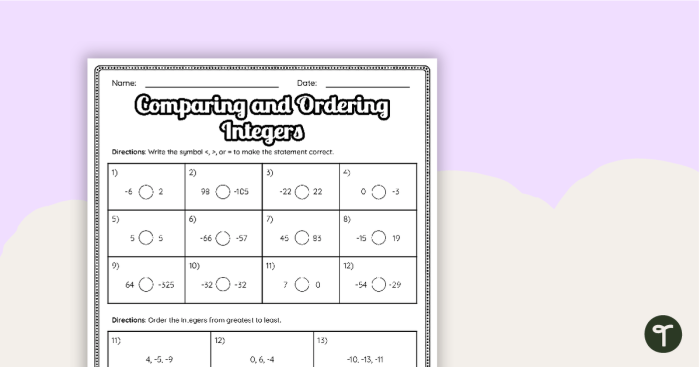
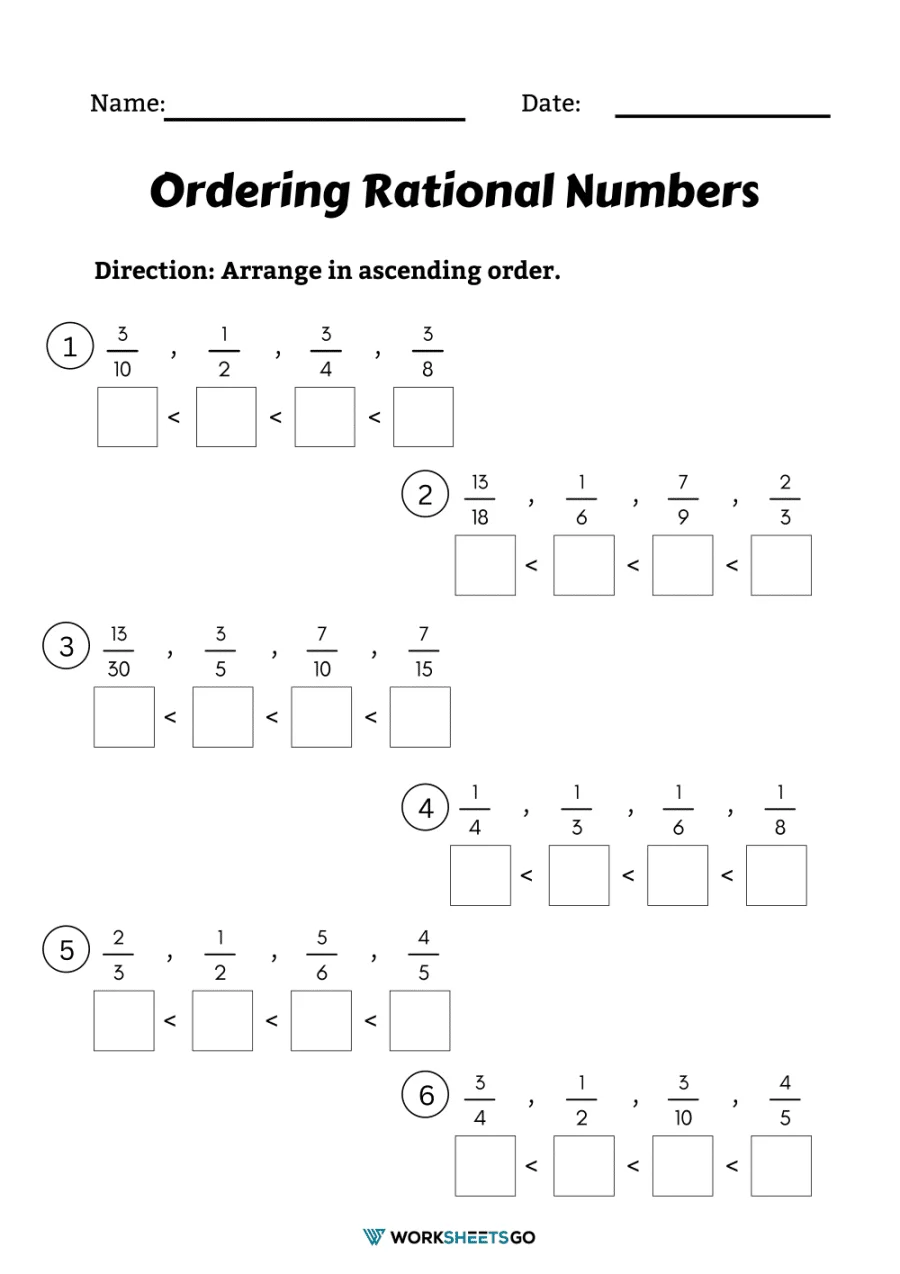
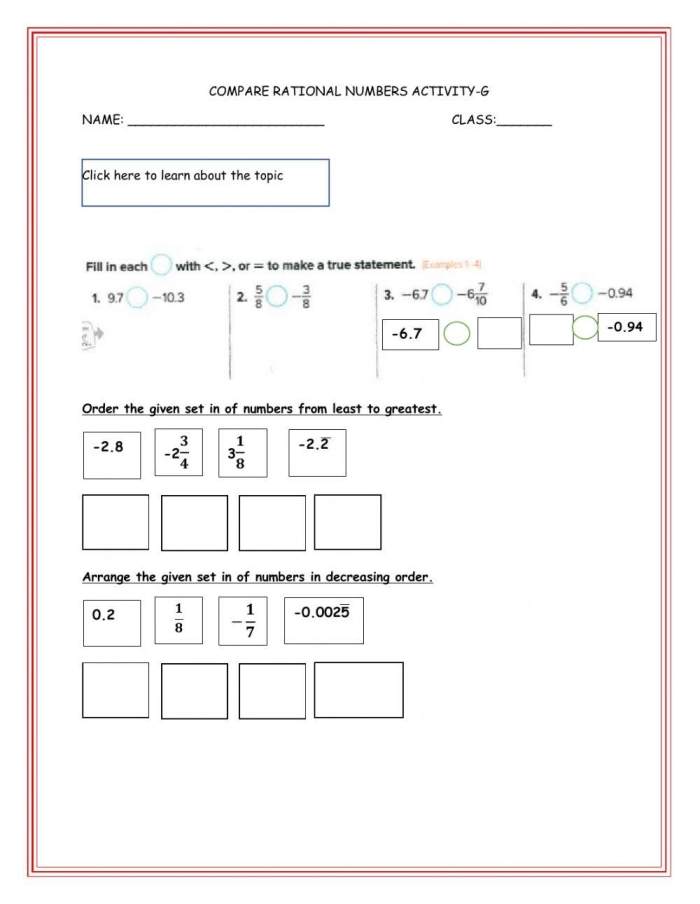
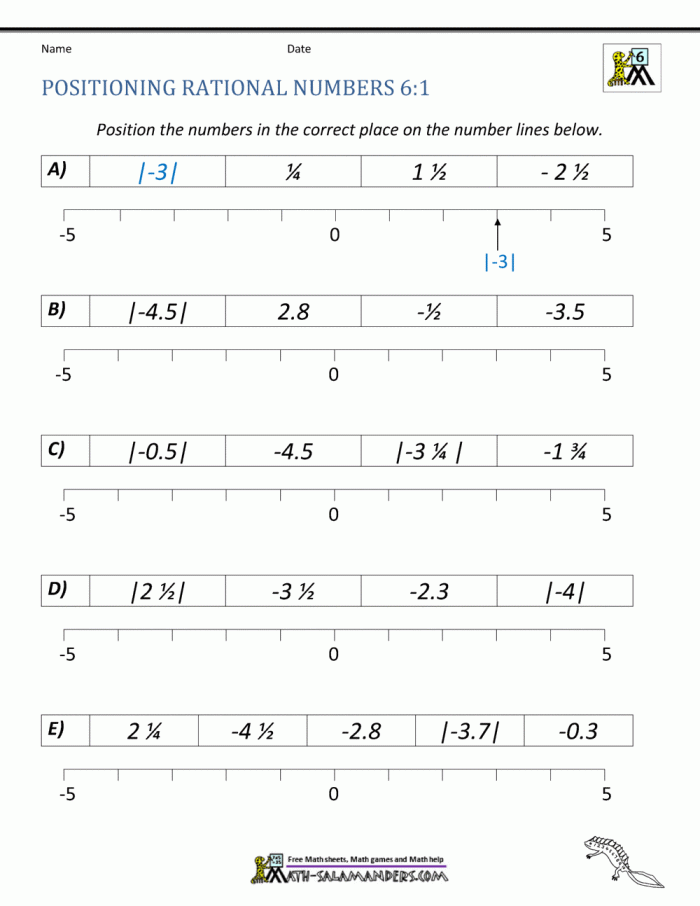
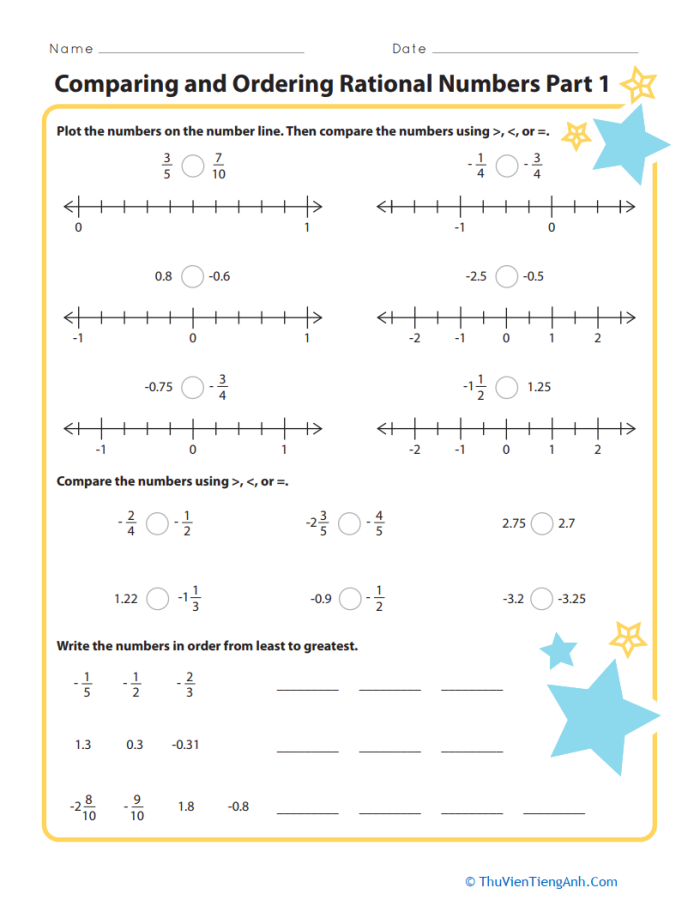
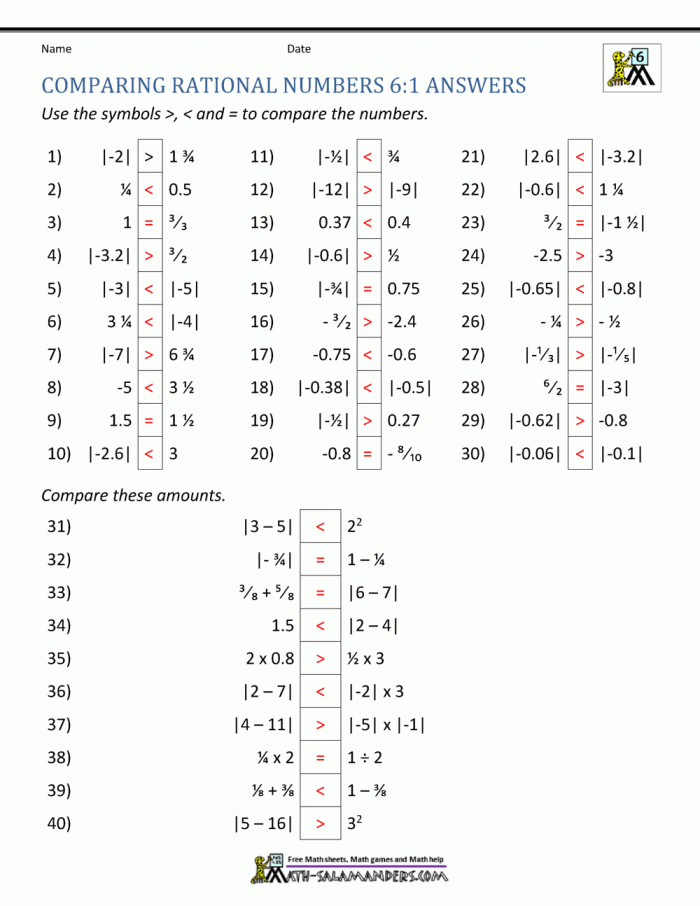
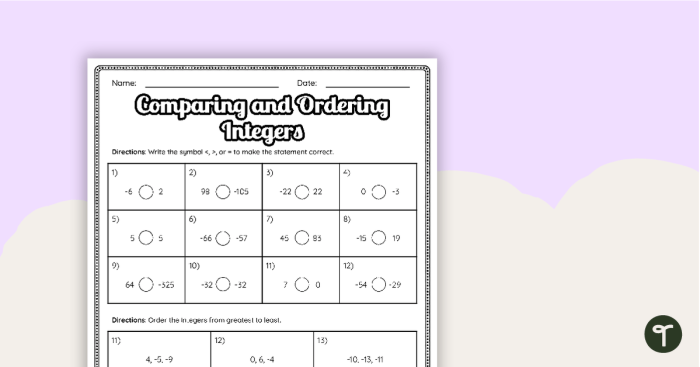
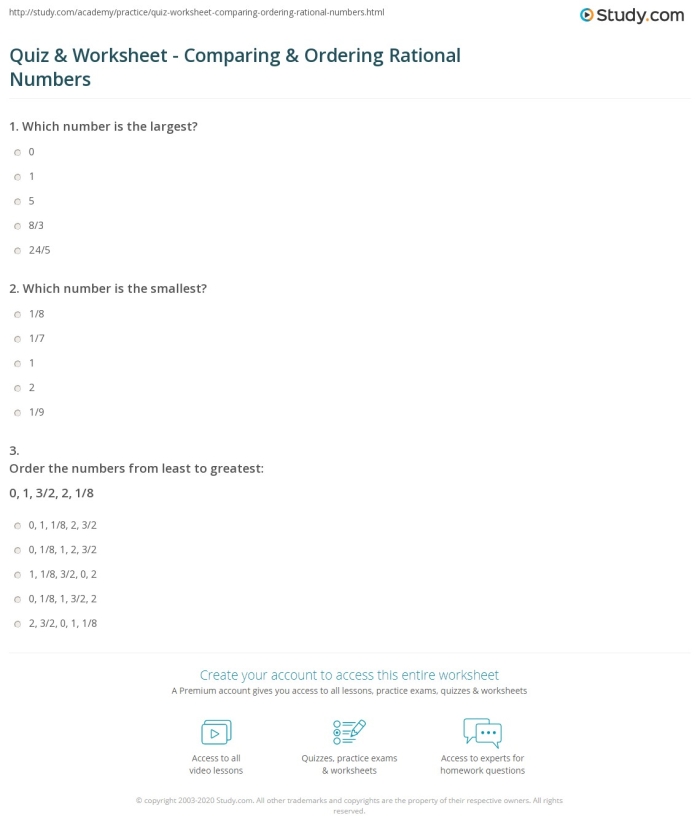
For those looking to practice further, the Printable Comparing and Ordering Rational Numbers Part 1 Worksheets offer an excellent resource. These worksheets allow students to engage with the material actively, enhancing their understanding of how to work with rational numbers effectively.
As students tackle these comparisons, they gain confidence in their abilities. Understanding how to order different forms of rational numbers is not just about numbers on a page; it’s about developing critical thinking skills and fostering a sense of accomplishment in mathematics.
Download These Worksheets for Practice