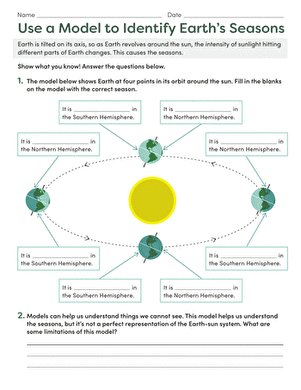
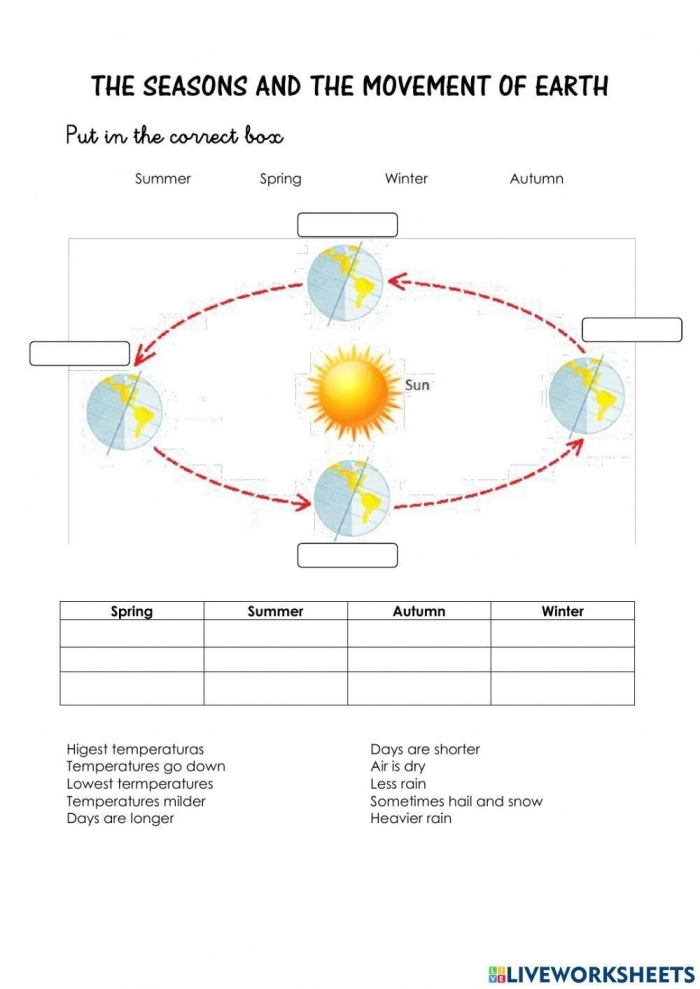
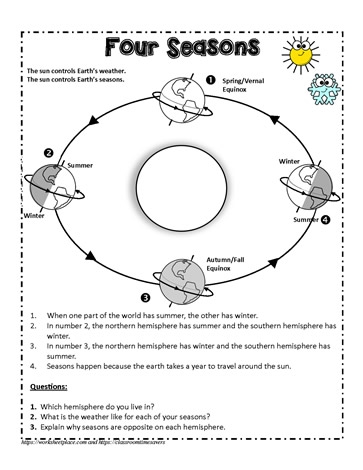
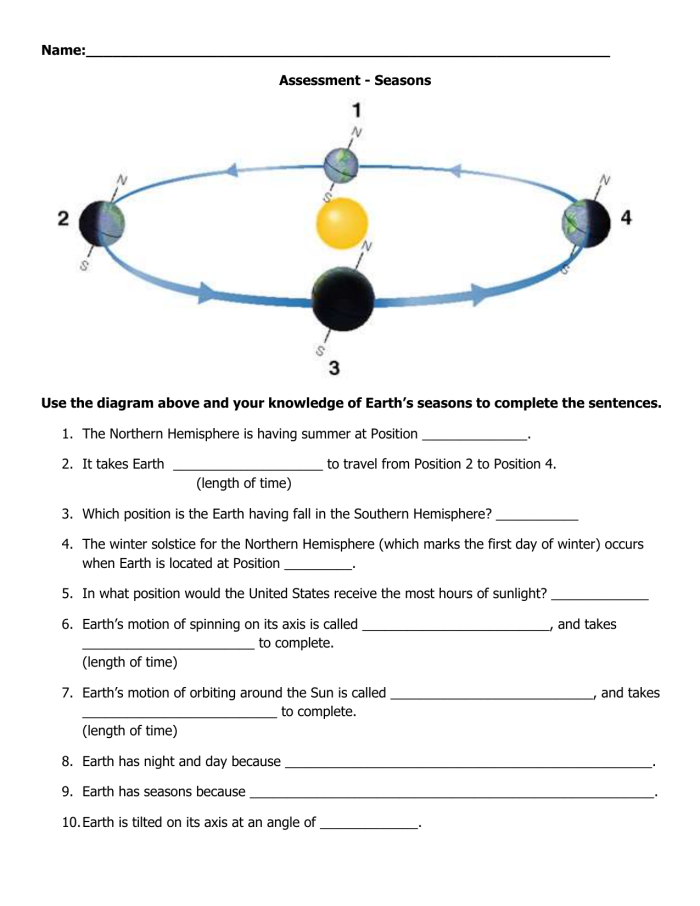
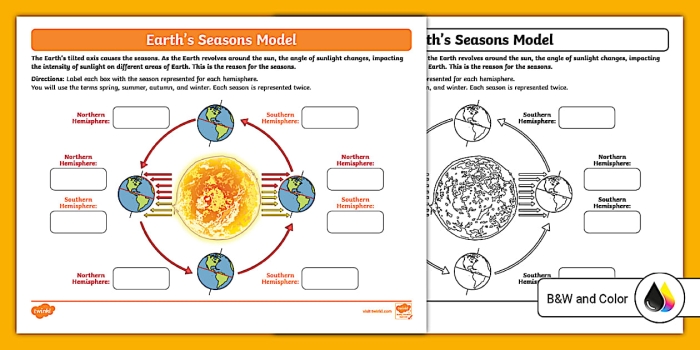
Earth’s tilt plays a pivotal role in the seasons we experience throughout the year. Understanding this concept not only enhances our knowledge of Earth and space science but also provides a practical framework for sixth graders studying geometry. When we think about the seasons, we often only consider the temperature changes, yet these shifts are directly influenced by the angle at which Earth is tilted in relation to its orbit around the sun.
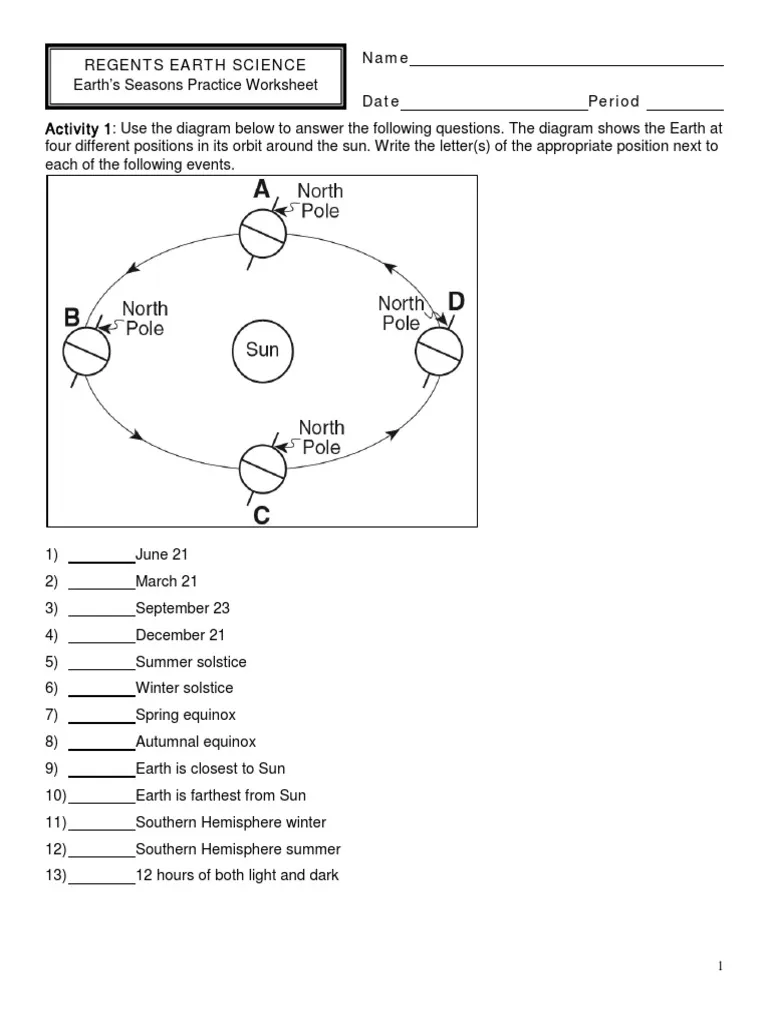
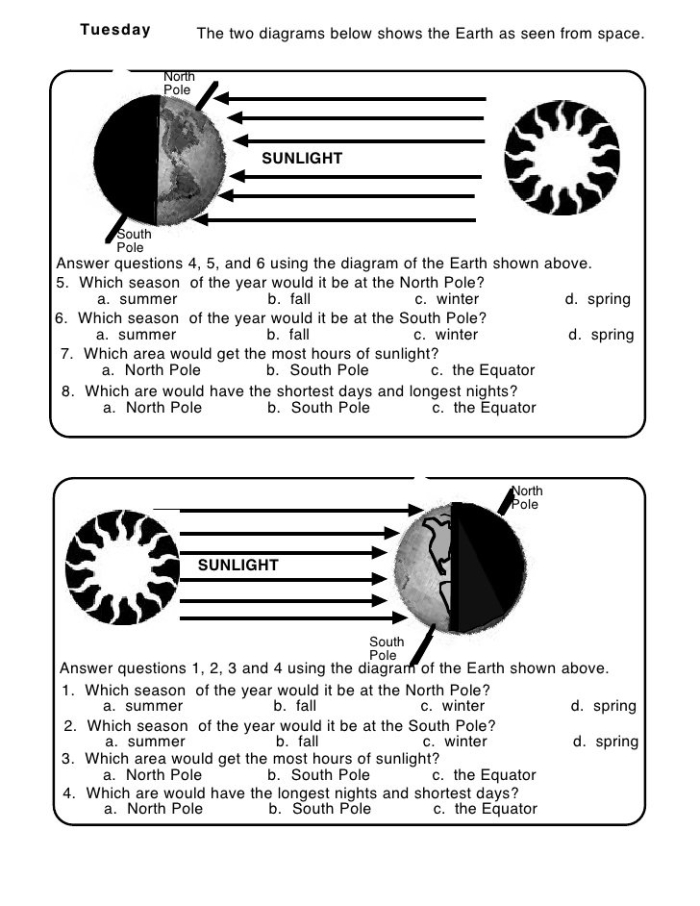
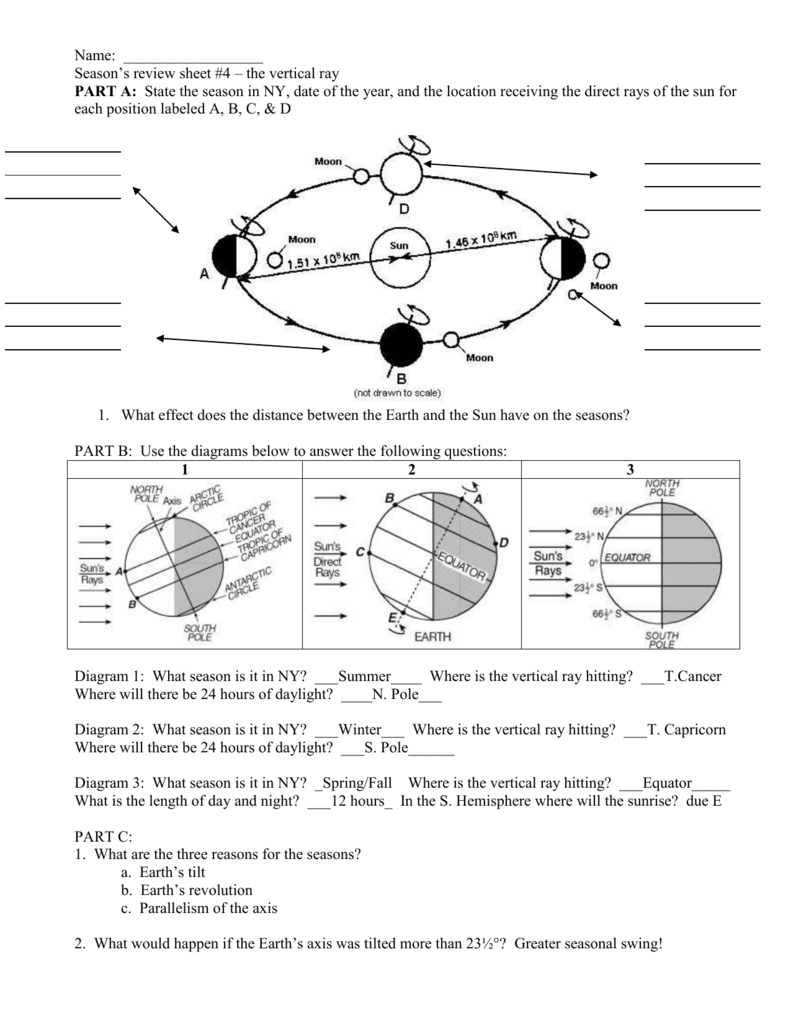
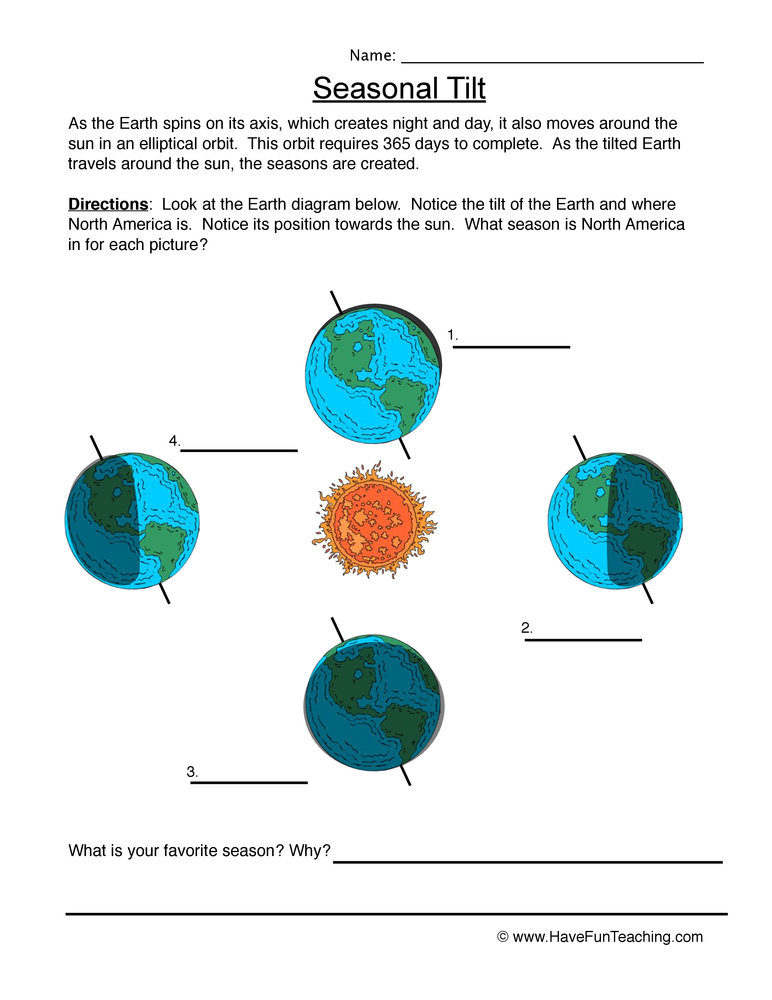
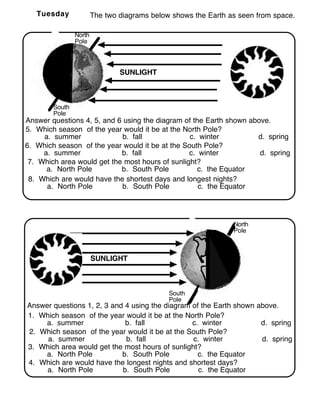
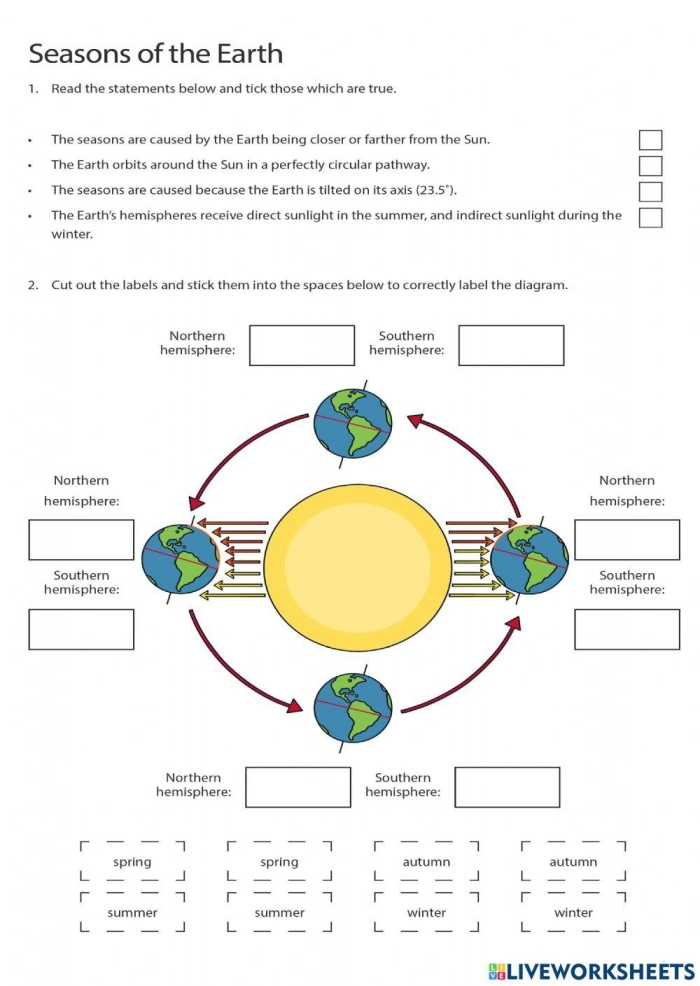
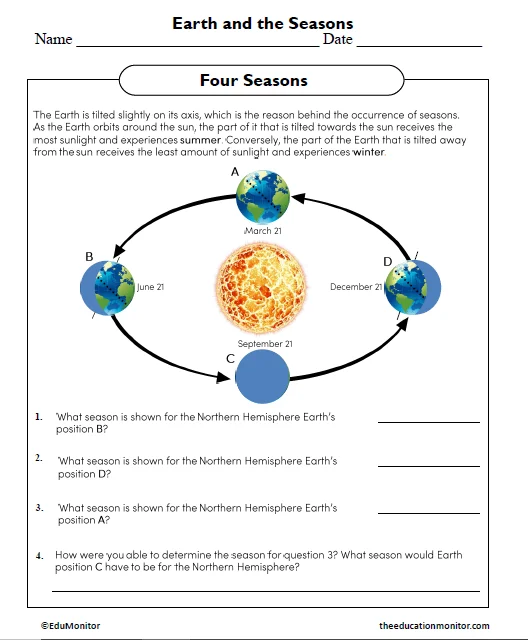
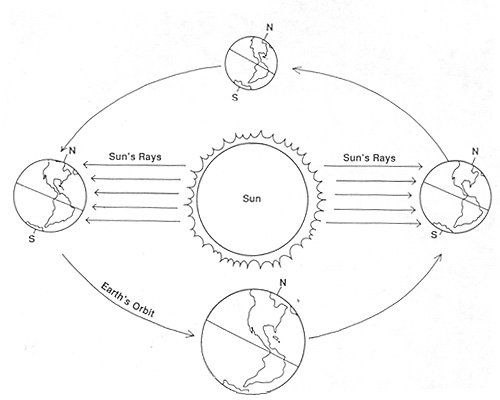
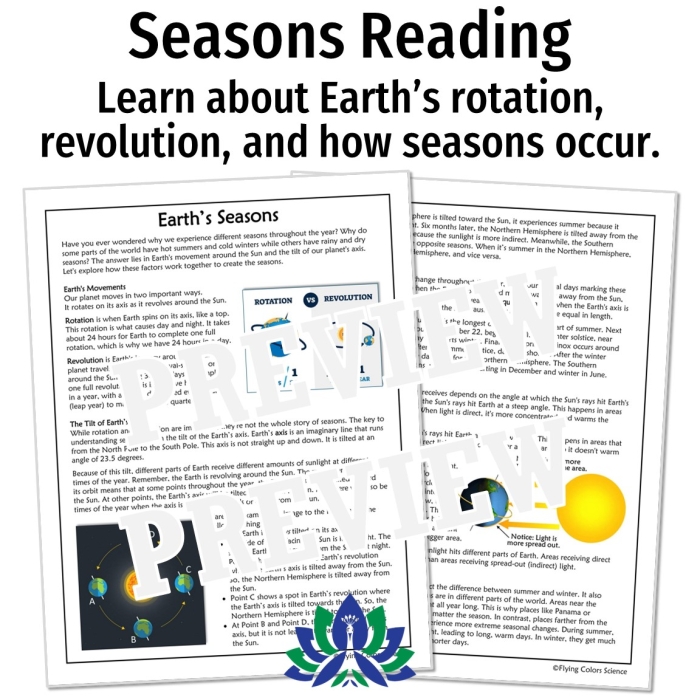
Earth is tilted at an angle of approximately 23.5 degrees. This inclination means that as Earth orbits the sun, different parts of the planet receive varying amounts of sunlight at different times of the year. For instance, during the summer solstice in the Northern Hemisphere, the North Pole is tilted toward the sun, resulting in longer days and warmer temperatures. Conversely, during the winter solstice, the North Pole is tilted away from the sun, leading to shorter days and cooler conditions.
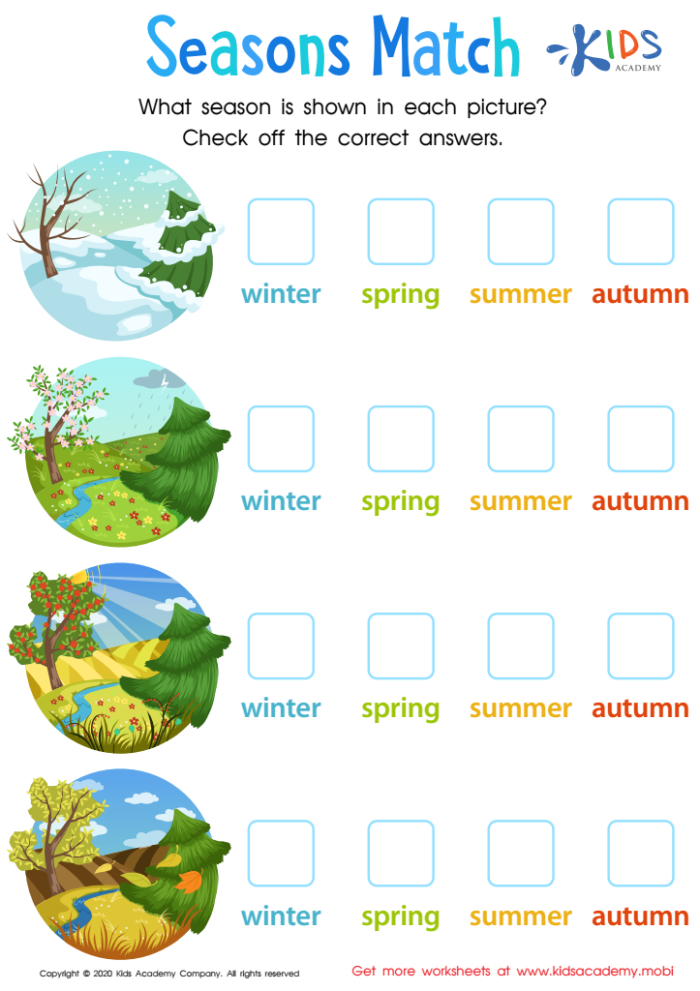
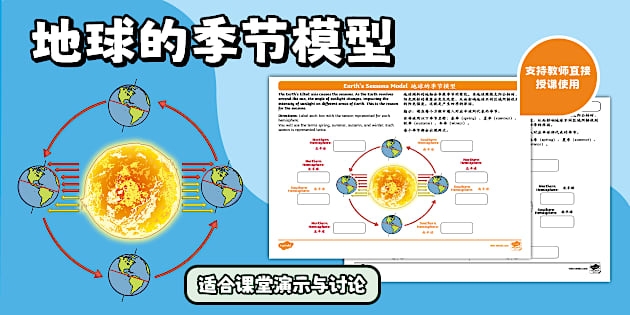
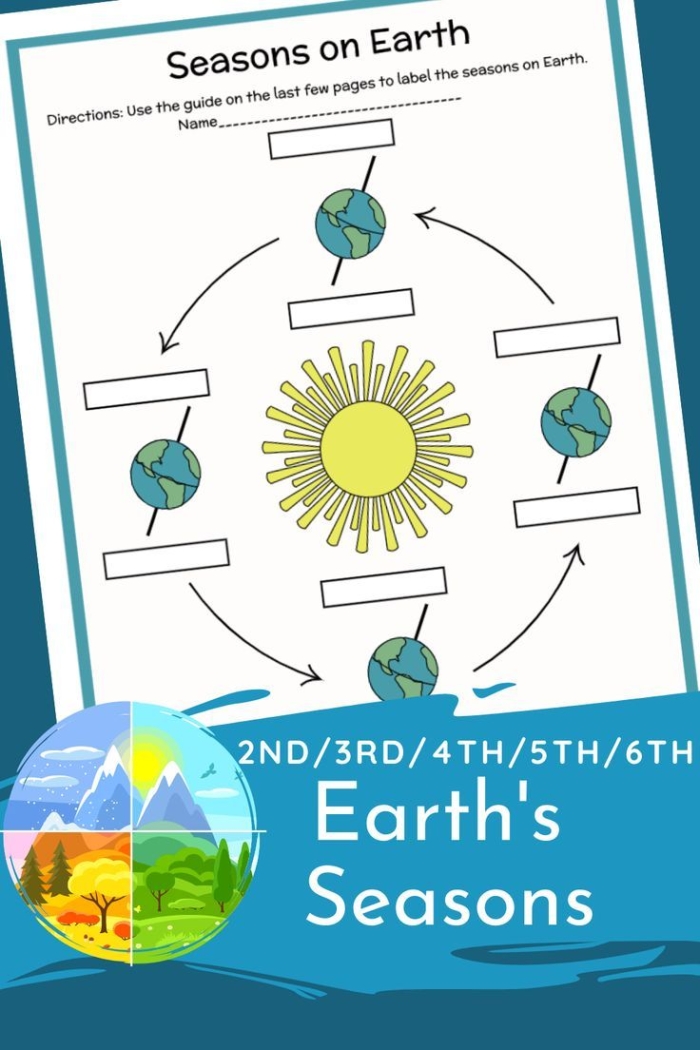
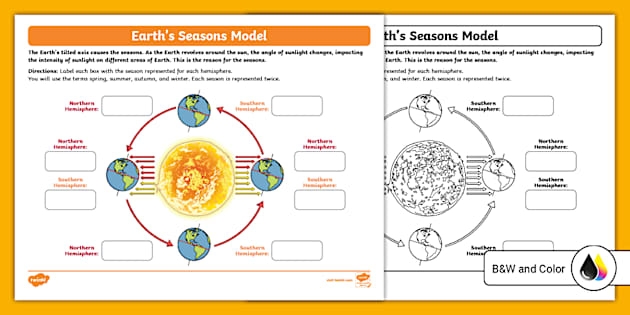
This tilt creates a cycle of seasons: spring, summer, autumn, and winter. As students engage with printable resources like worksheets on combining sentences or Earth and space science assessments, they can visualize and model how this tilt influences seasonal changes. By using a model, they can see the sun’s rays hitting different parts of the Earth at various angles, helping to solidify their understanding of this fundamental concept.
Moreover, engaging with geometry while learning about Earth’s seasons can enhance spatial reasoning skills. Students can draw diagrams that illustrate Earth’s orbit and its tilt, reinforcing both their understanding of geometric principles and the scientific concepts at play. Understanding how Earth’s tilt causes seasons not only enriches students’ science education but also provides a practical application of geometry.
As students continue their exploration of Earth and space science, they will find that the relationship between Earth’s tilt and its orbit offers a clear example of how science and math intersect. This foundational knowledge is essential as they progress through their education, preparing them for more advanced topics in both fields.
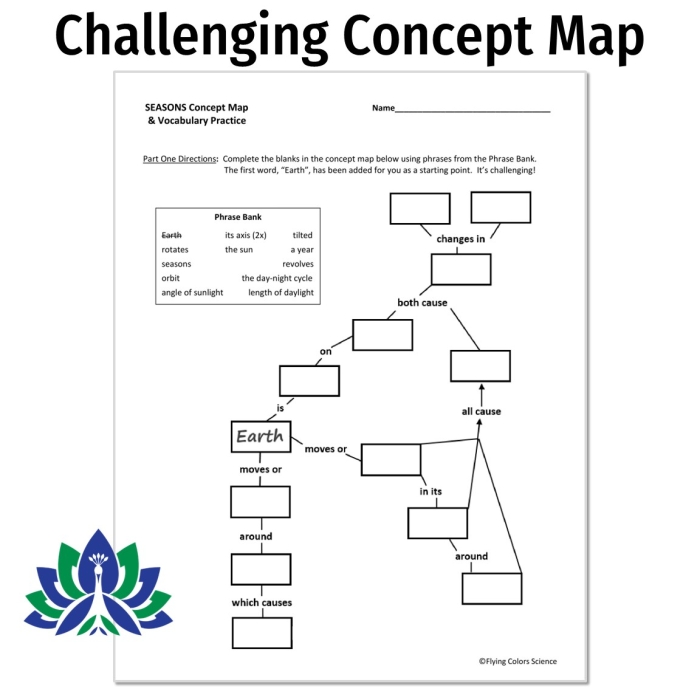
Boost Skills with These Worksheets