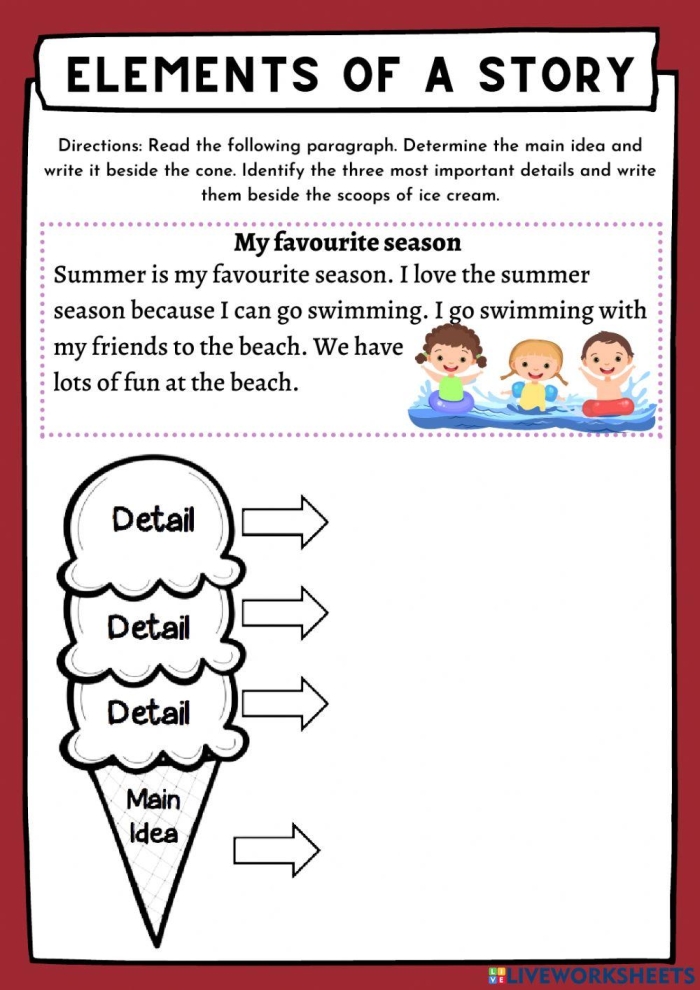
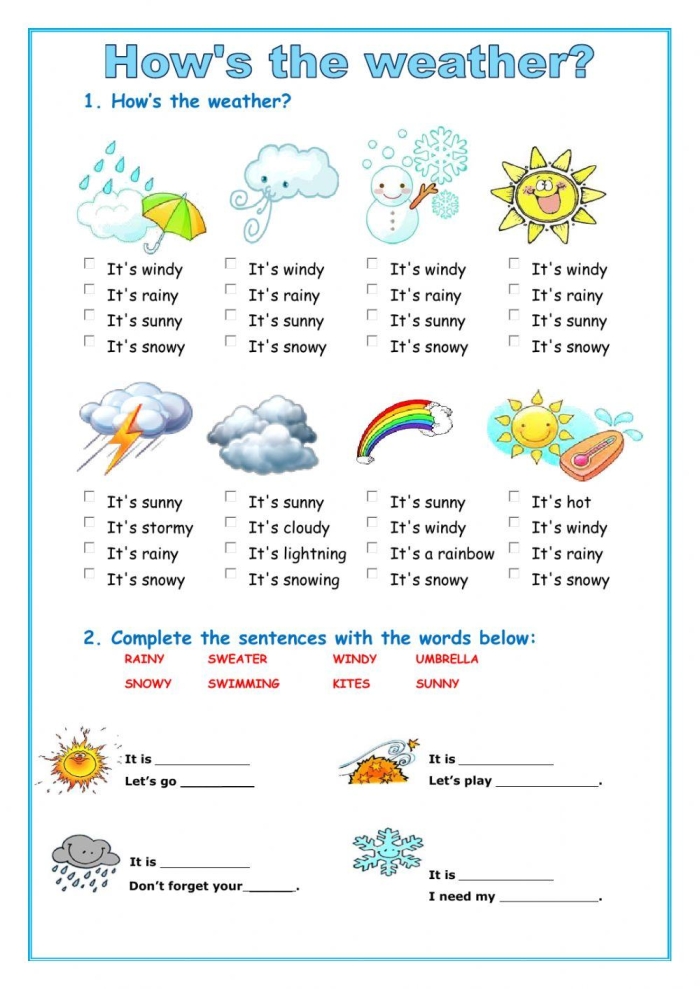
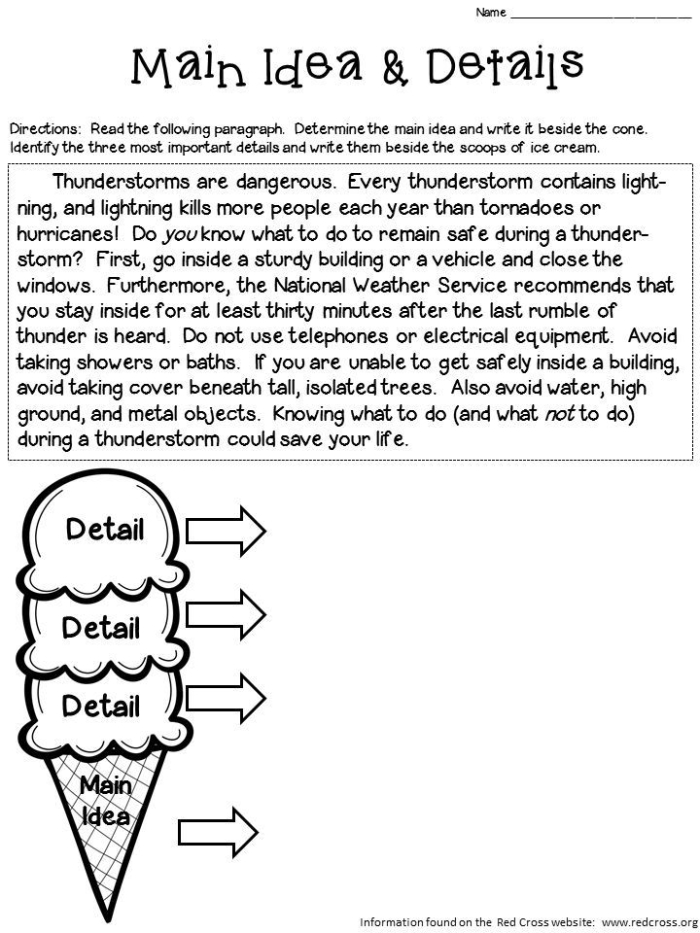
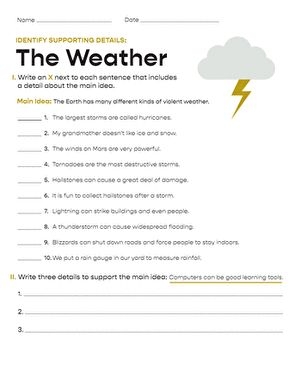
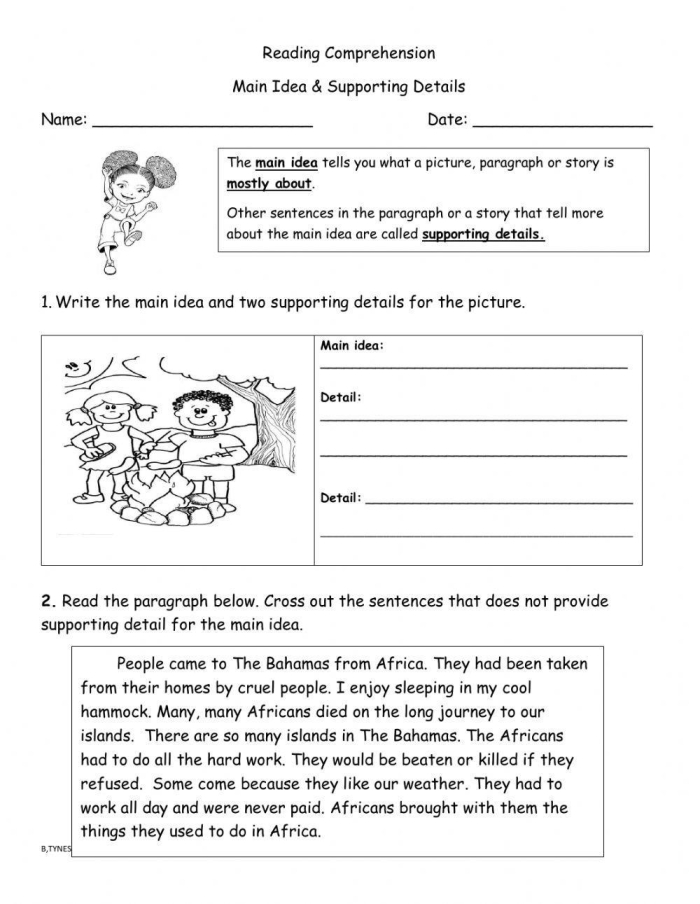
Weather worksheets that combine reading comprehension with critical thinking skills offer third grade students a practical way to strengthen their literacy abilities while learning about natural phenomena. When children read about the weather as they identify supporting details, they’re developing two essential academic competencies at once: extracting relevant information from text and understanding how evidence supports main ideas.
This approach works because third grade is the ideal time for students to transition from learning to read toward reading to learn. At this developmental stage, children benefit from content that feels tangible and observable. Weather is something they experience daily, making it an engaging subject matter that holds their attention while they practice the mechanics of finding supporting details in a passage.
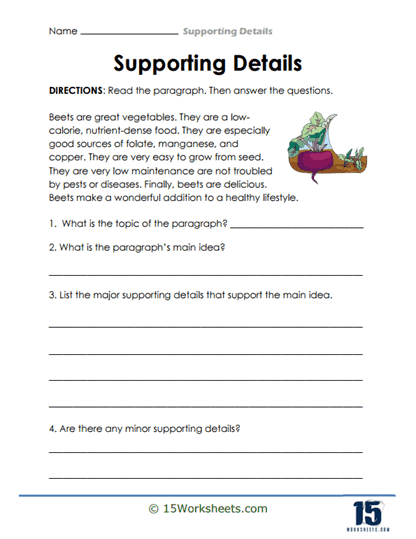
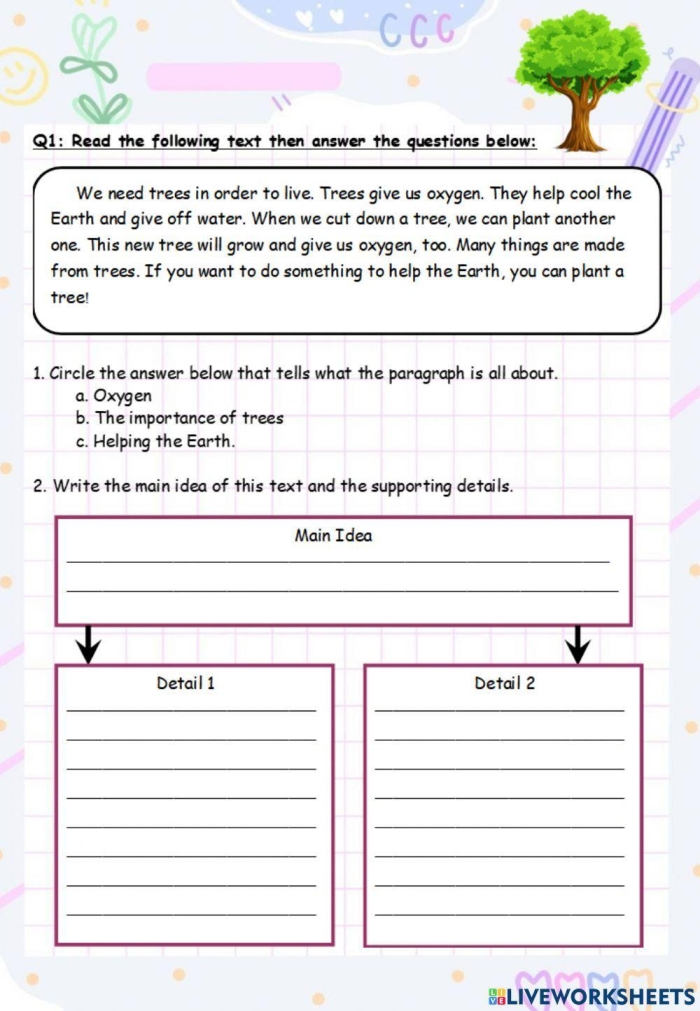
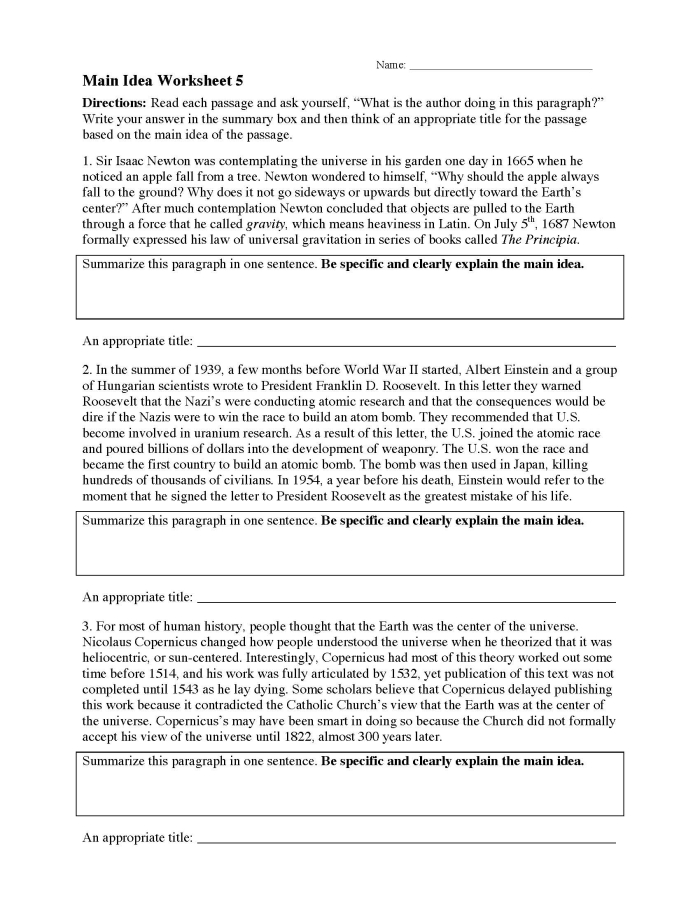
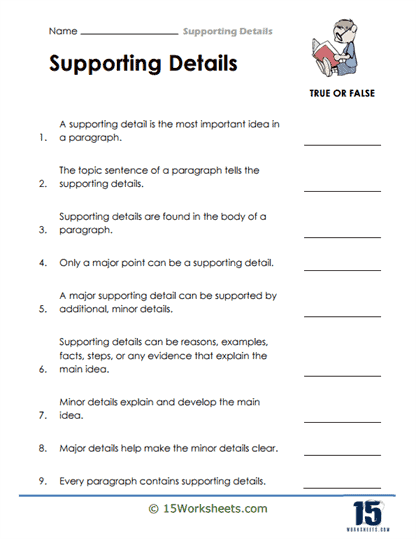
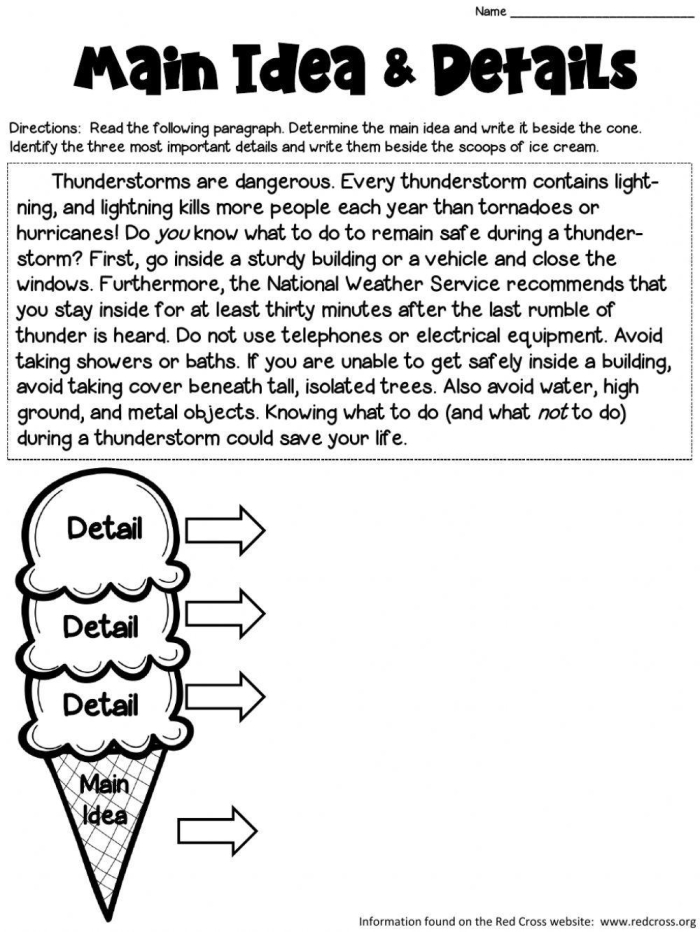
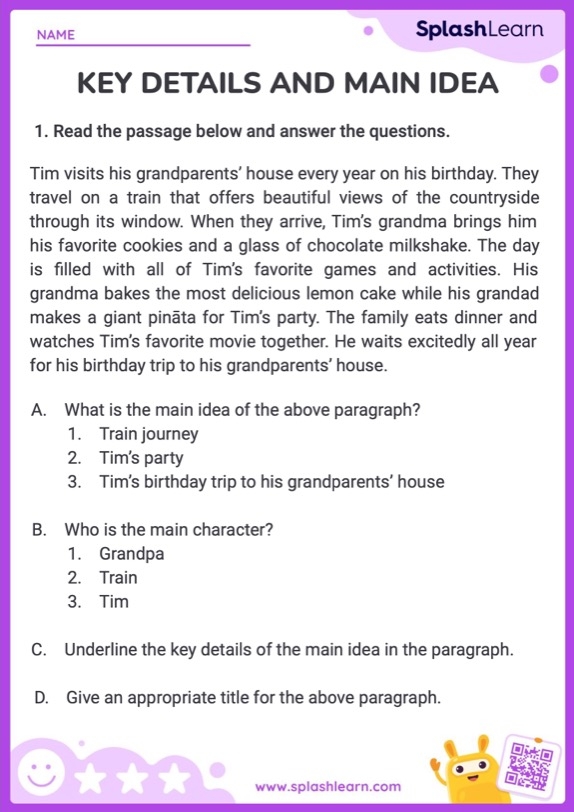
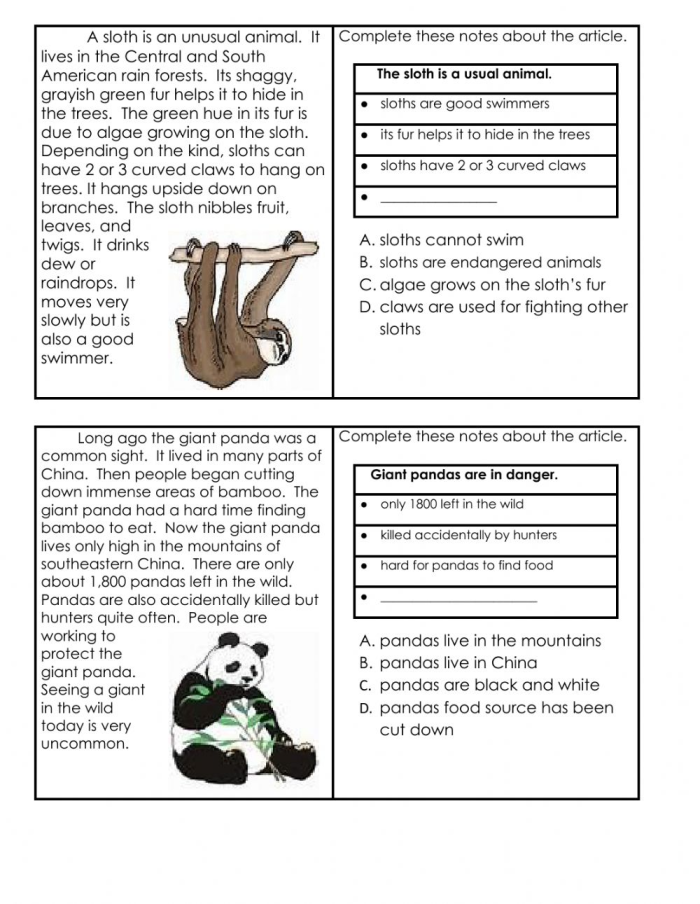
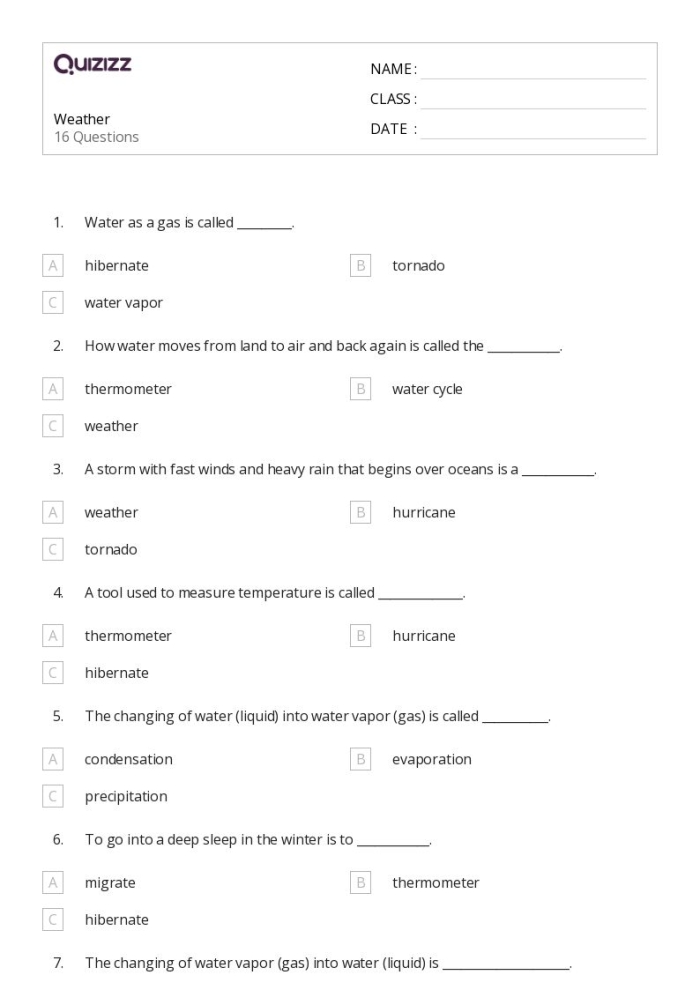
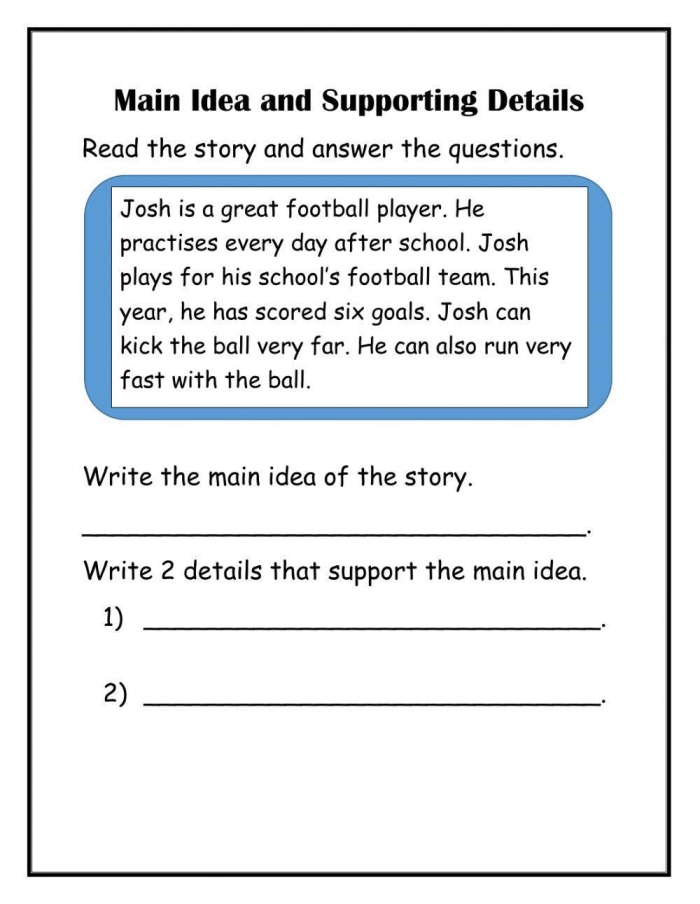
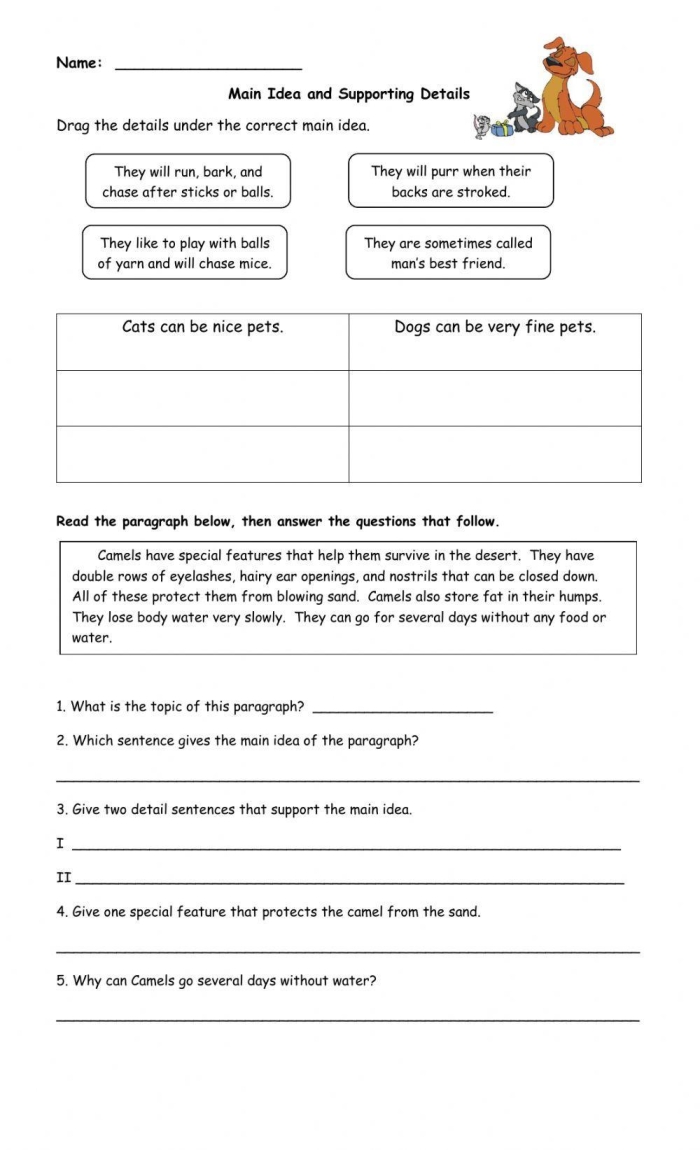
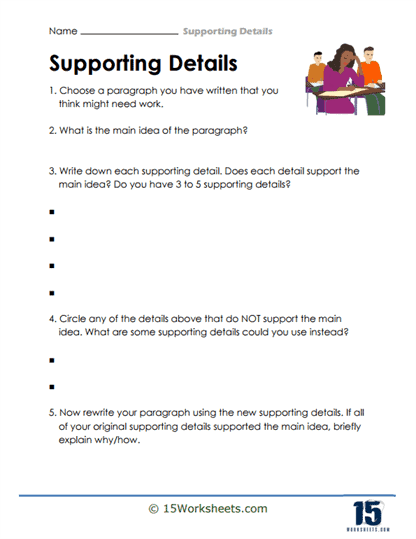
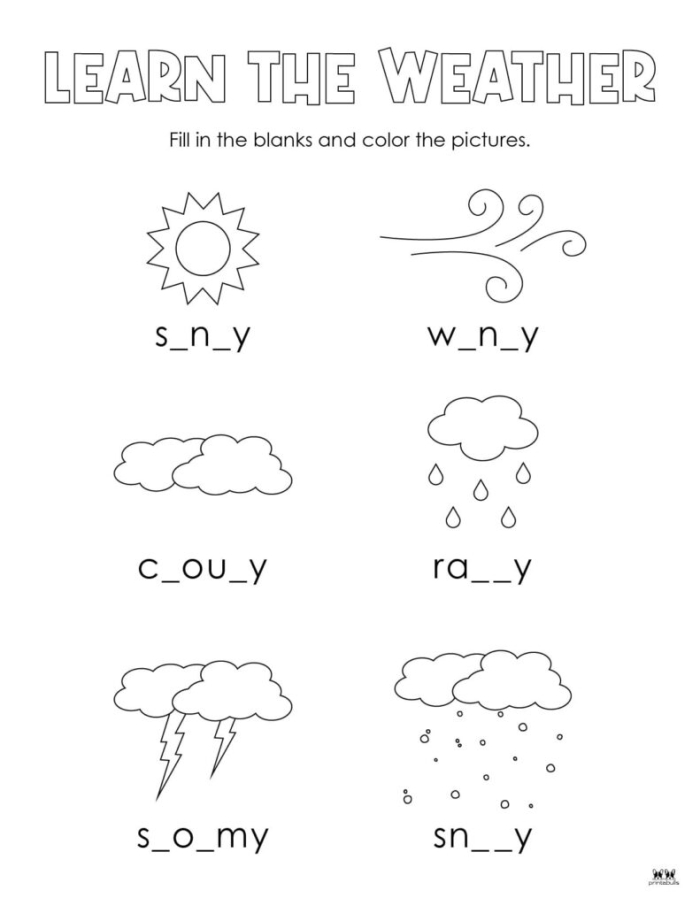
A typical weather-focused worksheet might present a short passage about rain, snow, or wind, followed by questions asking students to identify specific details that explain why weather occurs or how it affects the environment. This structure mirrors the kind of reading comprehension work that appears on standardized assessments, preparing students for future academic demands. The life science connection is natural here, since weather patterns and atmospheric conditions form the foundation of environmental science instruction in elementary grades.
The beauty of this integrated approach is that it avoids artificial separation between subjects. Rather than treating grammar mechanics and science as isolated topics, worksheets like these show students how language skills serve a purpose. When combined with other learning tools, such as practice with sentence writing prompts, students gain multiple entry points for understanding how to construct and analyze written information.
For teachers seeking materials that strengthen both literacy and content knowledge simultaneously, weather-based supporting details worksheets deliver measurable results without requiring separate lesson planning time.
Worksheet Practice Section