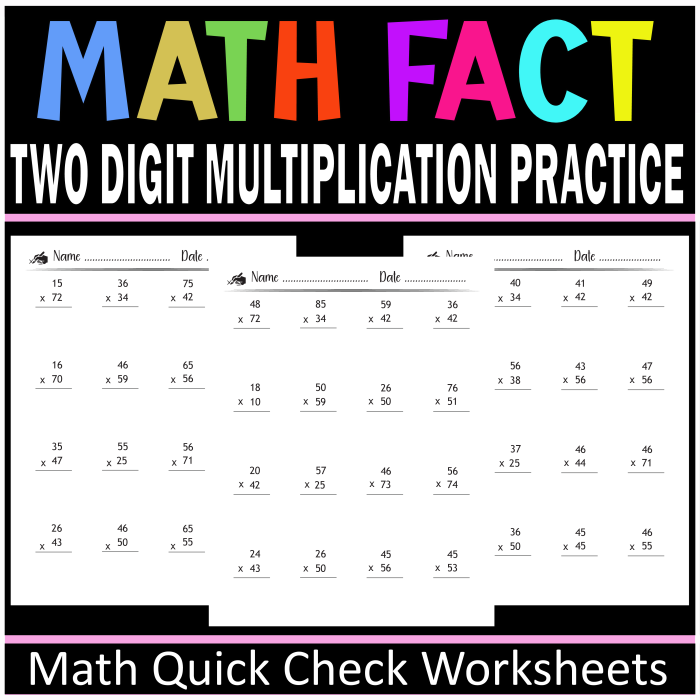
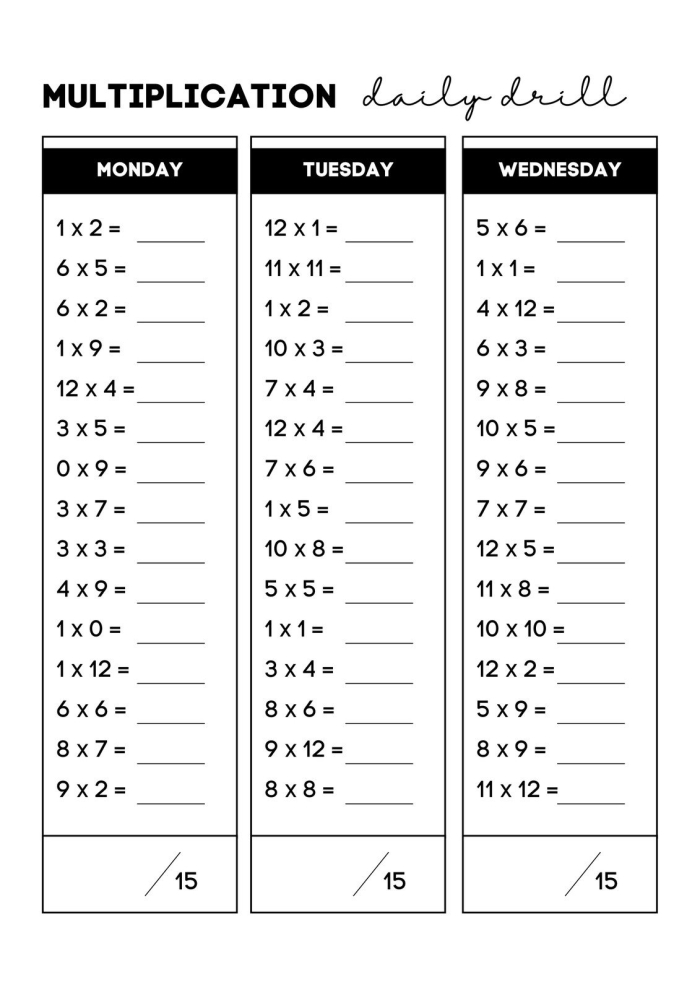
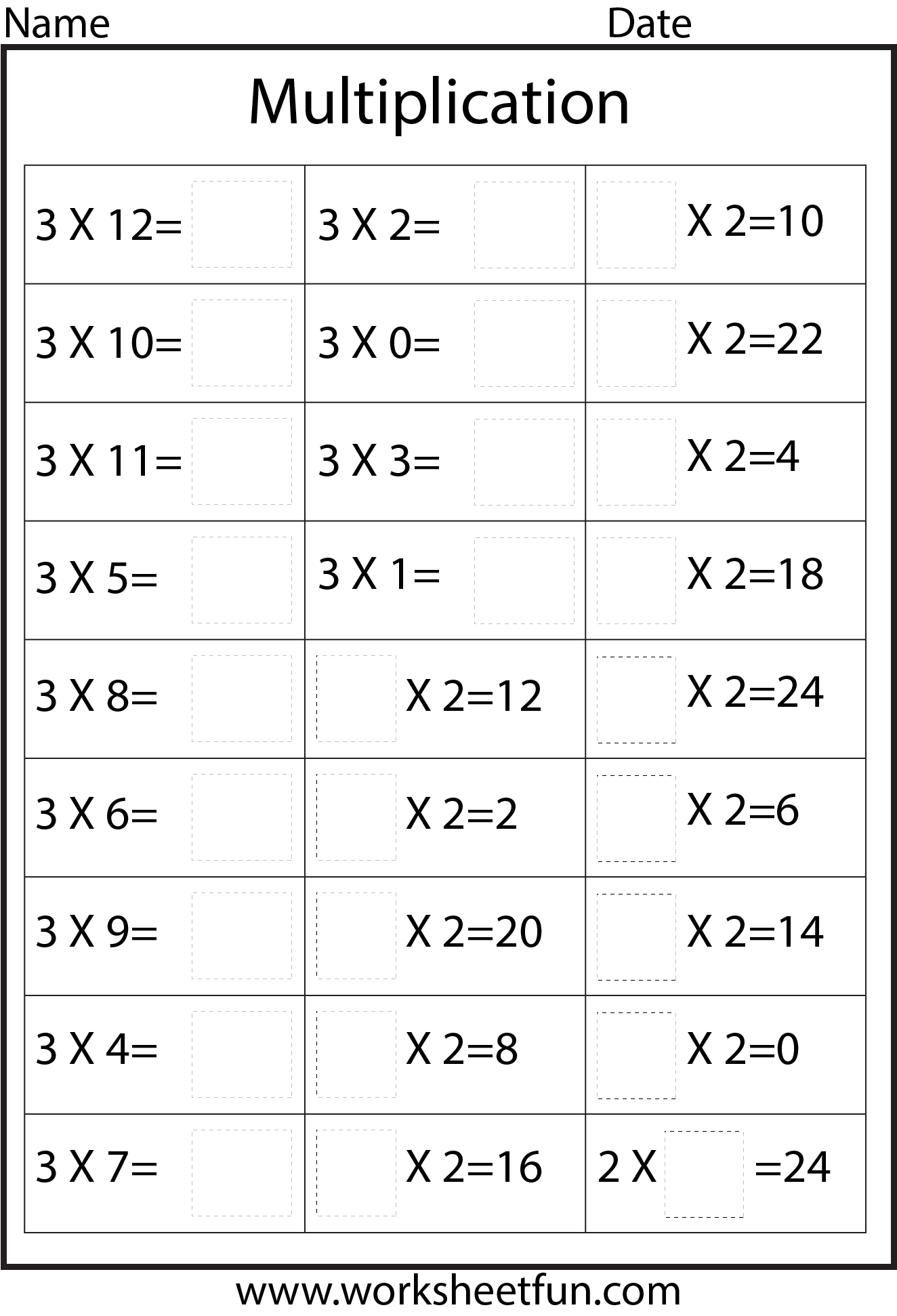
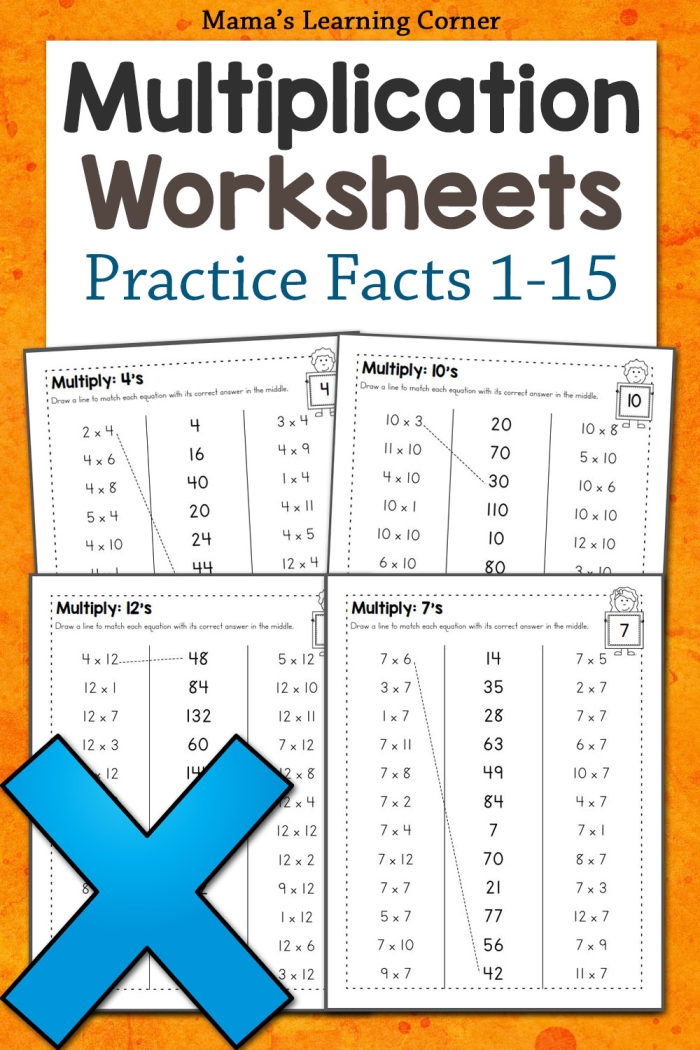
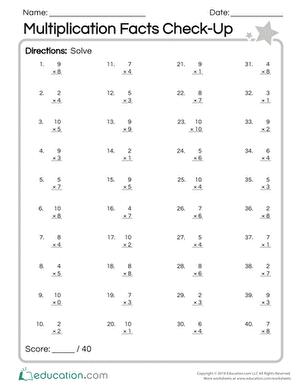
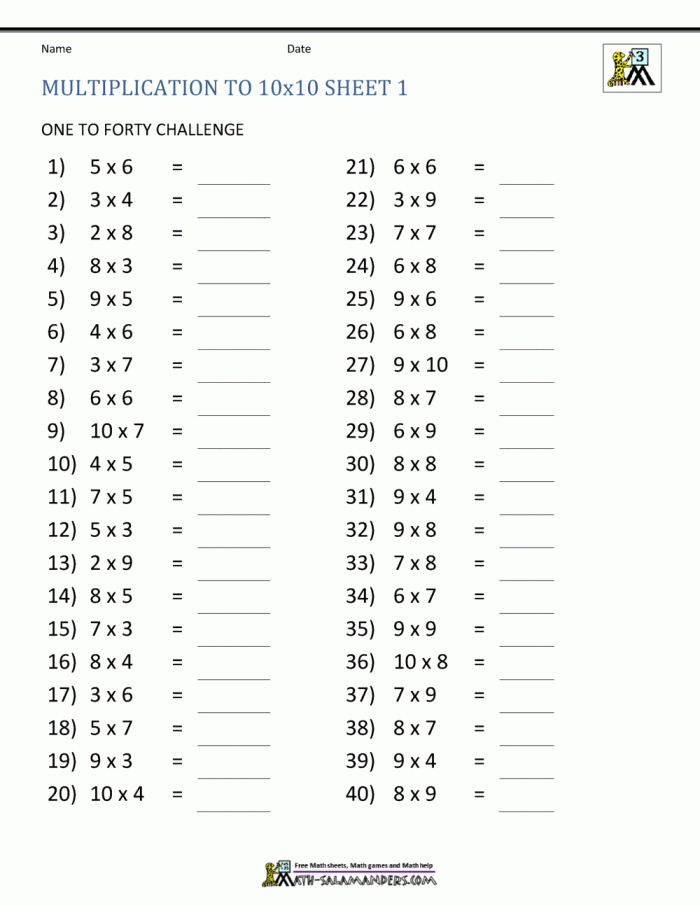
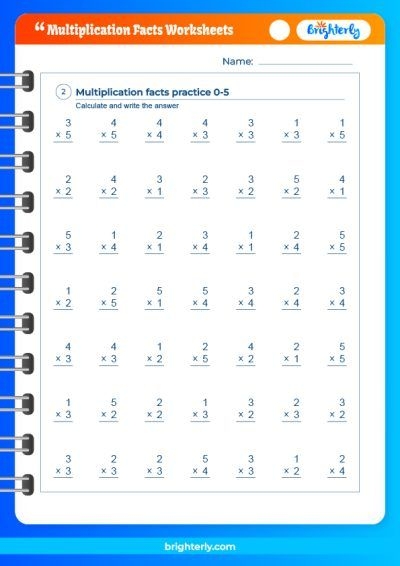
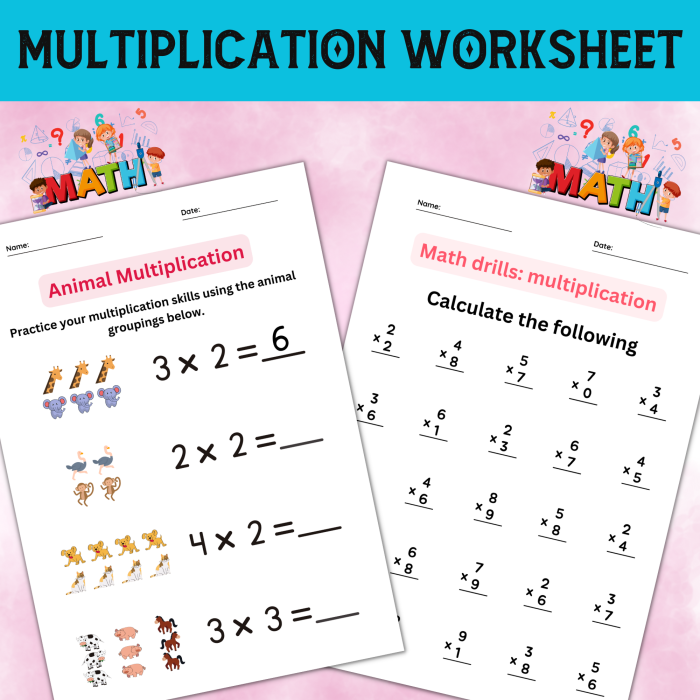
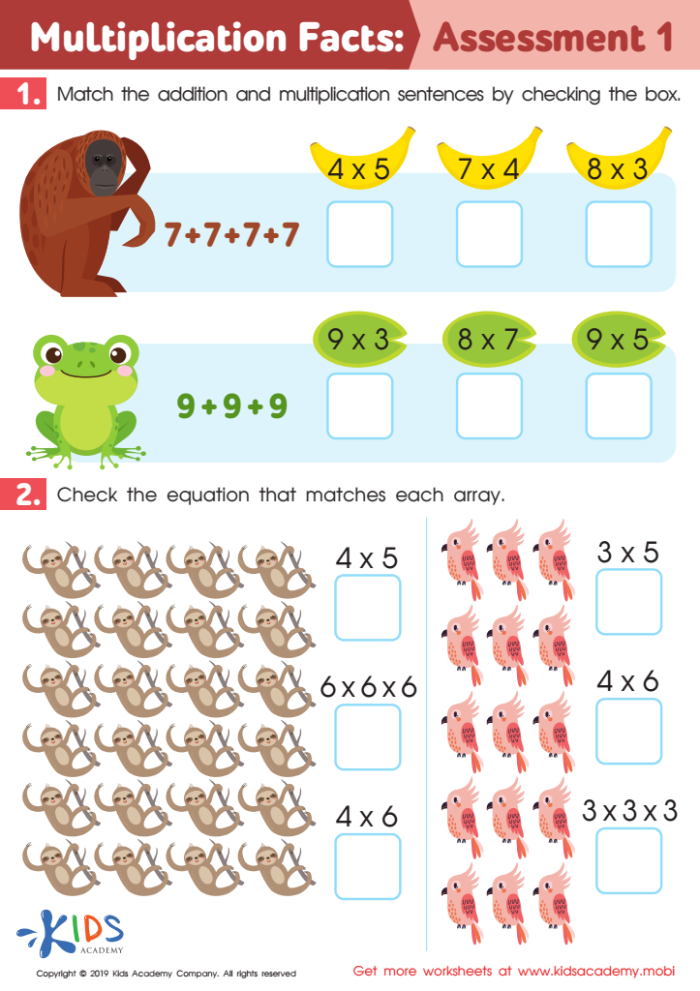
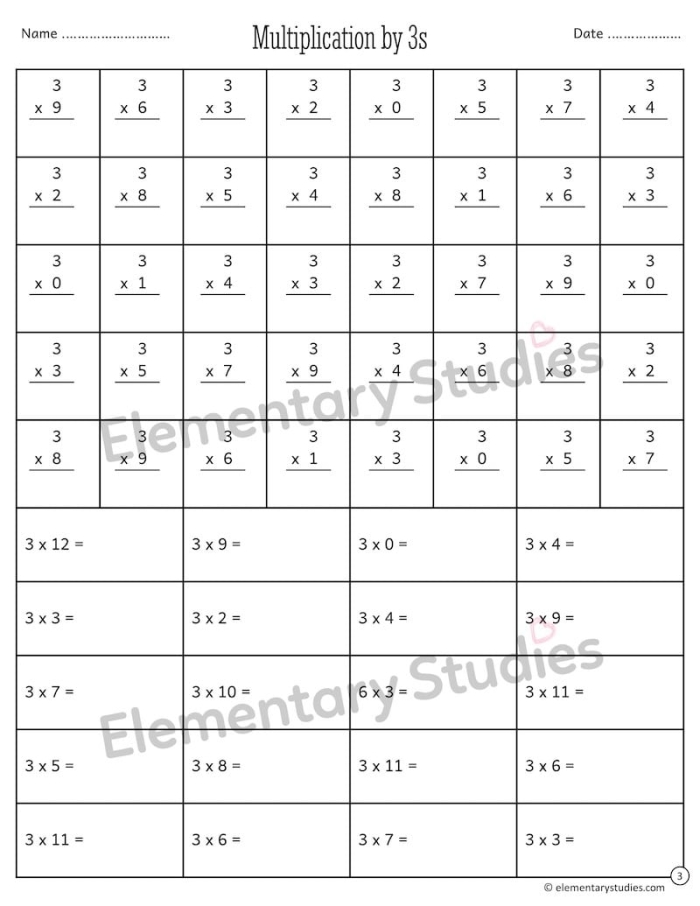
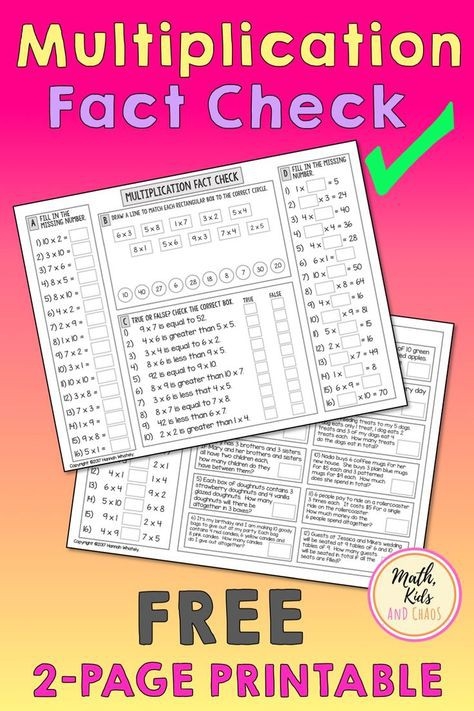
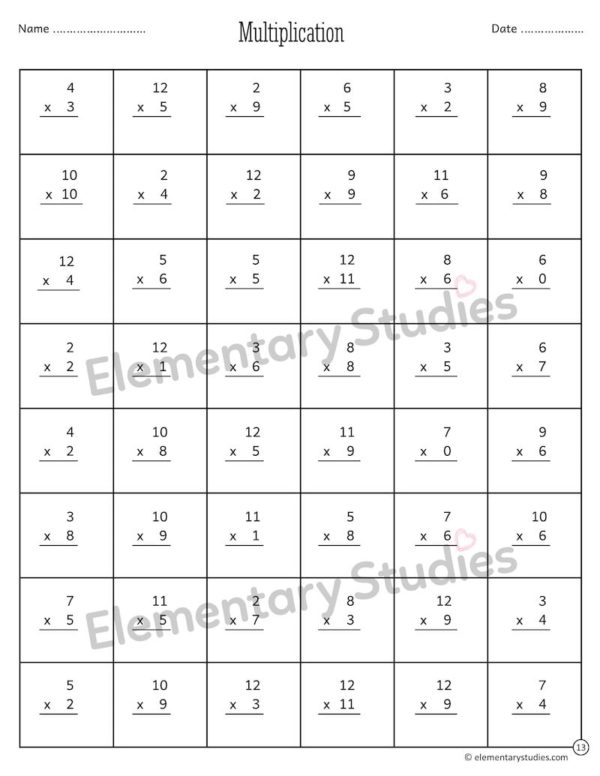
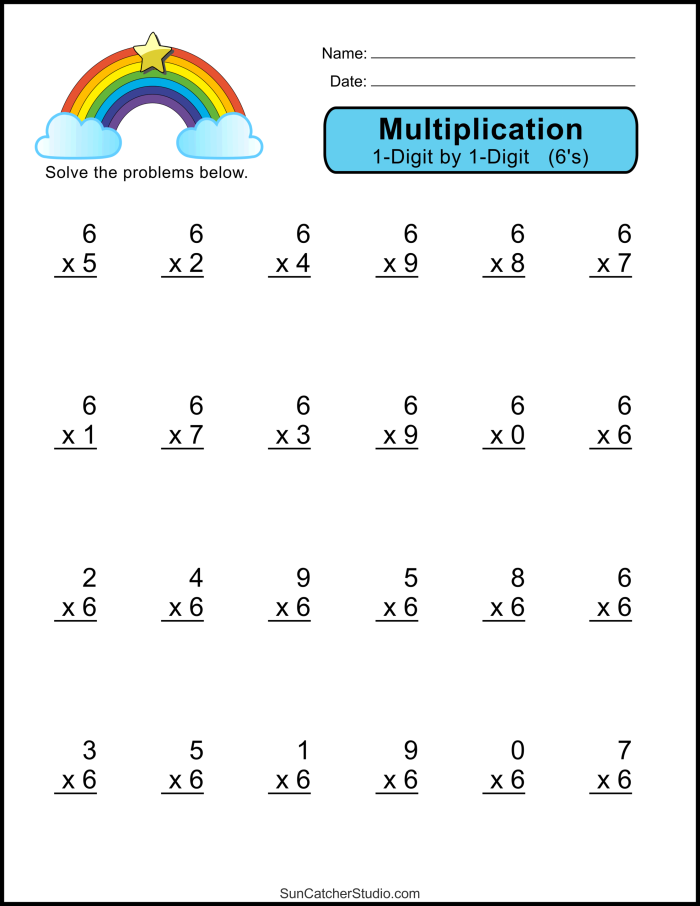
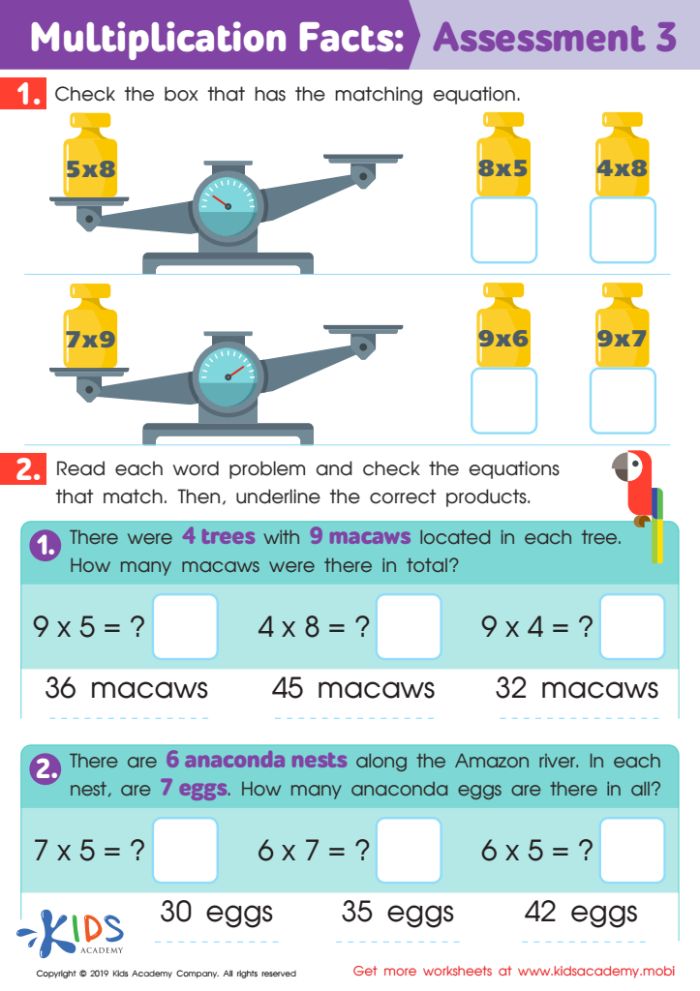
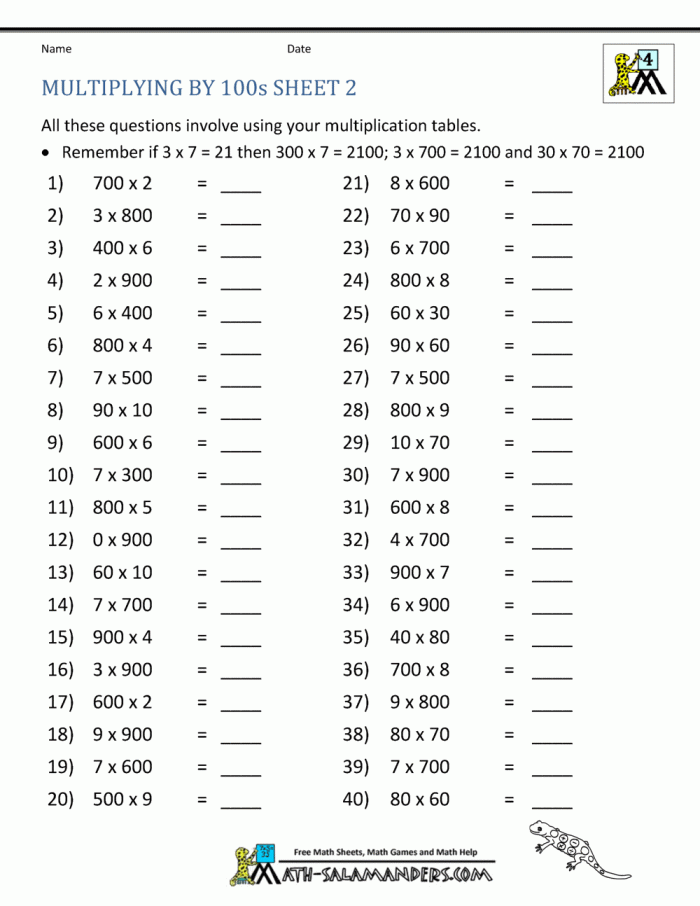
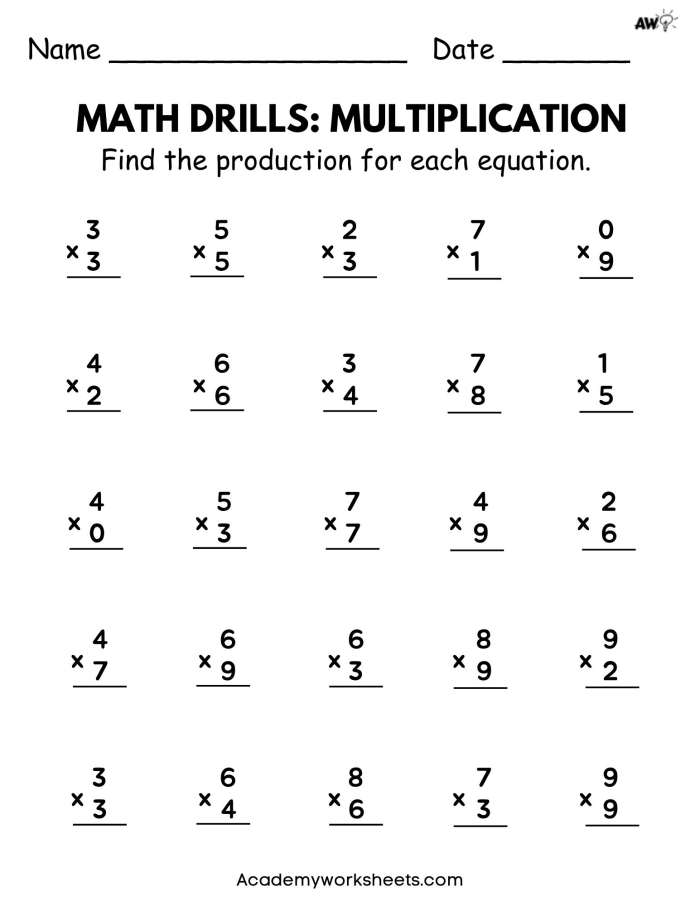
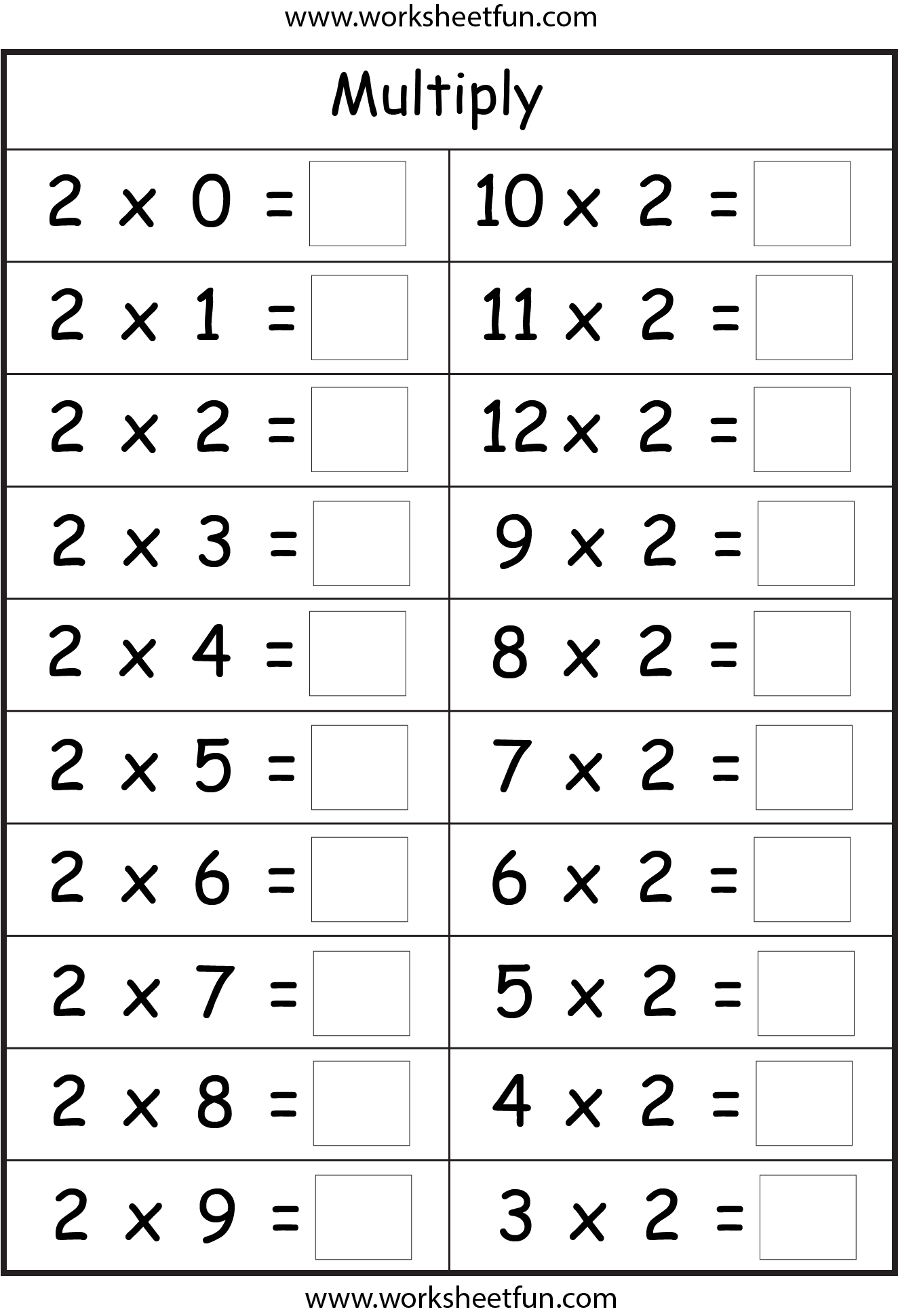
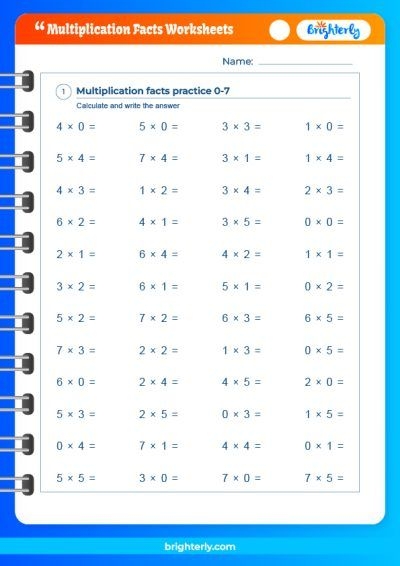
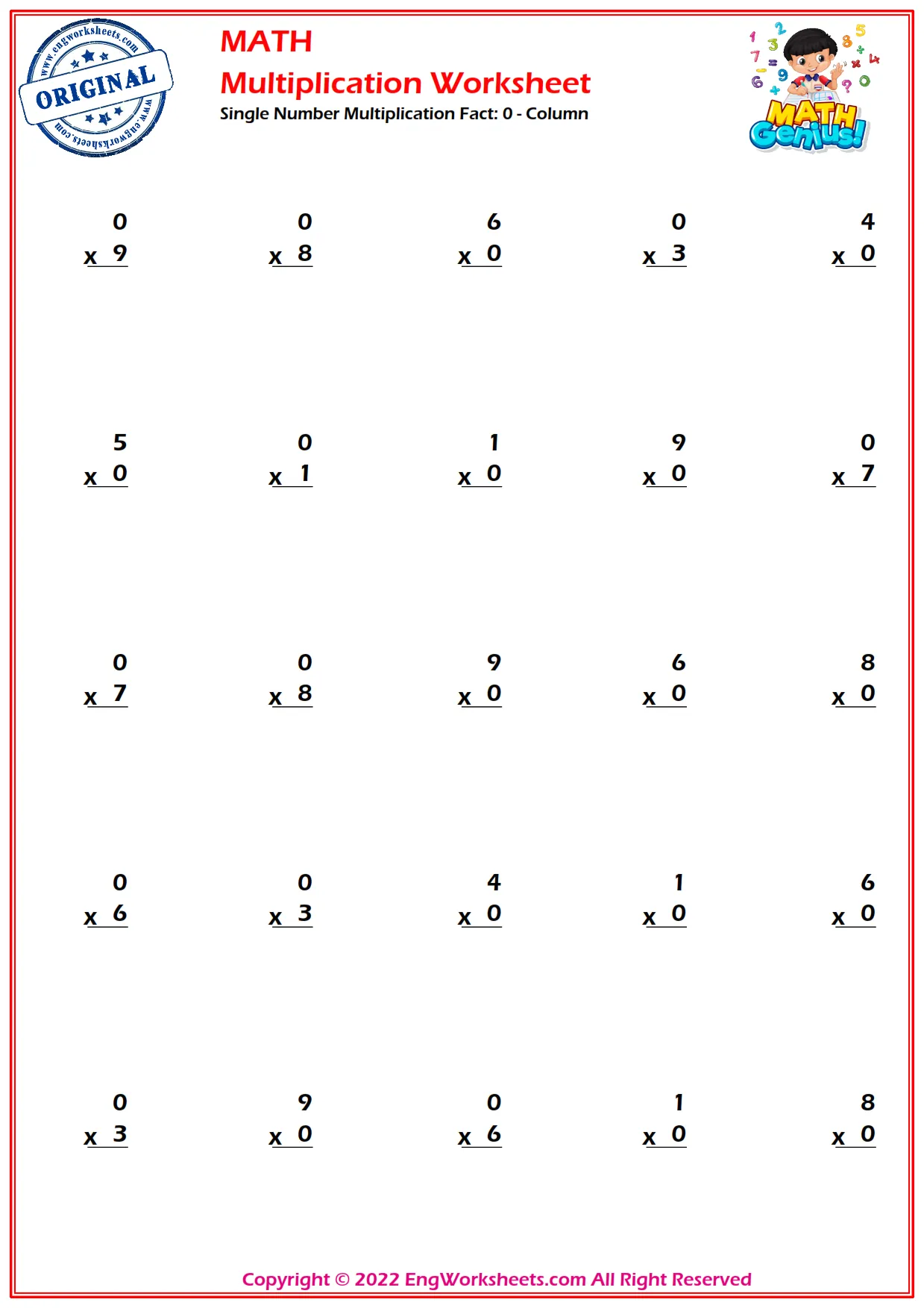
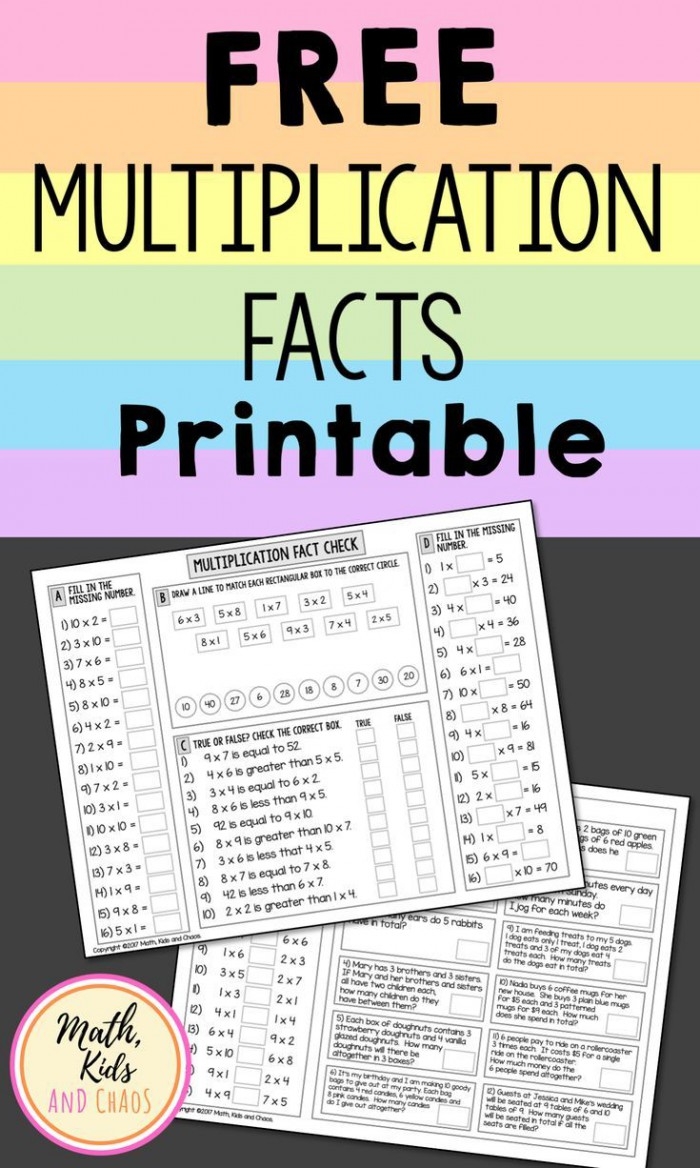
Multiplication fact fluency separates confident math students from those who struggle with speed and accuracy. If you’re teaching third grade, you already know that students who can recall basic multiplication facts quickly have a significant advantage when tackling more complex math concepts later on. A focused multiplication facts check-up gives you concrete data about where each student stands with factors up to 10.
When students reach third grade, they’re typically expected to master single-digit multiplication facts. This isn’t just about memorization, though repetition plays a role. True fact fluency means students can retrieve answers automatically, without counting on fingers or using manipulatives. The speed matters because it frees up mental resources for problem-solving and reasoning. A student who hesitates over 7 times 8 will struggle to focus on the actual math task at hand.
Using a multiplication facts check-up worksheet lets you identify specific gaps quickly. Rather than guessing which facts your students know, you get direct evidence. Some students master their 2s and 5s but stumble on 6s, 7s, 8s, and 9s. Others work through problems methodically but lack speed. These distinctions matter for how you differentiate instruction moving forward.
The assessment itself should feel low-pressure. Frame it as a way to see what students already know, not as a test with winners and losers. Many third graders respond well when they understand the purpose: figuring out which facts need more practice. You might use the results to create small practice groups, assign targeted fact drills, or celebrate students who’ve already achieved fluency.
Building fact fluency takes consistent practice over weeks and months, not days. Regular check-ups help you track progress and adjust your approach based on what the data shows.
Try These Printable Worksheets