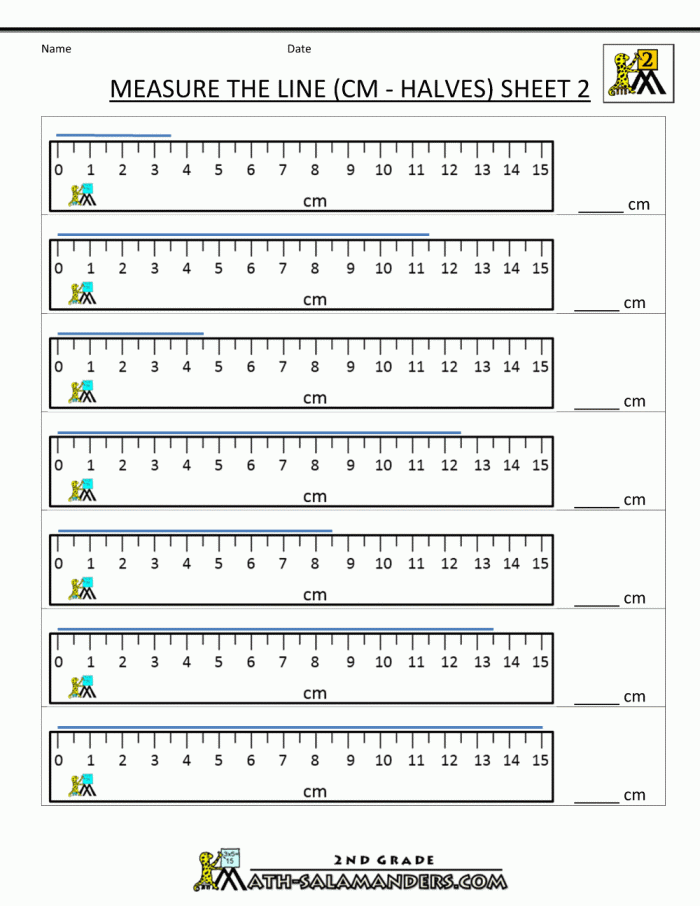
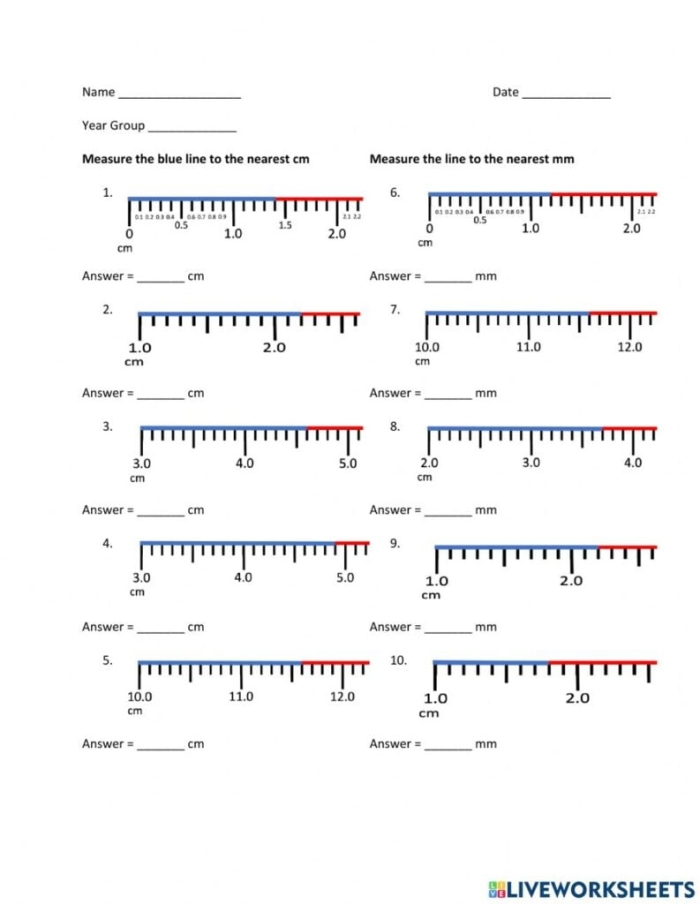
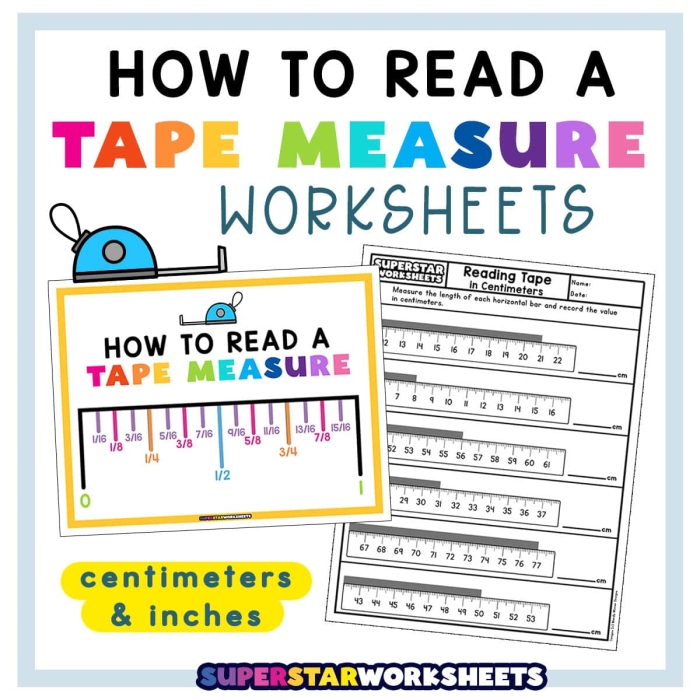
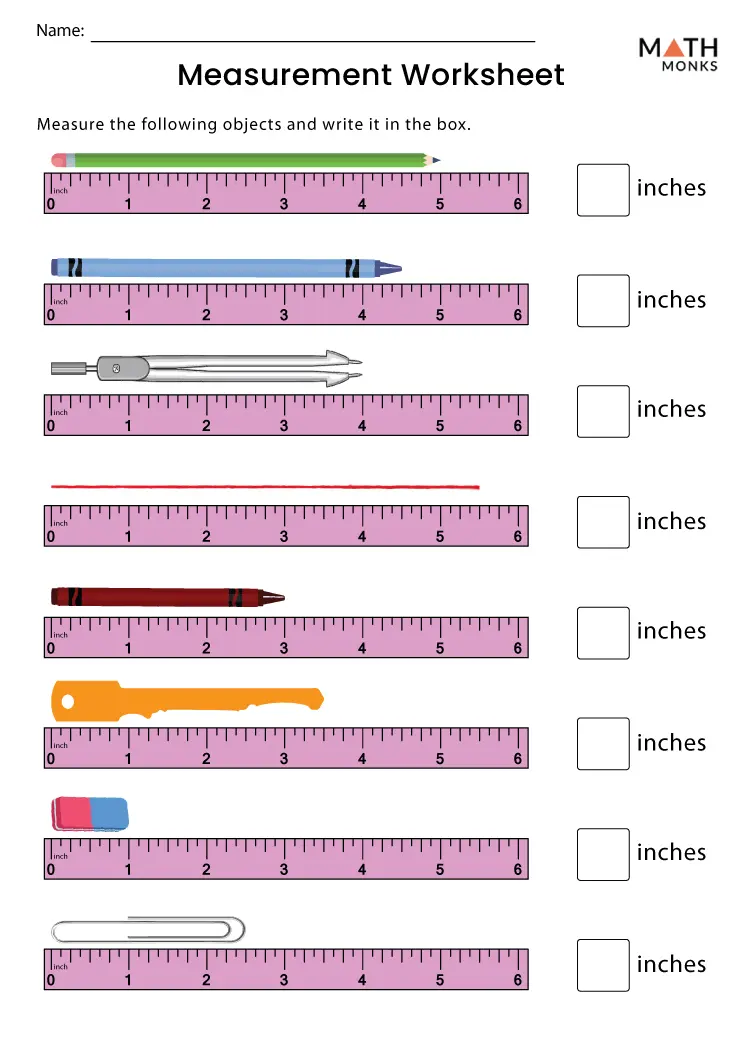
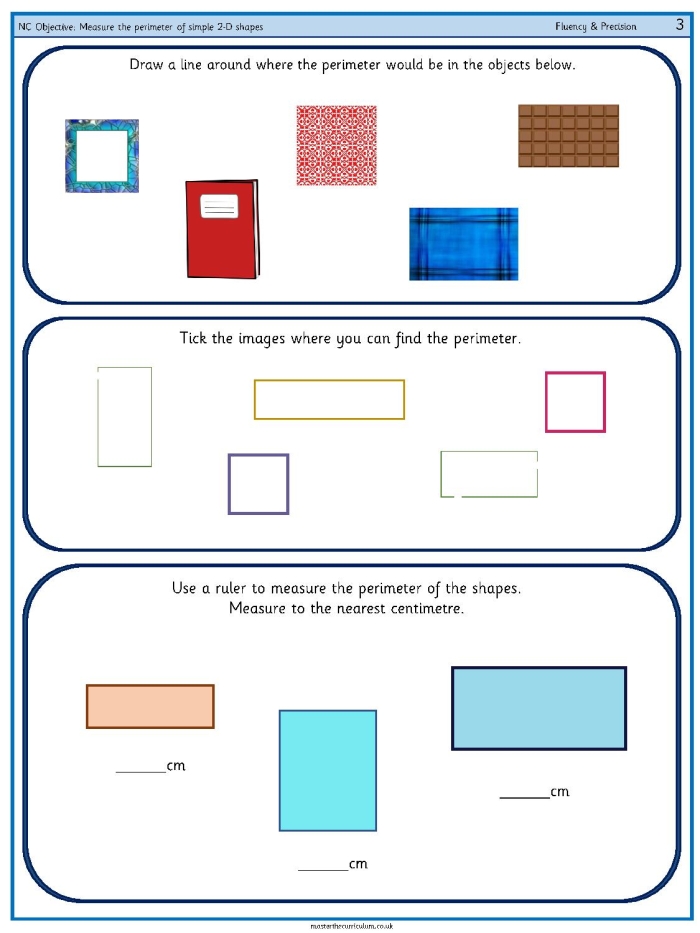
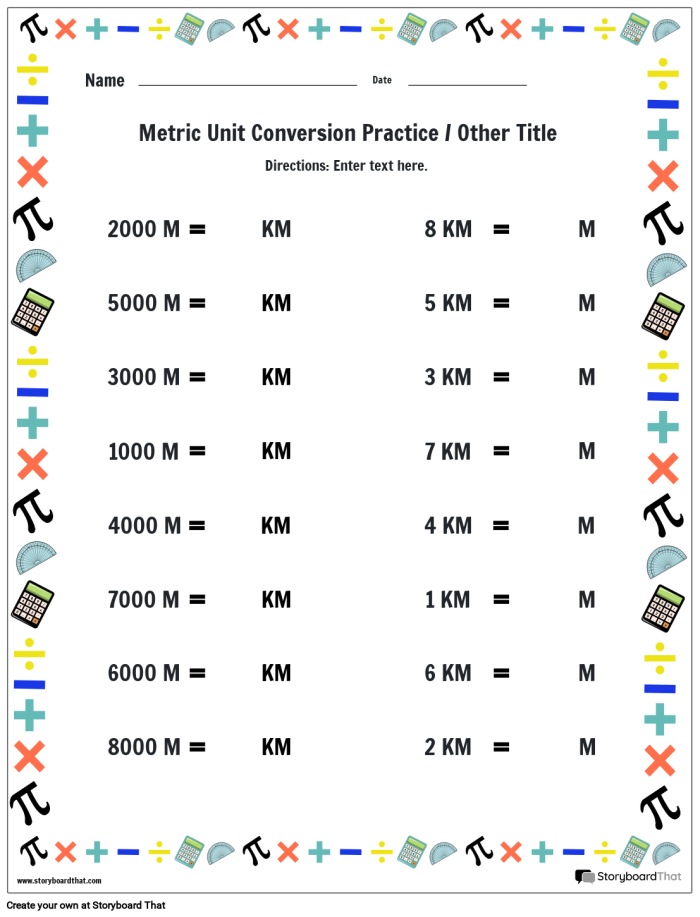
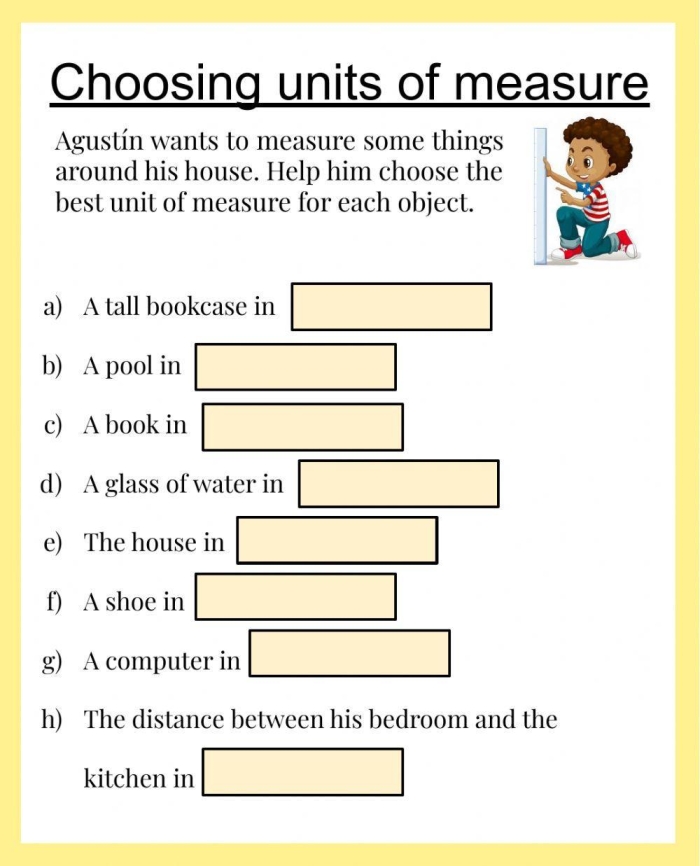
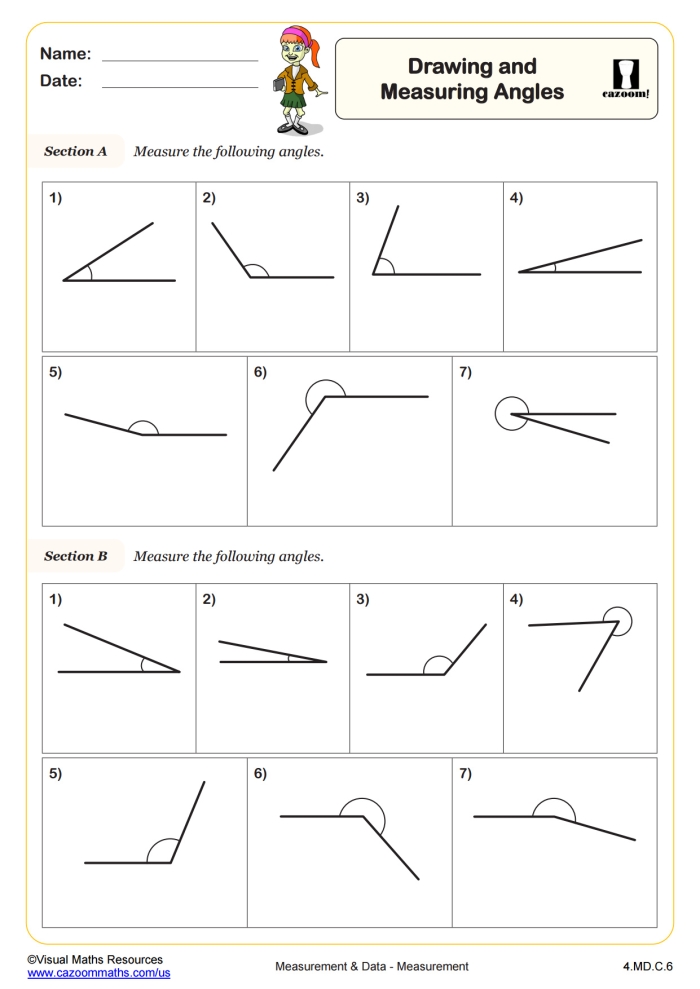
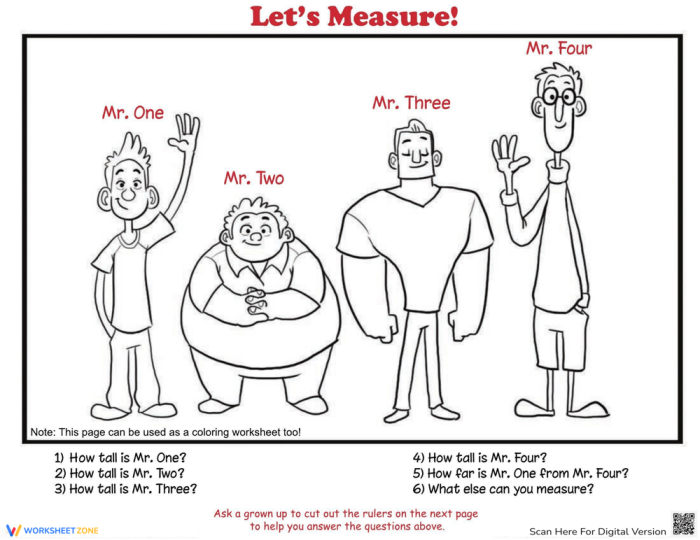
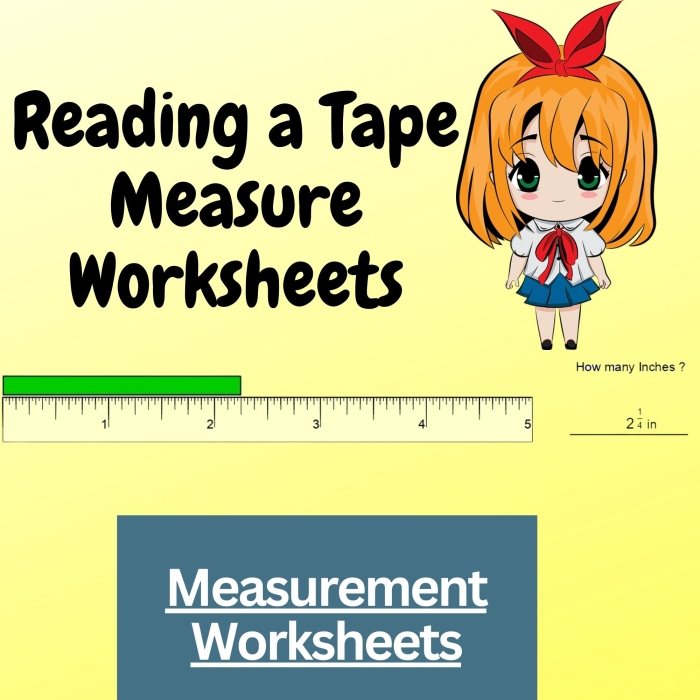
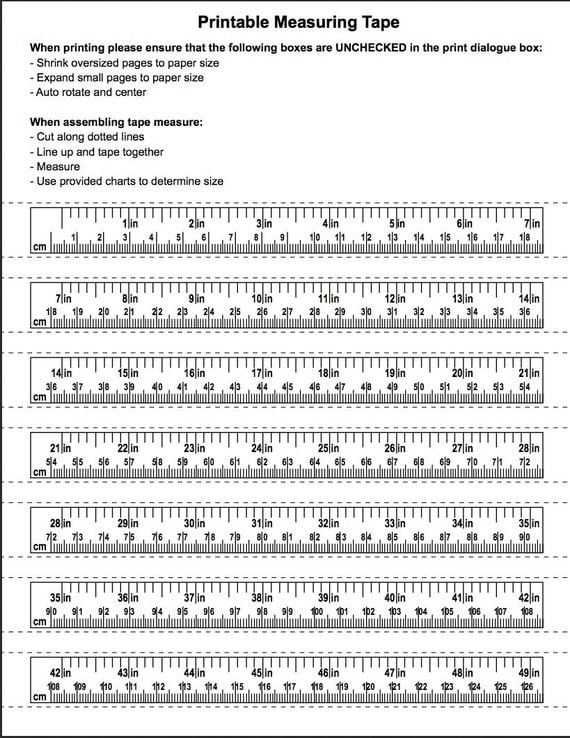
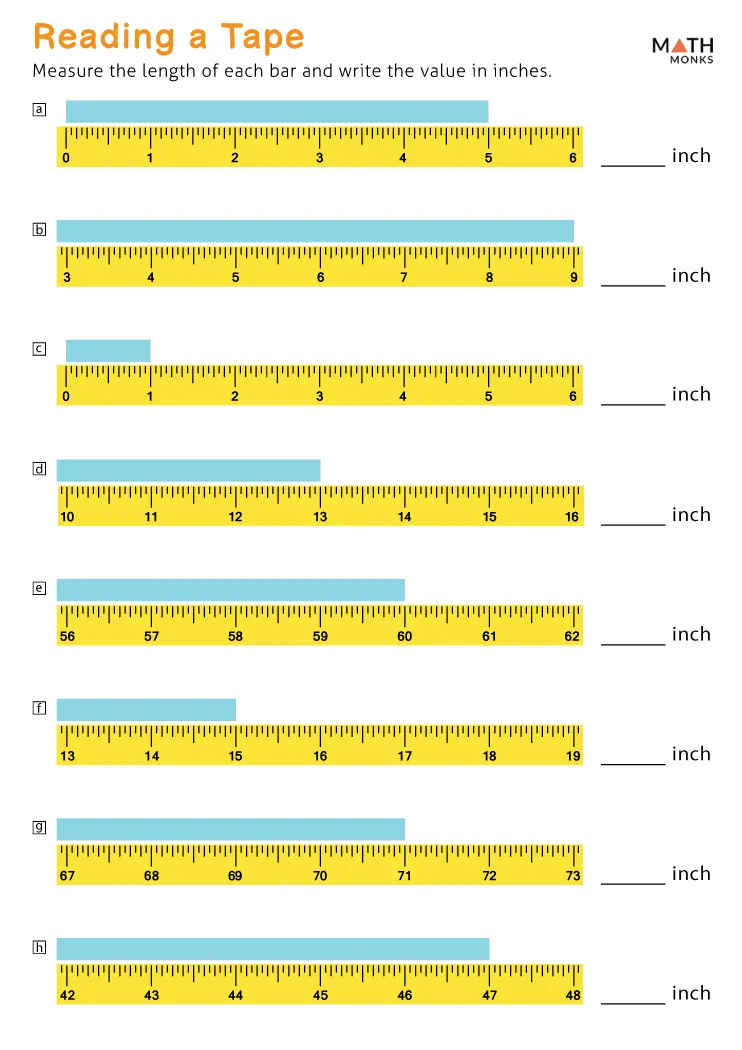
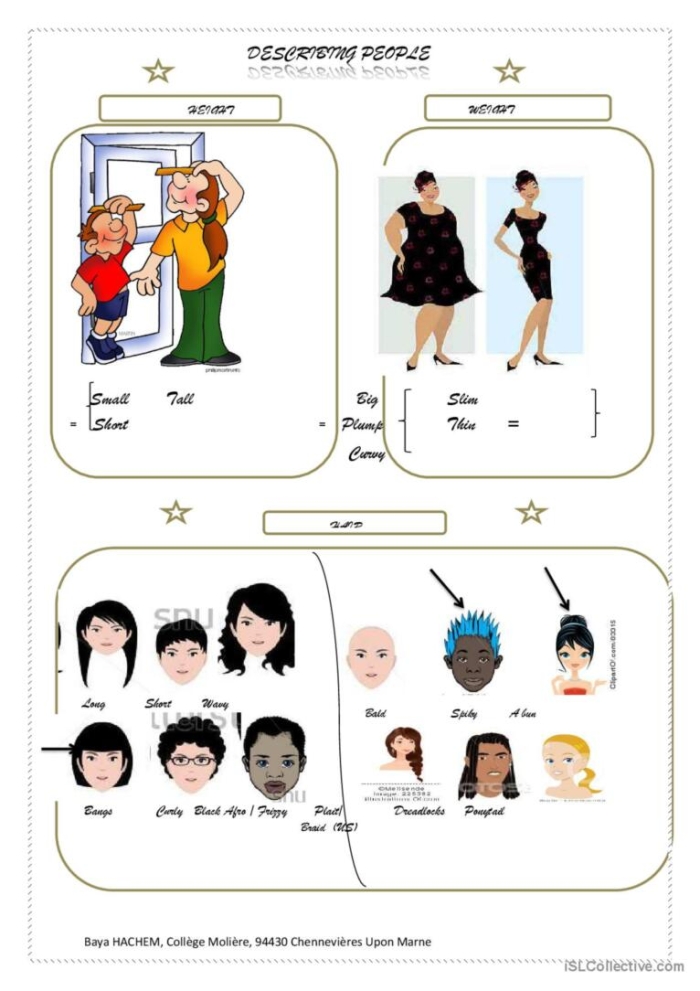
Measuring people might seem straightforward, but it teaches Second Grade students something crucial: how to use tools accurately and compare sizes. When you hand a child a colorful ruler and ask them to measure cartoon characters, you’re building real measurement skills without the pressure of measuring real classmates.
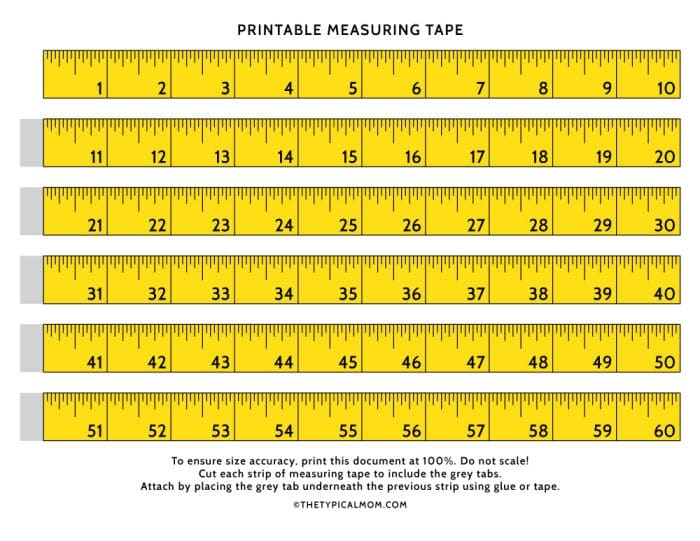
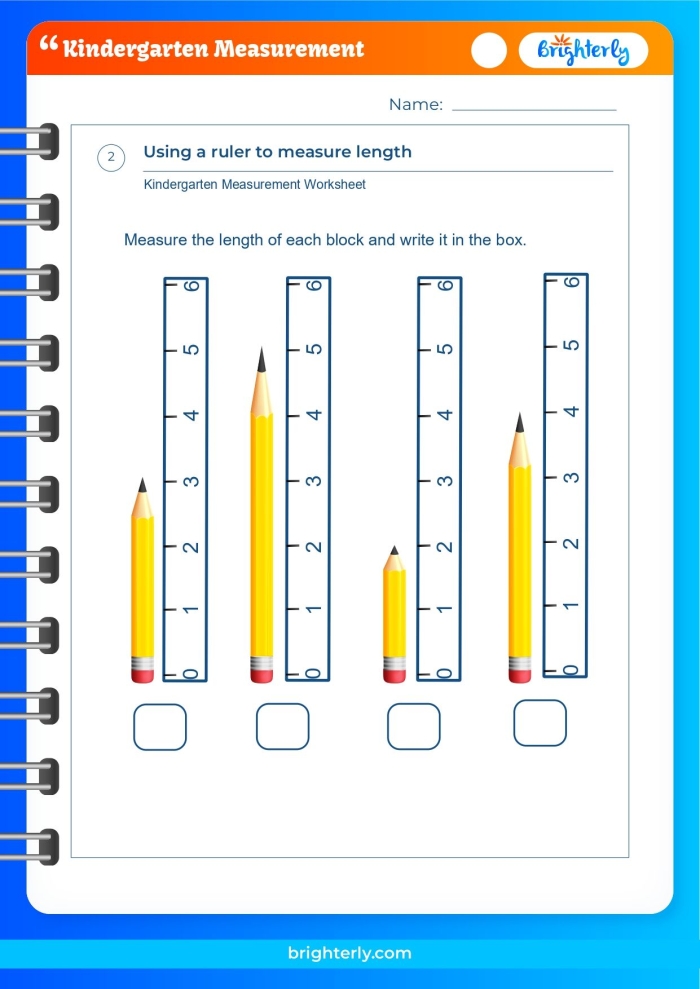
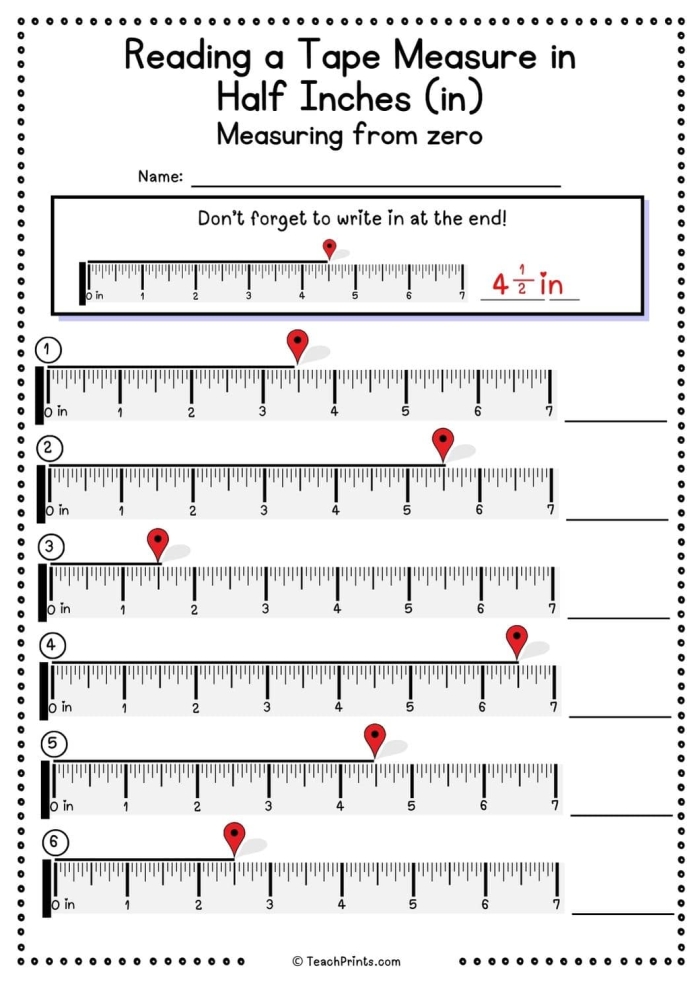
The beauty of this approach lies in its simplicity. Students place their ruler against drawn figures, read the numbers, and record what they find. A cartoon person might be 4 inches tall, another 6 inches. These concrete observations stick better than abstract lessons because kids see the difference immediately. They’re not just learning inches and centimeters, they’re discovering that objects have measurable properties they can compare.
After measuring comes the second layer: answering questions about what they found. Which person is taller? How much taller? These questions push students to think mathematically about their measurements rather than just recording numbers. Then coloring brings the creative element, giving students ownership of their work and a reason to care about accuracy.
This hands-on Measurement activity works well alongside other visual learning exercises. You might pair it with worksheets that focus on how to measure dragons or explore number patterns on the beach to show students that measuring applies everywhere. Some teachers also incorporate how to measure sea creatures to keep the variety high and engagement strong.
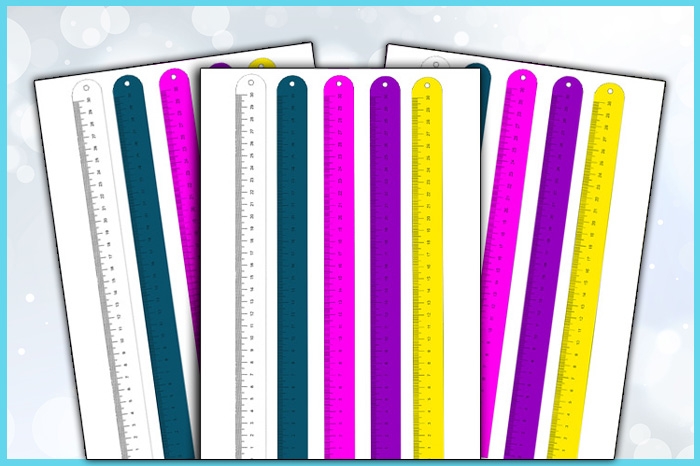
The colored rulers matter too. Bright colors help younger students track where they’re measuring and make the task feel less like work and more like play. Kids naturally gravitate toward colorful materials, so the visual appeal actually supports learning. When you combine measurement practice with creativity, Second Grade students develop confidence in using rulers while producing something they’re proud to show.
Start Practicing with These Worksheets