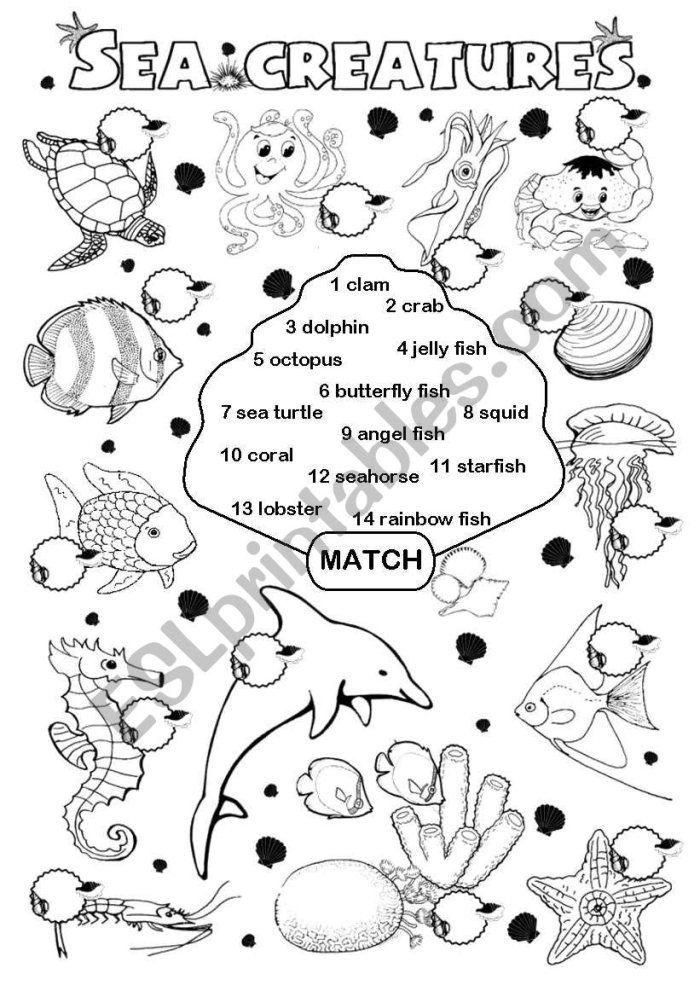
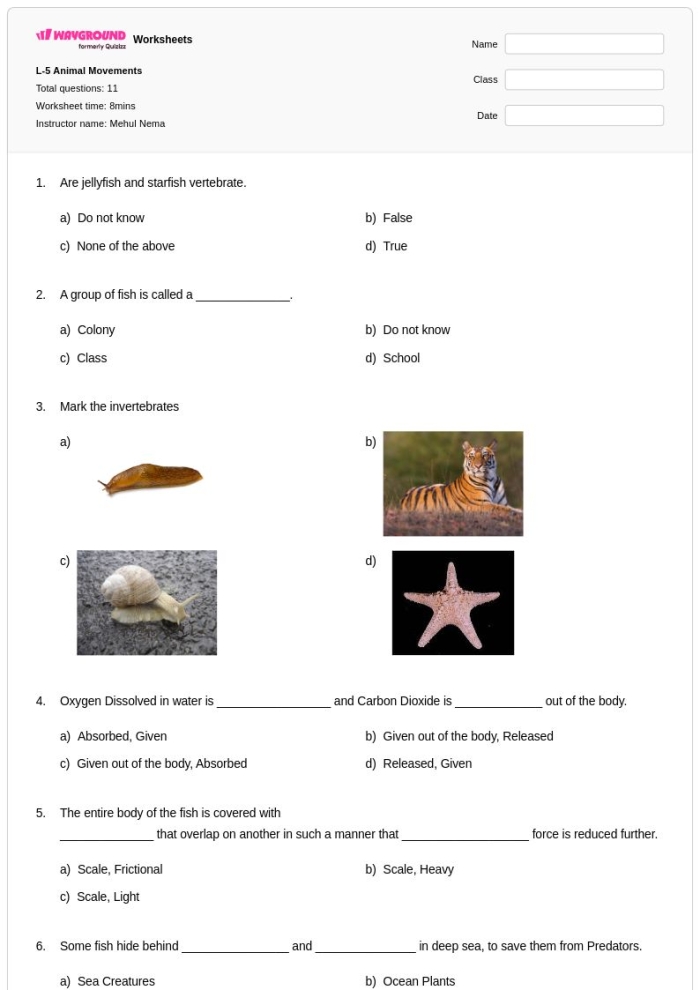
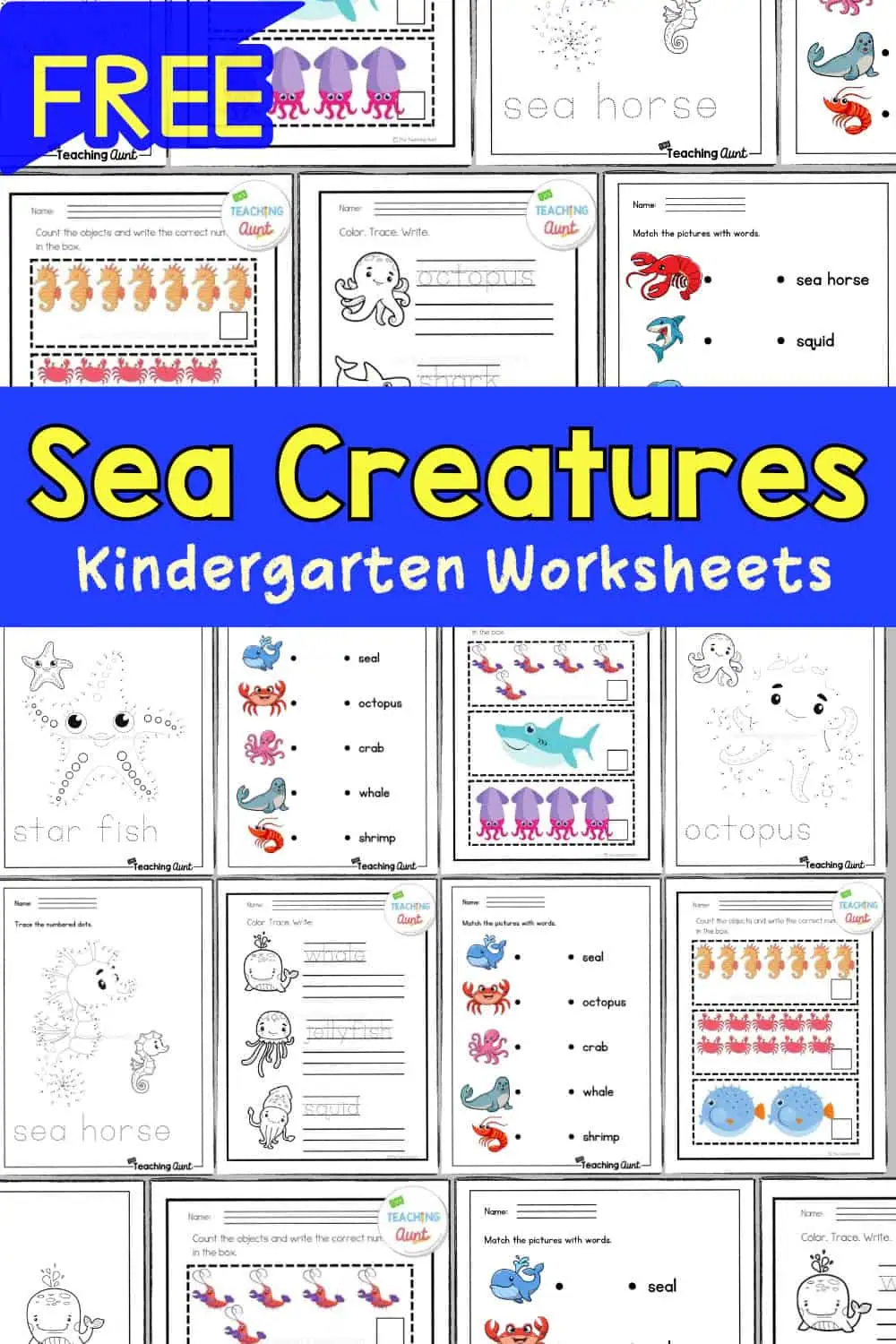
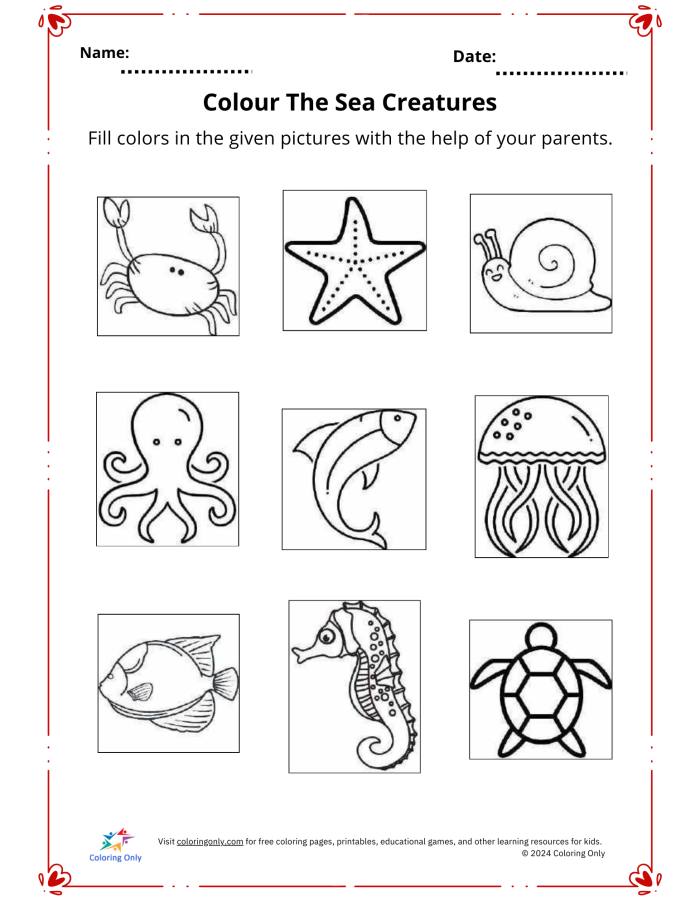
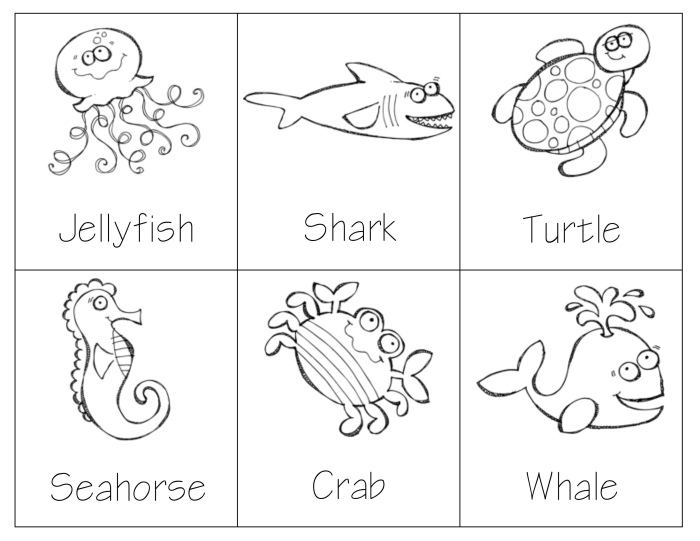
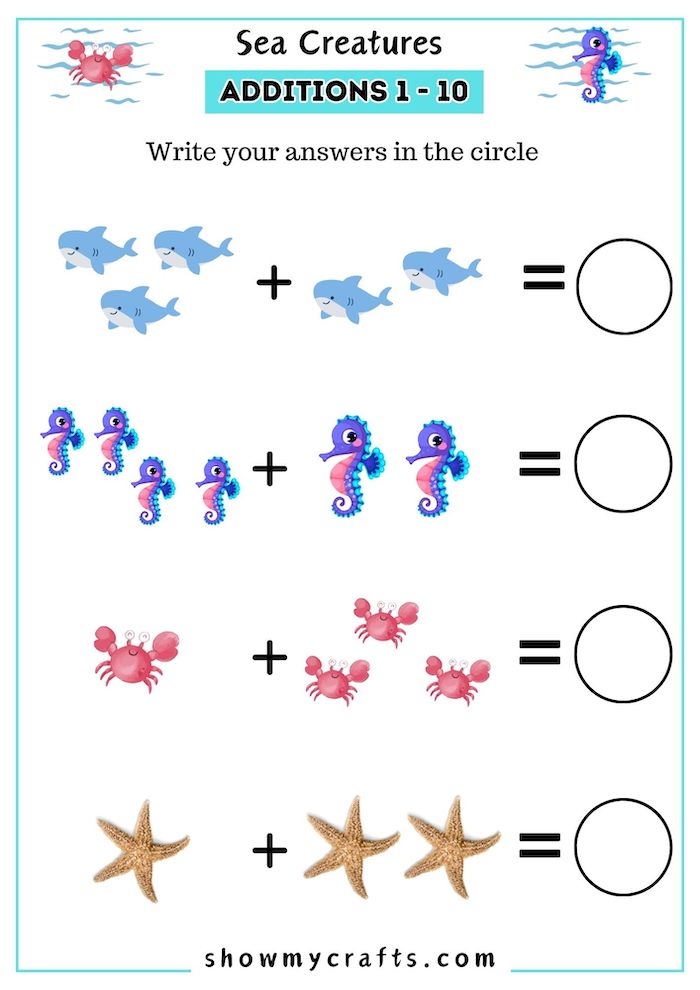
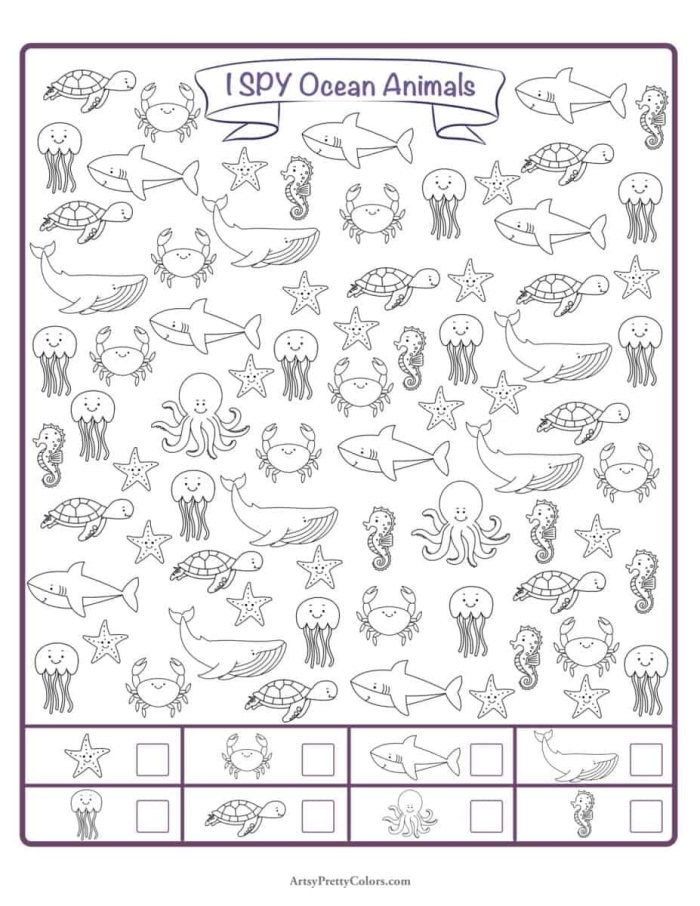
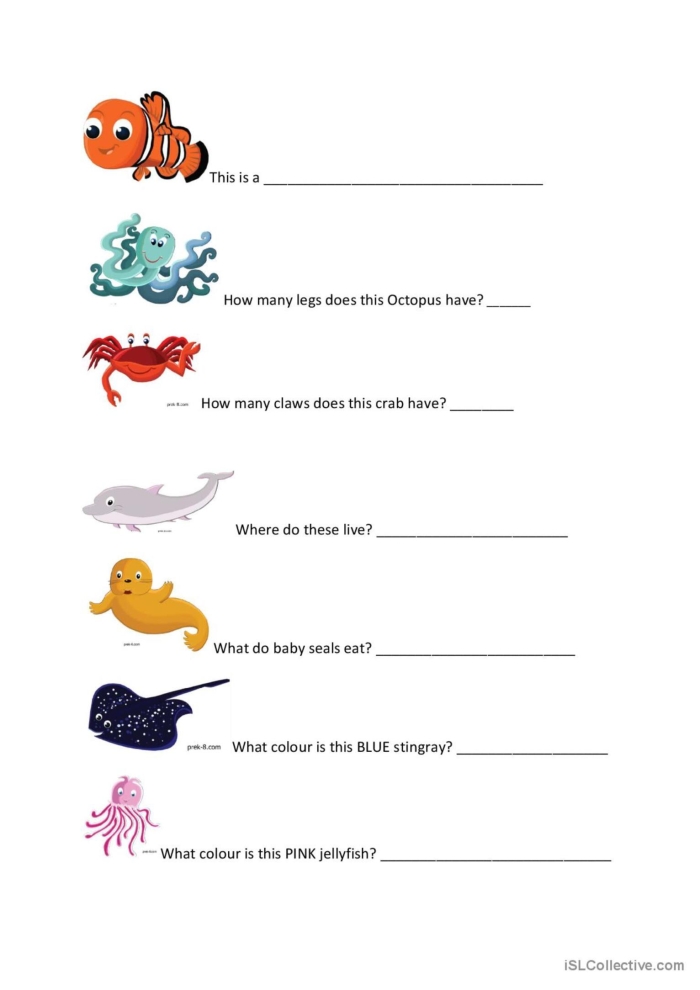
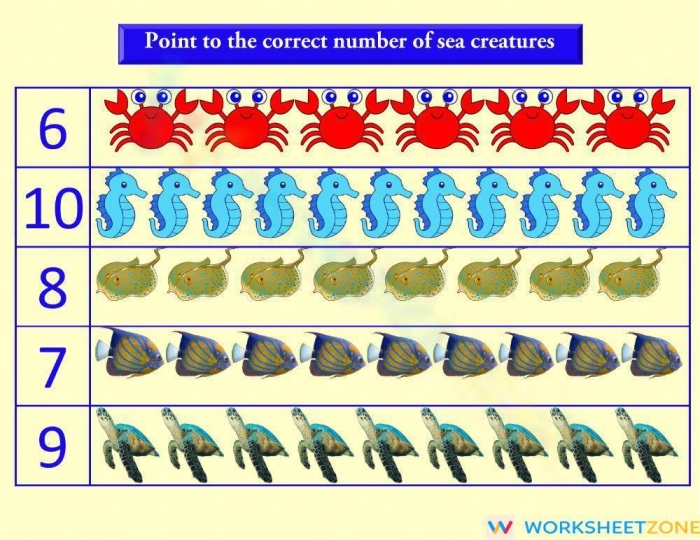
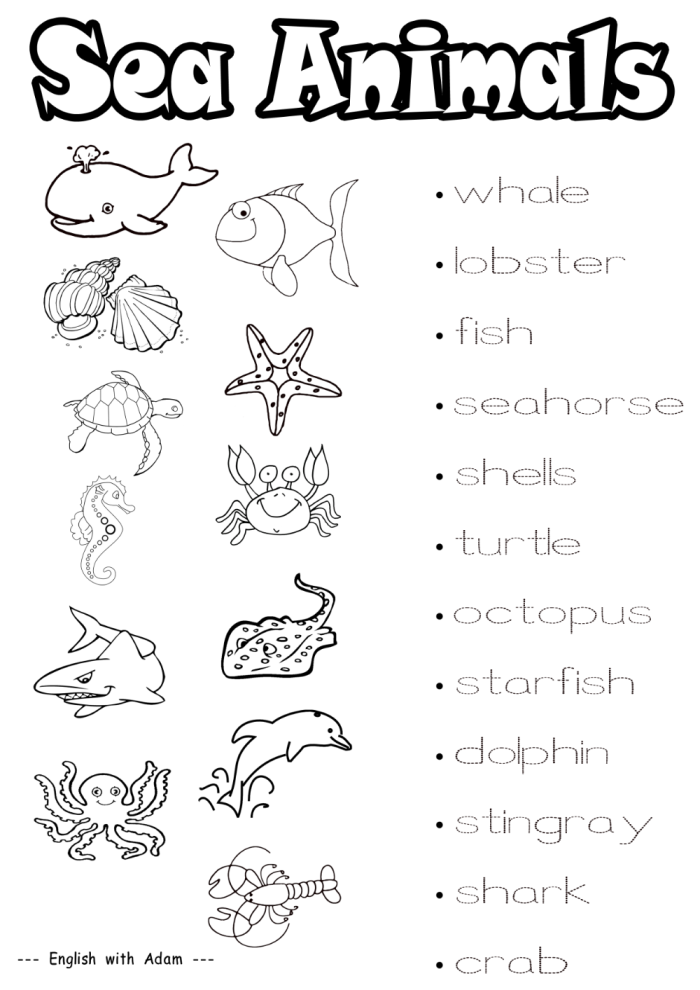
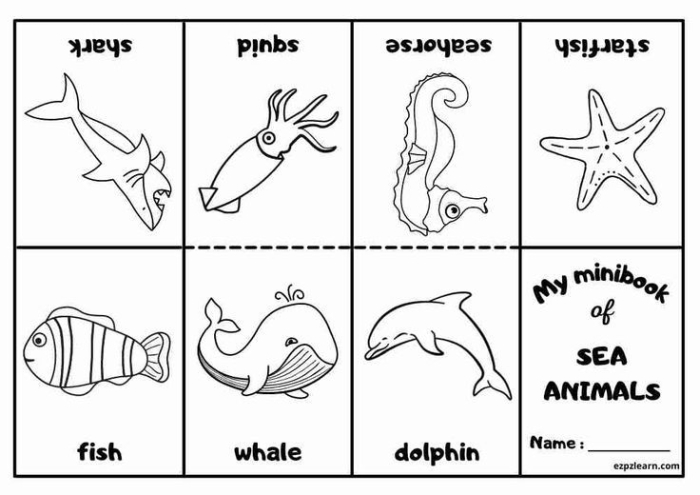
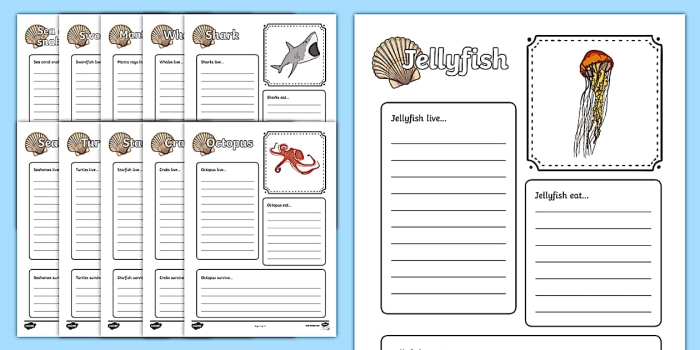
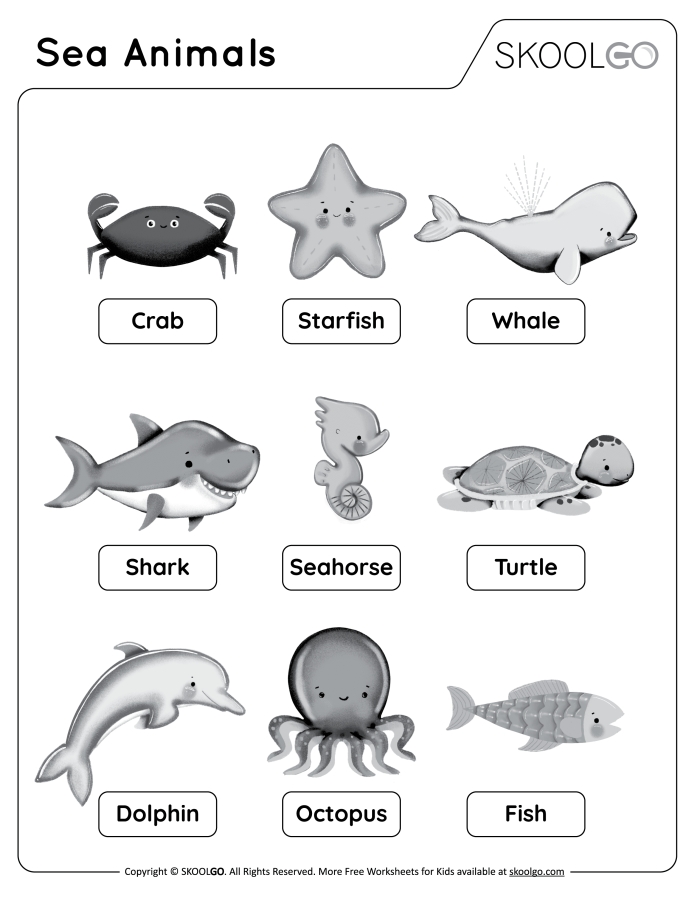
Measuring sea creatures brings math to life in a way that worksheets about houses or cowboys simply cannot match. When second graders cut out a colorful ruler and start measuring the length of a dolphin or the width of a starfish, something clicks. The abstract concept of inches and centimeters suddenly has purpose.
These printable worksheets work because they combine two things children already find fascinating: ocean animals and the hands-on act of measuring. Instead of staring at a blank number line, students have a concrete task. They need to figure out how long that sea turtle actually is according to the ruler in their hands. The questions that follow aren’t busywork either. They ask students to compare sizes, answer “which is longer,” and sometimes calculate differences between creatures.
The beauty of this approach is that it removes the intimidation factor from measurement. Second graders often struggle with the mechanics of lining up a ruler correctly or reading the numbers accurately. When they’re measuring something they care about, they slow down and pay attention. A child who might rush through a generic measurement activity will carefully position that ruler against a whale illustration because they want to know the real answer.
You can layer these activities with other measurement practice. After working through sea creature measurements, students benefit from exploring different measurement scenarios. Activities like measuring household objects or working through measurement mosaics reinforce the same skills in fresh contexts.
The underwater theme also opens doors for classroom discussion. Students naturally ask questions about real sea creatures and their actual sizes. A worksheet becomes a springboard for learning, not just a task to complete. No scuba gear required, yet children dive deep into measurement practice.
Printable Worksheets for Practice