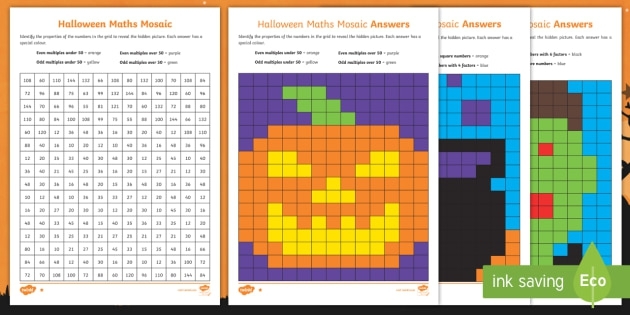
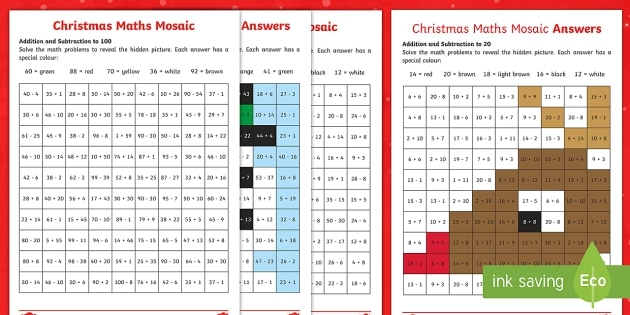
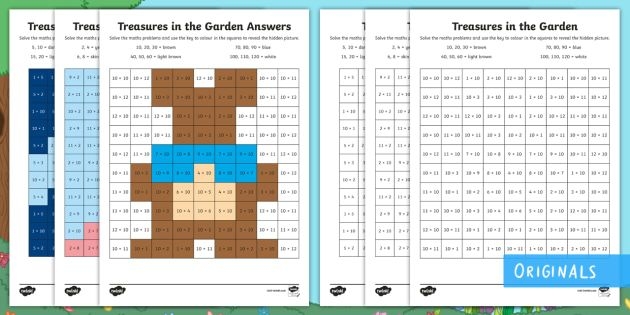
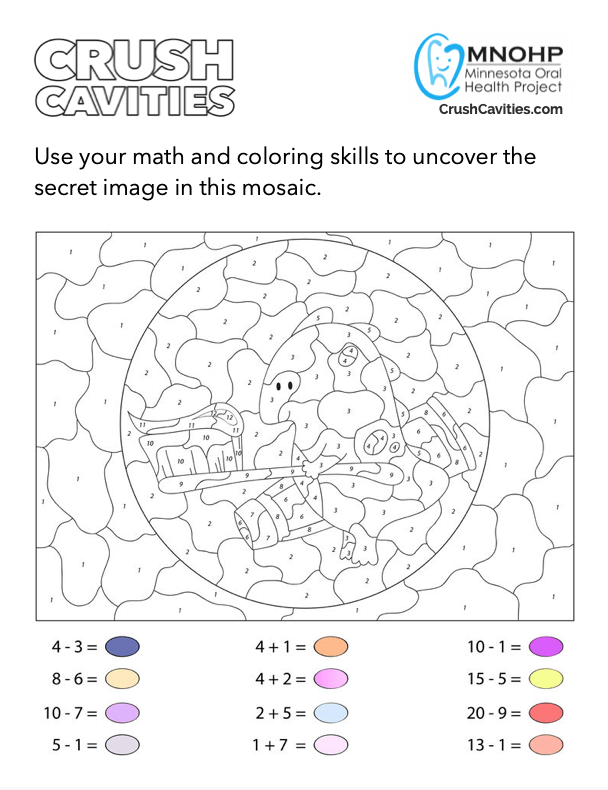
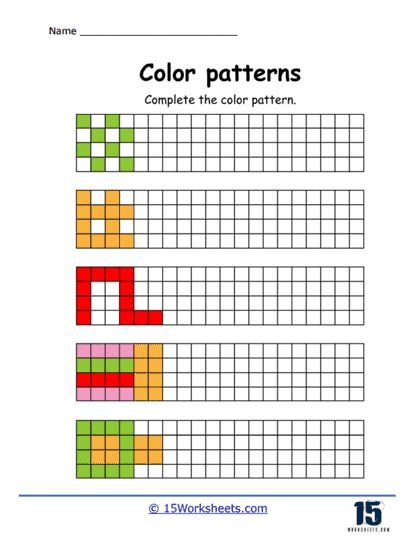
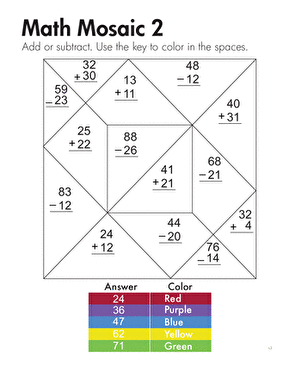
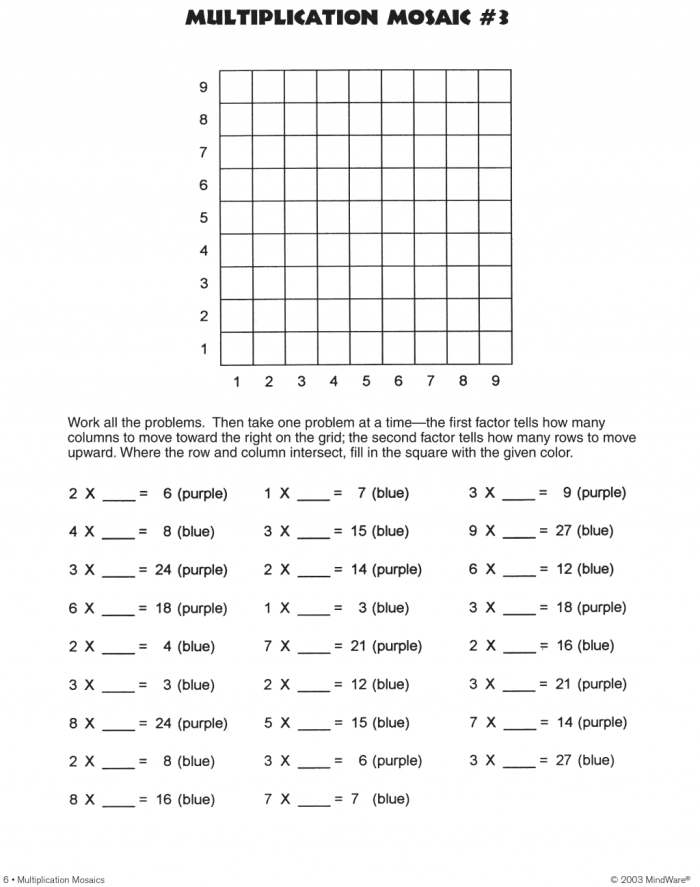
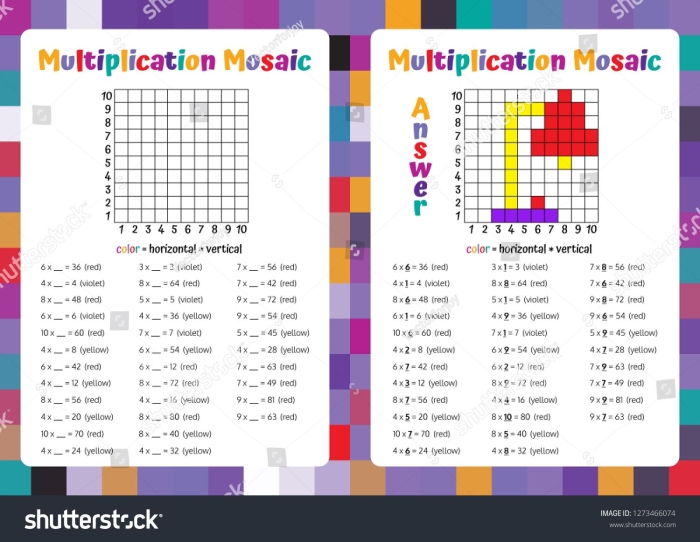
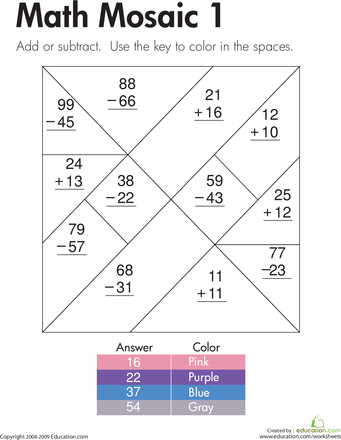
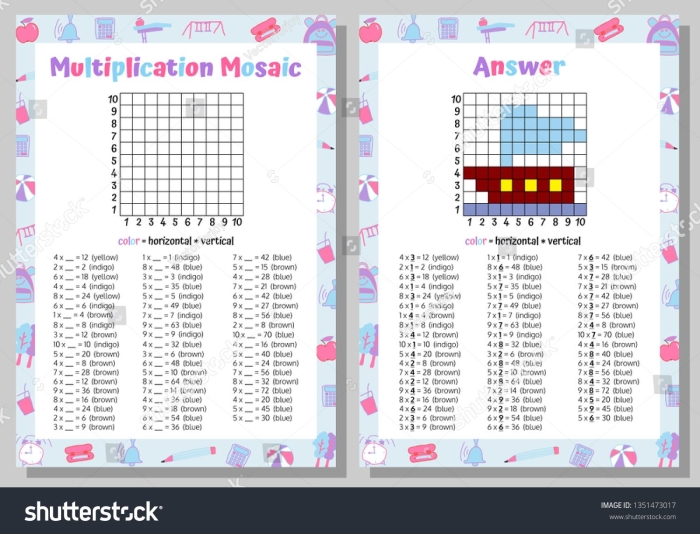
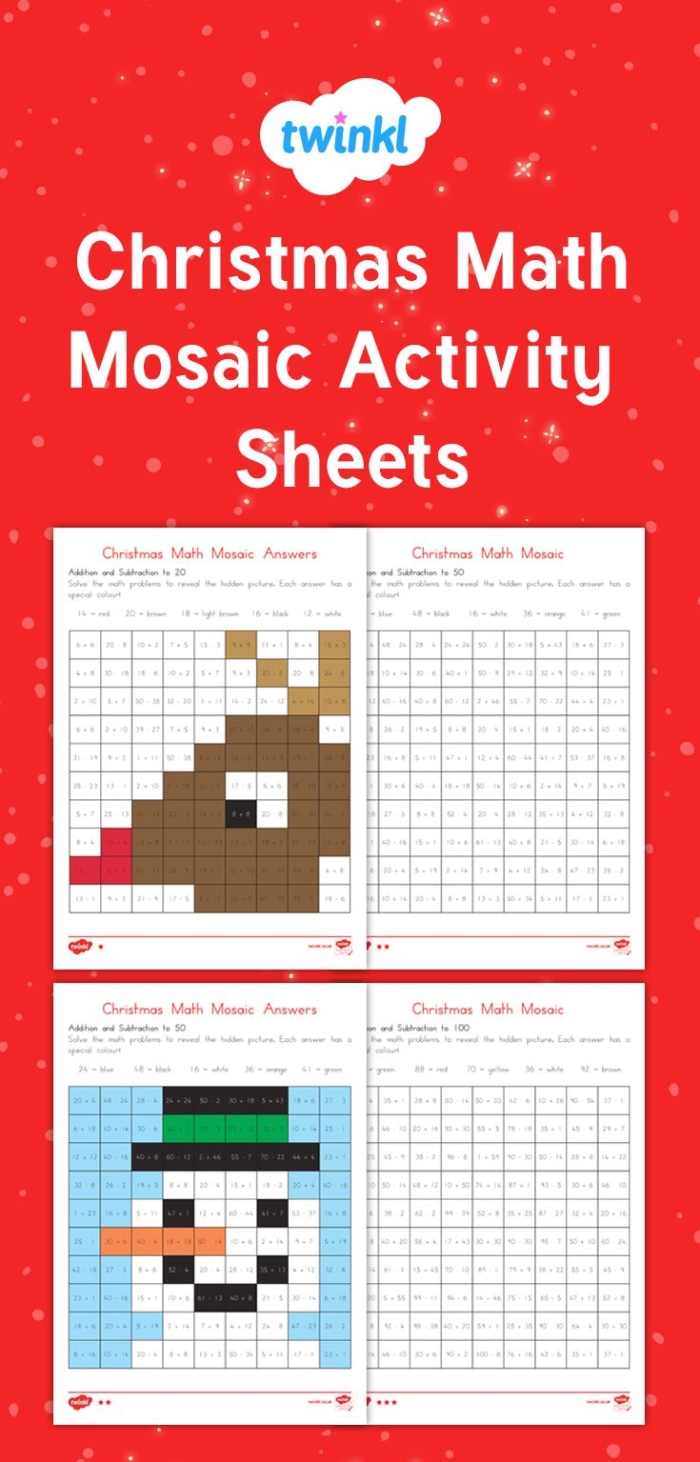
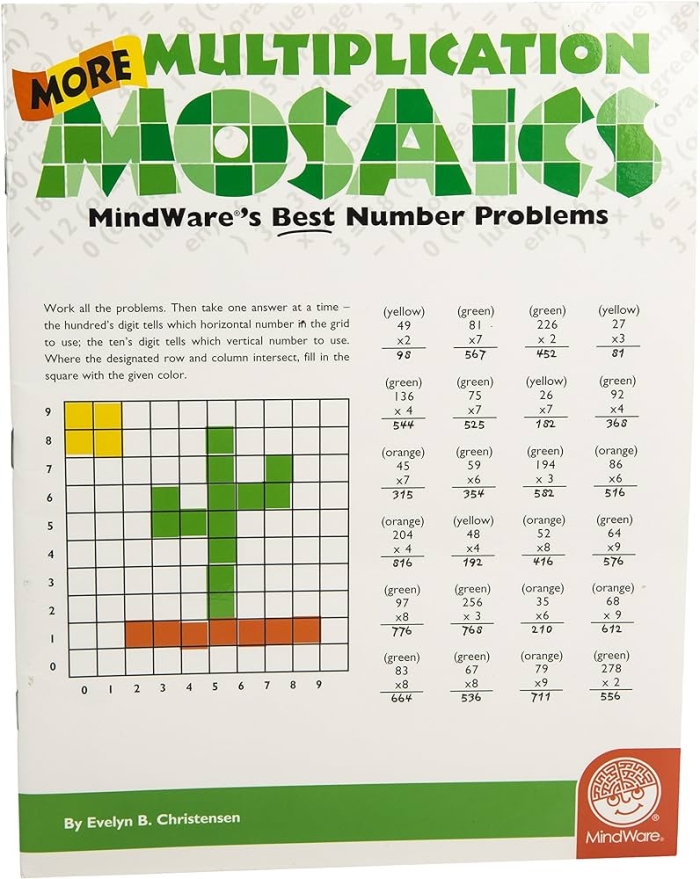
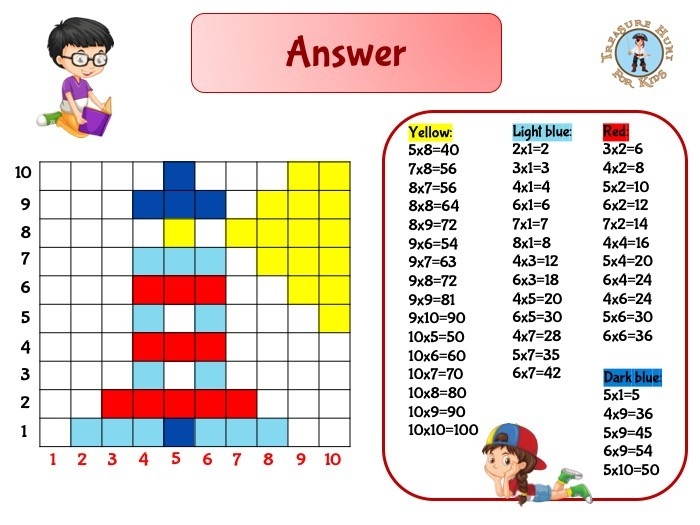
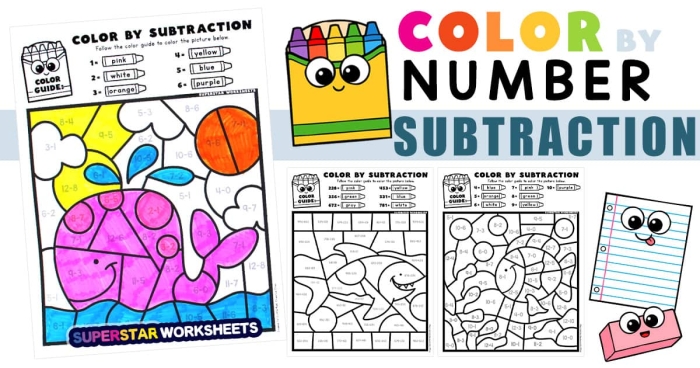
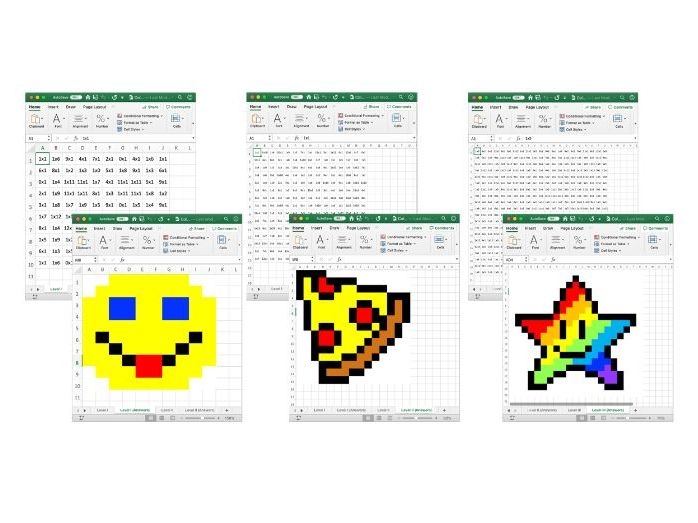
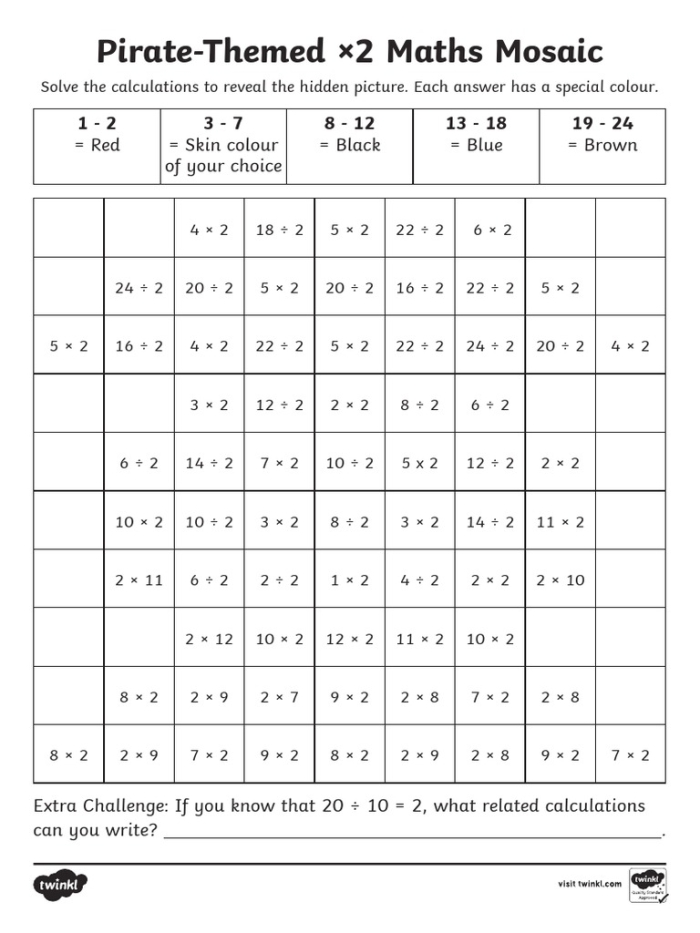
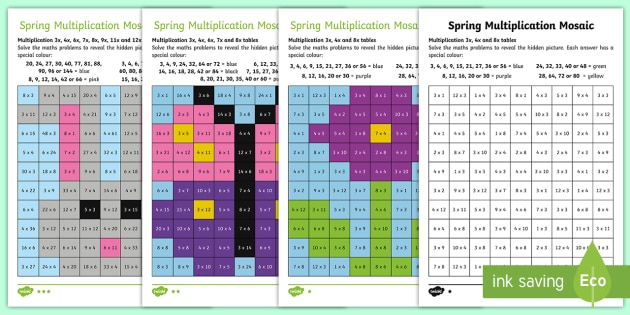
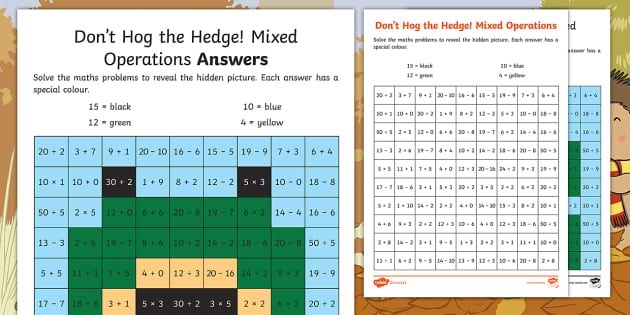
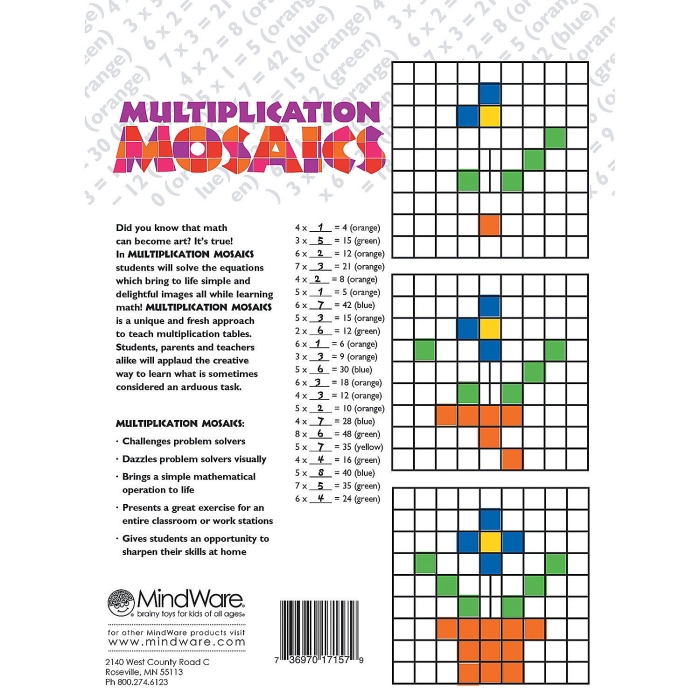
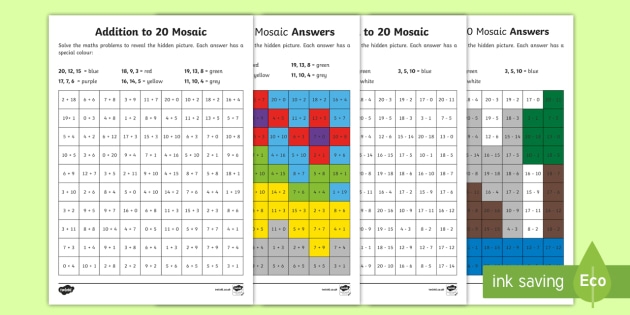
Math mosaics work because they combine two things second graders actually enjoy: solving problems and creating something visual. When a child finishes a two-digit addition or subtraction problem correctly, they get to color in a corresponding shape on the worksheet. The immediate reward of seeing the picture emerge keeps them engaged through the entire set of problems.
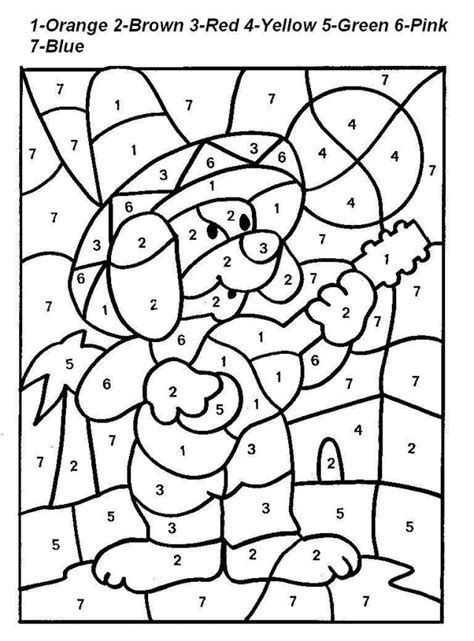
The structure is straightforward. Each problem on the worksheet has a number answer. Below the problems sits a color key that matches numbers to specific colors. Once kids solve a problem like 24 + 13, they find that answer (37) in the key, see which color it corresponds to, then locate and color the shape labeled with 37 on the mosaic. As they work through all the problems, a picture gradually takes shape on the page.
What makes this approach effective for measurement and other math skills is that it removes the tedium from repetitive practice. A child might otherwise rush through or lose focus halfway through ten subtraction problems. With a mosaic, they have a reason to check their work. If their answer doesn’t match any number in the key, they know something went wrong and can recalculate.
Second grade is the right time for this activity because students have moved beyond single-digit facts but still need fluency with two-digit operations. They’re also developing the patience for slightly longer worksheets if there’s a payoff waiting. The visual reward appeals to their creative side while their analytical side stays sharp.
You can pair math mosaics with other engaging second grade activities. Combining them with STEM design challenge cards or sentence scramble phonics work creates a balanced learning session that hits multiple skills in one sitting.
Hands-On Worksheet Activities