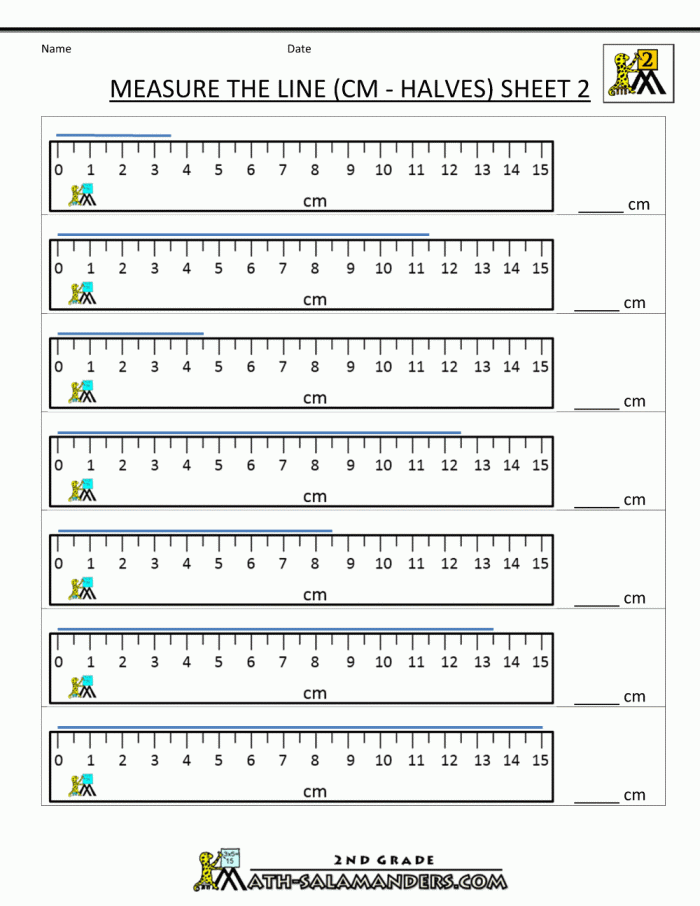
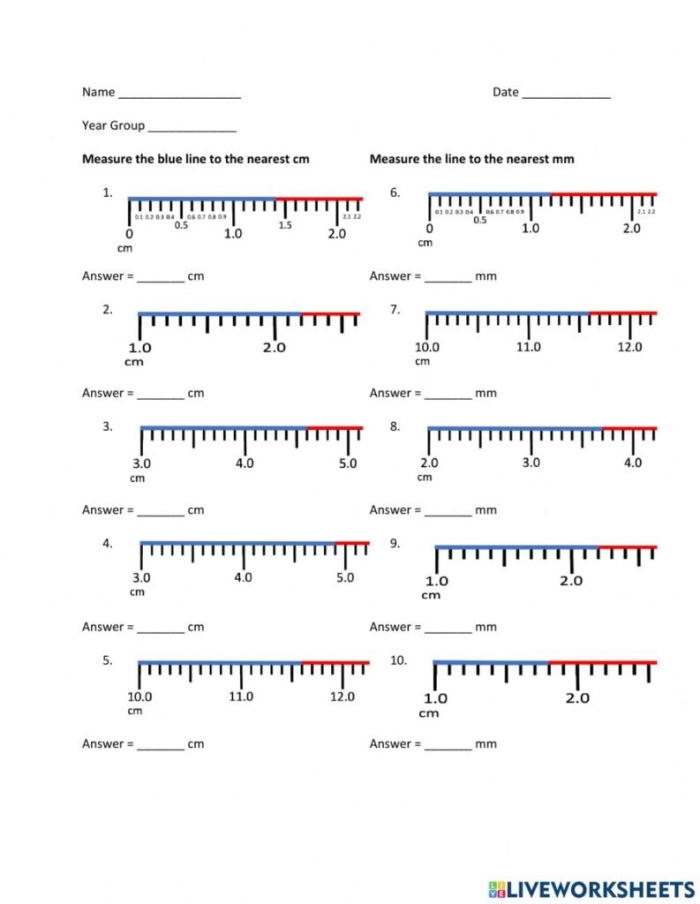
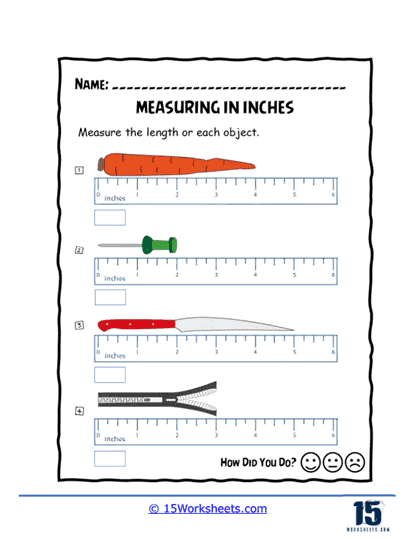
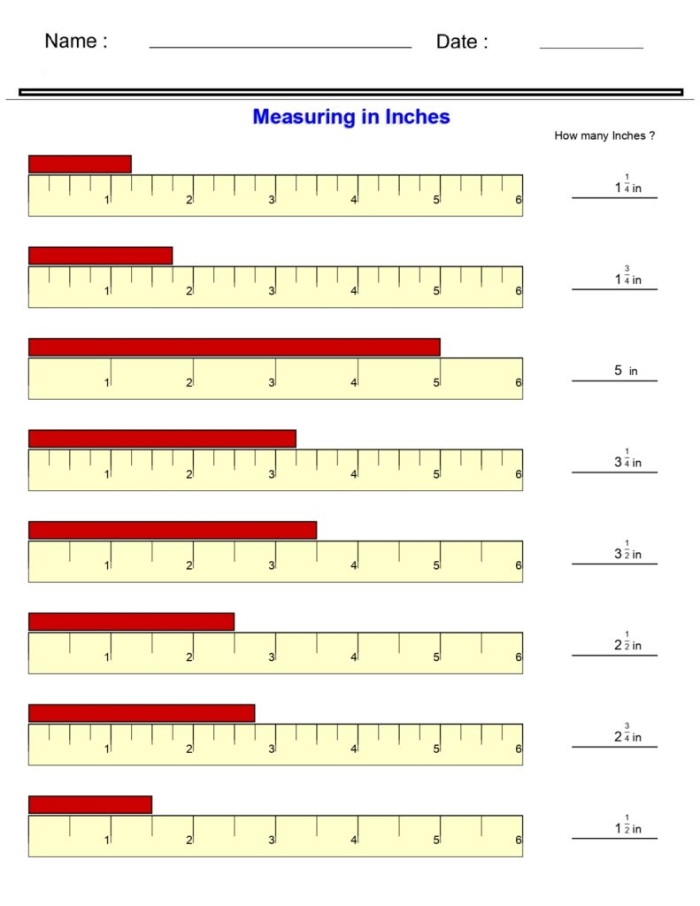
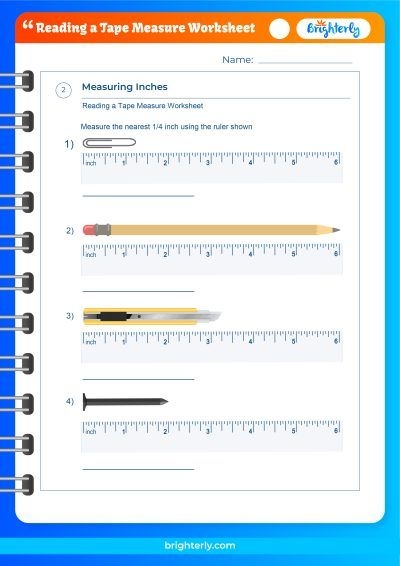
Combining measurement practice with creative expression works better than worksheets that feel like chores. When second graders measure a house picture they can color afterward, they stay engaged through the entire activity instead of rushing through it.
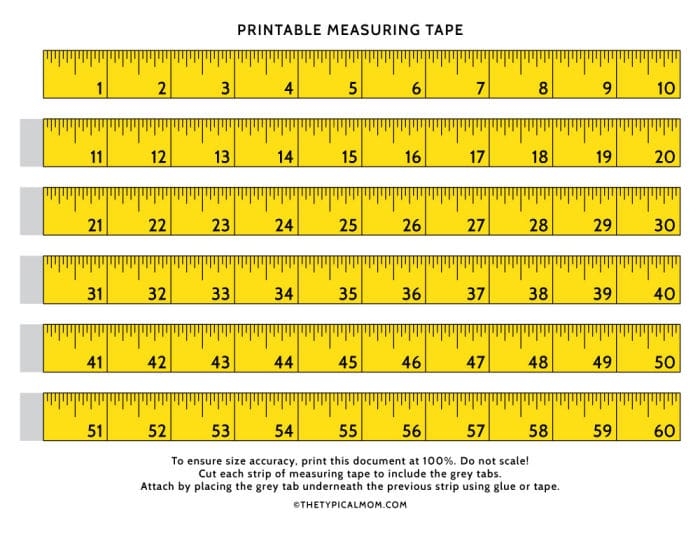
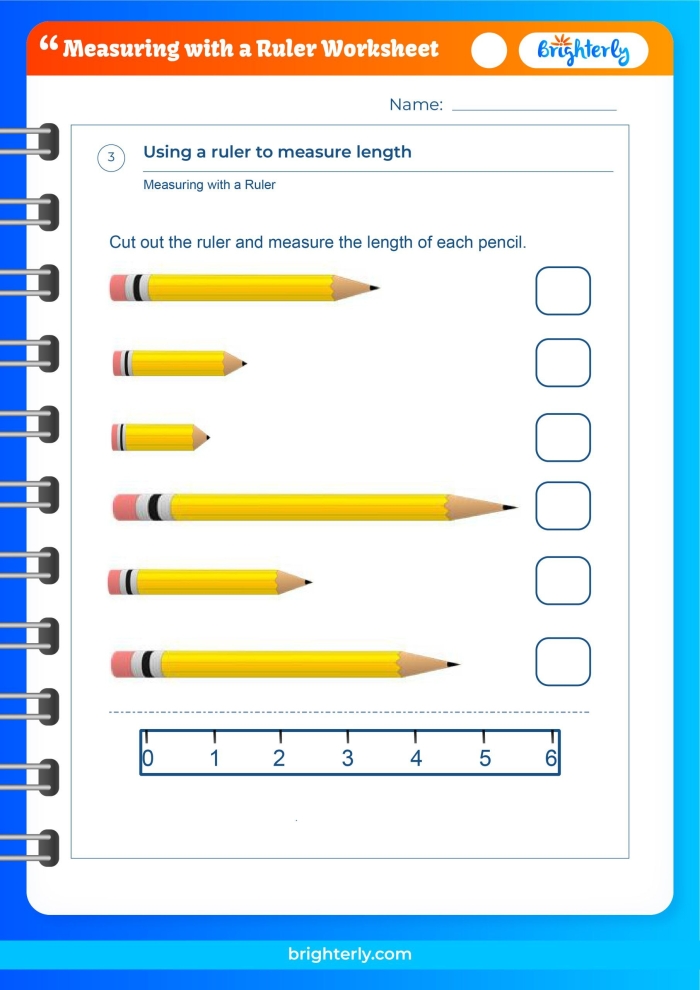
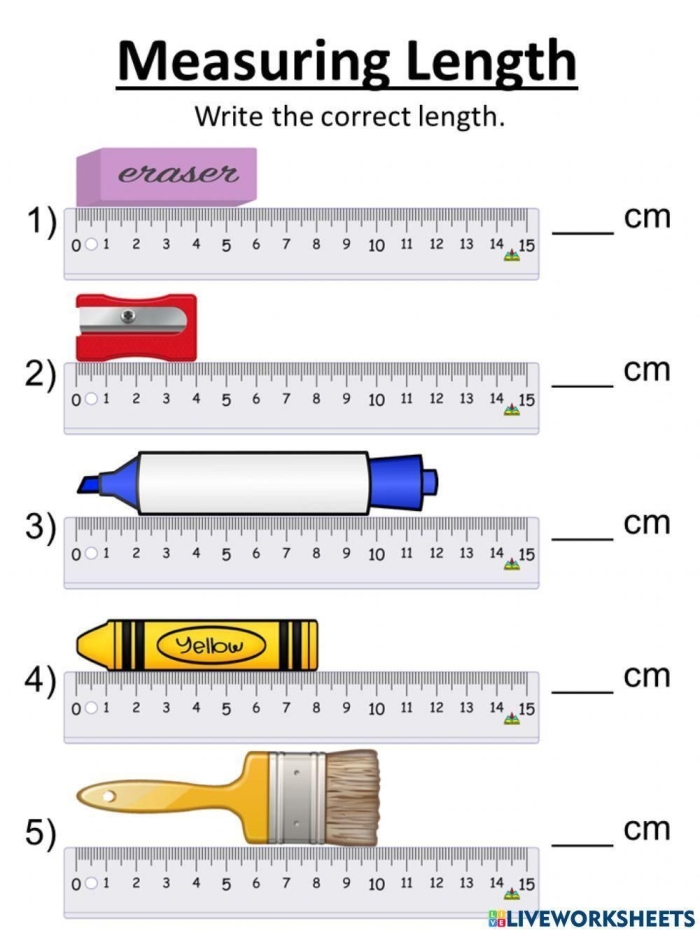
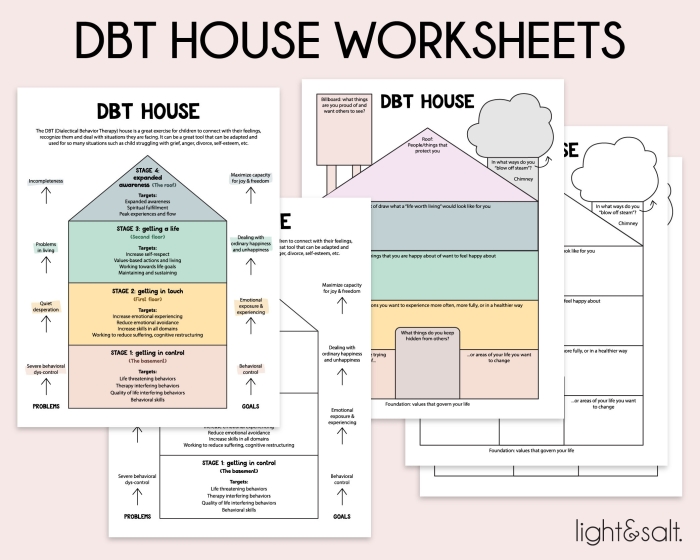
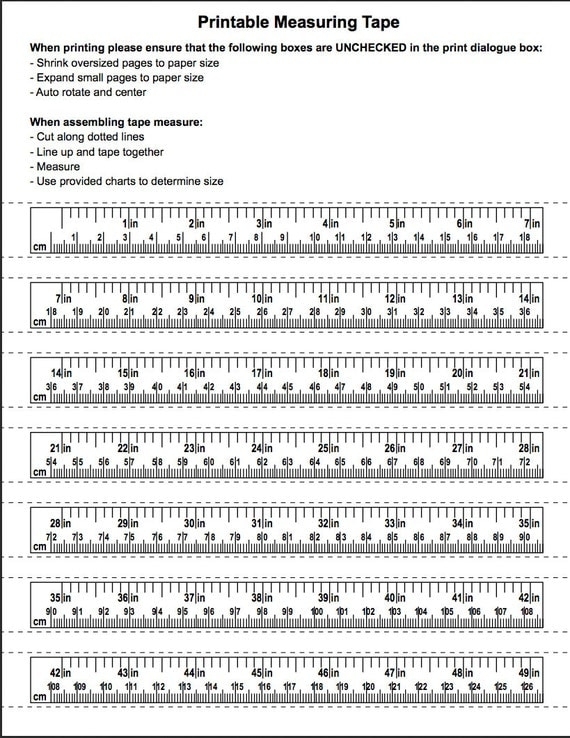
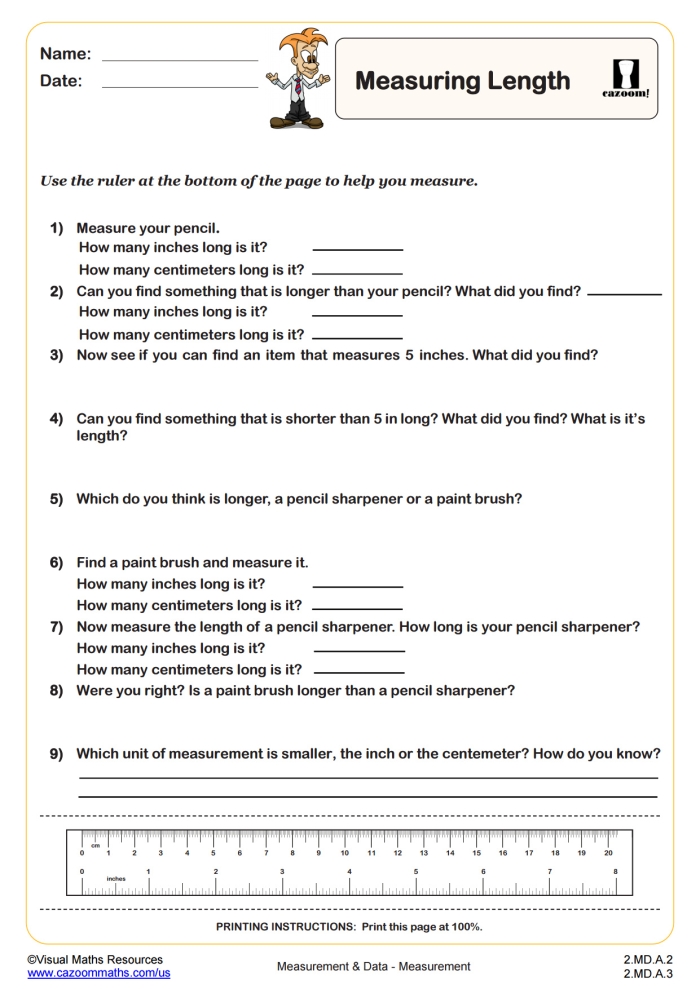
The setup is straightforward. Students receive a house illustration with clearly marked sections, along with colorful cutout rulers marked in inches. They use these rulers to measure different parts of the house: the width of a window, the height of a door, the length of the roof line. Each measurement gets recorded directly on the worksheet, turning the house into a data-collection tool before it becomes art.
What makes this approach effective for second grade measurement practice is the dual purpose. Kids aren’t just measuring abstract lines on a worksheet. They’re measuring something concrete that represents a real object they understand. A house has windows and doors and walls, so the measurements feel purposeful rather than arbitrary.
The colorful rulers matter more than they might seem. Bright colors help students track which ruler they’re using and make the tool feel less intimidating than standard black-and-white measuring instruments. Second graders often struggle with ruler alignment, so having a visually distinct tool helps them focus on proper placement.
After measurement comes the reward. Students color the house however they want, turning their work into something they actually want to display. This transition from measurement to art reinforces that both skills matter and belong together.
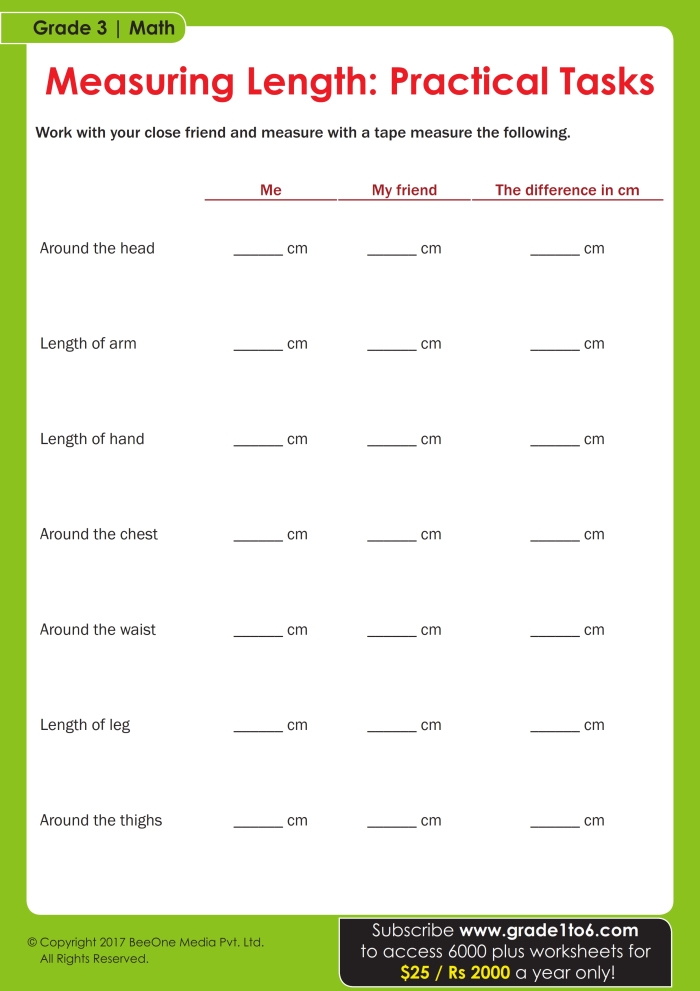
Teachers can extend this activity by having students measure other objects using similar techniques. Resources like how to measure a tiger or how to measure people offer similar measurement-plus-coloring combinations that keep the momentum going throughout a unit on measurement fundamentals.
Use These Worksheets Today