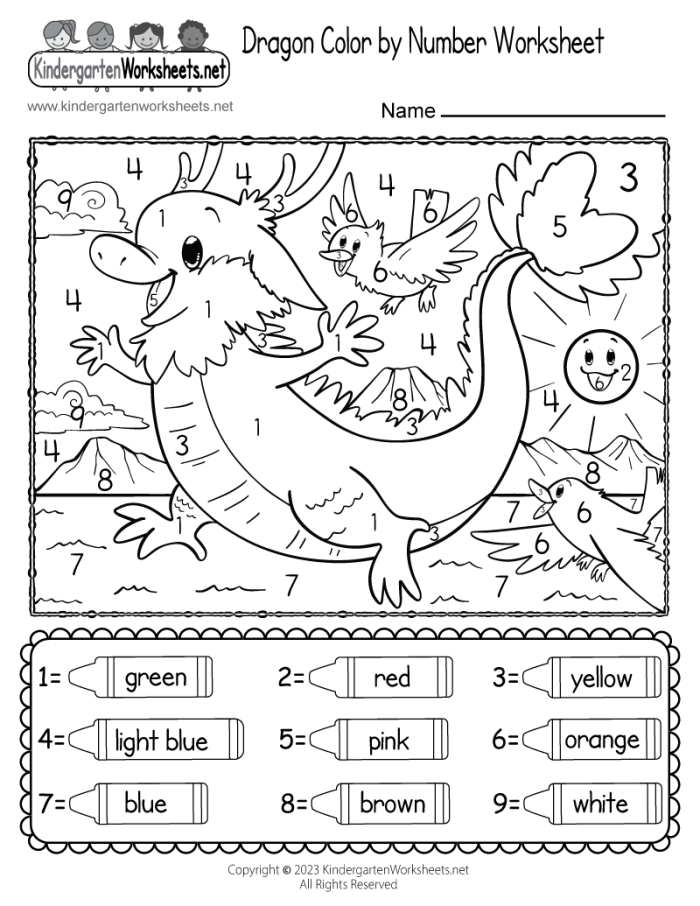
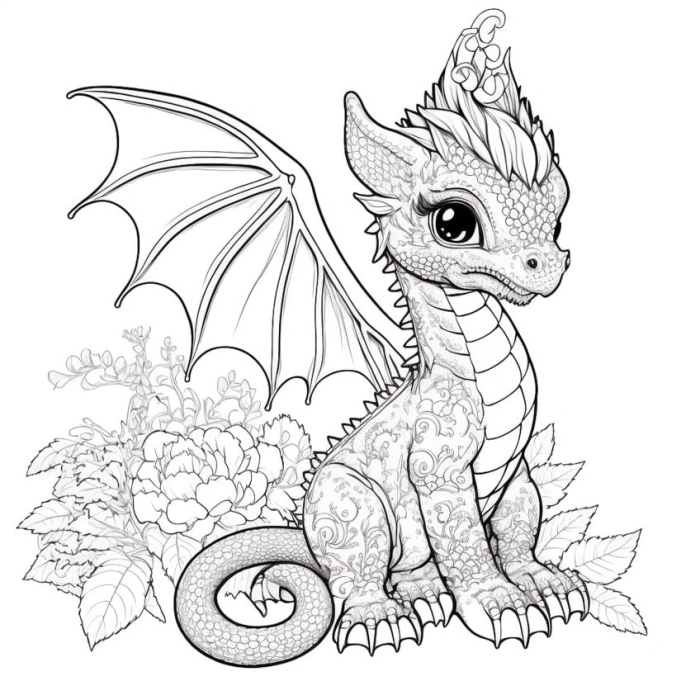
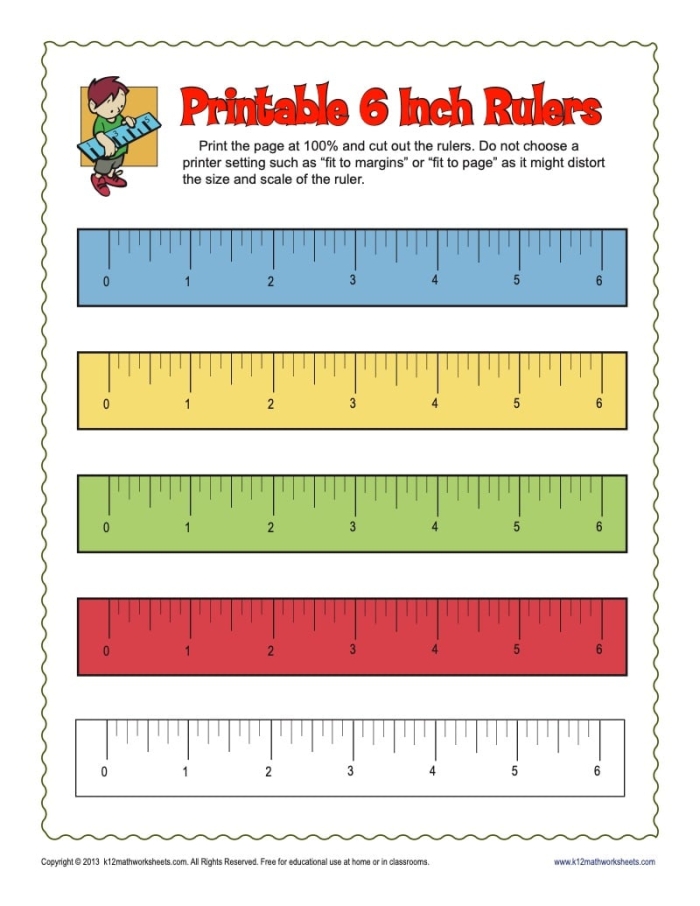
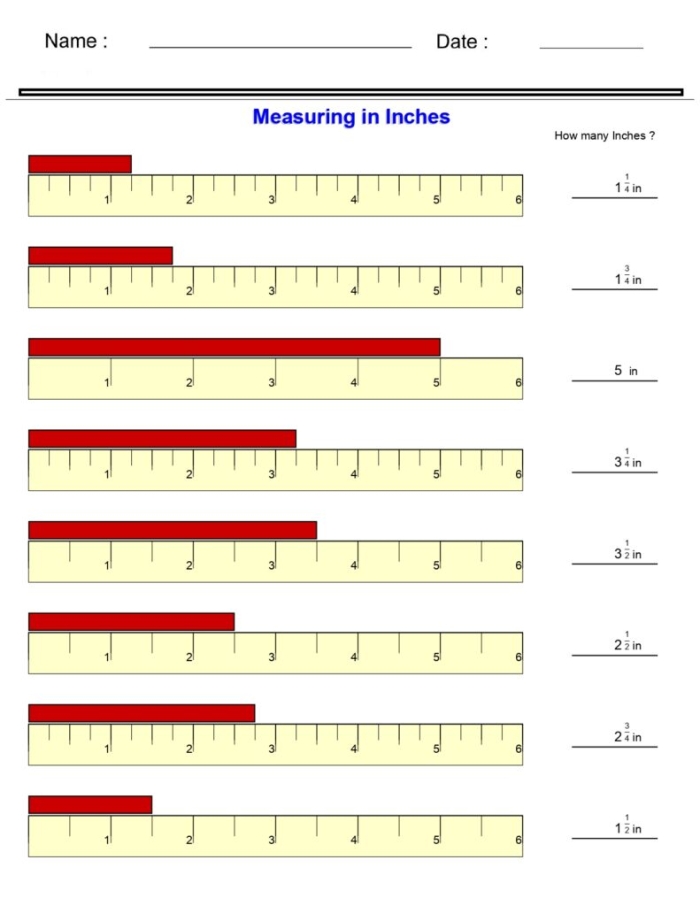
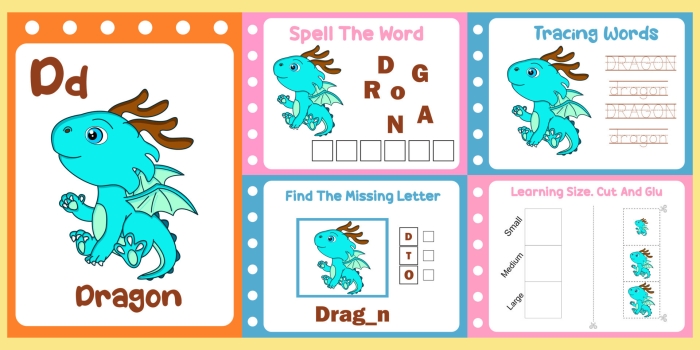
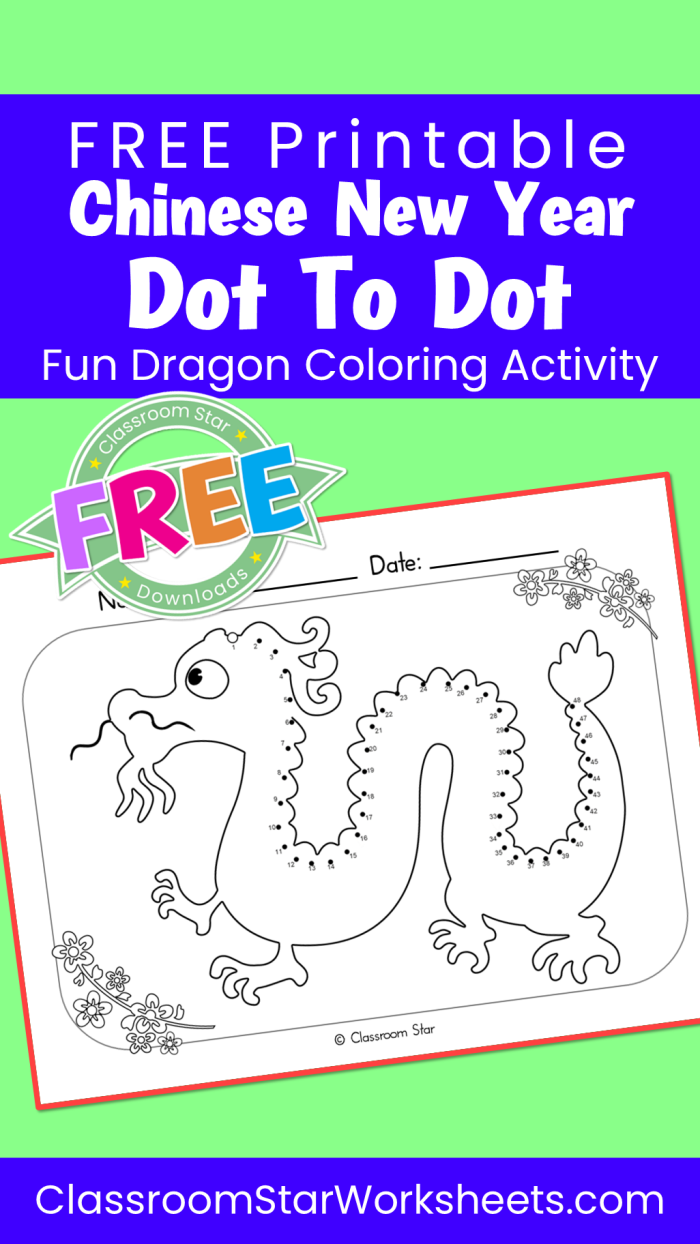
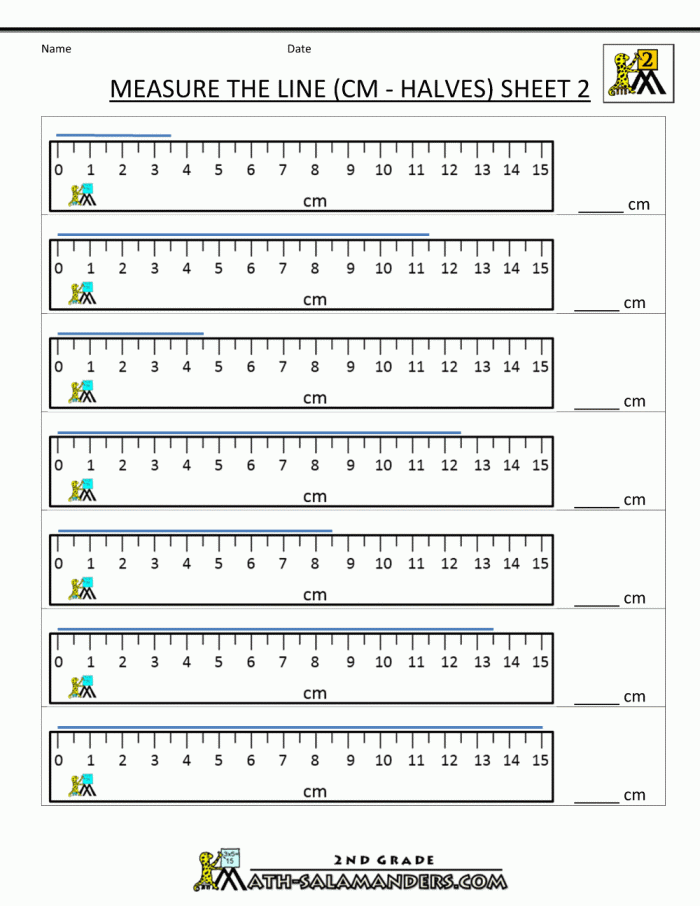
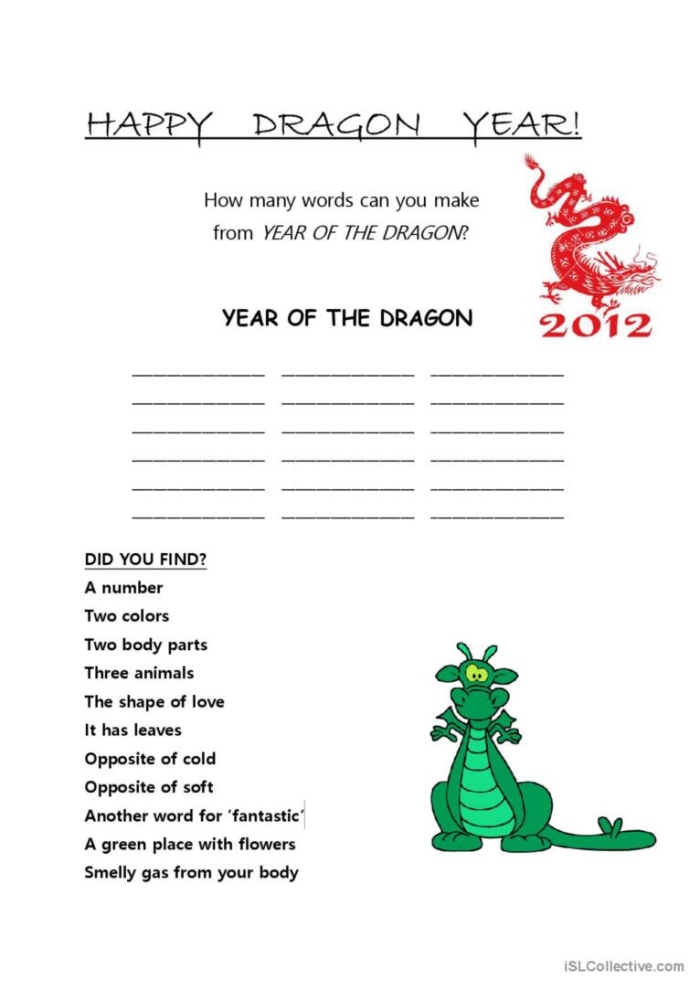
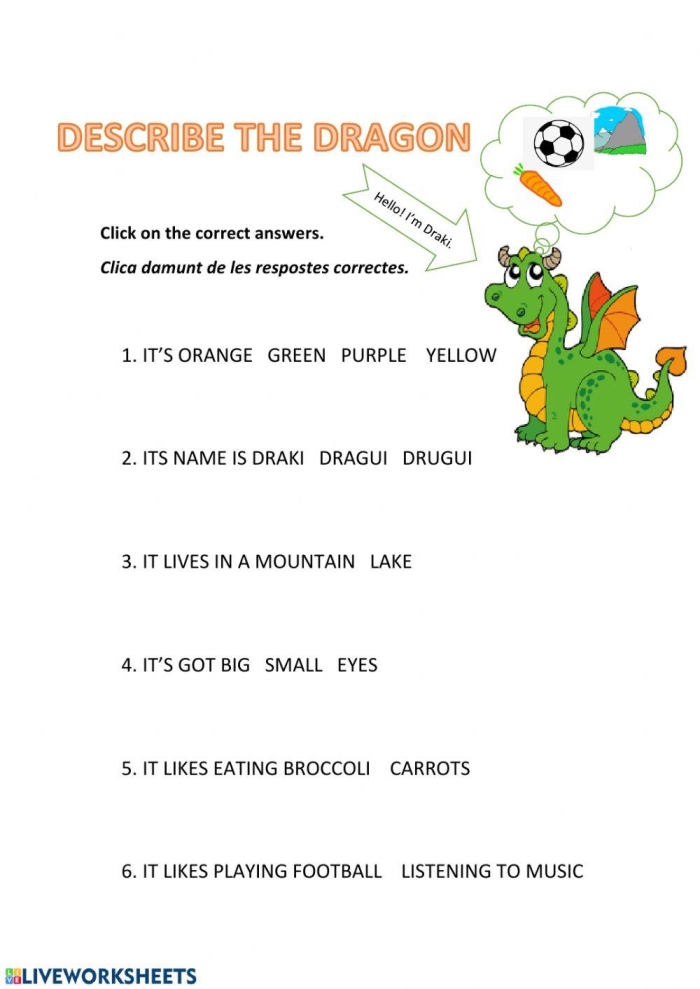
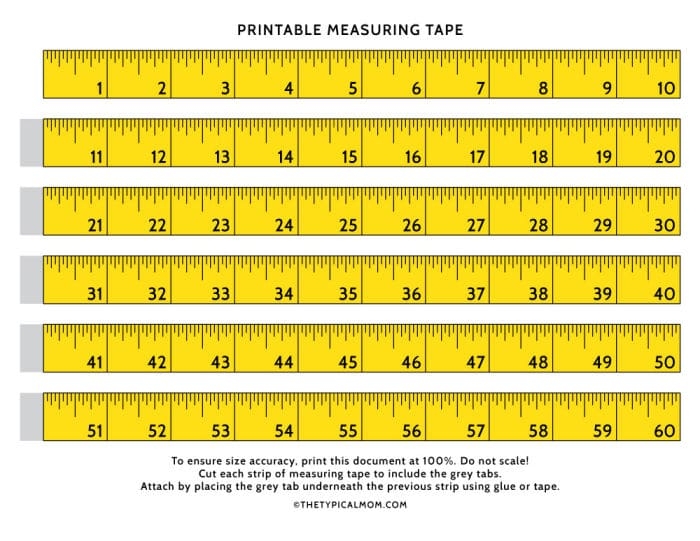
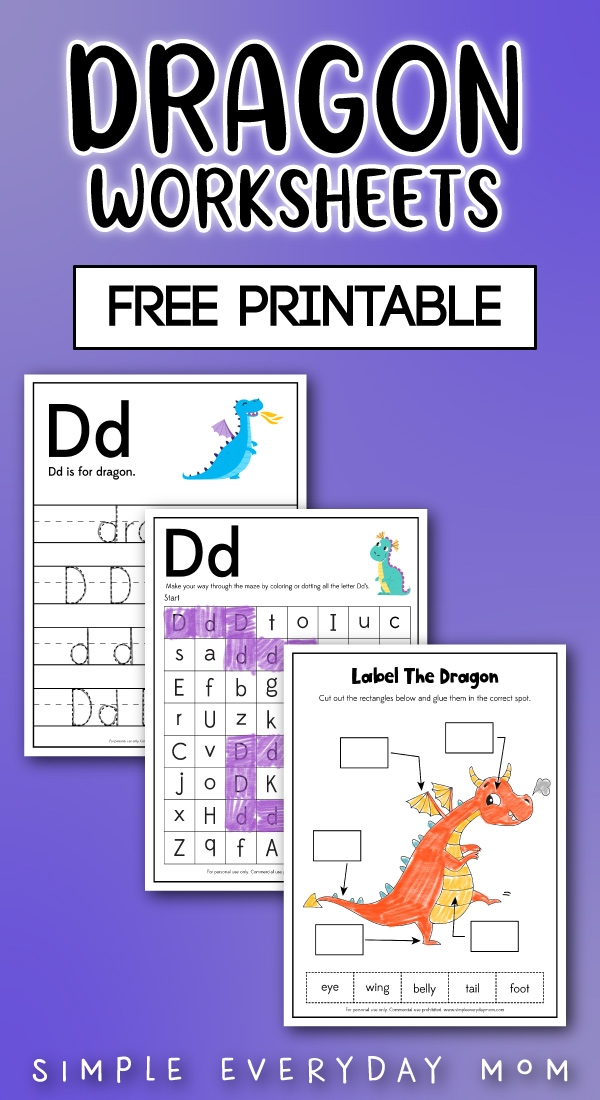
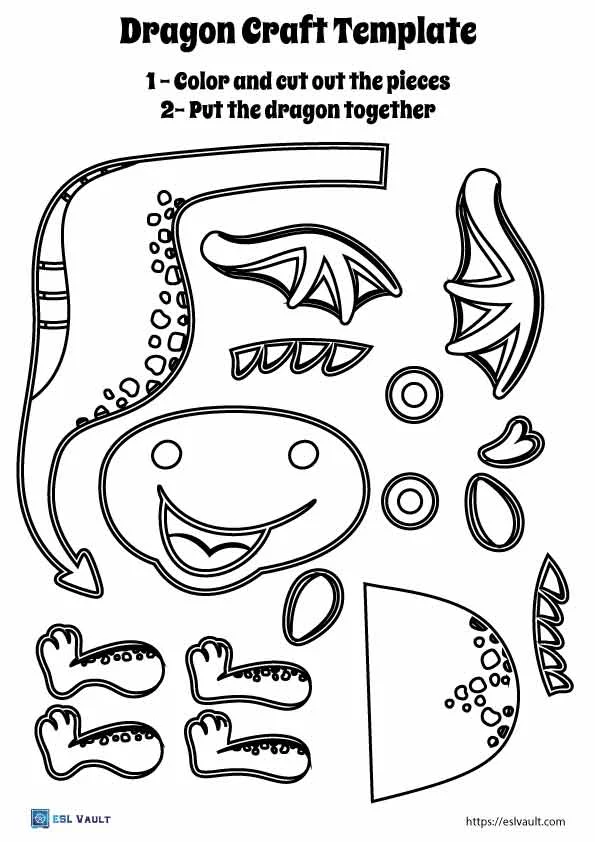
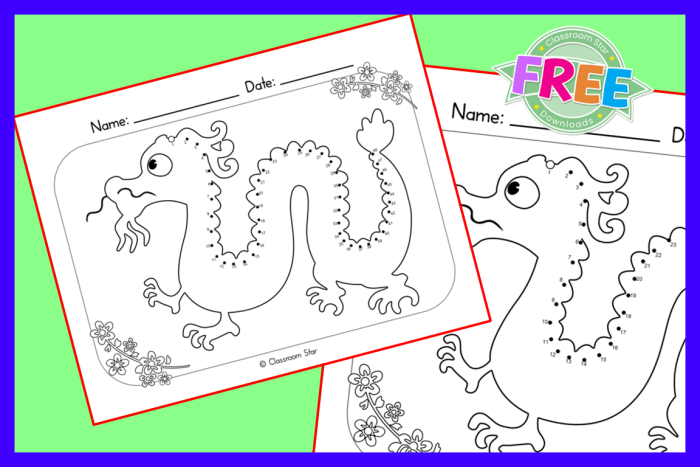
A smiling dragon makes the perfect companion for learning how to measure inches. Second grade students often struggle with understanding measurement because the concept feels abstract until they apply it to something engaging. That’s where a friendly dragon illustration comes in, turning what could be a tedious lesson into something worth paying attention to.
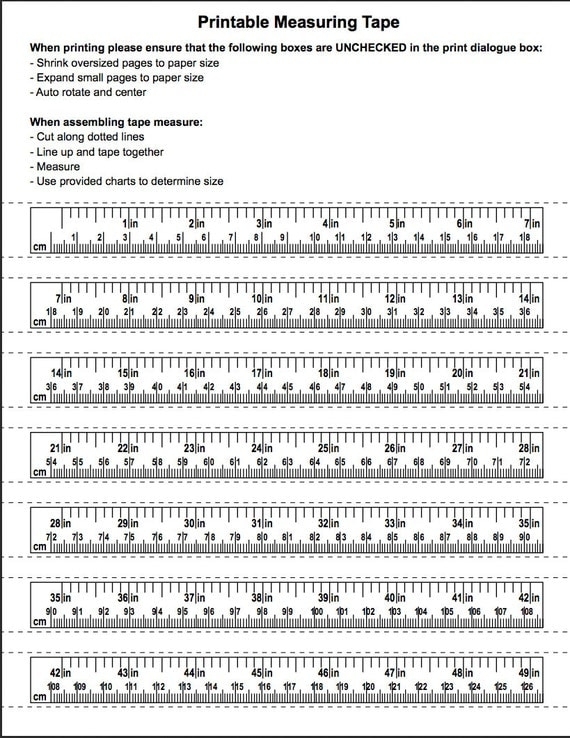
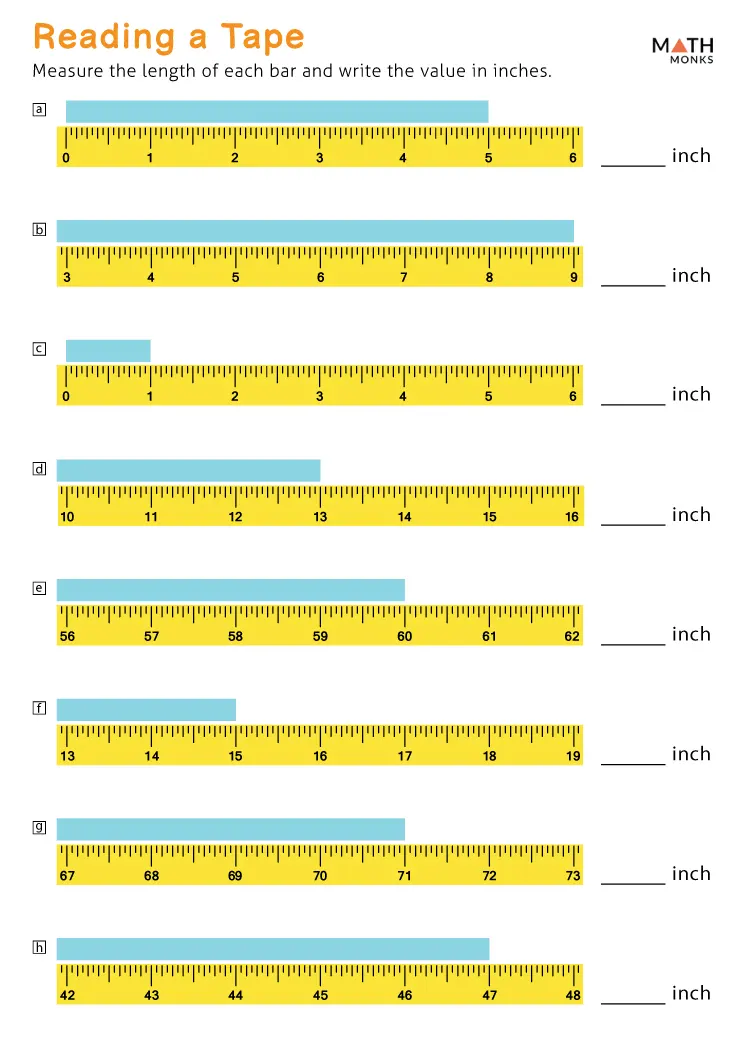
When children measure a dragon’s tail, wings, or snout, they’re doing more than just moving a ruler across paper. They’re developing spatial awareness and learning to read measurement markings with precision. The dragon’s features give them specific points to measure between, which is more meaningful than measuring random lines on a worksheet. A tail might be 4 inches long, while the dragon’s smile could span 2 inches across.
The visual appeal of a smiling dragon keeps second graders engaged longer than they’d typically sit with a plain measurement exercise. Kids are naturally drawn to creatures and characters, so they’re more likely to complete the activity without complaint and actually retain what they’ve learned. The dragon becomes a reference point in their memory, making it easier to recall measurement concepts later.
Using illustrated characters in measurement practice also helps children understand that math skills apply to real-world observation. When they measure the dragon’s different body parts, they discover that objects have varying dimensions. This foundational understanding prepares them for more complex geometry and spatial reasoning down the line.
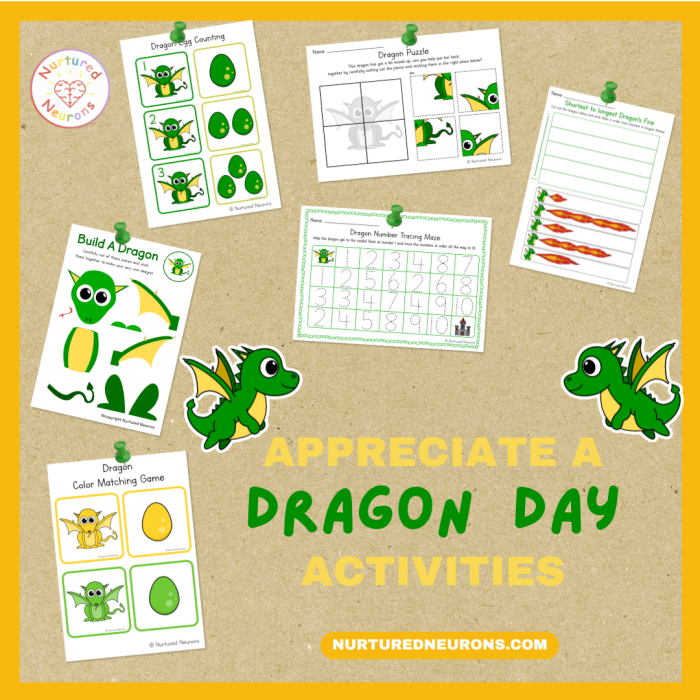
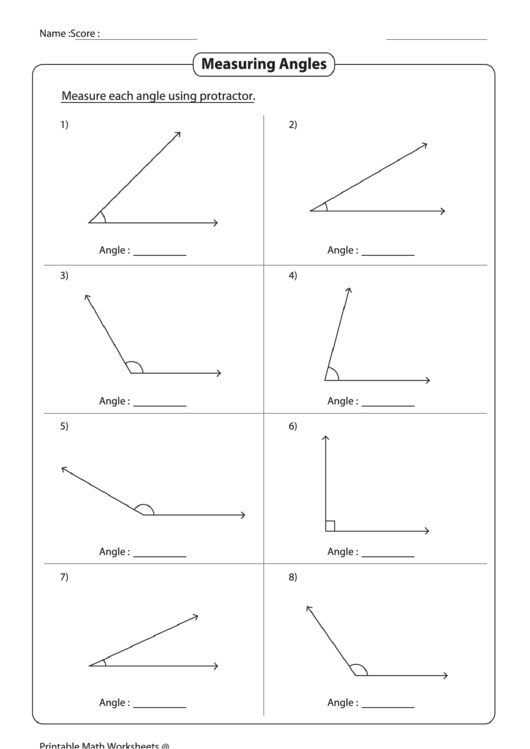
For teachers looking to make measurement lessons stick, printable worksheets featuring measurement activities with engaging characters support second grade learning objectives while keeping students motivated. The combination of visual interest and practical skill-building creates lessons that actually work.
Start Practicing with These Worksheets