Most students breeze past linking and helping verbs without really understanding what makes them different from action verbs. They’re not flashy, they don’t describe exciting movements, and they often hide in plain sight within sentences. Yet these verbs do heavy lifting in English grammar, and mastering them opens doors to better writing and clearer communication.
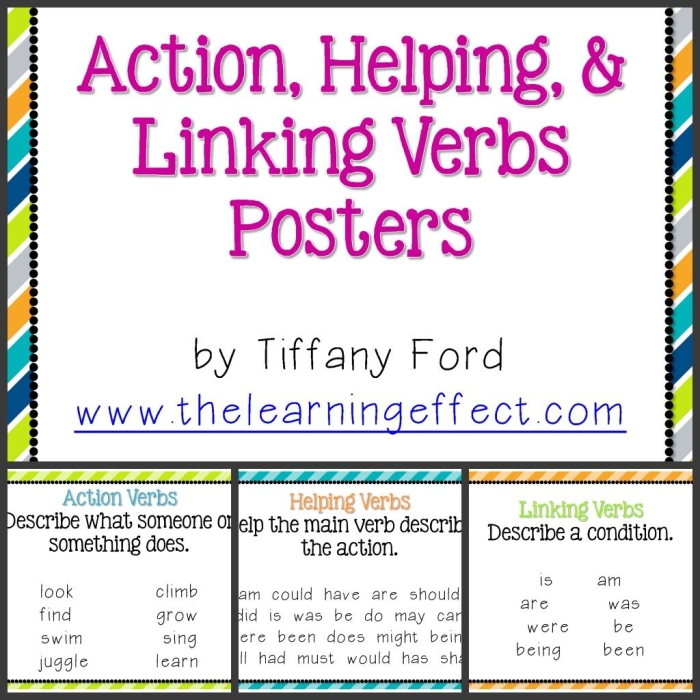
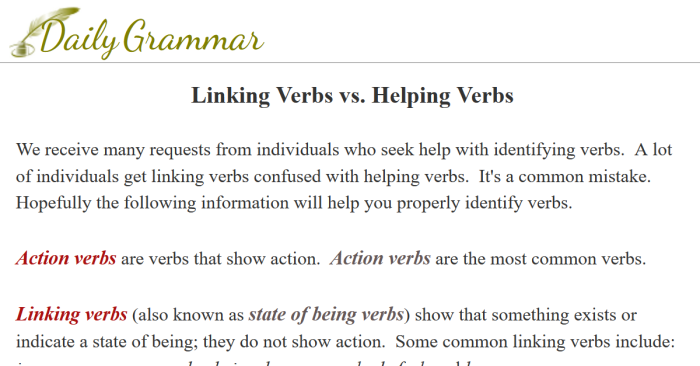
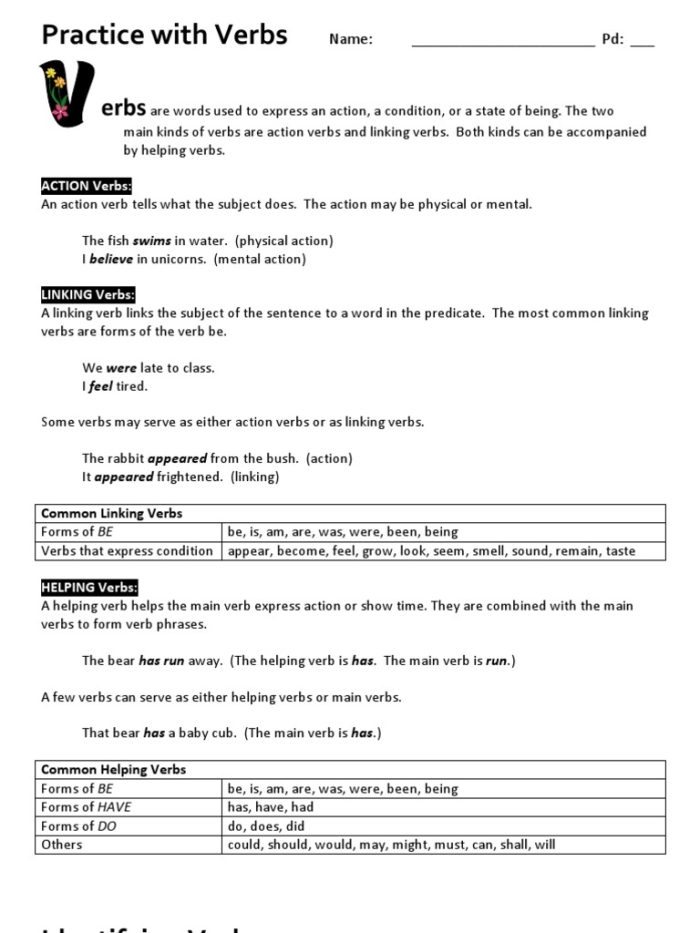
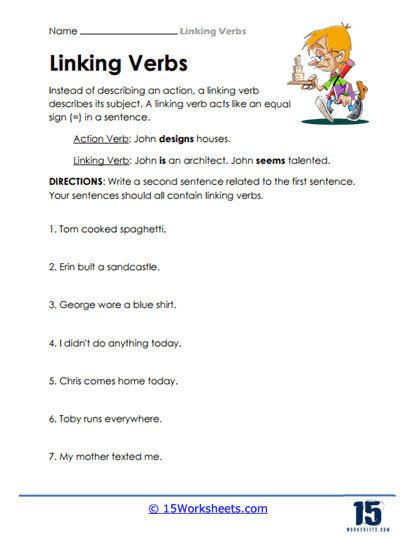
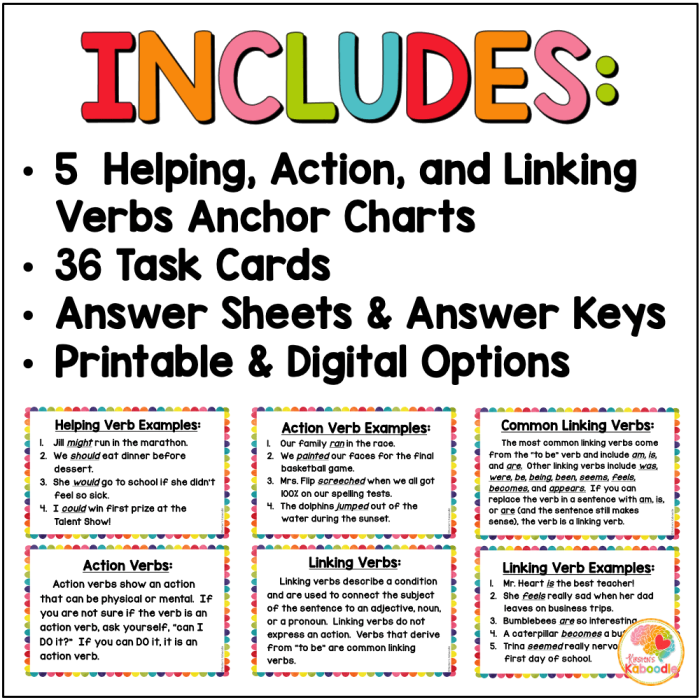
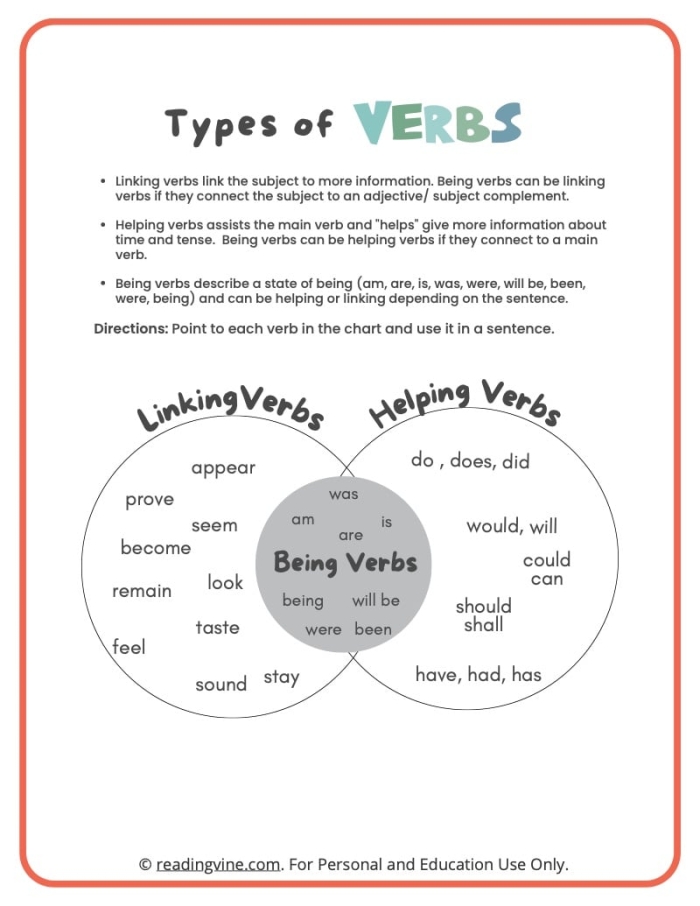
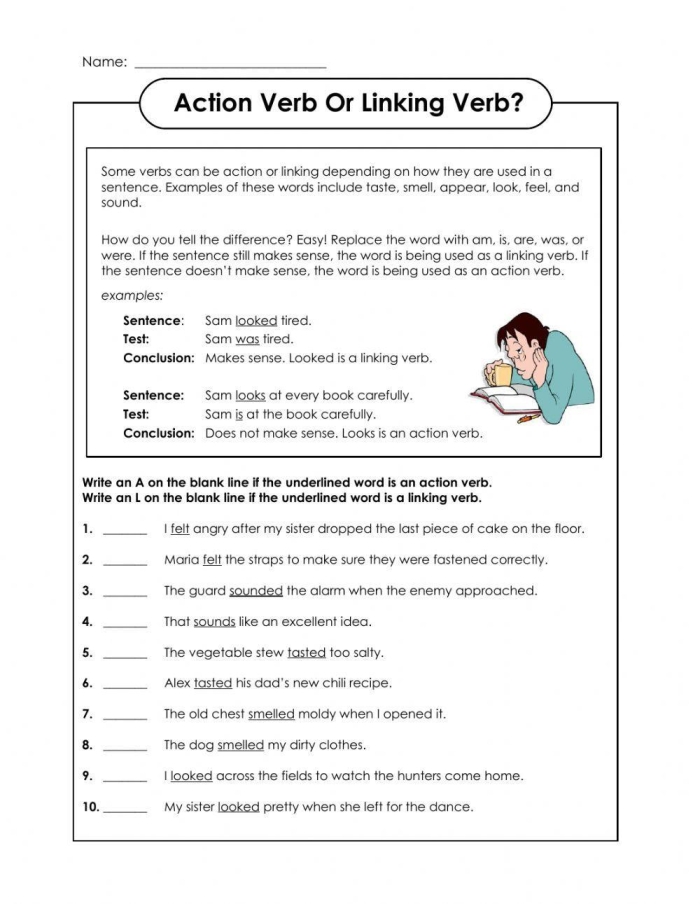
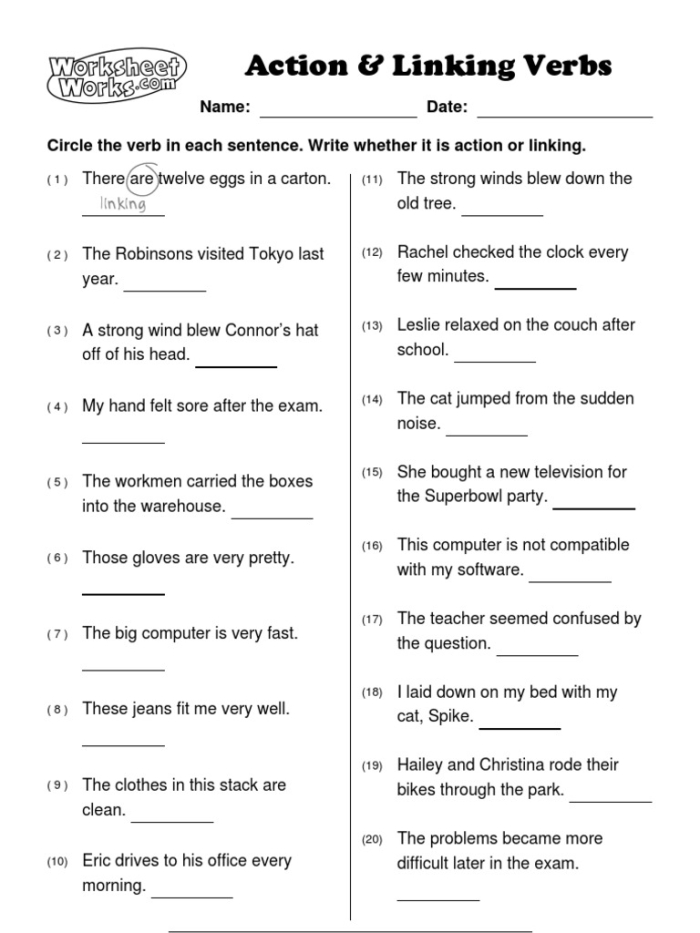
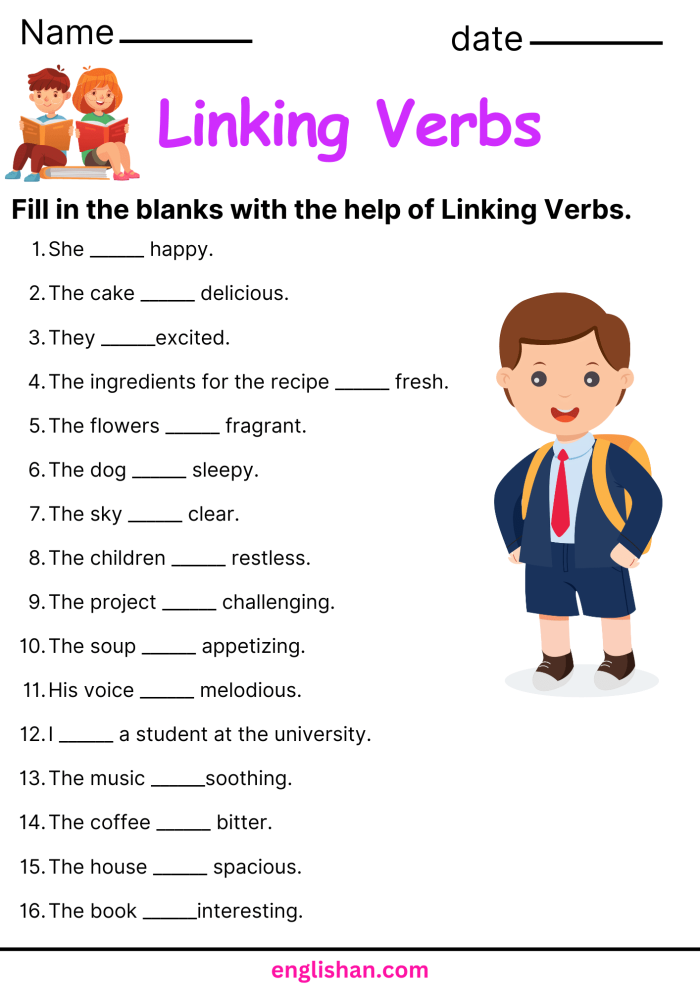
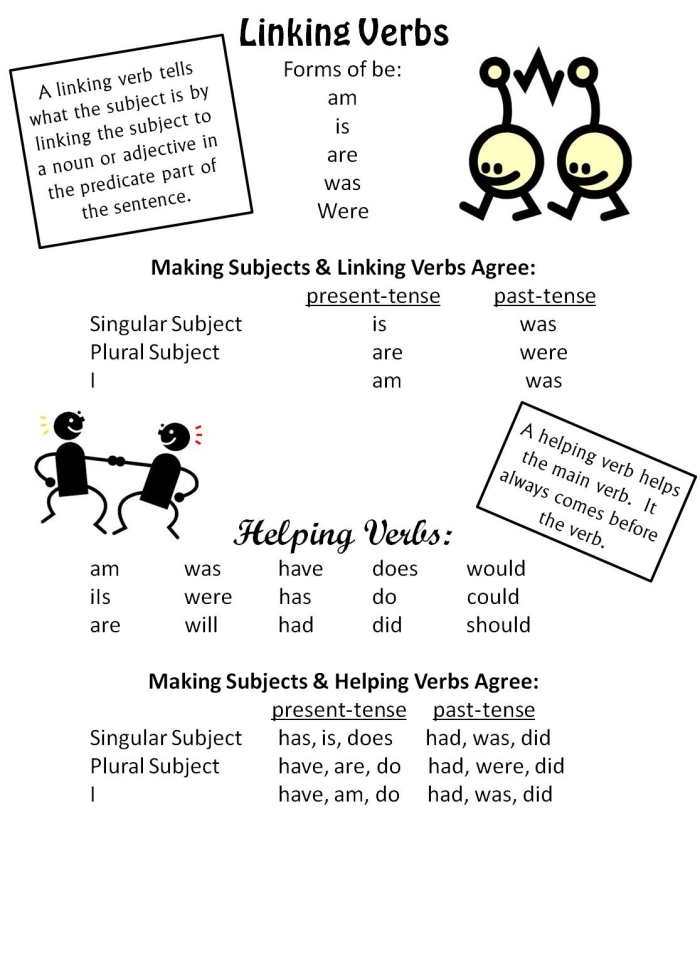
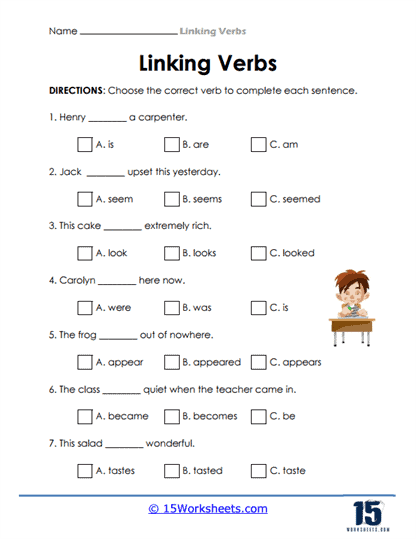
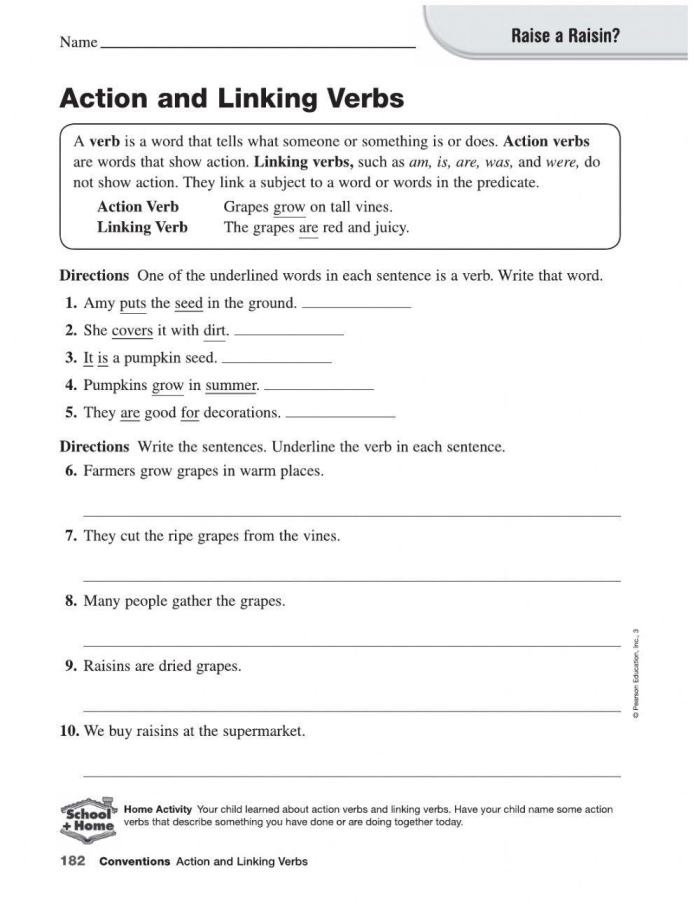
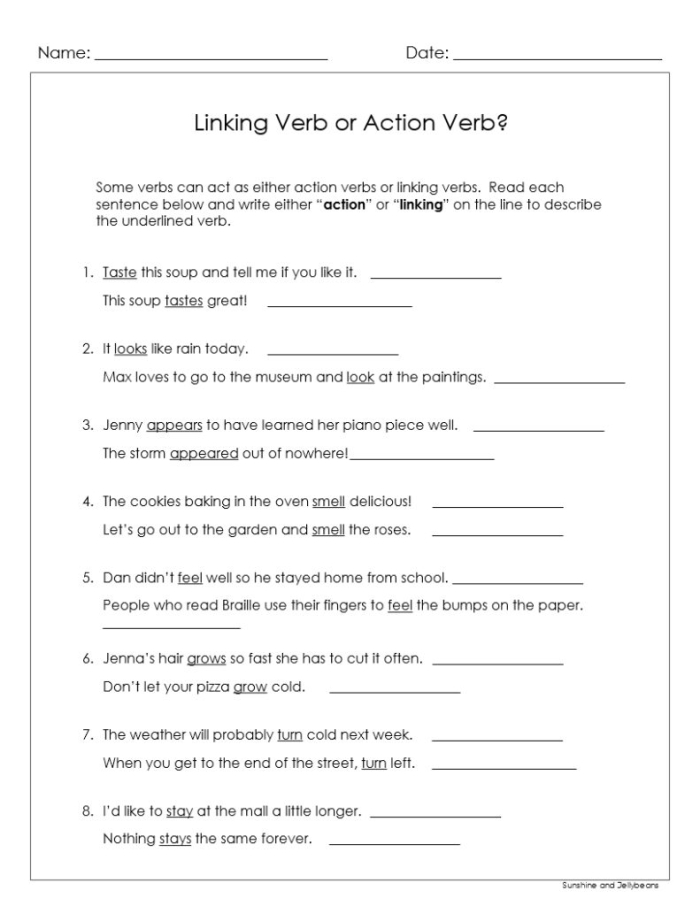
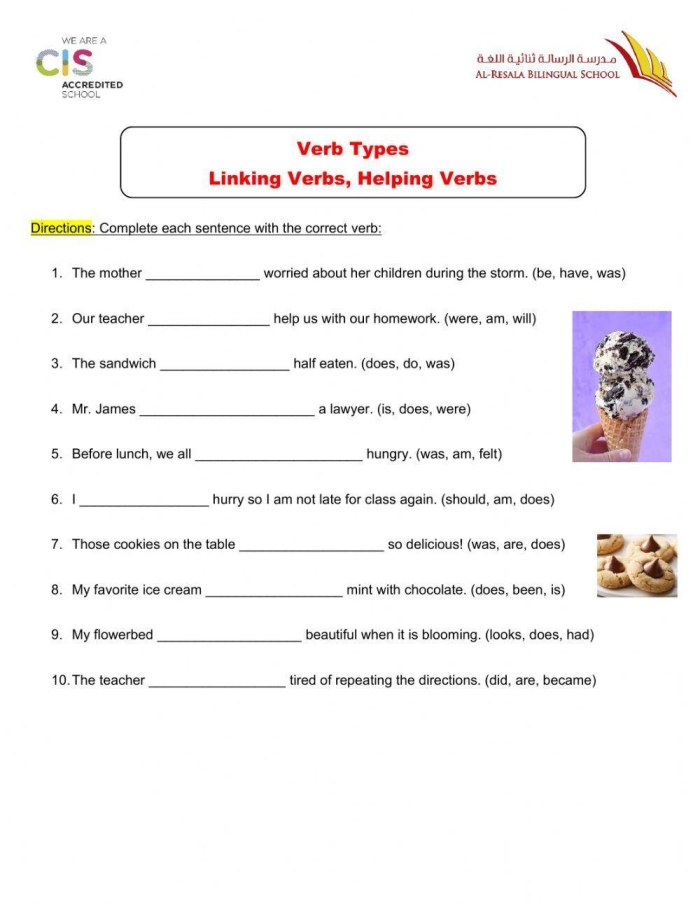
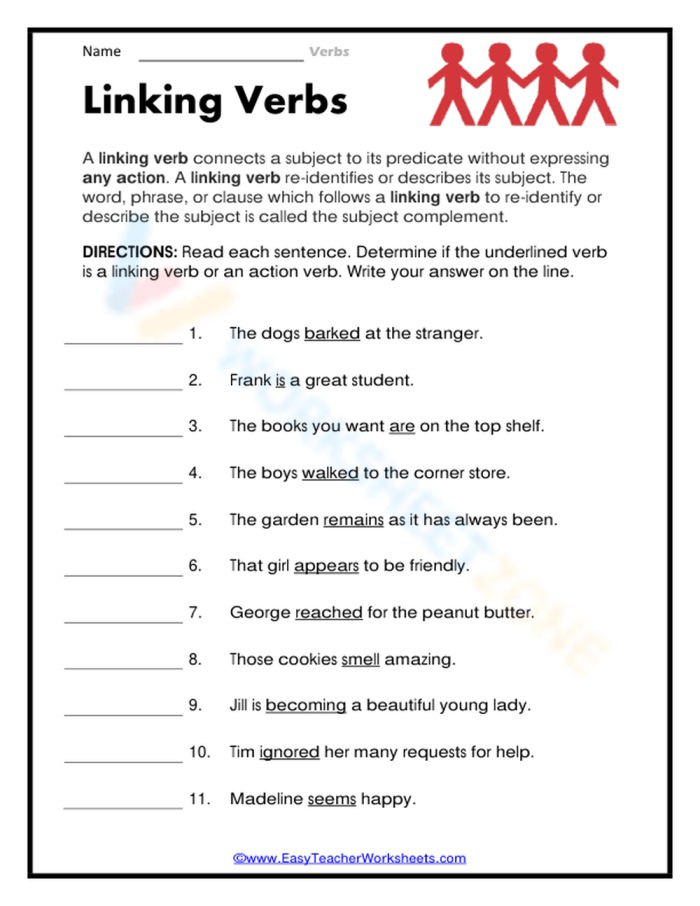
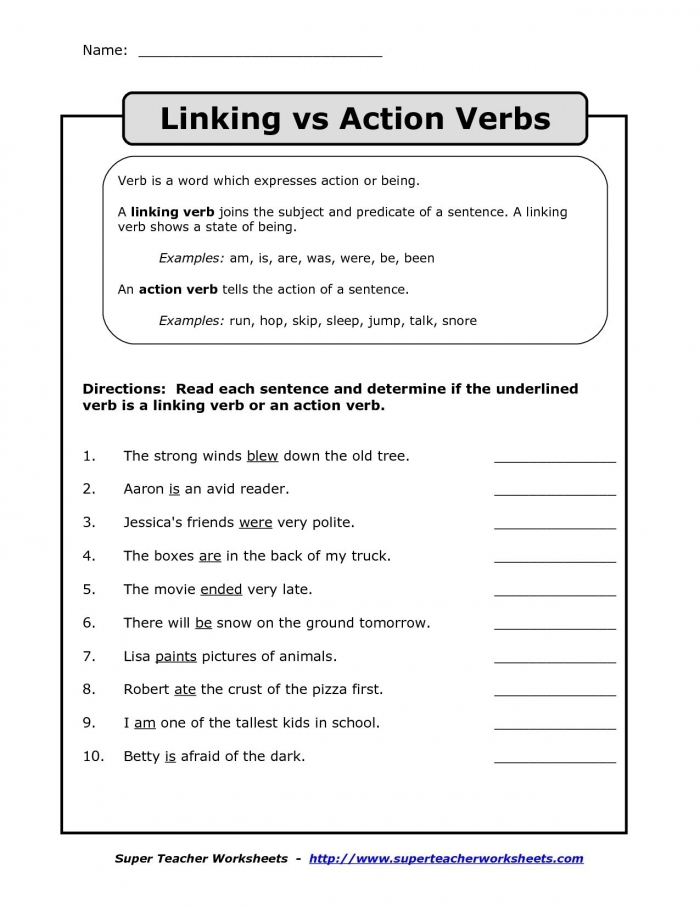
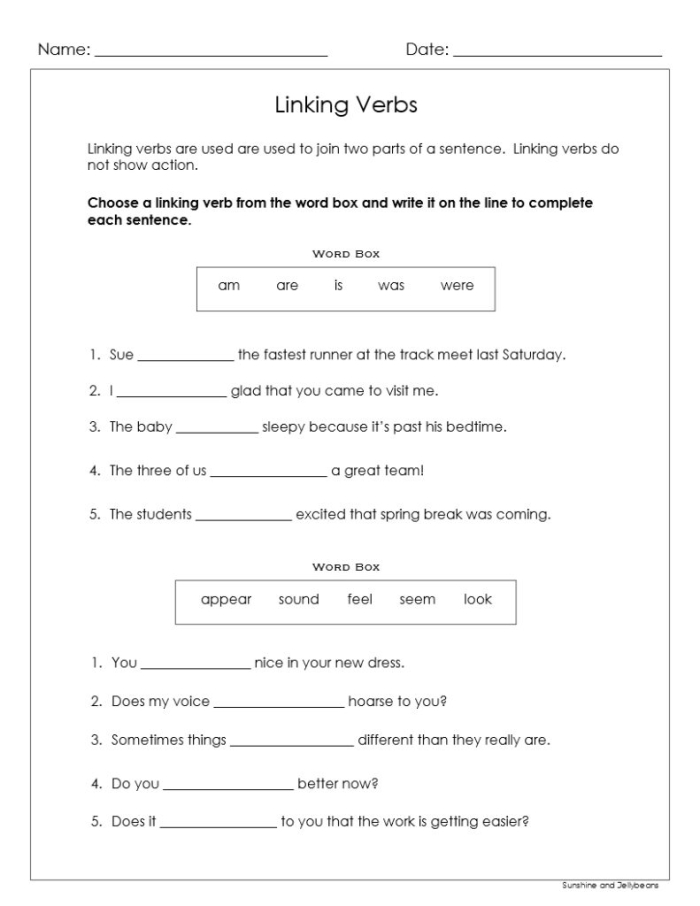
Linking verbs act as bridges between the subject and information about that subject. The most common one is “to be” in all its forms: am, is, are, was, were, be, being, been. When you write “The sky is blue,” the word “is” links the subject (sky) to its description (blue). Other linking verbs include become, seem, appear, taste, smell, and feel. These verbs don’t show action; they show a state of being or condition.
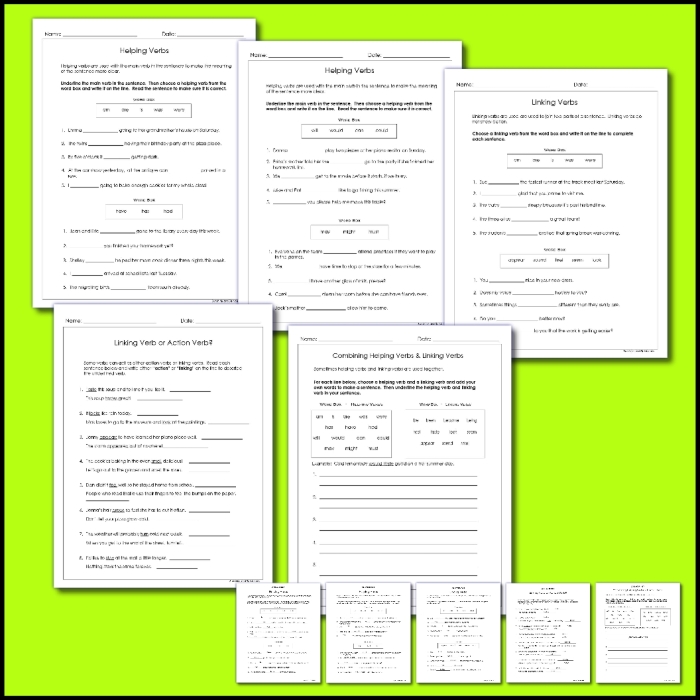
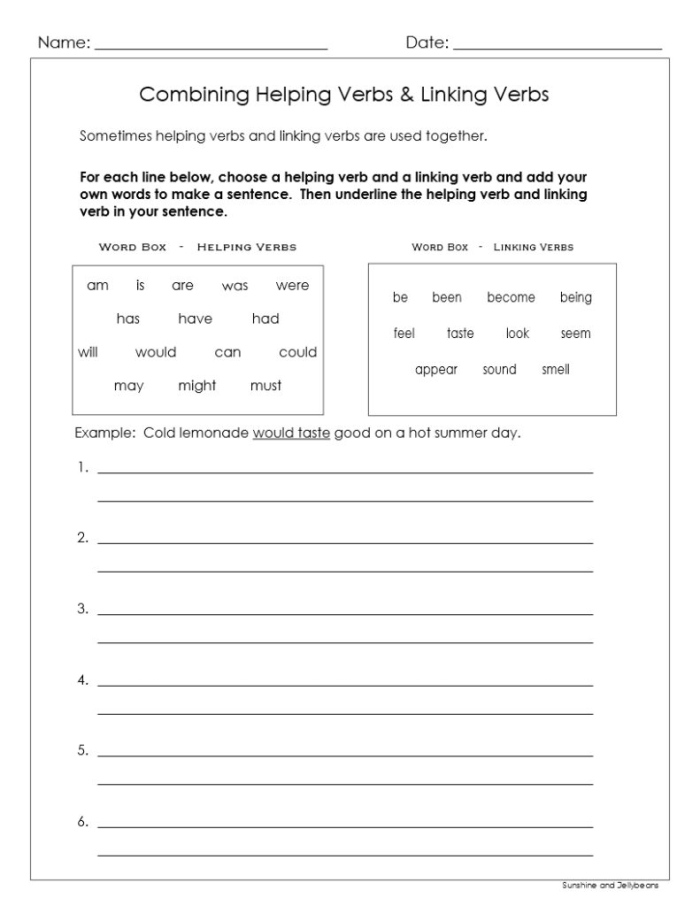
Helping verbs, also called auxiliary verbs, work alongside main verbs to create different tenses and moods. Words like have, has, had, do, does, did, will, would, should, and can modify the main verb’s meaning. For example, “She runs” becomes “She has run” or “She will run” when you add helping verbs. In fourth grade, students encounter these combinations regularly, especially when learning to write in different tenses.
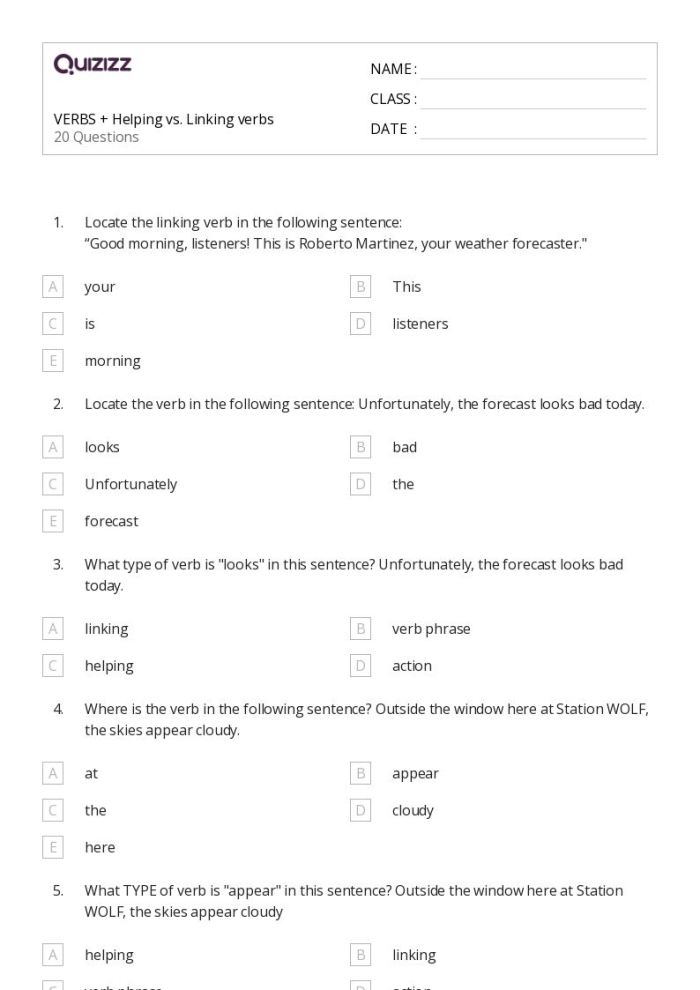
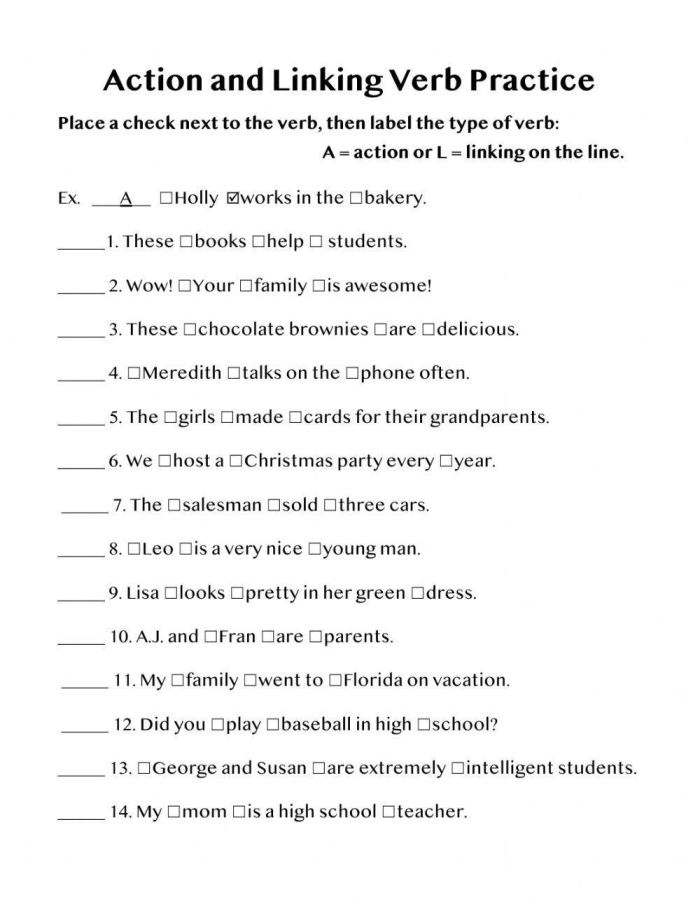
The challenge lies in recognizing these verbs quickly and using them correctly. Interactive activities make this learning stick better than traditional worksheets alone. When students practice identifying helping verbs in context, they build the pattern recognition needed for stronger writing. Pairing this work with other grammar skills, like matching vocabulary to meanings or understanding subtle differences between similar words, creates a more complete foundation.
Fourth grade is the ideal time to solidify these concepts. Students at this level are ready to move beyond simple sentence structures and need these tools to express more complex ideas. Regular practice with interactive activities ensures these verbs become automatic, freeing students to focus on the creative and meaningful parts of writing.
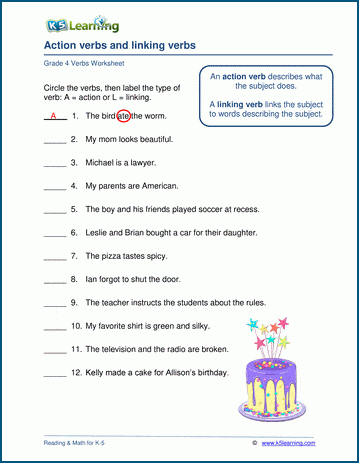
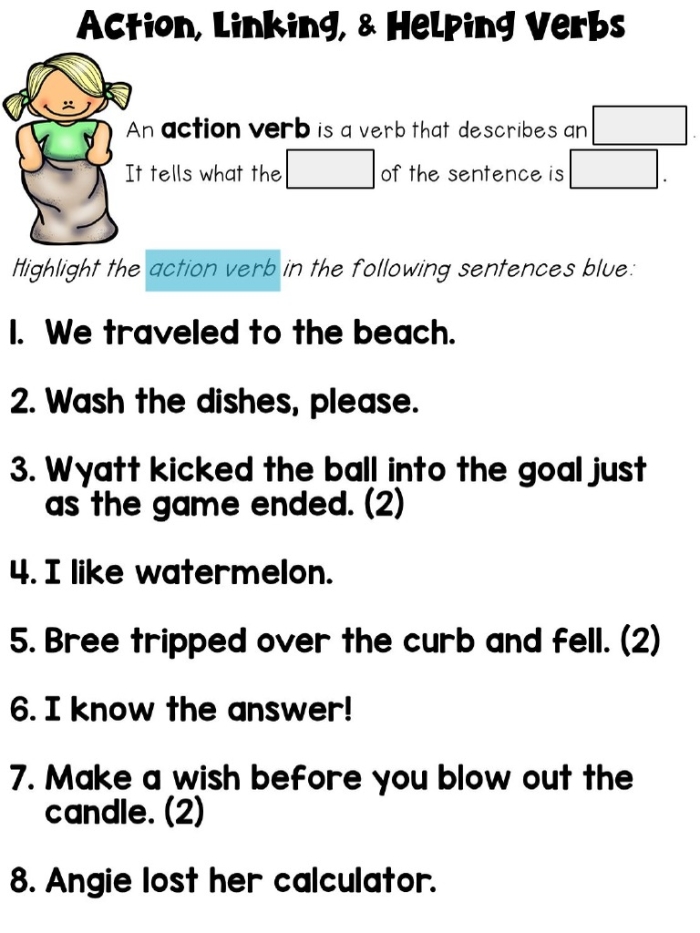
Worksheet Practice Section