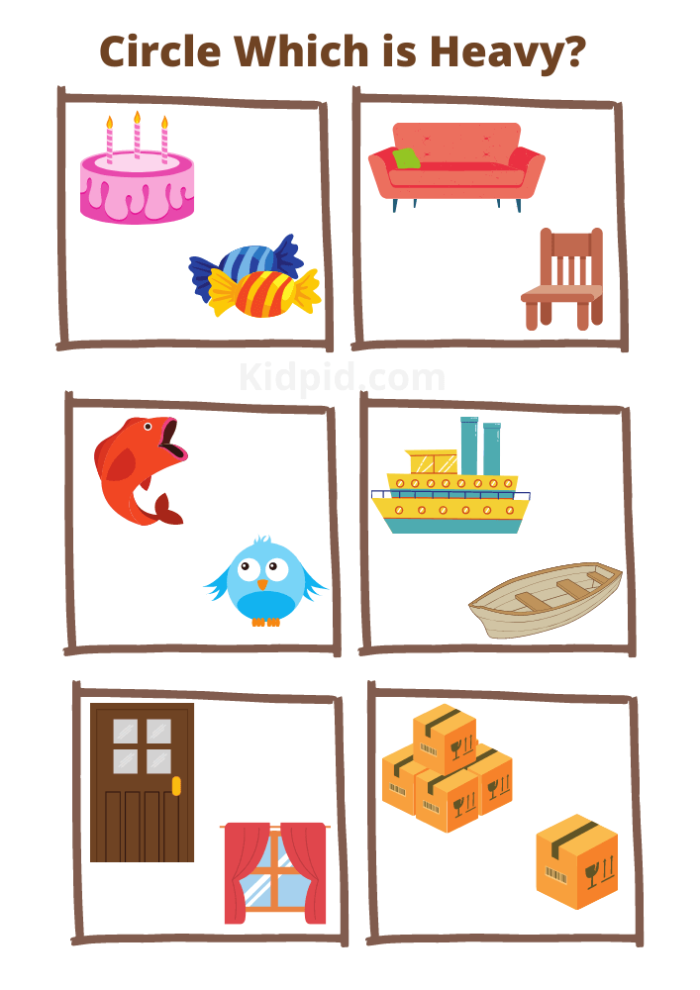
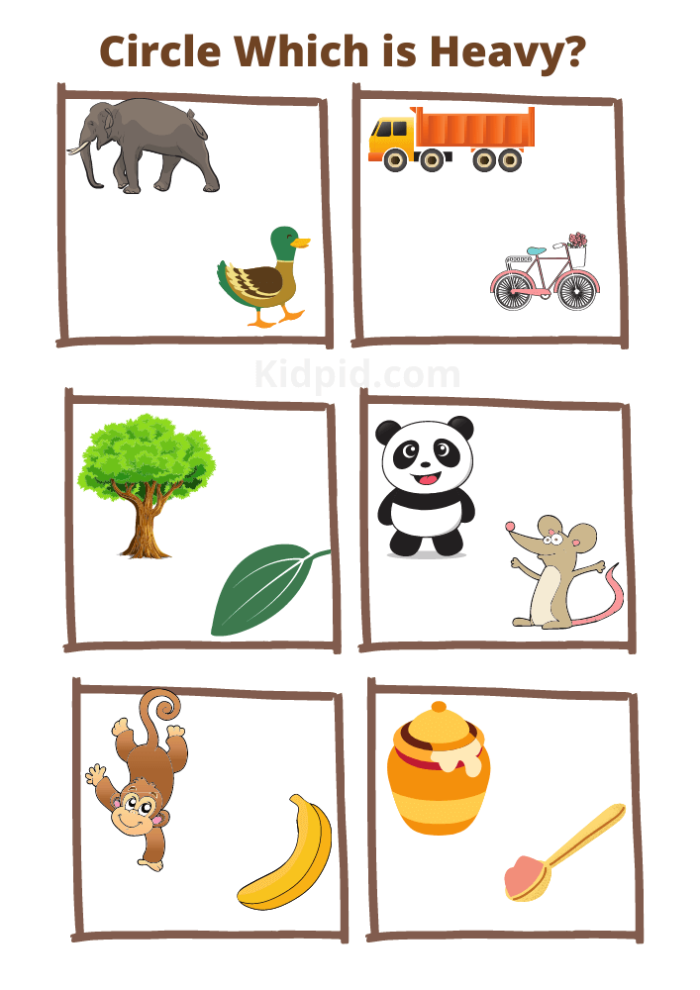
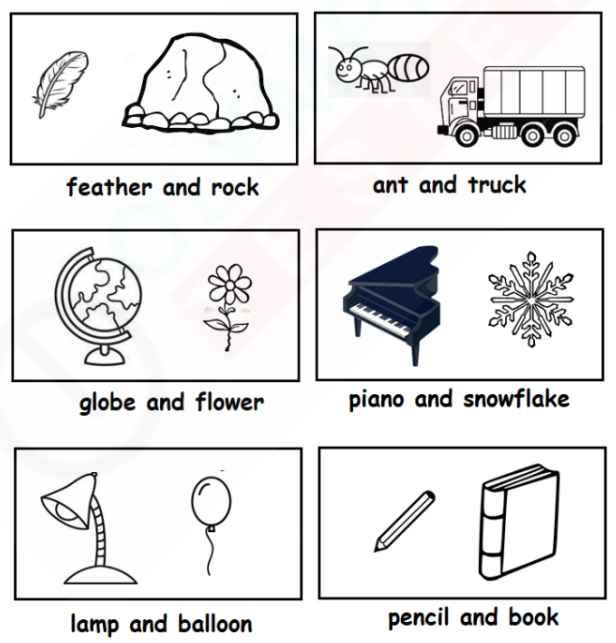
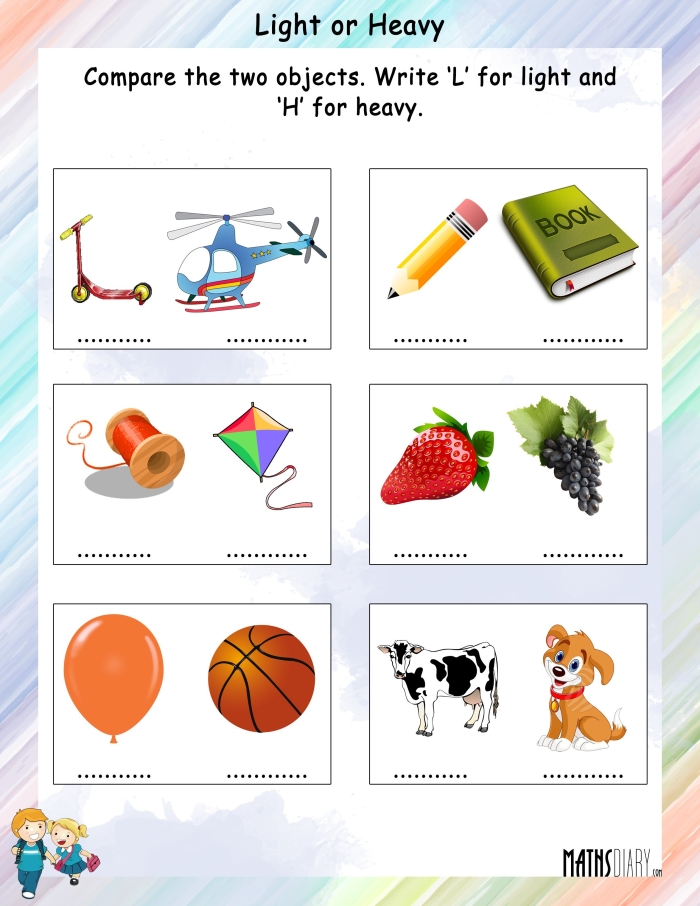
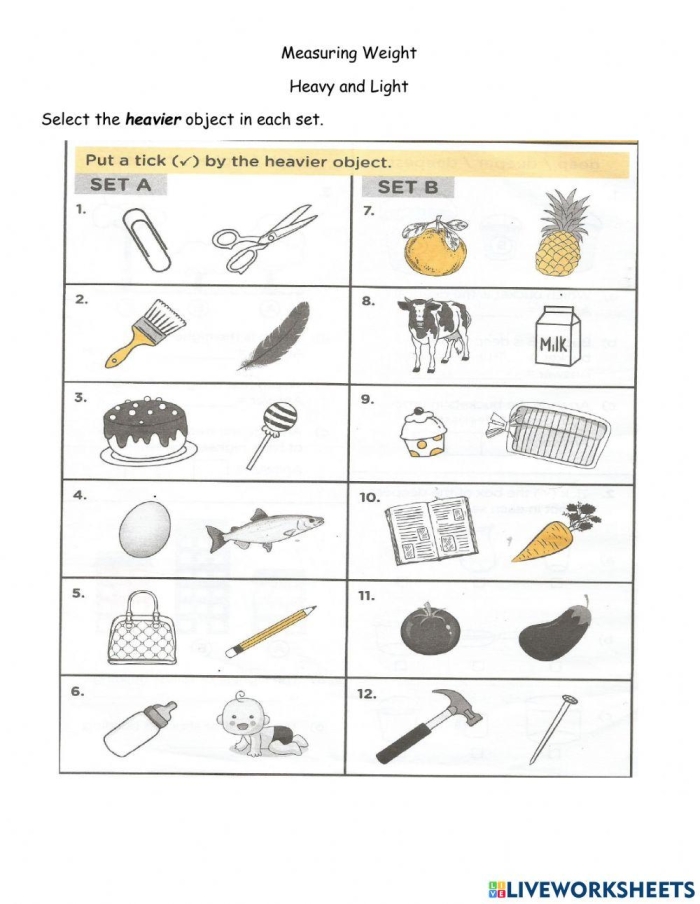
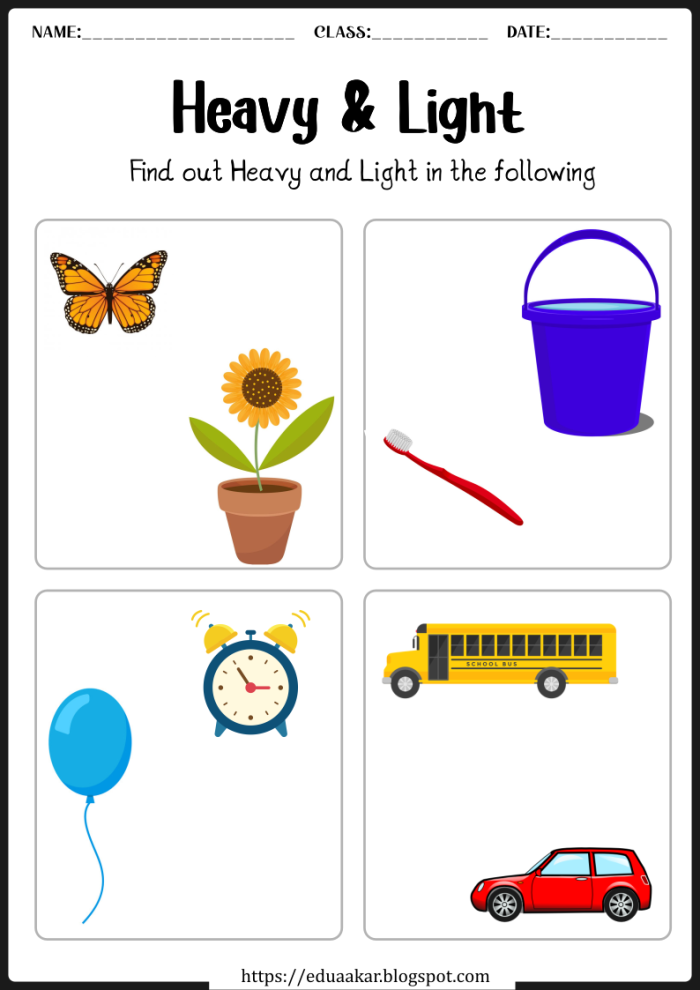
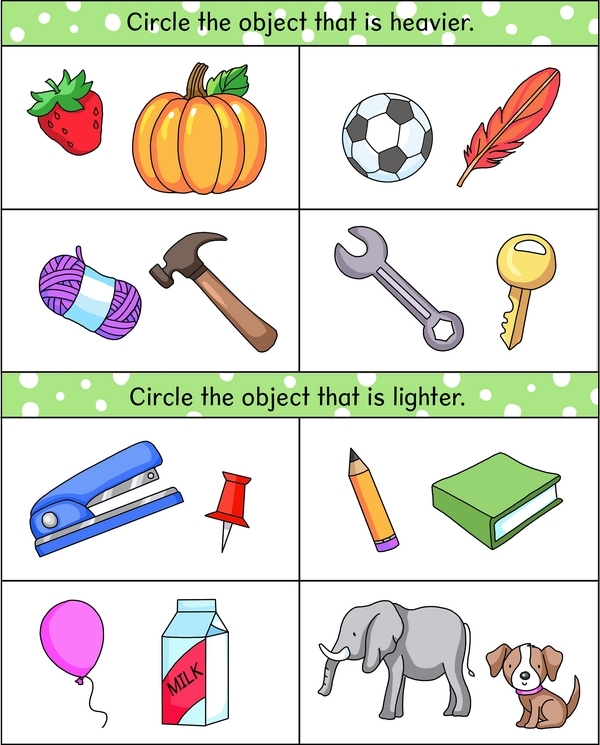
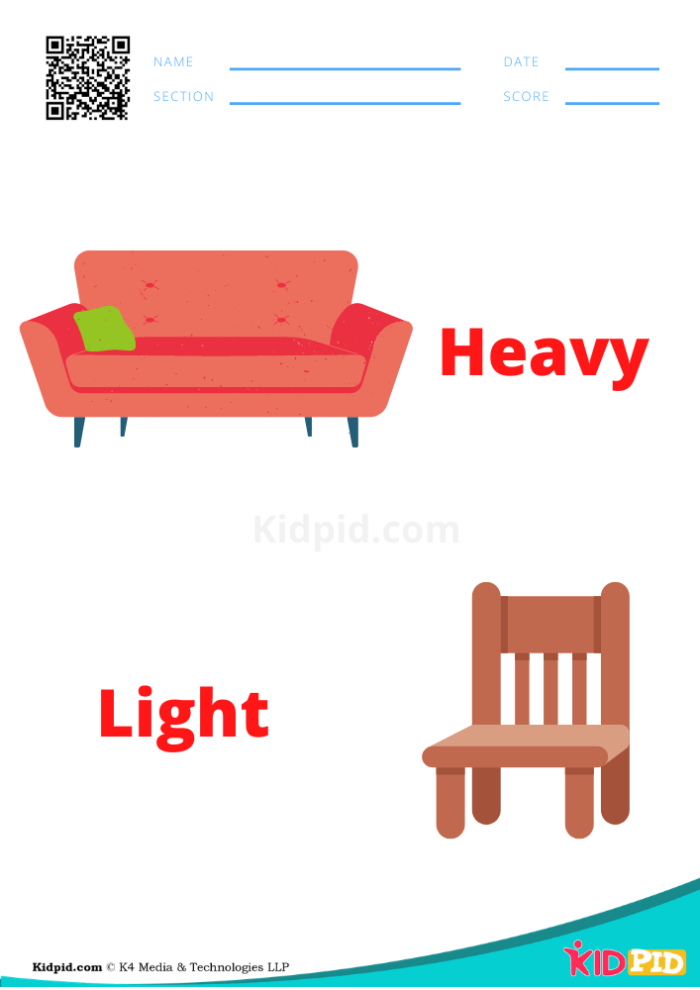
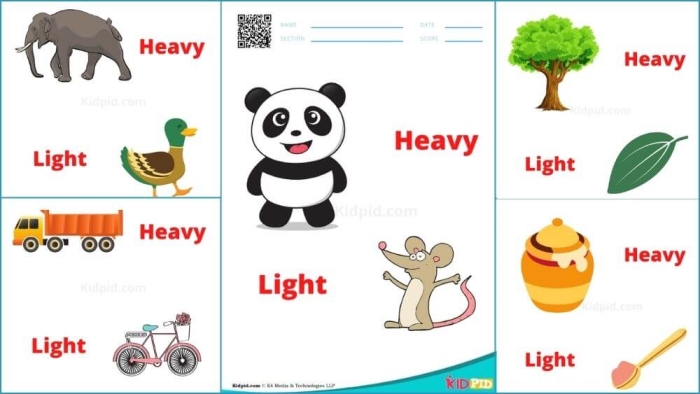
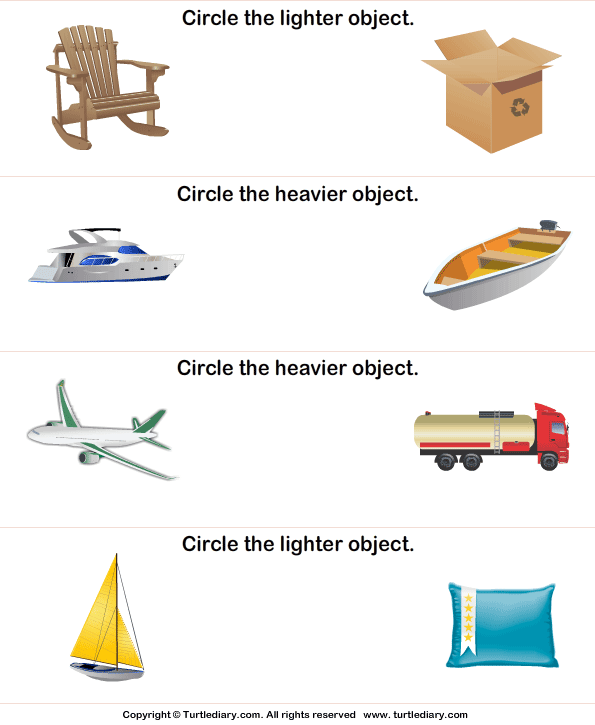
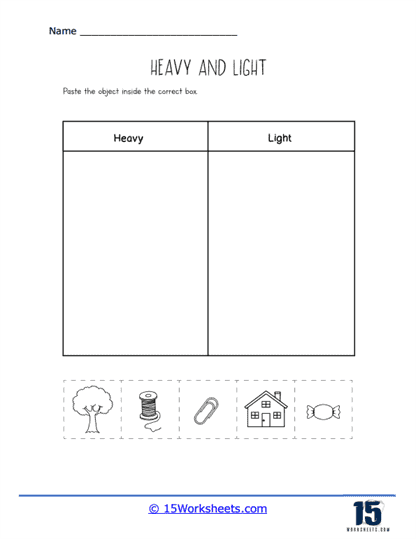
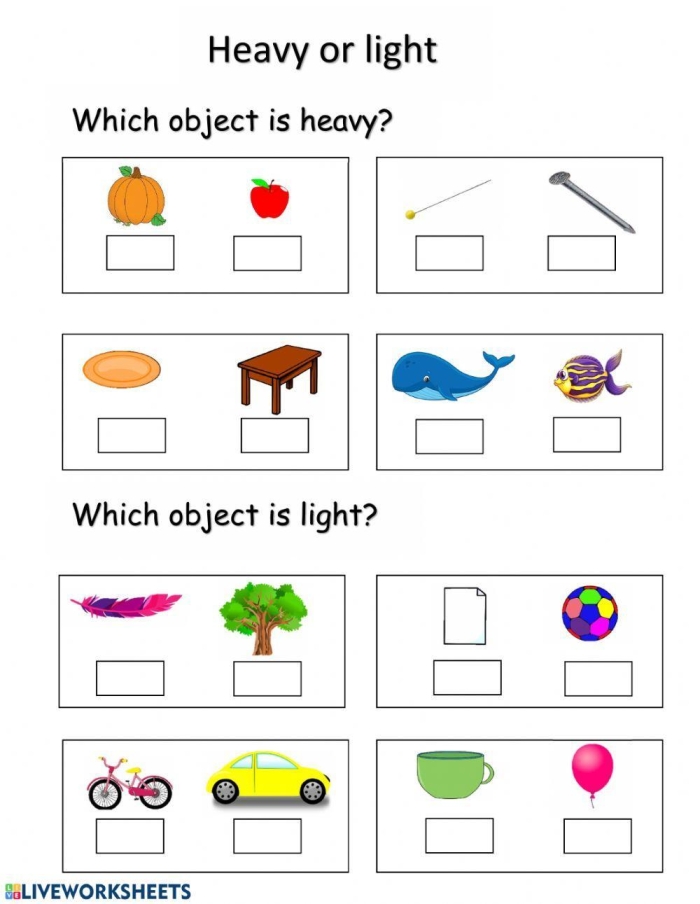
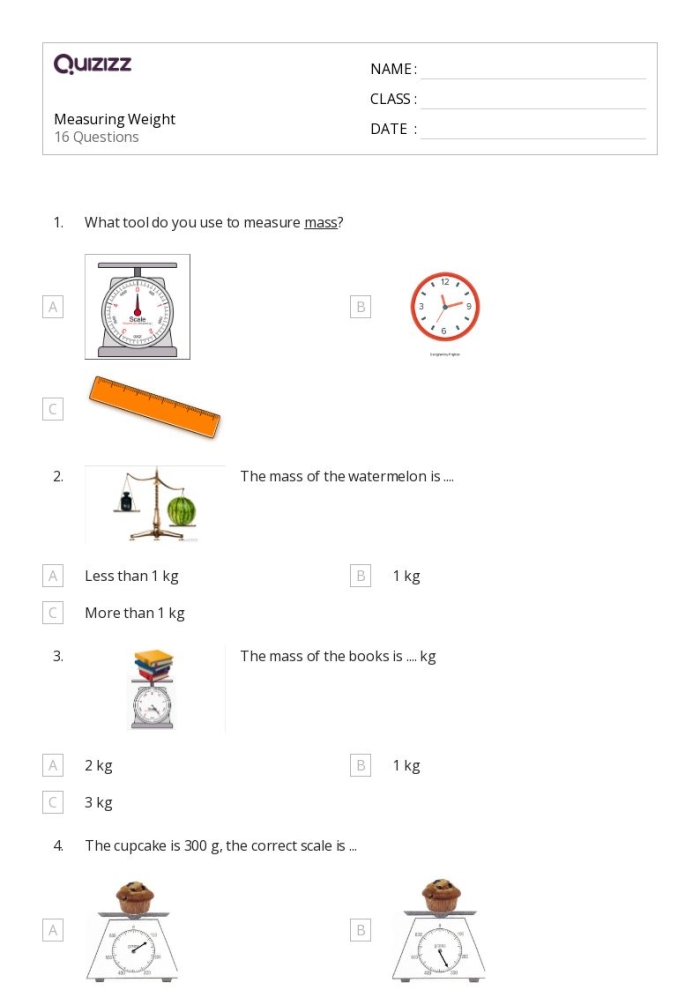
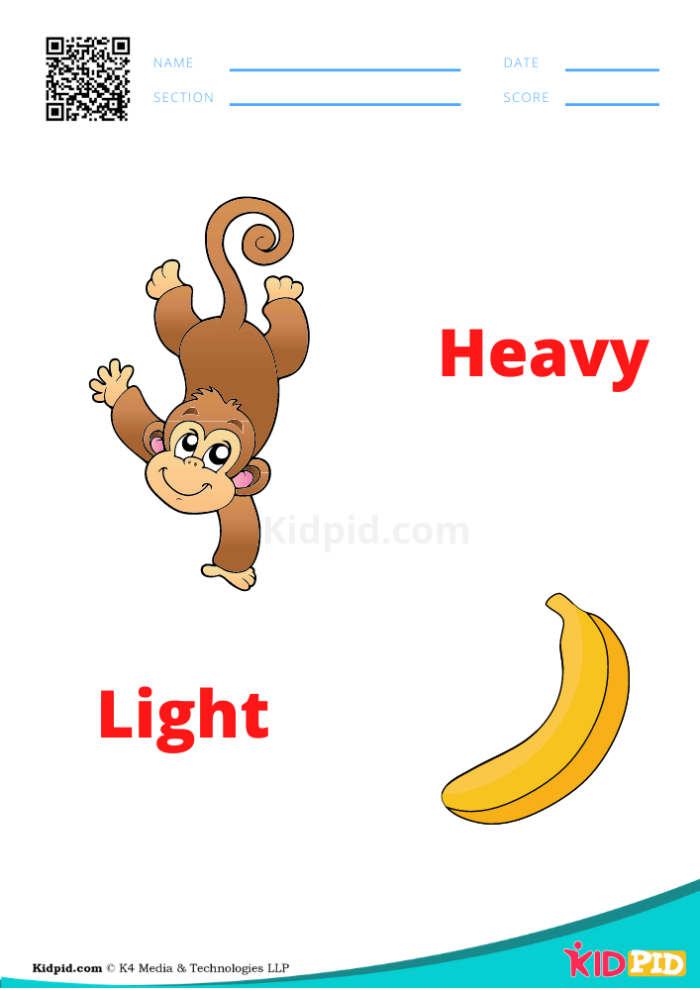
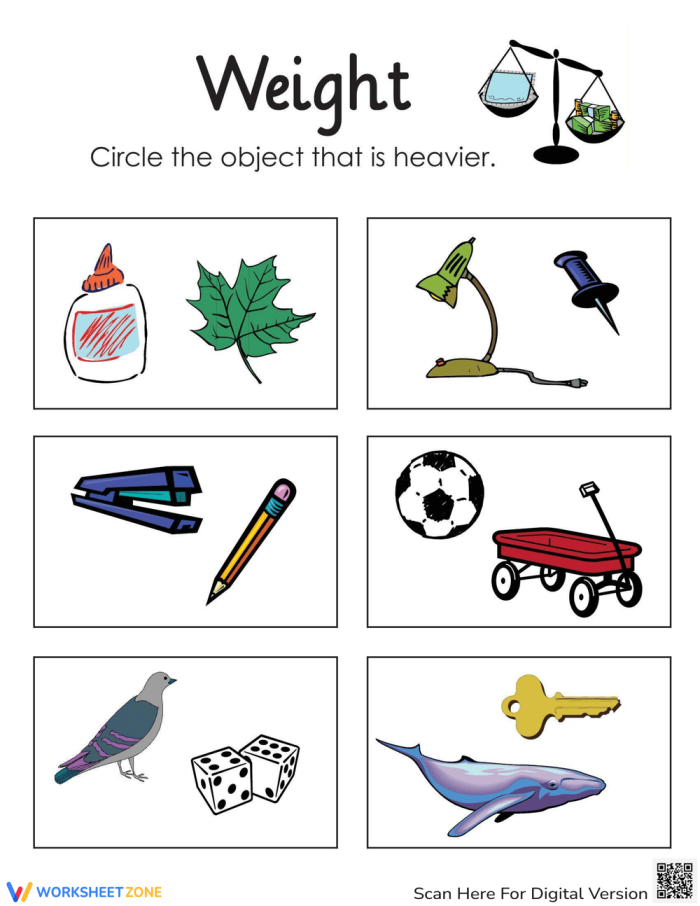
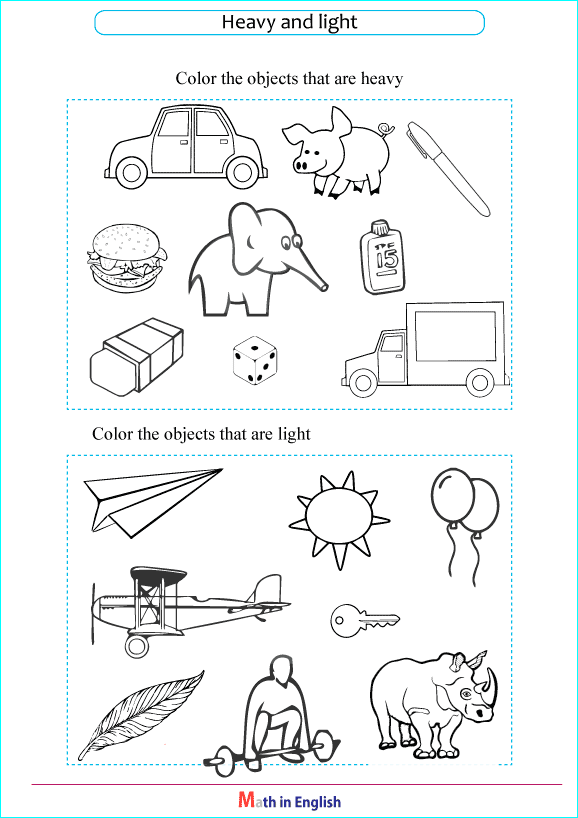
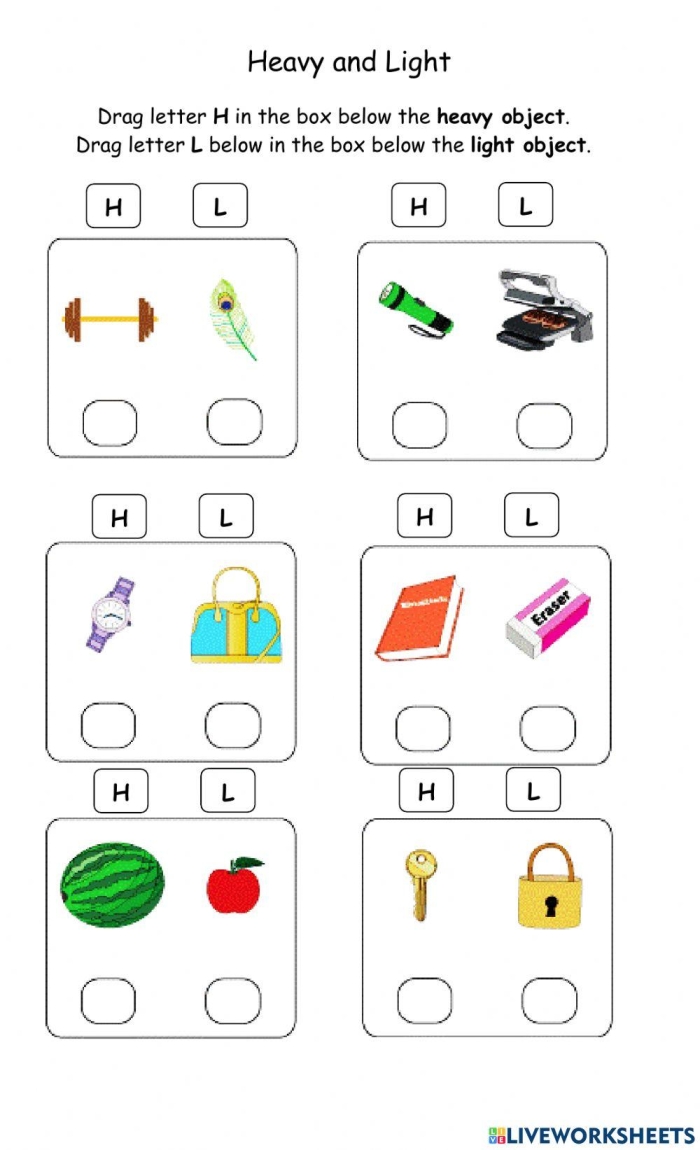
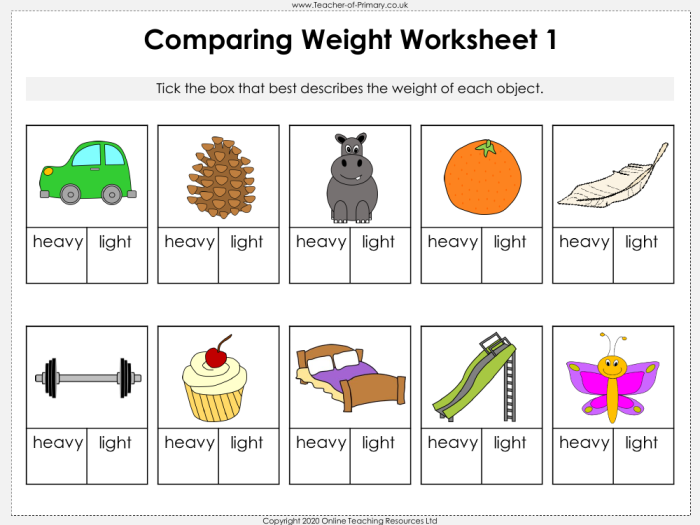
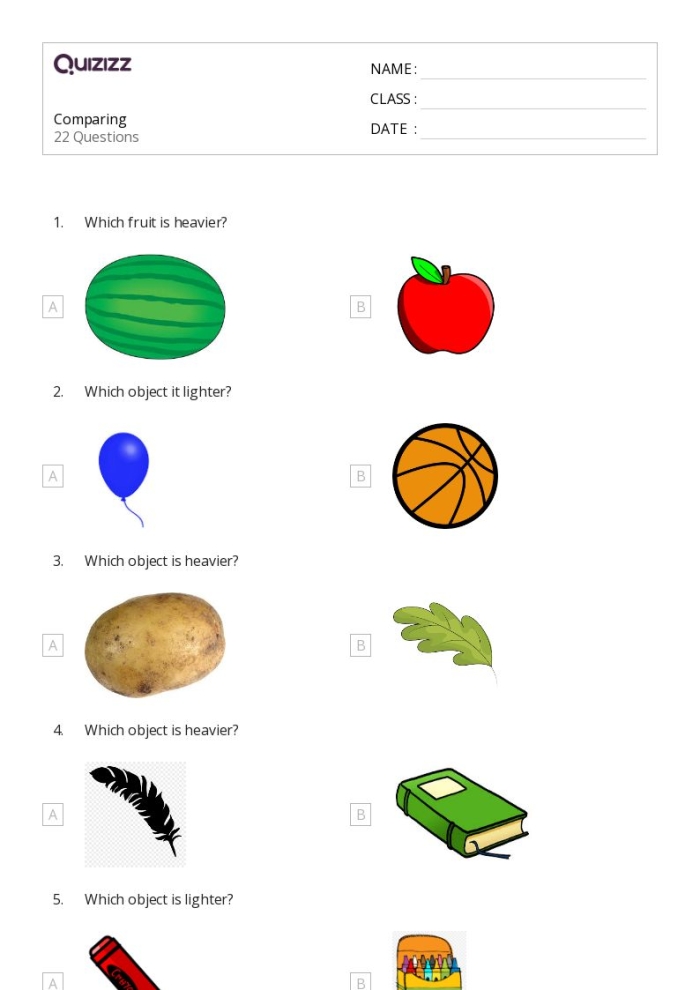
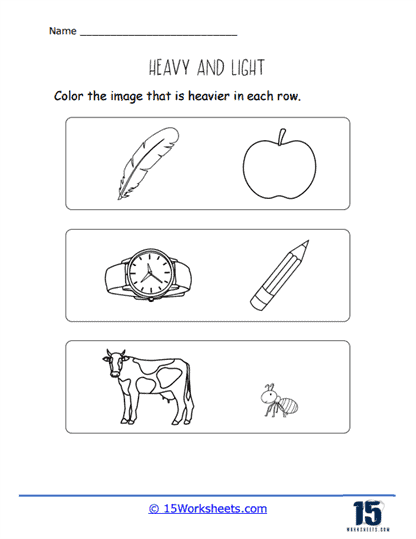
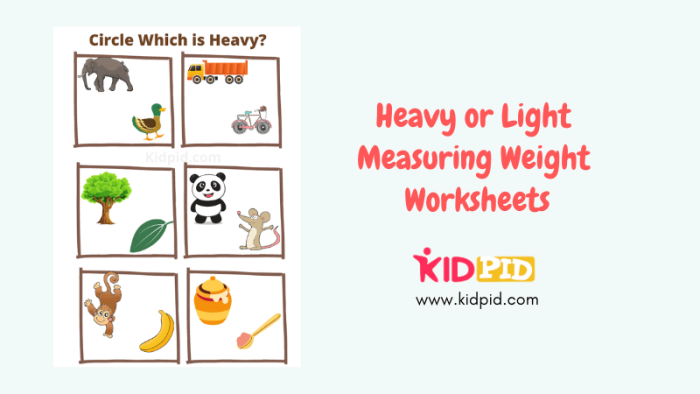
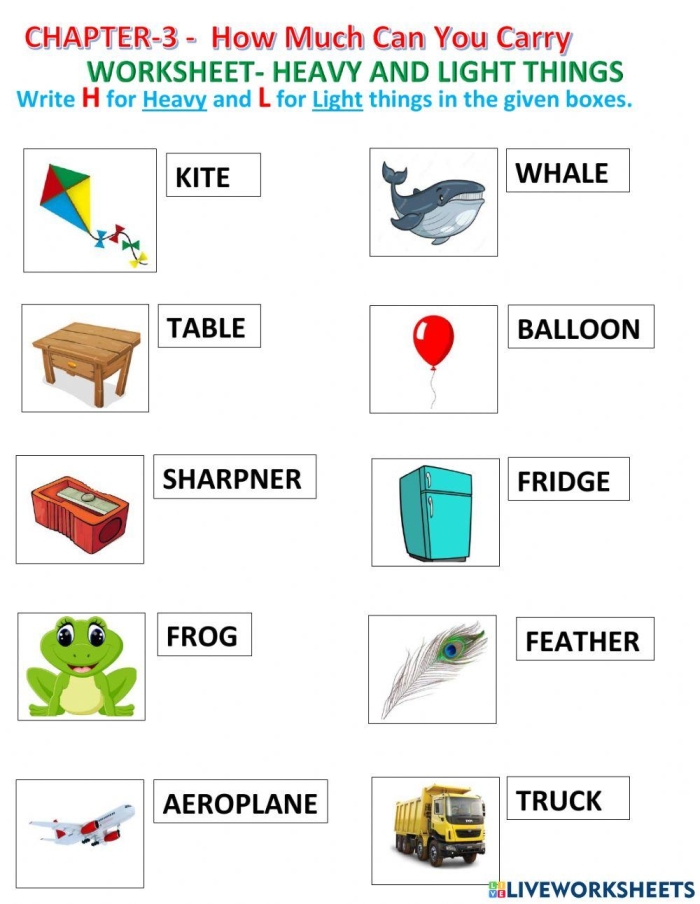
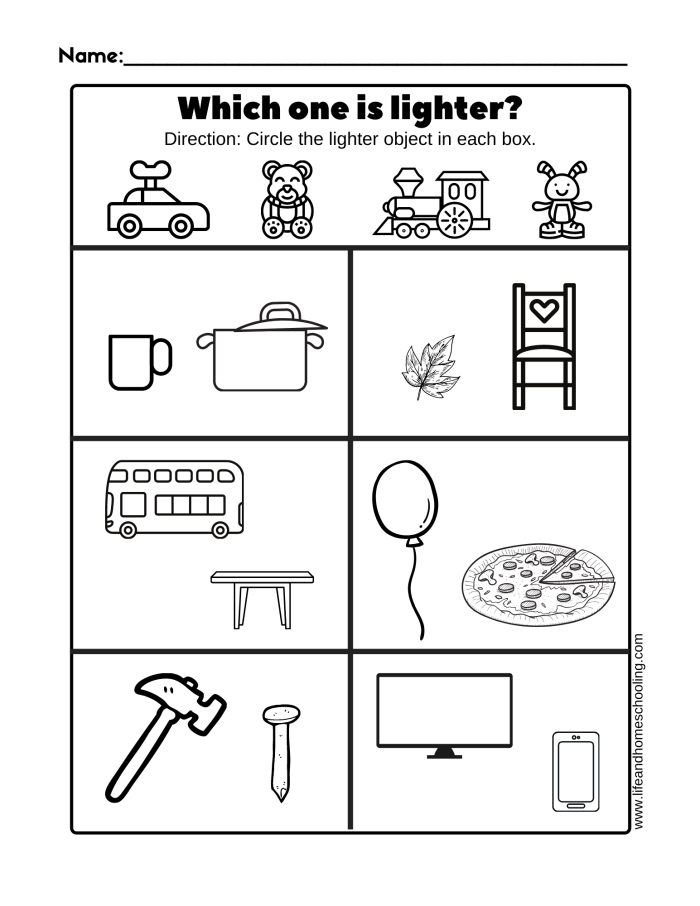
Weight is one of those measurement concepts that young learners find surprisingly tricky, even though they encounter it constantly. When your Pre-K child picks up a rock versus a feather, they’re already developing an intuition about heaviness, but formalizing that understanding takes practice. A printable worksheet focused on heavy or light comparisons gives them a structured way to build confidence with this fundamental skill.
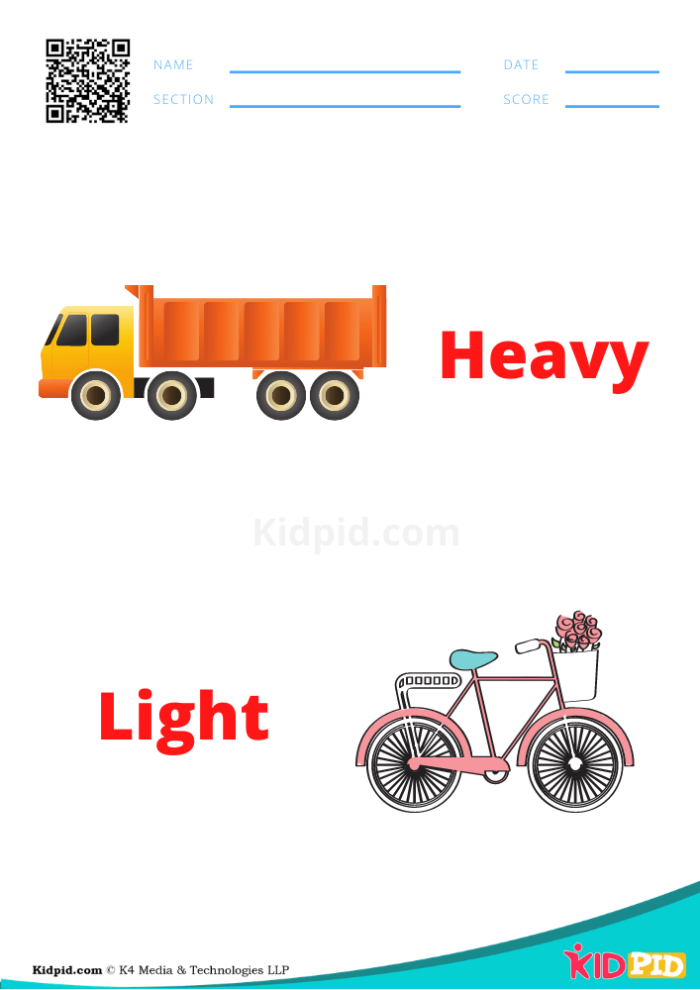
The beauty of weight worksheets at this level is their simplicity. Rather than asking children to calculate exact pounds or kilograms, these activities ask them to compare objects and identify which is heavier or lighter. Your child might look at a picture of a watermelon next to a grape and circle the heavier item. This concrete approach matches how Pre-K learners naturally think about the world around them.
Working through these exercises regularly strengthens their ability to estimate and compare, which are essential building blocks for understanding ratios and proportions later on. When children repeatedly practice identifying “more” and “less” through weight comparisons, they’re laying groundwork for proportional reasoning. This connects directly to how they’ll eventually understand relationships between quantities.
You can extend the worksheet practice into real life by having your child hold different household items and decide which feels heavier. Let them make predictions before testing their guesses. This hands-on reinforcement makes the abstract concept of weight feel tangible and relevant.
If your child enjoys this type of activity, you might explore other measurement-based worksheets. Many educators find that pairing weight practice with related skills, like exploring perimeter concepts or working with geometry skills, helps children develop a more complete understanding of how we measure the physical world.
Hands-On Worksheet Activities