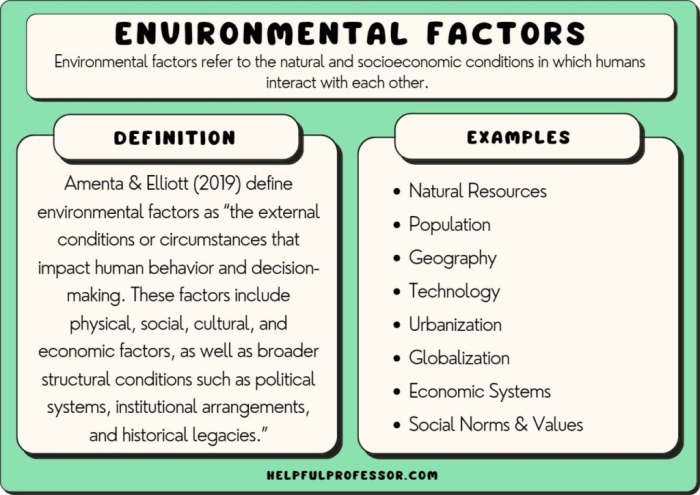
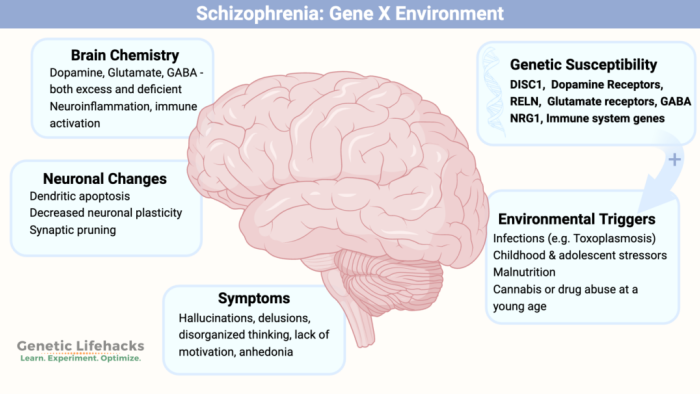
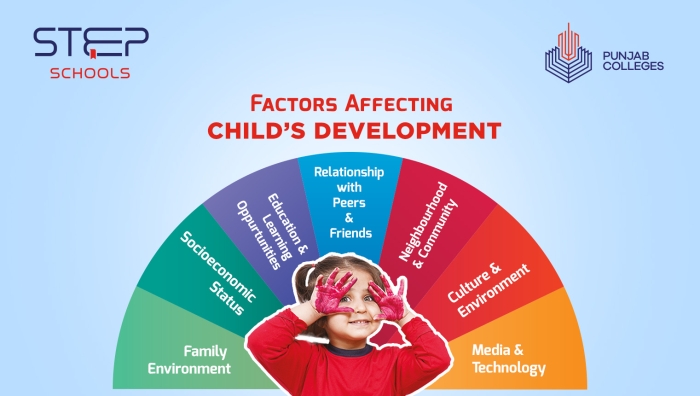
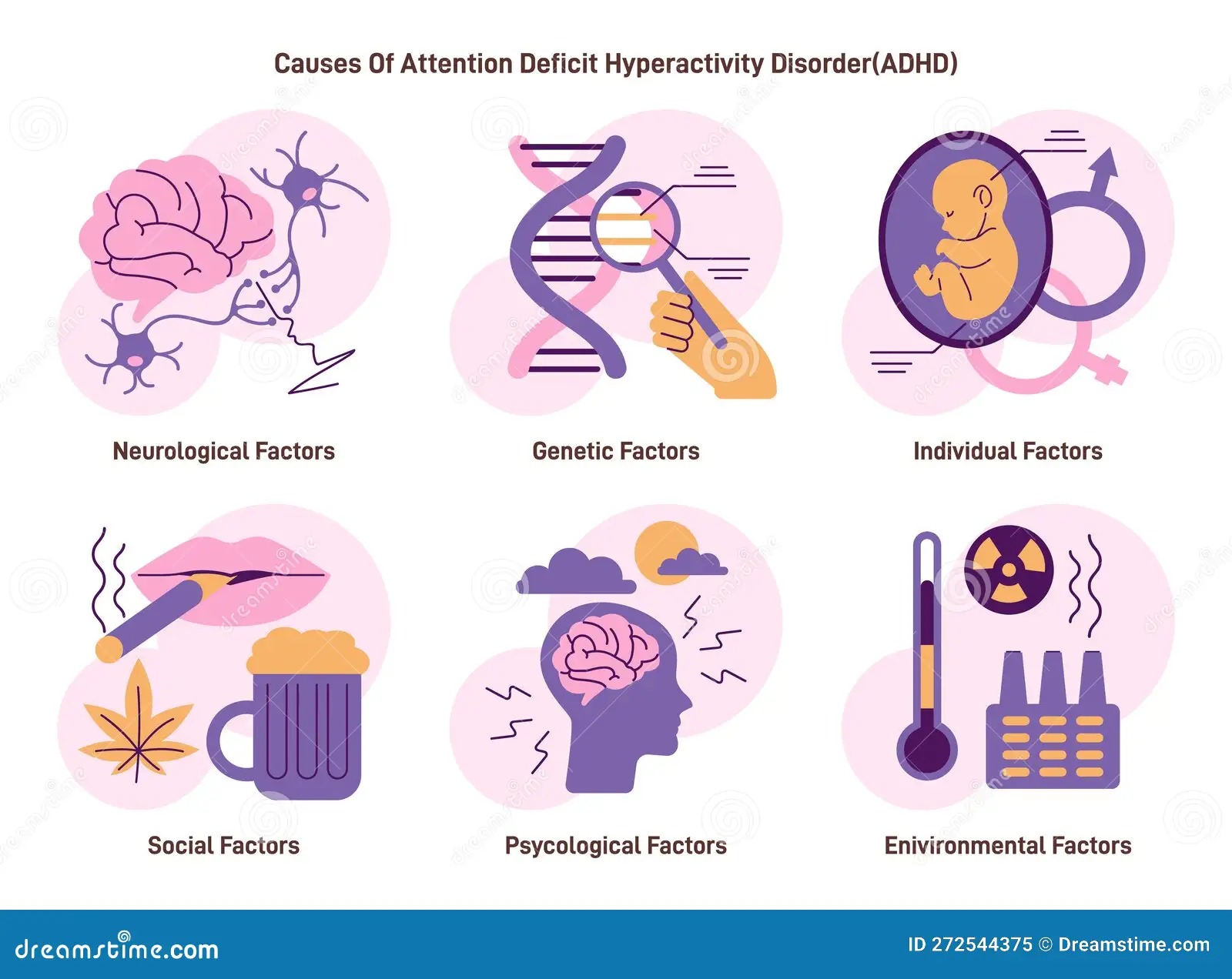
Understanding how traits are shaped by genetic and environmental factors unveils the intricate interplay of biology and surroundings. This topic is particularly engaging for sixth graders as they begin to grasp the complexities of life sciences. Genetics refers to the inherited characteristics passed down through genes, while environmental influences encompass everything from climate and nutrition to social interactions.
For instance, consider the height of an individual. Genetics plays a significant role; if parents are tall, their children are likely to inherit that trait. However, environmental factors can alter this outcome. A child who receives proper nutrition and engages in regular physical activity may grow taller than a genetically similar sibling who experiences malnutrition or a sedentary lifestyle. Such examples illustrate the balance between nature and nurture in determining traits.
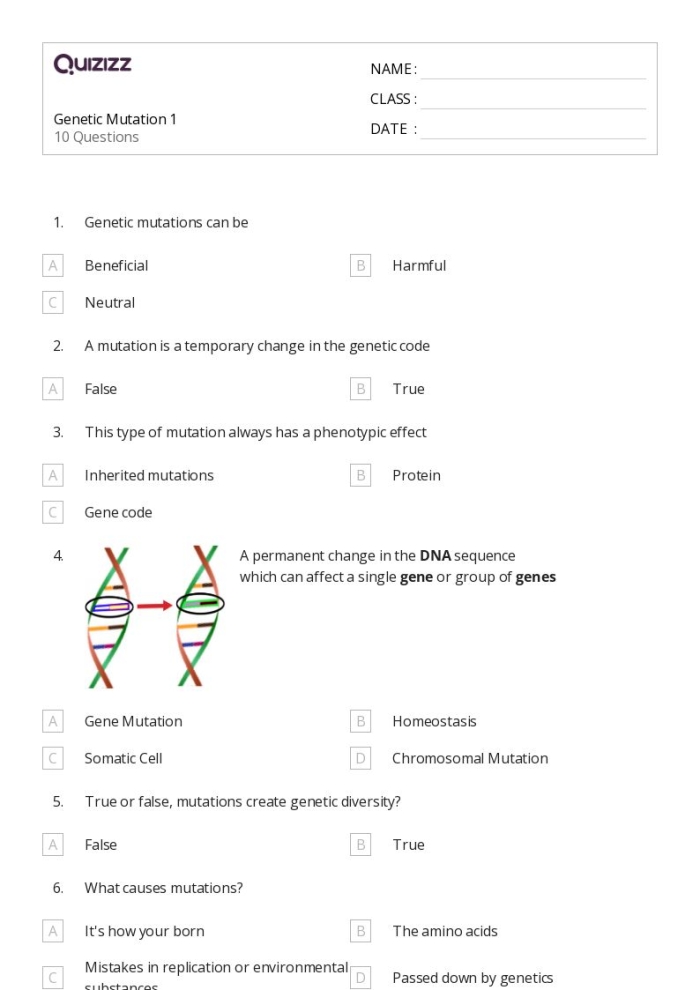
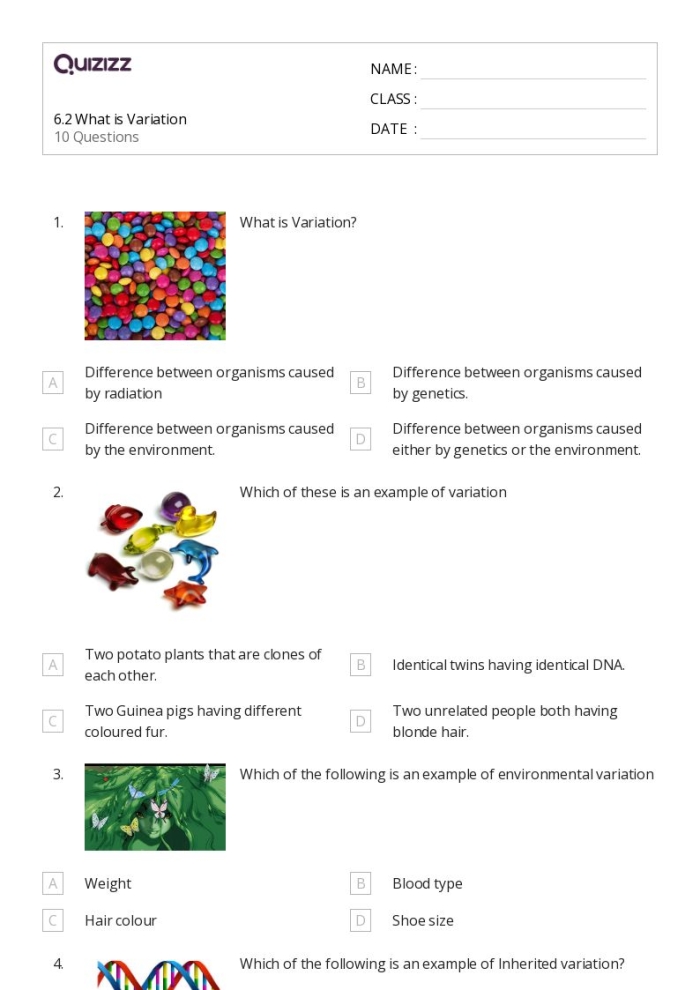
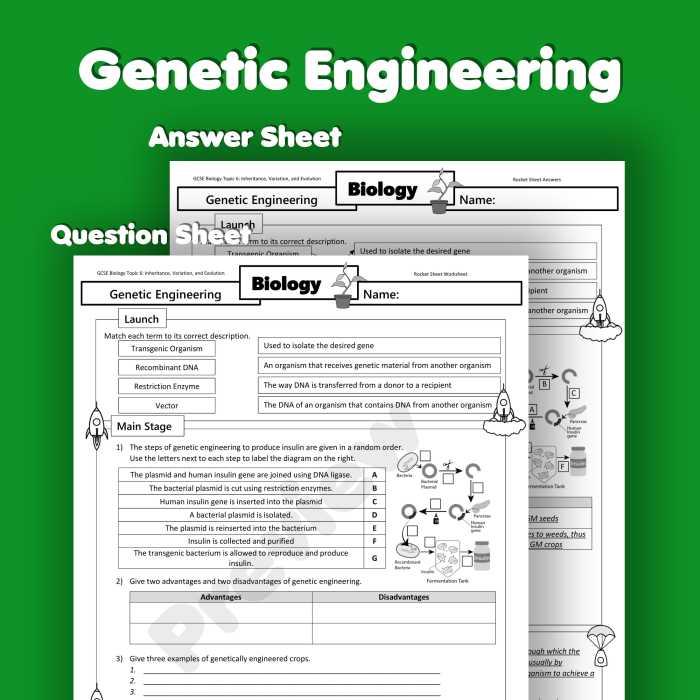
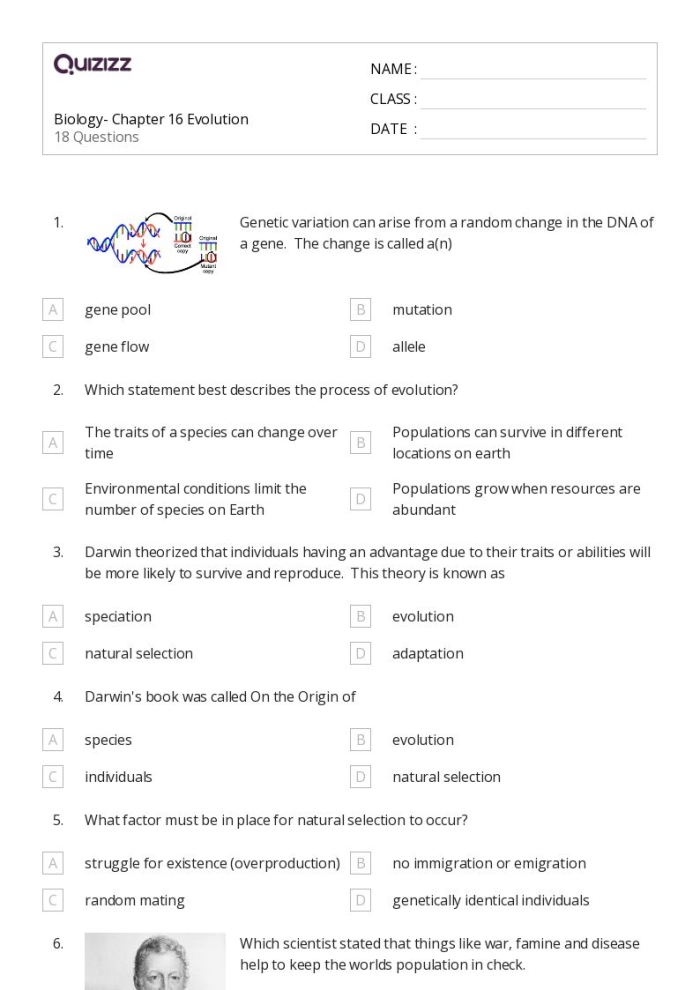
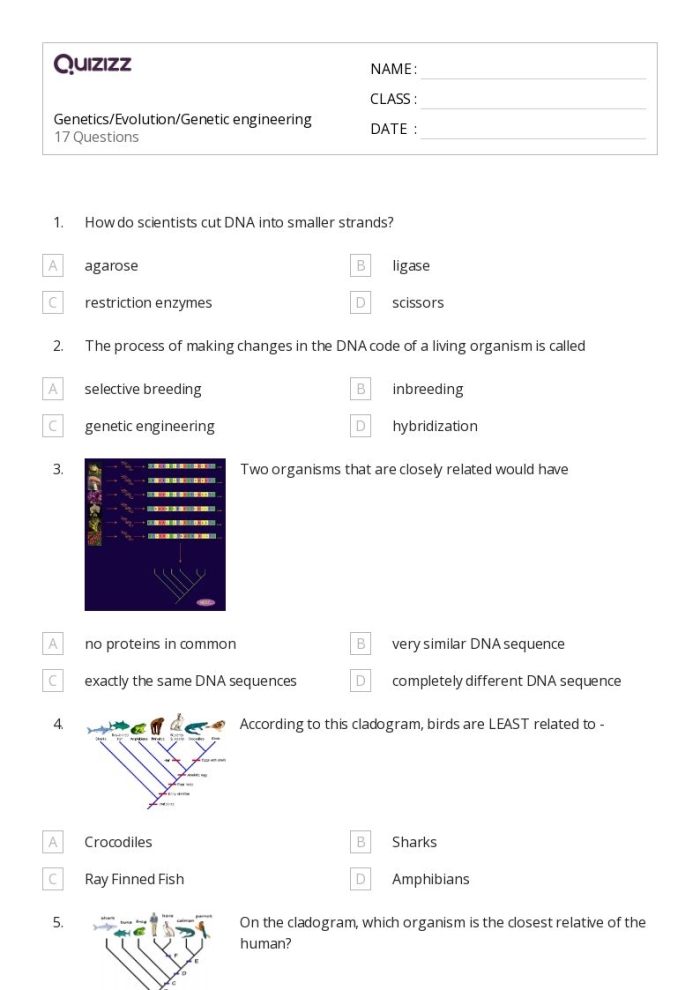
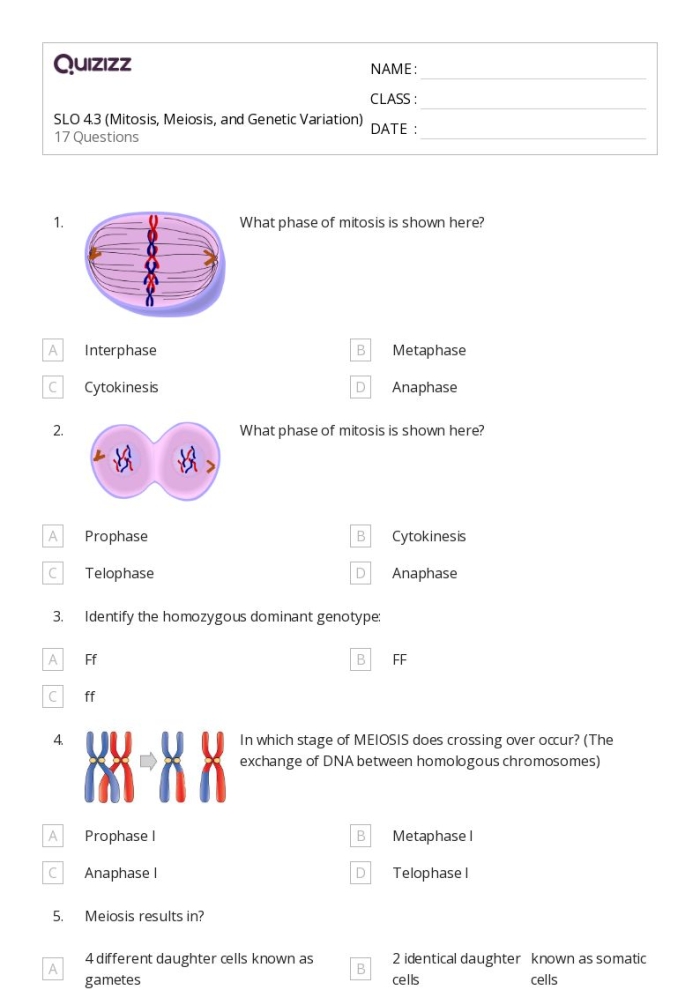
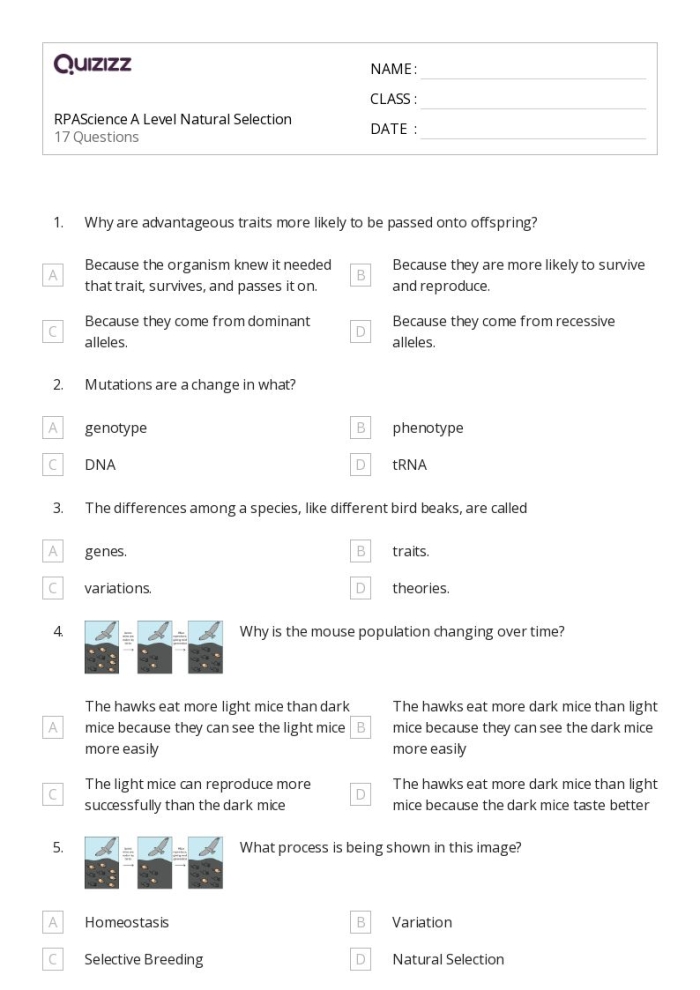
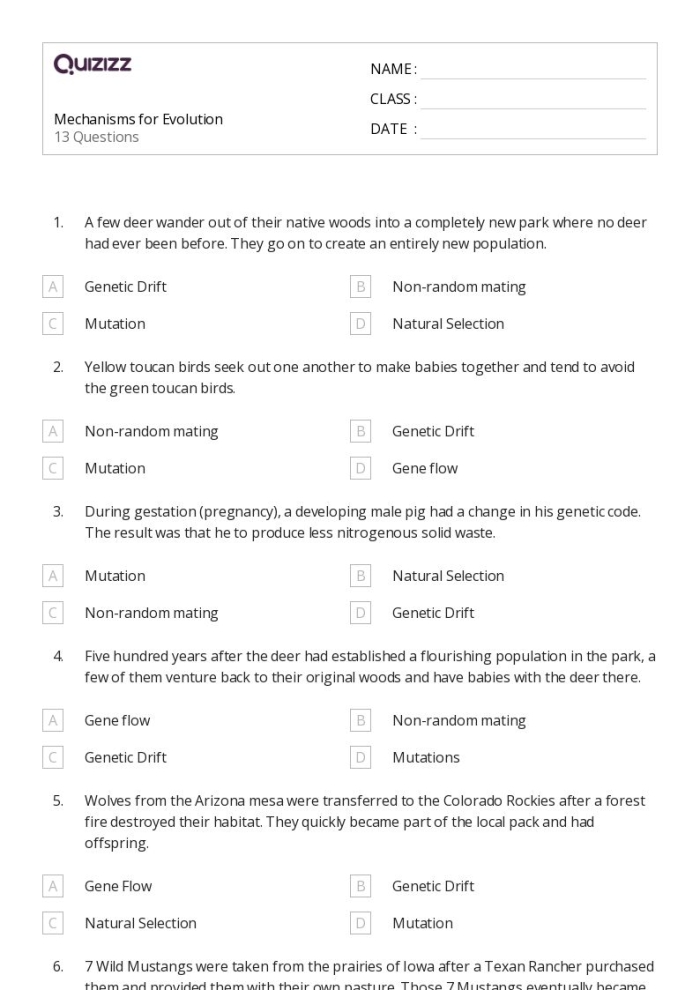
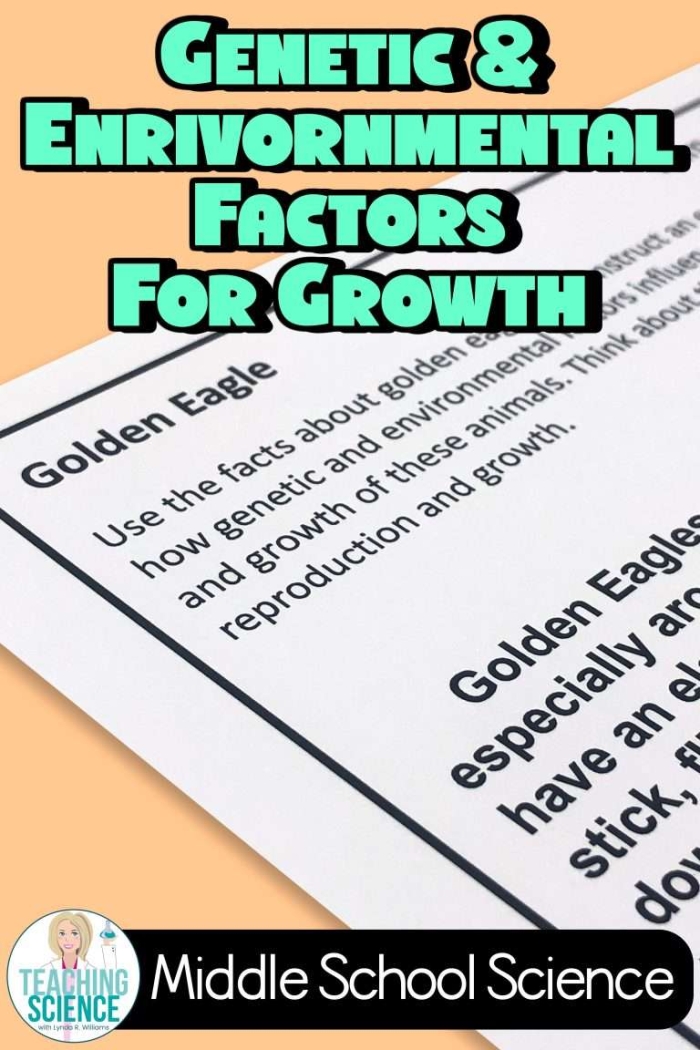
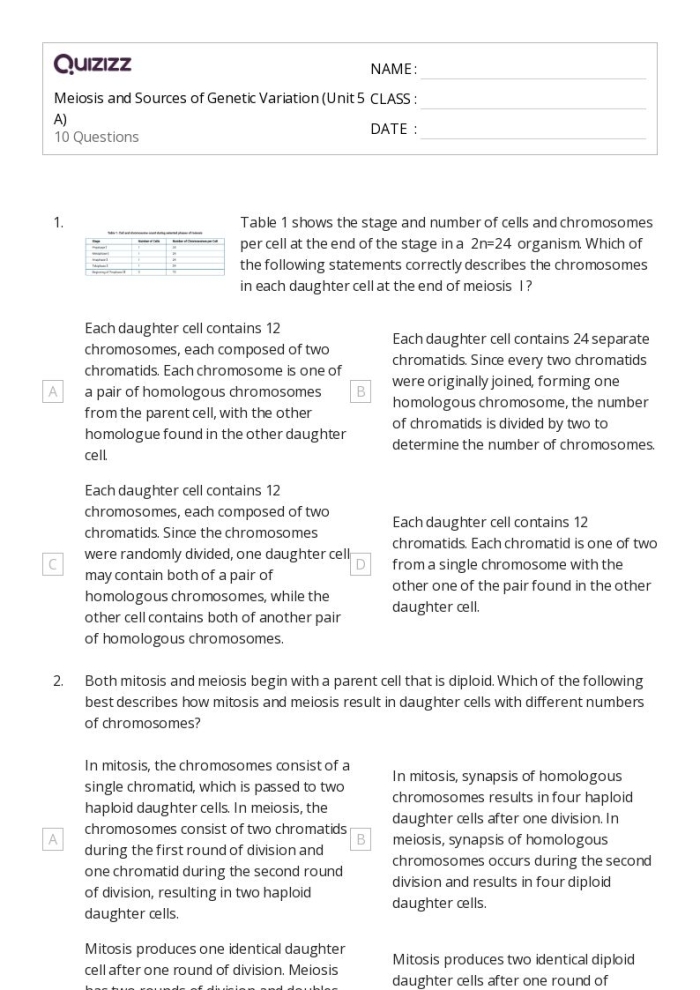
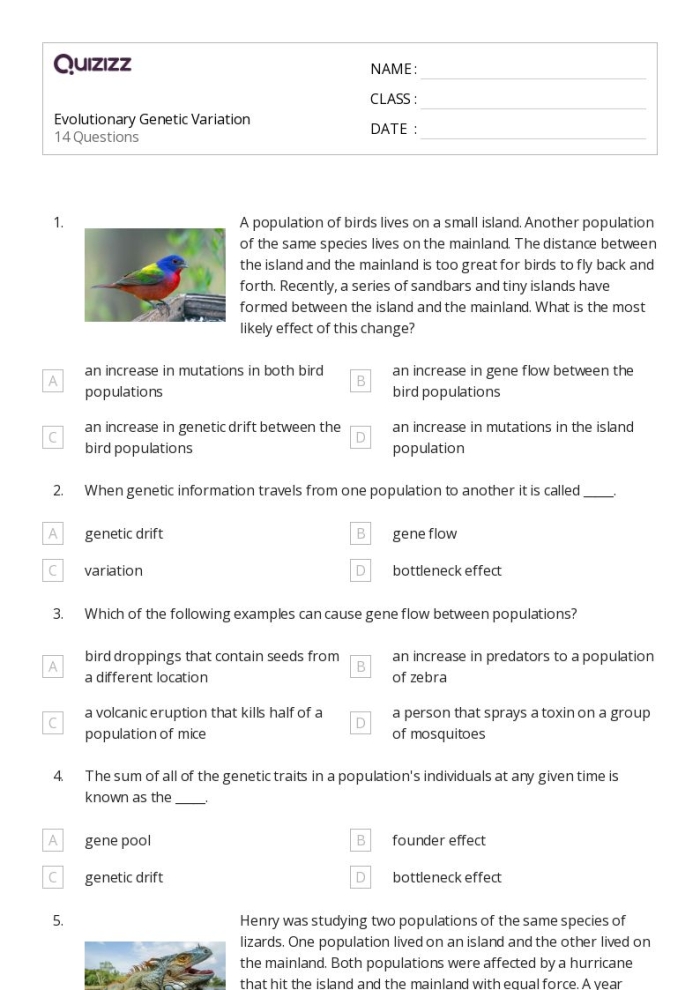
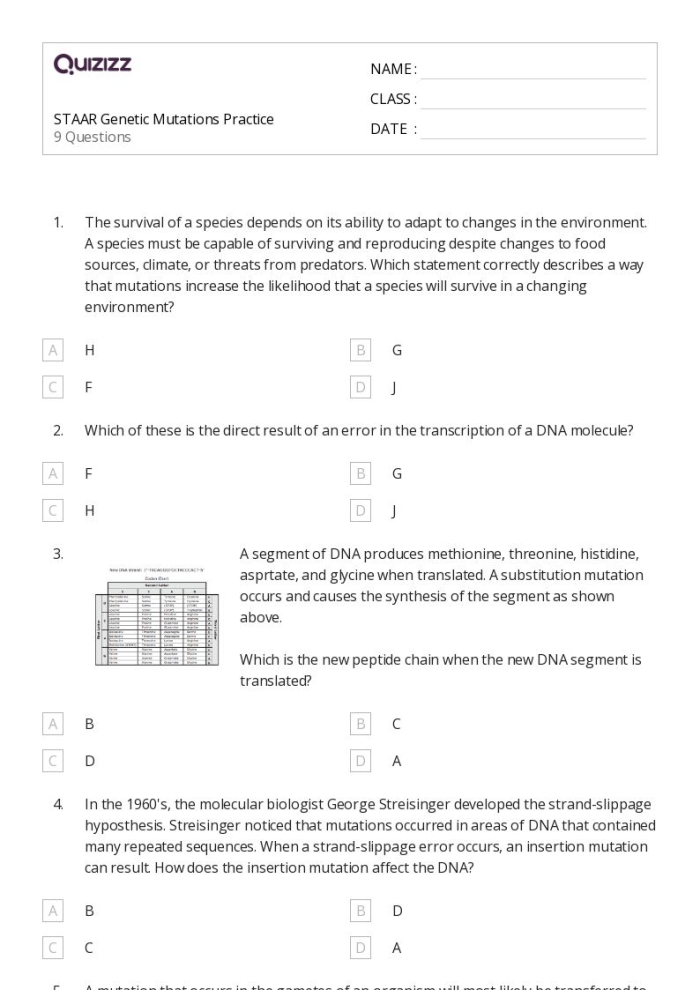
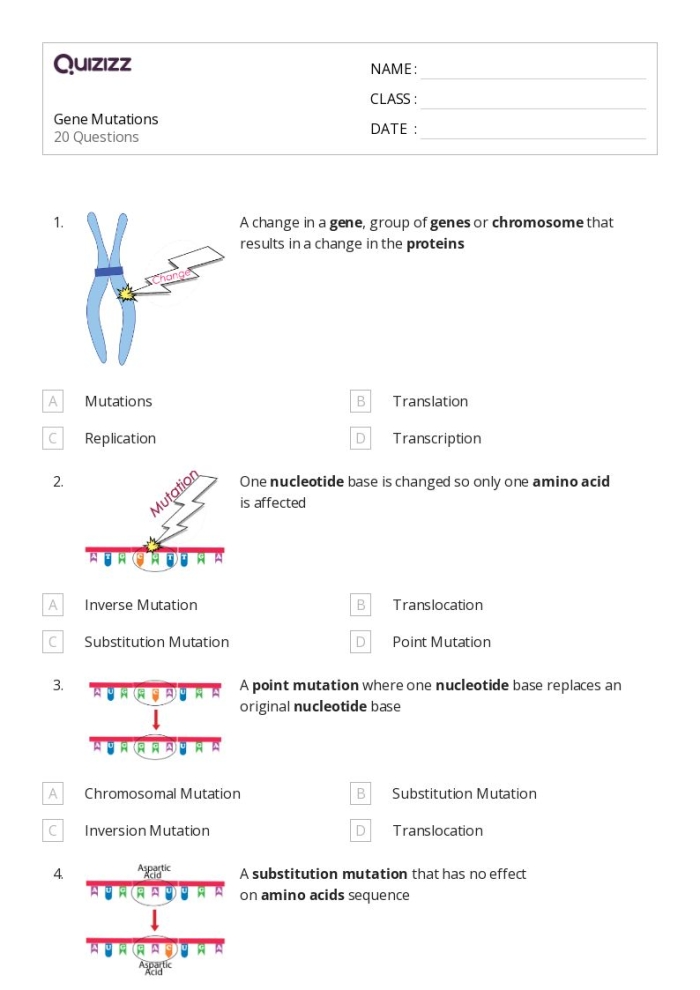
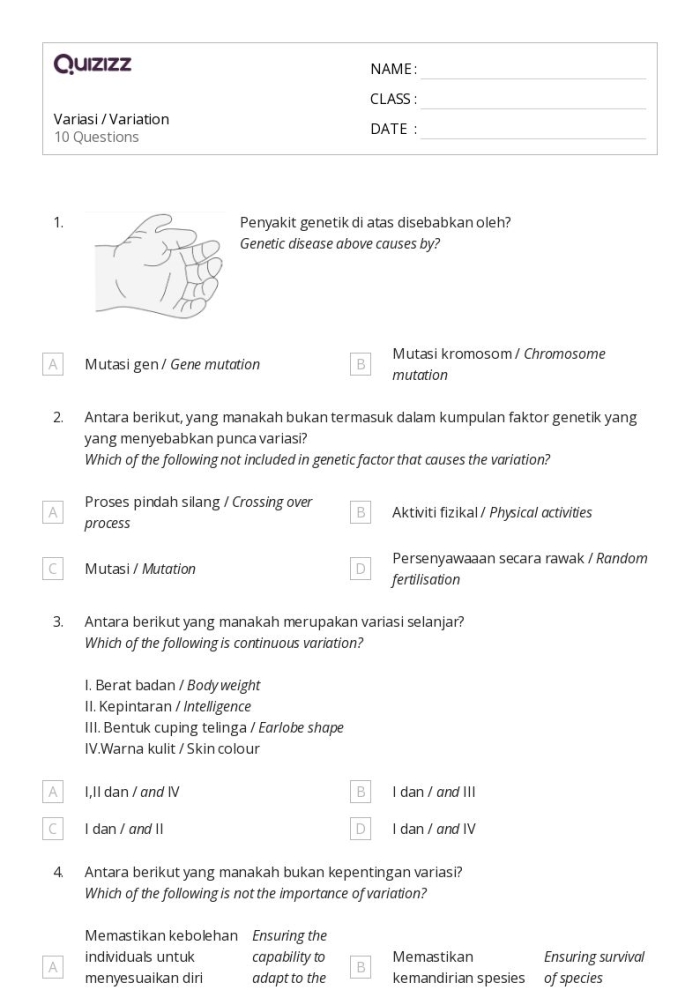
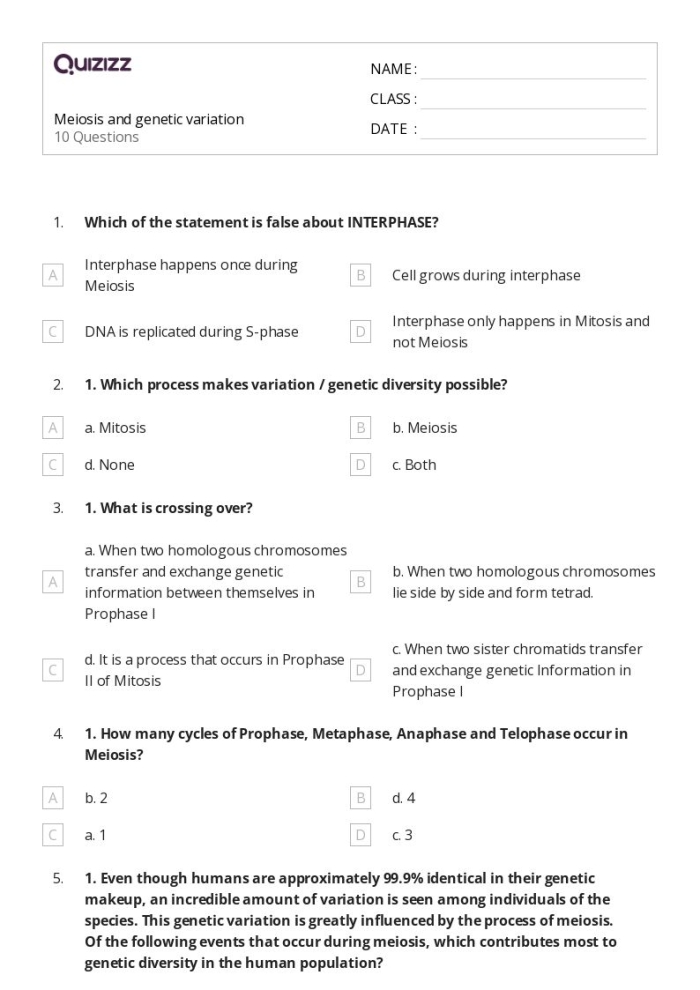
Interactive resources like worksheets can enhance students’ understanding of these concepts. A practical life science worksheet that focuses on genetic and environmental factors helps sixth graders visualize how these elements work together. Using diagrams and real-life scenarios, students can engage with the material, reinforcing their learning through hands-on activities. For instance, a worksheet may include questions about how different environments affect the growth of plants, connecting to their studies in geometry by exploring shapes and areas of plant structures.
In addition to worksheets, students can benefit from exploring related topics such as the surface area of geometric shapes to understand how measurements apply in biological contexts. They can also investigate rational numbers and their implications in various life science applications.
By engaging with the intricate relationship between genetics and environmental factors, sixth graders can develop a deeper appreciation for the natural world and the science behind growth and development.
Use These Worksheets Today