The year-end assessment provides a unique opportunity to evaluate fourth graders’ understanding of essential geometry concepts. This crucial time allows teachers to identify how well students have grasped topics such as shapes, angles, and spatial reasoning. By utilizing this assessment effectively, educators can gain valuable insights into each student’s strengths and areas needing improvement.
Geometry plays a significant role in the fourth-grade curriculum. Students typically explore various geometric shapes, learn to classify them, and understand their properties. For example, they might study triangles, quadrilaterals, and circles, delving into attributes like sides, angles, and symmetry. This knowledge is foundational, as it supports more advanced mathematical concepts in later grades.
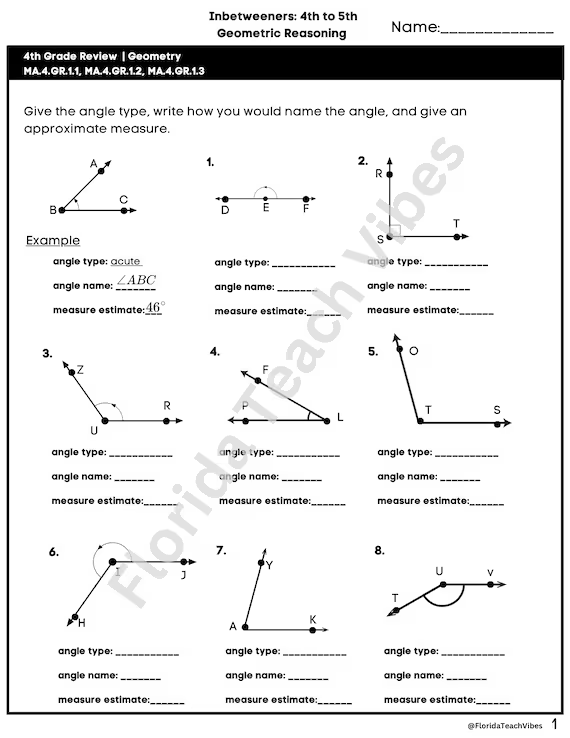
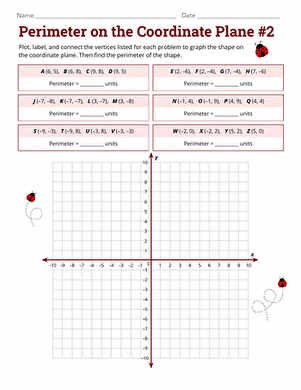
To accurately gauge students’ understanding, consider incorporating a mix of question types in the assessment. Multiple-choice questions can help evaluate recognition of geometric shapes, while open-ended questions might encourage students to explain their reasoning when identifying angles or calculating perimeter. Engaging students with real-life applications, such as asking them to measure and compare objects in the classroom, can also deepen their comprehension.
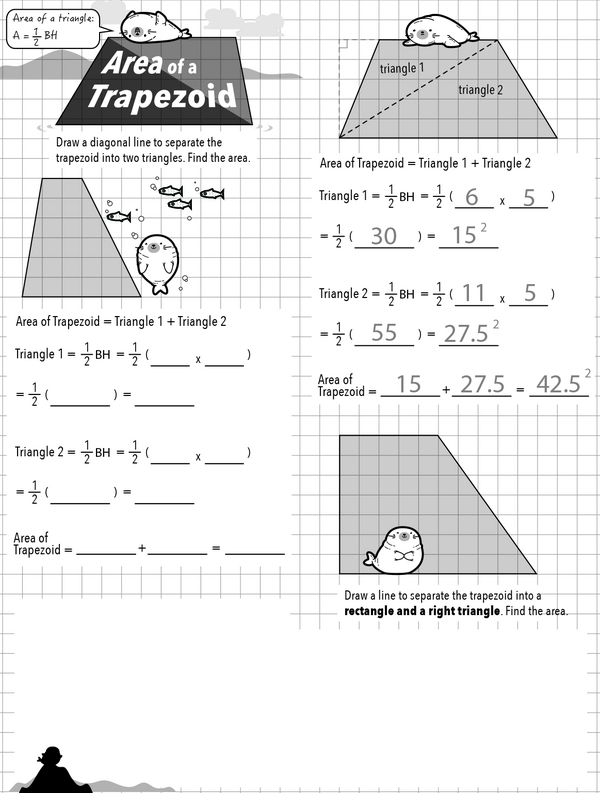
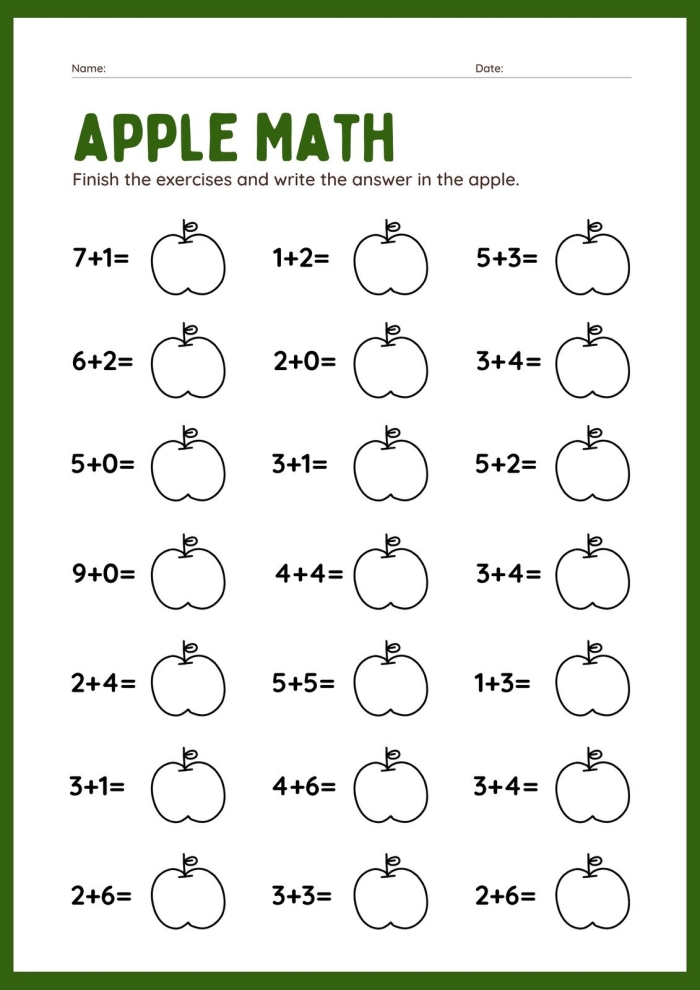
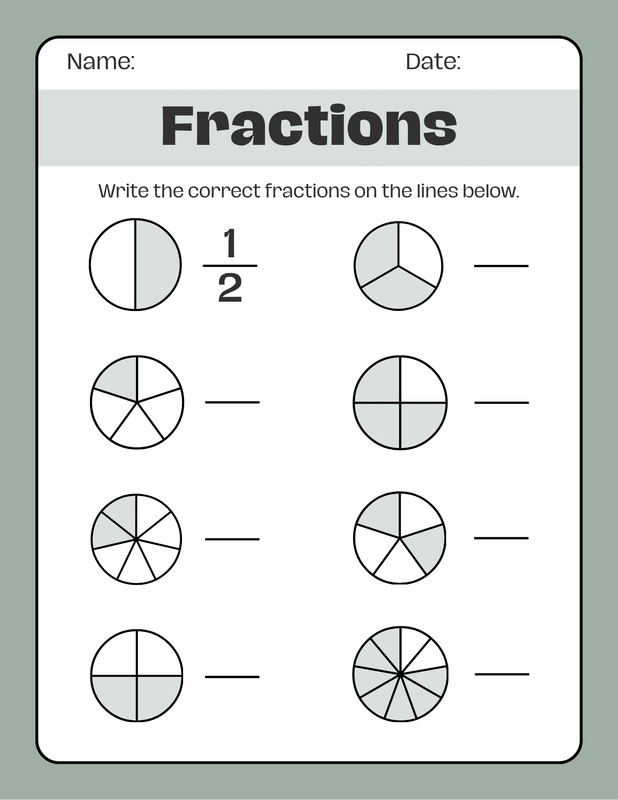
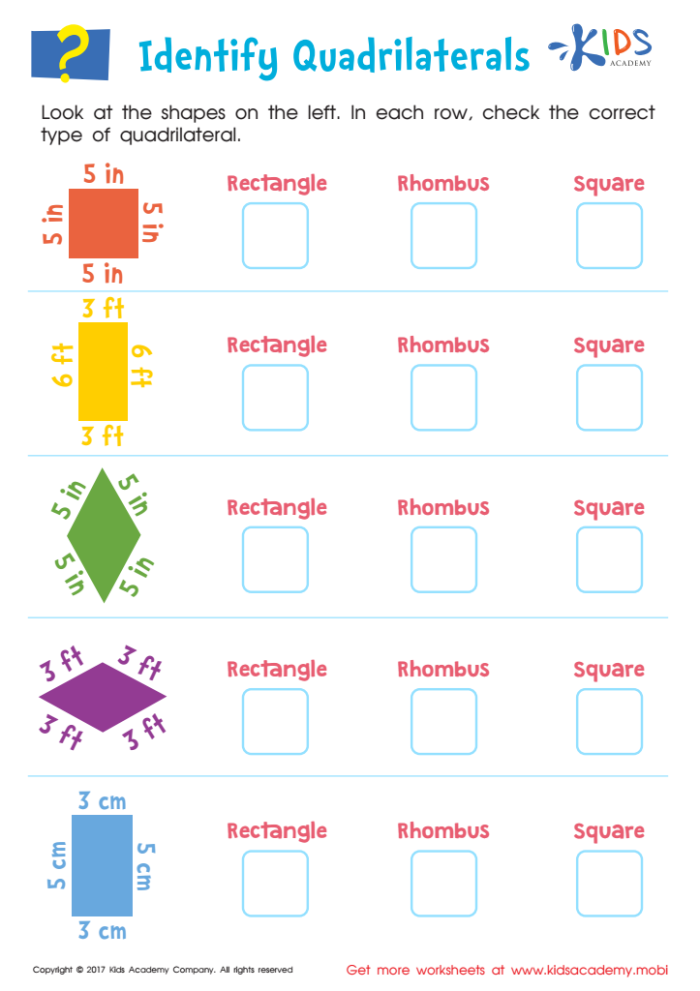
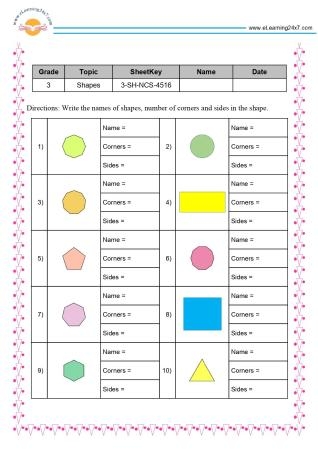
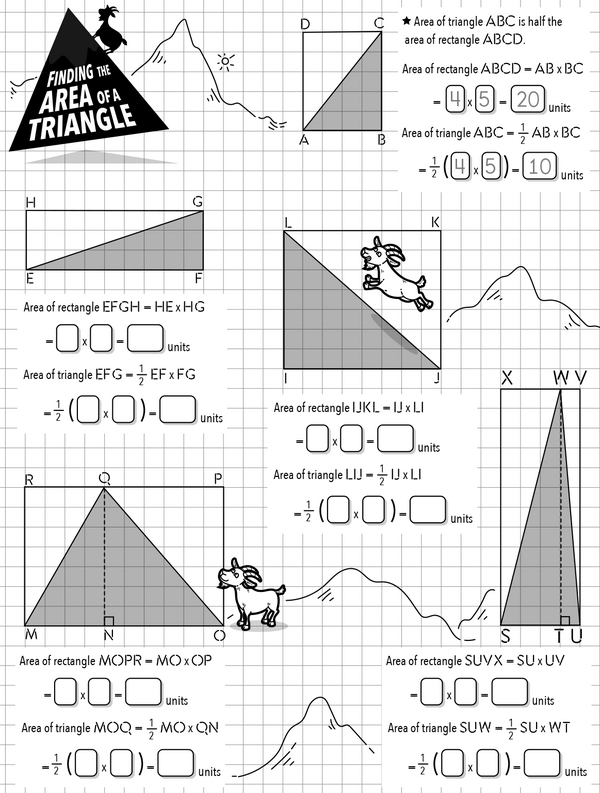
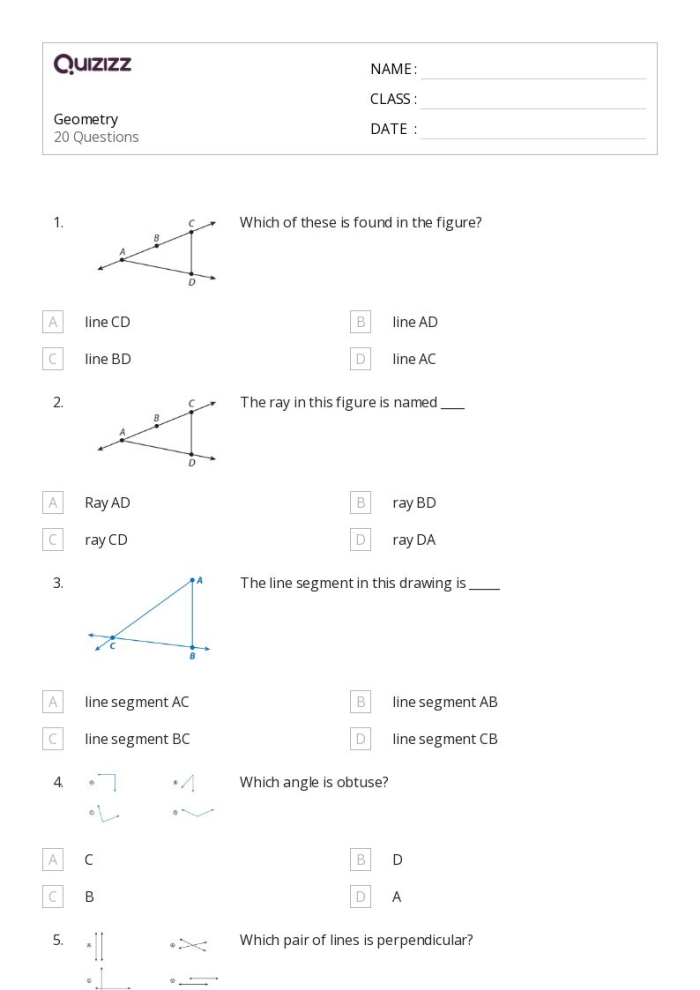
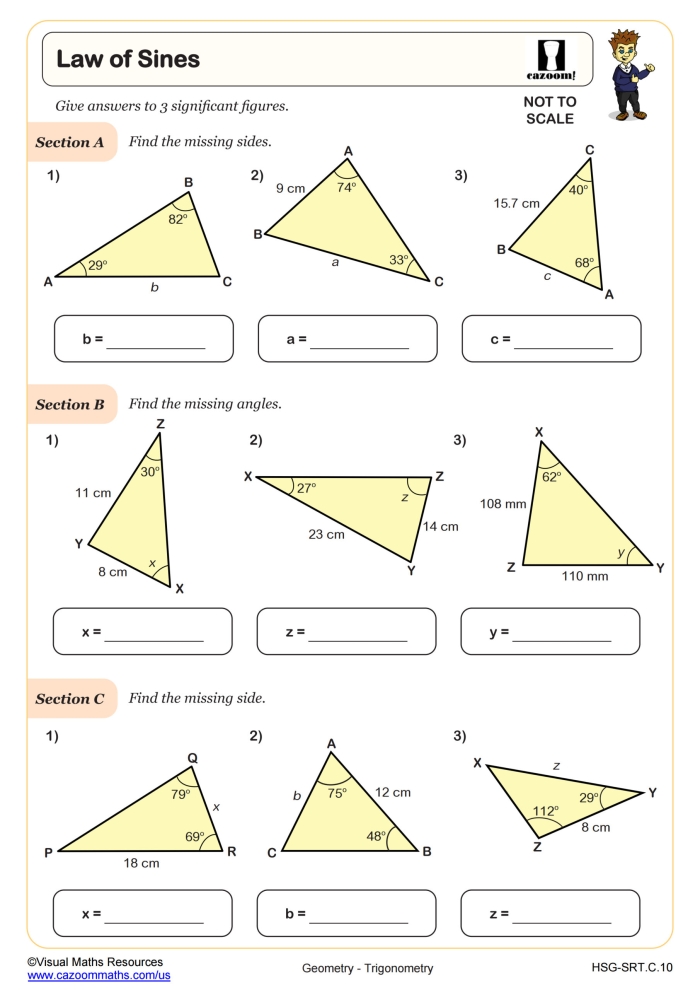
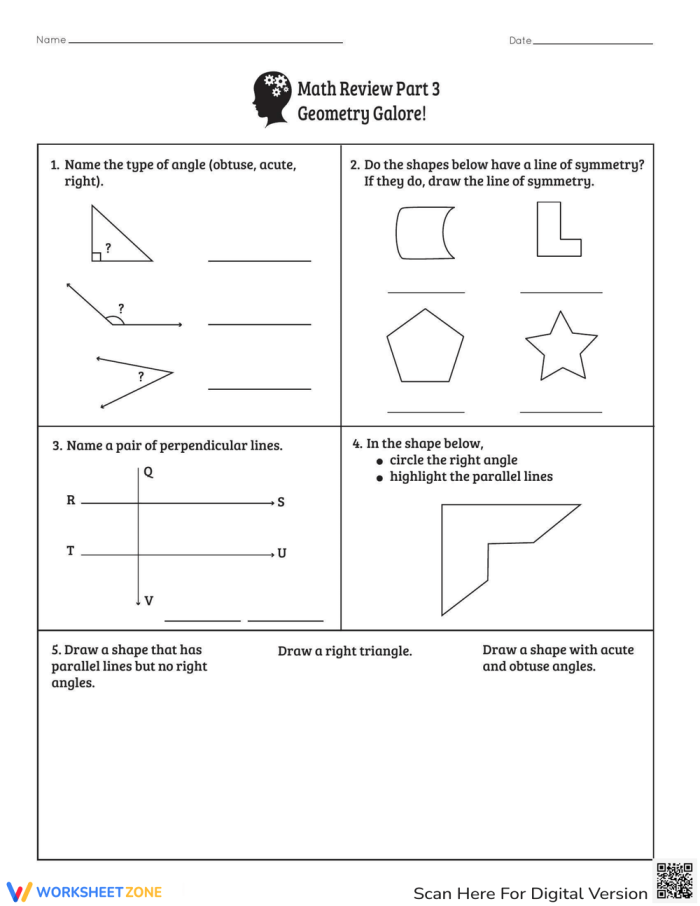
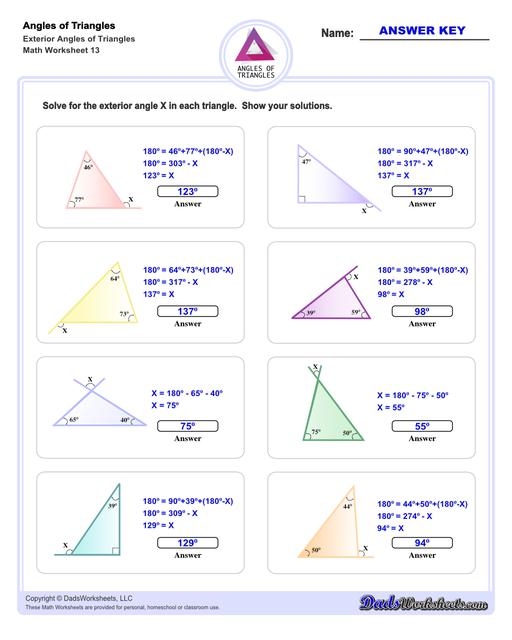
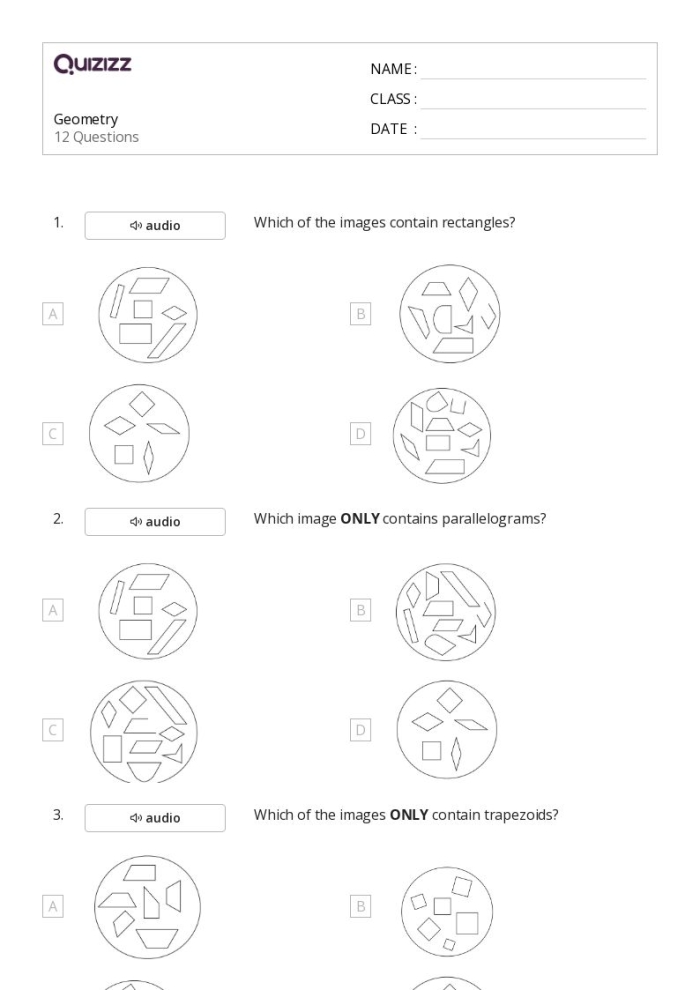
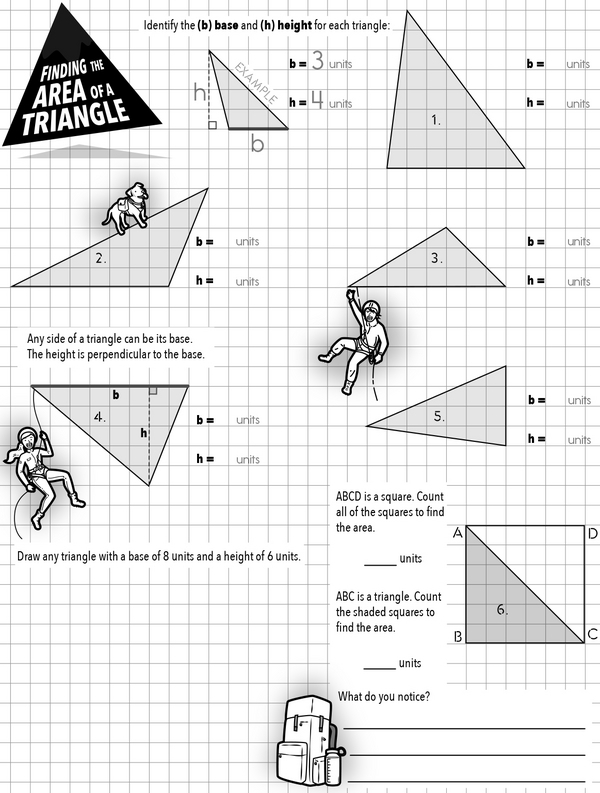
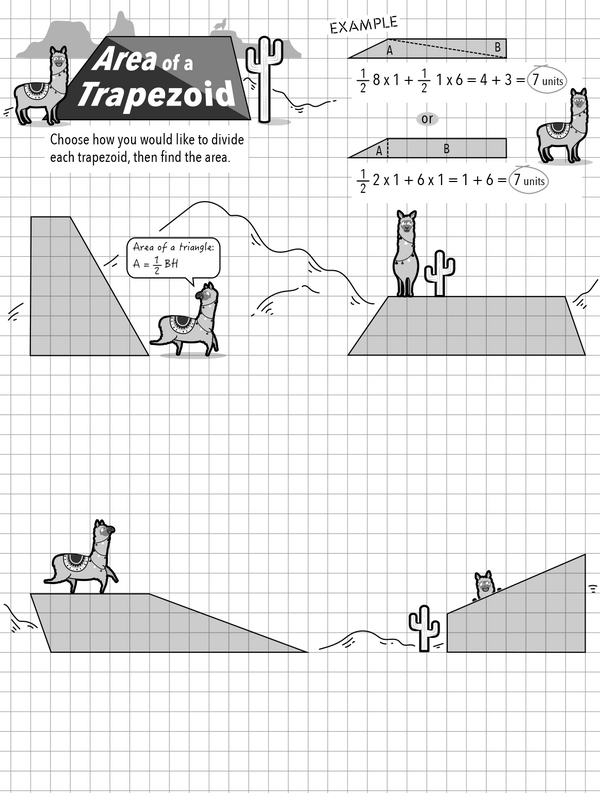
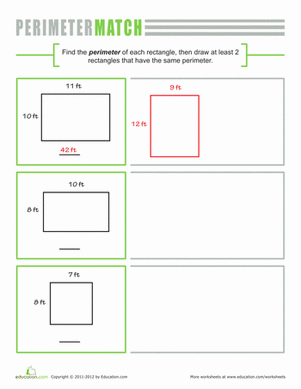
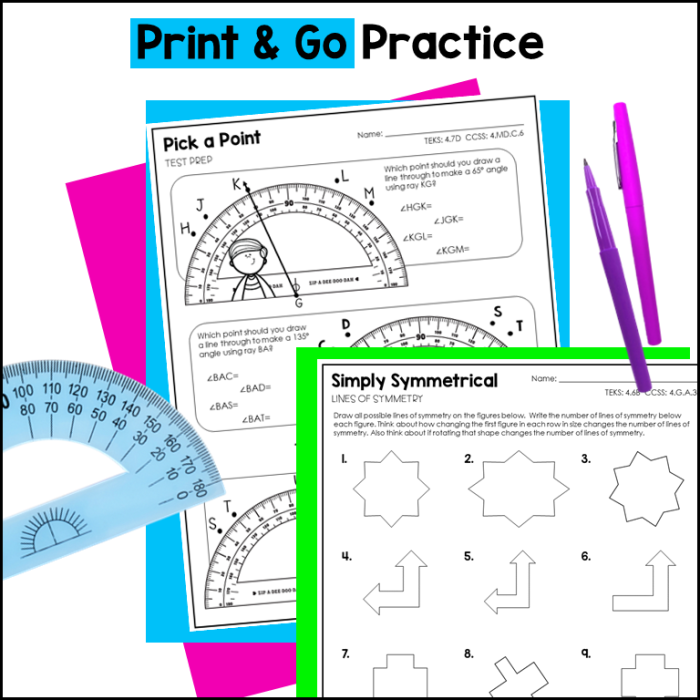
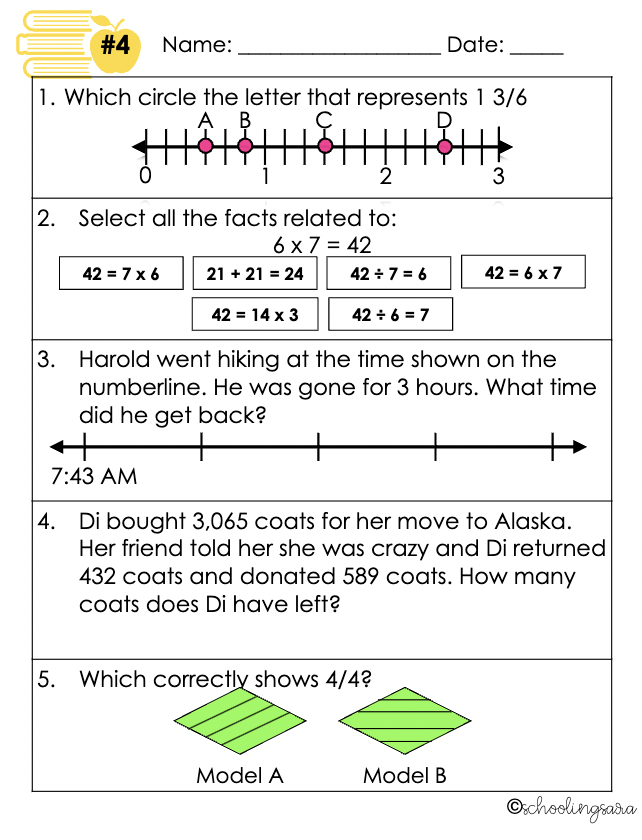
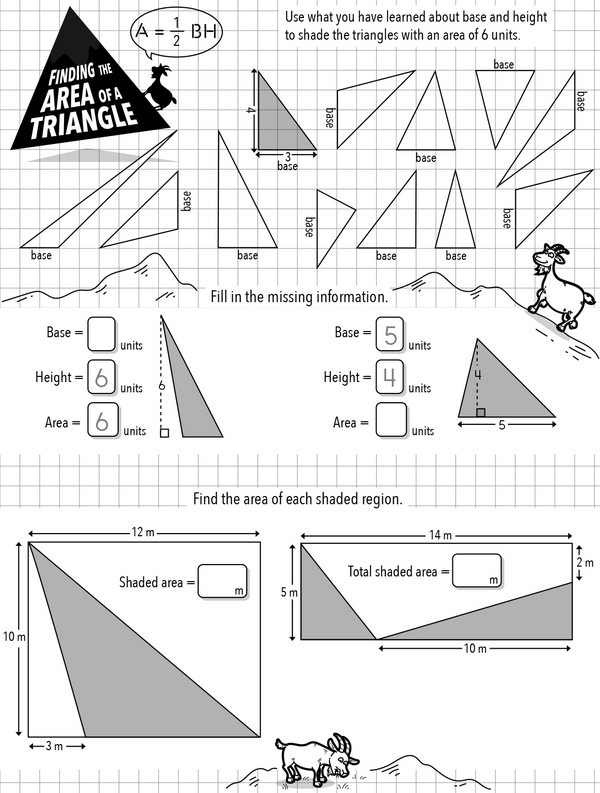
Resources like Printable Math Review Part 3: Geometry Galore! Worksheets provide structured practice that aligns with these concepts. Worksheets that focus on mixed reviews, such as those found at Flying Through Fourth Grade Geometry, can reinforce learning and prepare students for assessments.
As the year wraps up, teachers should also reflect on how effectively these geometry lessons have been taught. Sharing assessment results with students can foster a sense of ownership over their learning journey. By focusing on constructive feedback, students can appreciate their progress and understand the importance of geometry in everyday life.
Start Practicing with These Worksheets