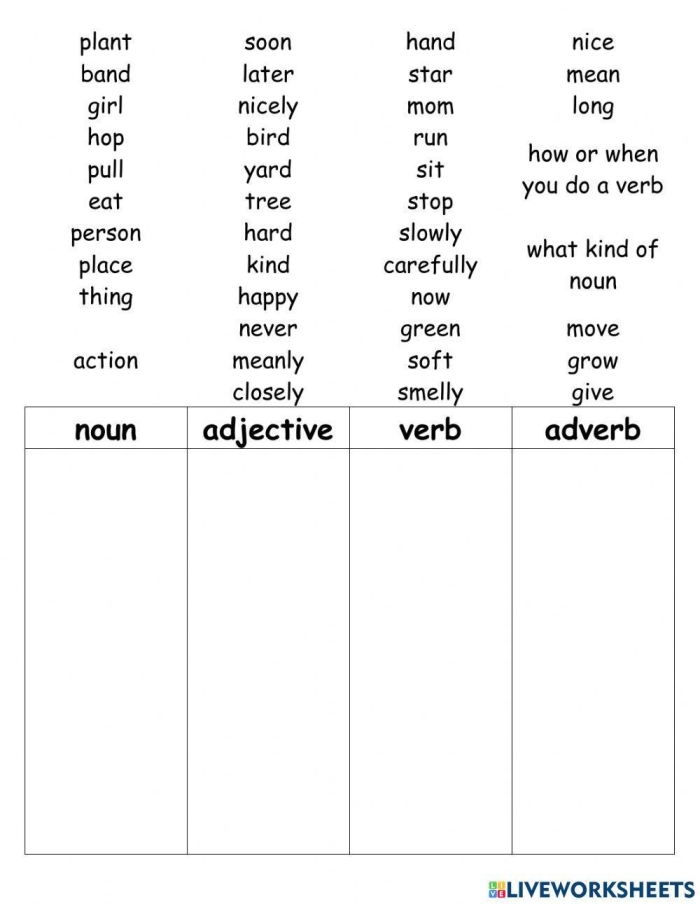
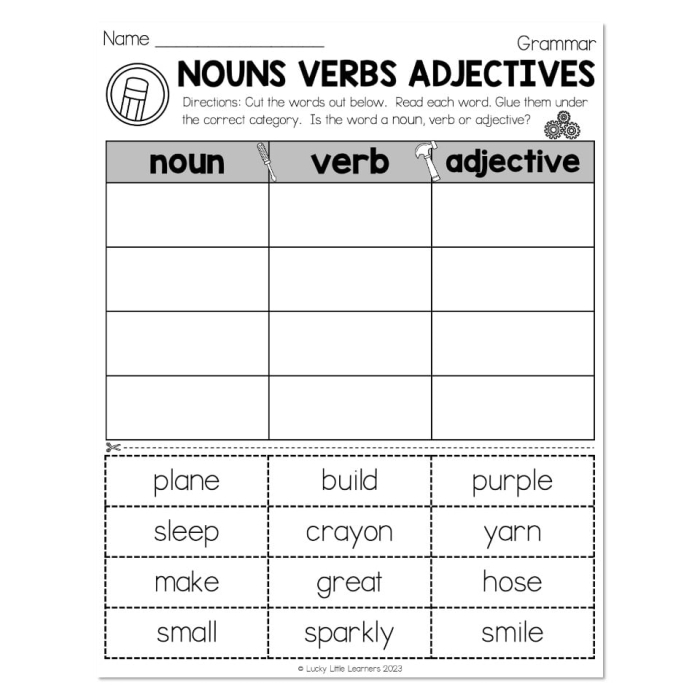
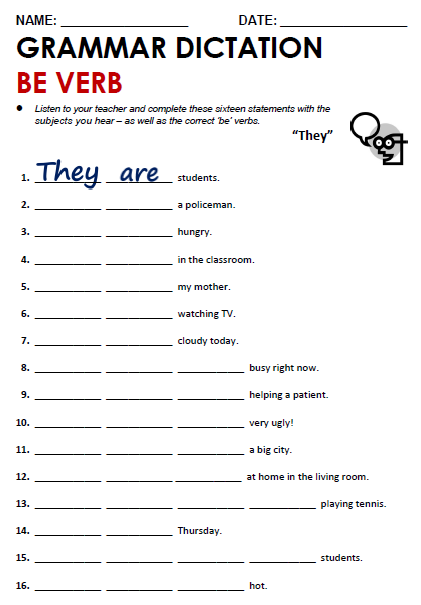
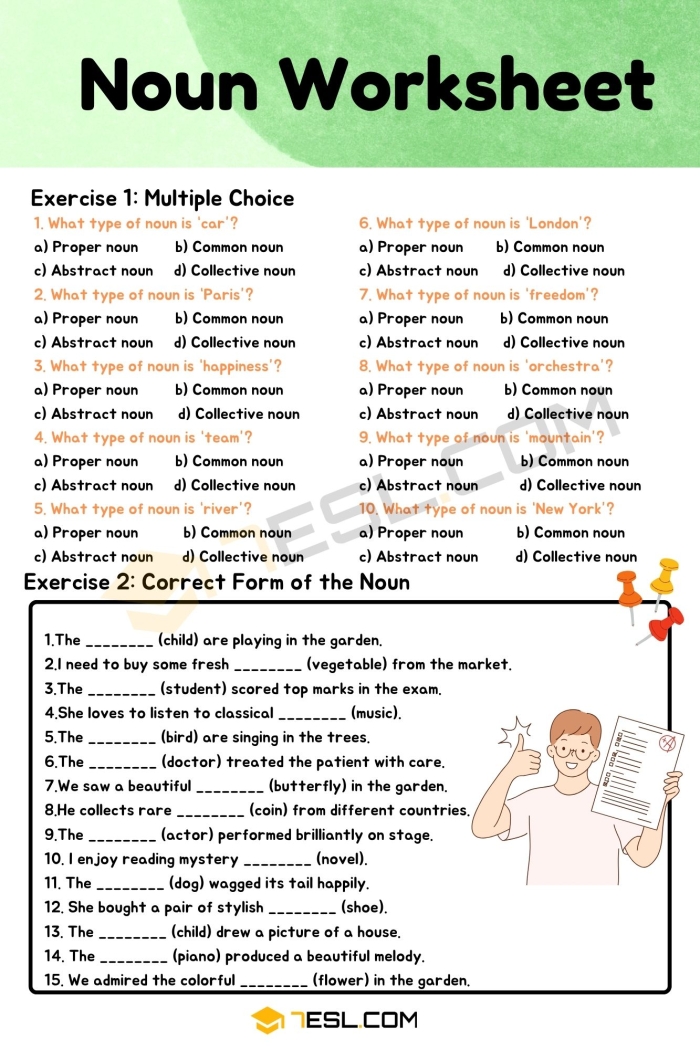
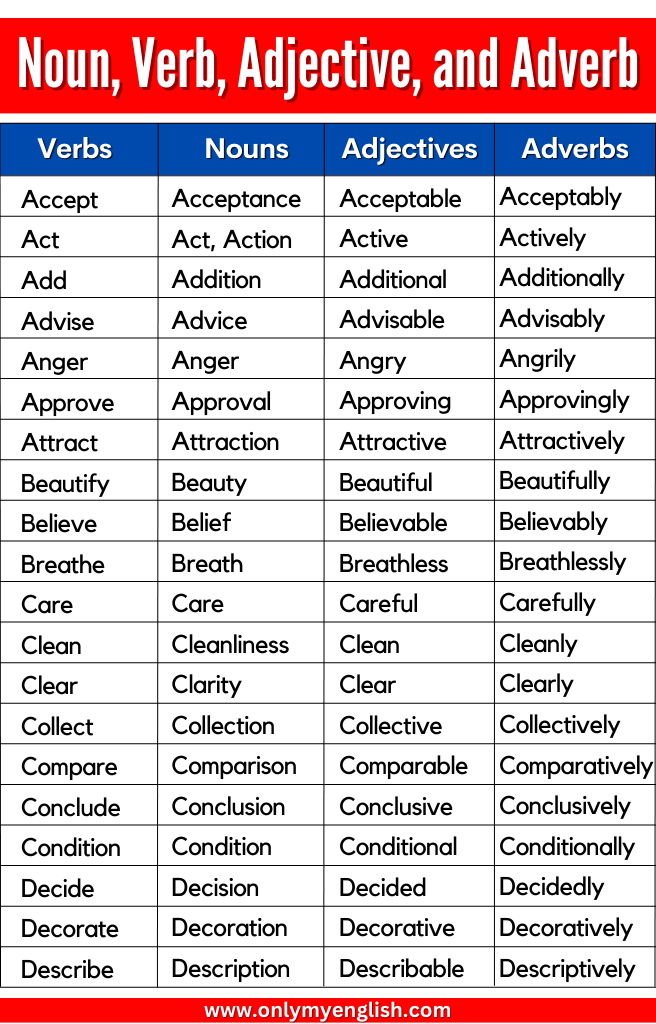
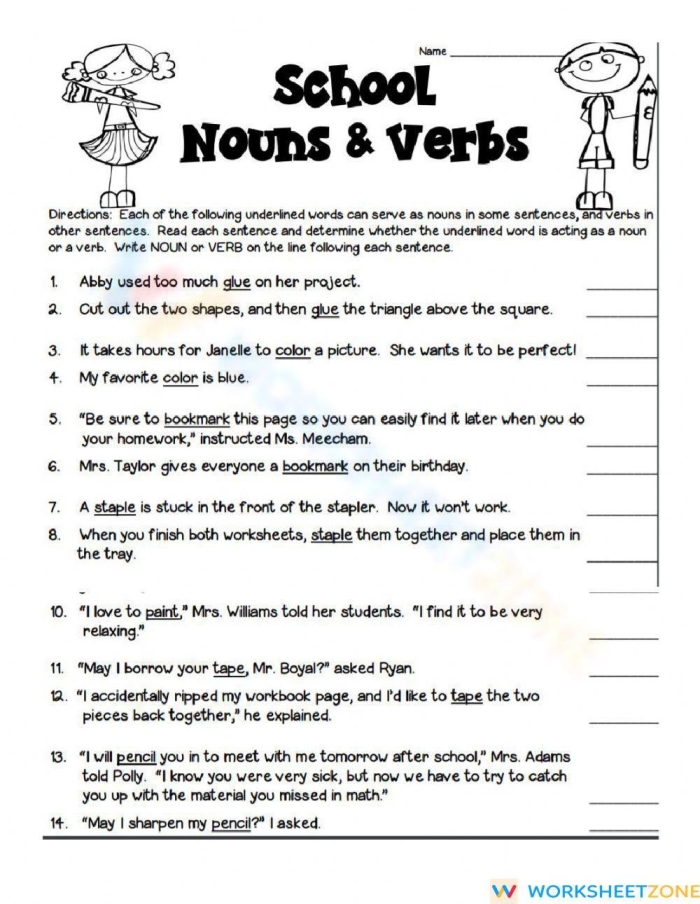
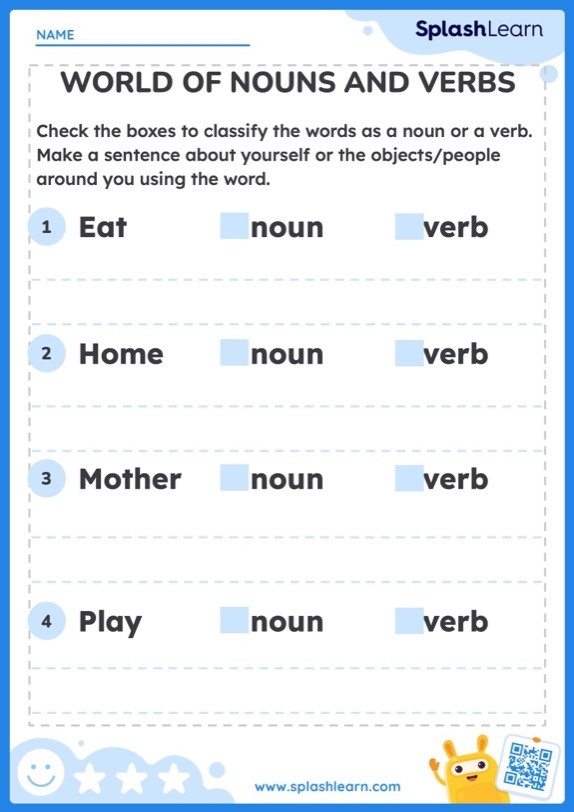
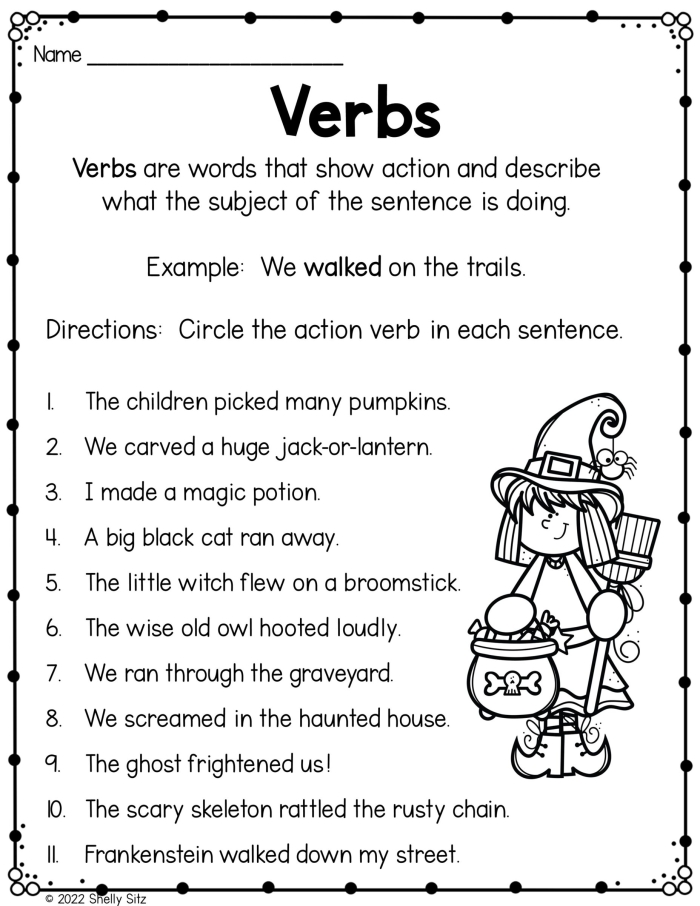
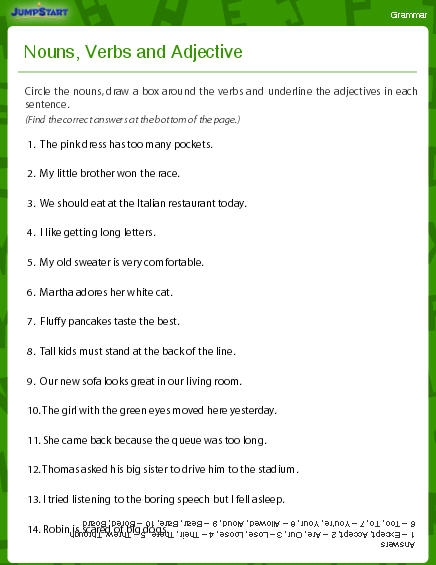
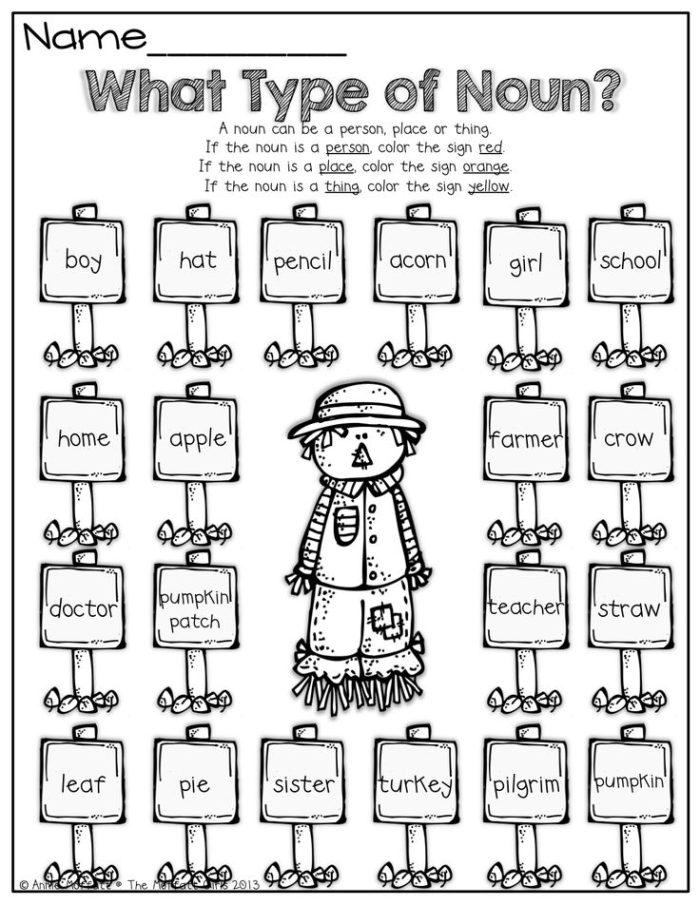
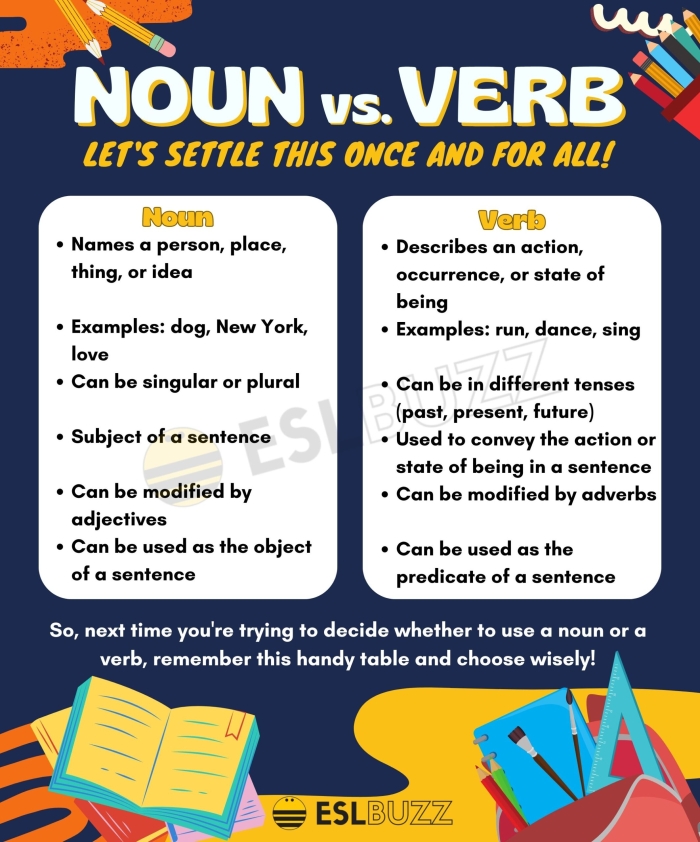
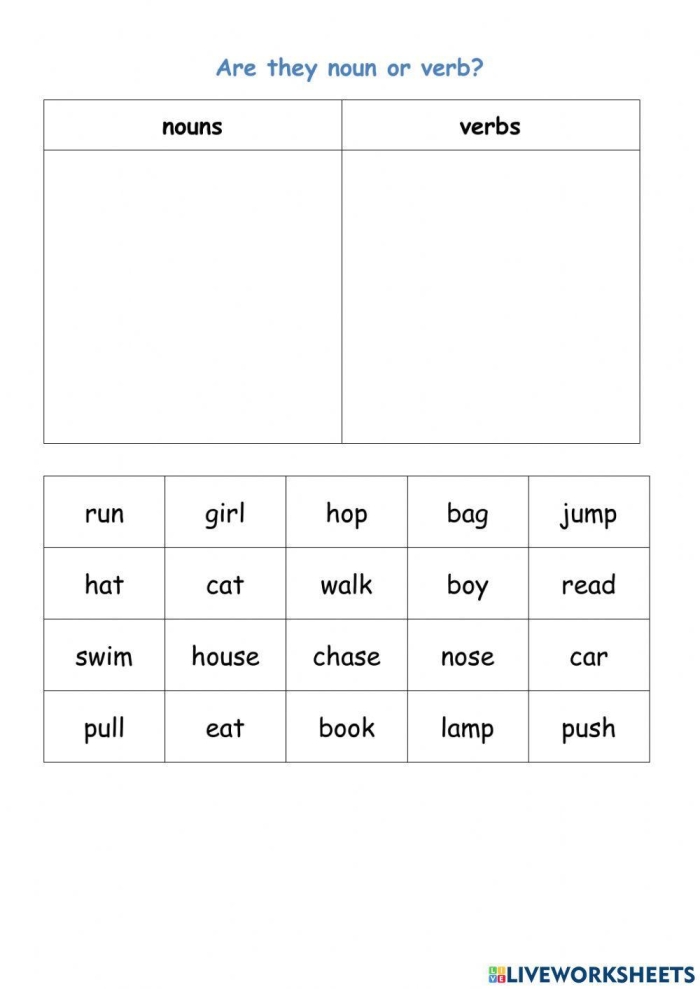
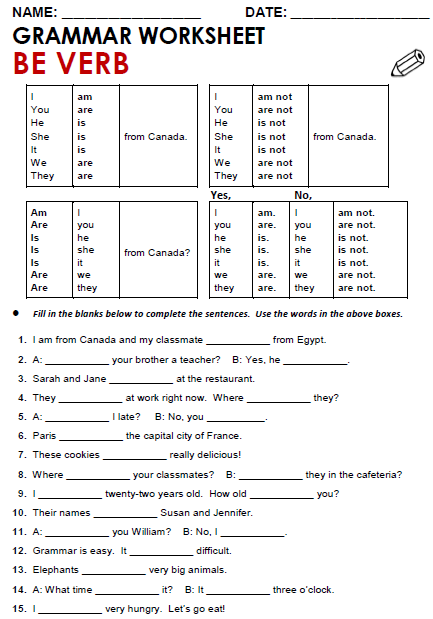
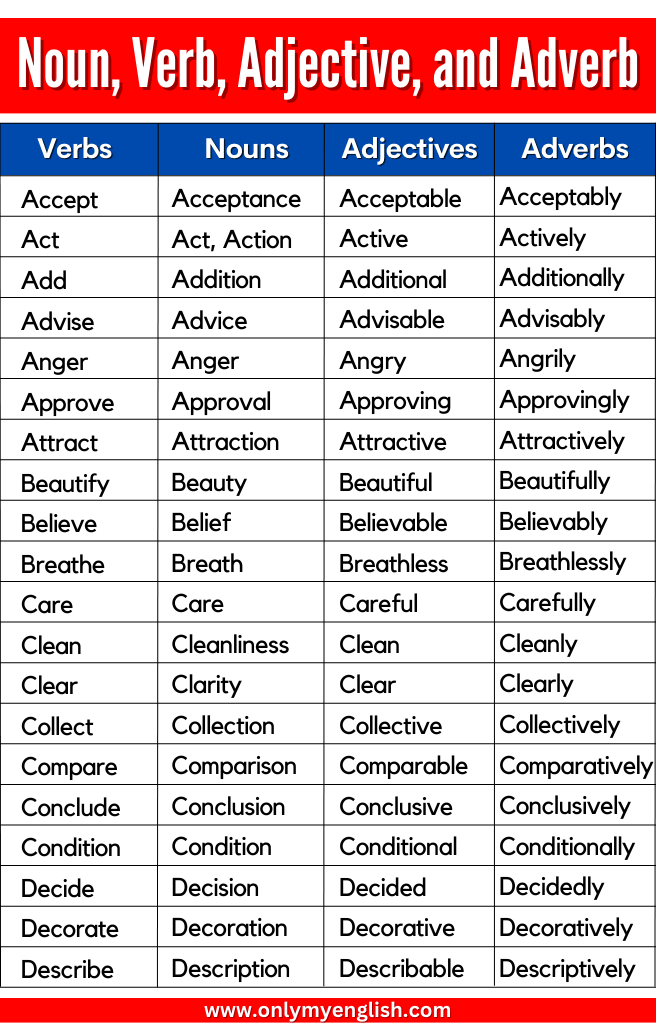
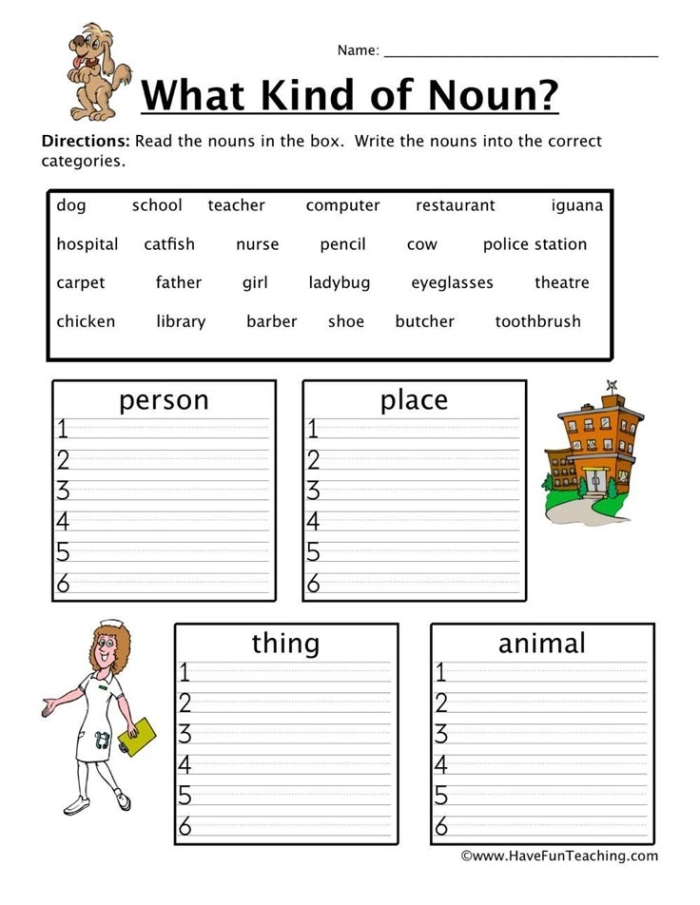
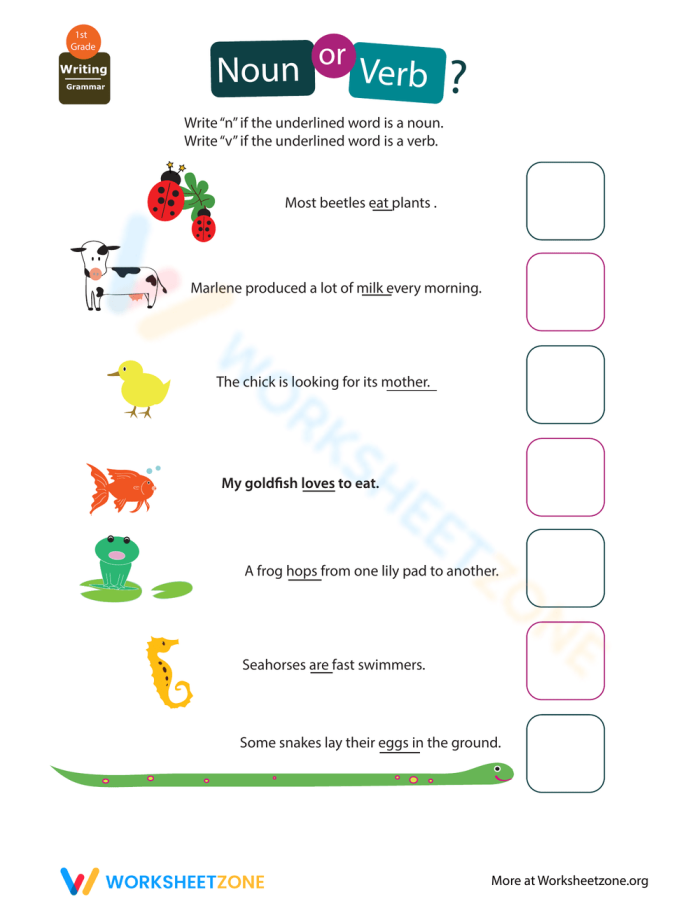
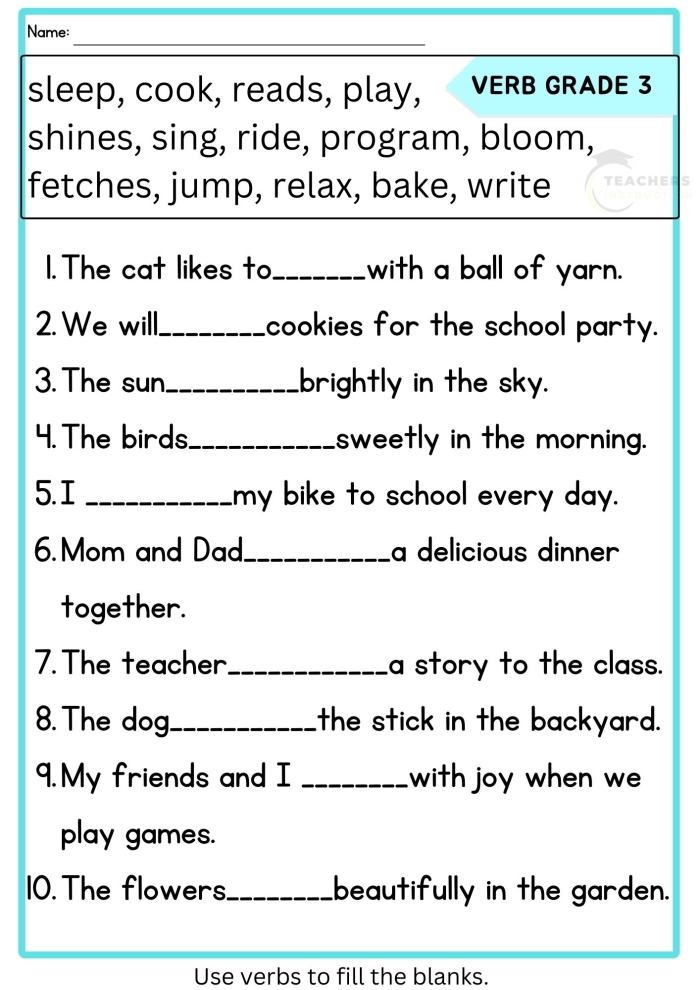
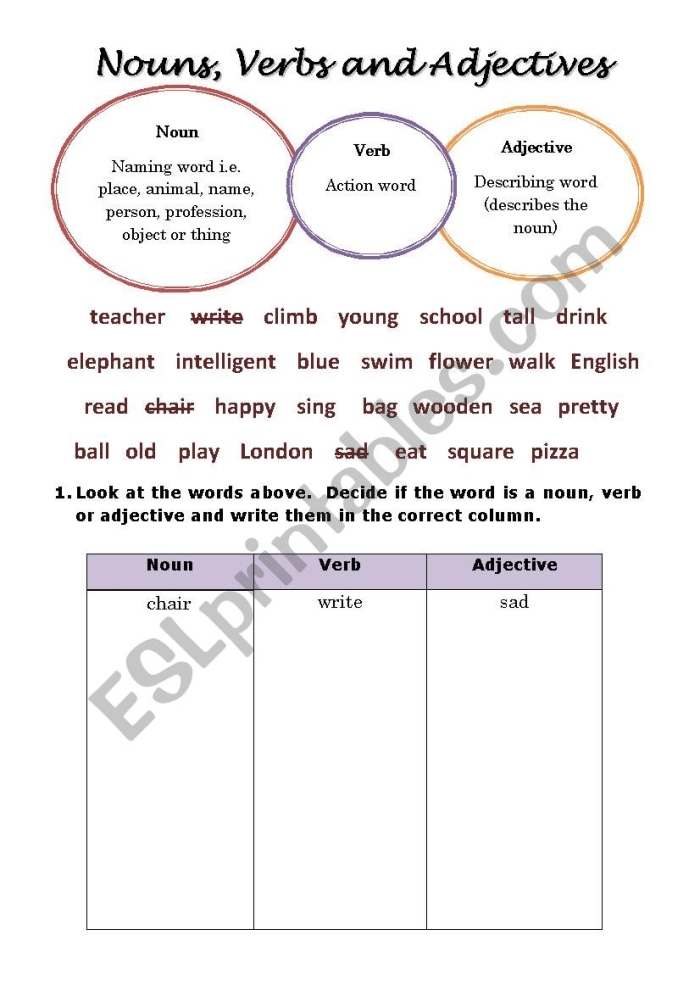
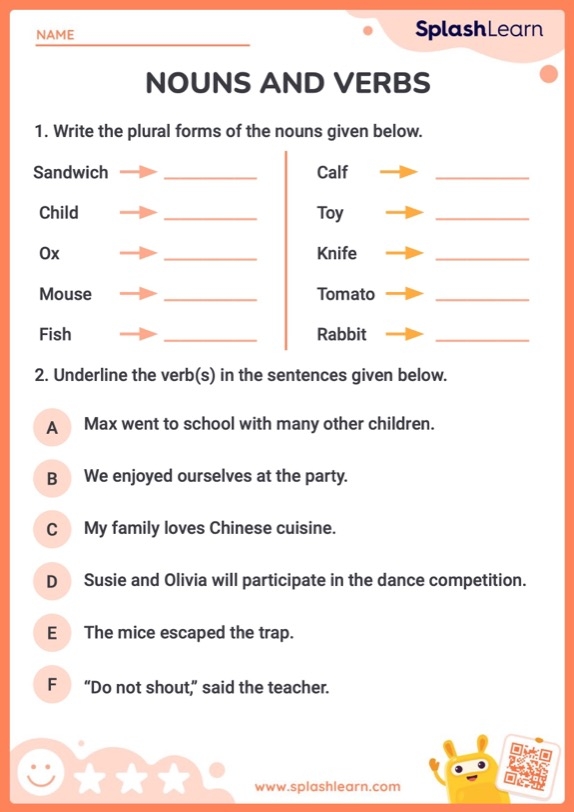
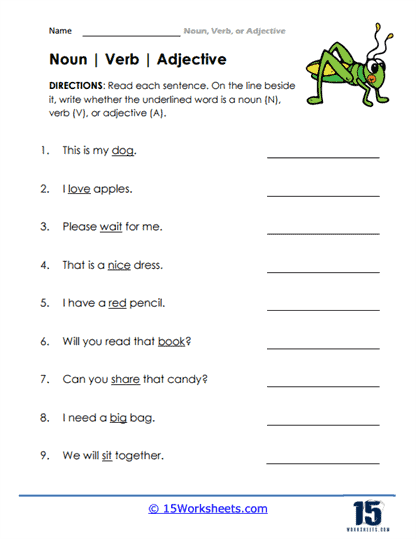
First graders often struggle to distinguish between the different parts of speech, and that’s completely normal at this stage. Nouns and verbs form the backbone of every sentence, yet many young learners mix them up or fail to recognize them in context. A targeted worksheet focused on identifying nouns and verbs gives your child the repetition needed to build this foundational skill.
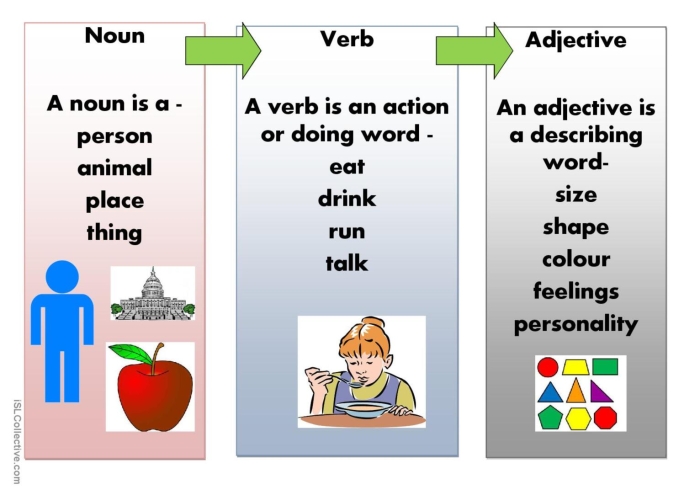
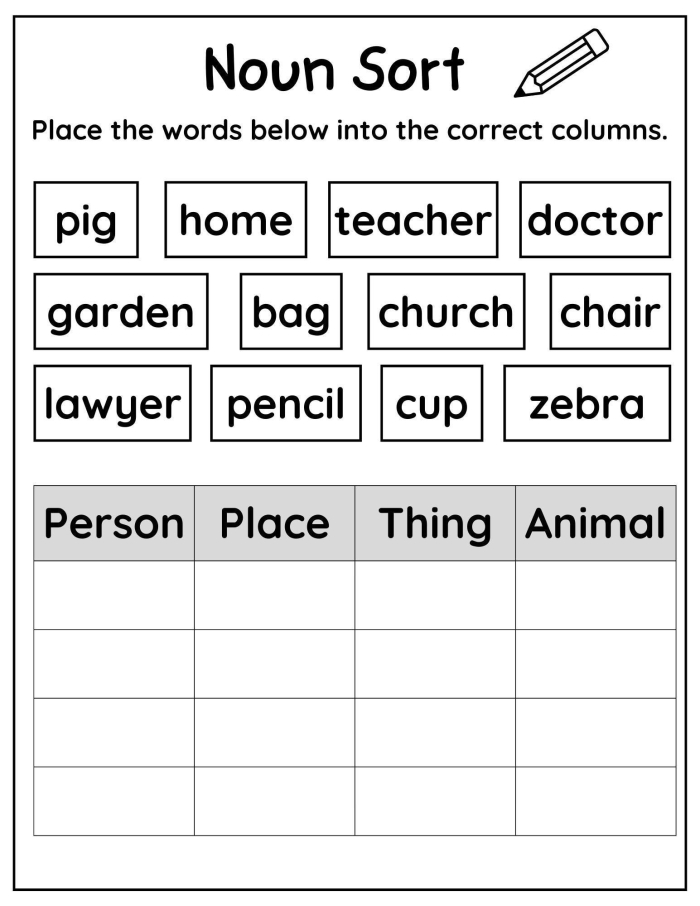
The beauty of grammar practice at this level lies in simplicity. When your first grader encounters a worksheet with multiple sentences, they learn to spot nouns (people, places, or things) and verbs (action words) in real examples rather than abstract definitions. Sentences like “The cat jumps” or “Sarah plays outside” provide concrete models. This hands-on approach works better than lectures because children see patterns emerge naturally.
Pairing grammar work with other literacy skills strengthens overall reading development. For instance, while practicing nouns and verbs, your child might also benefit from exploring rhyming words for kids, which reinforces phonemic awareness. Similarly, understanding how words function in sentences connects to learning compound words, where two nouns or verbs combine to create new meanings.
Consistent practice matters more than lengthy sessions. Spending 10 to 15 minutes on a noun and verb worksheet several times a week produces better results than cramming. Your first grader will start recognizing these word types automatically when reading books or writing their own sentences.
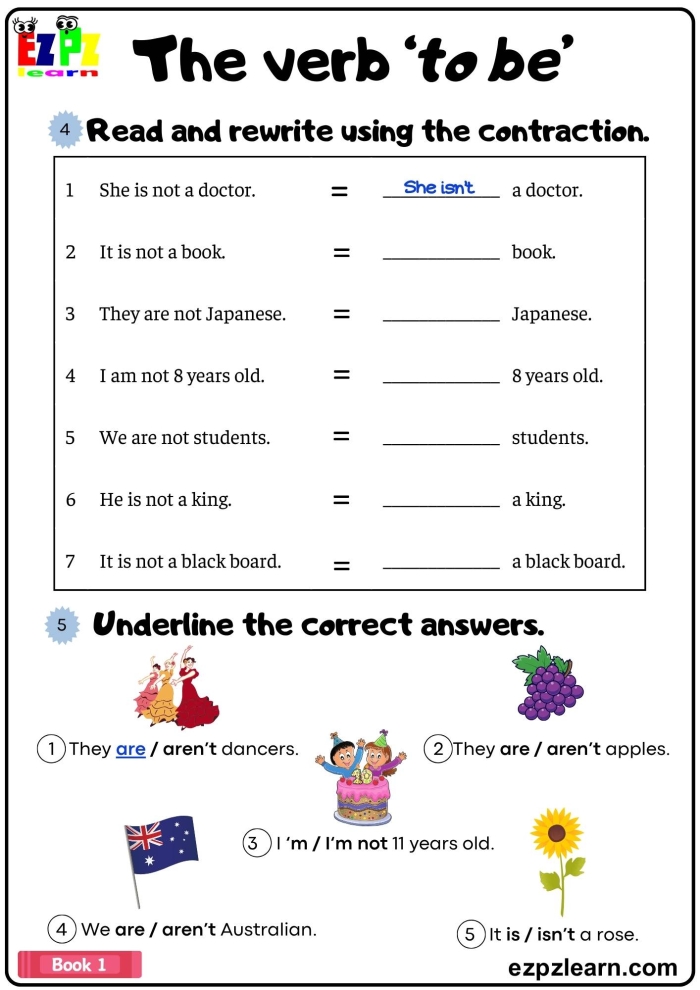
Beyond grammar worksheets, exposure to different sentence structures helps too. Activities involving contractions and calendar activities introduce variety into daily learning. These complementary exercises keep practice fresh while reinforcing how language works.
The noun and verb worksheet serves as a reliable checkpoint for understanding whether your child grasps these essential concepts before moving to more complex grammar topics.
Practice with These Worksheets