How well do your first graders grasp the concept of reading contractions? It’s a key skill that often reveals more than just their ability to decode words—it shows their understanding of how language works in everyday speech. Contractions like can’t, she’s, and they’re are everywhere in children’s books and conversations, so being comfortable with them helps young readers move toward fluency.
One effective way to gauge their progress is through a simple one-on-one assessment focused specifically on common contractions. This approach allows you to observe not only if they recognize the shortened forms but also if they understand the meaning behind them. For example, when a student reads didn’t, do they connect it to did not? This connection is crucial because it ties reading to comprehension.
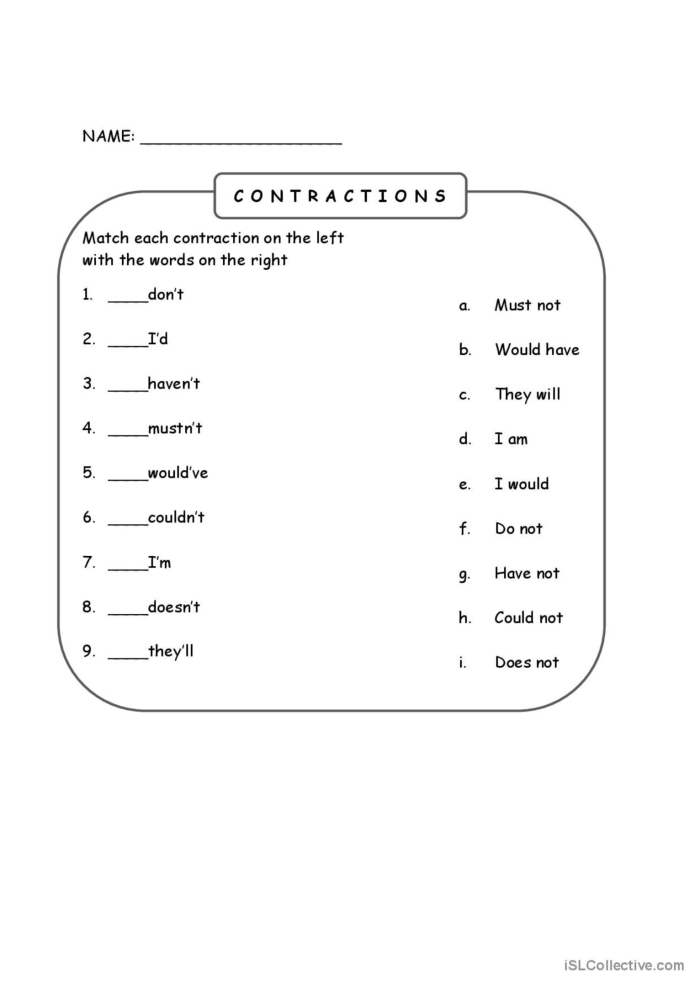
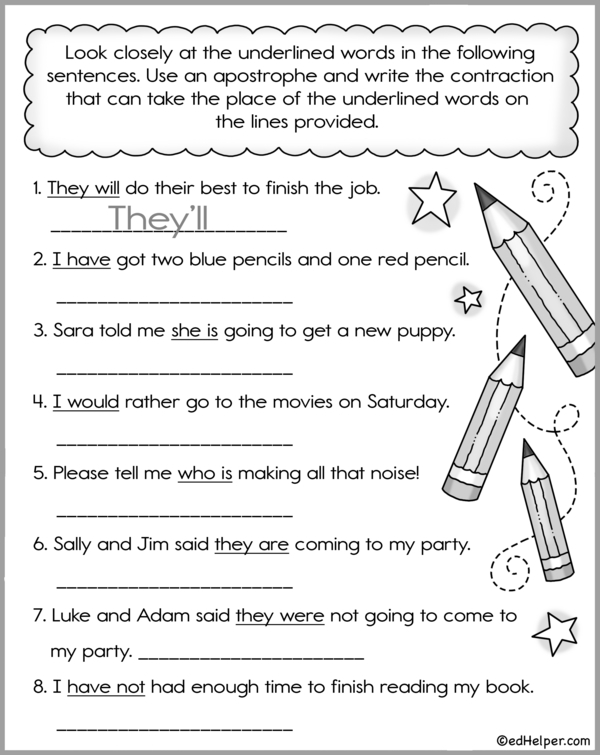
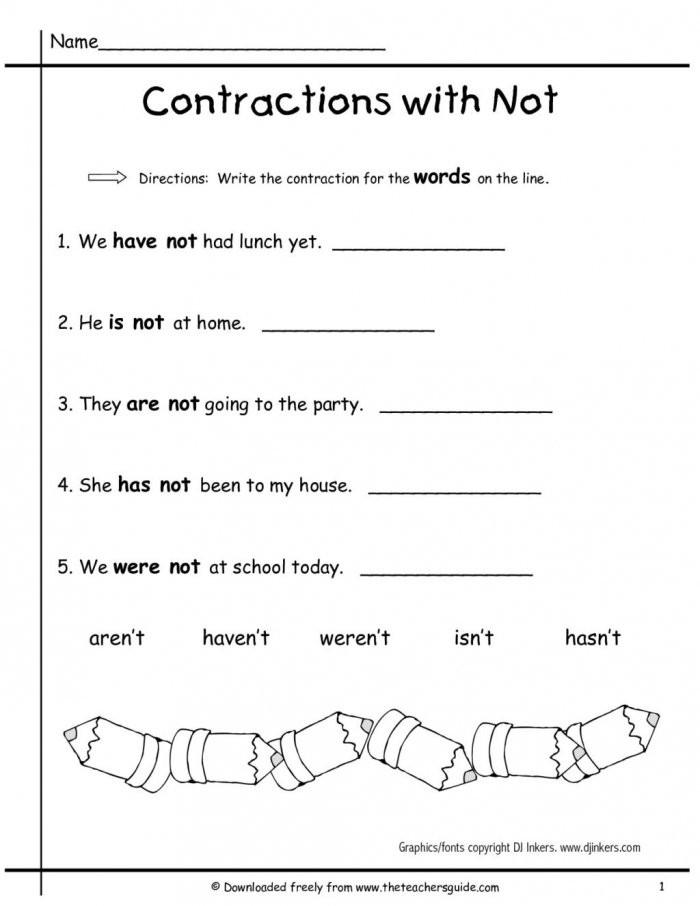
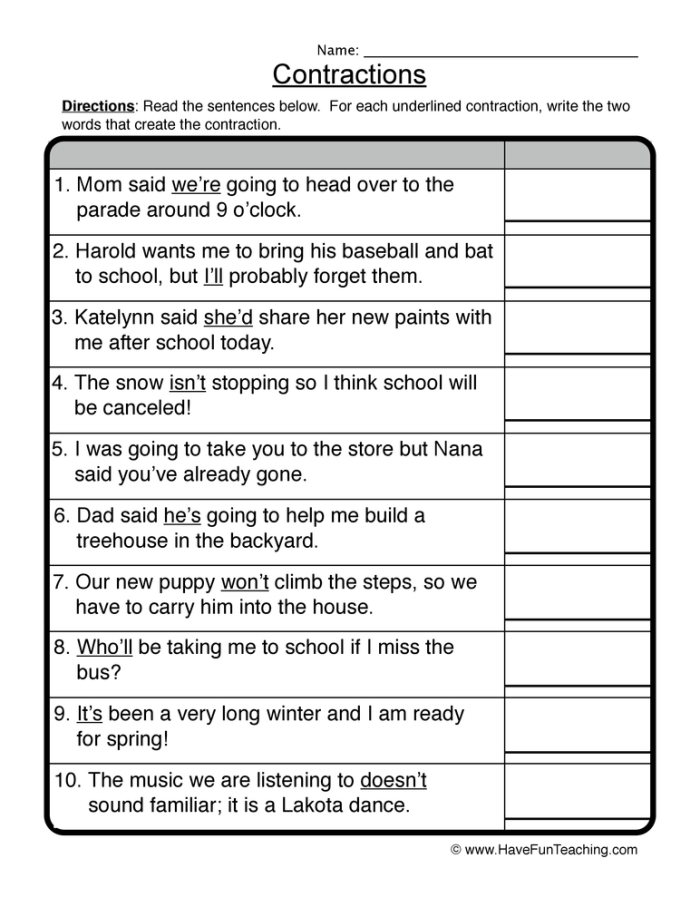
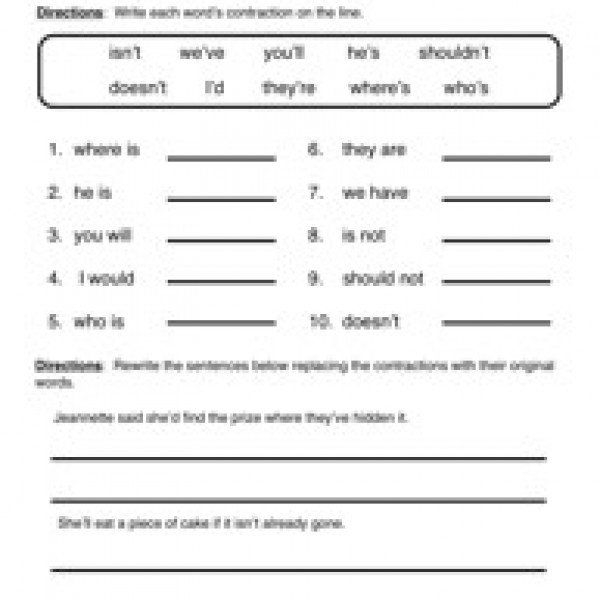
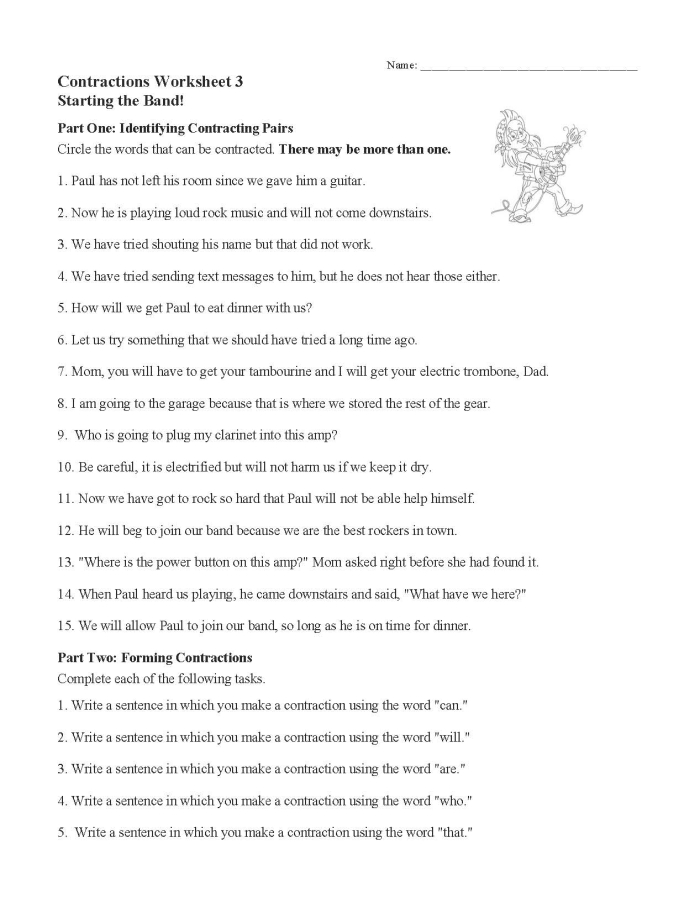
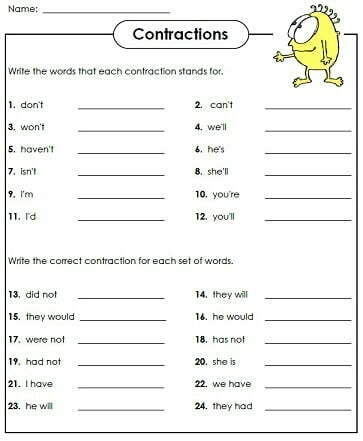
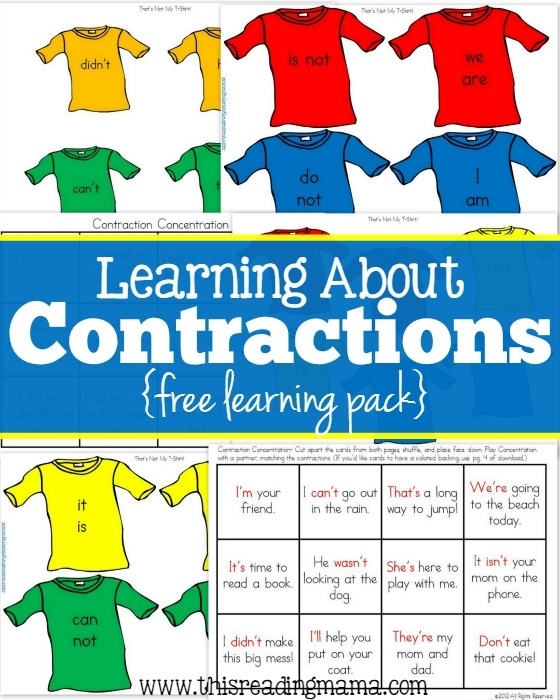
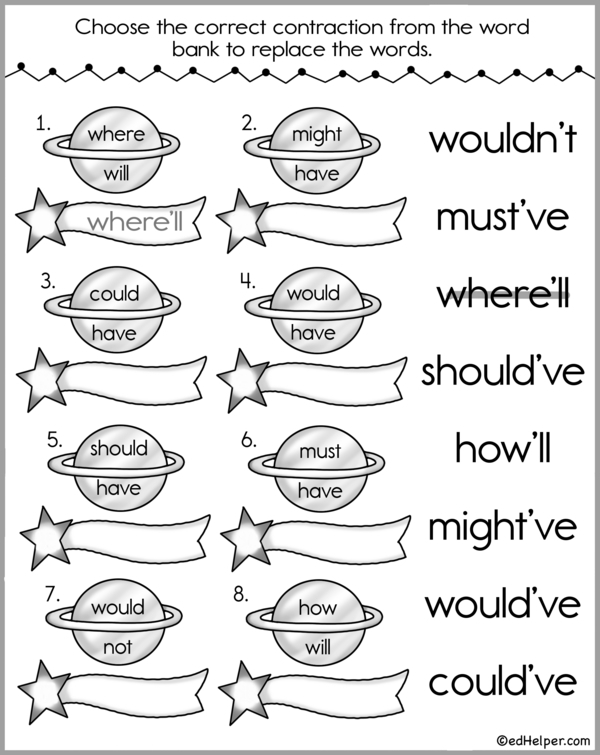
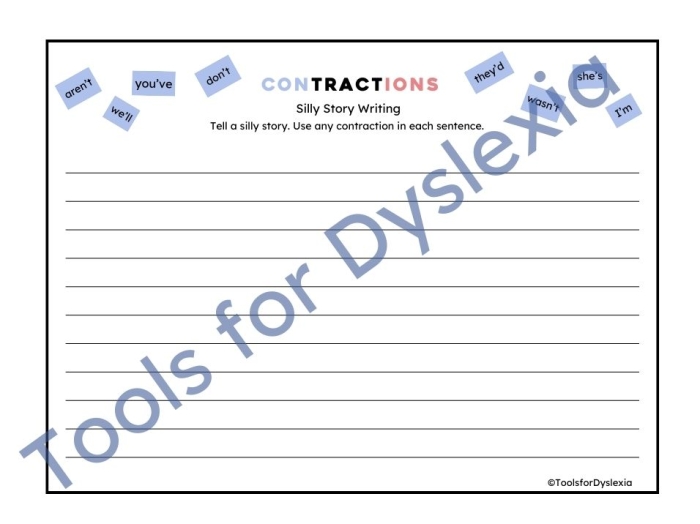
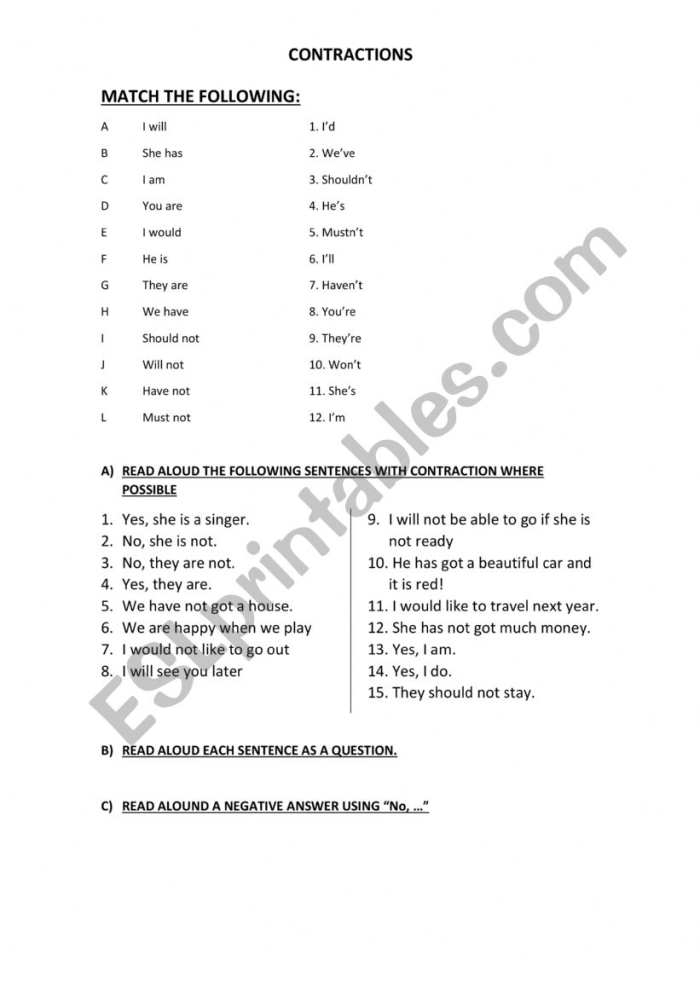
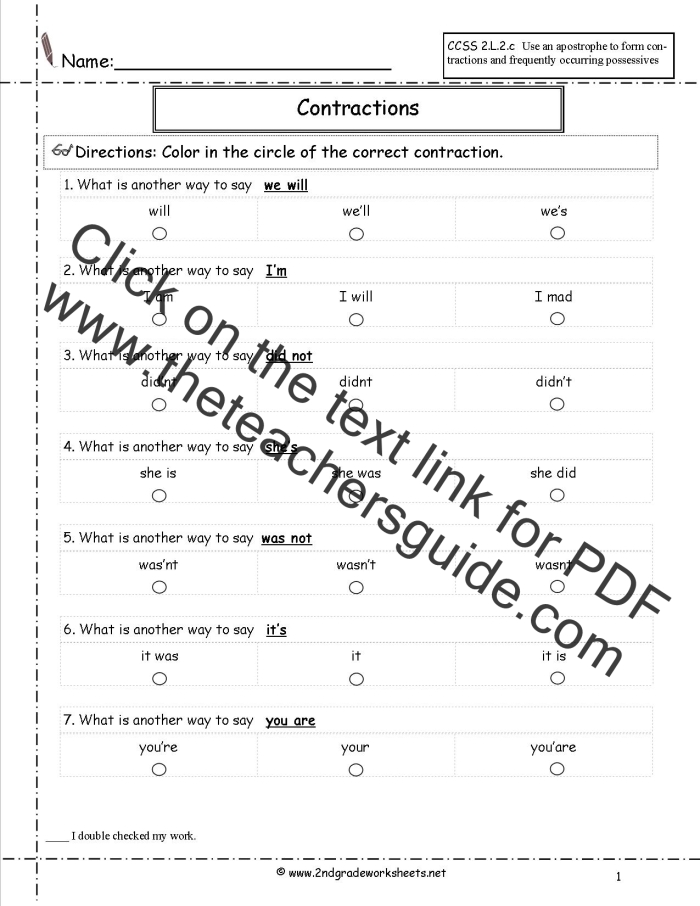
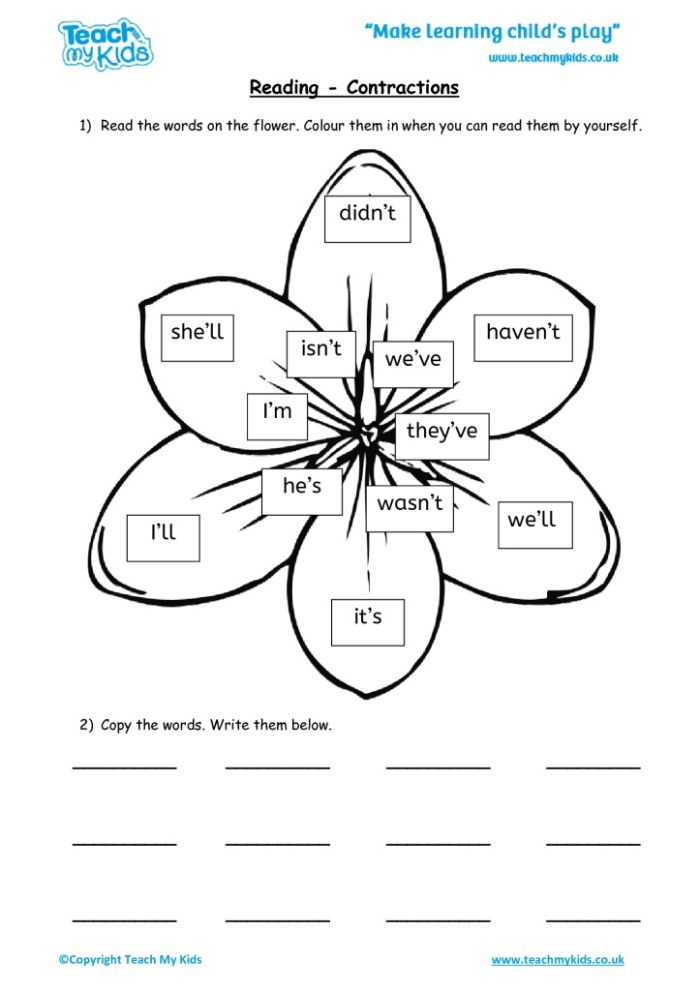
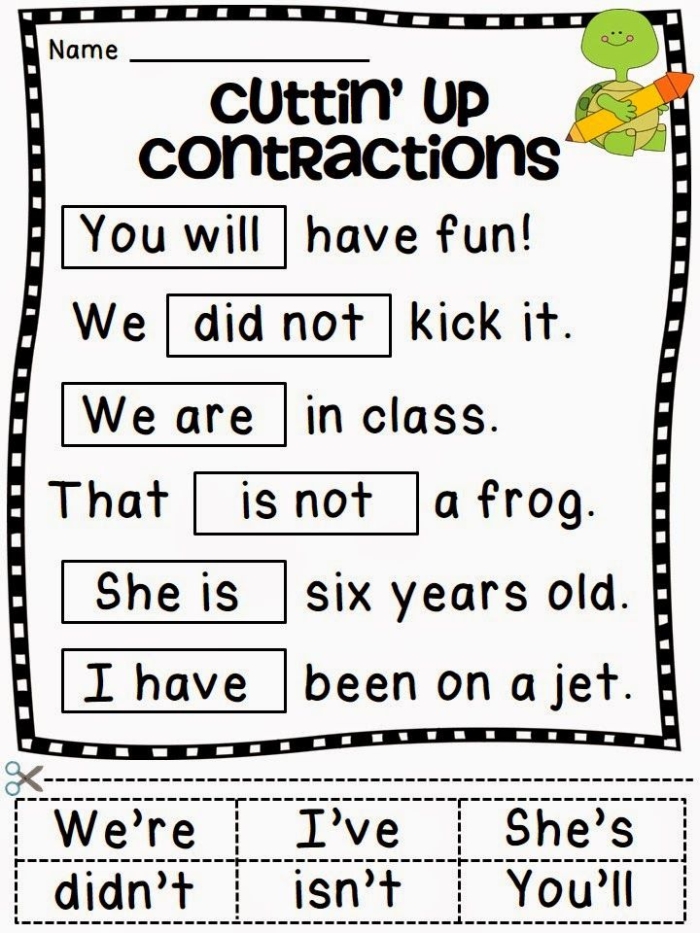
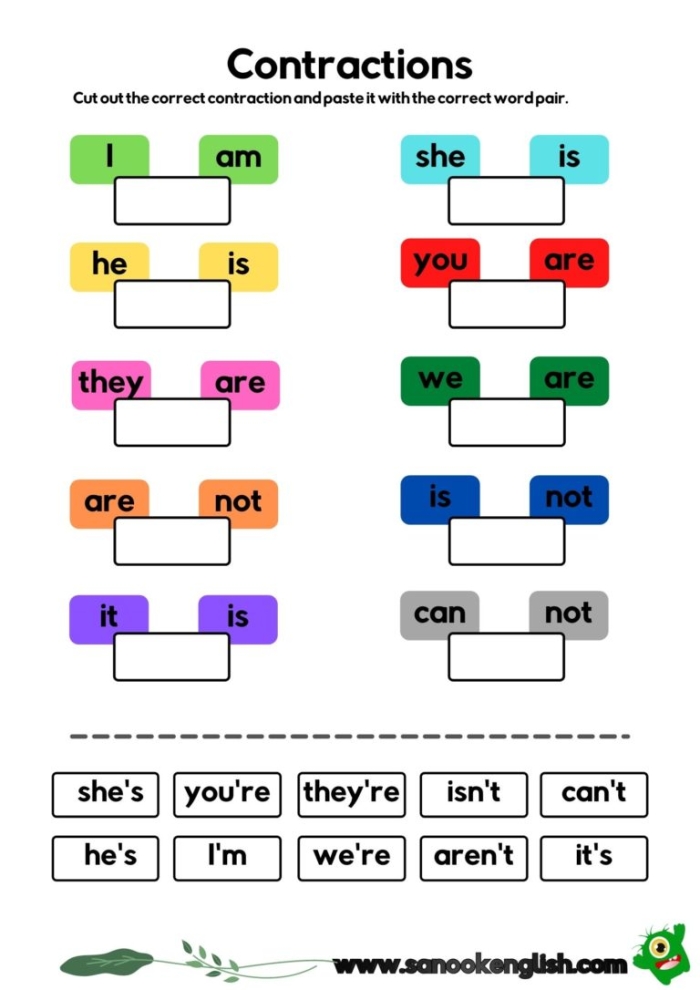
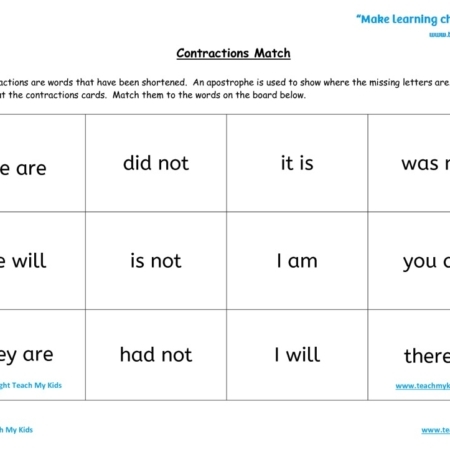
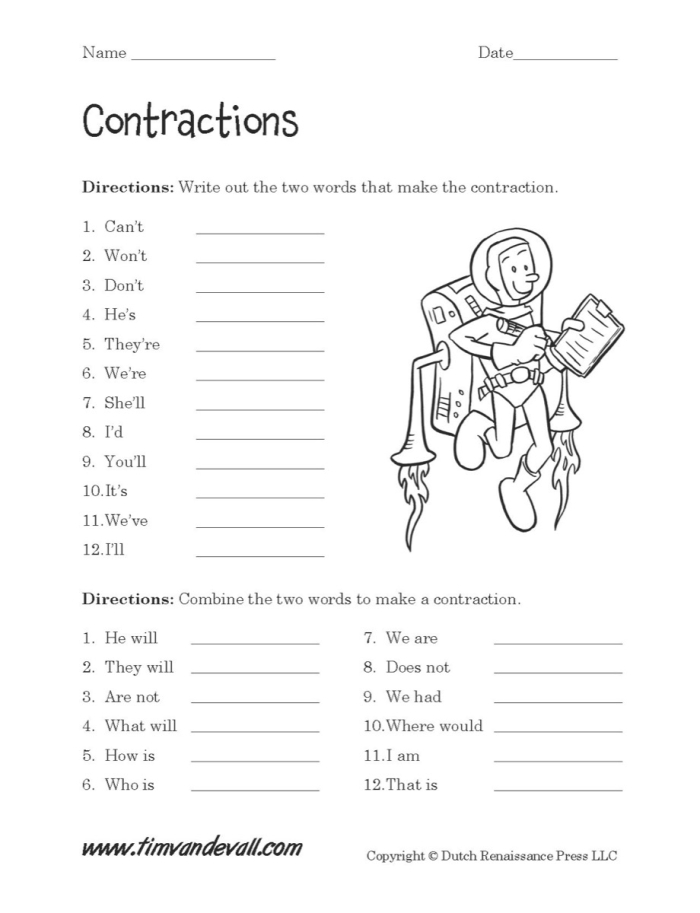
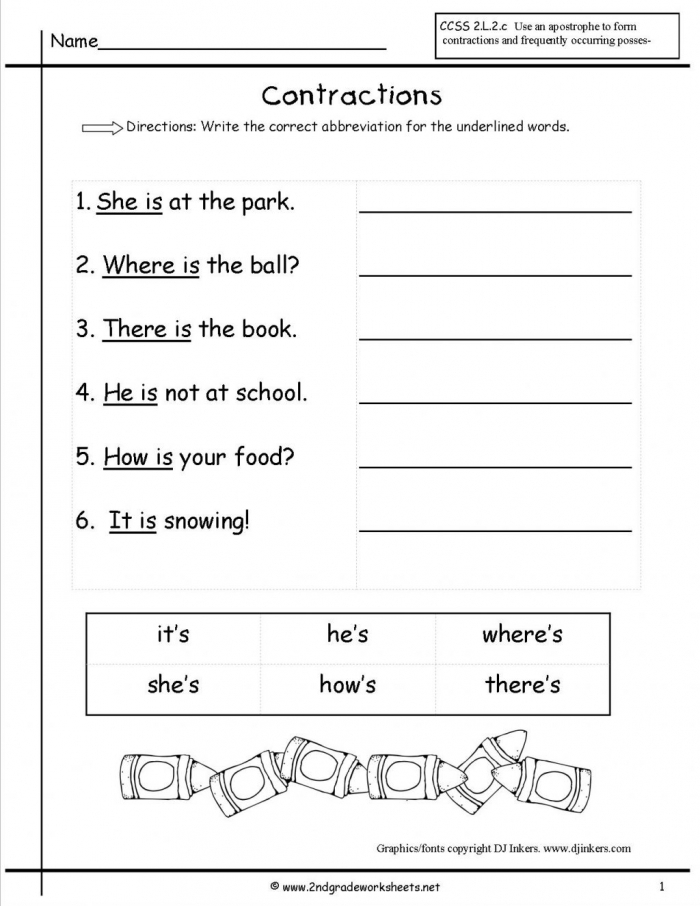
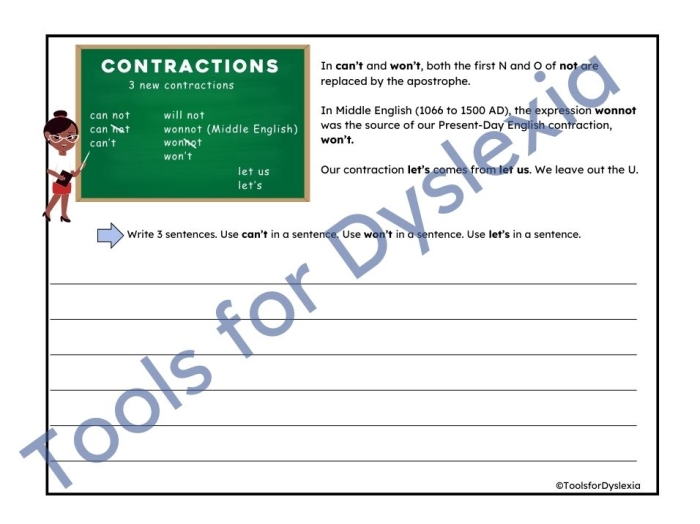
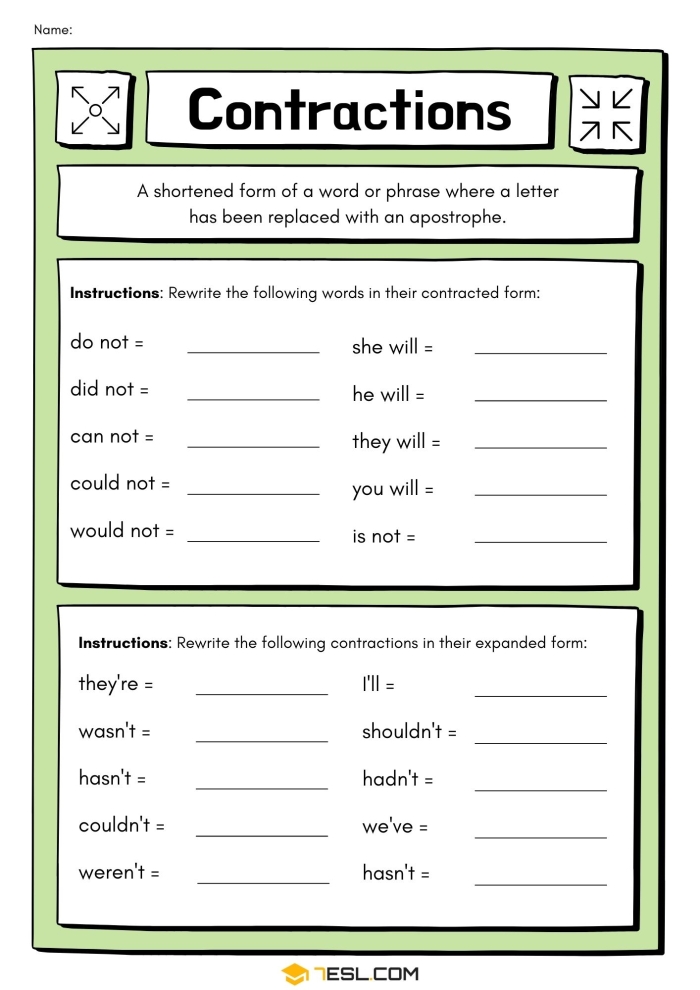
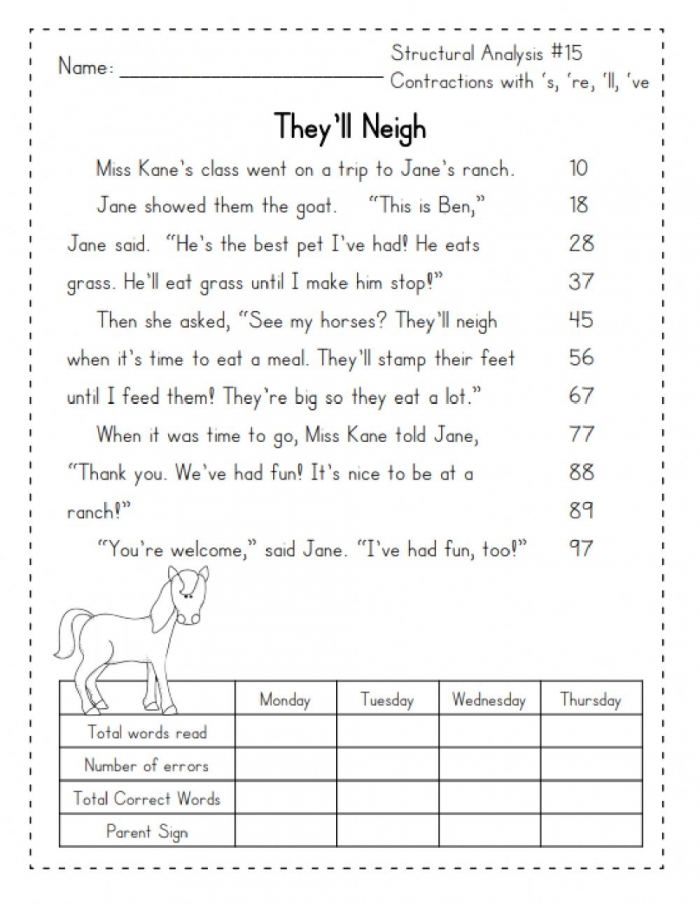
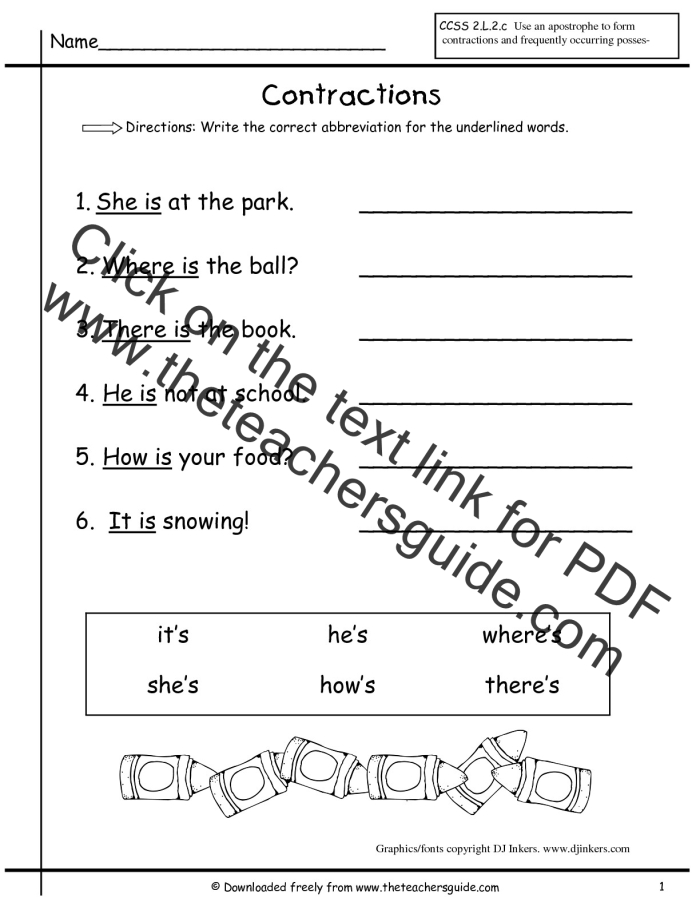
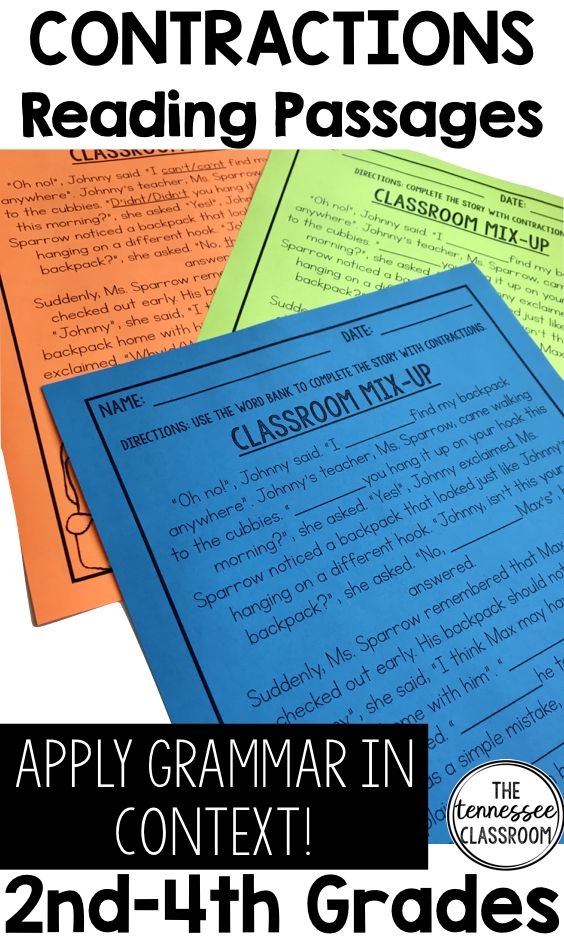
Using printable reading contractions worksheets tailored for first grade can make this process smoother. These worksheets introduce contractions in context, often paired with images or sentences that reinforce meaning. A practical tip is to have students read a sentence aloud and then explain what it means in their own words. This reinforces both word recognition and understanding.
It’s important to remember that contractions can sometimes confuse early readers because they combine two words into one, changing the spelling and pronunciation. Starting with the most common contractions and gradually adding less frequent ones prevents overwhelm. For instance, focus initially on I’m, can’t, or we’re before moving on to they’ve or shouldn’t.
Assessments like these also help identify students who might benefit from extra practice with related reading skills. You might find some children who recognize contractions but struggle with vowel sounds or syllable segmentation, which are essential for smooth reading. For targeted support, worksheets that cover topics like long vowels or phonics patterns can complement your lessons. You can find helpful materials that cover these areas, such as exercises on long I vowel sounds or long U vowel patterns.
By regularly checking how your first graders handle contractions during reading, you gain insight into their overall language development. This practice supports not only their immediate reading goals but also builds a foundation for more complex literacy skills down the line.
Printable Worksheets for Practice