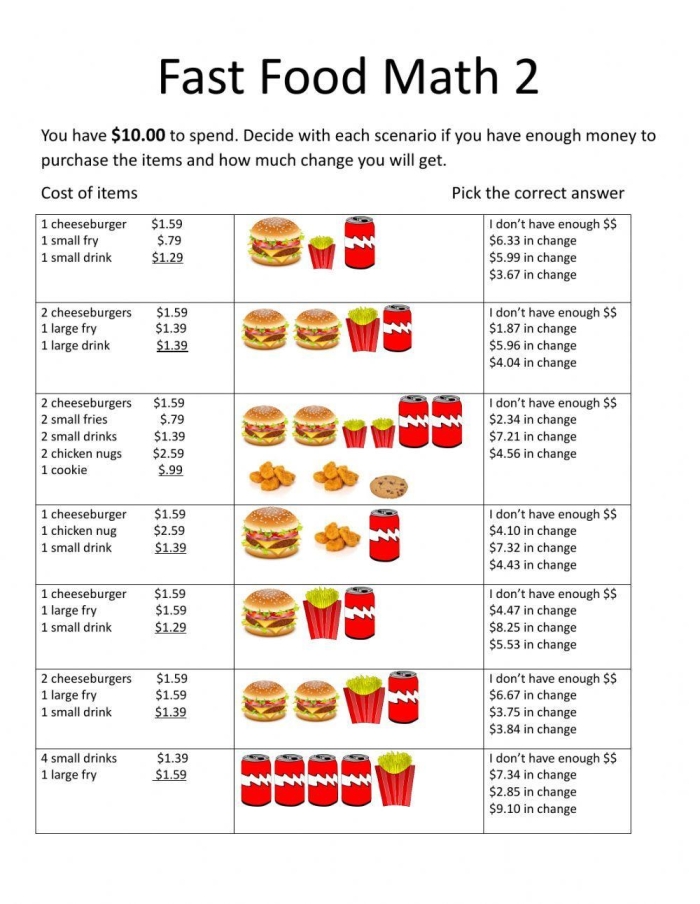
When you’re ordering pizza for your friend group or calculating how much you saved at the grocery store, you’re doing real math that matters. Percentages show up constantly in food situations, and seventh grade is exactly when you need to get comfortable with them. The trick is connecting abstract percentage problems to something you actually care about: food.
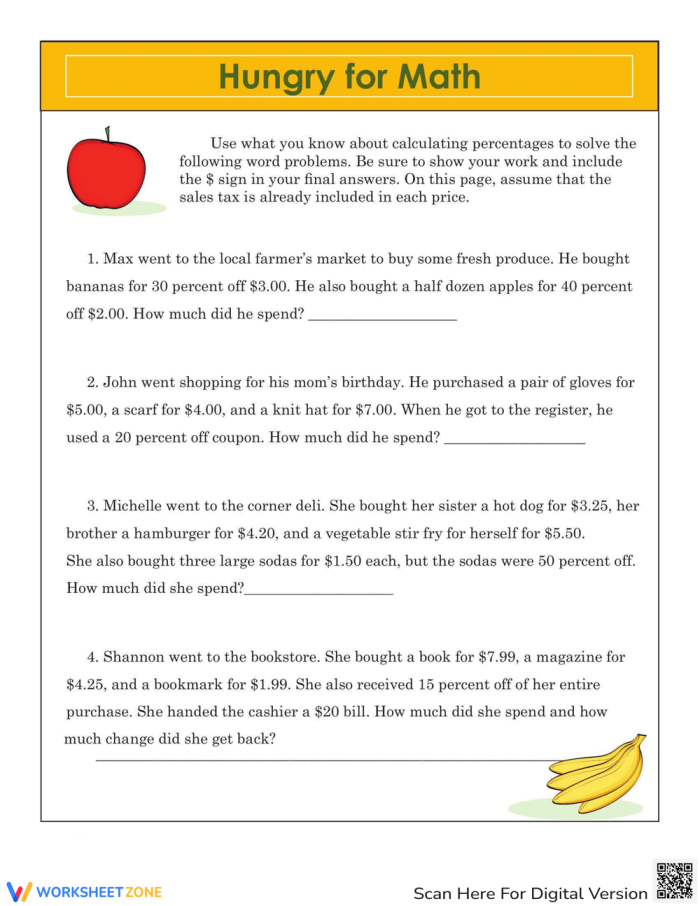
Let’s say you’re at a restaurant and the bill comes to $40. Your parents tip 18 percent. Instead of staring blankly at the number, think of it this way: 18 percent means 18 out of every 100 dollars. You can find 10 percent first (which is $4), then add half of that ($2) to get to 15 percent ($6), then add another 2 percent ($0.80) to reach your answer of $7.20. Suddenly the math has a purpose.
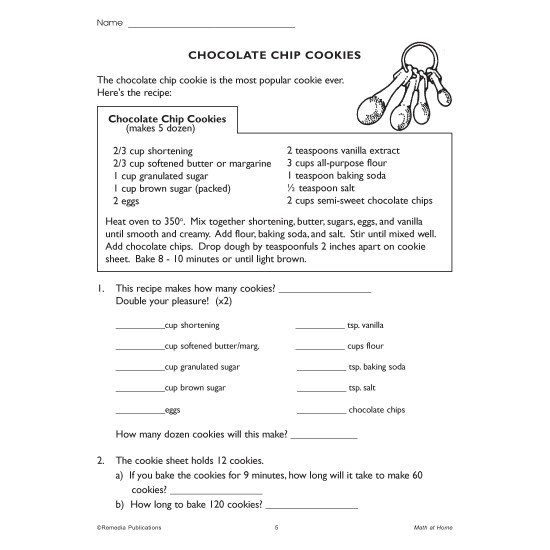
Here’s another real scenario: a bakery advertises that 25 percent of their cookies are chocolate chip. If they made 80 cookies today, how many contain chocolate chips? You’re working with fractions and percentages simultaneously, similar to how you’d approach understanding fraction problems in earlier grades. Twenty-five percent equals one-quarter, so divide 80 by 4 to get 20 cookies.
These foodie math problems teach grammar and mechanics of math thinking too. You learn to read problems carefully, identify what you’re solving for, and show your work step by step. When you practice with decimal and percentage worksheets, you’re building the same precision skills you use in writing.
The real value comes from seeing percentages as tools, not obstacles. Once you crack the code with food examples, you’ll spot percentages everywhere: discount tags, nutrition labels, recipe adjustments. That’s when seventh grade math stops feeling like schoolwork and starts feeling like actual knowledge you use.
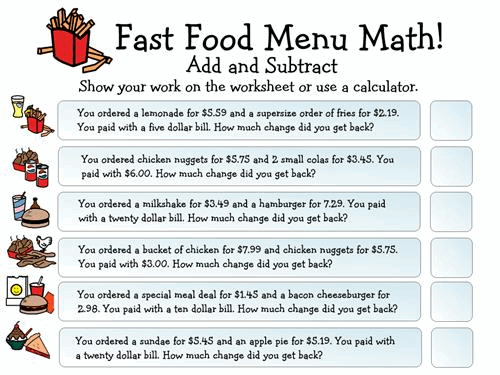
Try These Printable Worksheets