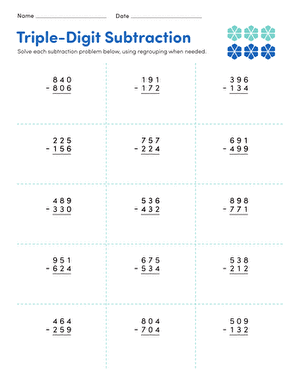
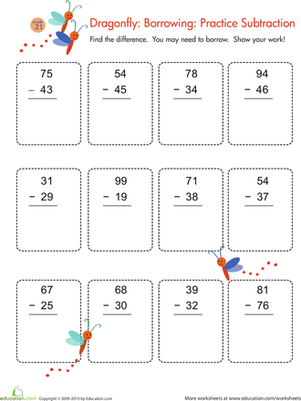
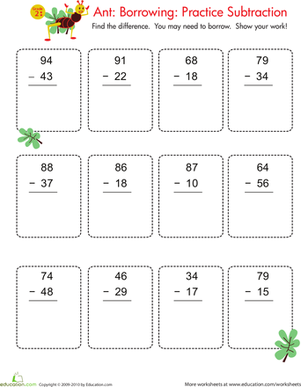
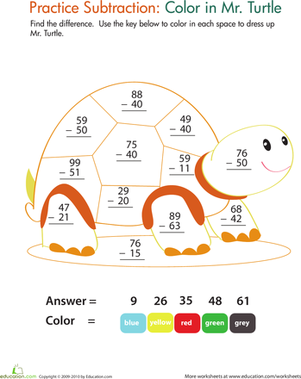
Borrowing in subtraction trips up more second grade students than almost any other math concept. When a child looks at a problem like 32 minus 15 and realizes they can’t subtract 5 from 2, something clicks in their brain that makes the whole thing feel impossible. The good news is that borrowing follows a predictable pattern, and once kids see it work a few times, the anxiety melts away.
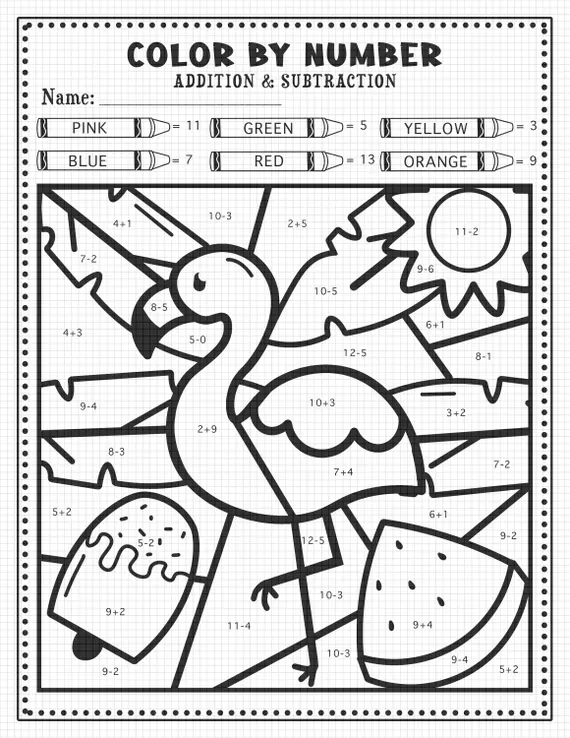
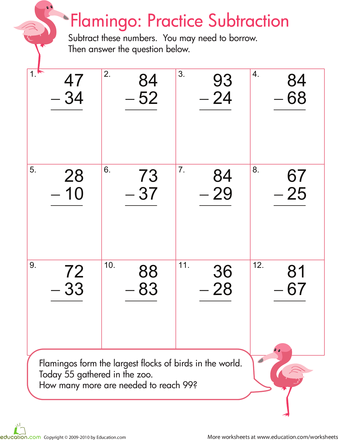
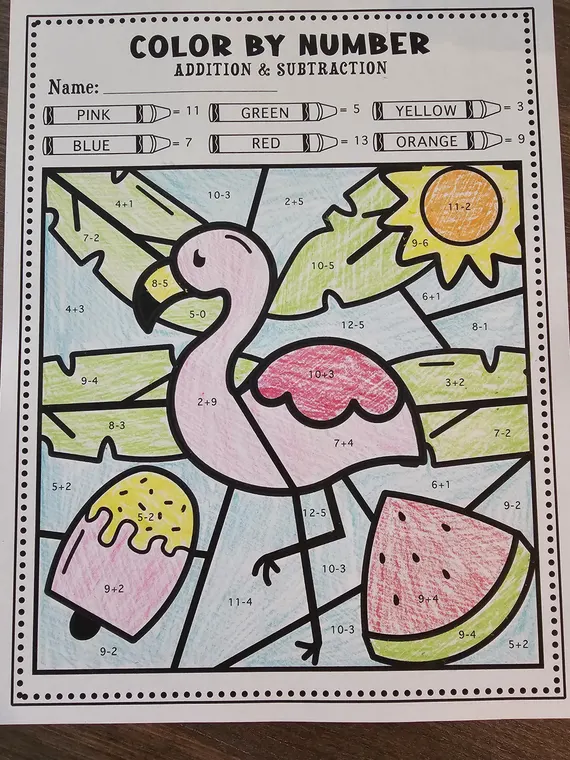
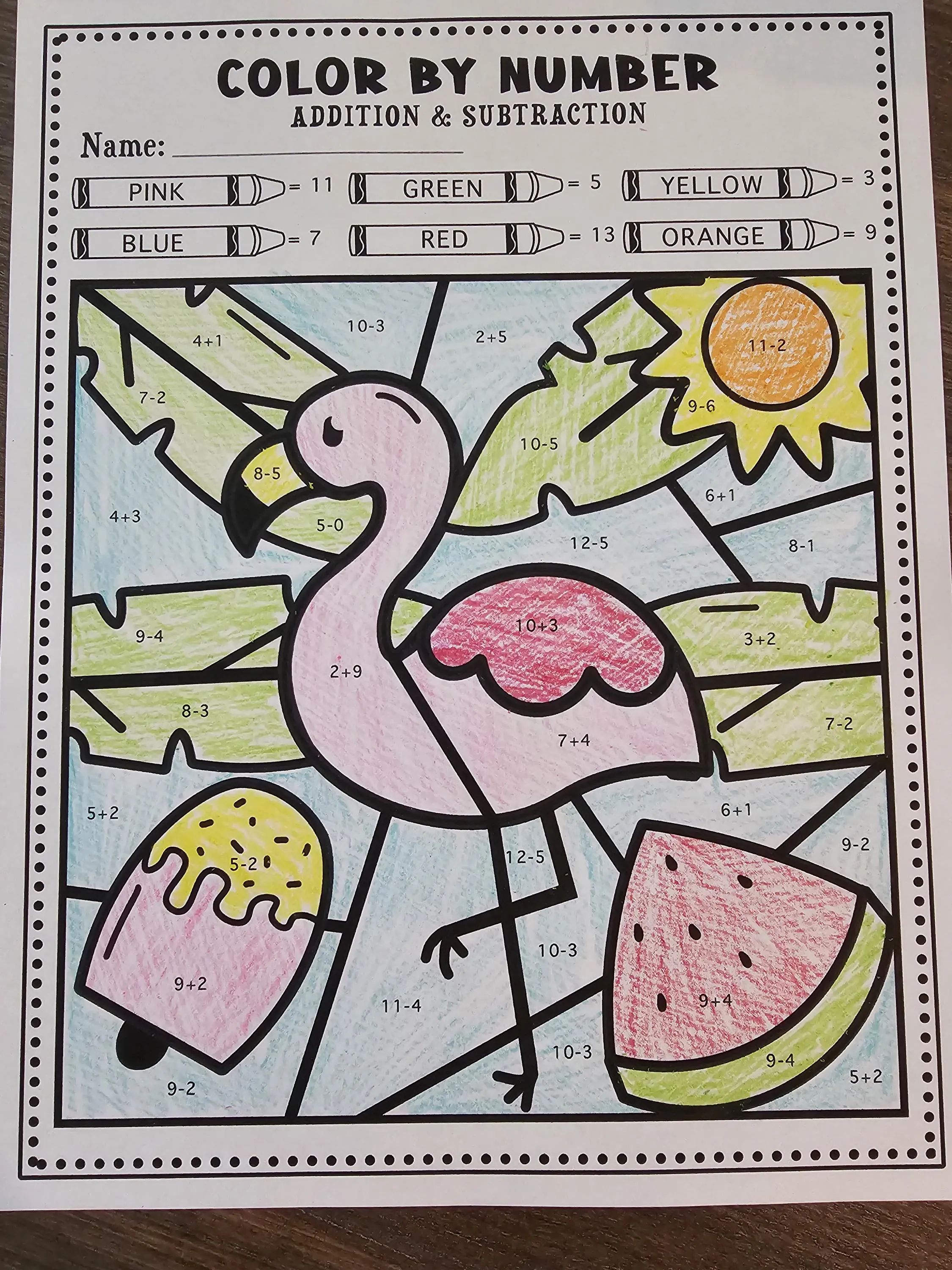
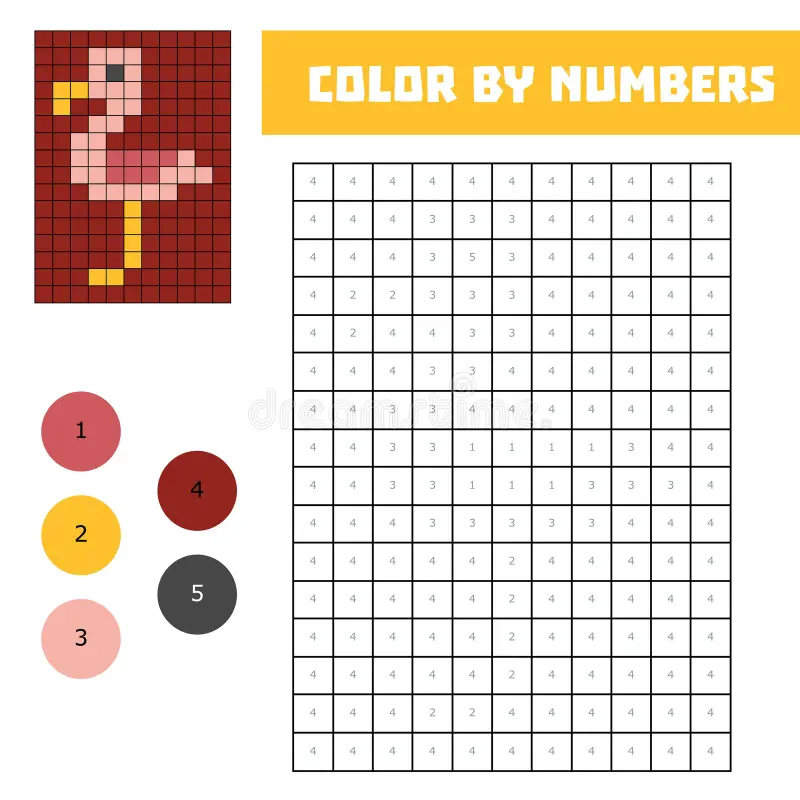
The flamingo-filled worksheet approach works because it combines two things kids actually care about: colorful visuals and manageable practice problems. Flamingos are naturally engaging for young learners, turning what could feel like tedious drill work into something that feels more like a game. When a child sits down with a worksheet featuring cheerful pink birds instead of plain numbers on white paper, they’re already in a better mindset to learn.
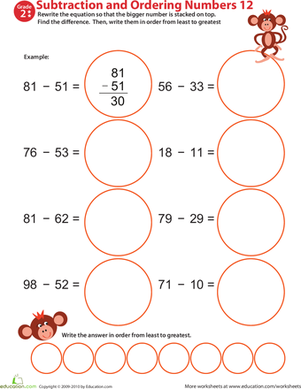
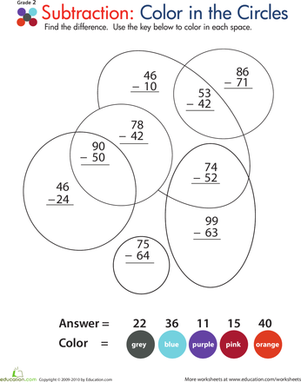
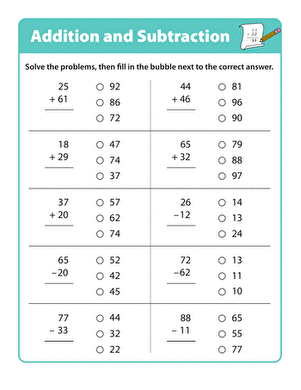
Here’s how borrowing actually works in simple terms: when the bottom number in the ones place is bigger than the top number, you borrow 10 from the tens place. That 10 becomes 10 ones, which you add to the ones digit you already have. The tens place decreases by one, and suddenly the subtraction becomes possible. Kids need to see this happen multiple times before their hands and brains sync up to do it automatically.
The repetition built into a solid worksheet matters more than flashy graphics alone. A well-designed flamingo worksheet will start with problems where borrowing is necessary, then gradually mix in problems where it isn’t. This helps second graders develop the skill of recognizing when they actually need to borrow, rather than doing it reflexively on every problem.
Pairing this kind of focused math practice with other second grade skills keeps learning balanced. Your child benefits from strengthening reading comprehension through activities like reading comprehension practice, exploring concepts like facts versus opinions, and working on foundational skills across different subjects.
With consistent practice on these flamingo-themed worksheets, your child moves from confusion to confidence in borrowing. They’ll start recognizing the pattern independently and actually enjoy the process of solving these problems.
Try These Printable Worksheets