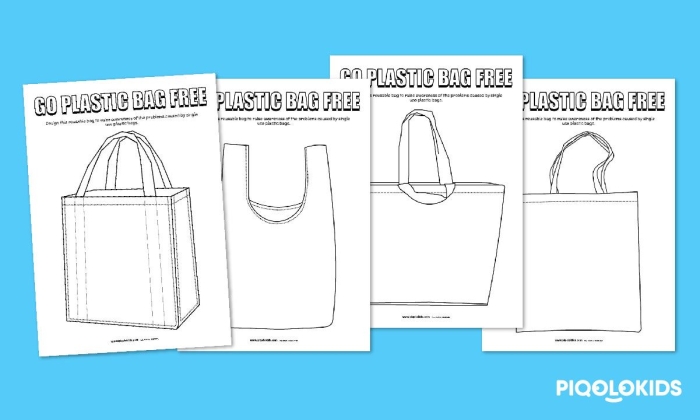
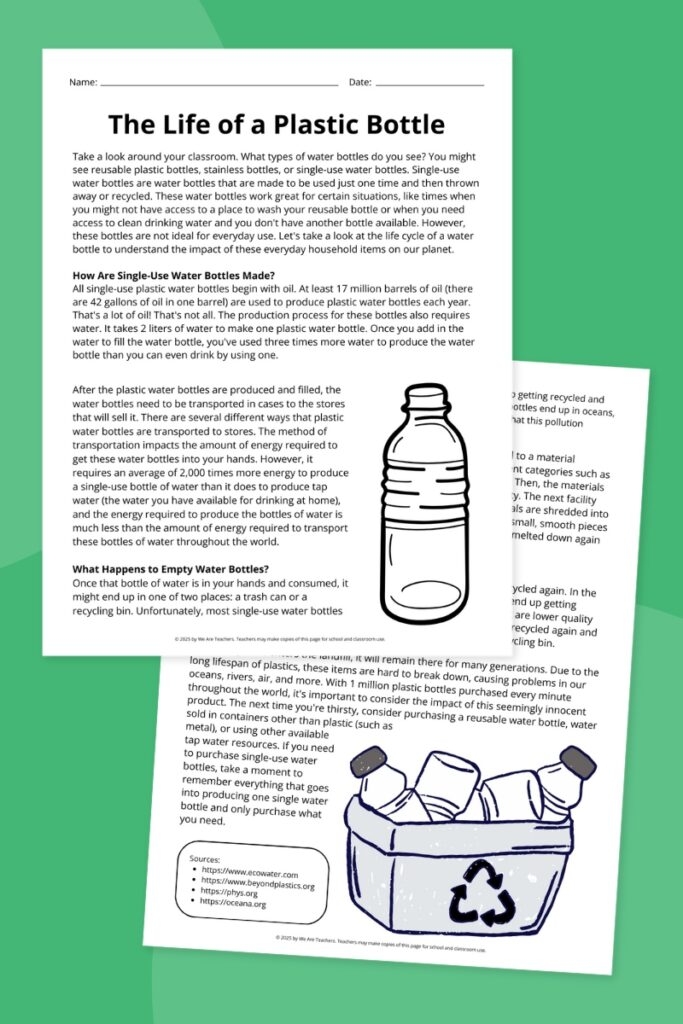
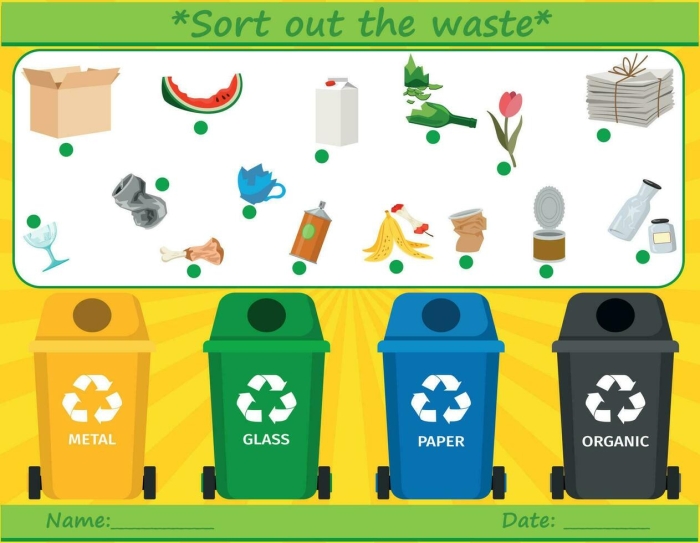
Children in third grade often notice plastic everywhere: in their lunch boxes, toys, and water bottles. This worksheet helps them understand what plastic actually is, where it comes from, and why people are working so hard to use less of it.
The activity starts by explaining plastic at a level third graders can grasp. Plastic is a material made from crude oil, a resource pulled from deep underground. Through a series of chemical processes, crude oil transforms into the lightweight, flexible substance we see in everyday products. The manufacturing process involves heating, cooling, and shaping plastic into different forms, which is why a plastic bag feels nothing like a plastic toy even though they’re made from similar starting materials.
Understanding history helps children see that plastic hasn’t always existed. Before the 1900s, people used glass, metal, and wood for most items. Plastic was invented because it was cheap, durable, and easy to shape into almost anything. This made life more convenient, but it also created an unexpected problem: plastic doesn’t break down quickly like paper or food waste.
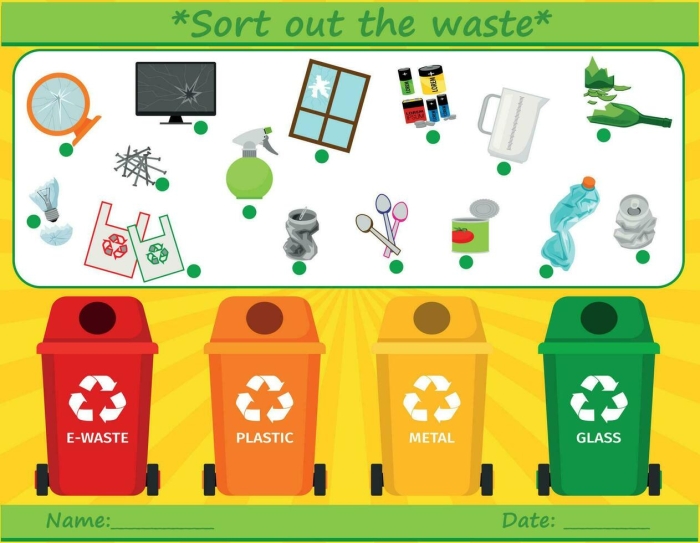
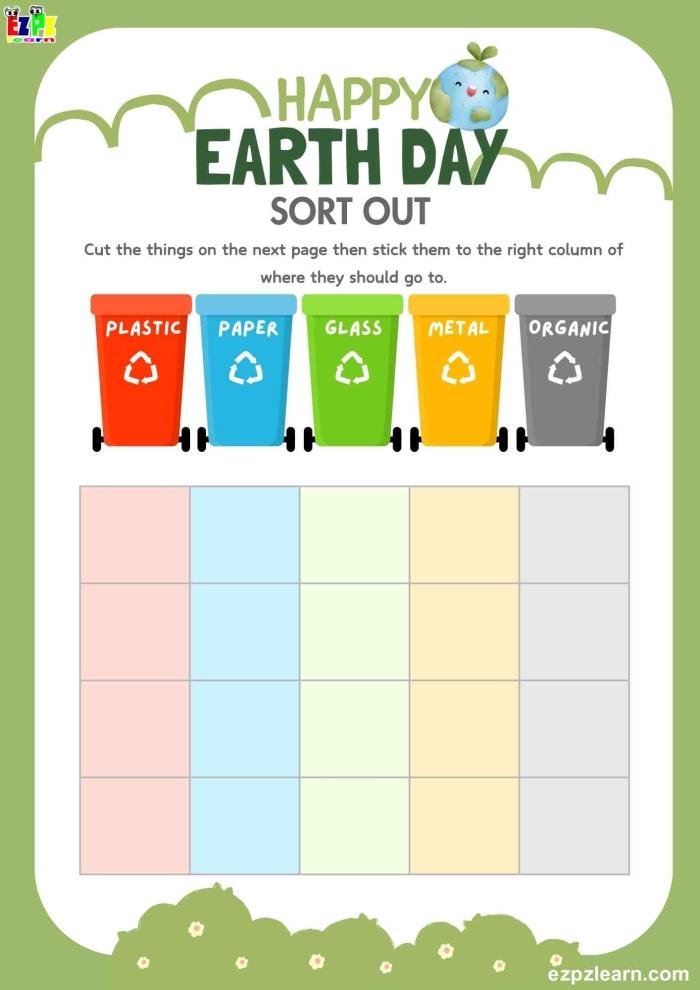
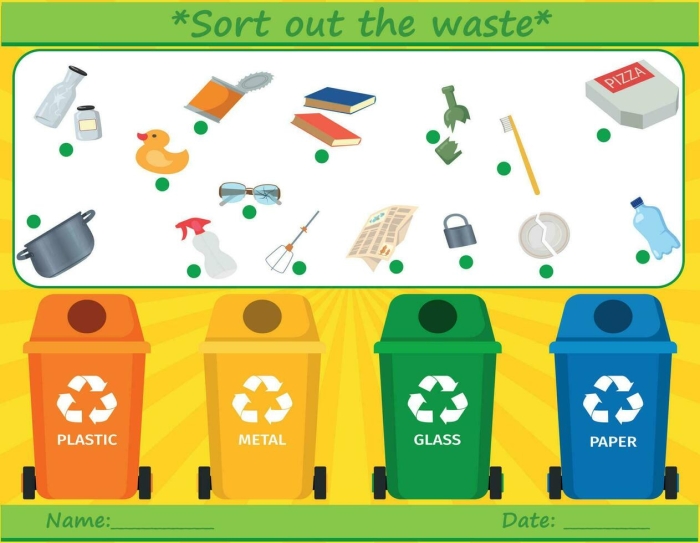
The worksheet then explores what people are doing to reduce plastic waste. Children learn about recycling programs, where used plastic gets collected and turned into new products. They discover that some communities have banned single-use plastics like straws and bags. Many companies are experimenting with biodegradable plastics that break down faster than traditional plastic.
This worksheet pairs well with other third grade writing activities. Students strengthen their comprehension skills while learning about writing comparative and superlative adjectives, describing how plastic differs from other materials. They can also practice using a or an correctly when discussing plastic products, making grammar practice feel connected to real-world learning.
Grab These Worksheets Now