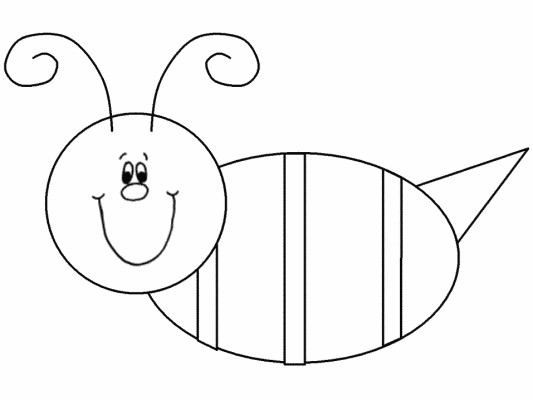
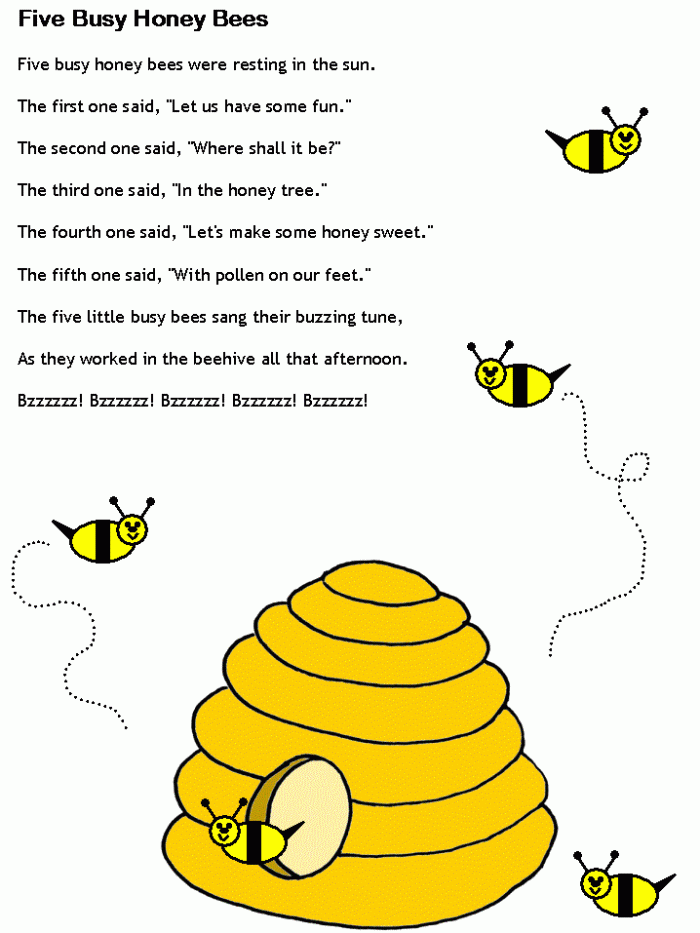
Poetry and art go hand in hand, especially when you’re working with young learners in Pre-K. Reading a poem aloud and then asking children to illustrate their favorite part creates a powerful learning moment where language connects directly to creativity and visual expression.
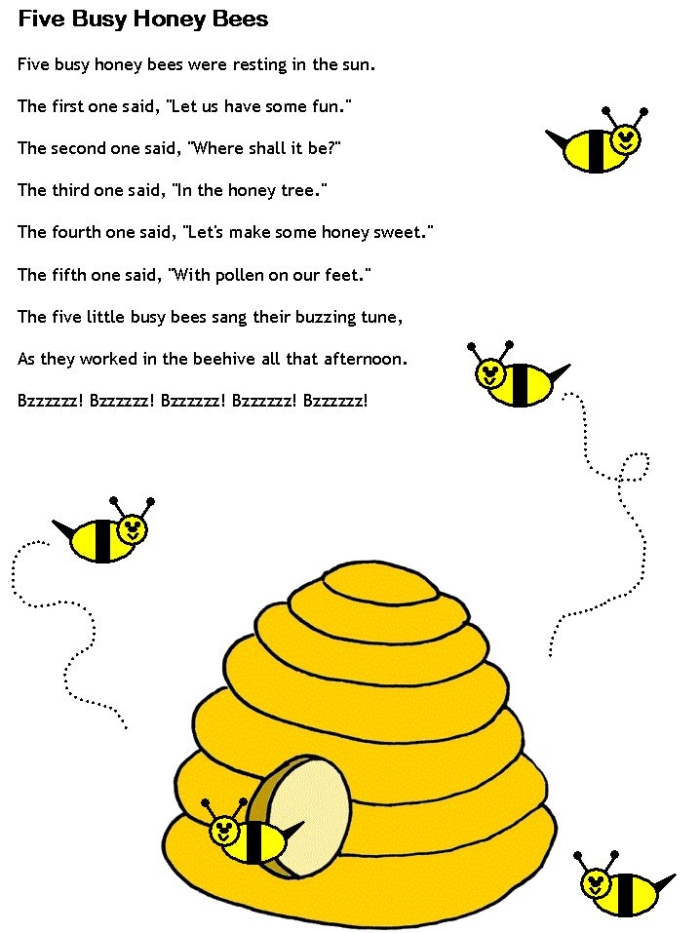
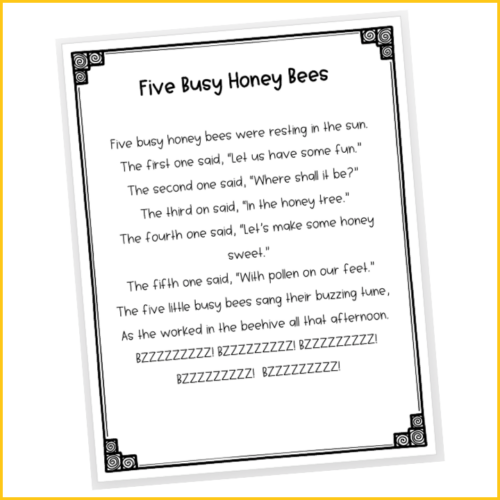
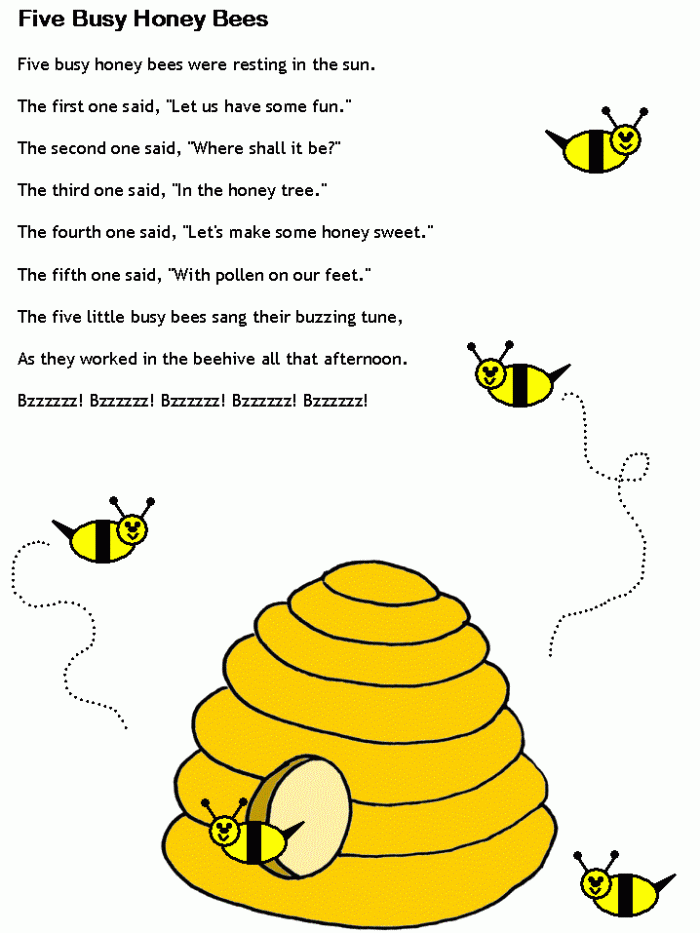
When you choose a poem like Five Busy Honey Bees, you’re giving Pre-K students something concrete to visualize. The poem’s rhythm and repetition make it easy for young children to follow along, and the subject matter, bees and their activities, naturally sparks imagination. Kids can picture the busy movement, the colors, and the action happening in each line.
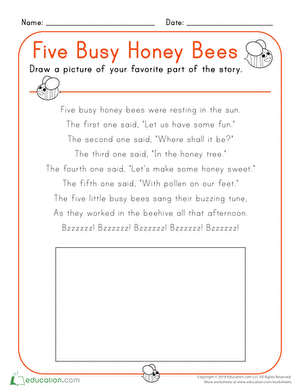
The beauty of this activity lies in what happens after the reading. When you ask children to illustrate their favorite part, you’re not just keeping them engaged, you’re also developing their comprehension skills. They have to think about which moment stood out to them, why it mattered, and how to represent it on paper. This process strengthens memory and helps solidify the poem’s message in their minds.
For Division activities in Pre-K, this approach works particularly well. As children draw their favorite scenes, they’re naturally breaking down the poem into parts, understanding how the whole story divides into individual moments or images. You might see some children draw all five bees together, while others focus on a single bee performing one action. Both approaches show they’re engaging with the content meaningfully.
Pairing this with letter recognition activities extends the learning further. Children can identify letters in the poem, trace them, and connect written words to their illustrations. This combination of reading, art, and letter work creates a well-rounded literacy experience that Pre-K students genuinely enjoy and remember.
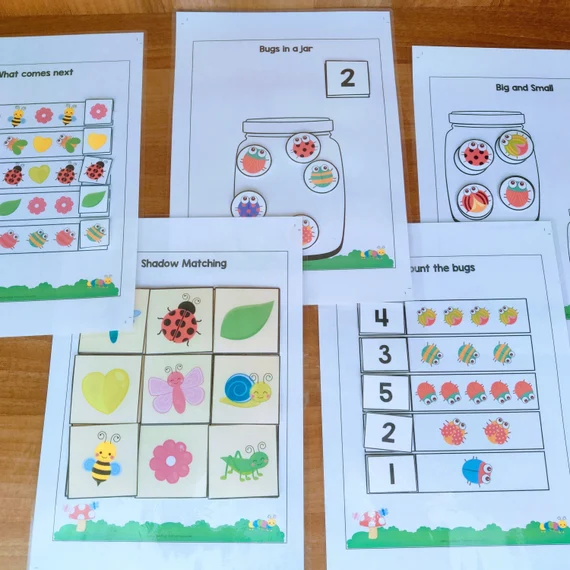
Hands-On Worksheet Activities