Mode is one of those math concepts that second graders often find confusing because it sounds abstract, but it becomes crystal clear the moment you make it personal. Instead of staring at a list of random numbers, your child can discover mode by running their own pretend survey about favorite desserts.
Here’s why this approach works so well: when kids collect data about something they care about, the math feels like a game instead of a lesson. Ask your second grader to survey family members or stuffed animals about their favorite dessert. Chocolate cake? Ice cream? Cookies? Have them tally the answers on paper, drawing little marks for each vote. This hands-on process naturally builds their understanding of counting and organizing information, skills that connect directly to addition practice at the second grade level.
Once the survey is complete, finding the mode becomes obvious. The mode is simply the dessert that got the most votes. Your child looks at their tally marks and spots which one has the tallest stack. That’s it. No complicated formulas or abstract definitions needed. They can physically see which option won.
The beauty of this make-believe survey is that it removes pressure. There’s no right or wrong answer because your child invented the data. They’re in control, which makes them more willing to engage with the math itself. You can repeat the activity with different topics: favorite animals, colors, or sports. Each time reinforces the same concept without feeling repetitive.
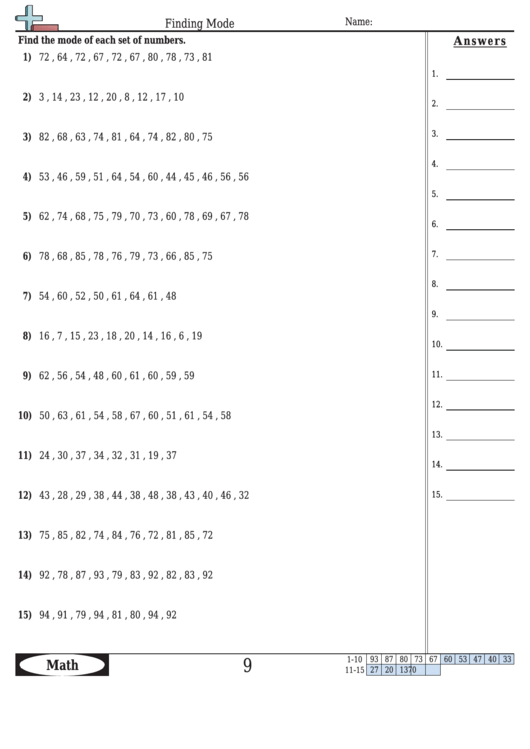
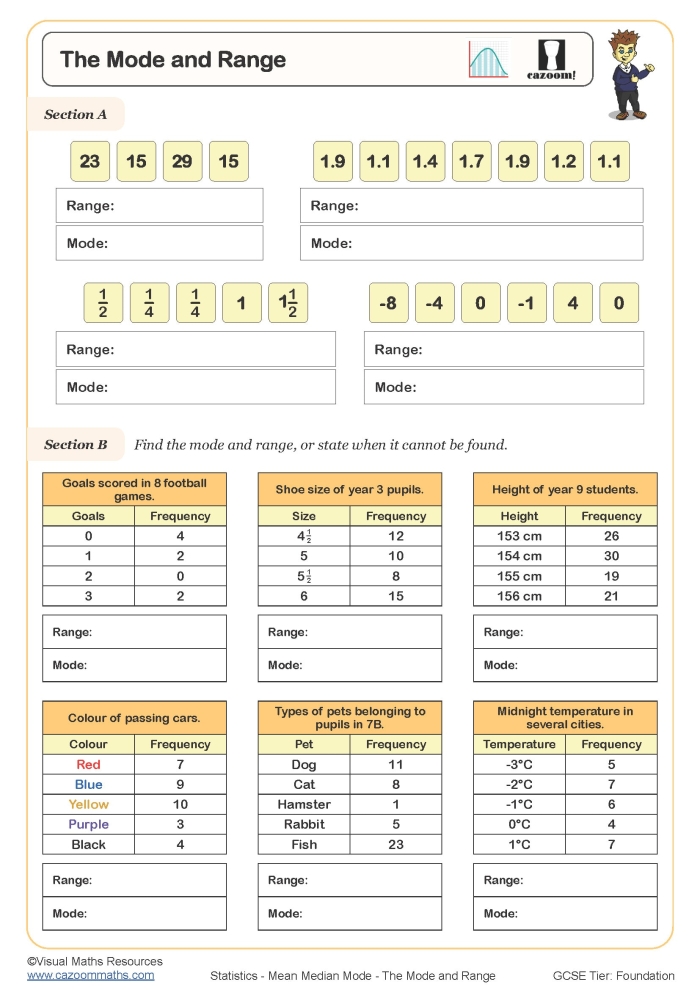
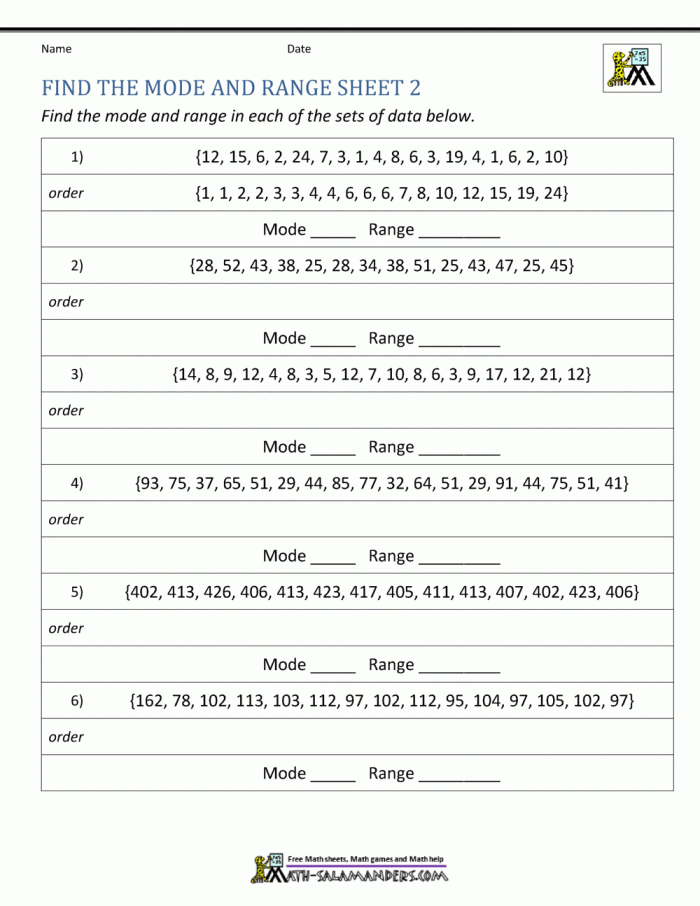
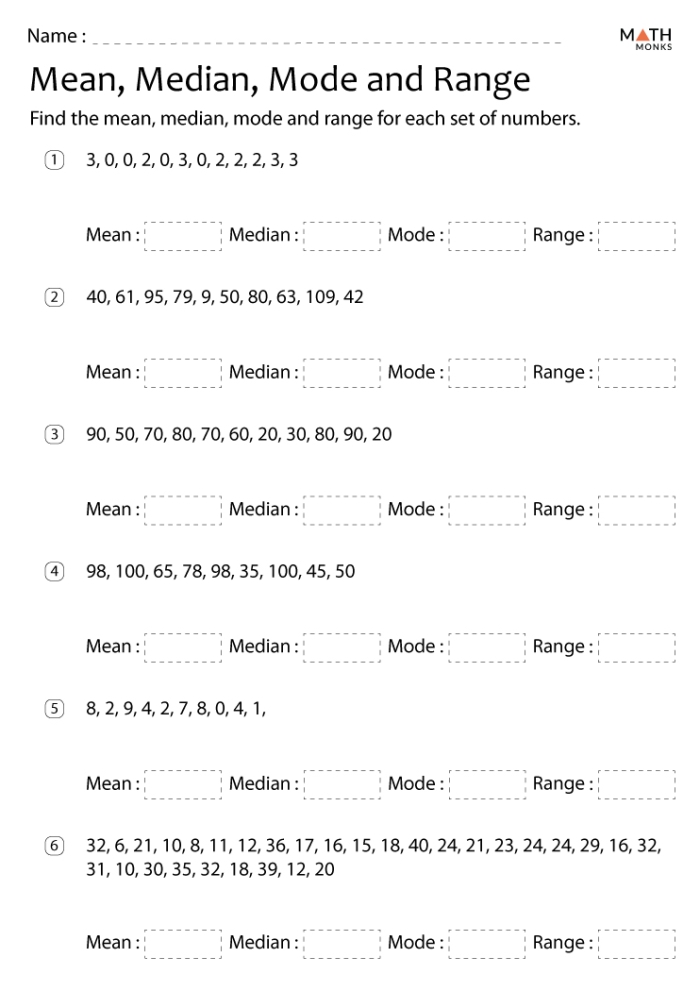
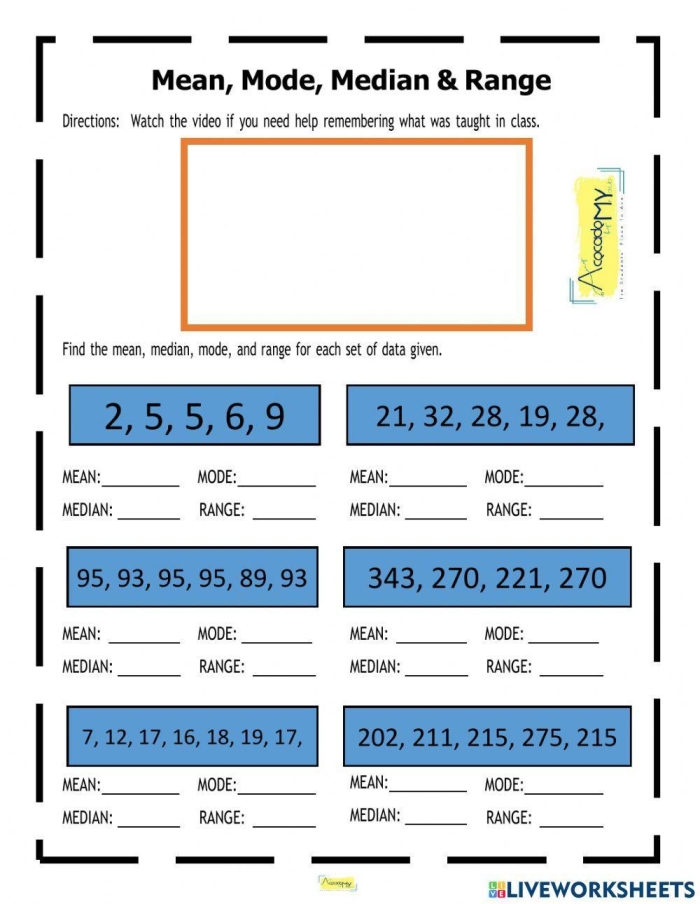
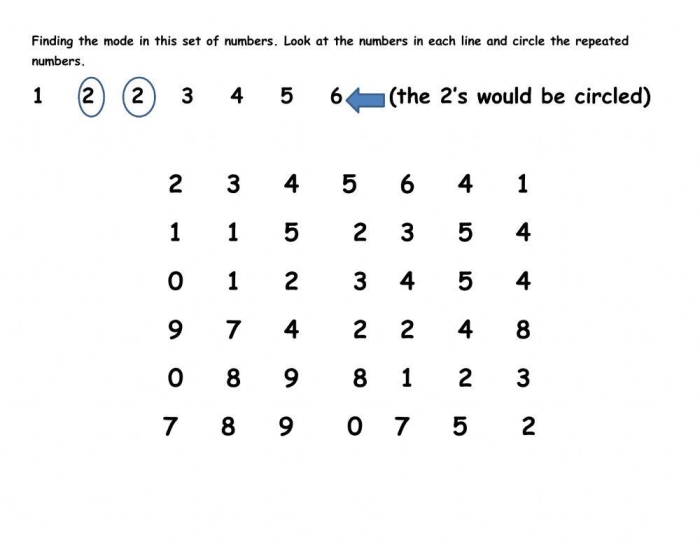
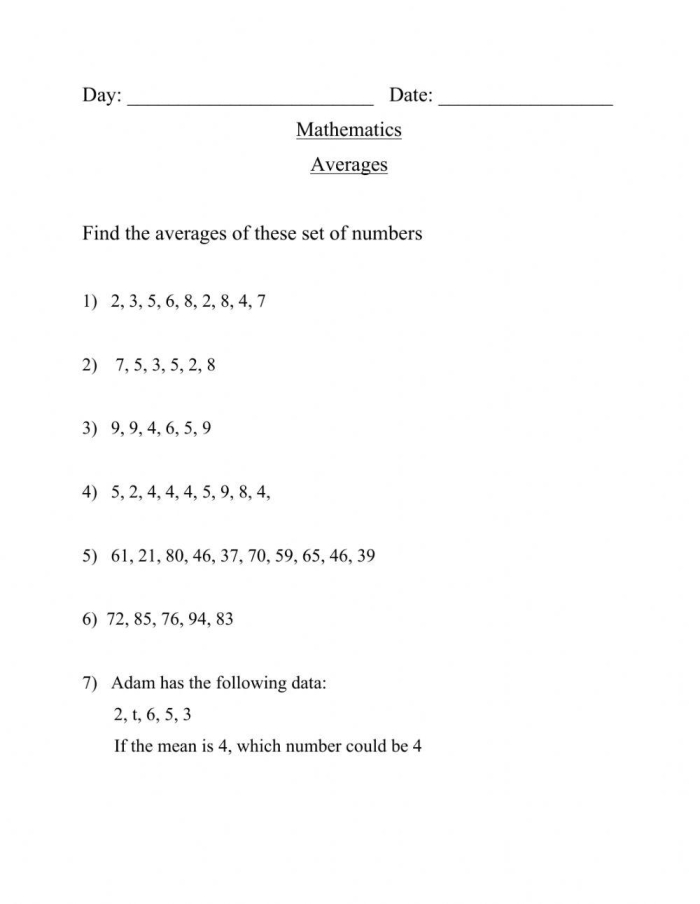
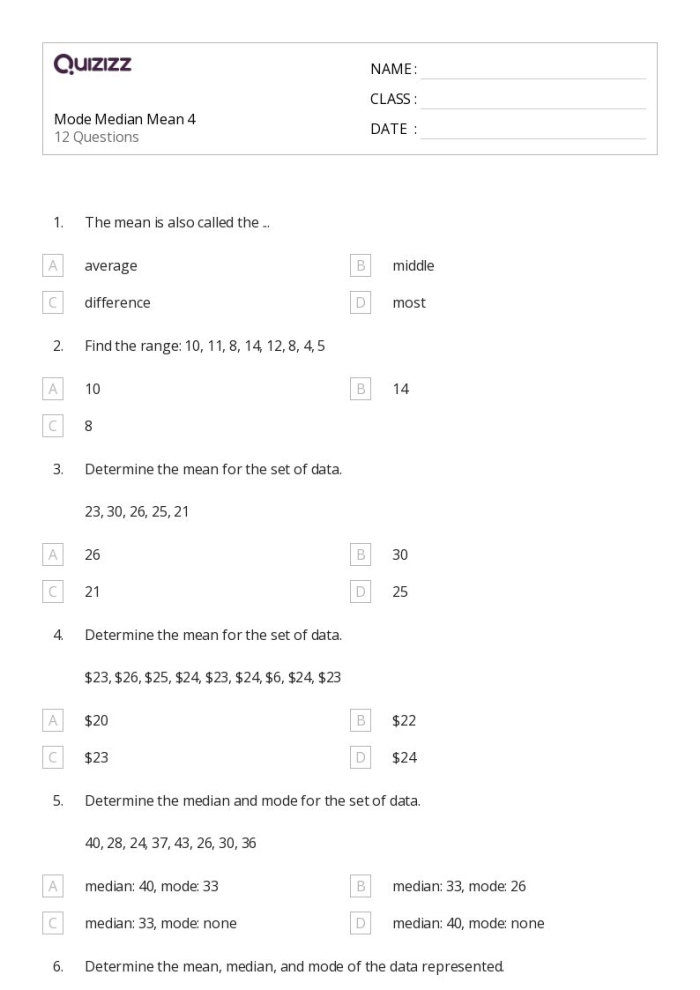
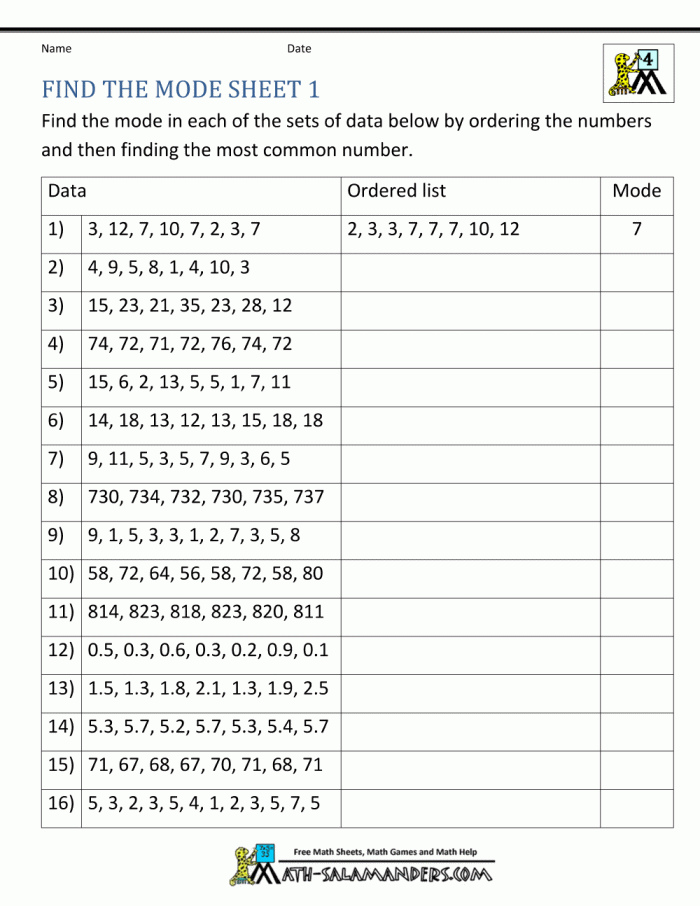
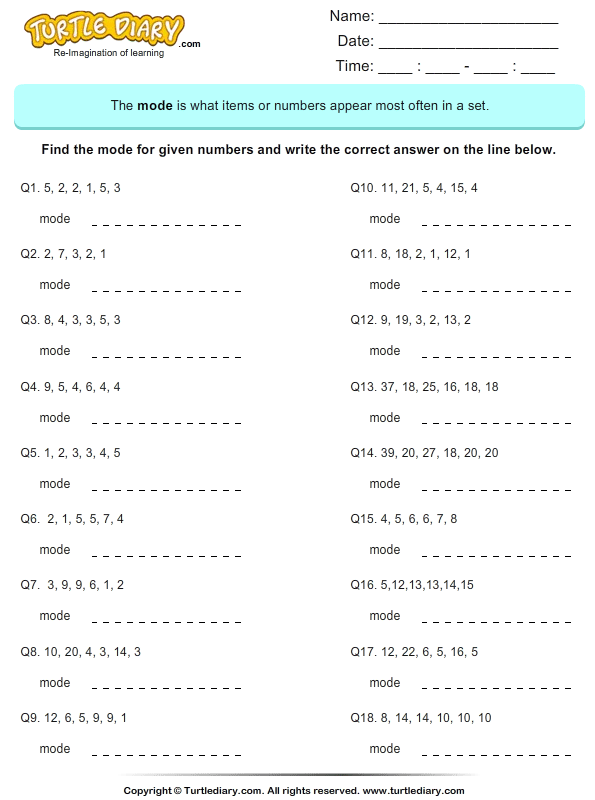
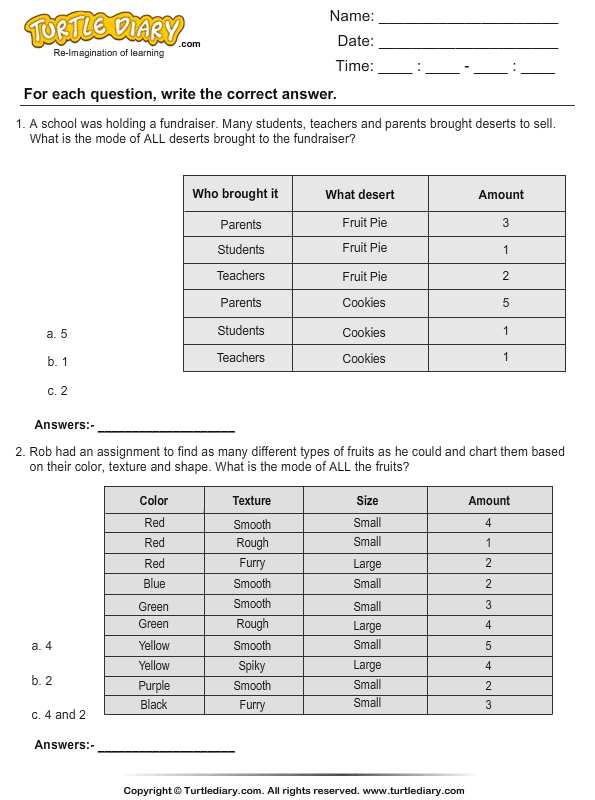
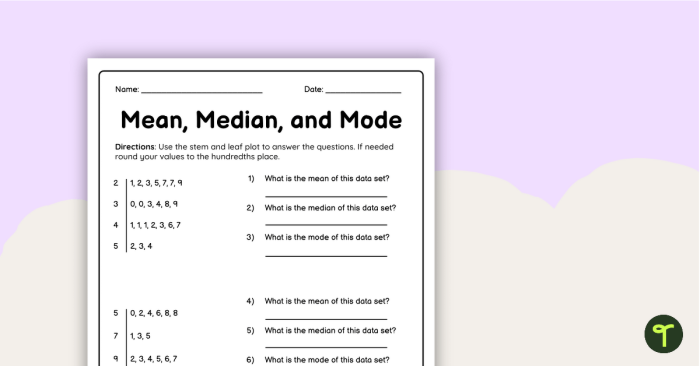
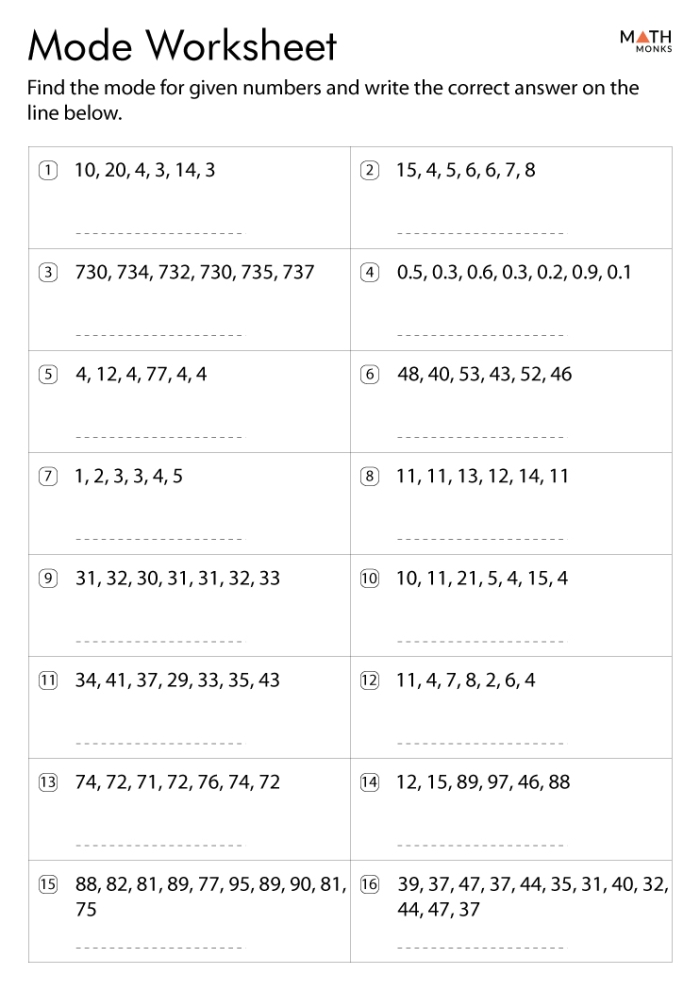
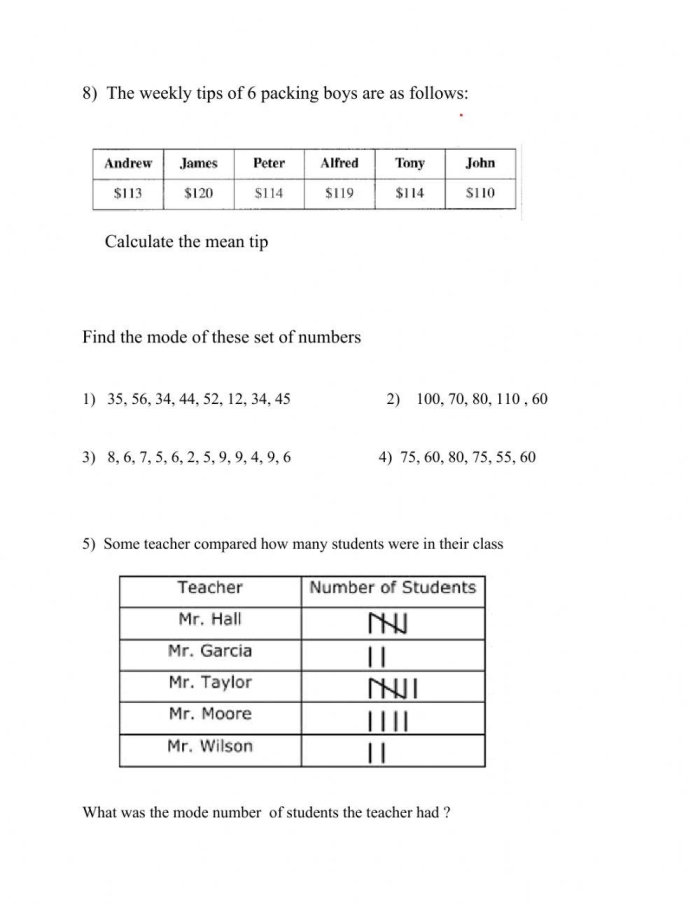
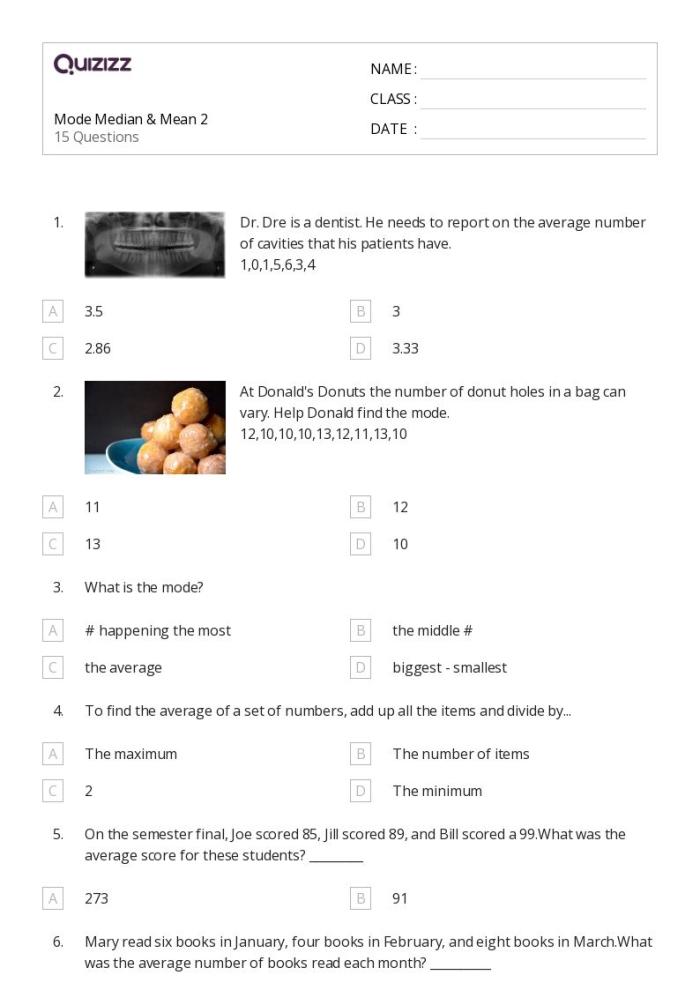
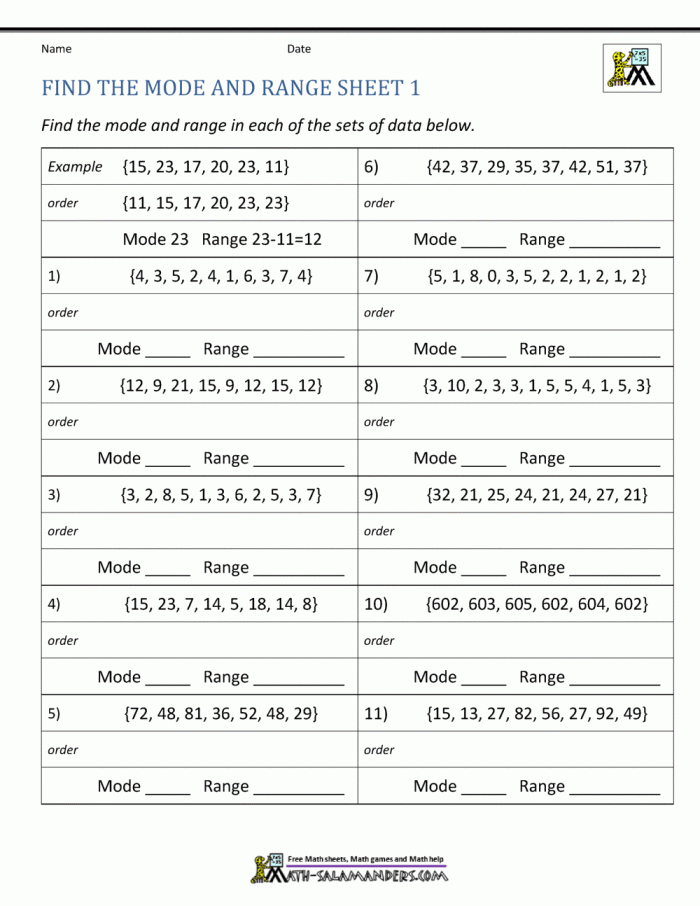
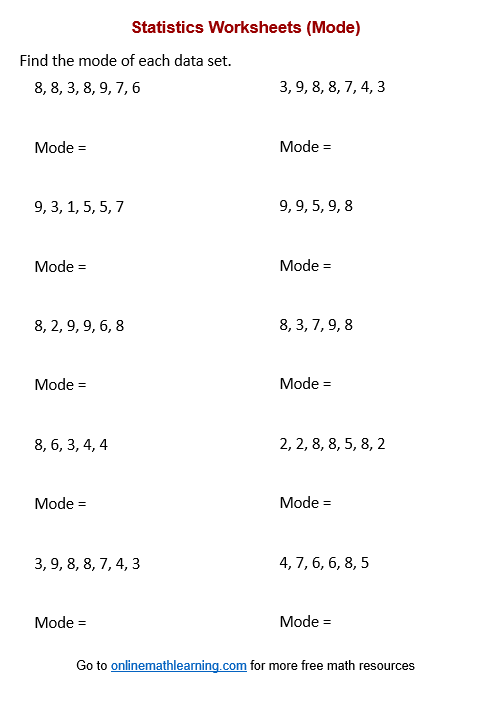
If you want structured practice, printable worksheets can guide this activity with specific survey scenarios and spaces to record answers. Starting with concrete, real-world examples like dessert preferences makes it far easier for second graders to eventually understand mode when they encounter it in more formal math contexts later on.
Try These Printable Worksheets