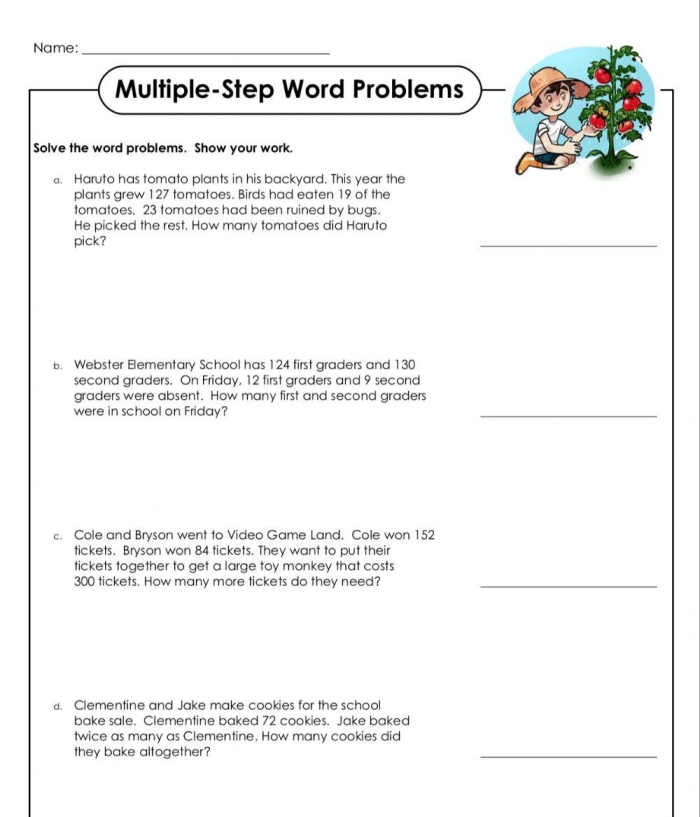
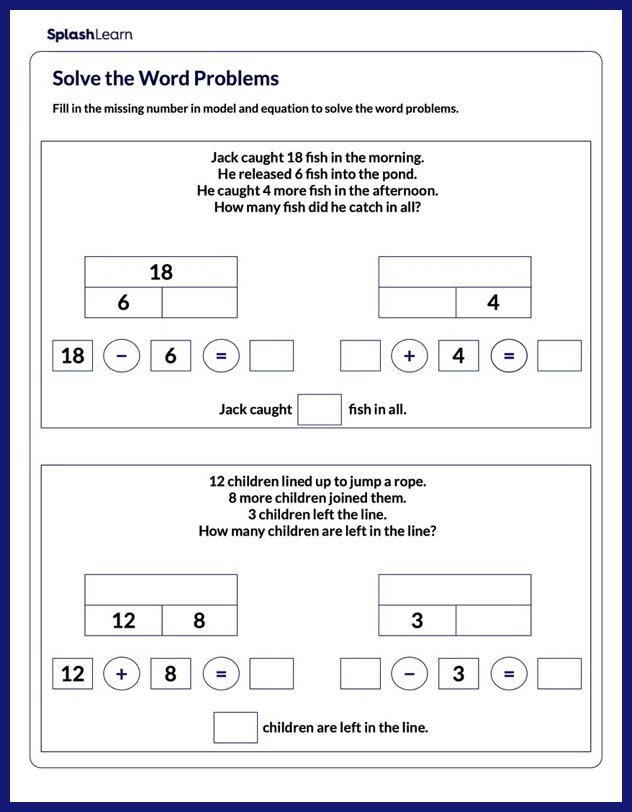
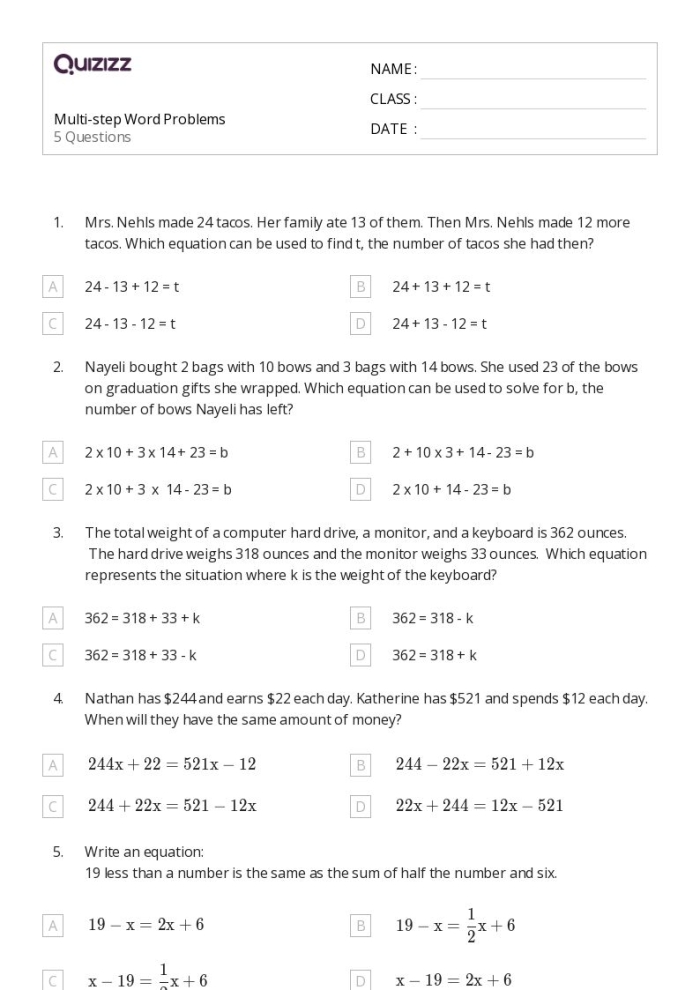
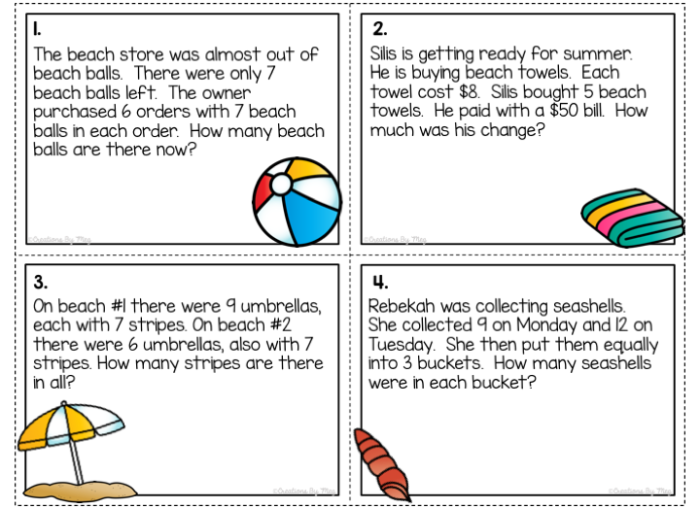
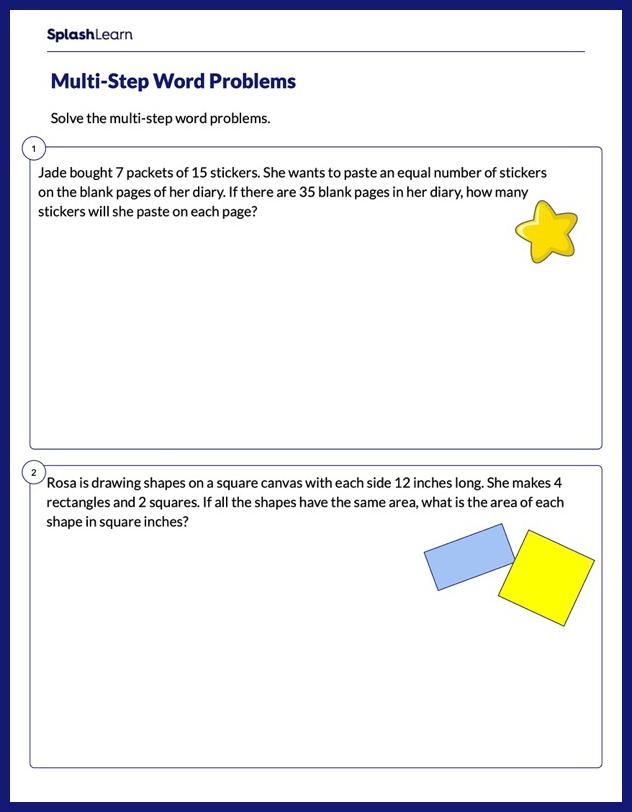
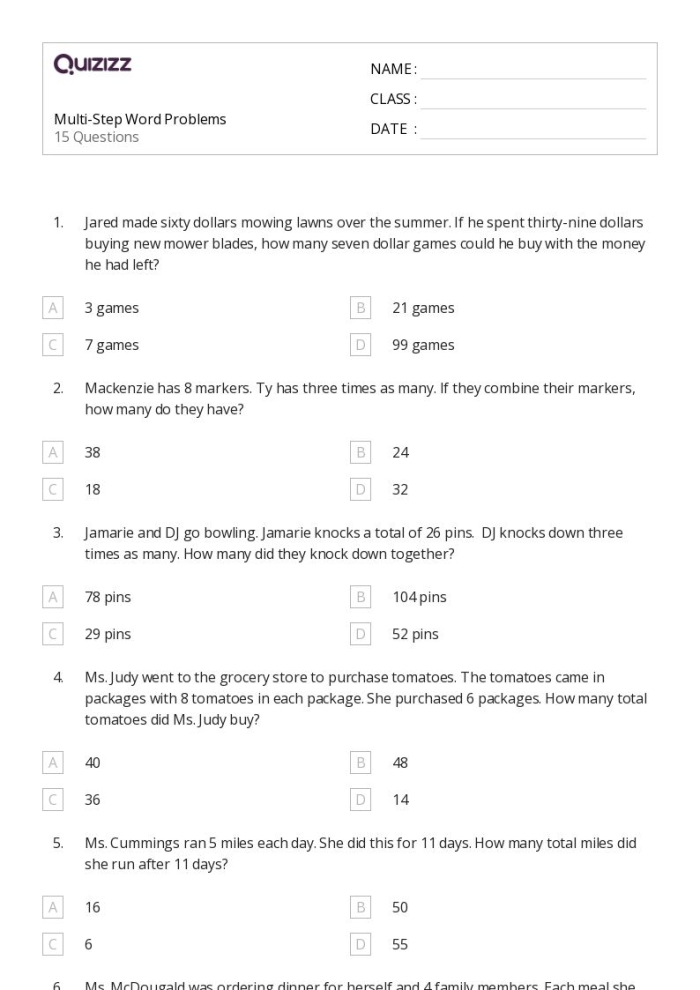
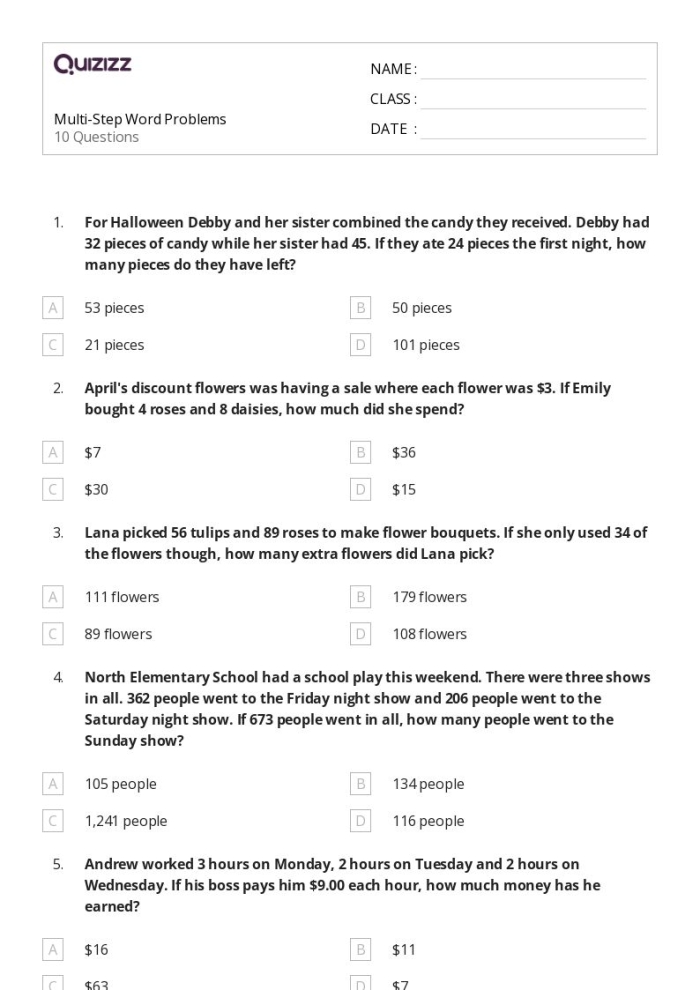
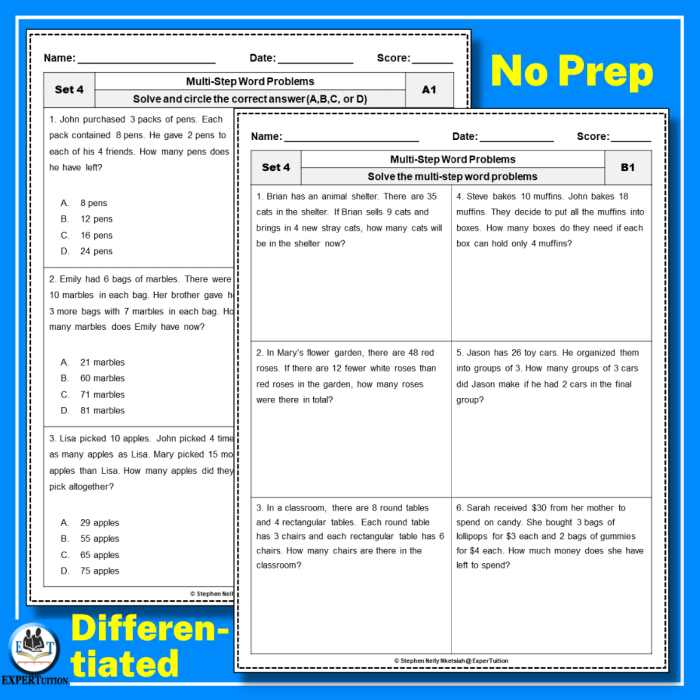
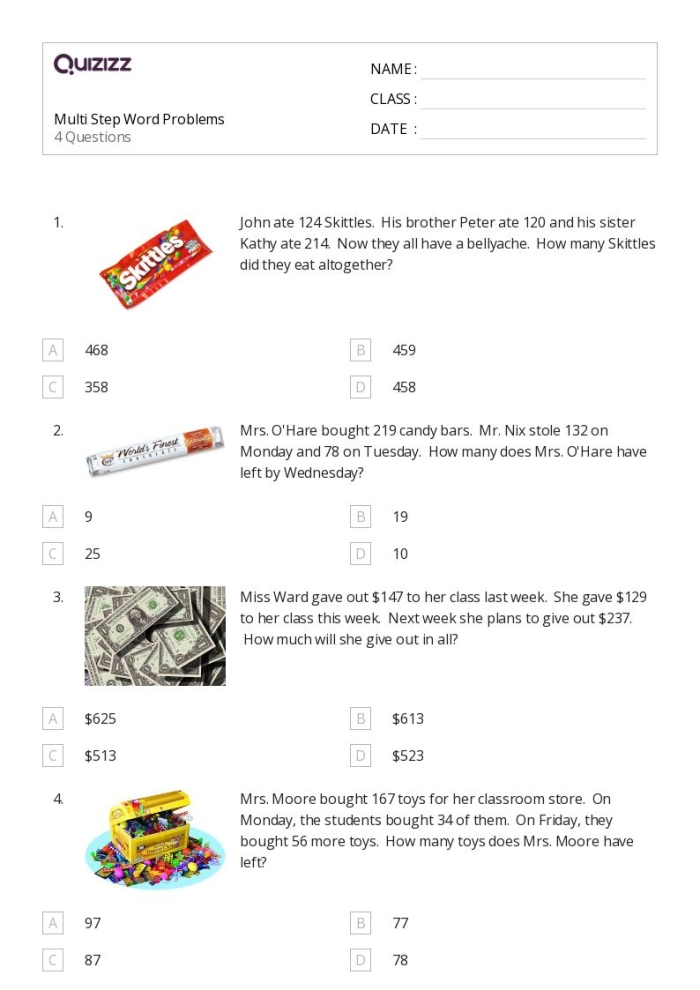
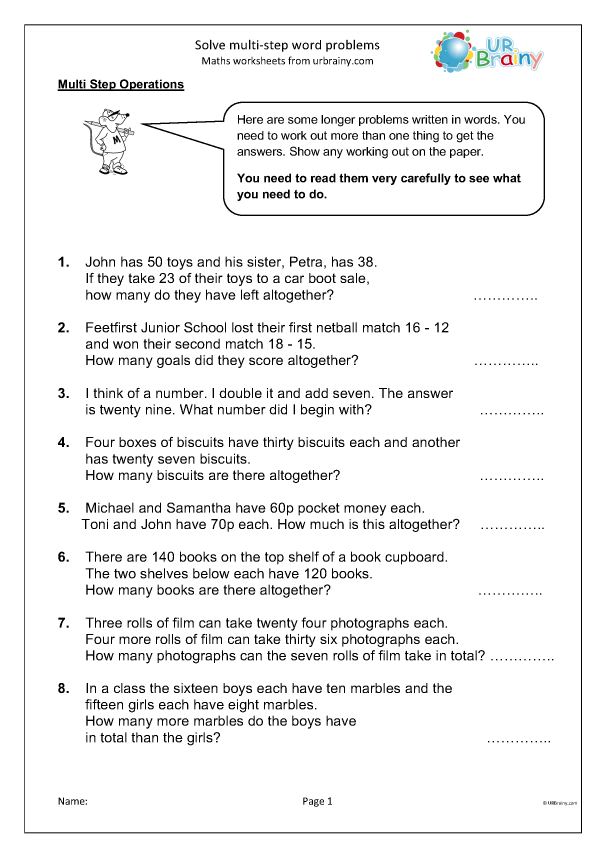
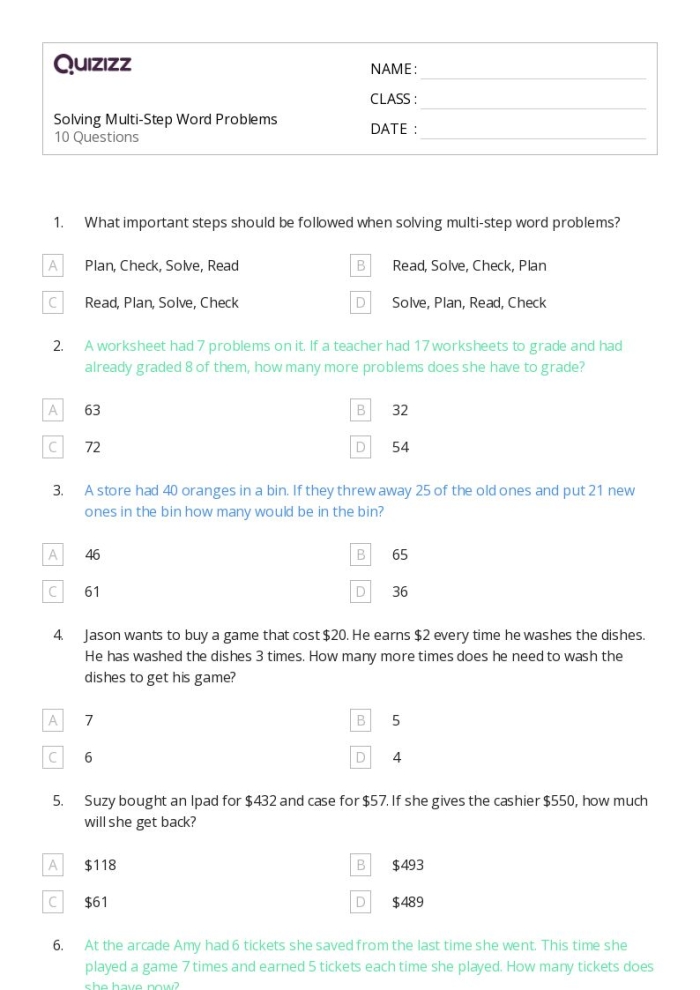
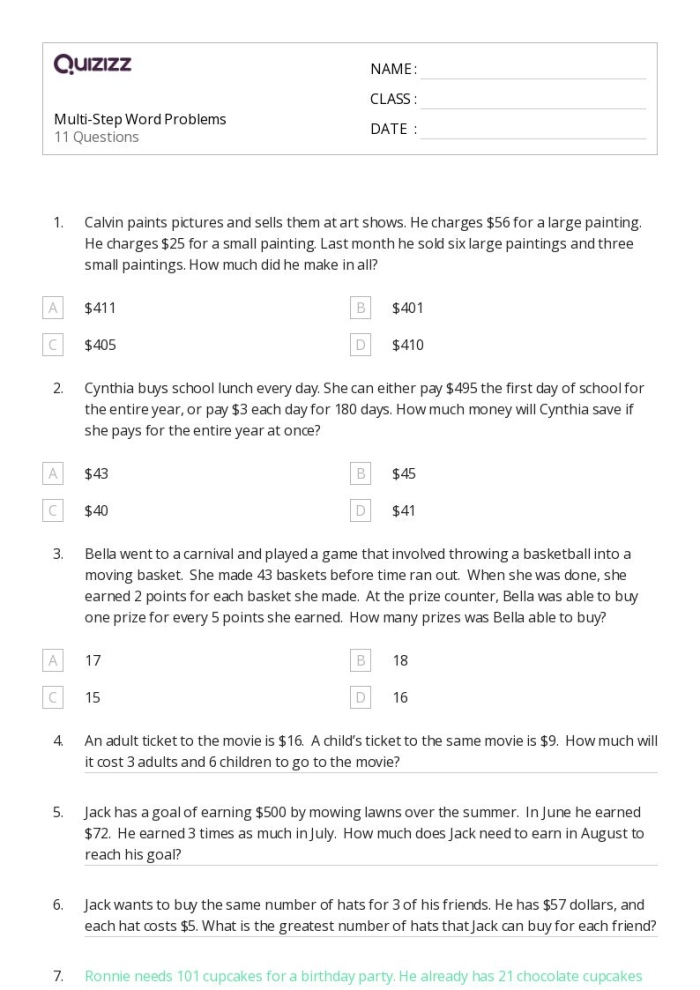
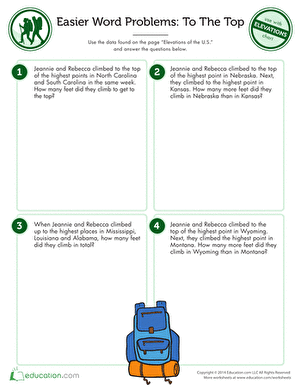
Multi-step word problems give third grade students a chance to practice real math thinking, and the chart-based approach makes solving them feel less overwhelming. Rather than staring at a blank page, students have a visual reference that guides them through the process step by step.
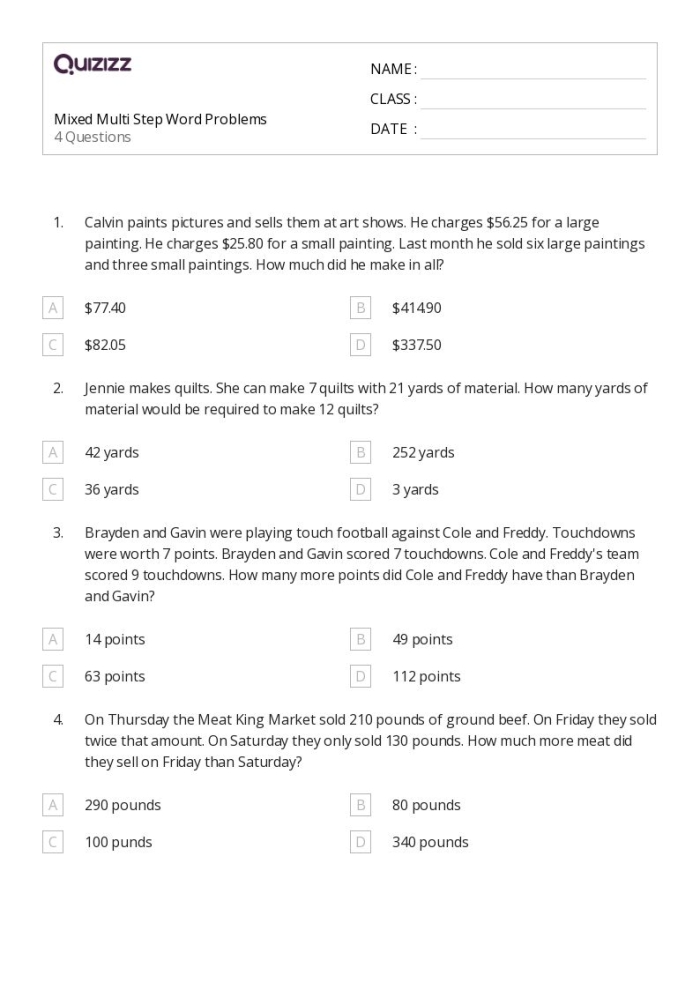
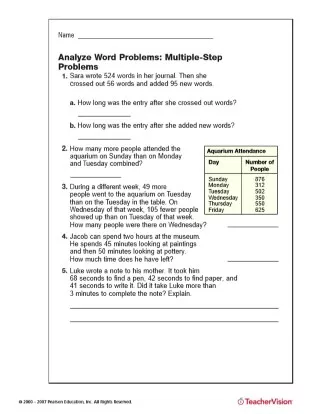
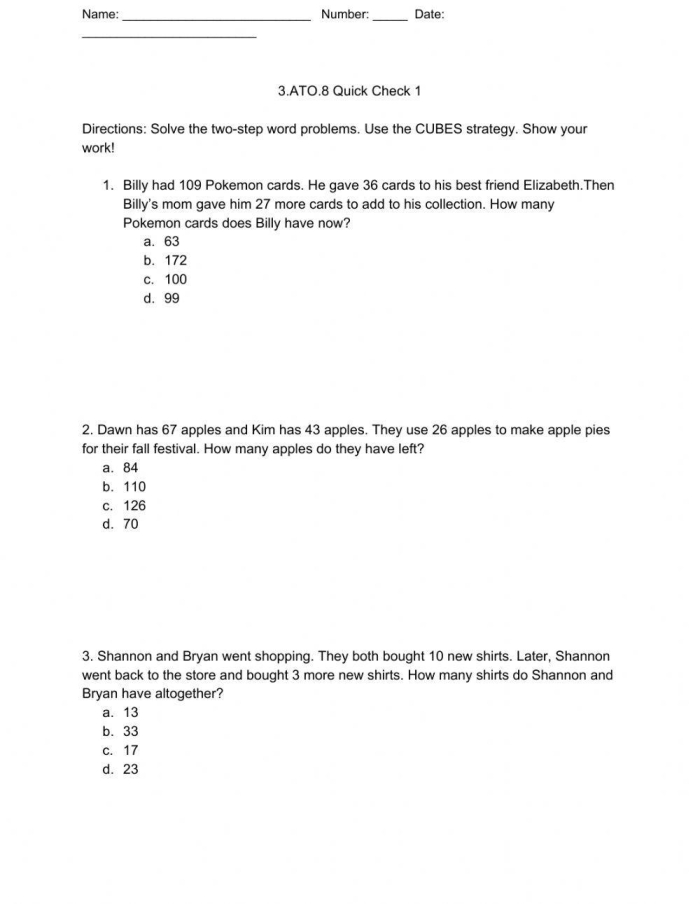
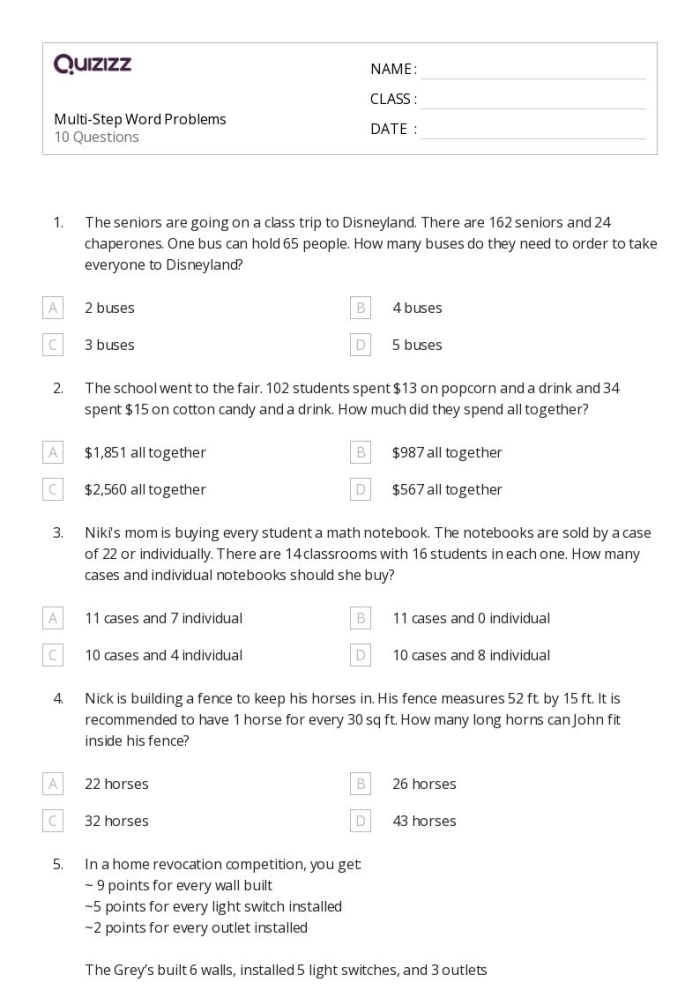
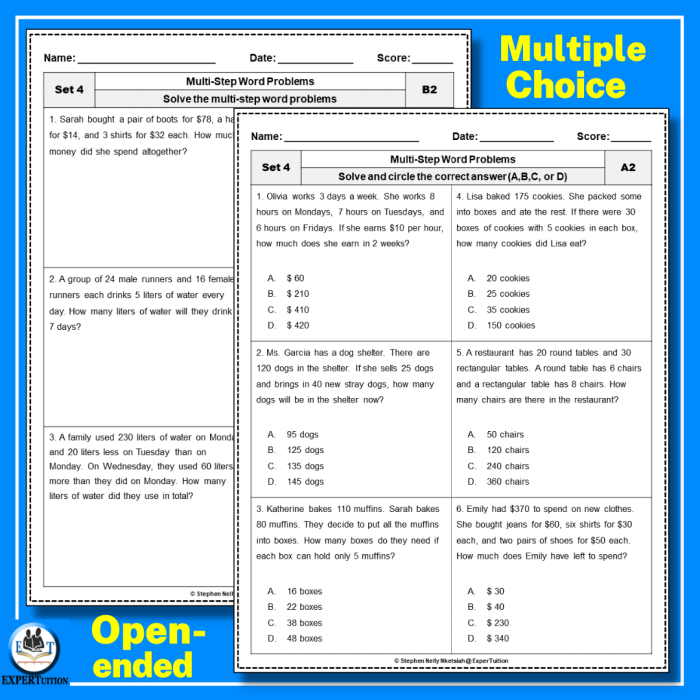
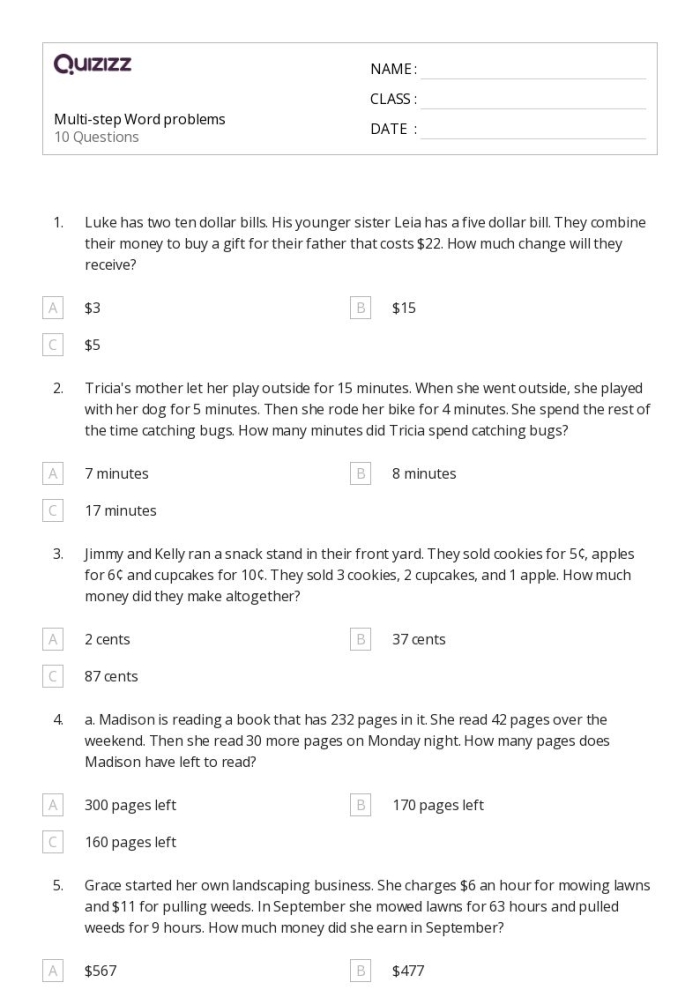
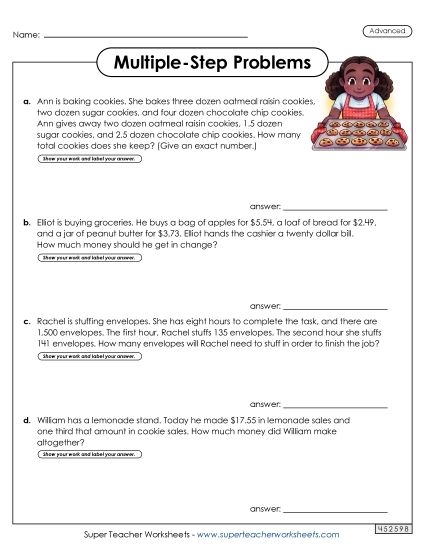
The key to these problems is breaking them down. A typical multi-step word problem in third grade might involve two operations, like adding quantities together and then subtracting what was used. For example, a student might read that there are 15 apples in one basket and 12 in another, then learn that 8 apples were eaten. The chart helps organize this information so students can identify what they know and what they need to find.
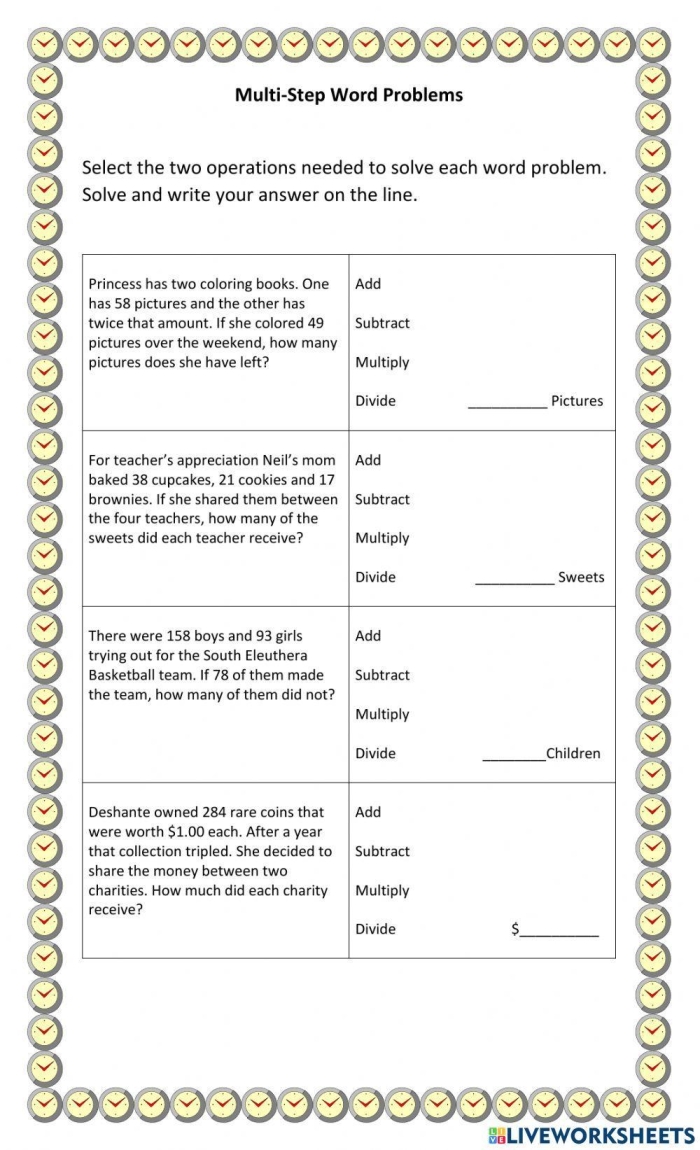
Using a chart transforms how students approach addition and subtraction. Instead of trying to hold all the information in their heads, they write down the numbers, circle the operation needed, and work through each step methodically. This structured method reduces errors and builds confidence. Third grade is when many students transition from single-operation problems to these slightly more complex scenarios, so having a tool that supports this transition matters.
These worksheets connect naturally to other third grade math skills. As students strengthen their abilities with multi-step problems, they’re also developing the foundation for understanding how area calculations work in real contexts. Some students find that similar chart-based strategies help when they tackle division challenges later on.
The life science angle appears when problems involve real scenarios: counting animals, measuring plant growth, or tracking resources. This grounds abstract math in something students recognize from their world. When a problem asks how many more insects were spotted on Monday than Tuesday, students see math as a tool for understanding their environment rather than just numbers on a page.
Use These Worksheets Today