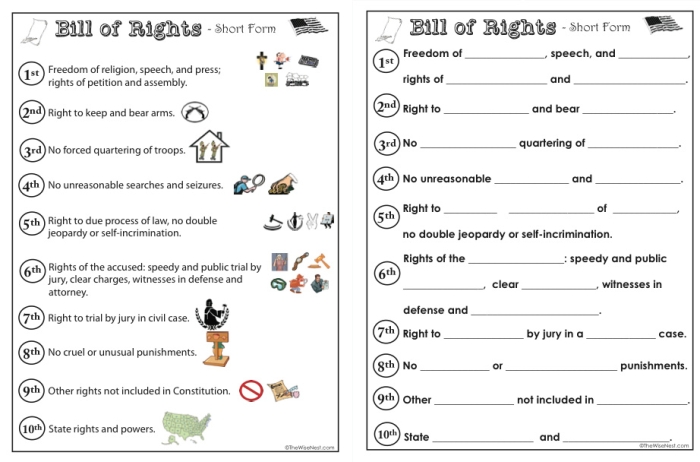
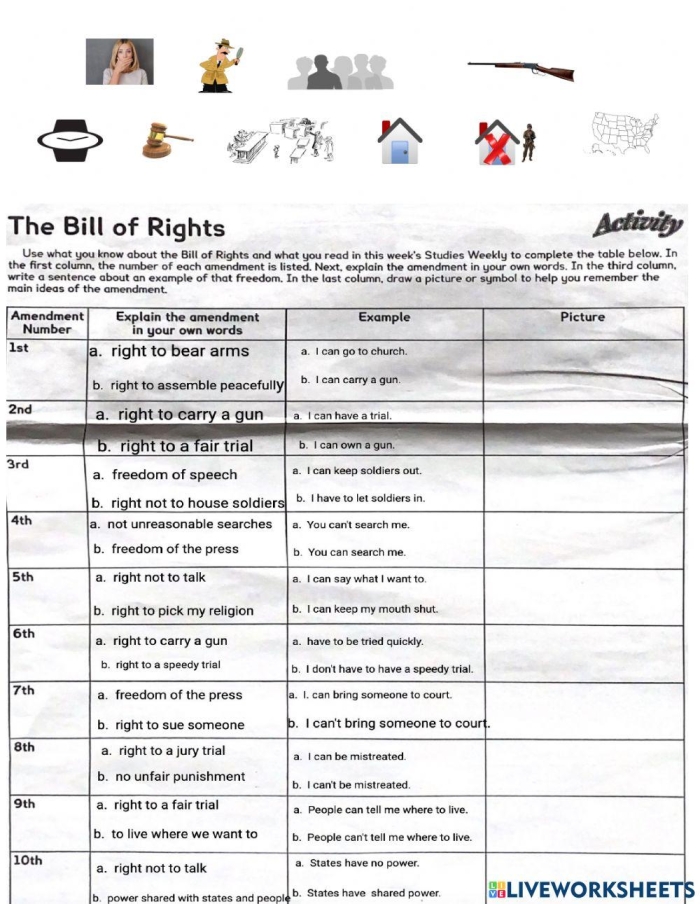
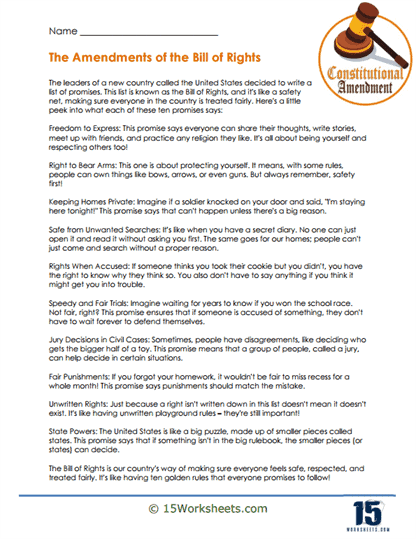
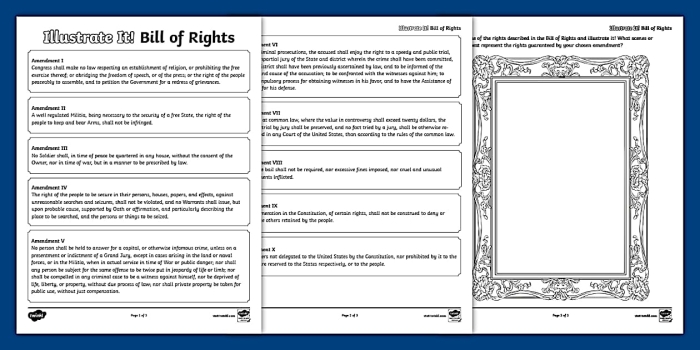
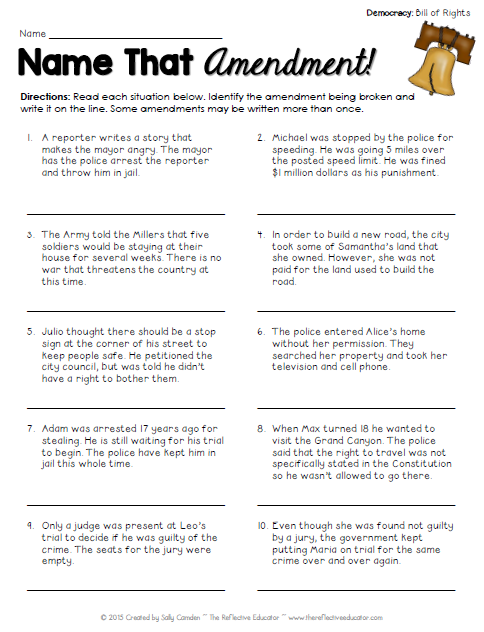
Drawing the Bill of Rights transforms abstract constitutional language into something fourth graders can actually understand and remember. When students illustrate the first ten amendments, they’re forced to think about what each one really means instead of just memorizing words.
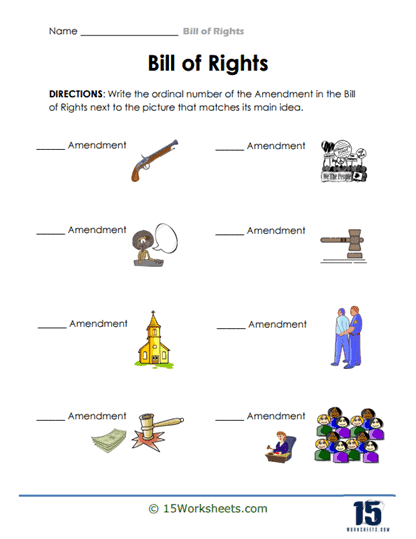
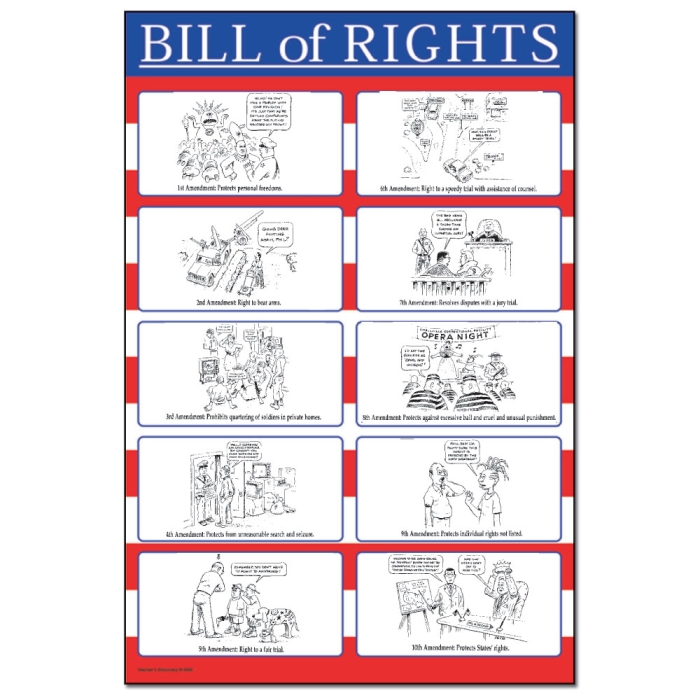
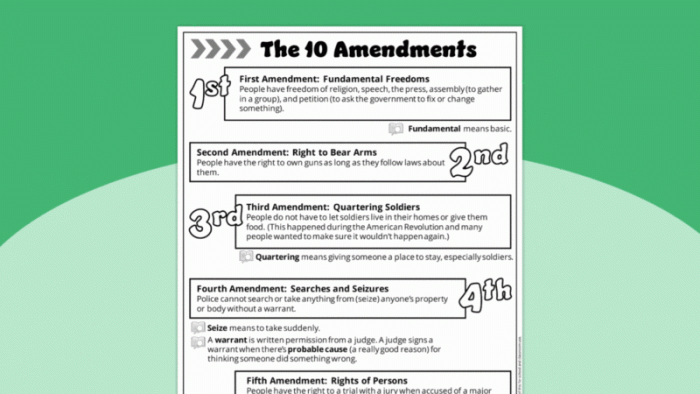
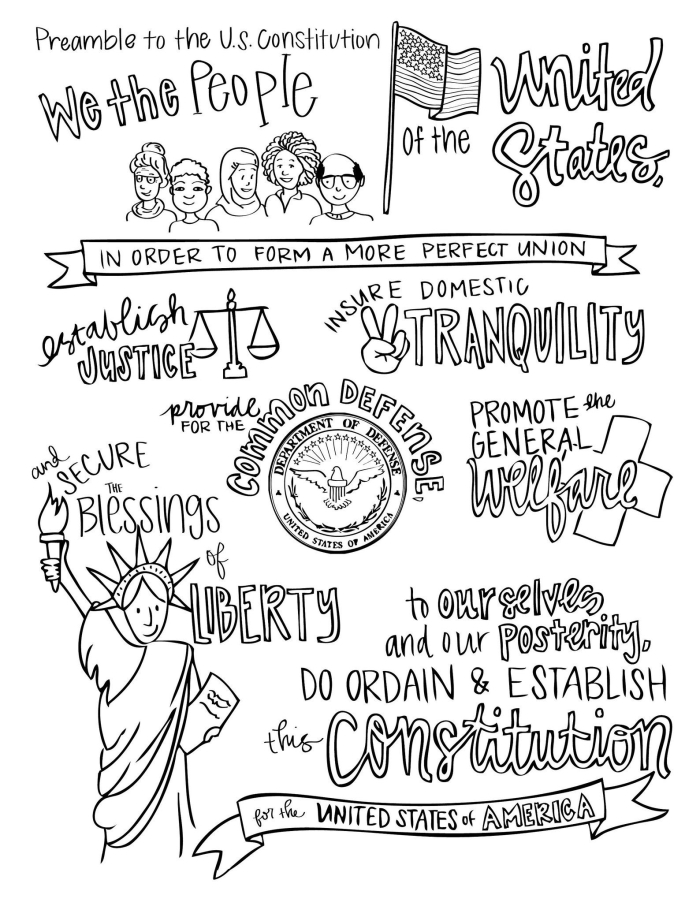
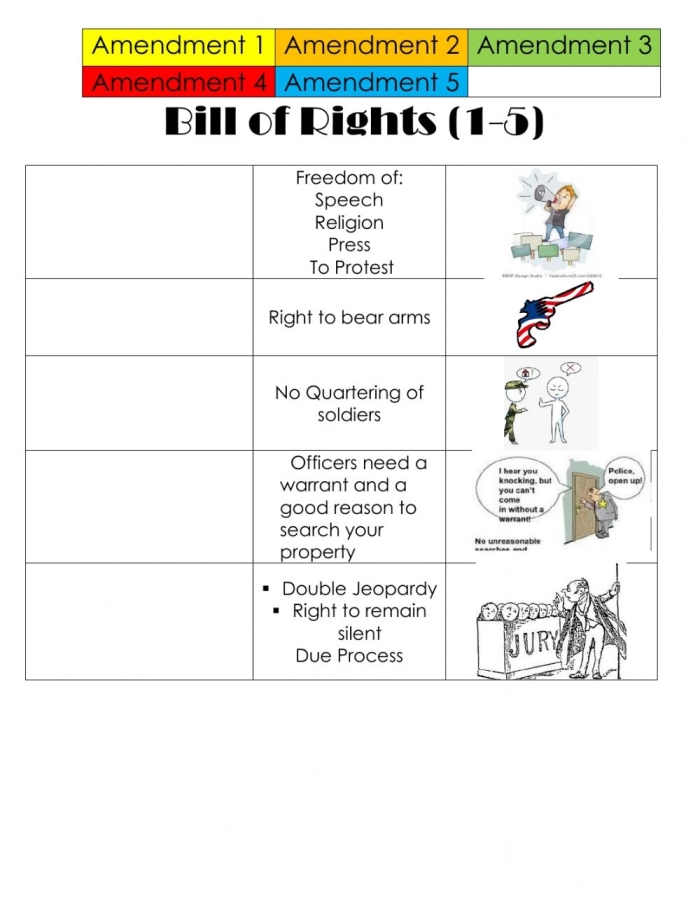
The visual approach works because it requires students to translate legal concepts into concrete images. Freedom of speech becomes a picture of someone speaking at a podium. The right to bear arms might show a militia member with a rifle. By creating these illustrations, fourth graders engage their spatial reasoning and visual thinking skills, the same abilities they use when working through algebra problems that require them to visualize relationships between numbers and quantities.
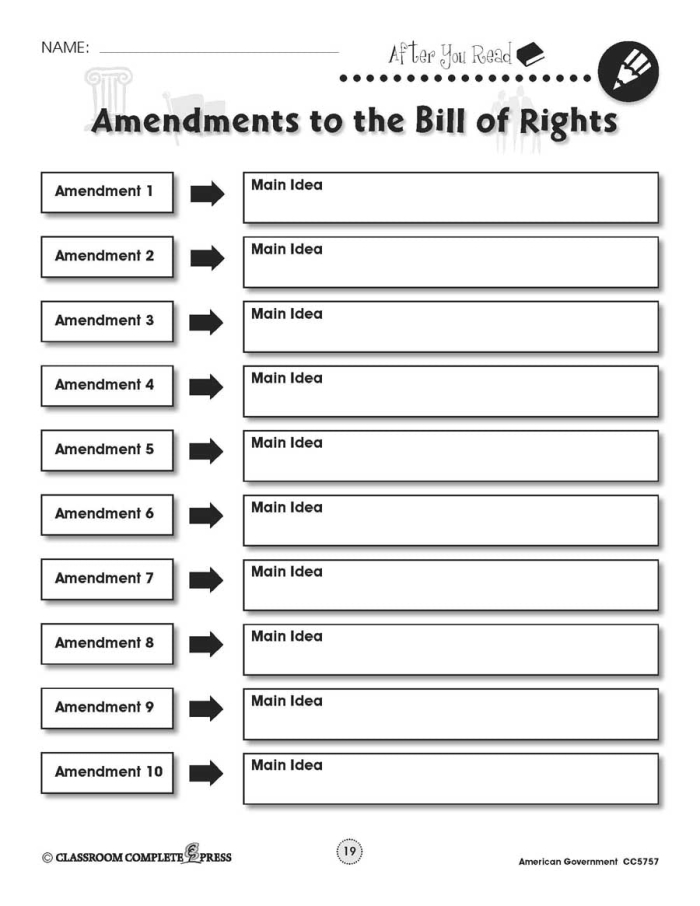
When you ask students to illustrate Amendment One, covering religion, speech, and assembly, they have to decide what matters most and how to show it. This decision-making process deepens their comprehension far more than reading a textbook passage. Similarly, illustrating the Fourth Amendment’s protection against unreasonable searches becomes memorable when a student draws a home with a “no trespassing” sign.
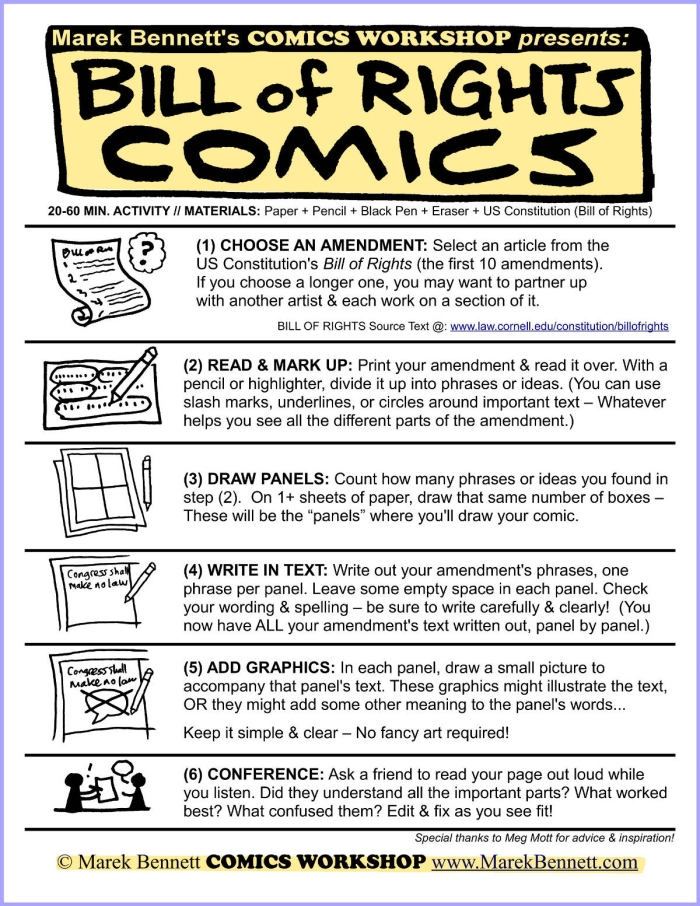
Creating these visual representations also builds classroom engagement. Students can work individually or in pairs, producing posters, comic strips, or detailed drawings. Some might create a series showing all ten amendments in sequence, turning the project into a cohesive story about American rights.
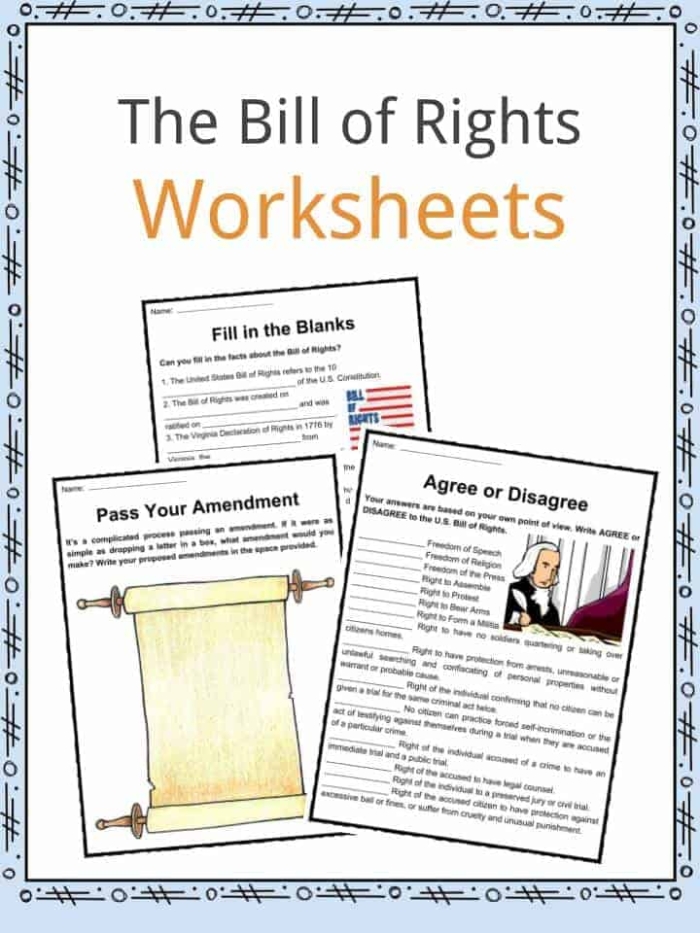
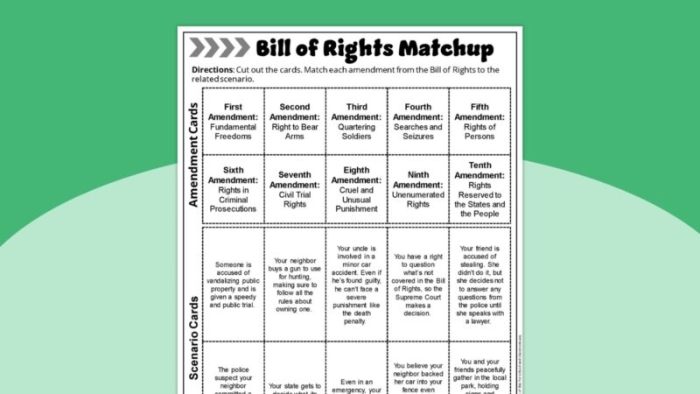
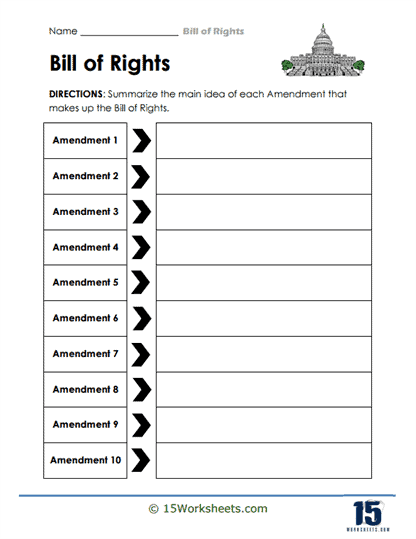
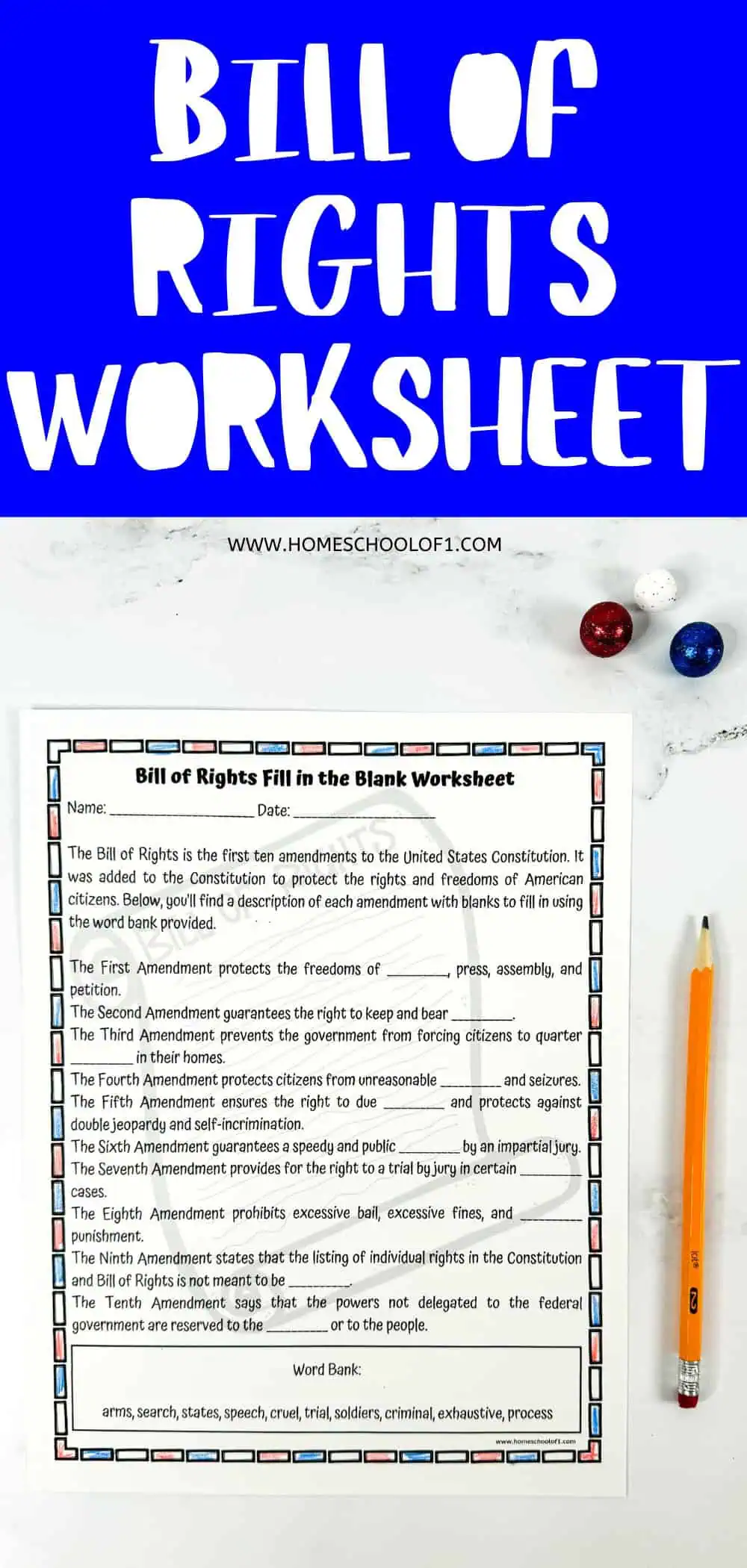
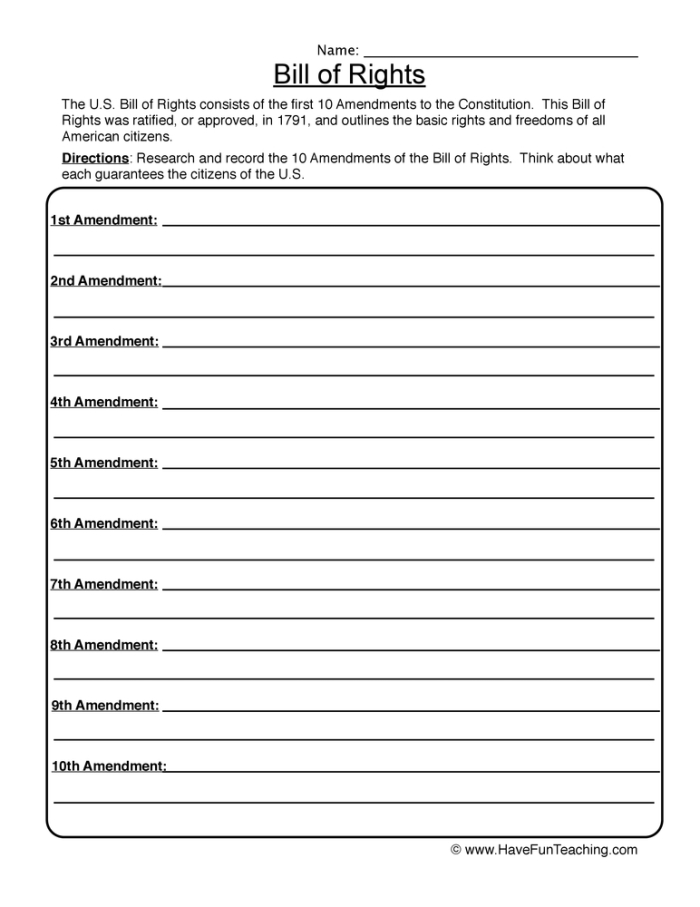
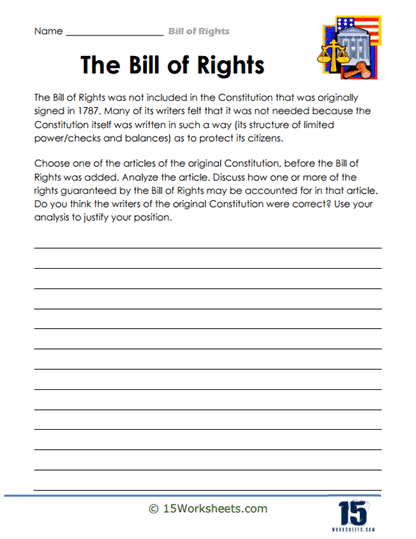
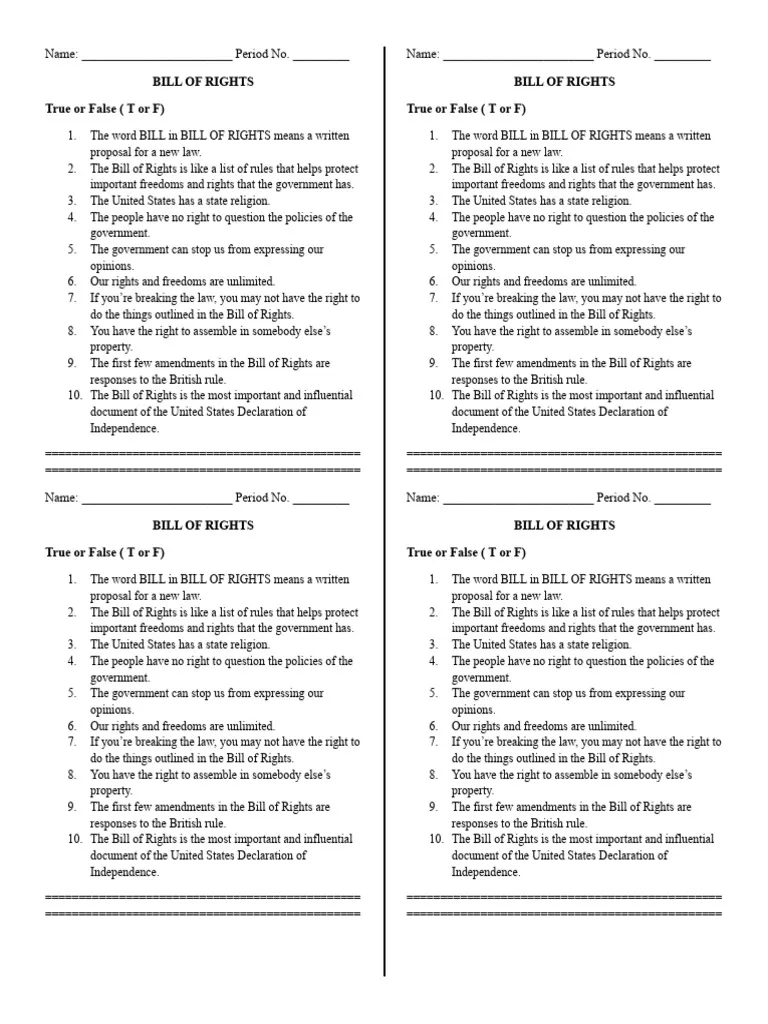
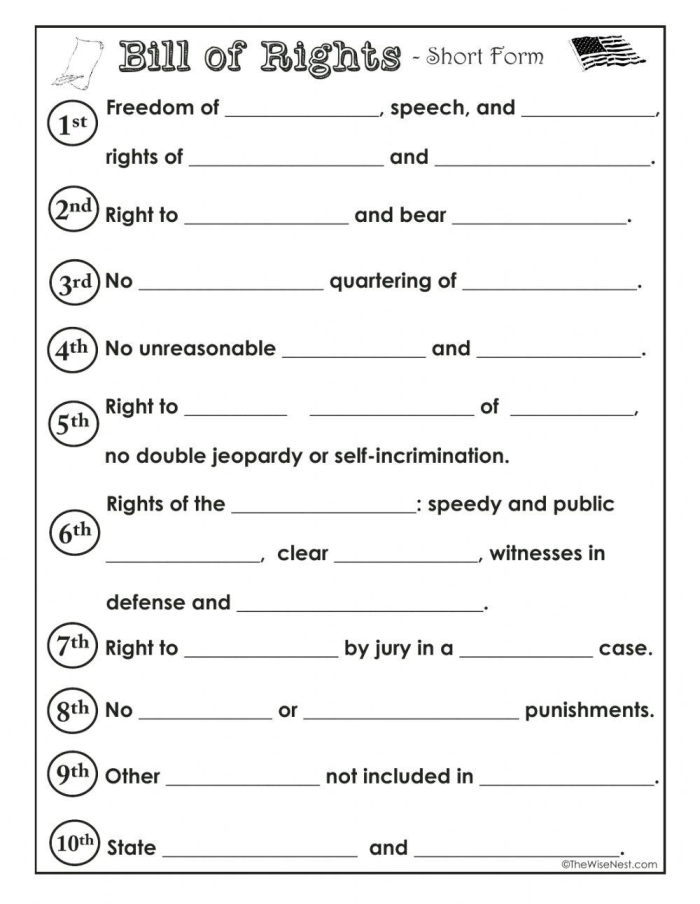
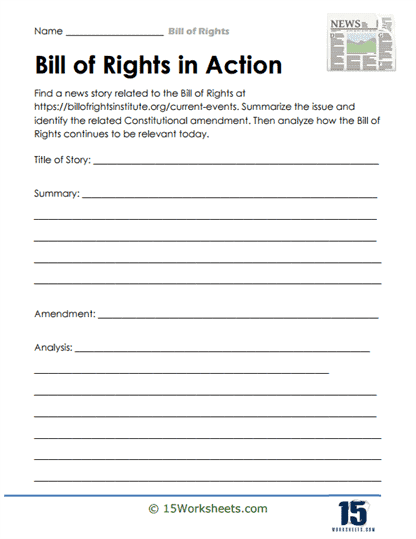
The beauty of this approach lies in its flexibility. You can incorporate it with other learning activities, such as having students practice conjunctions when they write captions for their illustrations, or use worksheets that combine visual learning with writing exercises. This multi-sensory method ensures the Bill of Rights becomes part of how fourth graders understand their country, not just something they study for a test.
Practice with These Worksheets