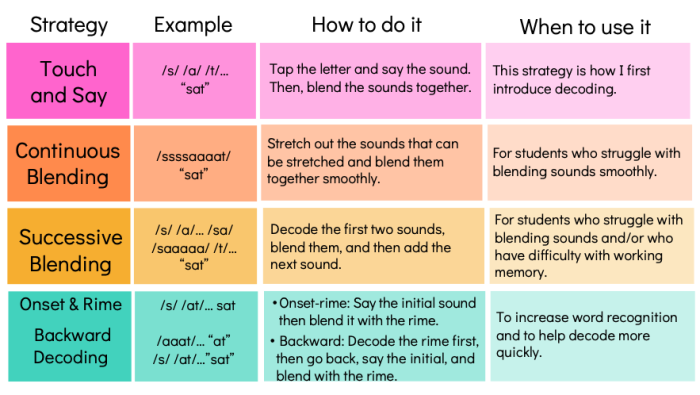
When third grade students encounter an unfamiliar word while reading, they need a strategy to figure it out on their own. Decoding is that strategy, and it’s what separates struggling readers from fluent ones. Good readers decode words as they read, giving them an ability to read fluently without constantly stopping to ask for help or look up definitions.
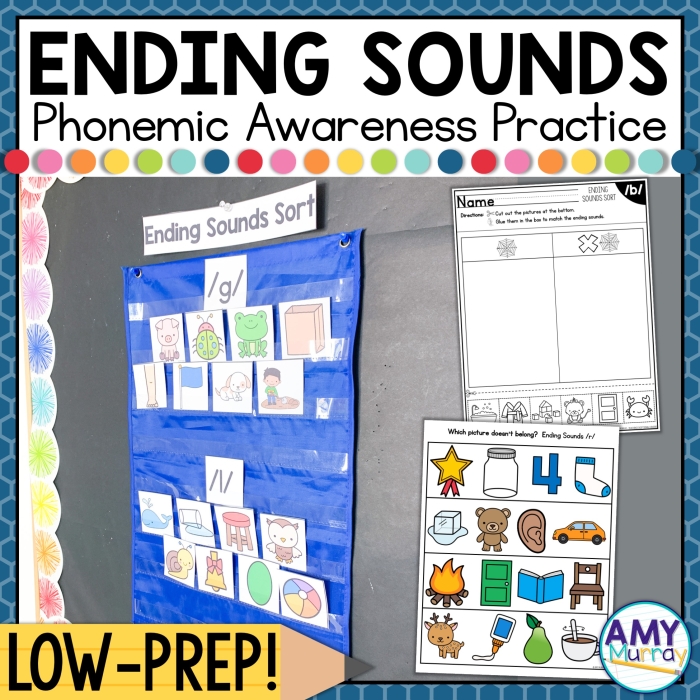
Decoding doesn’t mean sounding out every single letter. Instead, it’s about recognizing patterns and using context clues to unlock meaning. The most reliable pattern for beginning readers is focusing on the beginning and end sounds in a word. A student who knows that “c” makes a hard sound and that “t” is a common ending can tackle words like “cat,” “cut,” and “cart” with confidence, even if they’ve never seen them before.
Why does this matter? When students spend mental energy struggling to decode each word, they can’t focus on comprehension. They’re so busy figuring out “what does this word say” that they miss “what is this story about.” Once decoding becomes automatic, reading becomes enjoyable. Students can move through text smoothly and actually engage with the content.
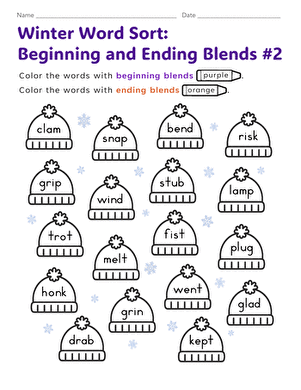
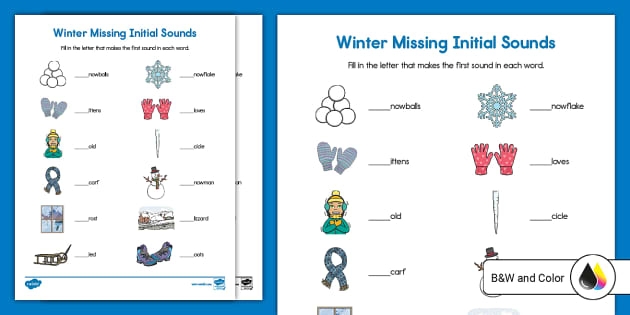
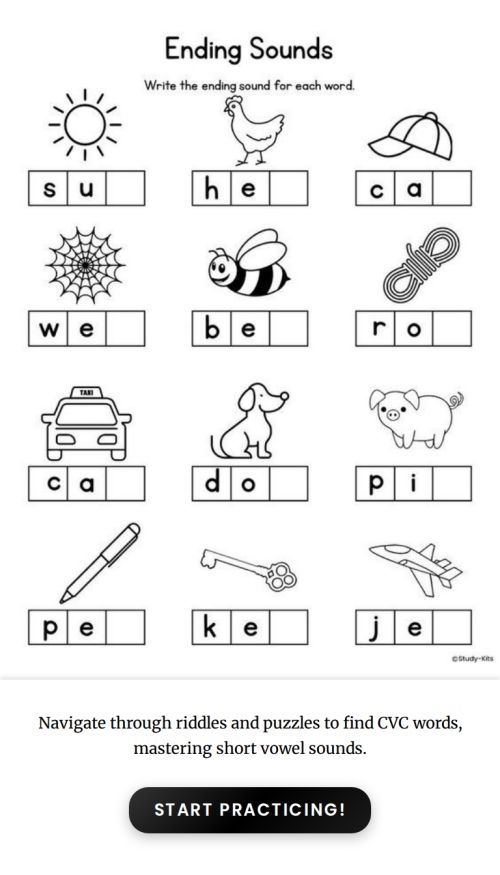
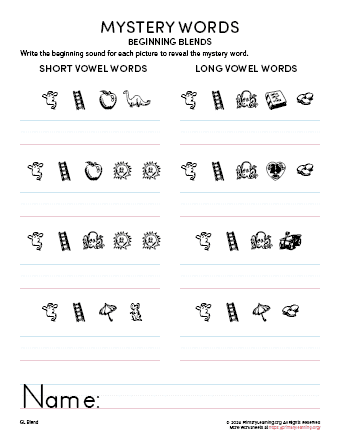
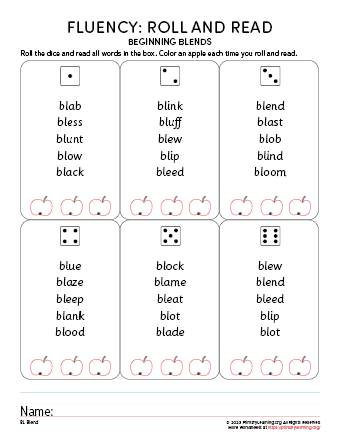
In the classroom, practicing decoding with beginning and end sounds works best through targeted exercises. You might show students a word like “blend” and ask them to identify the “bl” at the start and the “nd” at the end. From there, they can piece together the whole word. This approach builds confidence because students see that they can break complex words into manageable chunks.
Pairing decoding practice with other reading skills strengthens overall literacy. When students work on sentence combining practice, they see how decoded words fit into larger structures. Similarly, exploring nonfiction text features gives them real reasons to decode—they’re reading for information, not just for the exercise itself.
Third grade is the ideal time to solidify these decoding habits. Students are moving beyond simple readers and encountering more complex texts. With consistent practice focusing on beginning and end sounds, they develop the independence to tackle new words and the fluency to enjoy reading.
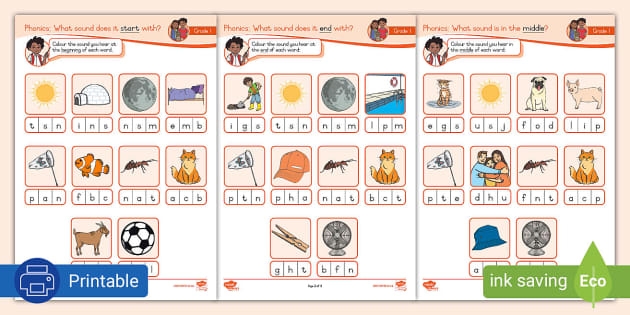
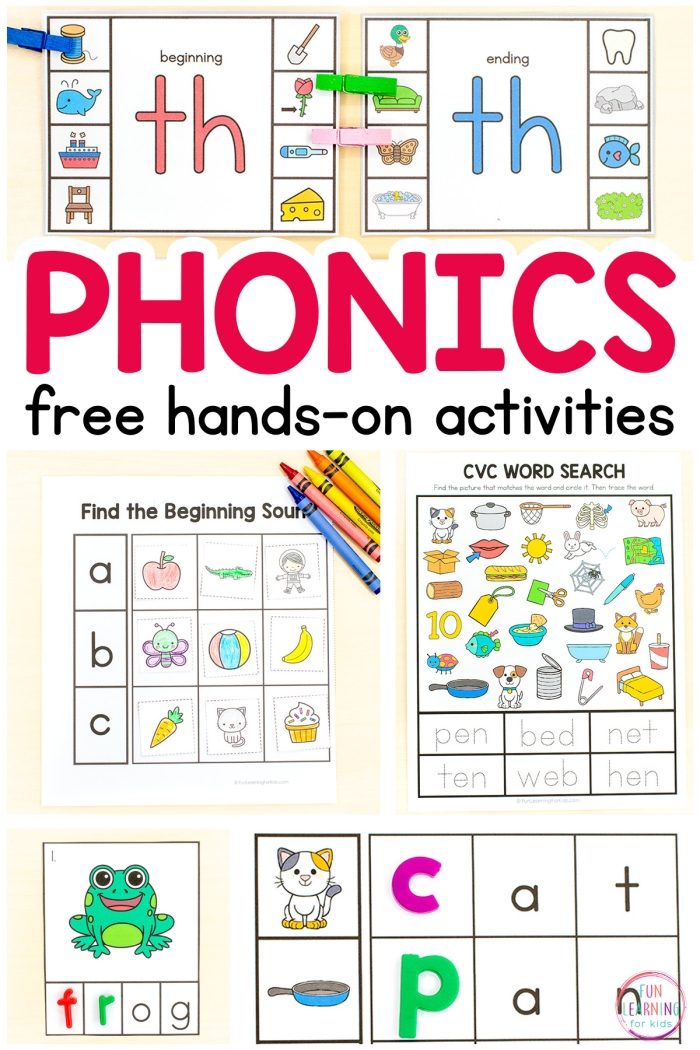
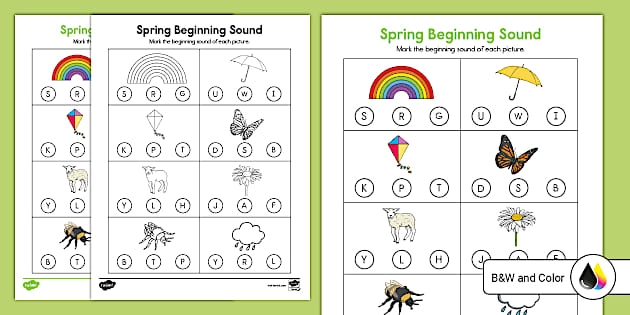
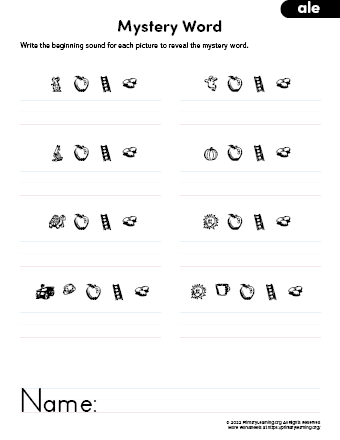
Printable Worksheets for Practice