Reading nonfiction text about extreme weather teaches third grade students how real information is organized and presented. When children encounter a passage about hurricanes, tornadoes, or blizzards, they’re not just learning facts. They’re discovering how authors use specific tools to make information clear and easy to find.
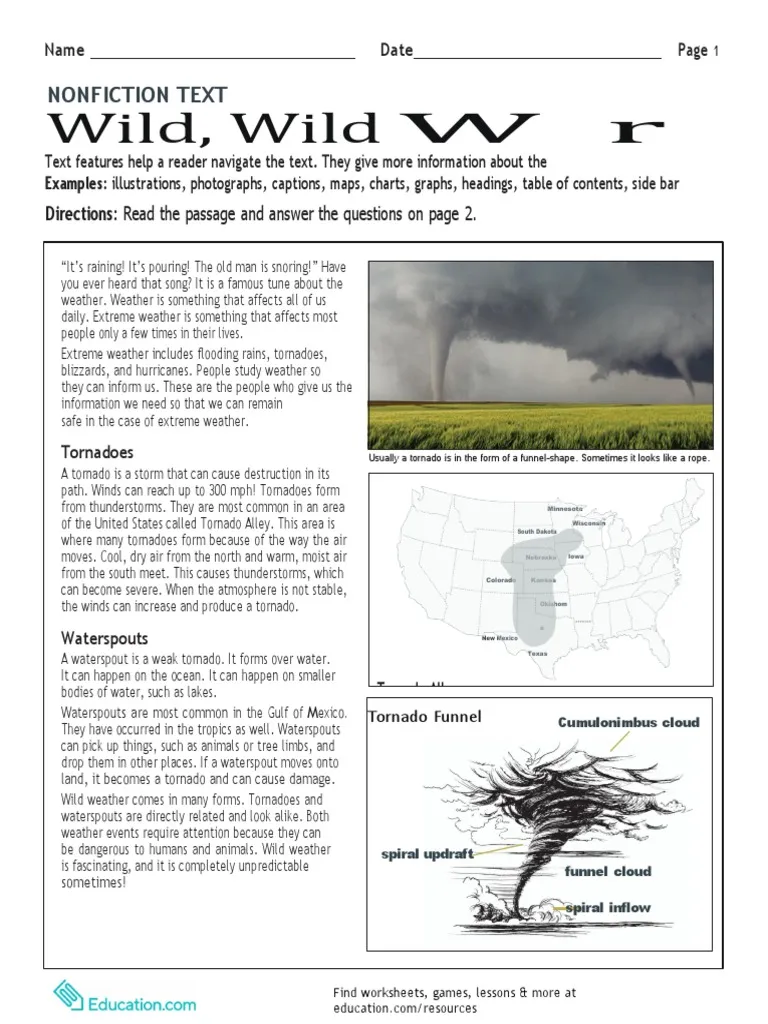
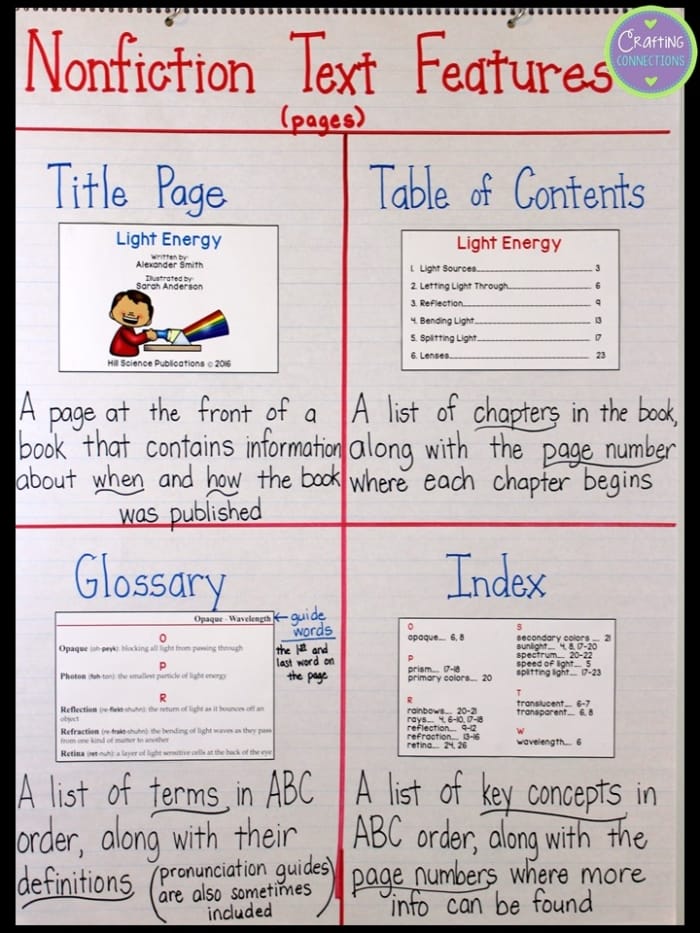
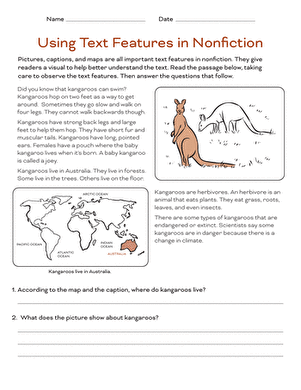
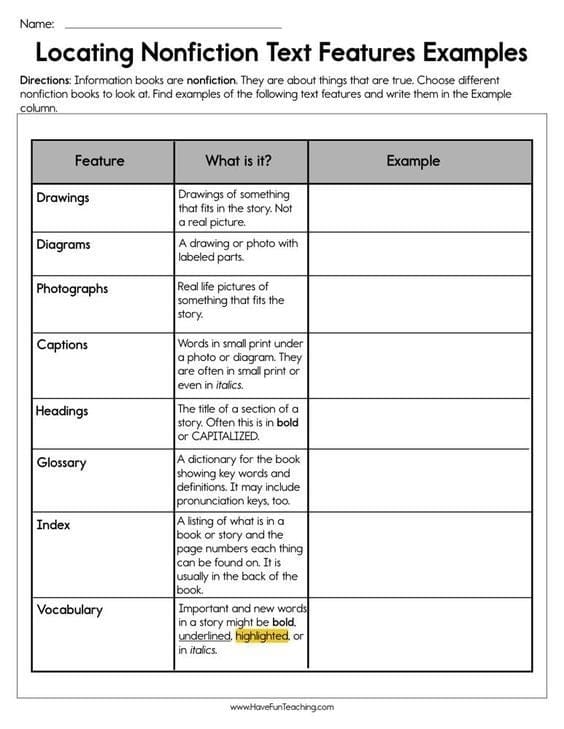
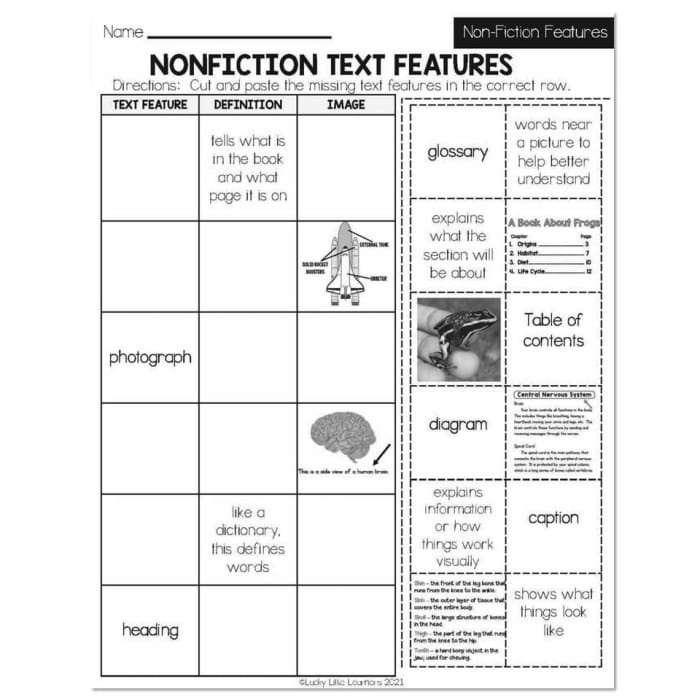
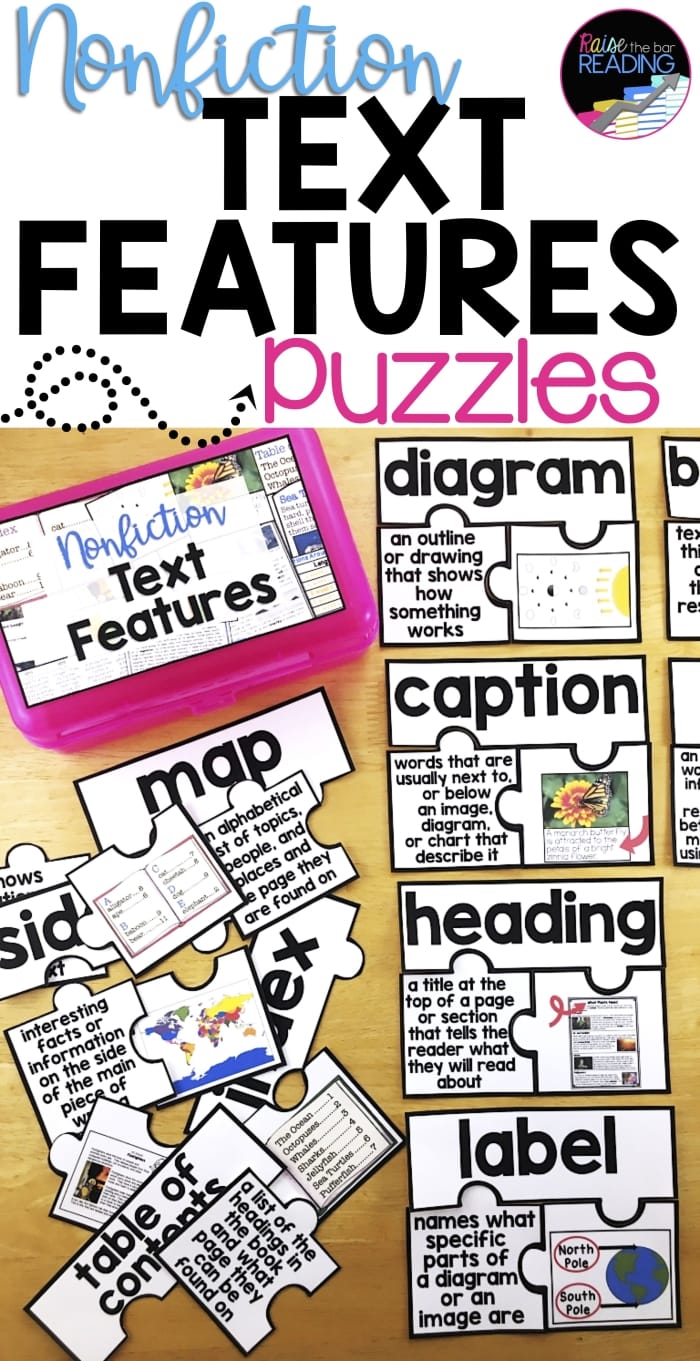
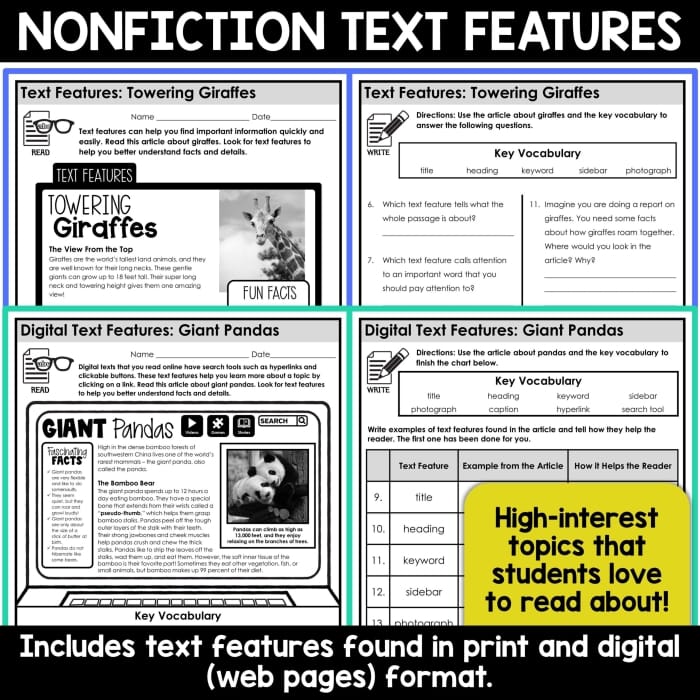
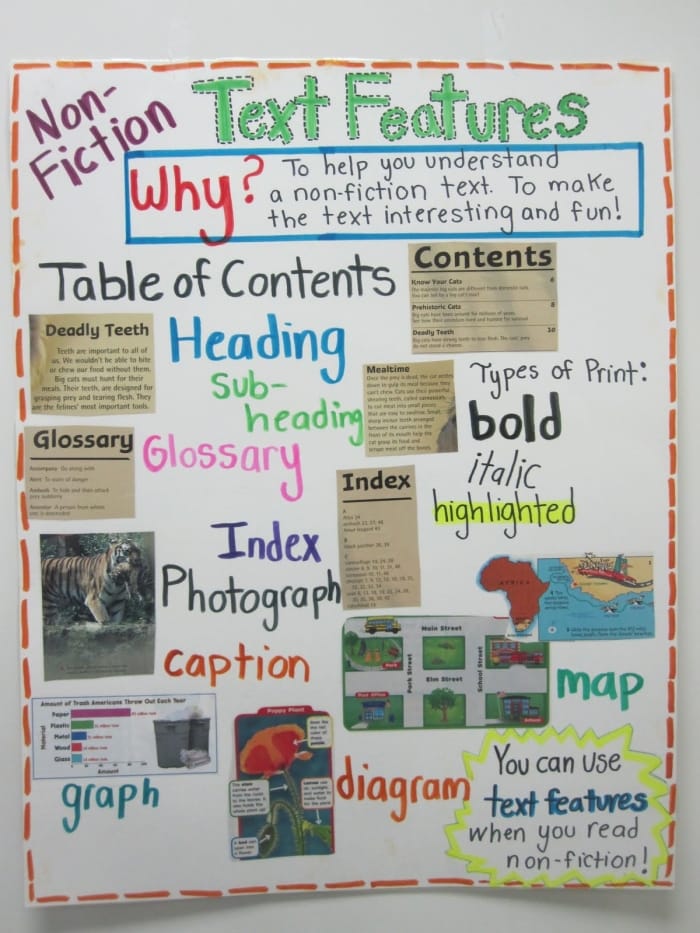
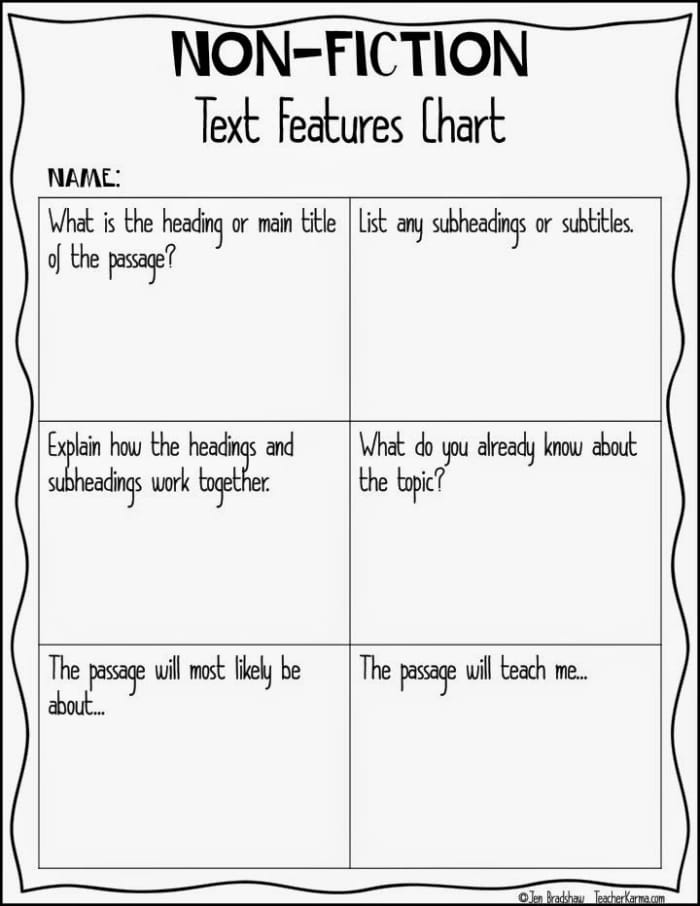
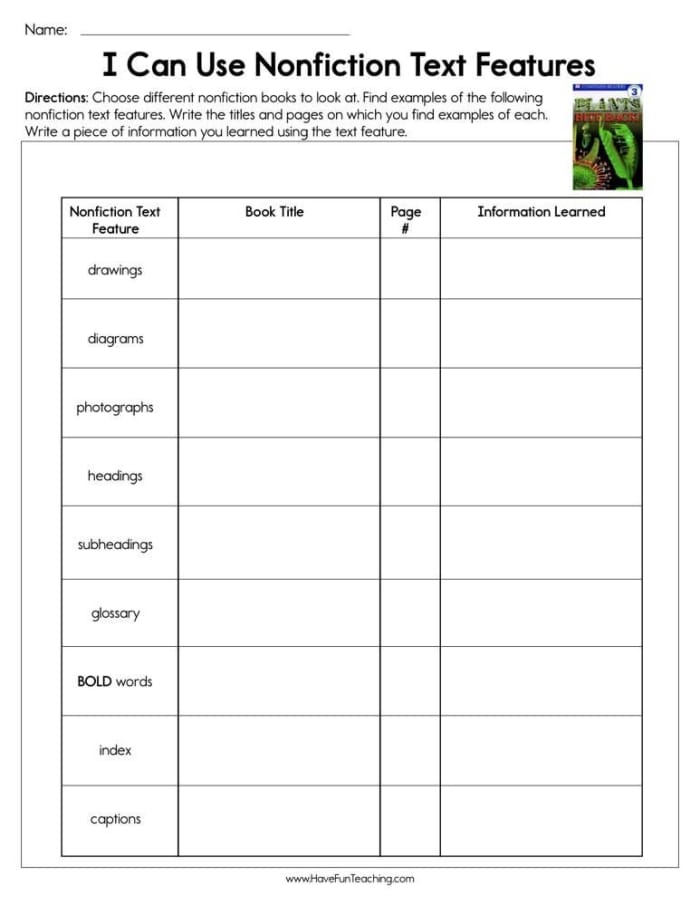
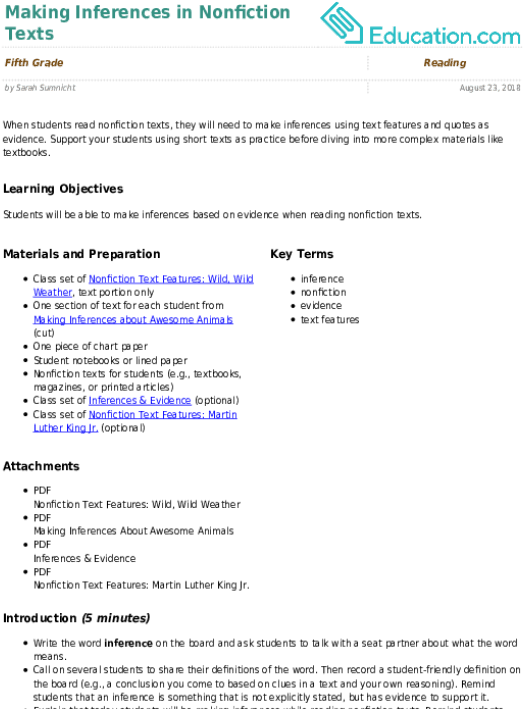
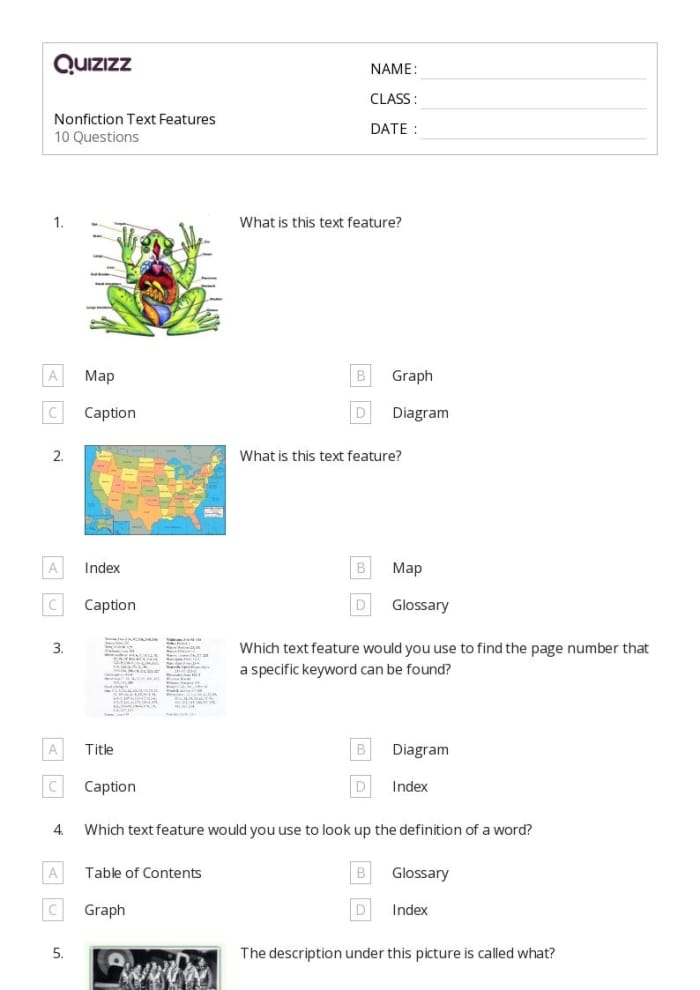
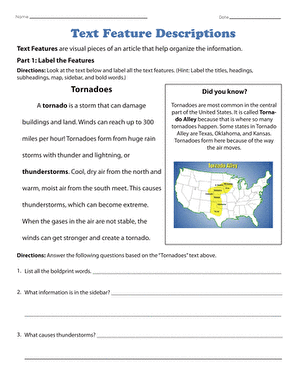
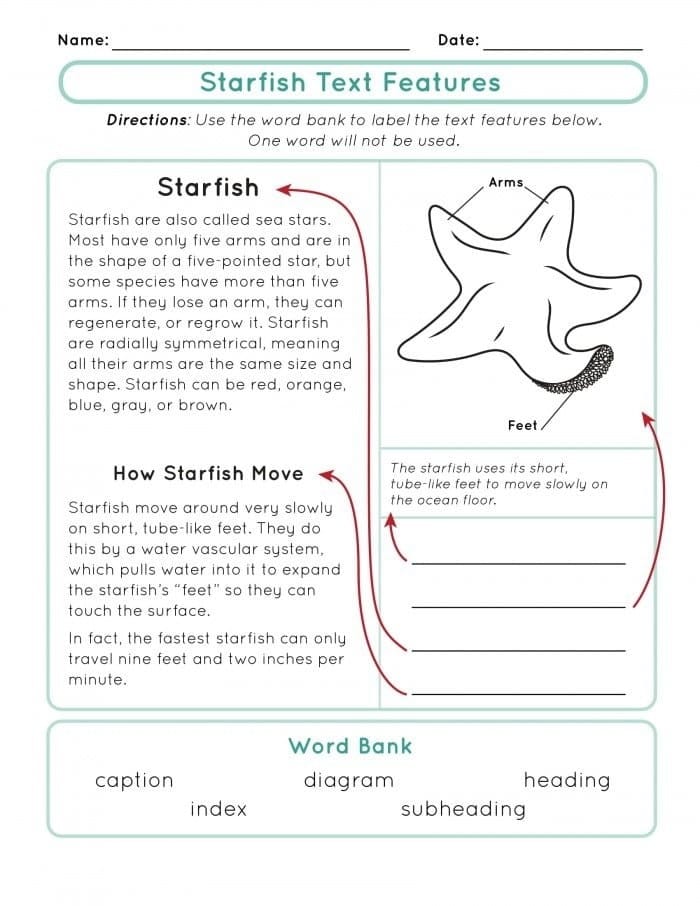
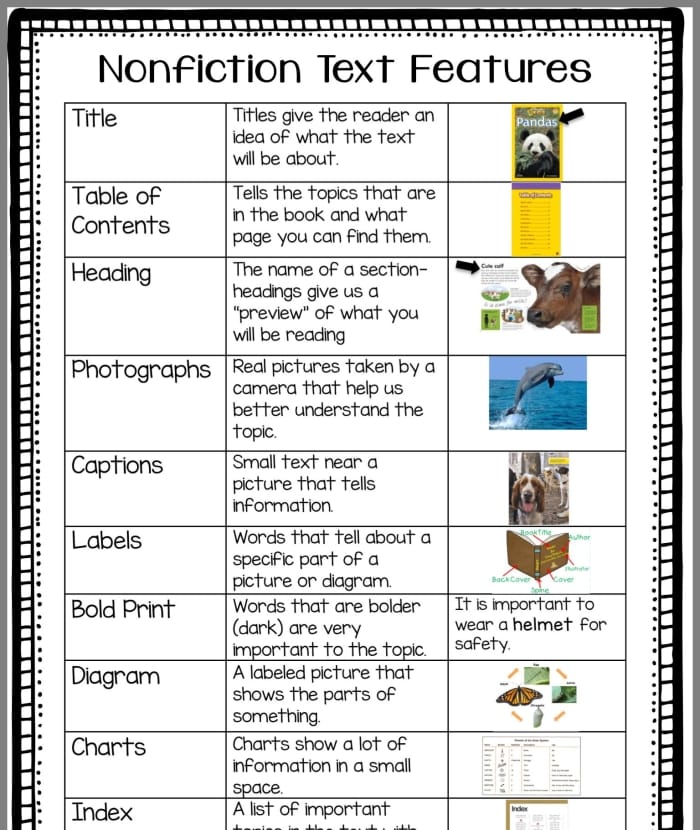
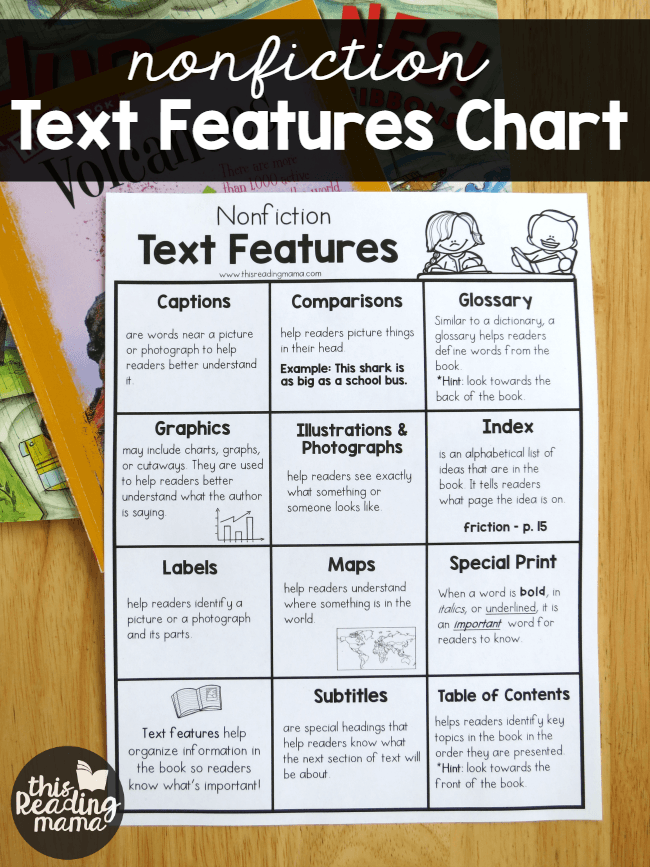
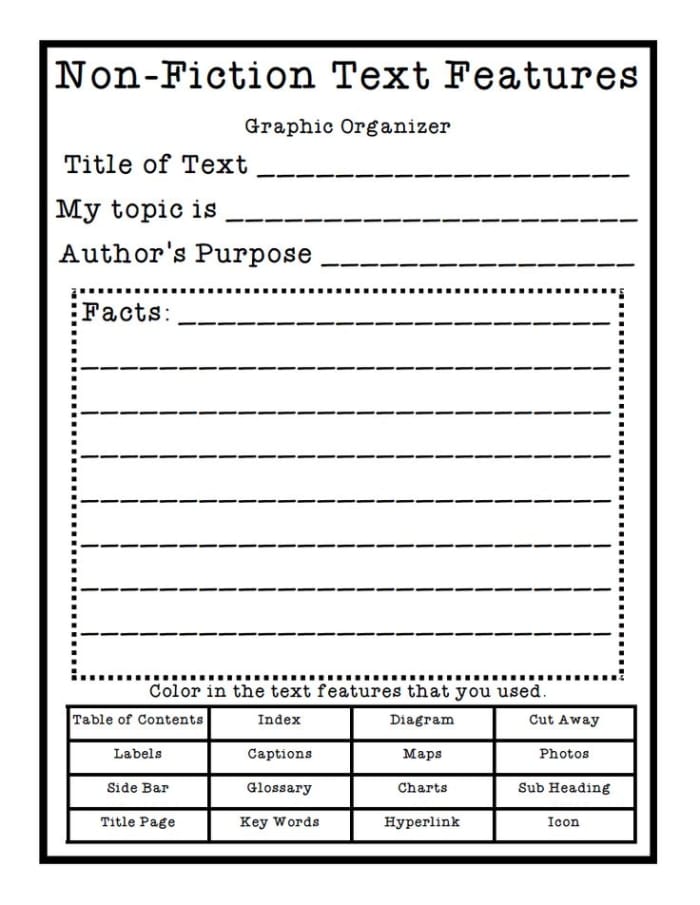
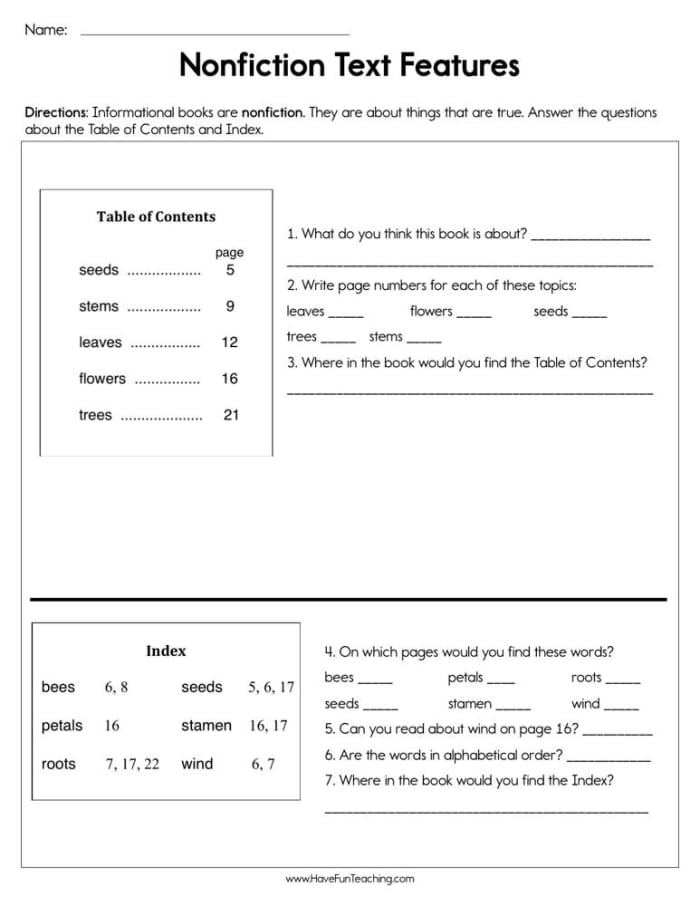
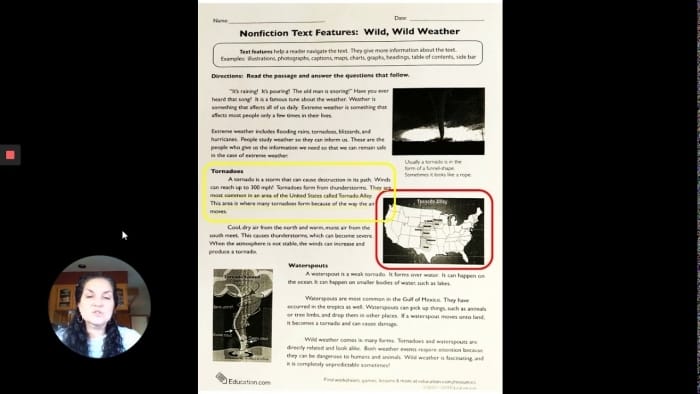
Nonfiction text features are the building blocks that help readers navigate factual content. Headings break up information into manageable sections. Captions explain what photographs show. Bolded words highlight important vocabulary. Diagrams and charts display data in visual form. When third grade readers practice identifying these features in a passage about extreme weather, they develop skills that transfer across all nonfiction reading.
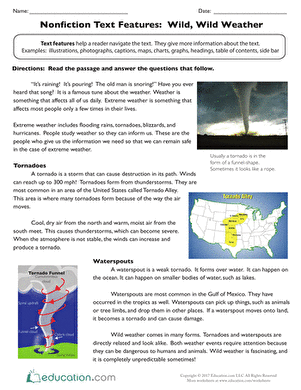
A typical extreme weather passage might include a heading like “How Tornadoes Form” followed by numbered steps or a diagram showing wind patterns. Students learn to use the heading as a roadmap, knowing exactly what that section will teach them. They discover that a photograph of a hurricane’s eye, paired with a caption explaining it, provides information that words alone cannot convey as effectively.
This practice builds reading independence. Third graders who understand how to locate information using text features become confident researchers. They can flip through a page, spot a bolded term, and understand its importance without needing an adult to point it out. They recognize that a table showing wind speeds during different storms helps them compare data quickly.
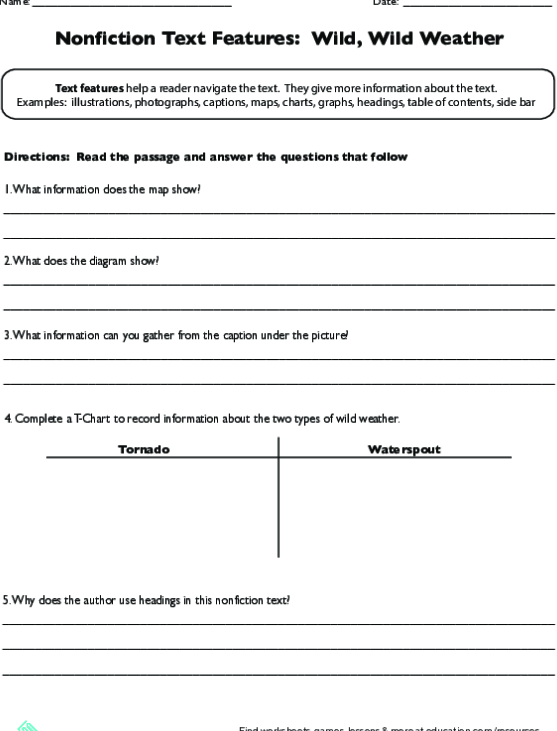
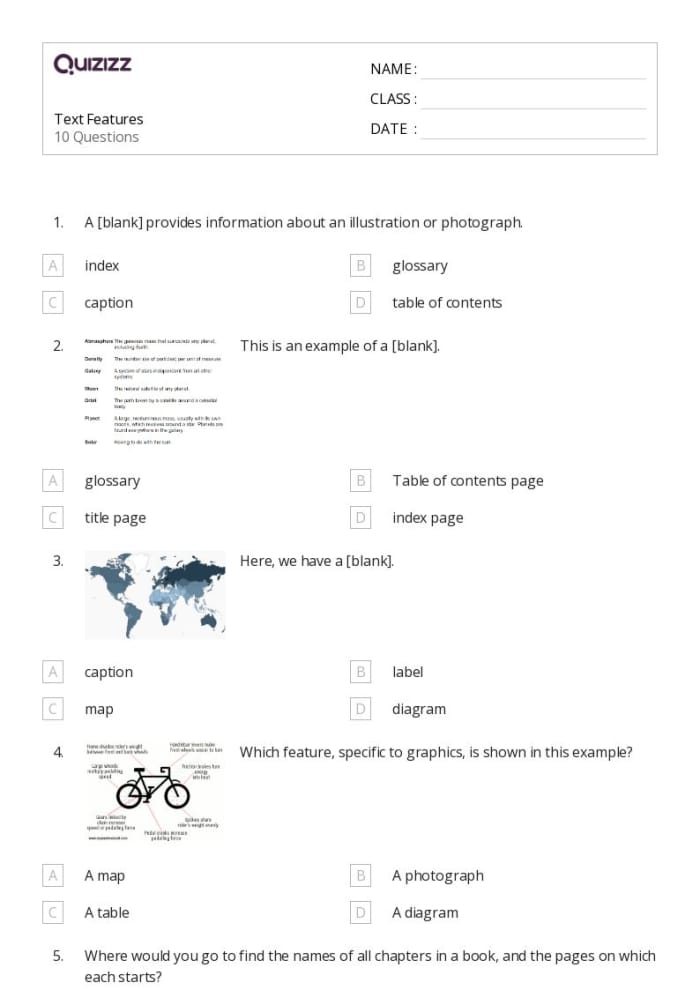
Worksheets designed around identifying main ideas and supporting details work well alongside extreme weather passages. Students might also benefit from reading choice boards that let them select which weather phenomena interest them most. Pairing nonfiction text feature practice with engaging content keeps third graders motivated while building essential literacy skills that serve them in future grades and across all subject areas.
Try These Printable Worksheets