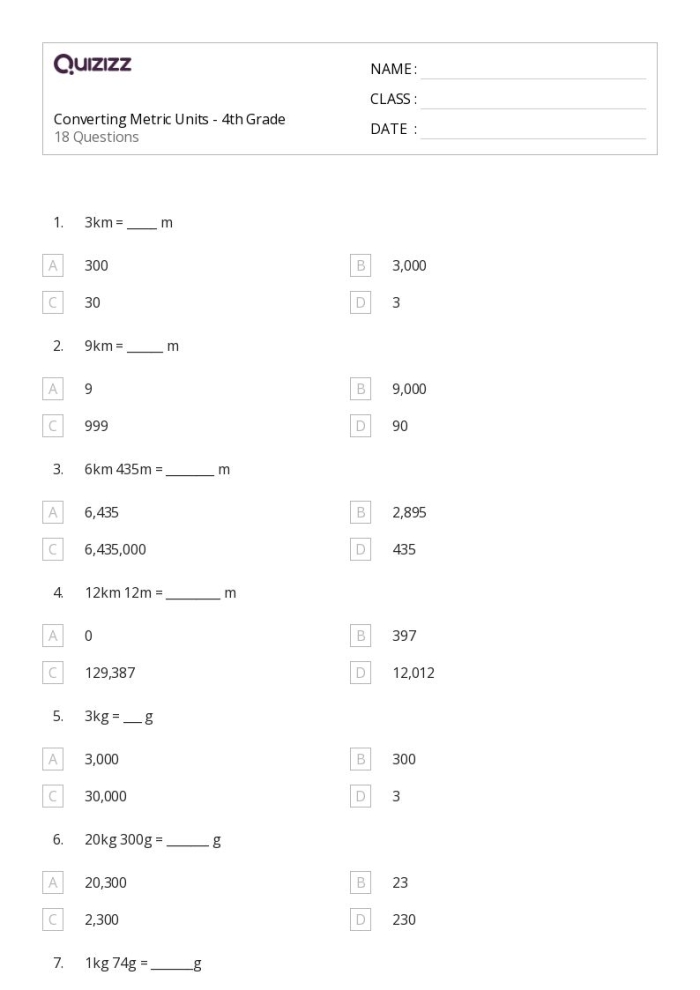
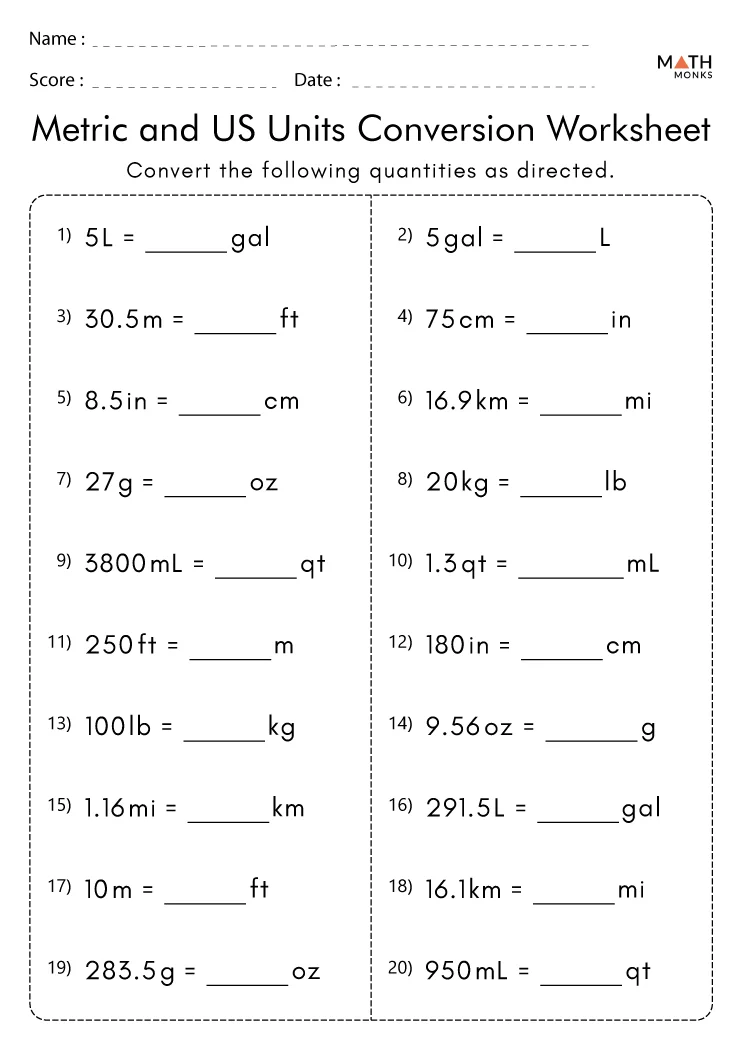
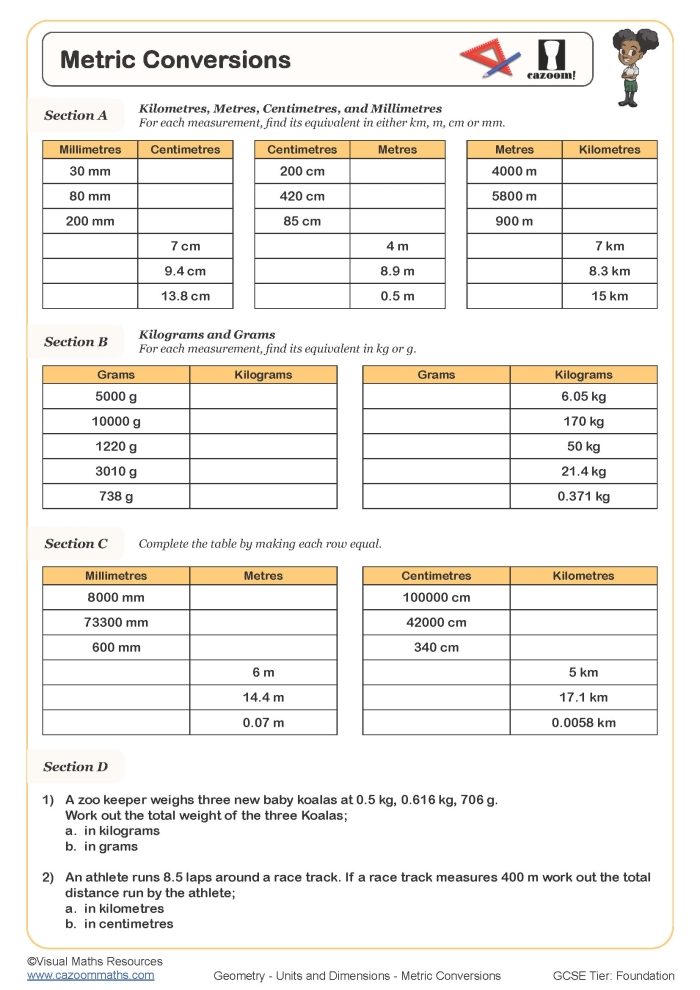
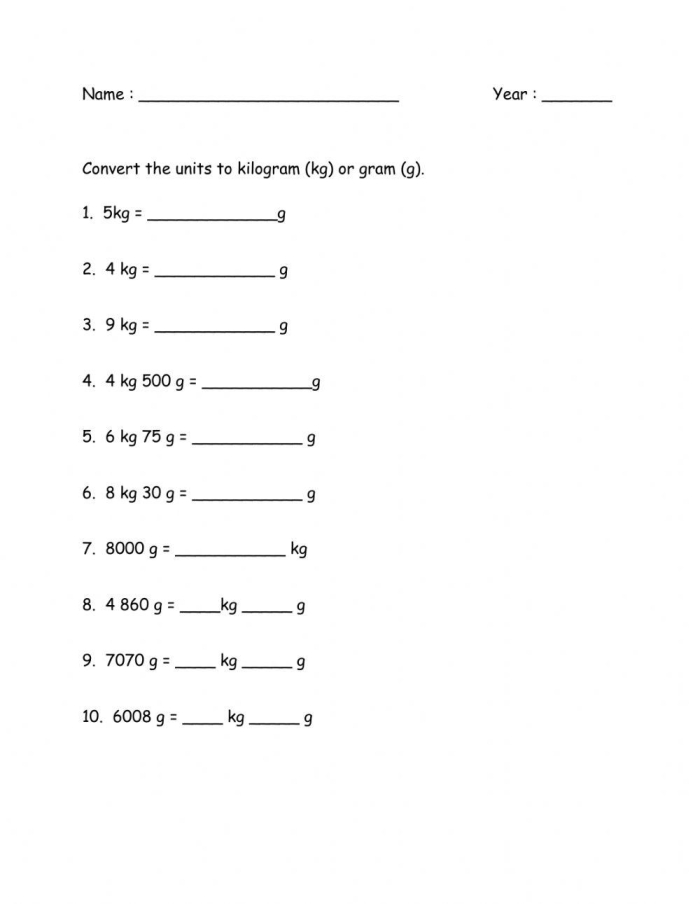
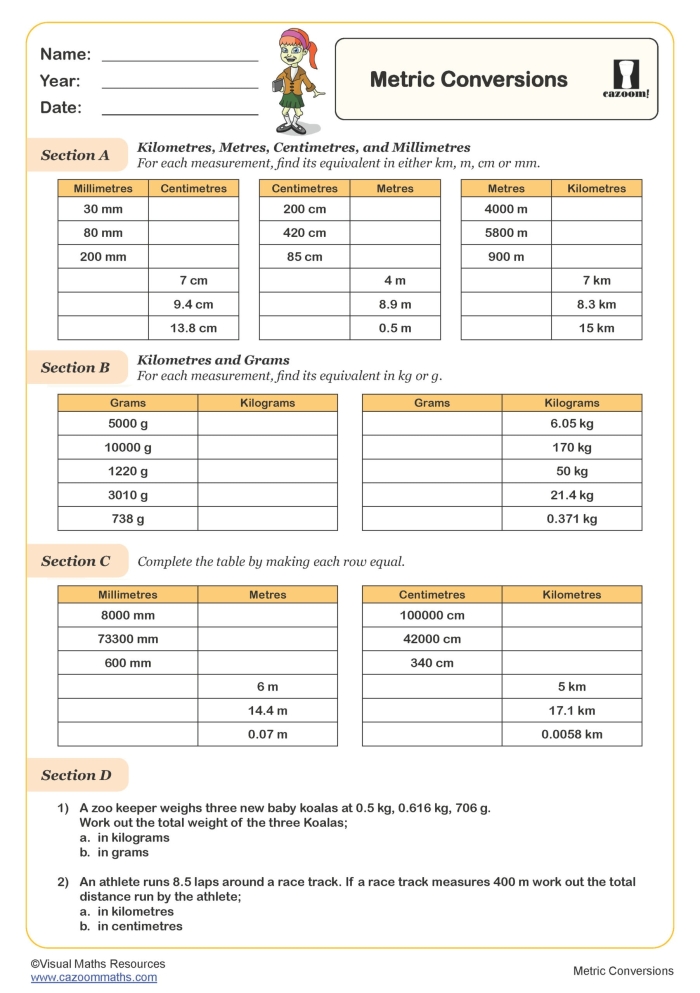
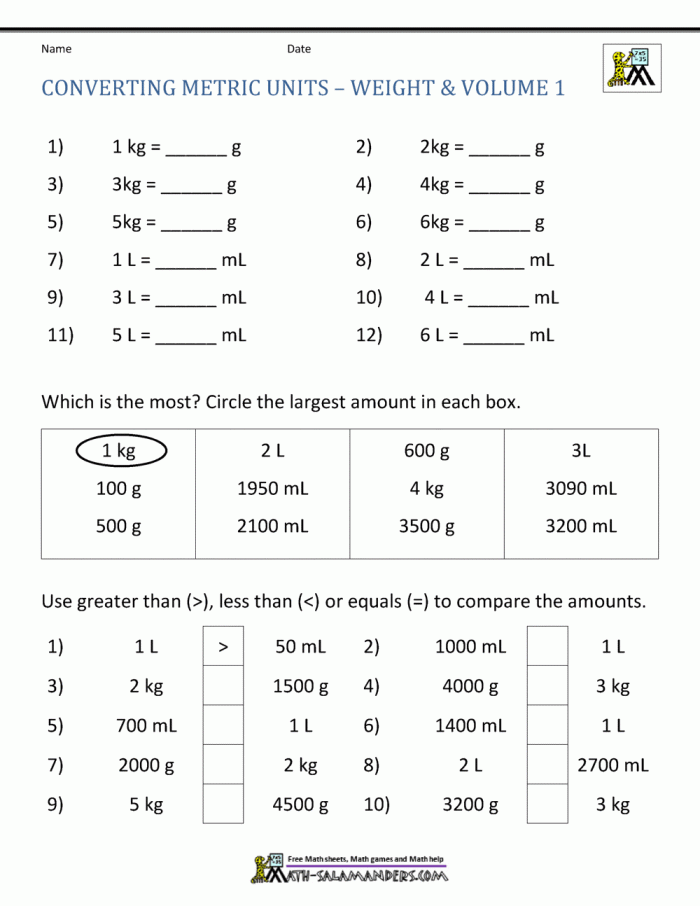
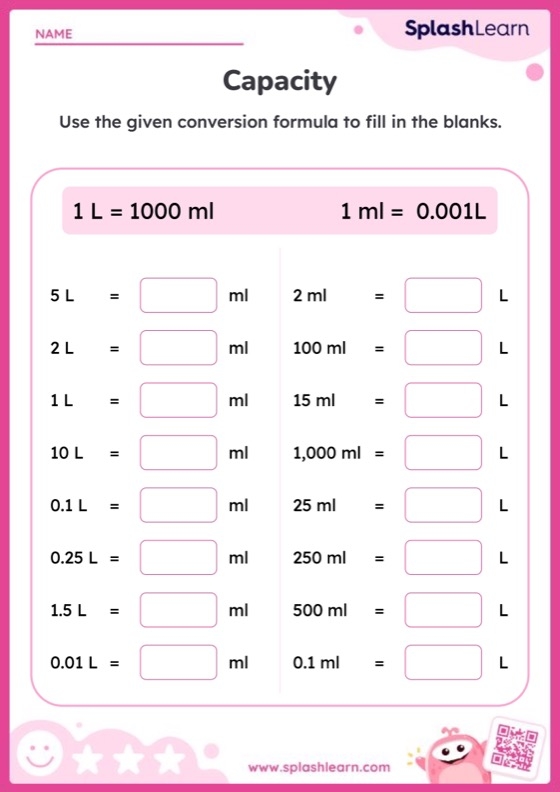
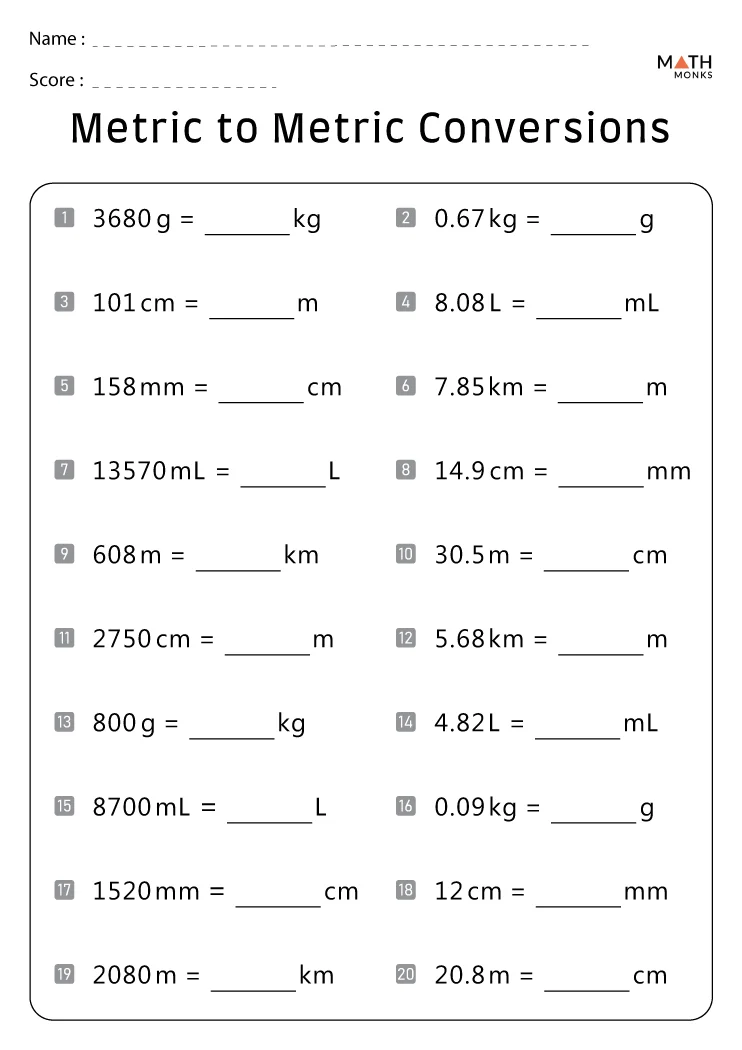
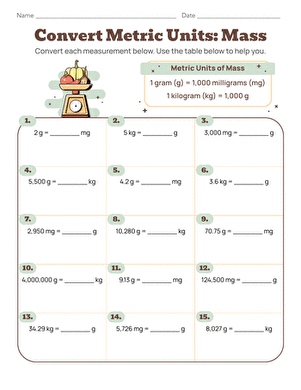
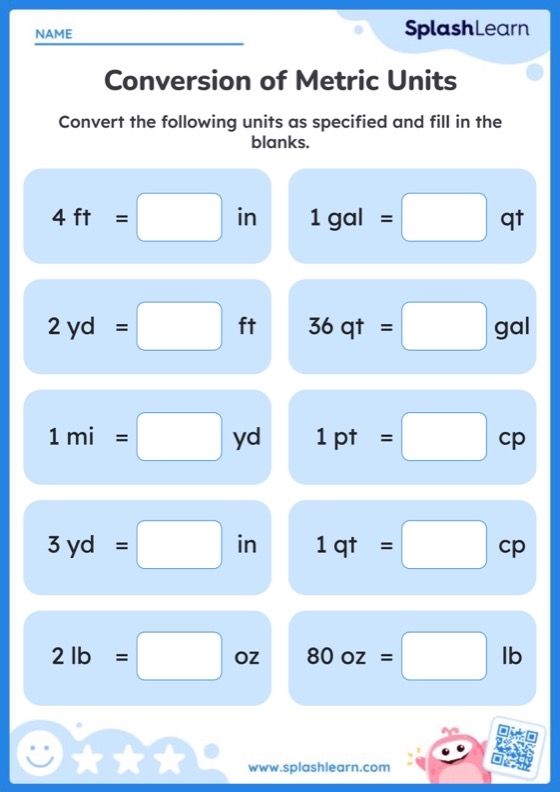
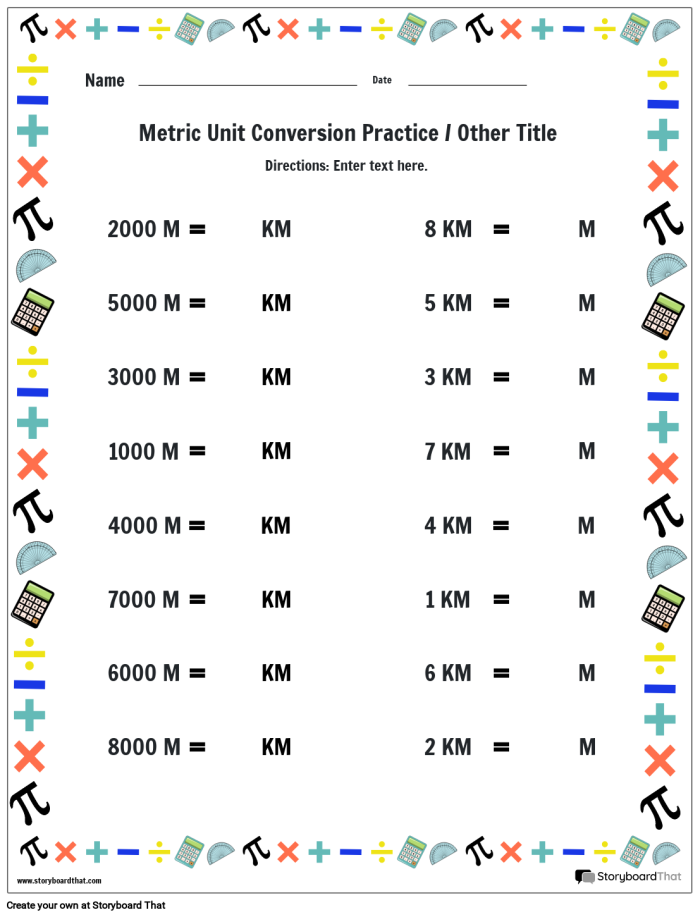
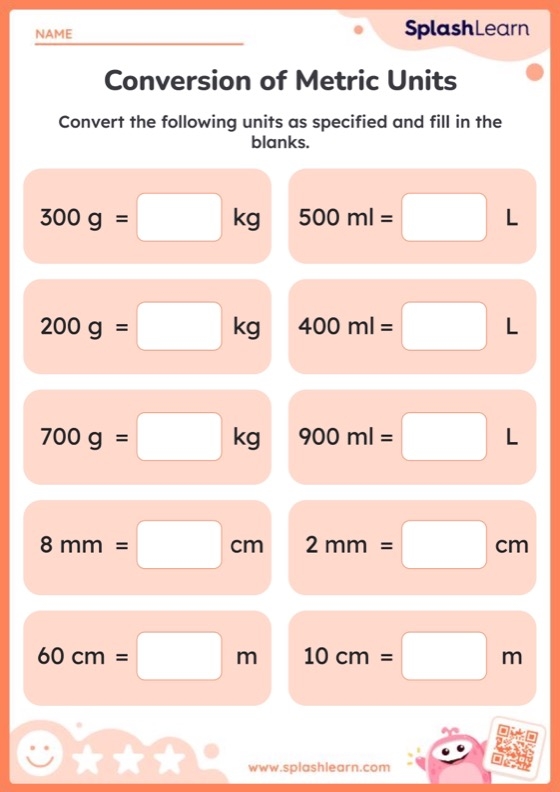
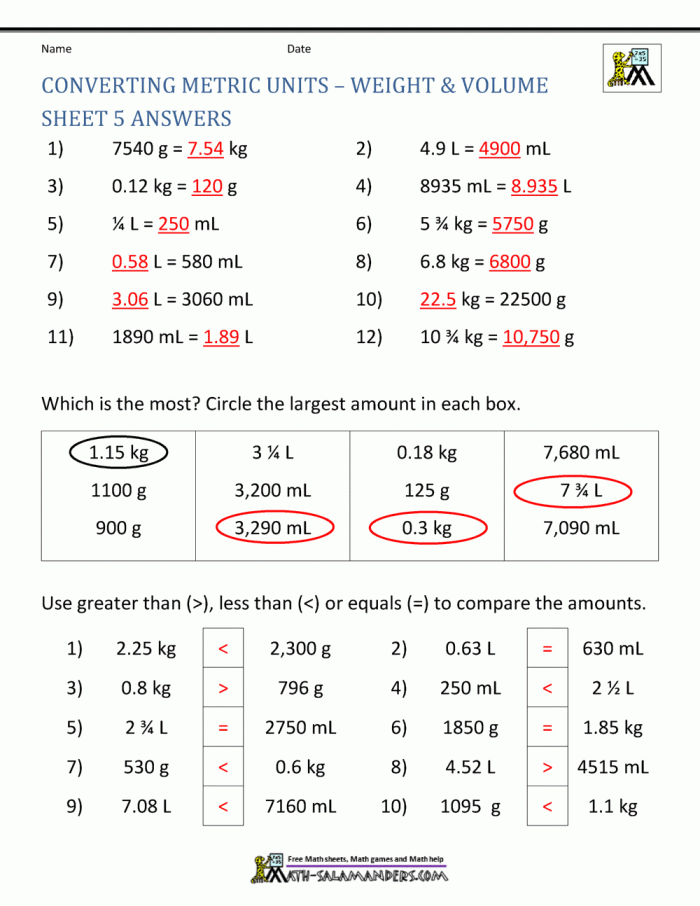
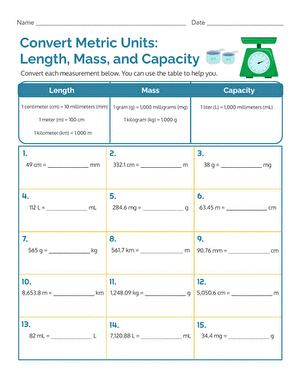
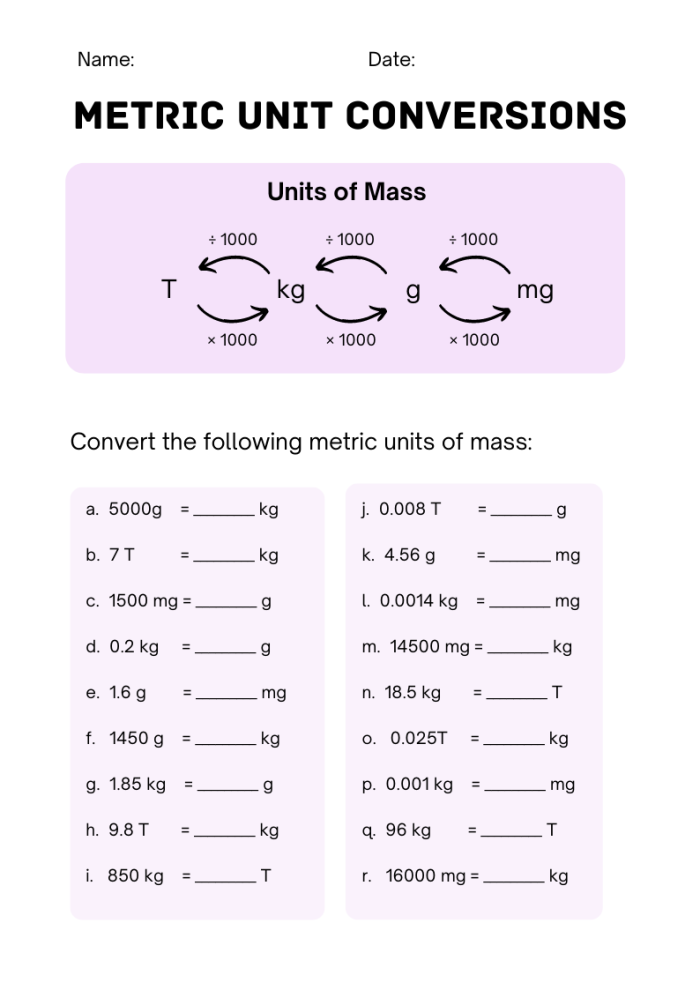
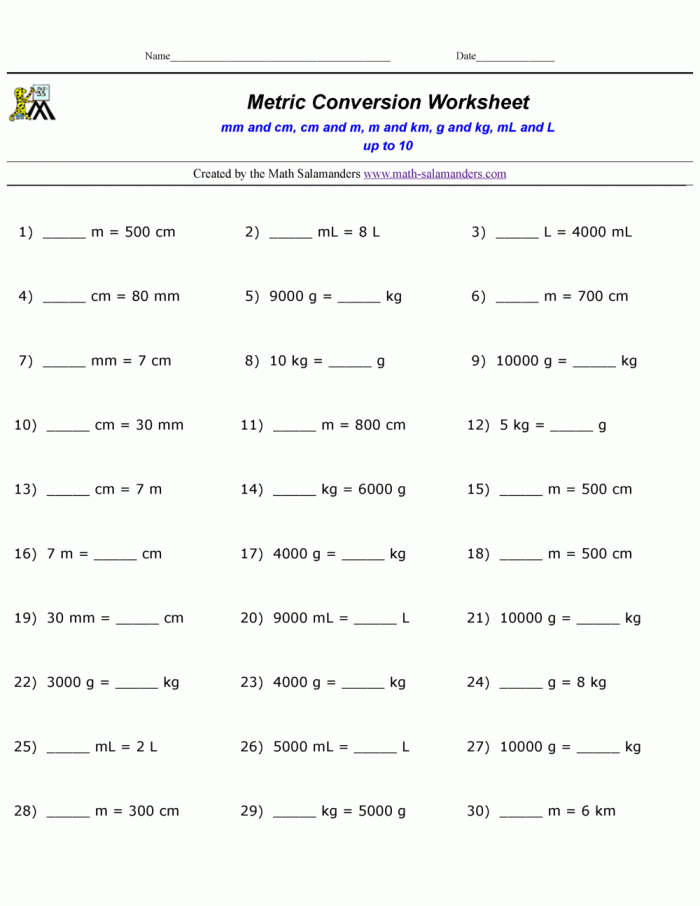
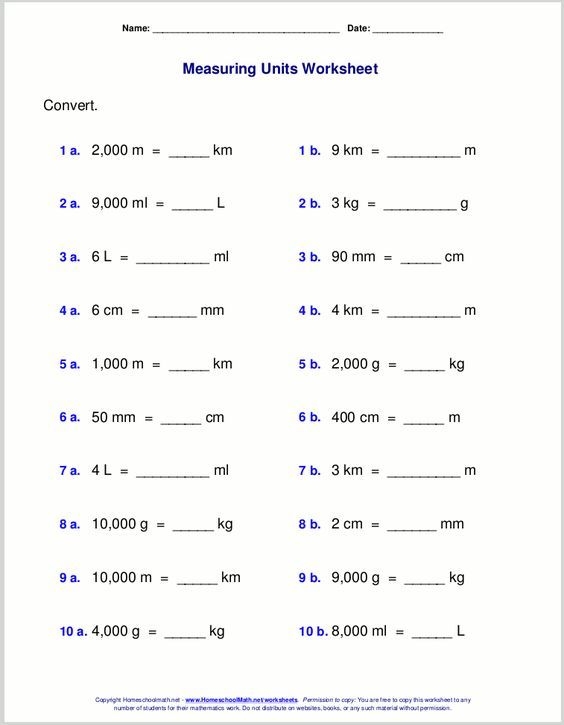
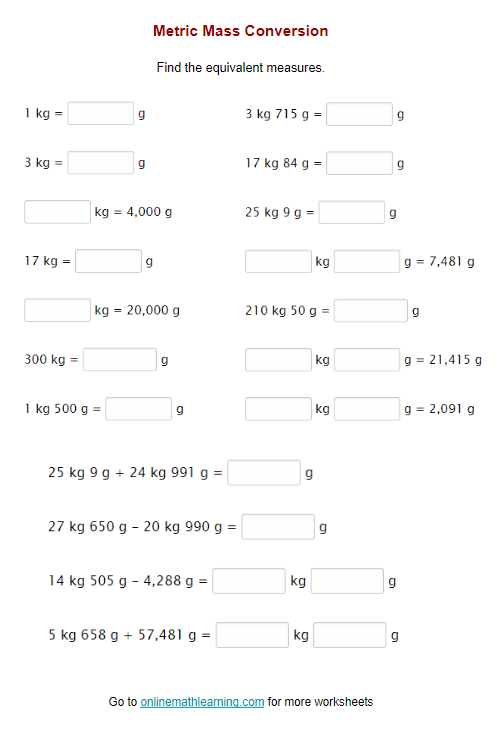
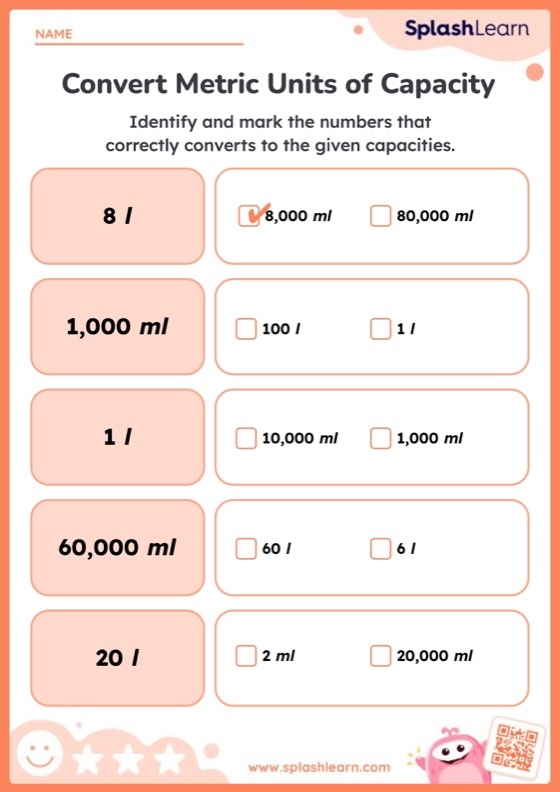
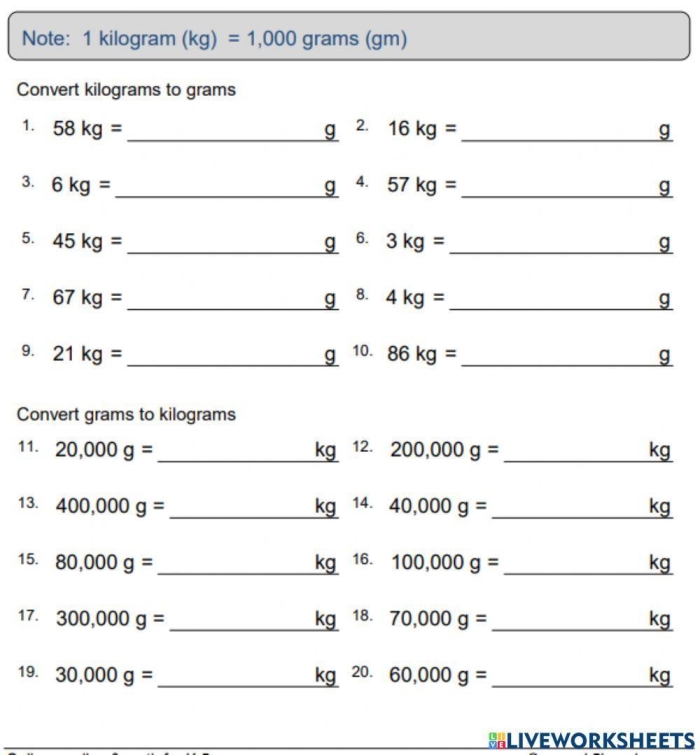
Converting metric units of mass trips up plenty of fifth grade students, but it doesn’t have to. When kids grasp the relationship between grams, kilograms, and milligrams, they unlock a skill that applies across science, cooking, and everyday problem-solving. A solid measurement worksheet targeting this concept can shift understanding from confusion to confidence.
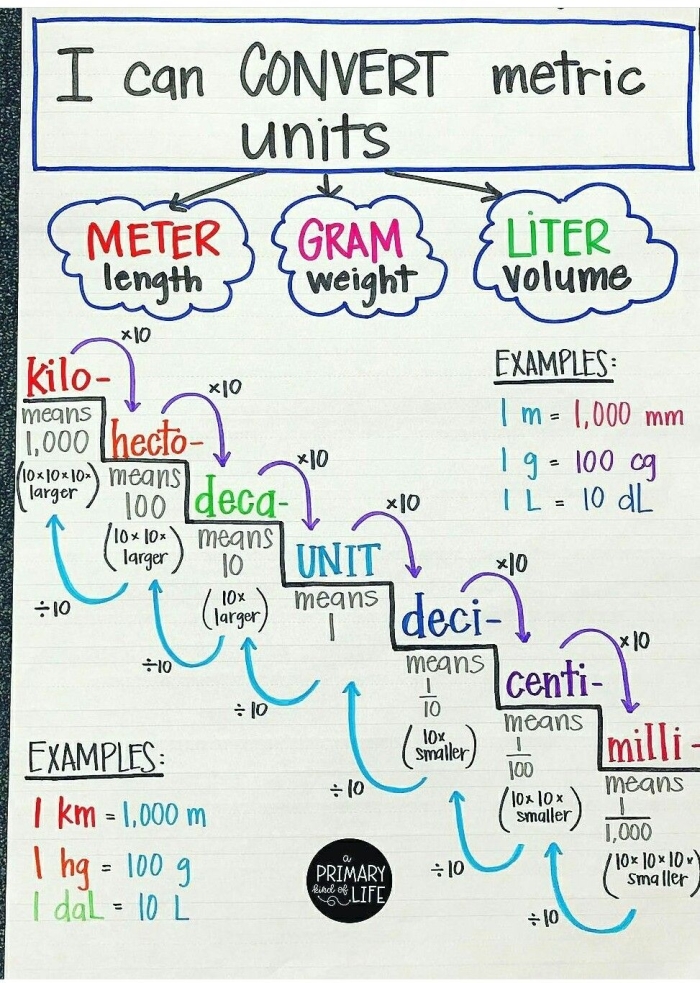
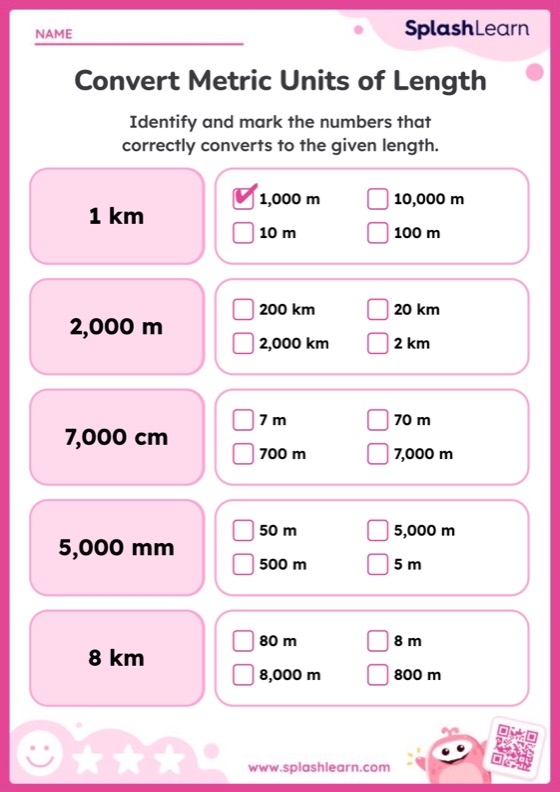
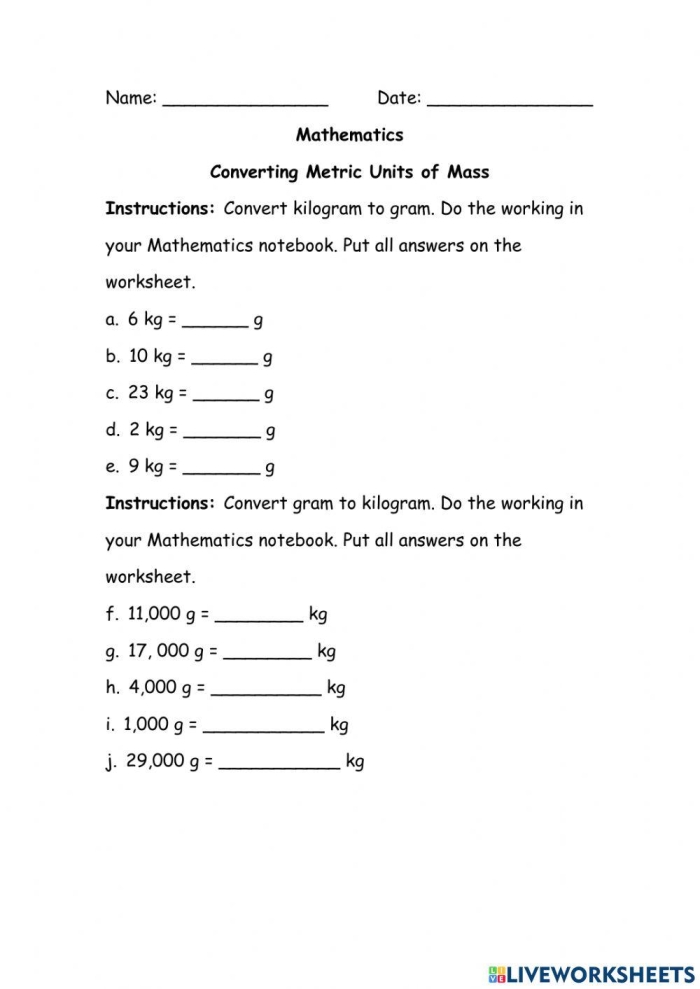
The core challenge students face is that metric conversions require understanding powers of 10. A kilogram contains 1,000 grams, a gram contains 1,000 milligrams. Unlike imperial measurements where conversions feel random, the metric system follows a predictable pattern. Once fifth graders see this structure, they can apply it consistently. Practice worksheets that show multiple conversion scenarios help cement this pattern recognition.
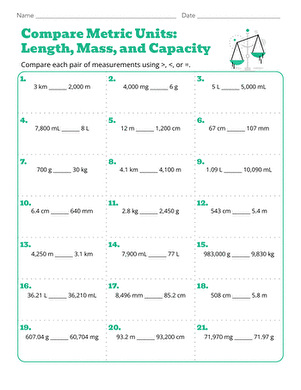
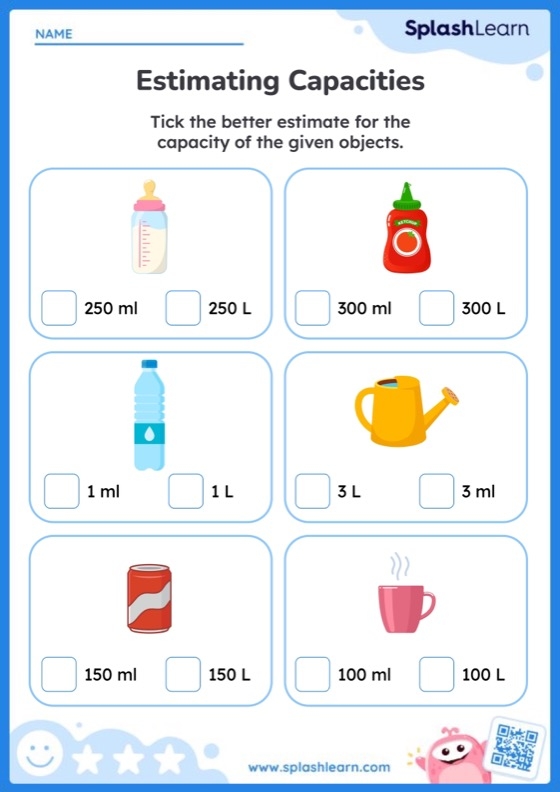
Effective worksheets include a mix of problem types. Some ask students to convert larger units to smaller ones (kilograms to grams), while others reverse the direction. Real-world contexts matter too. Asking whether a pencil weighs 5 grams or 5 kilograms forces students to think about reasonableness, not just follow a formula. This kind of critical thinking strengthens their grasp of measurement in practical terms.
The reading component of measurement work also deserves attention. When worksheets include word problems, students practice extracting relevant information from text. This overlaps with broader literacy skills, similar to how students work through context clues to understand unfamiliar vocabulary in other subjects.
Pairing a metric conversion worksheet with complementary activities strengthens retention. Students who work on graphing activities or vocabulary practice alongside measurement exercises develop a more rounded understanding of how math and language connect. The repetition across different formats helps the concept stick.
Use These Worksheets Today