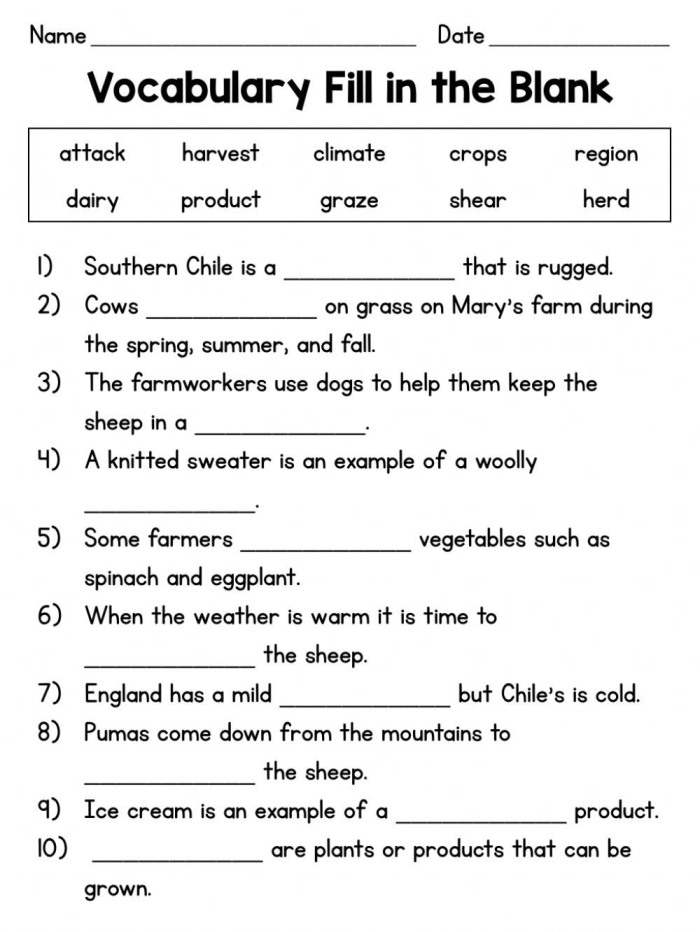
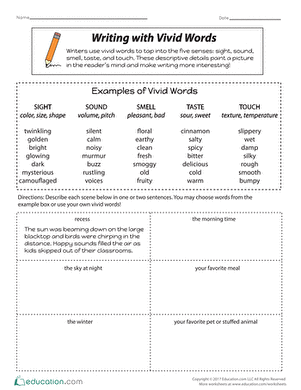
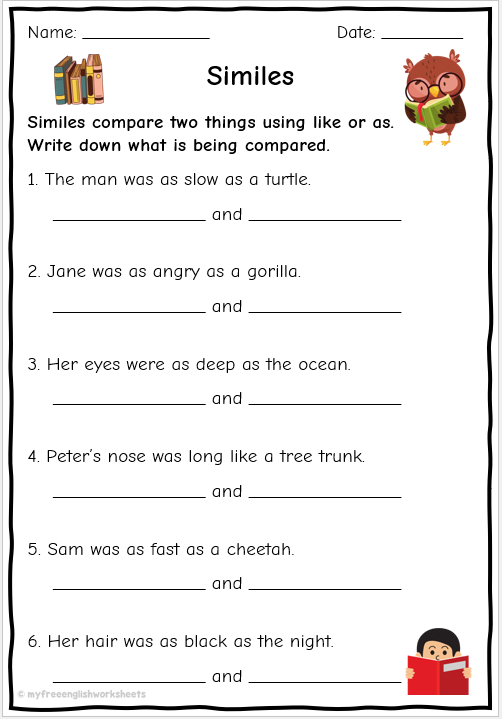
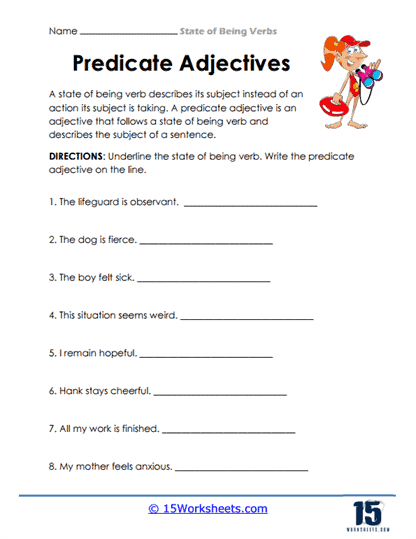
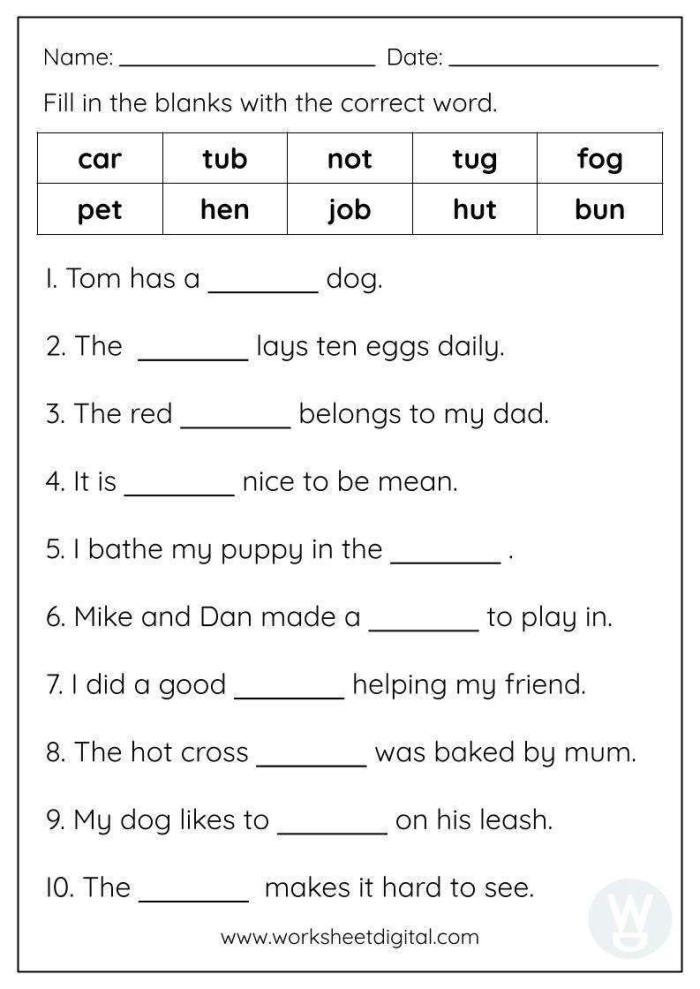
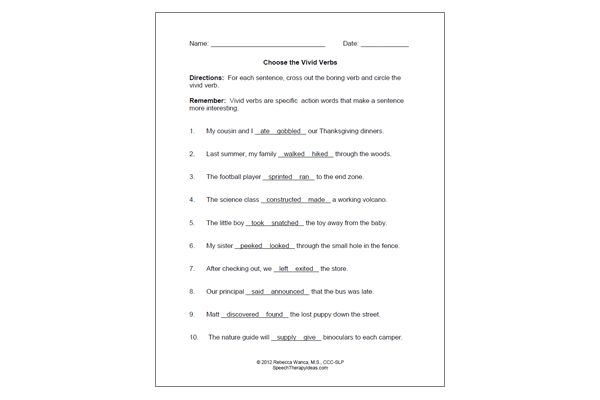
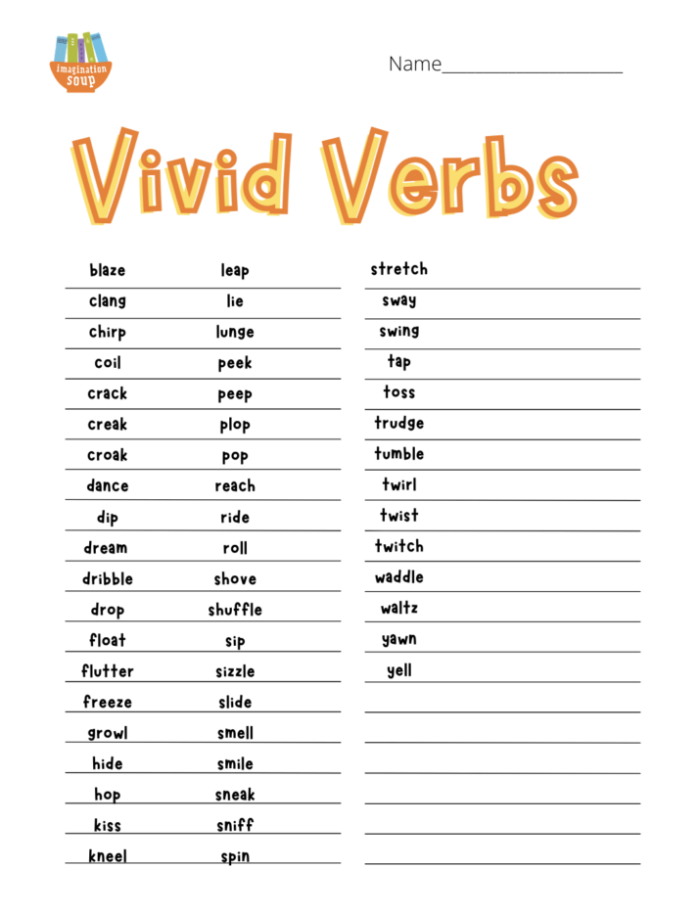
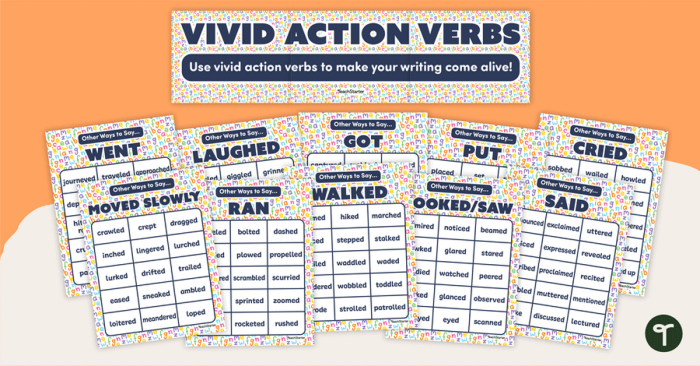
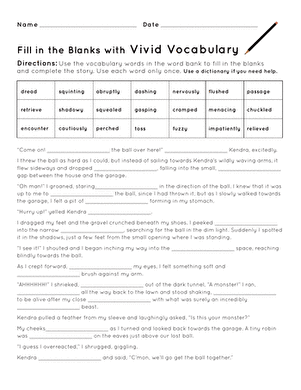
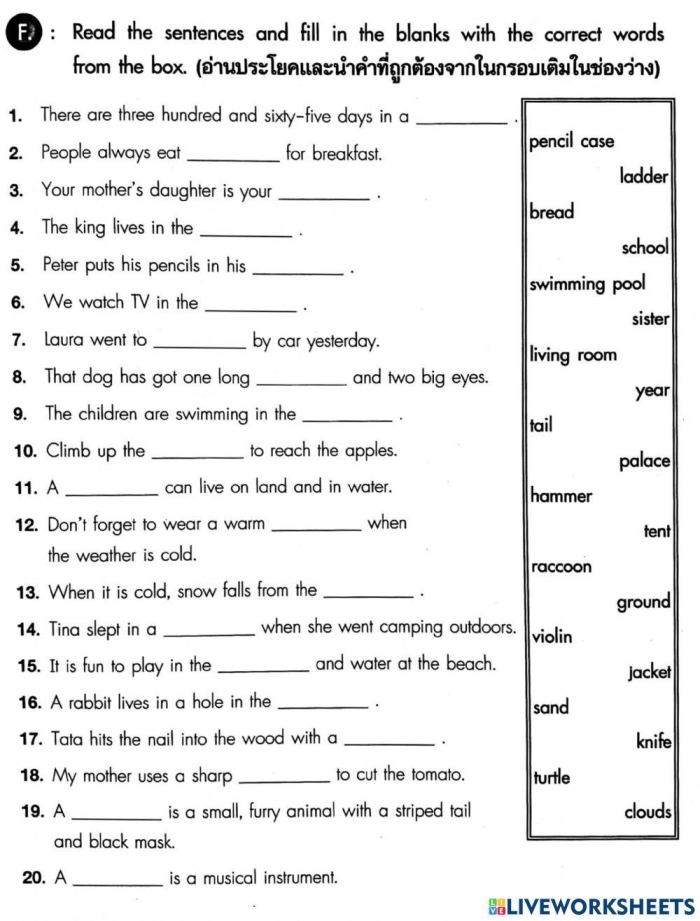
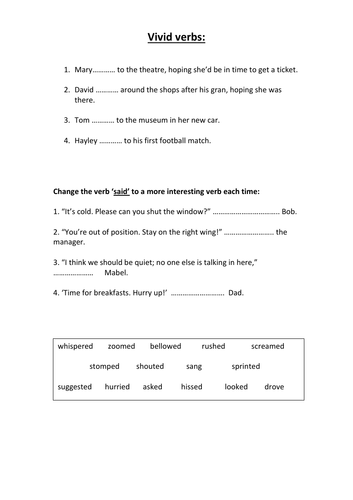
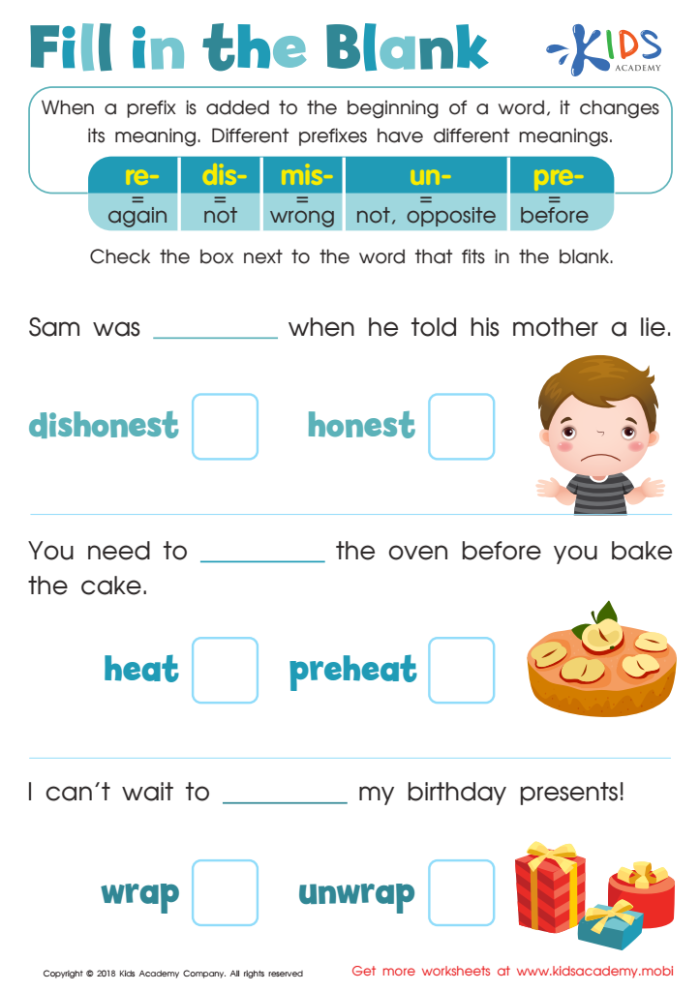
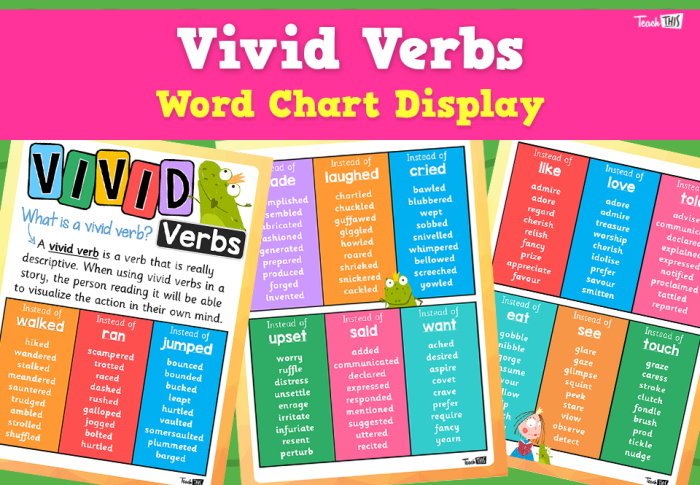
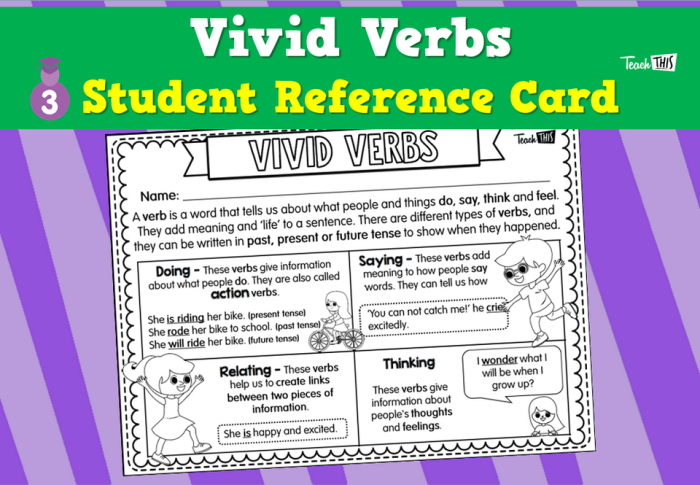
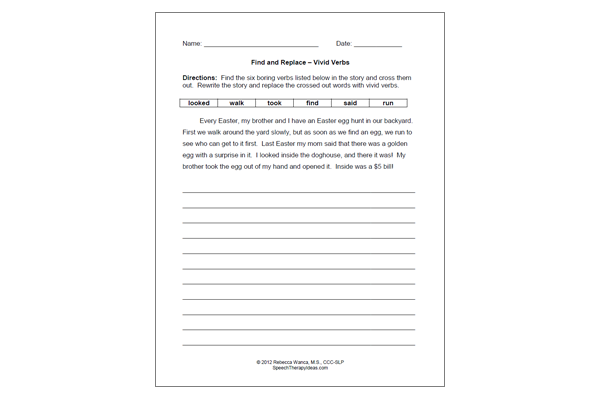
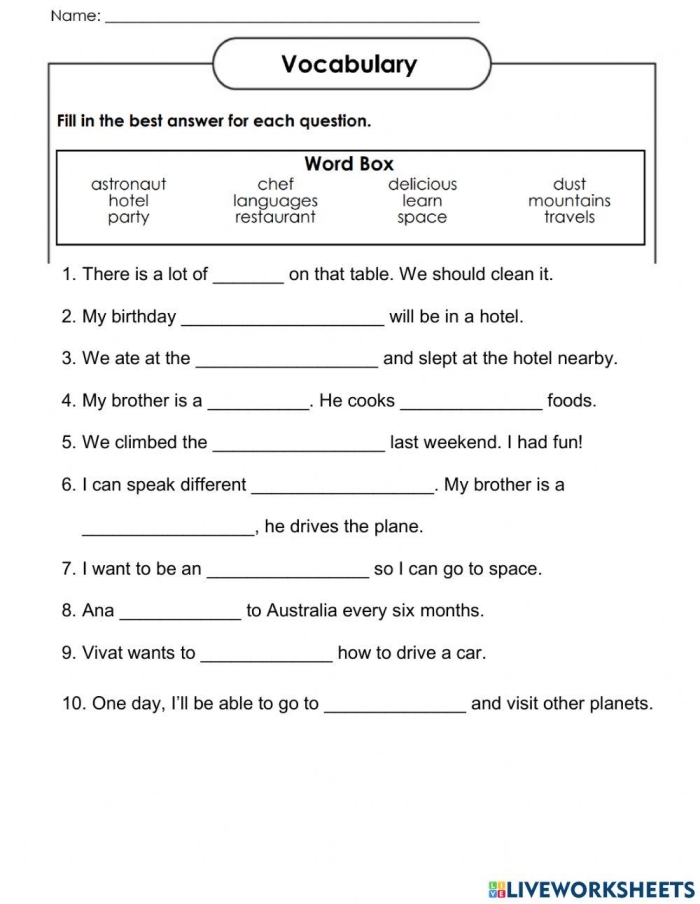
Fill-in-the-blank activities work because they force children to think actively about word choice rather than passively reading. When a fifth grader encounters a sentence with a missing word, they must consider context clues, understand what makes sense grammatically, and choose from their existing vocabulary or stretch toward something new. This cognitive engagement is where real learning happens.
The beauty of this approach lies in its simplicity. A sentence like “The storm was so _____ that we couldn’t see across the street” requires students to think beyond basic adjectives. They might write “dark,” “fierce,” or “violent,” each choice revealing their understanding of nuance and their willingness to experiment with stronger descriptive language. Unlike multiple-choice questions that offer limited options, fill-in-the-blank activities let children access their full vocabulary range and even venture into territory they’re still learning.
For fifth grade reading instruction, these worksheets serve multiple purposes simultaneously. They build confidence as students realize they know more words than they thought, strengthen spelling through repeated writing, and deepen comprehension by forcing attention to sentence meaning. When children write their own answers, they’re making personal connections to the material rather than selecting from predetermined choices.
The hands-on element matters too. Pencil-to-paper work creates a different kind of engagement than digital activities. Students physically slow down, consider their options, and commit to their choices. This deliberate pace helps vocabulary stick.
You might pair these activities with other reading exercises. For instance, working through scrambled similes teaches figurative language, while examining how video games connect to reading comprehension shows vocabulary in real-world contexts. Even reviewing state capitals reinforces proper nouns and geographic vocabulary alongside traditional reading work.
Use These Worksheets Today