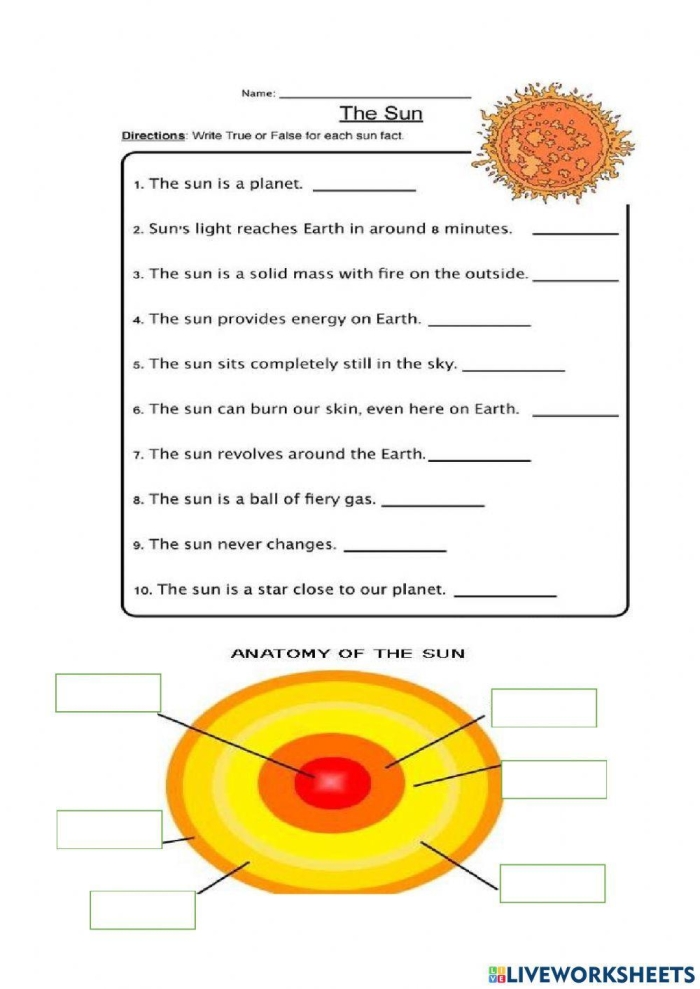
Introducing first graders to the layers of the sun can be both exciting and educational when approached with clear facts and hands-on activities. Young learners in geography classes benefit greatly from combining reading with interactive exercises that help them remember new information. By reading simple facts about the sun, children begin to understand that the sun isn’t just a bright ball in the sky but a complex star made up of different parts working together.
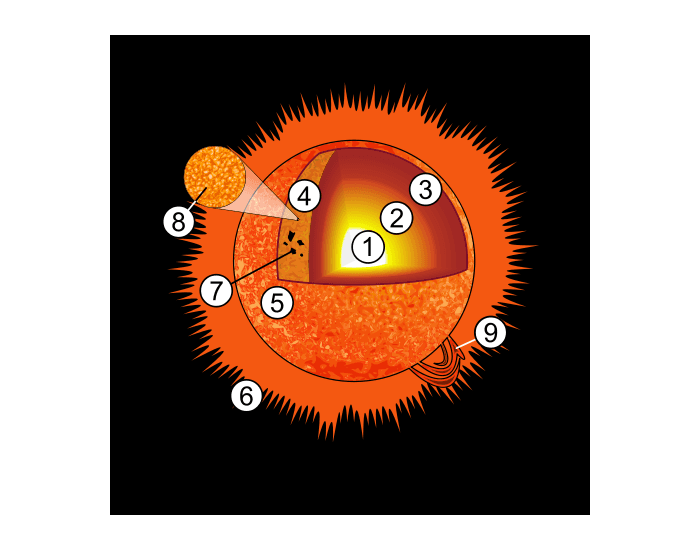
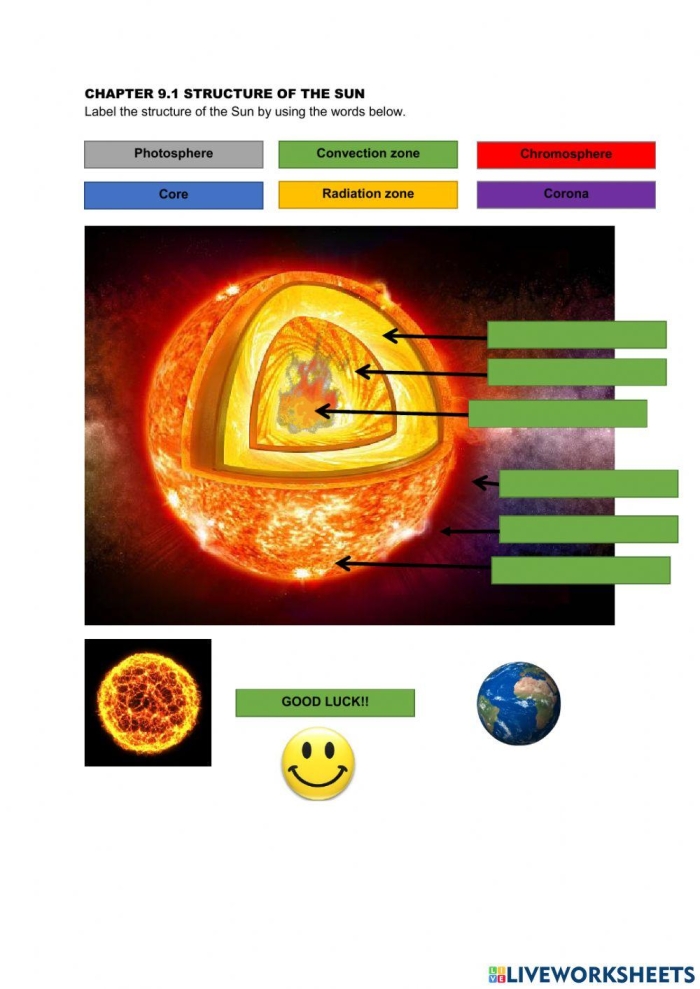
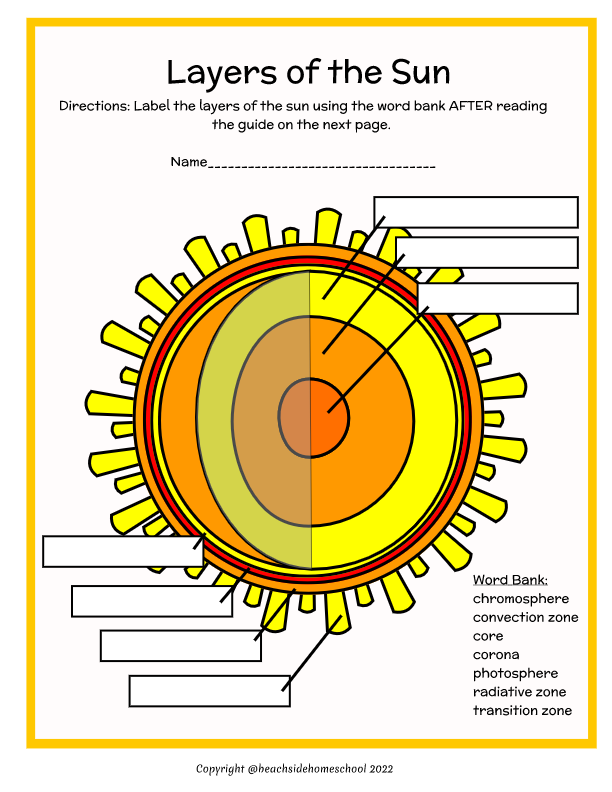
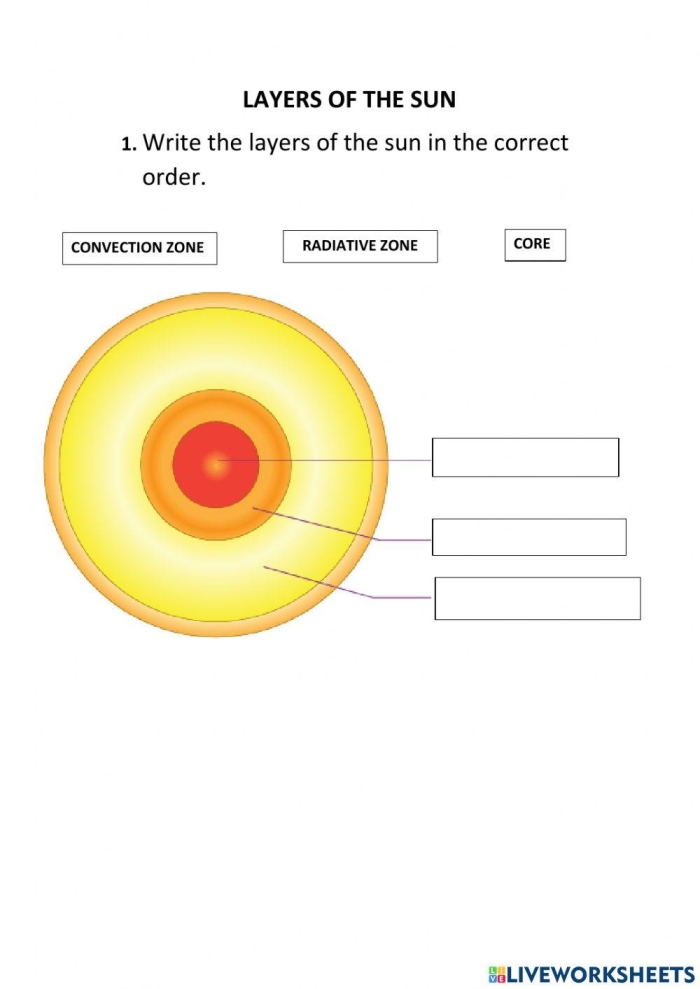
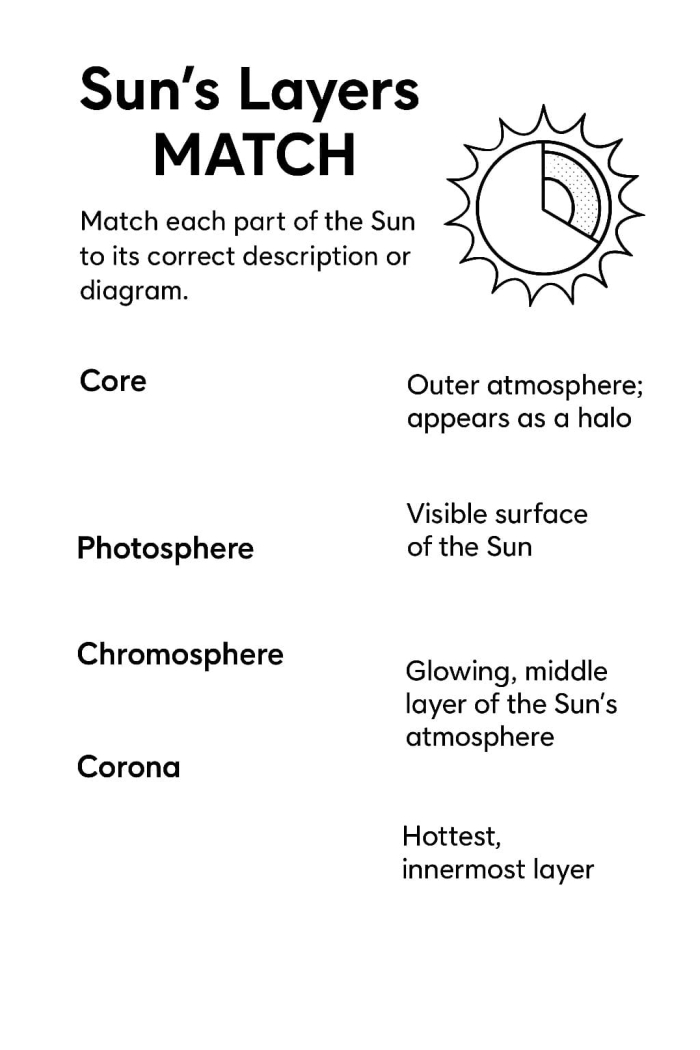
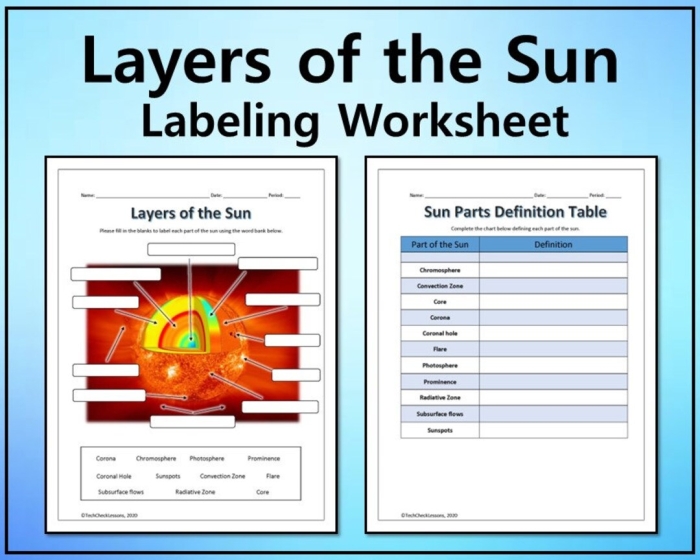
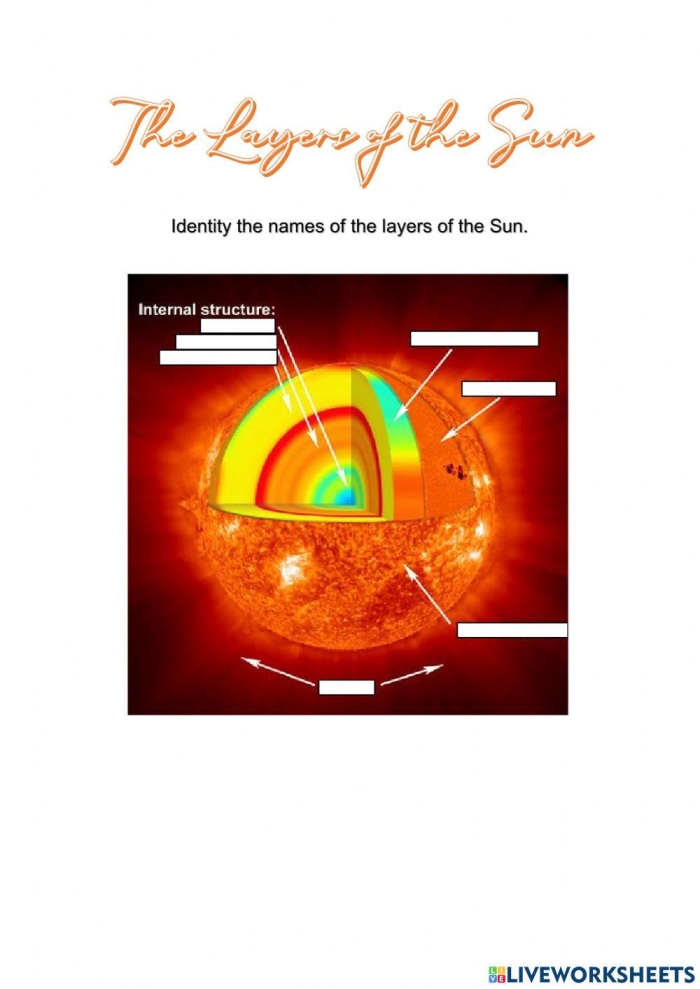
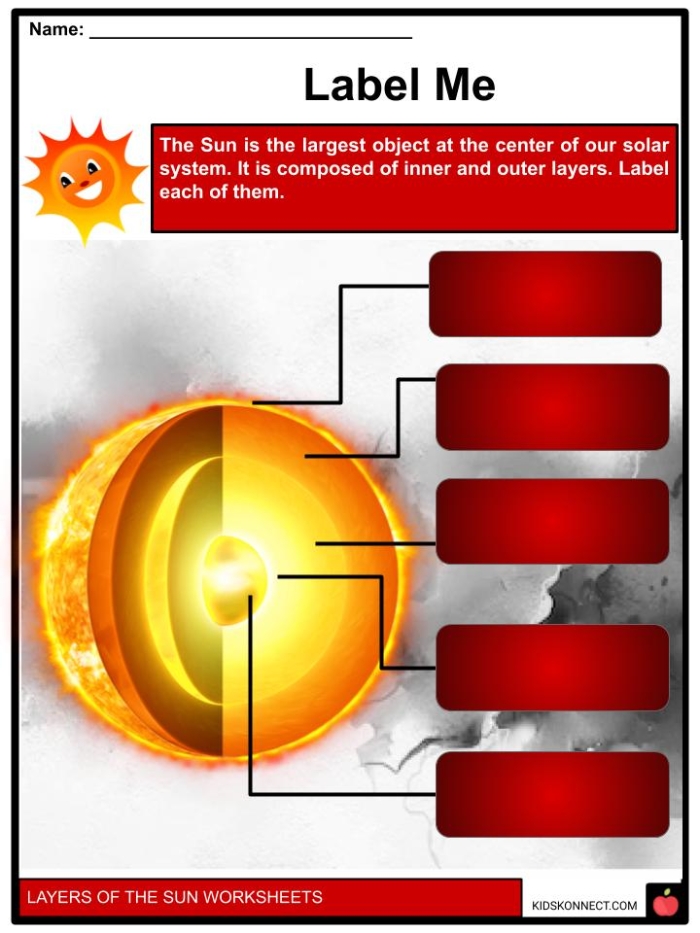
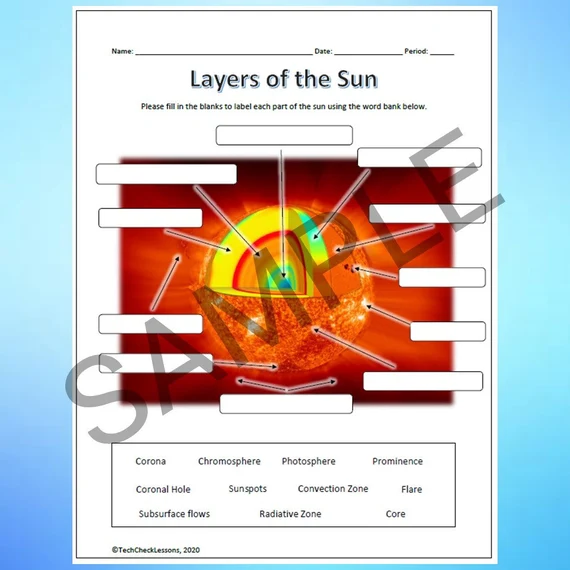
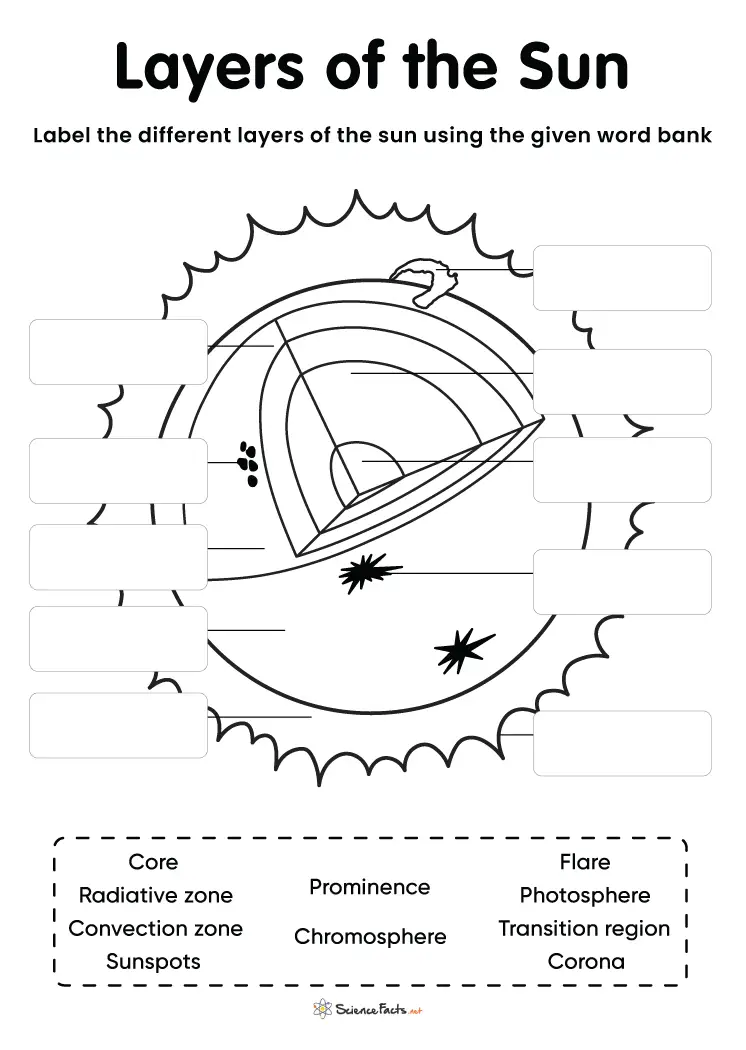
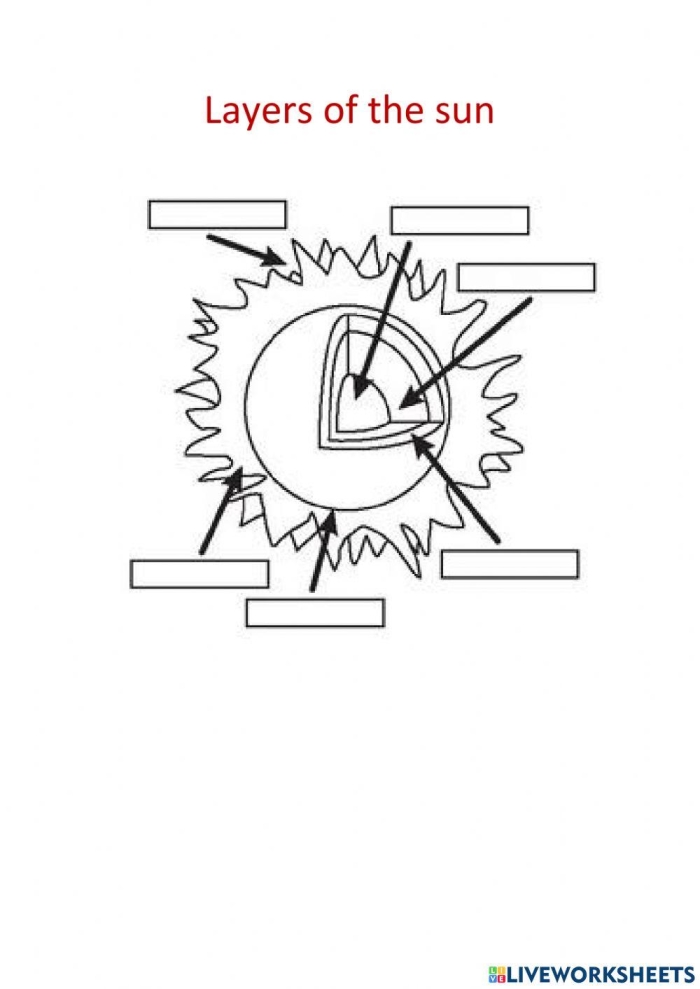
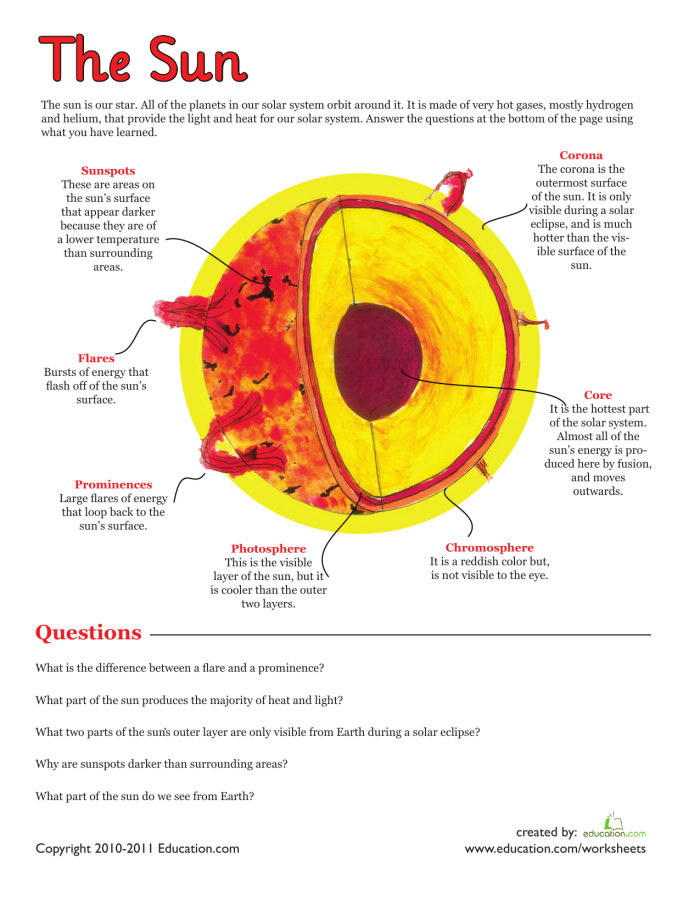
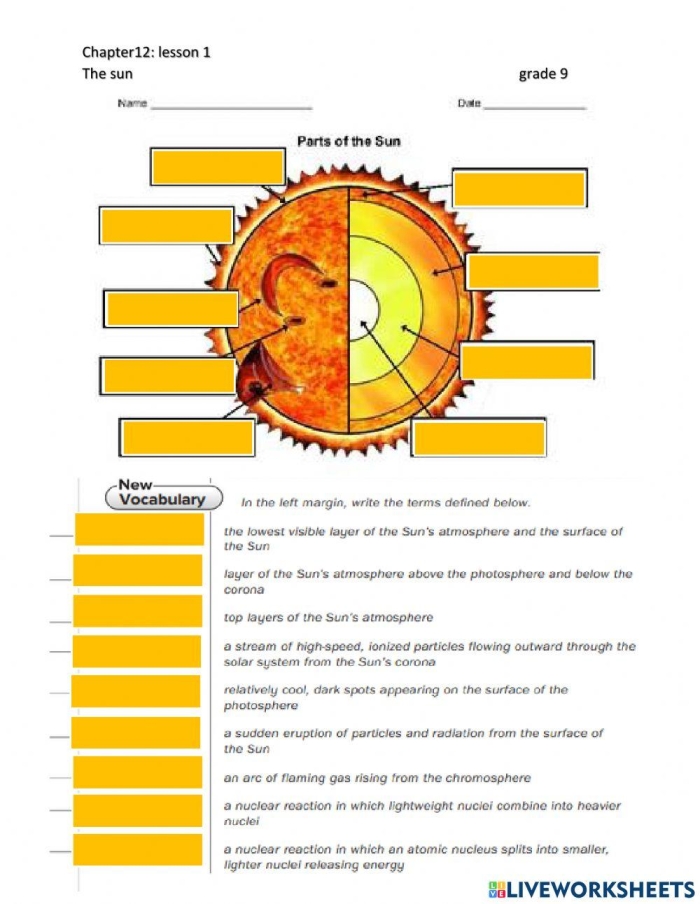
One effective way to teach is by sharing key details about the sun’s layers. For example, the outermost layer, called the corona, is actually hotter than the surface we see. Beneath the corona lies the photosphere, which is the part of the sun that gives off light and heat that reaches Earth. Moving inward, the chromosphere sits between the photosphere and the corona, and finally, the core is the sun’s center where nuclear reactions take place to produce energy. Giving first graders these facts in simple language helps build a clear mental picture.
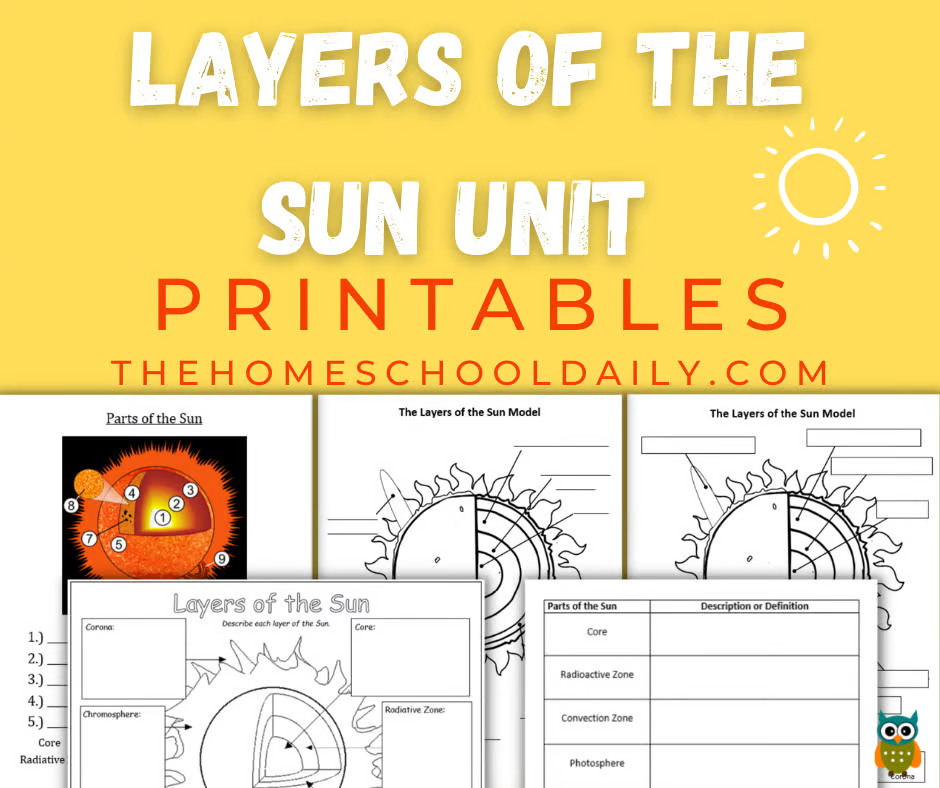
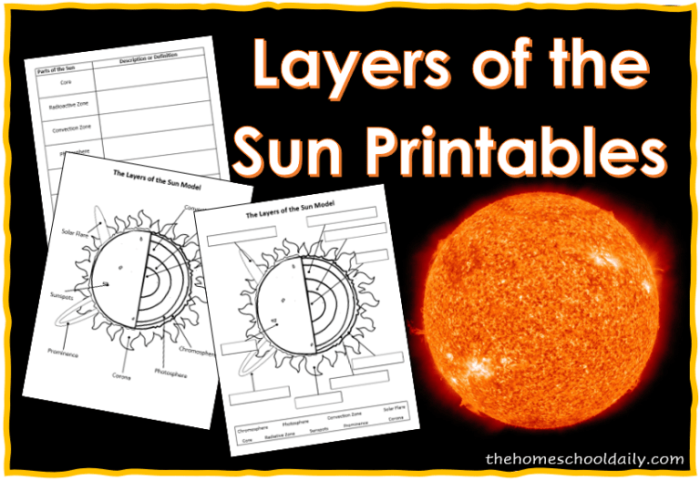
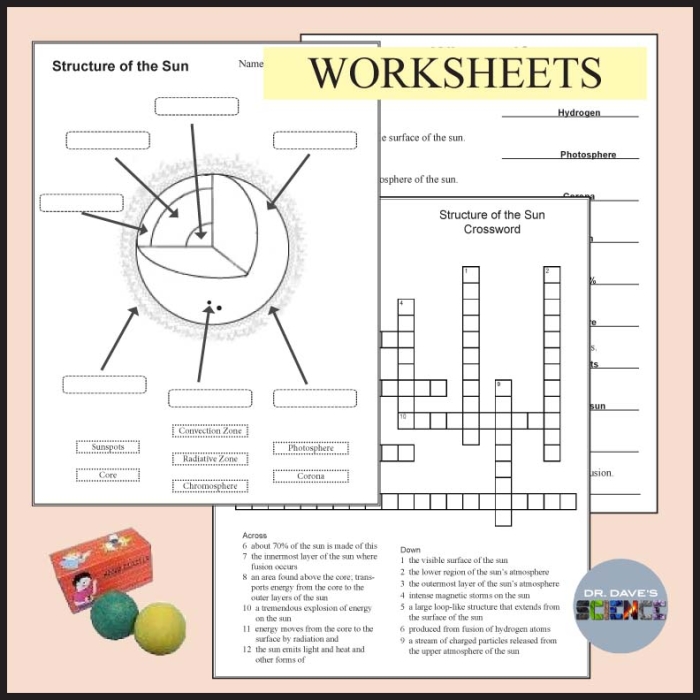
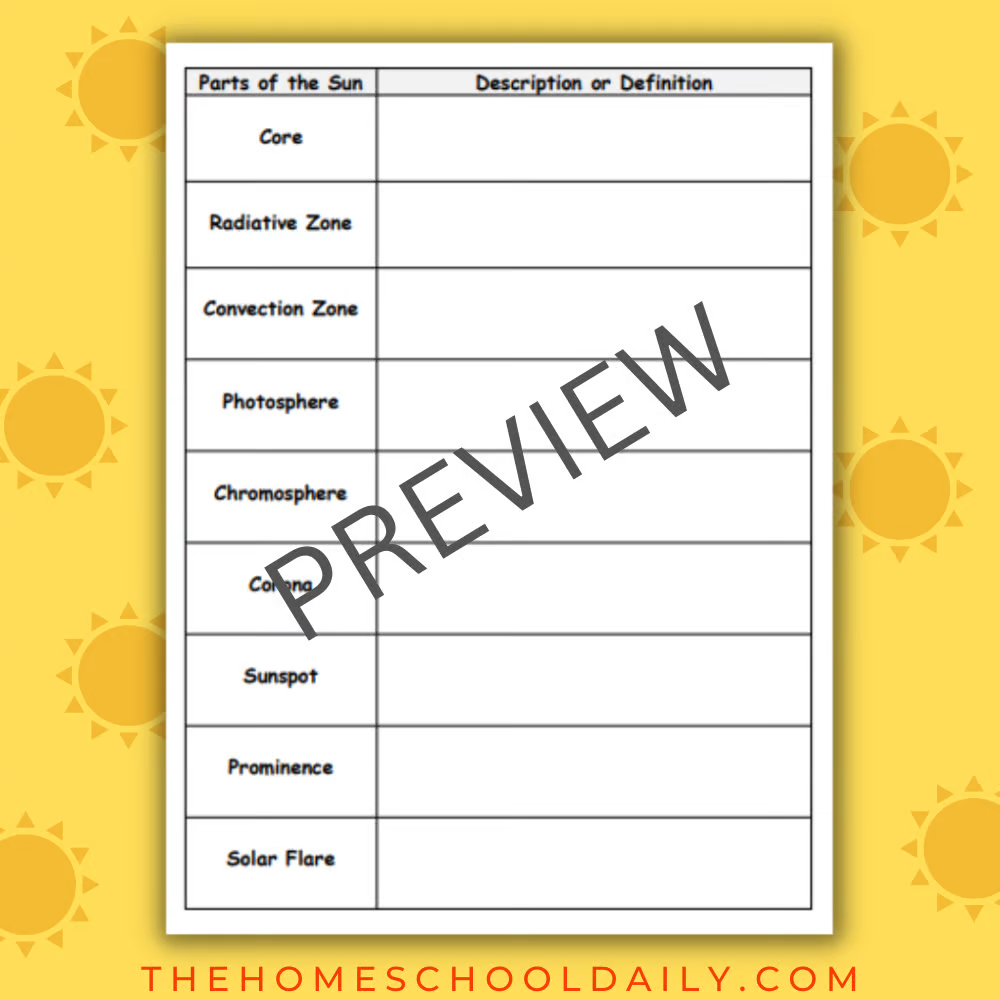
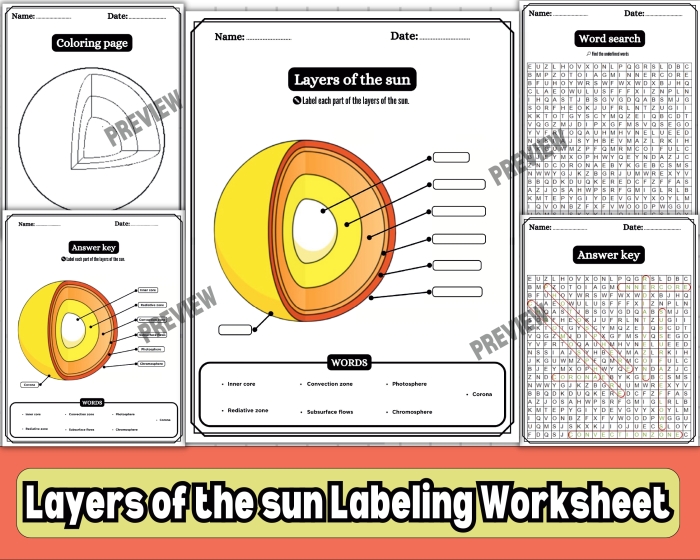
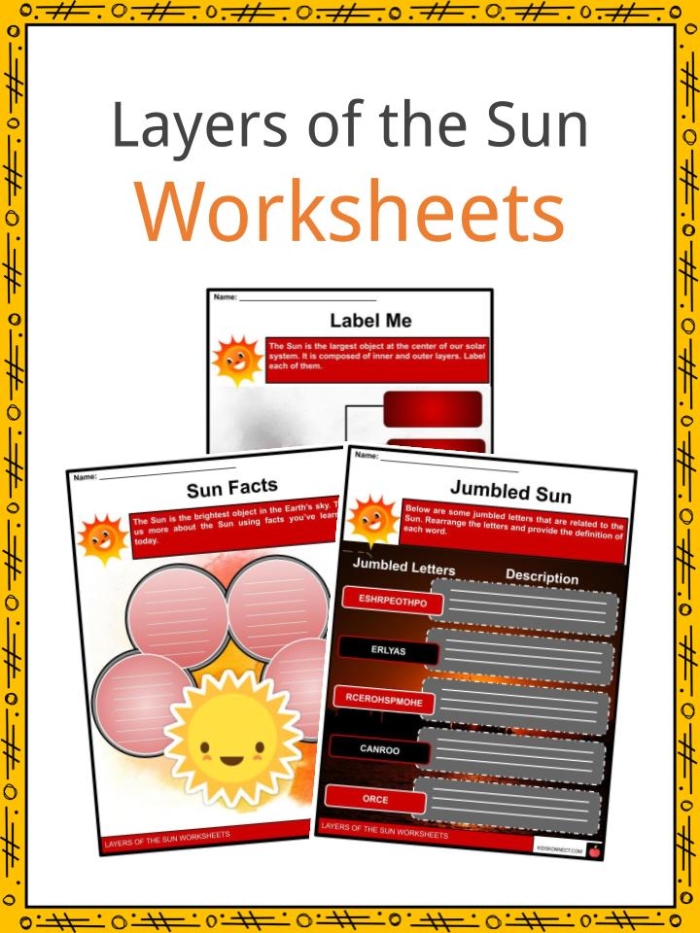
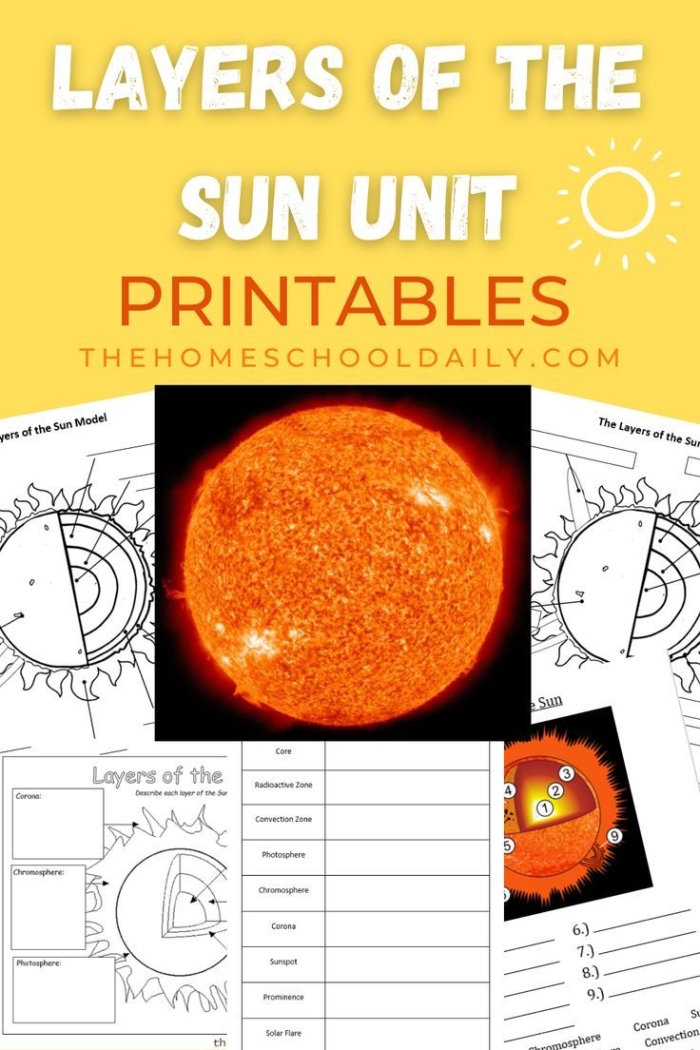
After reading, children can put their knowledge into practice by labeling each layer on a printable worksheet designed specifically for their grade level. This activity not only reinforces what they’ve learned but also develops their reading and comprehension skills in a fun way. Printable layers of the sun worksheets are a perfect tool to keep young students engaged and make abstract concepts more tangible.
Incorporating these lessons into a geography curriculum allows kids to see how the sun impacts the Earth and its environment. It also connects well with other first grade activities that focus on observation and sequencing, such as story sequencing exercises or simple shape recognition tasks, which help build foundational skills. If you’re interested, you can find resources that complement this learning, like worksheets that focus on story sequencing in geometry or opinion writing practice, both of which support critical thinking in young students.
Try These Printable Worksheets