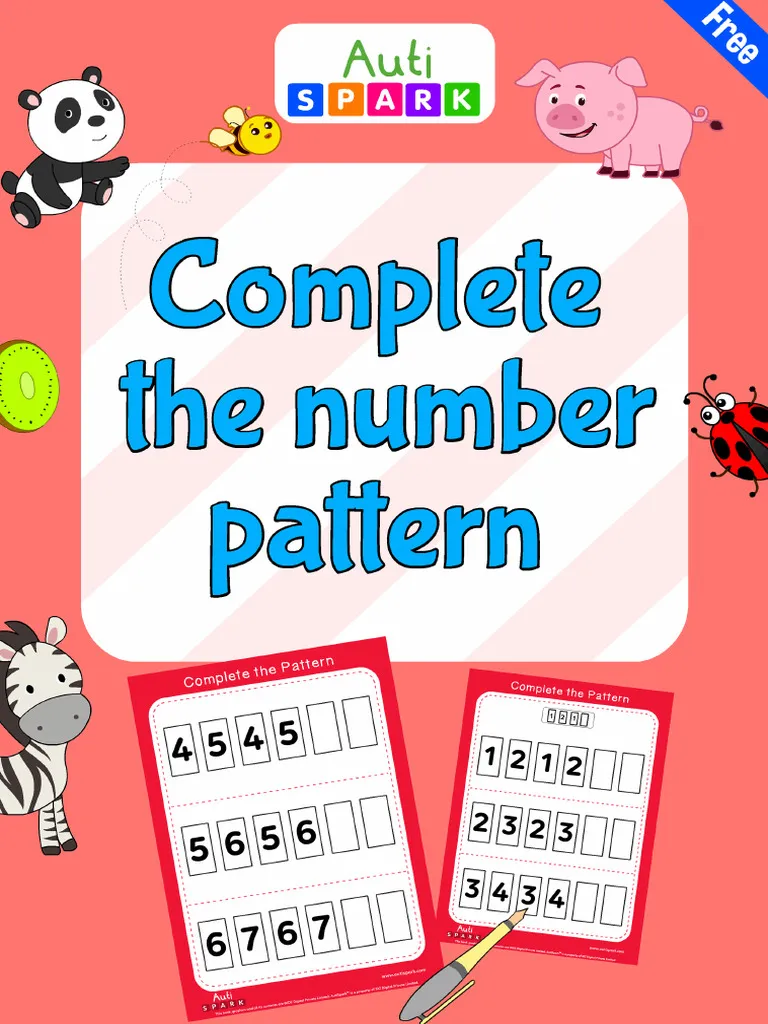
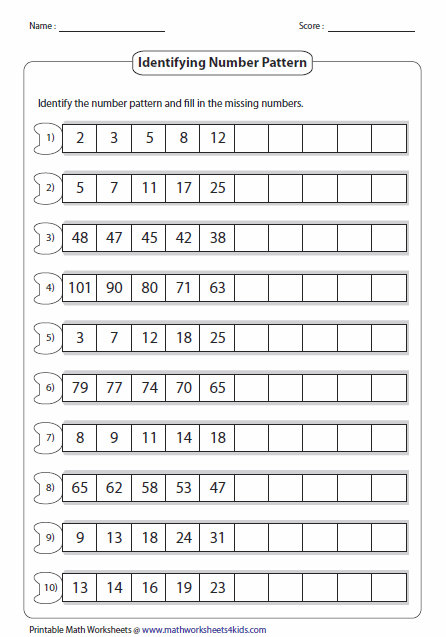
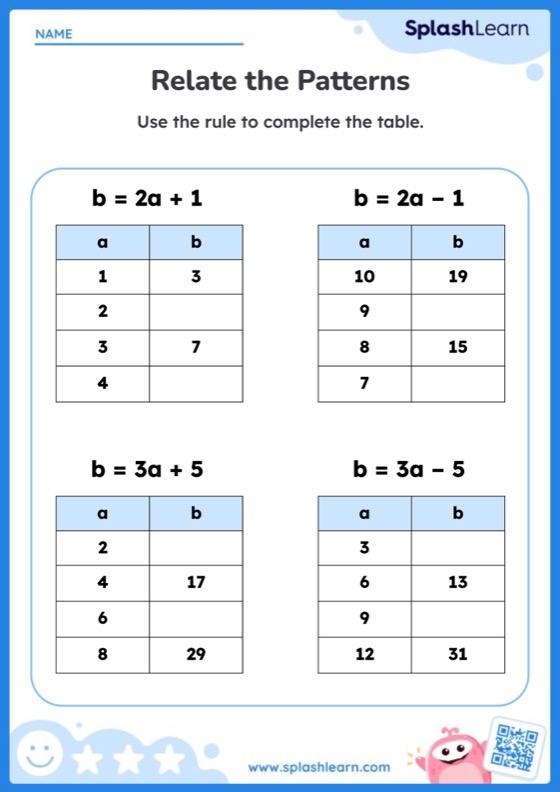
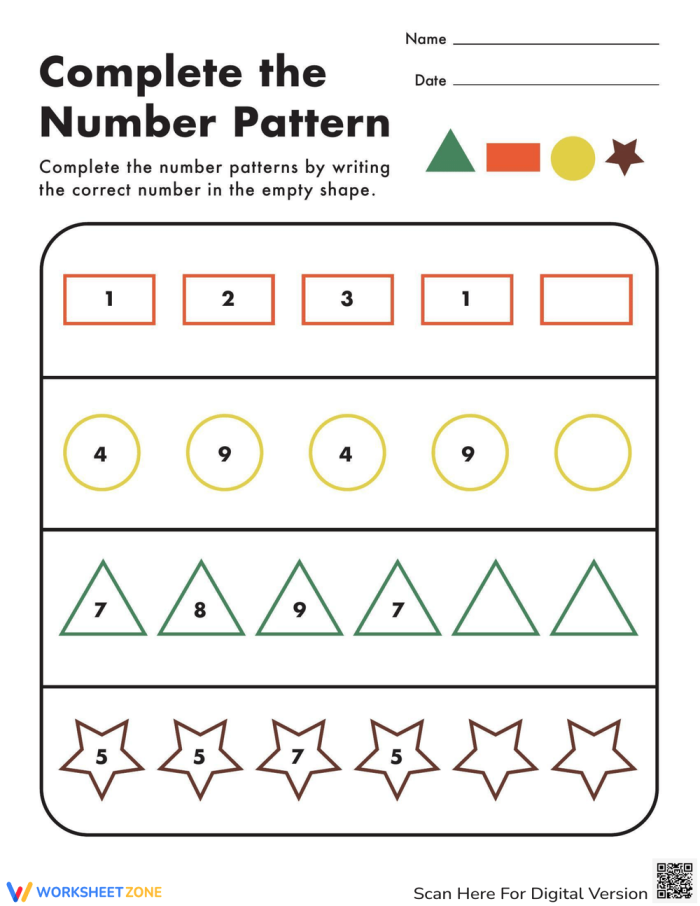
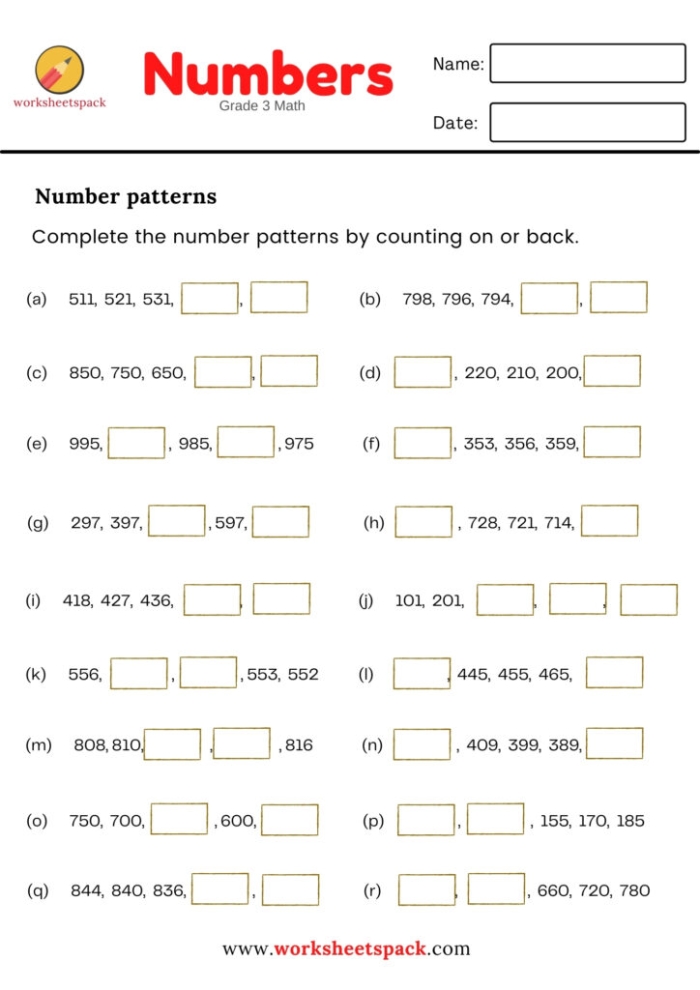
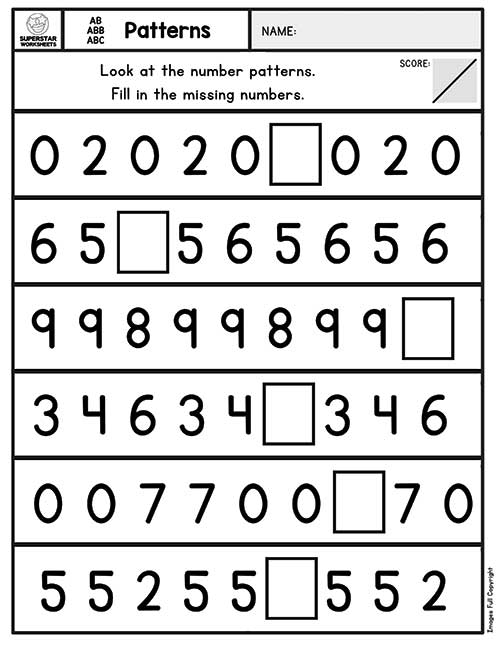
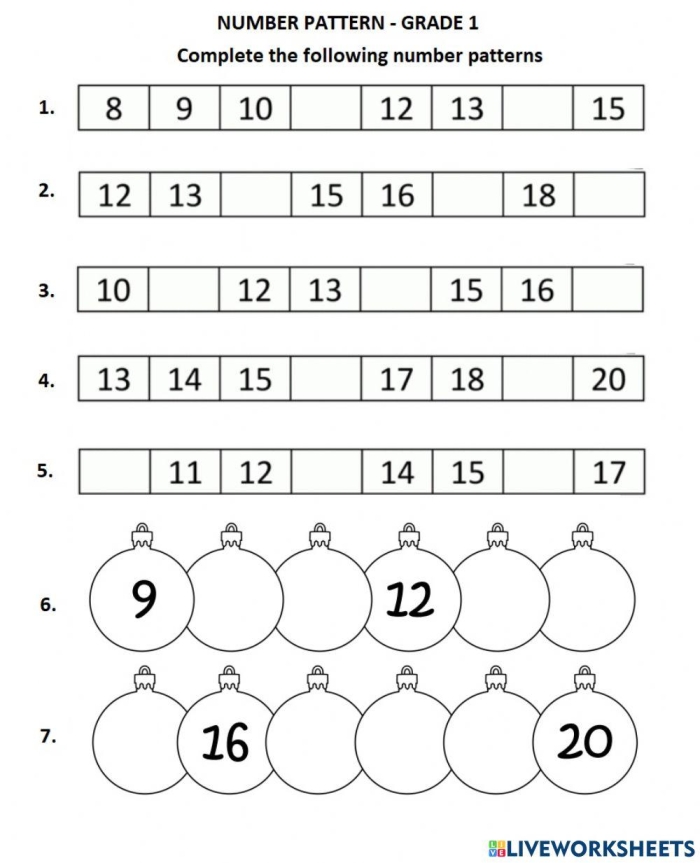
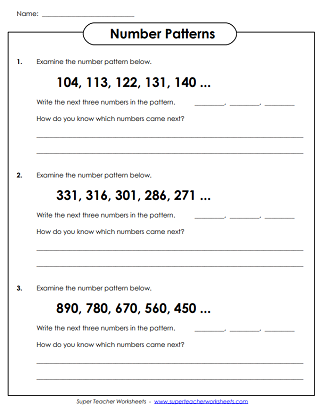
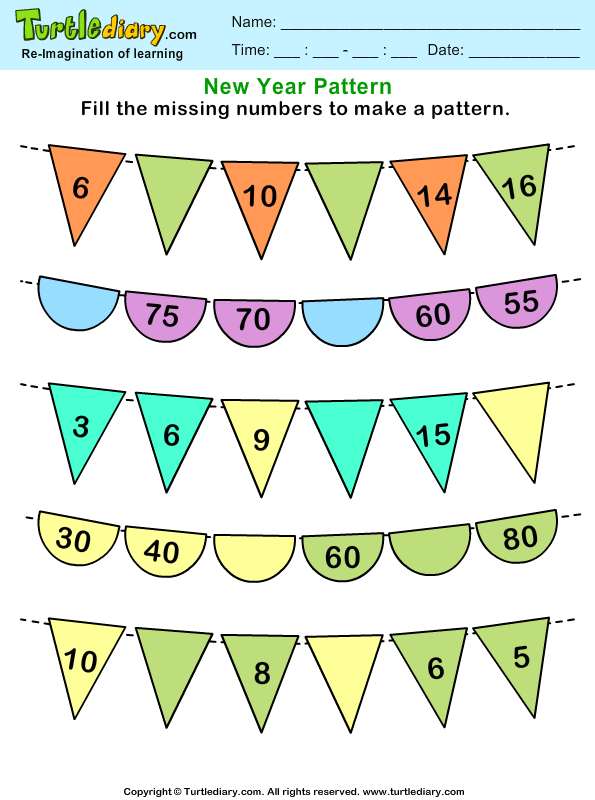
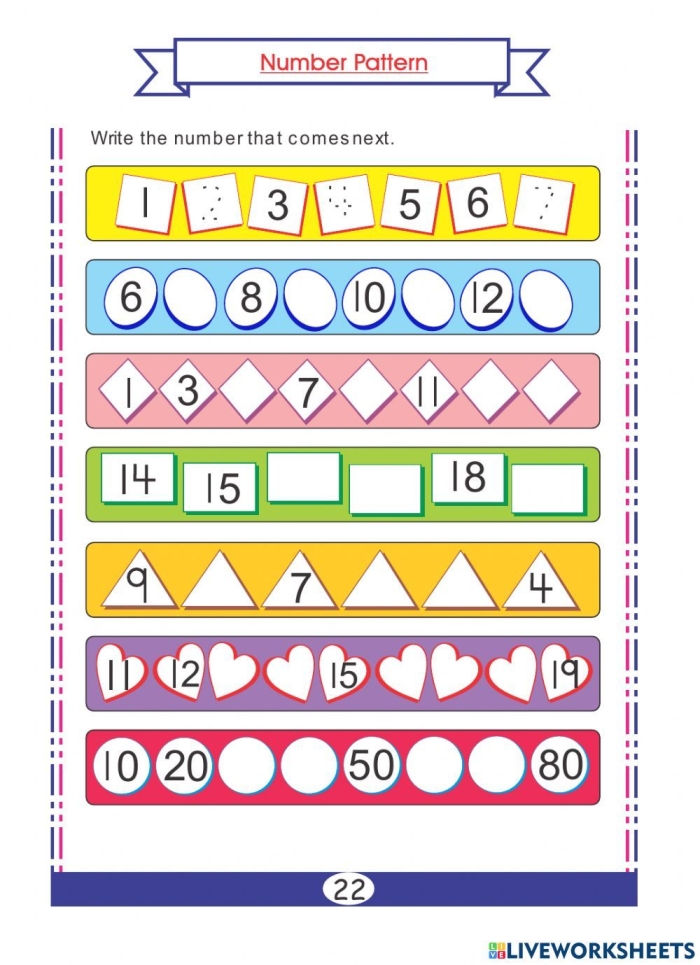
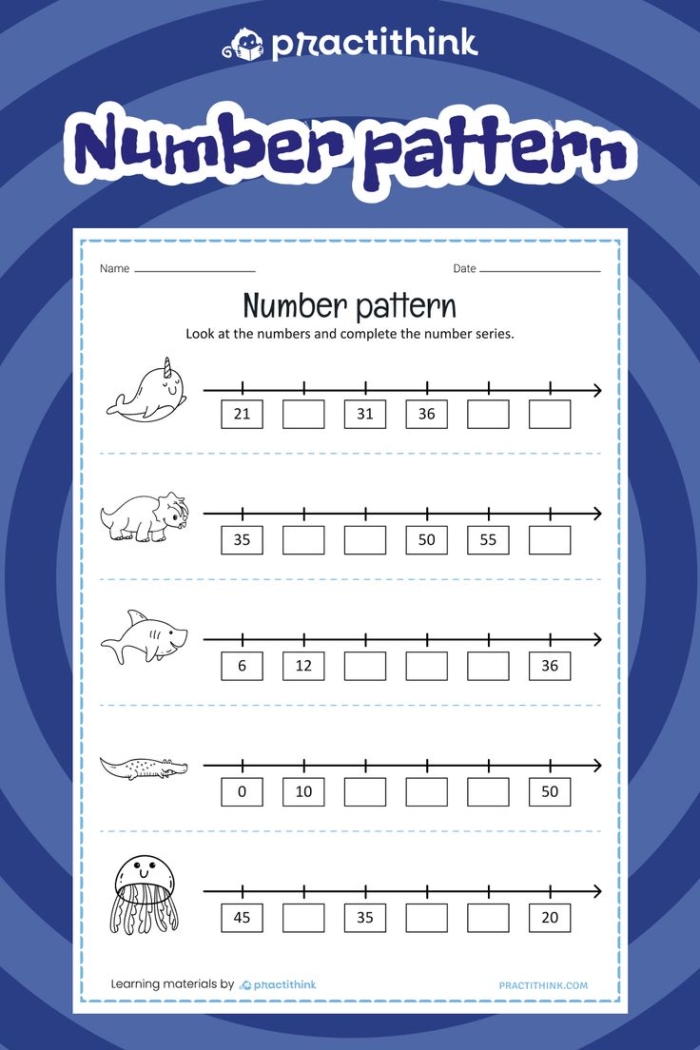
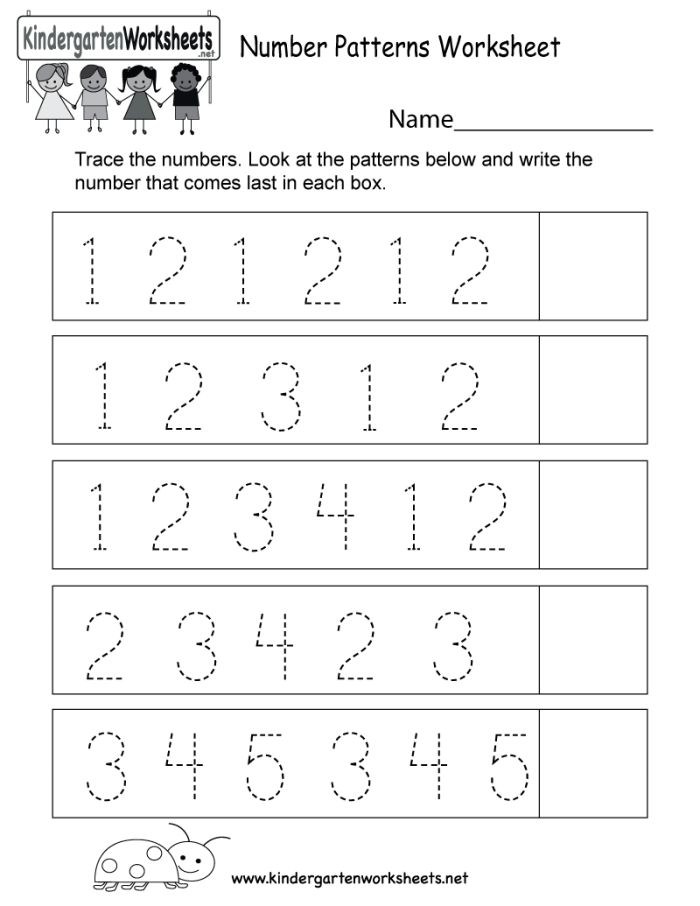
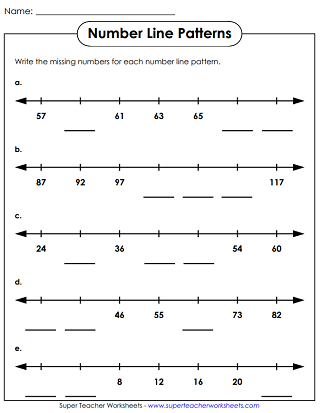
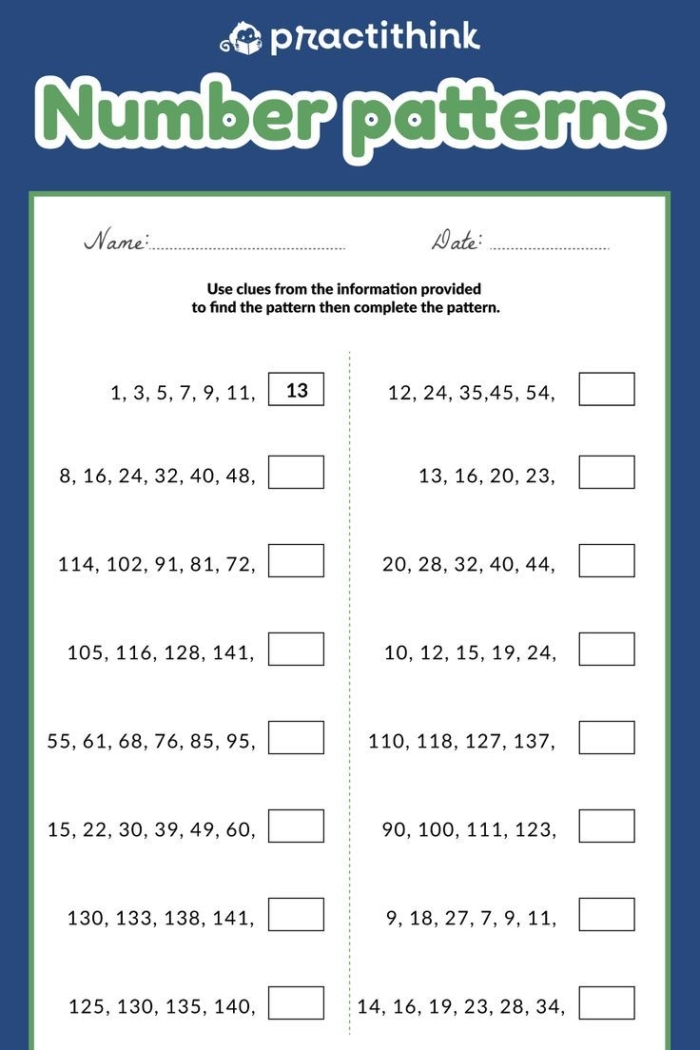
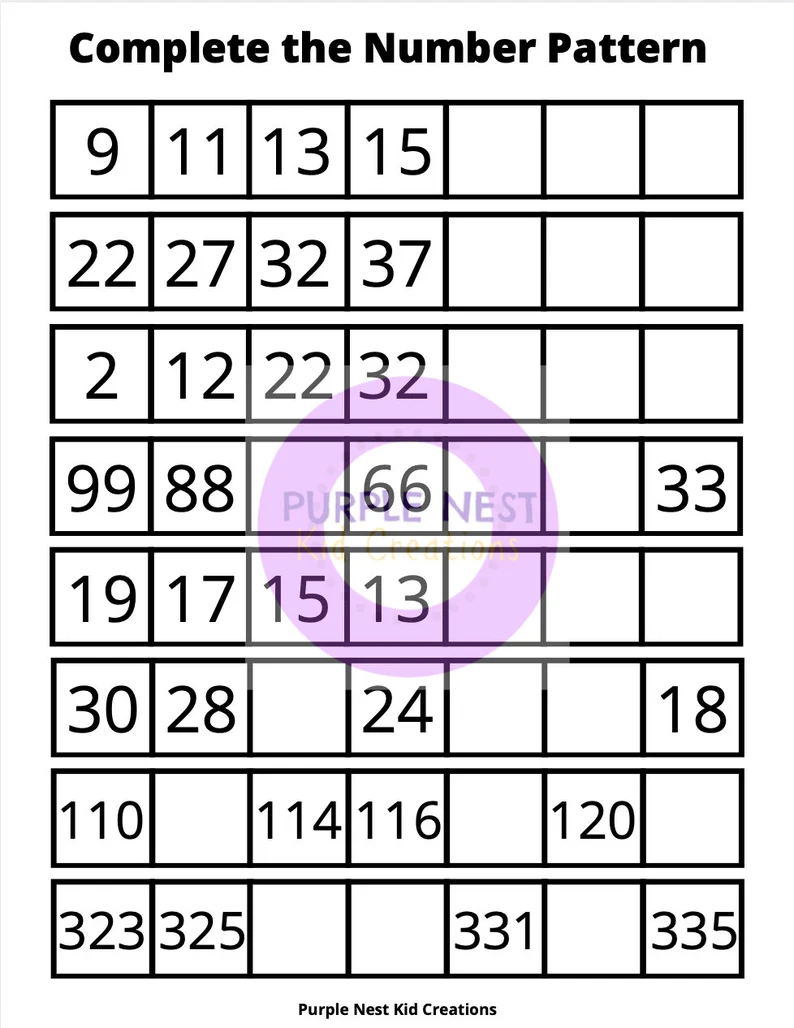
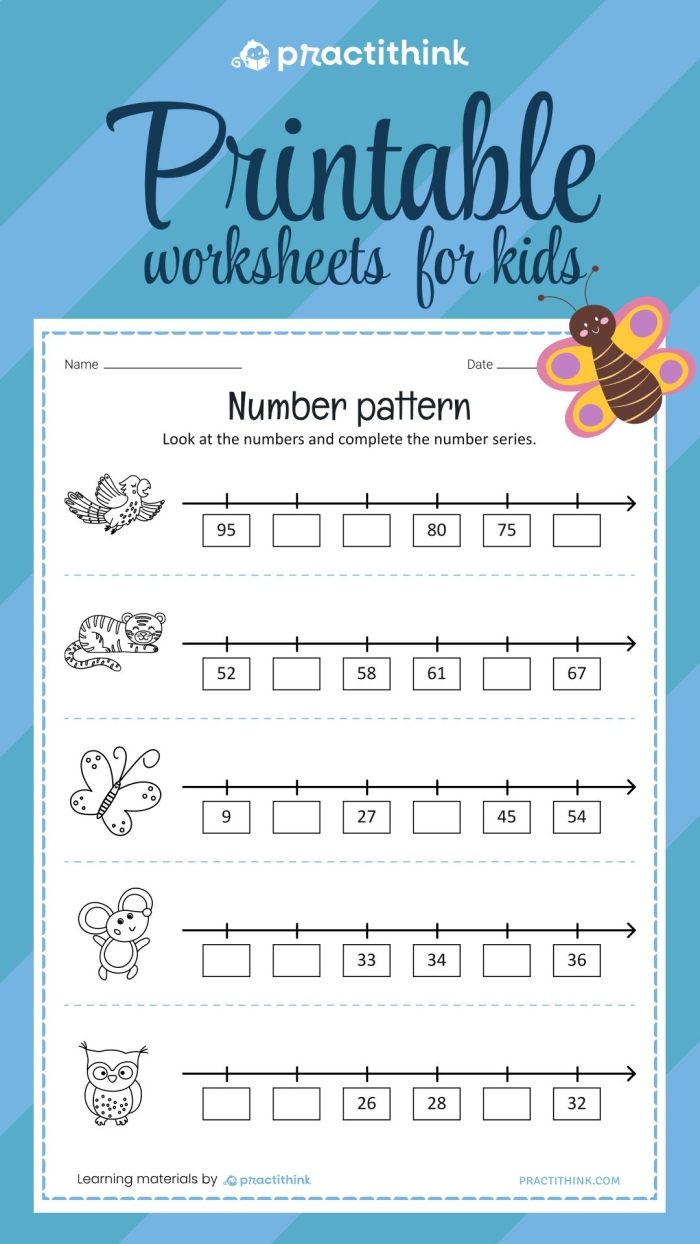
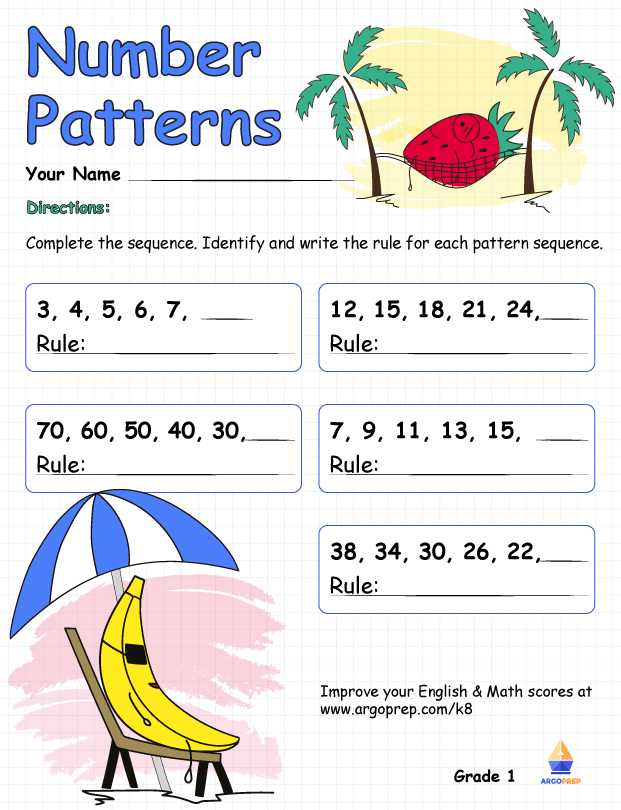
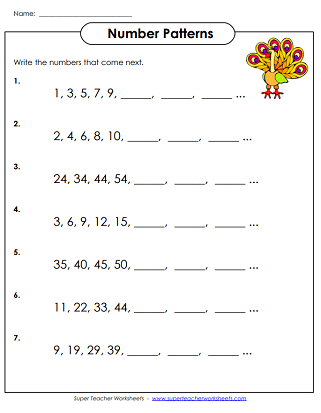
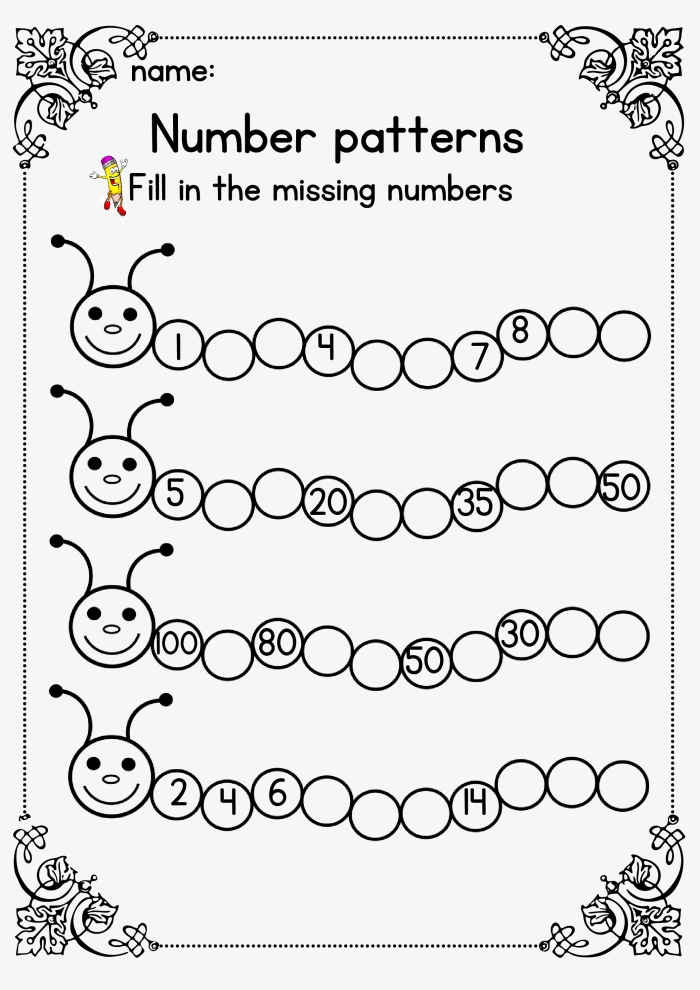
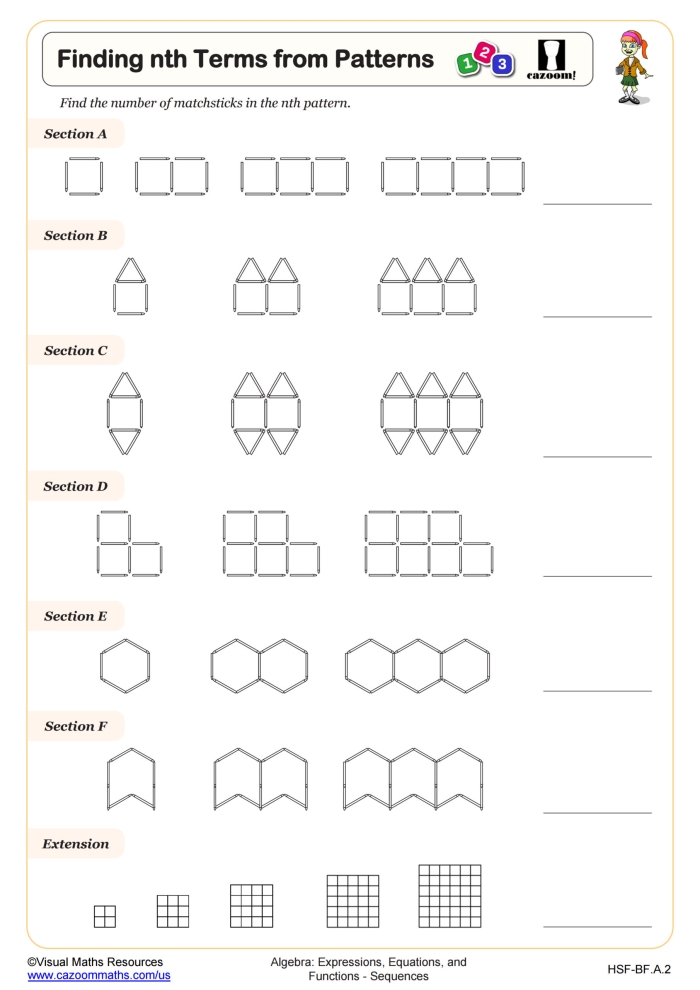
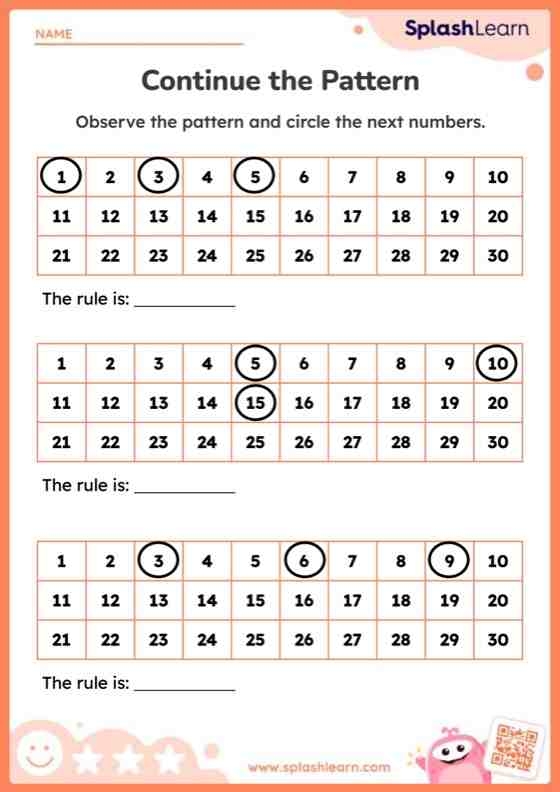
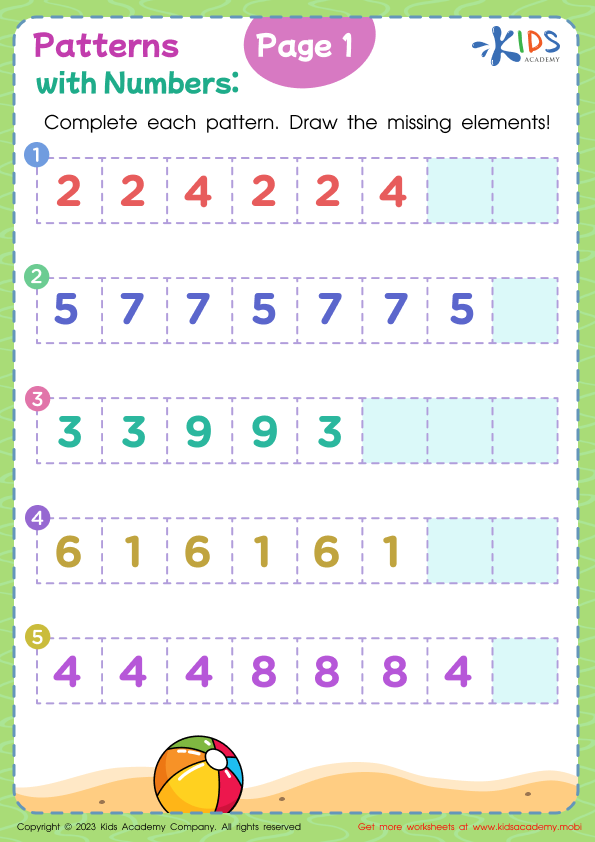
When young learners encounter a prekindergarten math worksheet featuring number patterns, they engage with math in a hands-on and meaningful way. The numbers on these worksheets are arranged in sequences that follow a specific rule or pattern. Children study each sequence carefully to figure out what number logically comes next. This process helps them develop early numerical reasoning skills that are crucial for later math success.
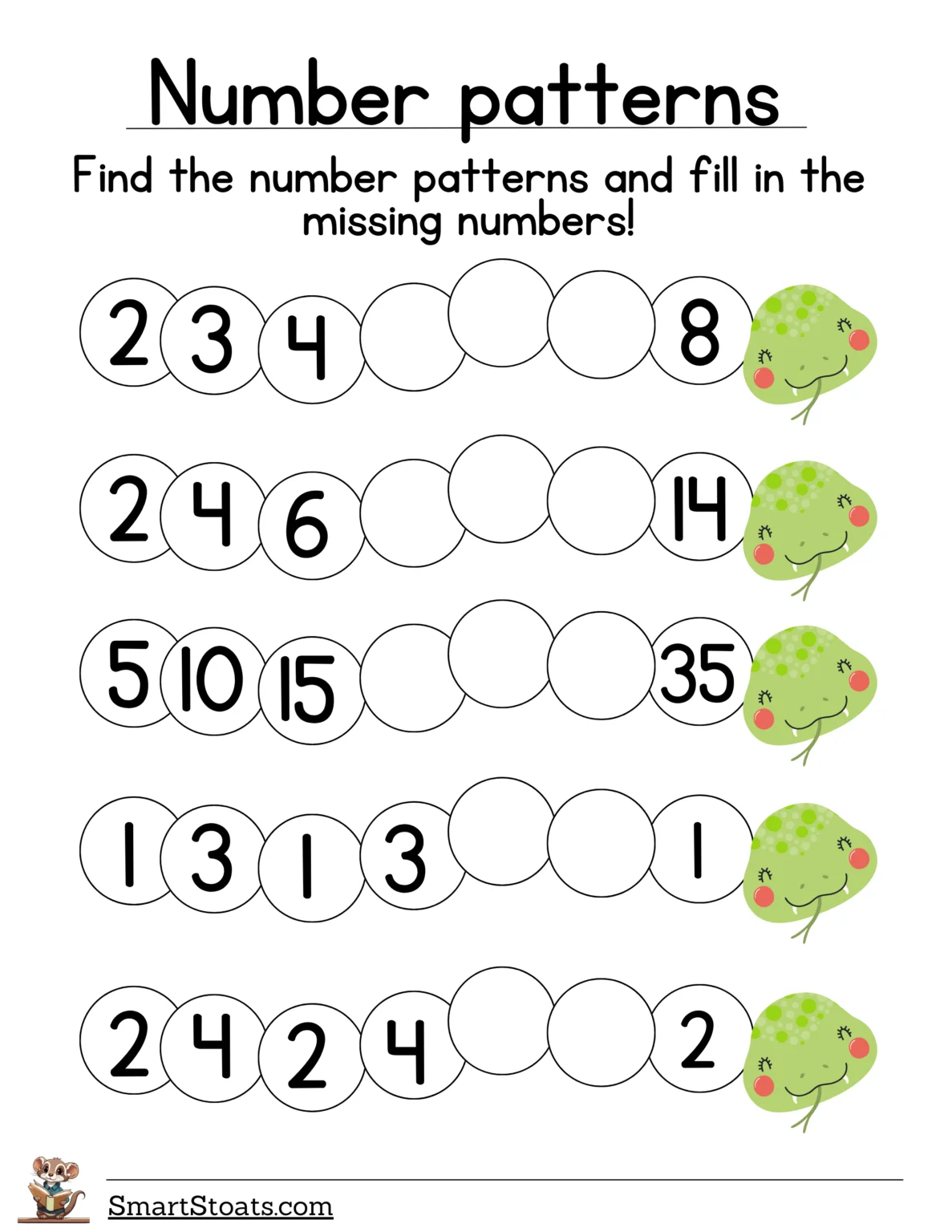
For example, a simple pattern might show numbers increasing by twos: 2, 4, 6, __. The child’s task is to recognize the pattern and write the next number, in this case, 8. Other patterns might alternate between adding and subtracting, or involve counting backwards. These variations encourage kids to pay attention to the relationship between numbers rather than just memorizing facts.
Completing the number pattern also supports skills beyond math. It requires attention to detail, logical thinking, and even fine motor practice as children write their answers. This is why integrating such worksheets into a Pre-K classroom setting, alongside activities focusing on grammar and mechanics, can provide a well-rounded learning experience. For instance, just as children observe patterns in numbers, they also learn to recognize patterns in language through exercises like matching rhyming words or practicing letter formation.
Printable complete the number pattern worksheets offer a flexible way for teachers and parents to reinforce these skills repeatedly. Many of these resources align well with other Pre-K activities, such as connect-the-dots exercises that improve letter recognition and writing skills. Using these tools together helps children build a foundation in both math and language, two areas that often intersect as kids develop early literacy and numeracy.
Working with number patterns also prepares children for more complex concepts like sequencing and problem-solving. When kids confidently identify what comes next in a series, they’re practicing prediction and reasoning in a low-pressure setting. These abilities are essential as they move into kindergarten and beyond, making the simple act of completing number patterns a vital part of early education.
Worksheet Practice Section