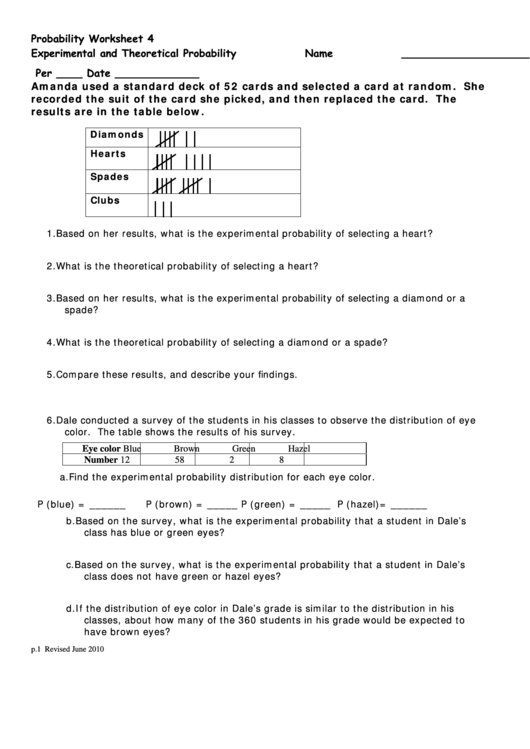
Seventh grade is when students first encounter probability beyond simple coin flips and dice rolls. A structured worksheet on experimental probability models bridges the gap between intuition and data-driven thinking, giving students hands-on experience with how real-world outcomes actually behave.
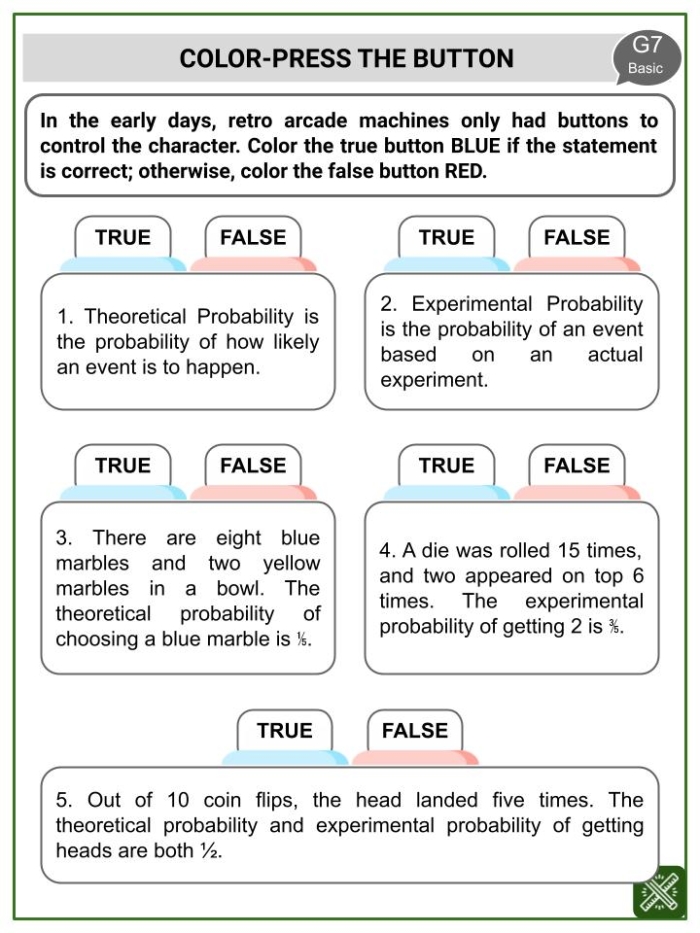
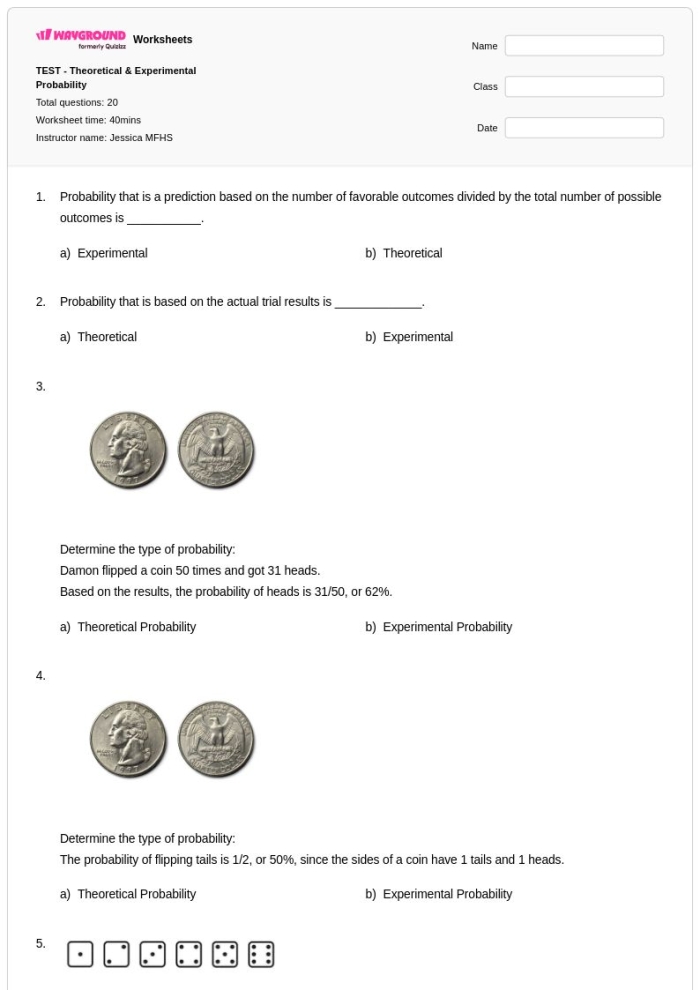
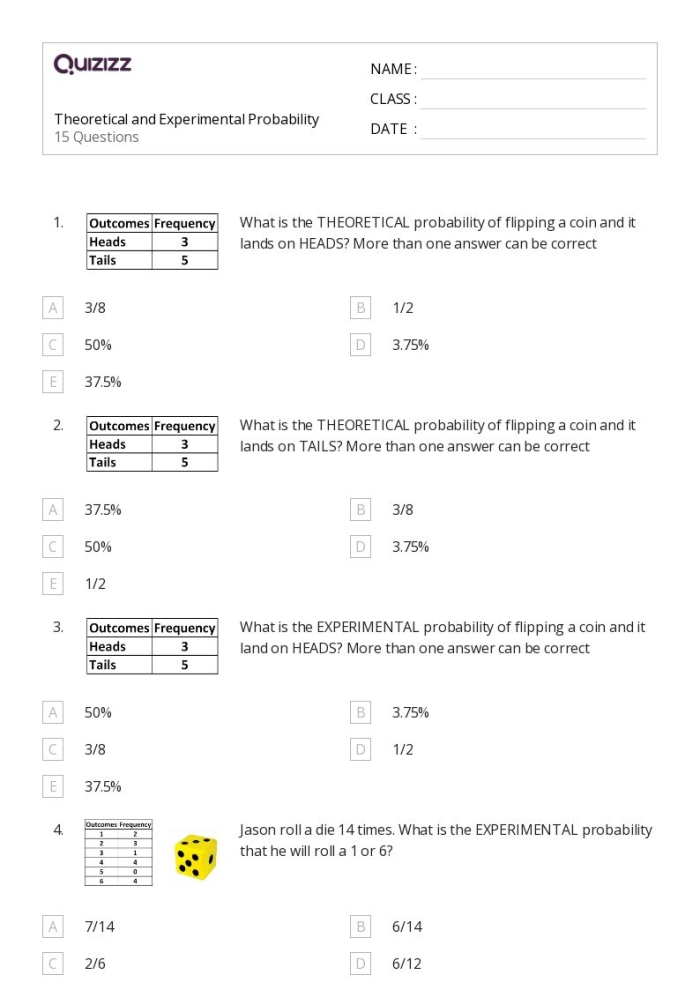
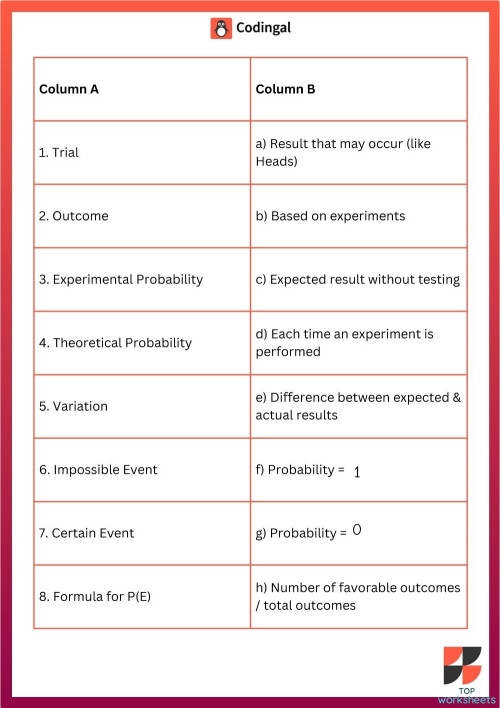
Experimental probability differs from theoretical probability in a crucial way: it’s based on what actually happens when you run an experiment, not what the math predicts should happen. When a seventh grader flips a coin 50 times and records 28 heads instead of the expected 25, they’re collecting real data. This discovery that experiments don’t always match predictions is powerful. It teaches them that probability describes likelihood, not certainty.
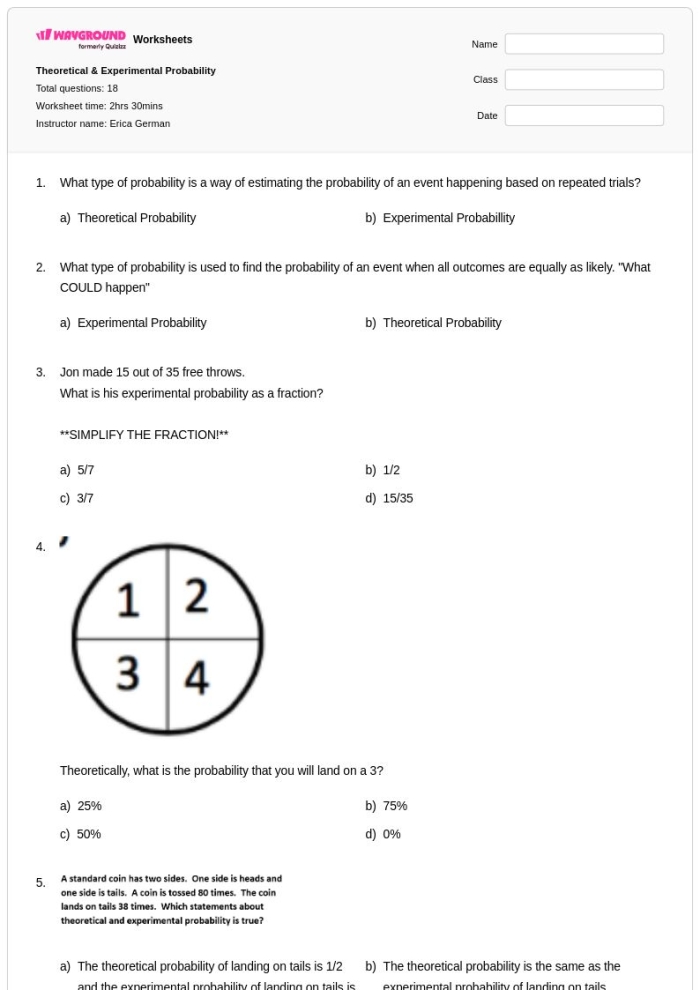
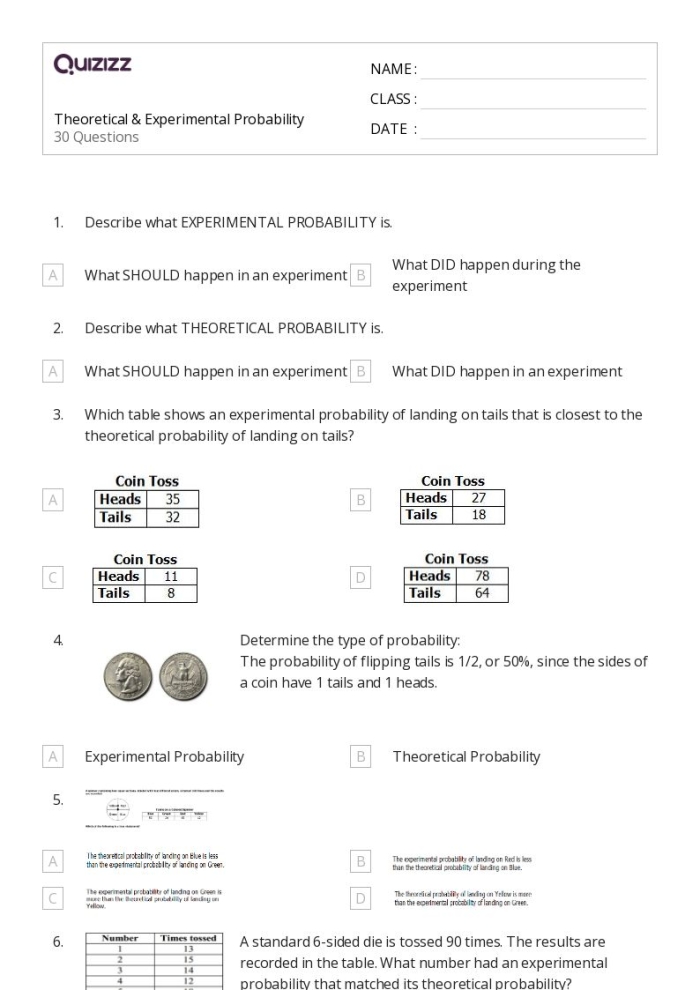
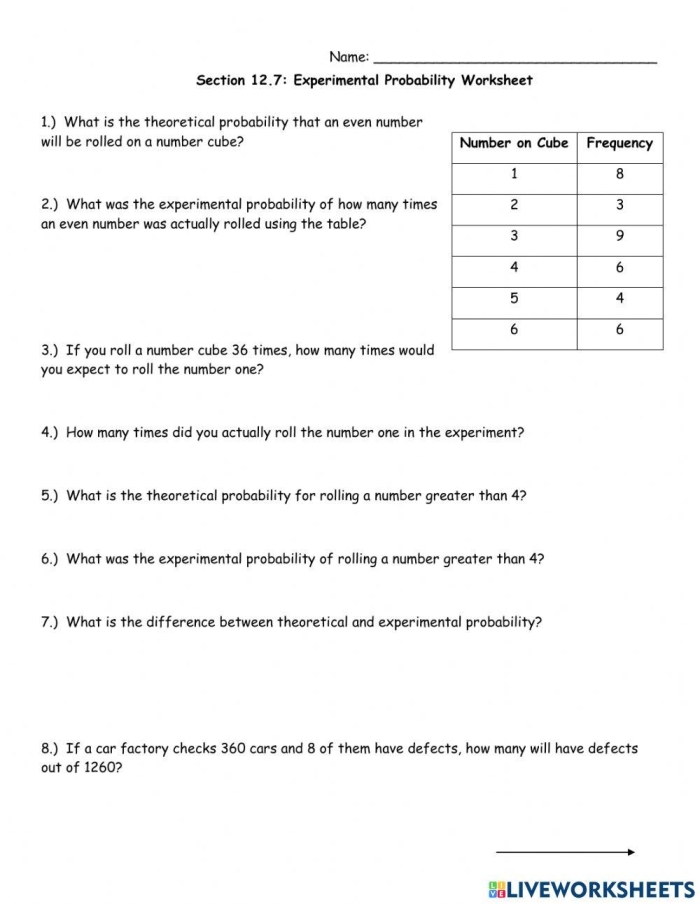
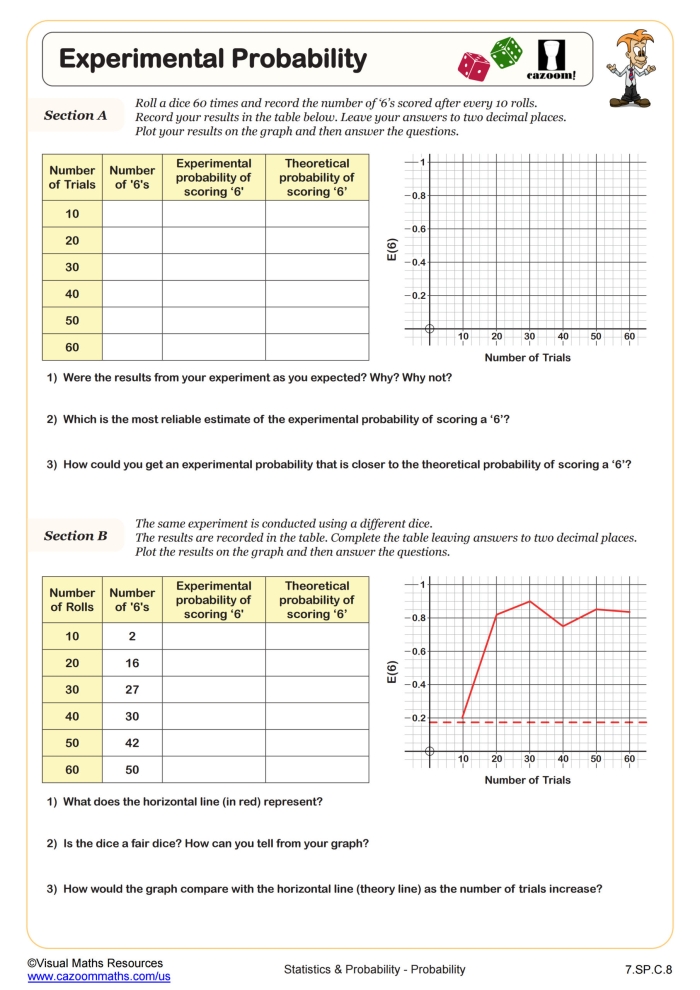
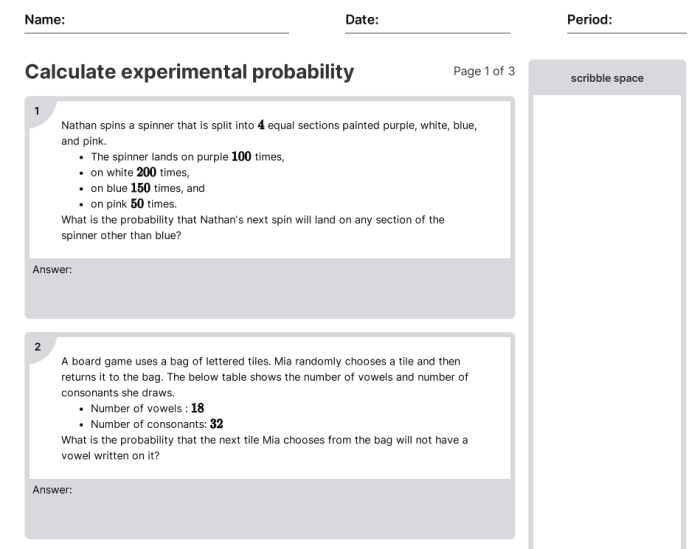
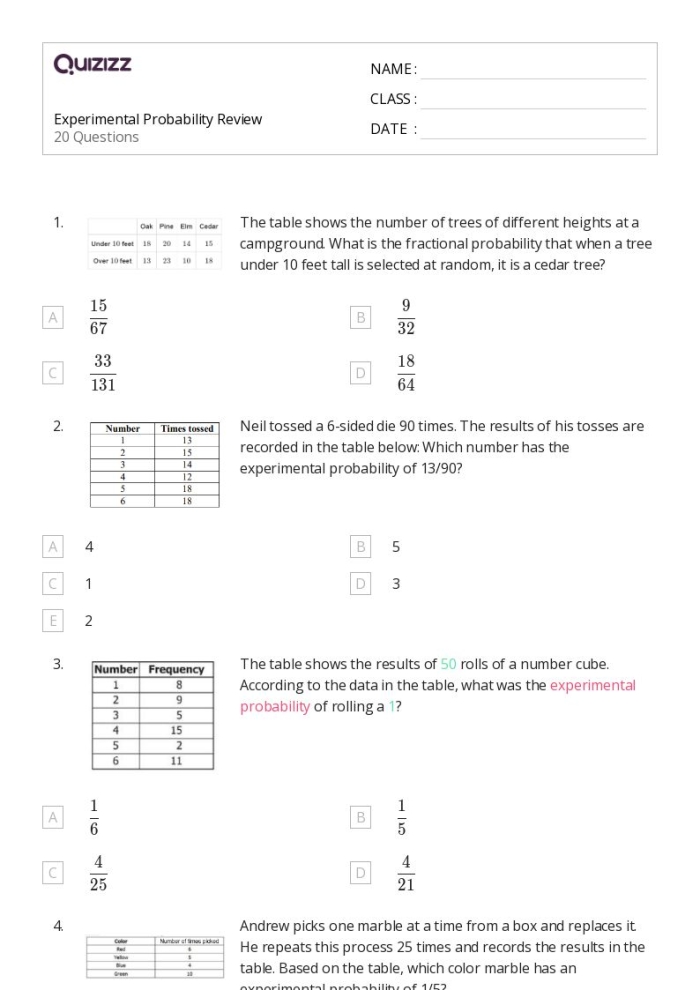
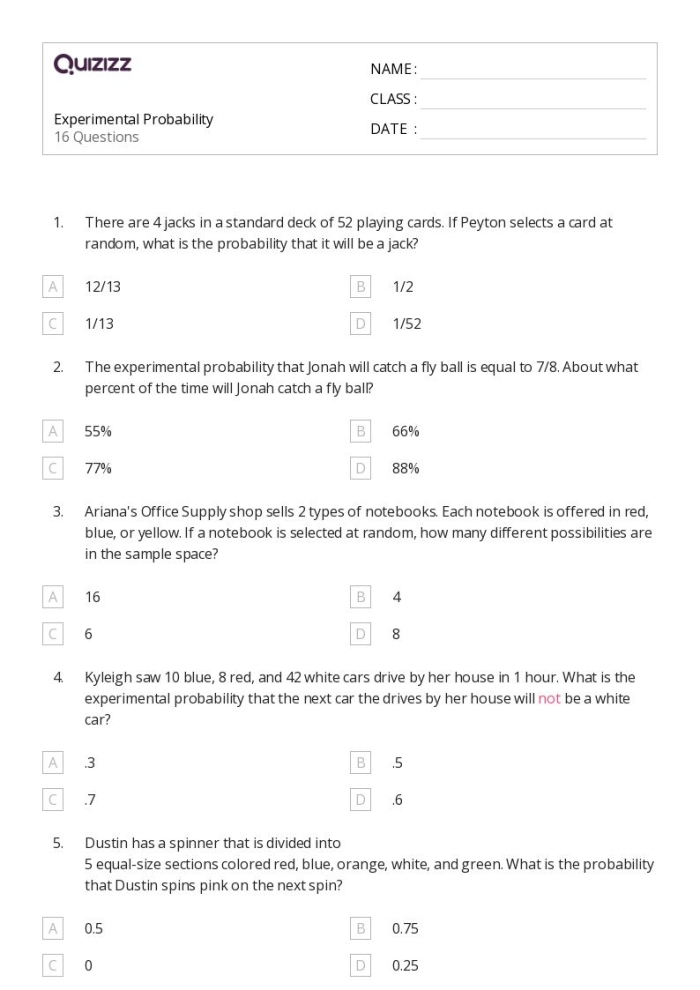
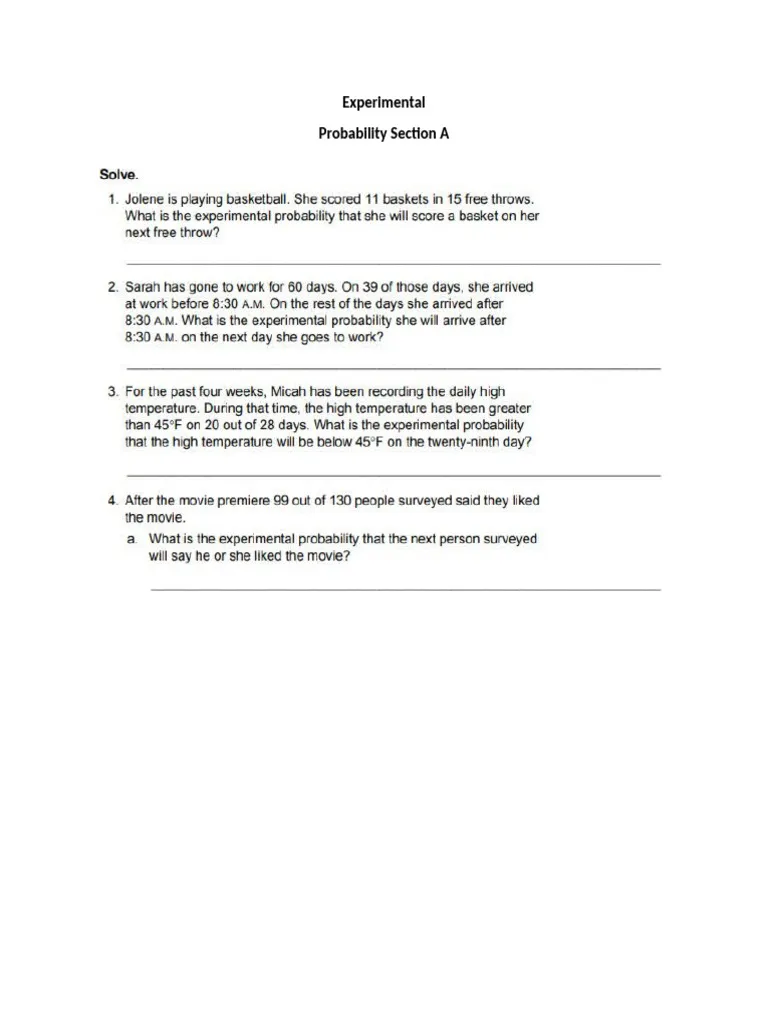
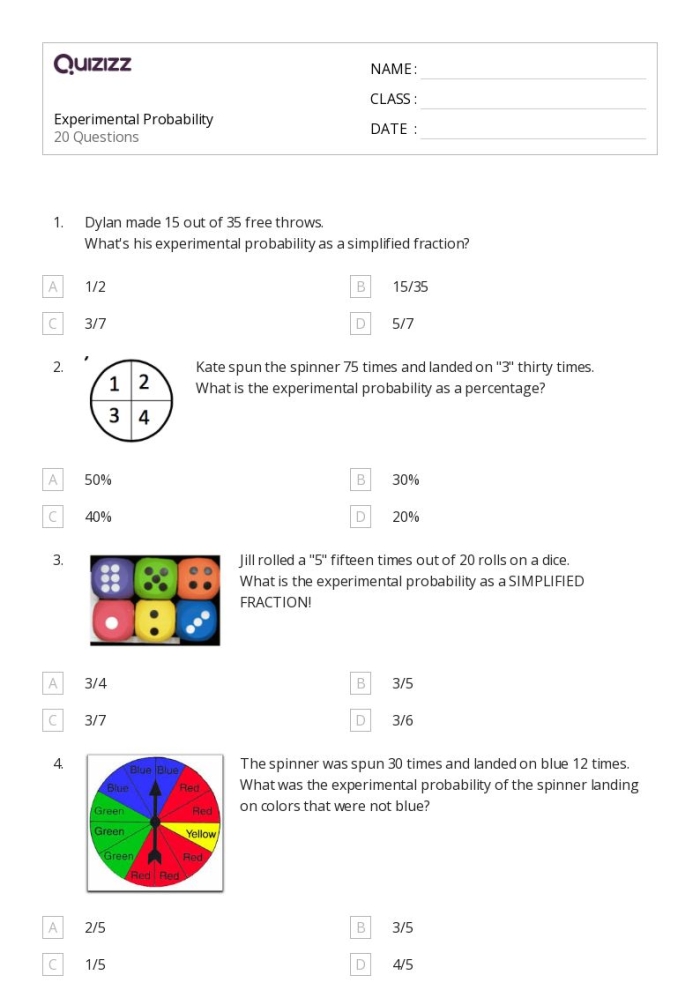
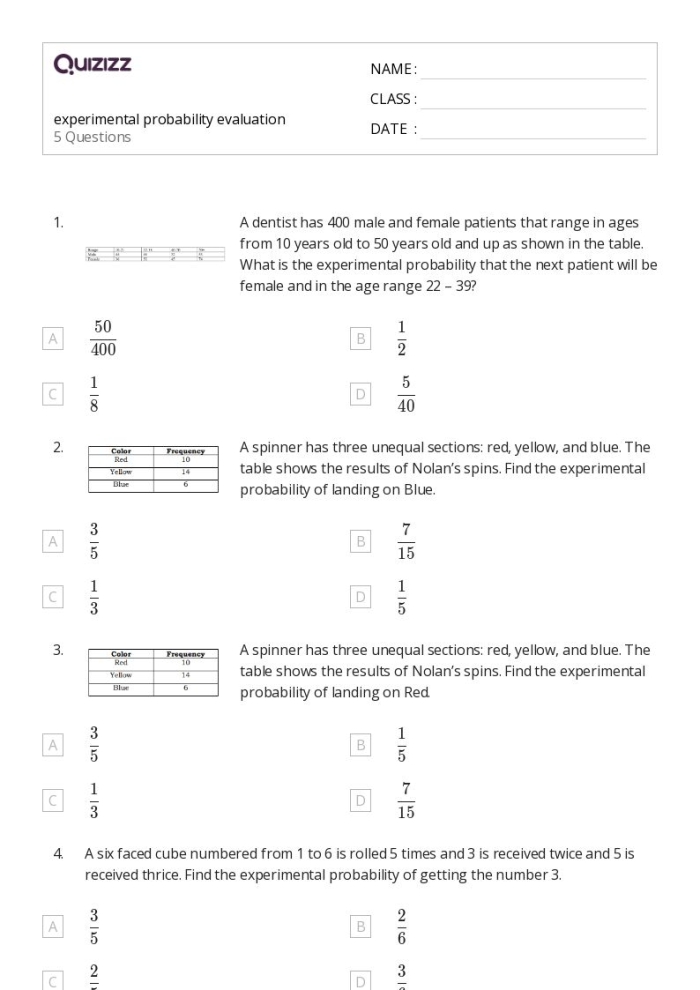
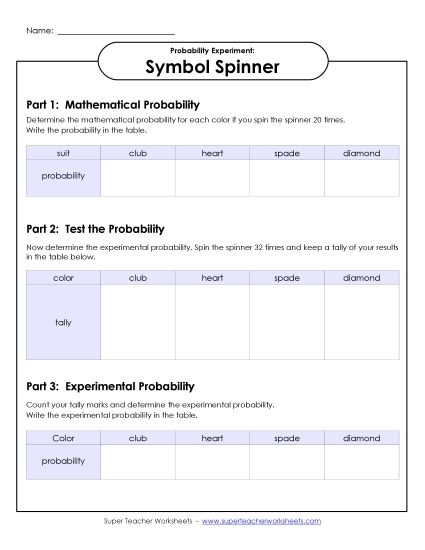
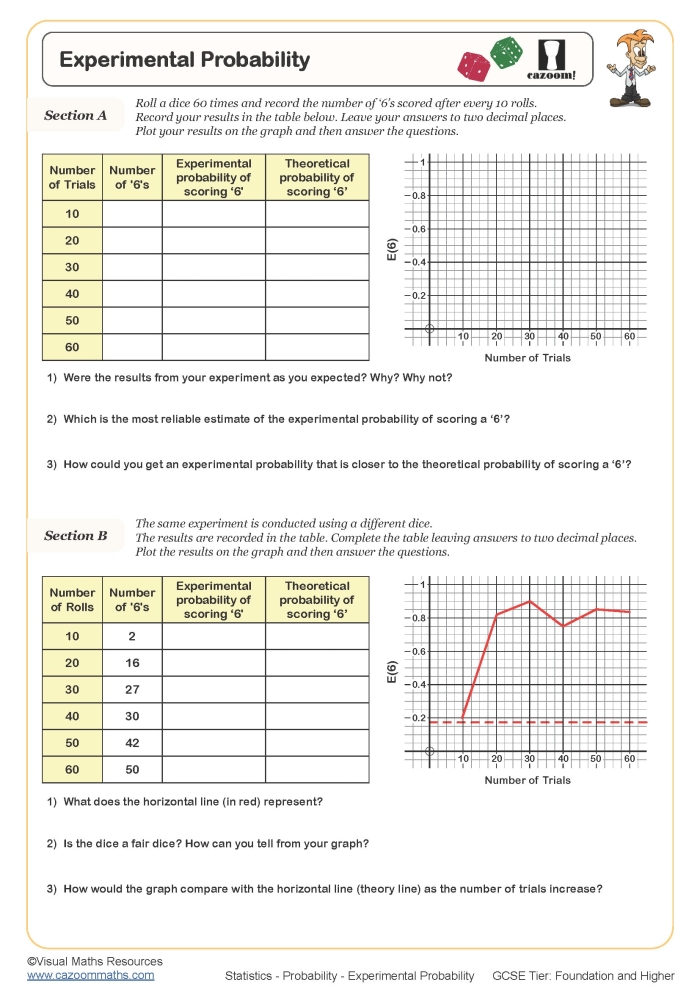
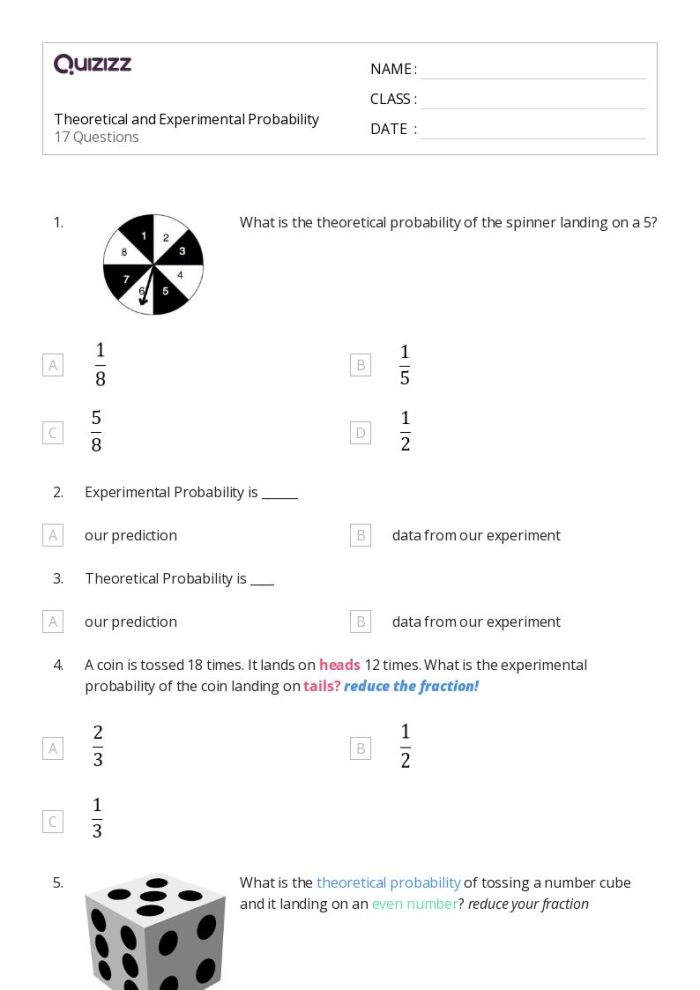
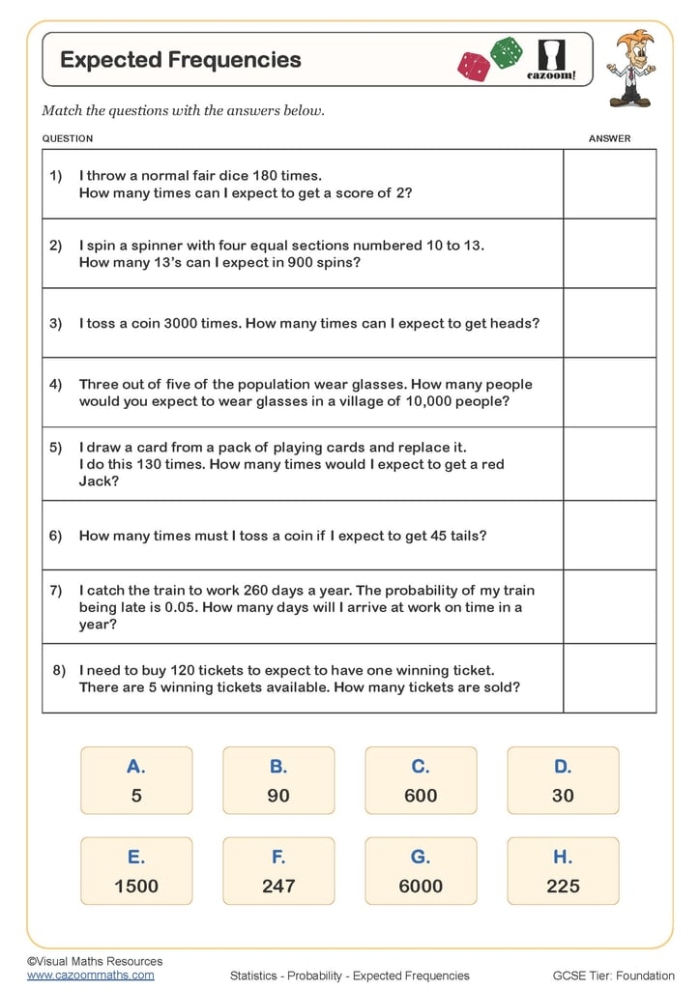
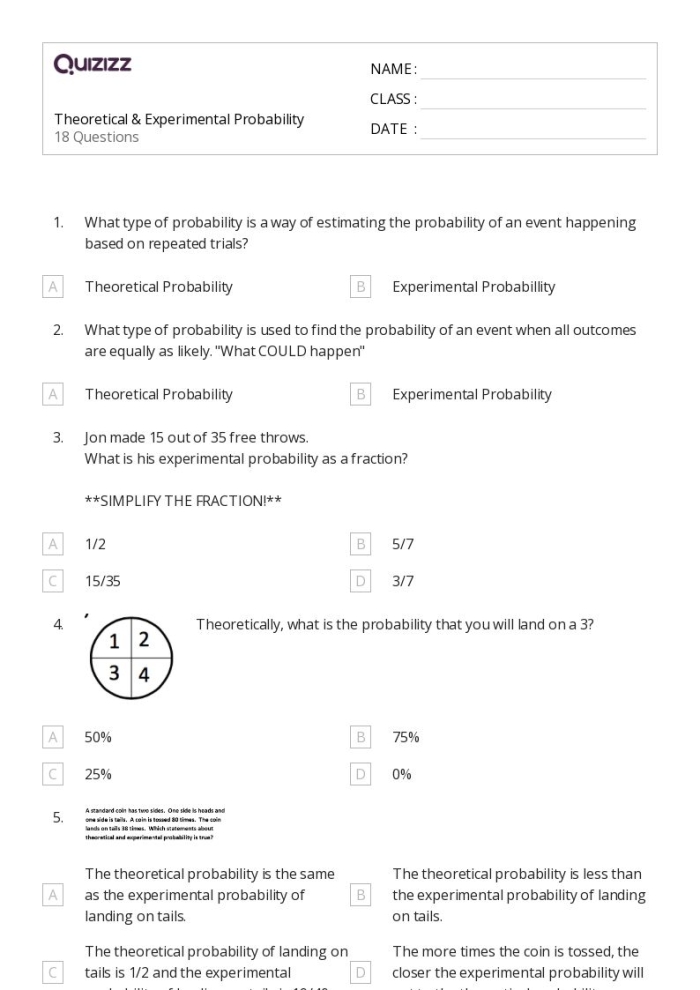
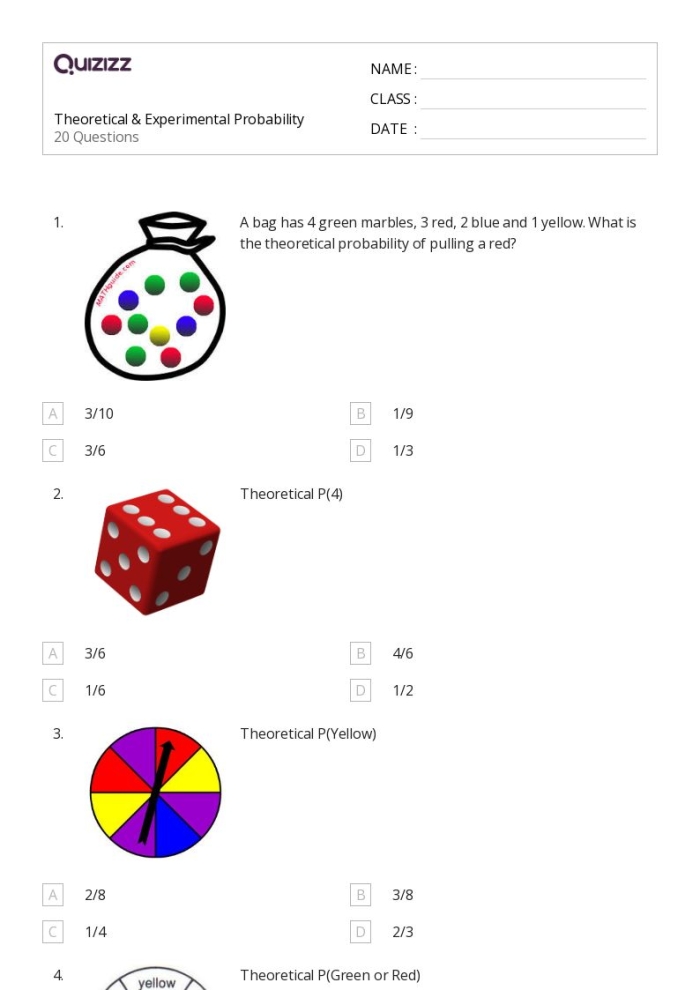
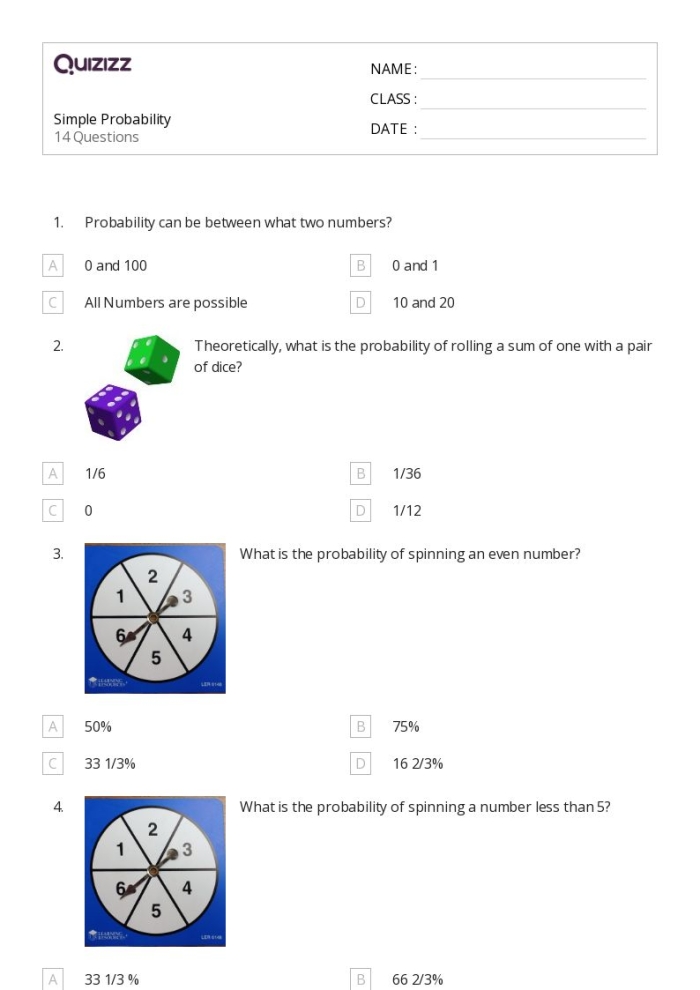
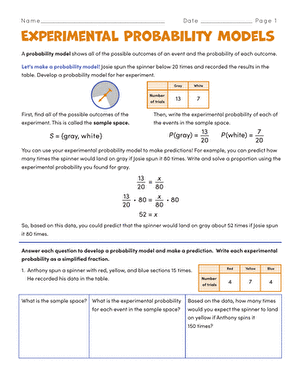
A well-designed worksheet guides students through the complete process. They conduct an experiment, like drawing colored marbles from a bag or spinning a spinner multiple times. They record each outcome in a table, then calculate the experimental probability by dividing favorable outcomes by total trials. The worksheet might ask them to repeat the experiment and compare results, revealing how sample size affects reliability.
The reading component matters more than it might seem. Students need to interpret instructions carefully, understand what “favorable outcome” means in context, and explain their findings in writing. This connects to broader literacy skills where comprehension of mathematical language becomes essential.
Including visual elements like tables and simple charts helps seventh graders organize their thinking. Some worksheets ask students to predict what will happen before experimenting, then compare predictions to actual results. This reflection deepens understanding of probability’s role in decision-making and risk assessment.
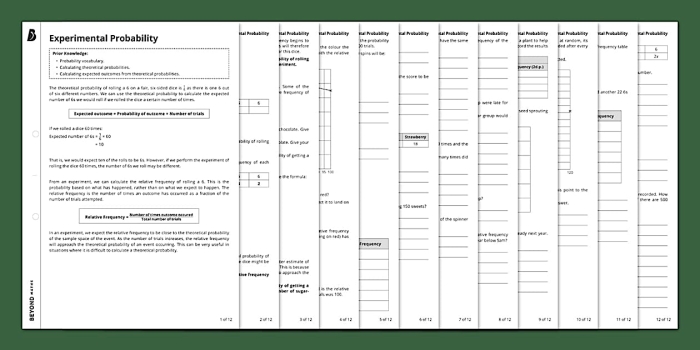
When designing or selecting worksheets, look for activities that feel like investigations rather than routine calculations. Students engage more deeply when they choose the experiment or predict outcomes before collecting data. A worksheet that asks students to build background knowledge through structured templates creates better scaffolding for complex concepts. Pairing probability work with reading activities from other subjects reinforces that data collection and interpretation apply everywhere, from science to sports statistics.
Worksheet Practice Section