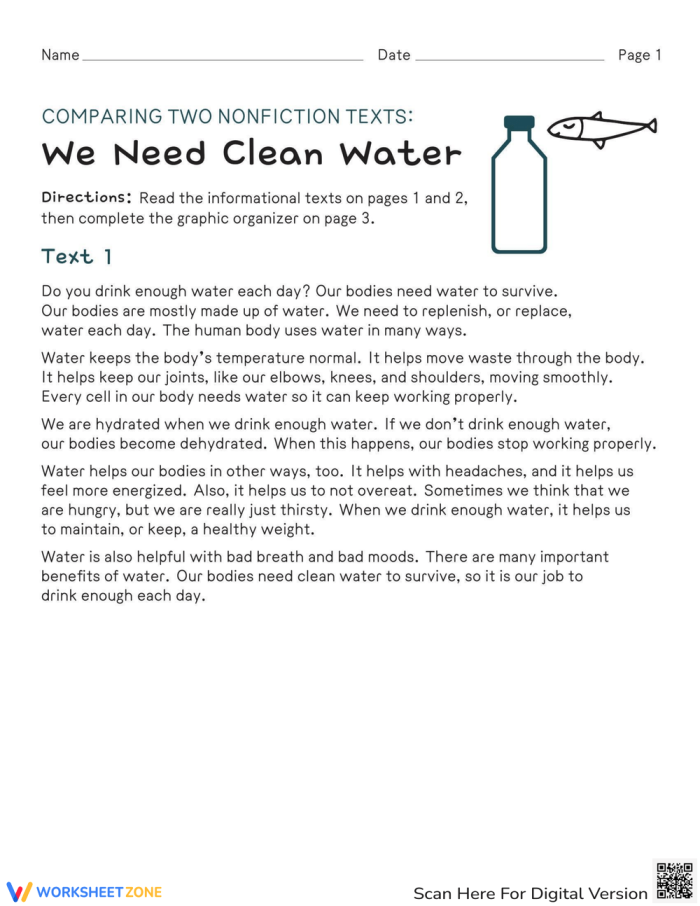
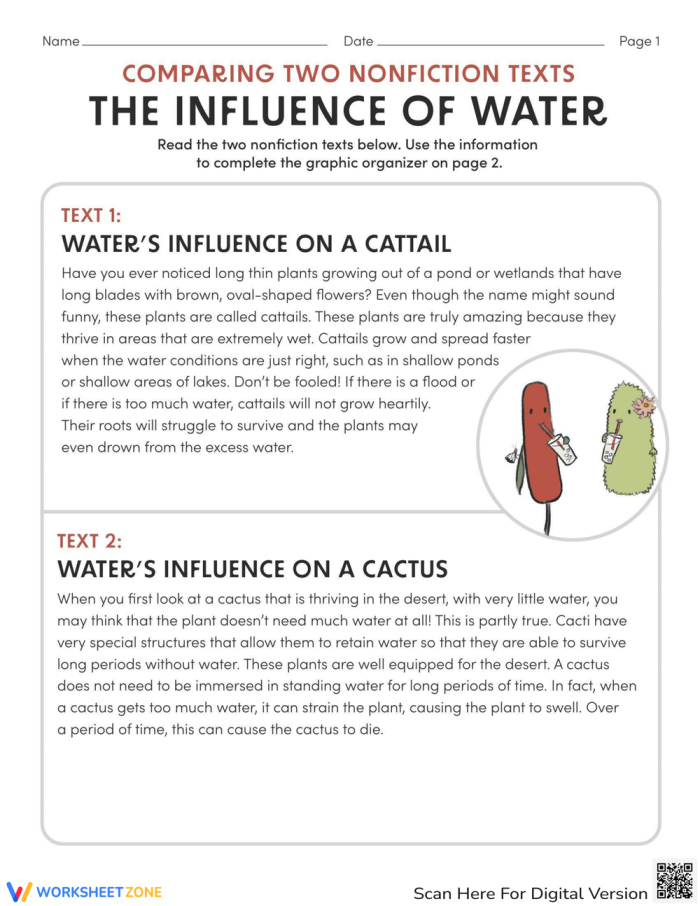
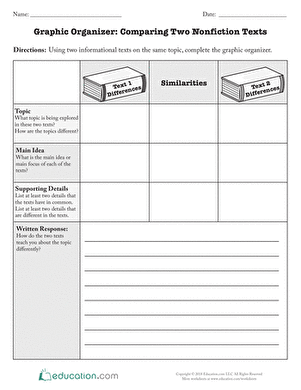
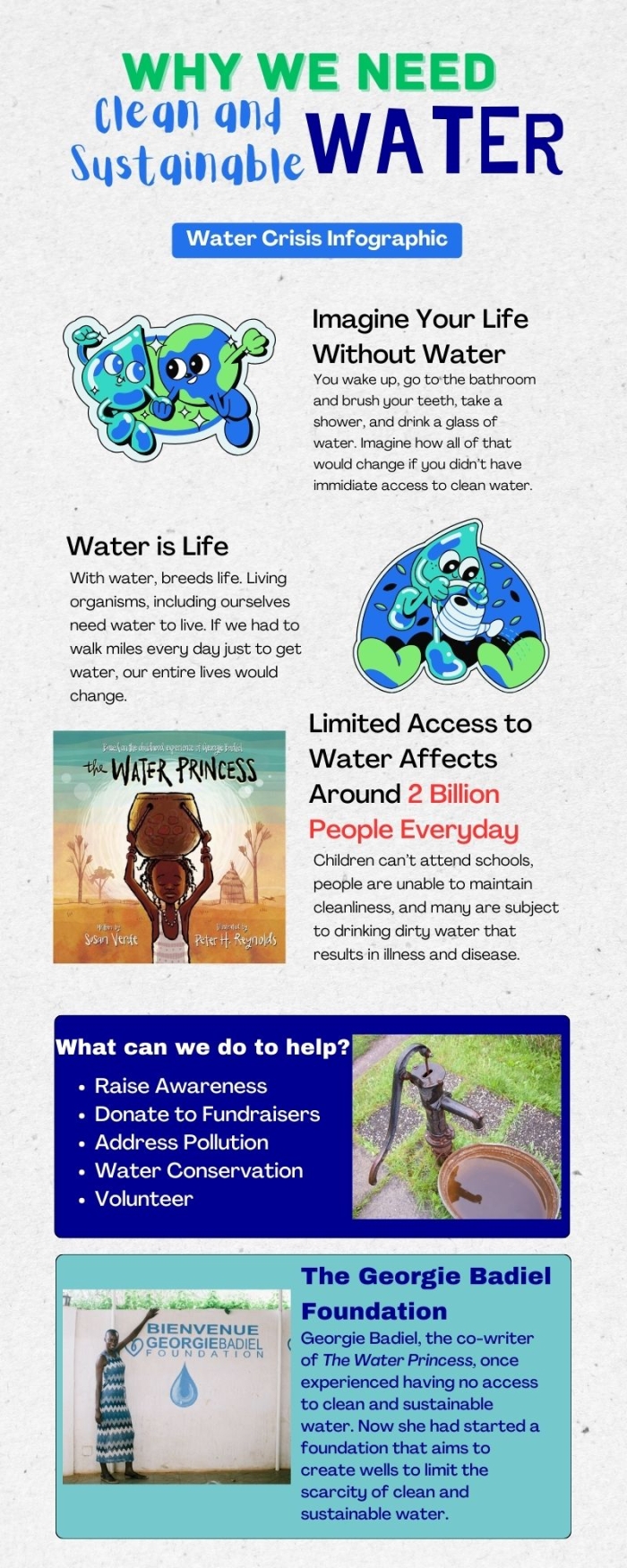
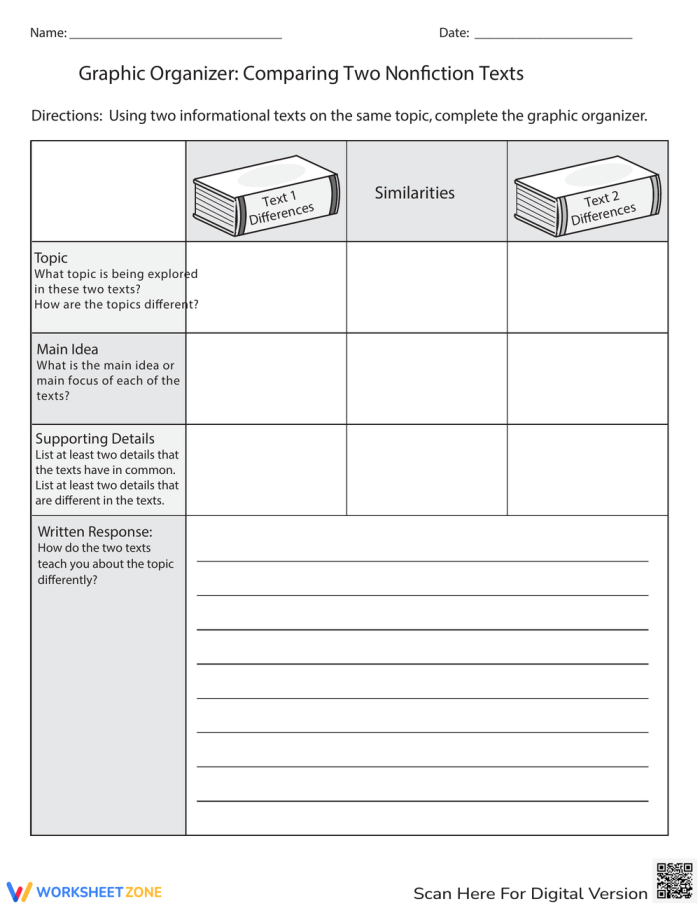
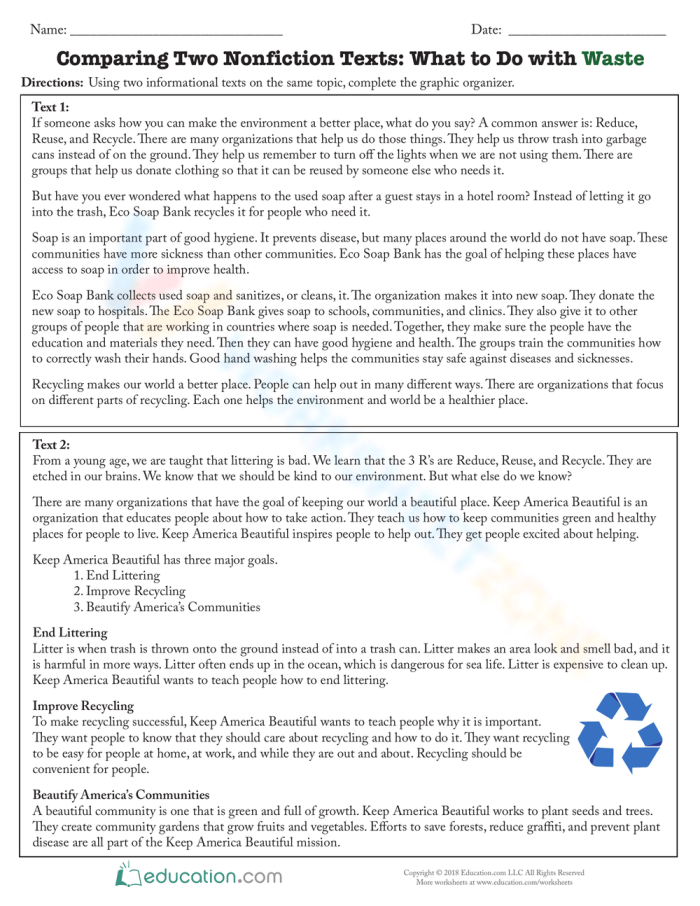
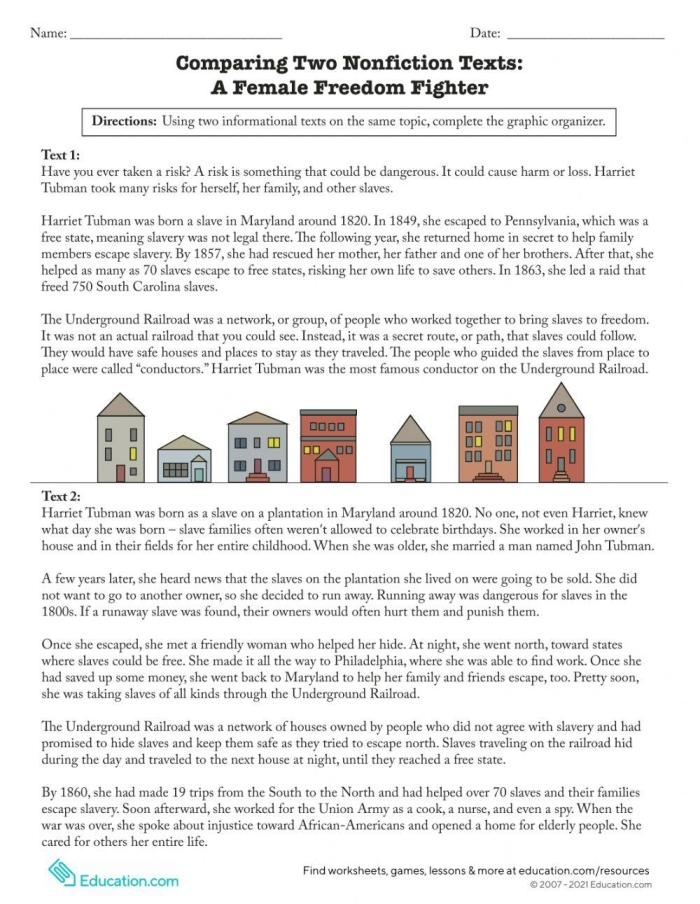
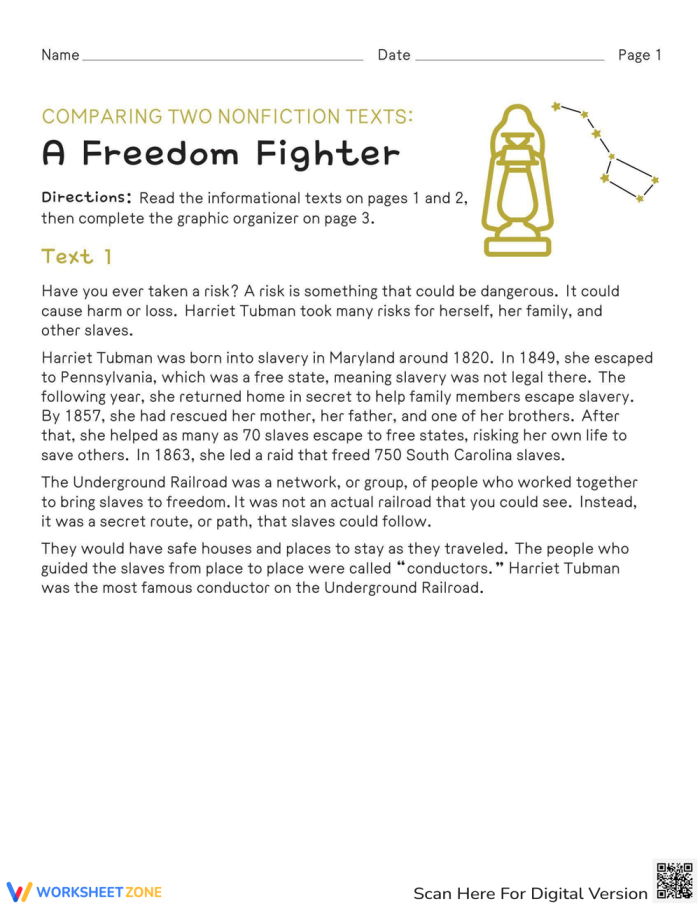
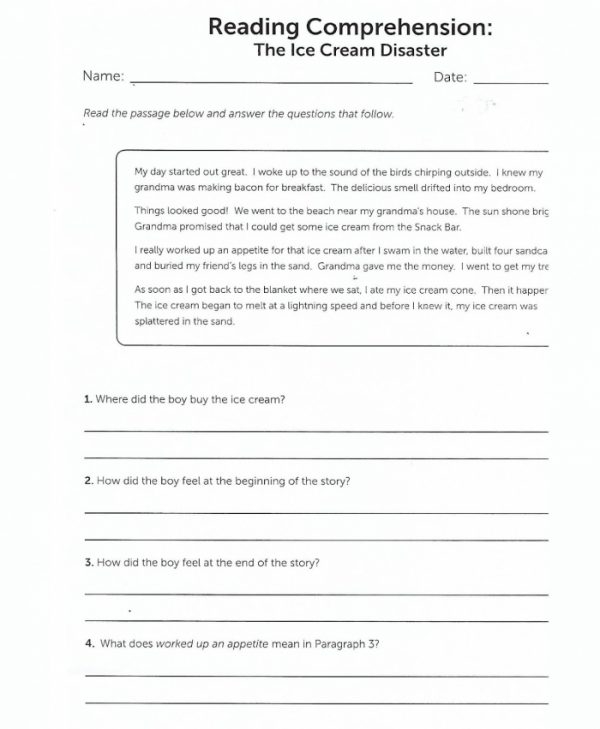
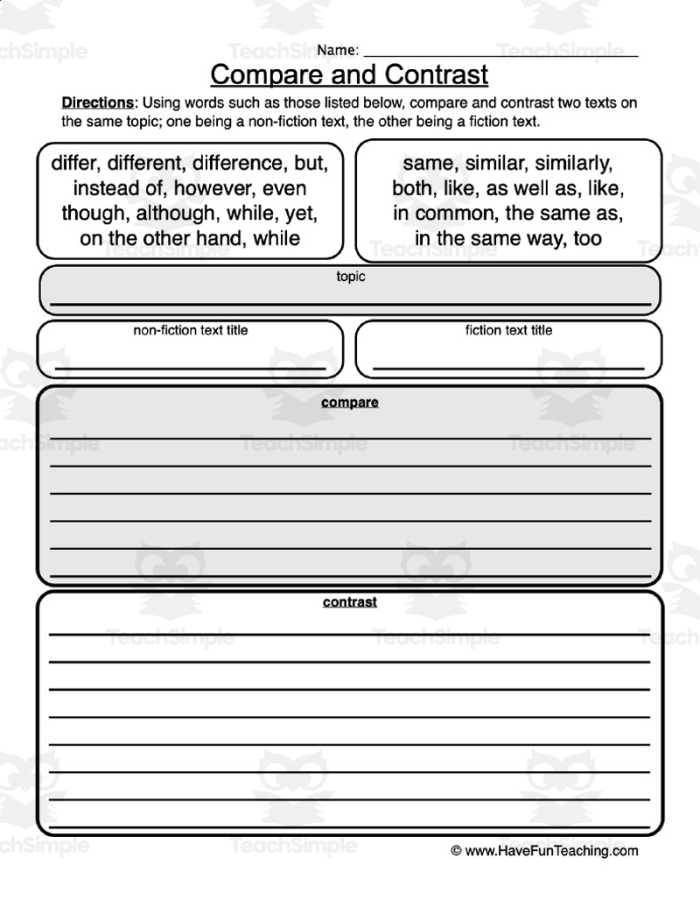
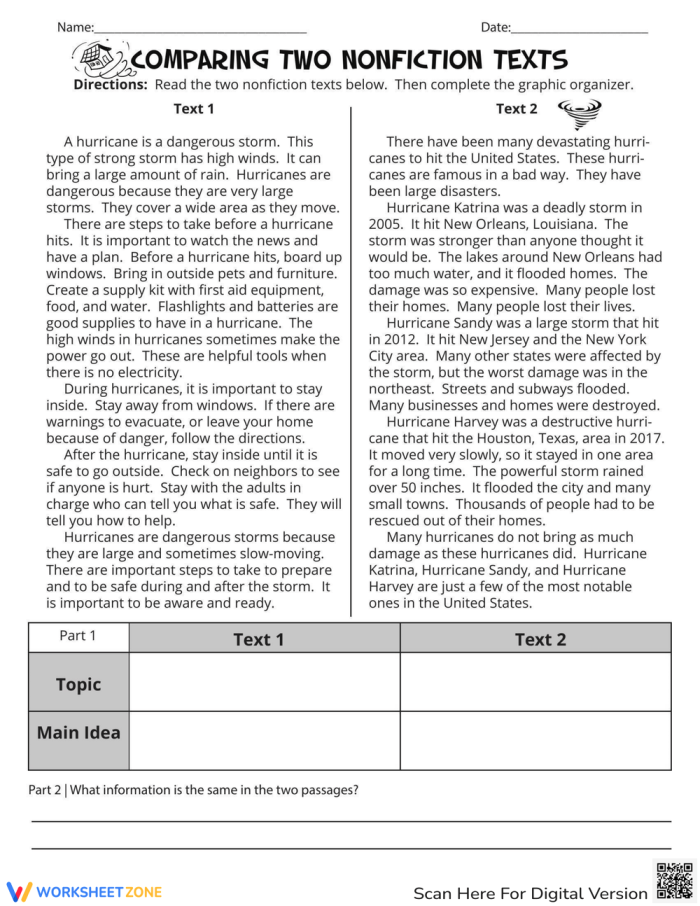
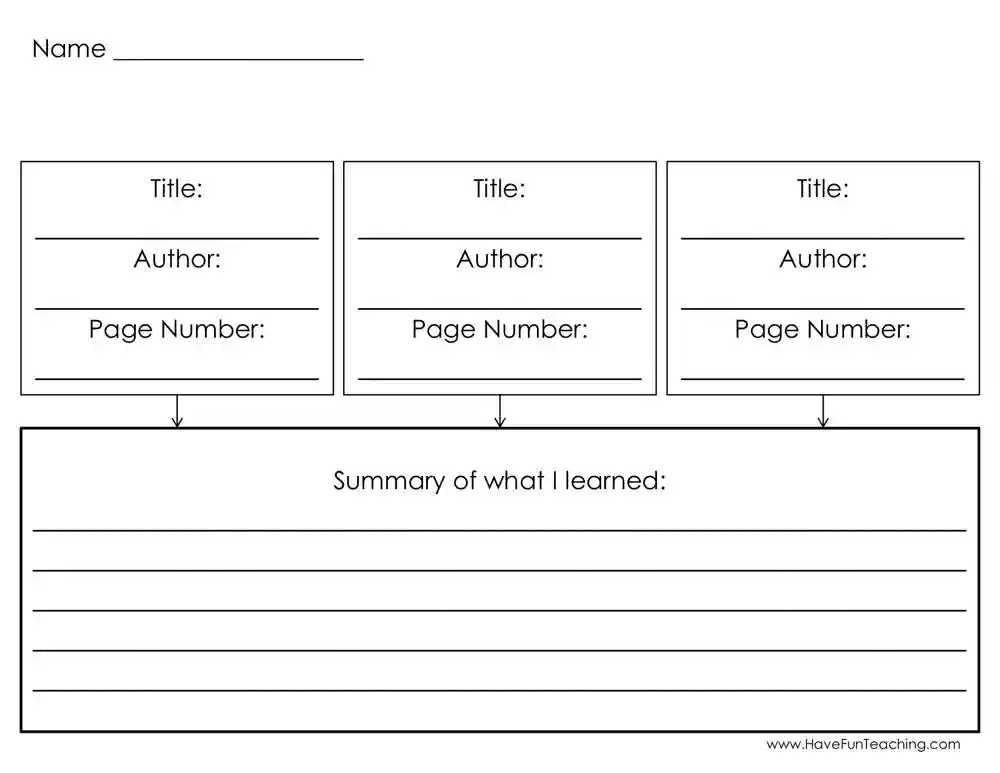
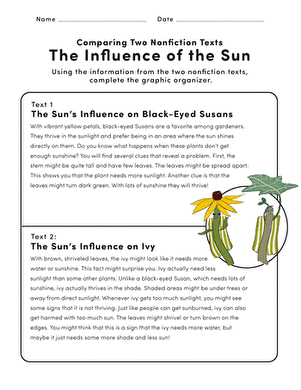
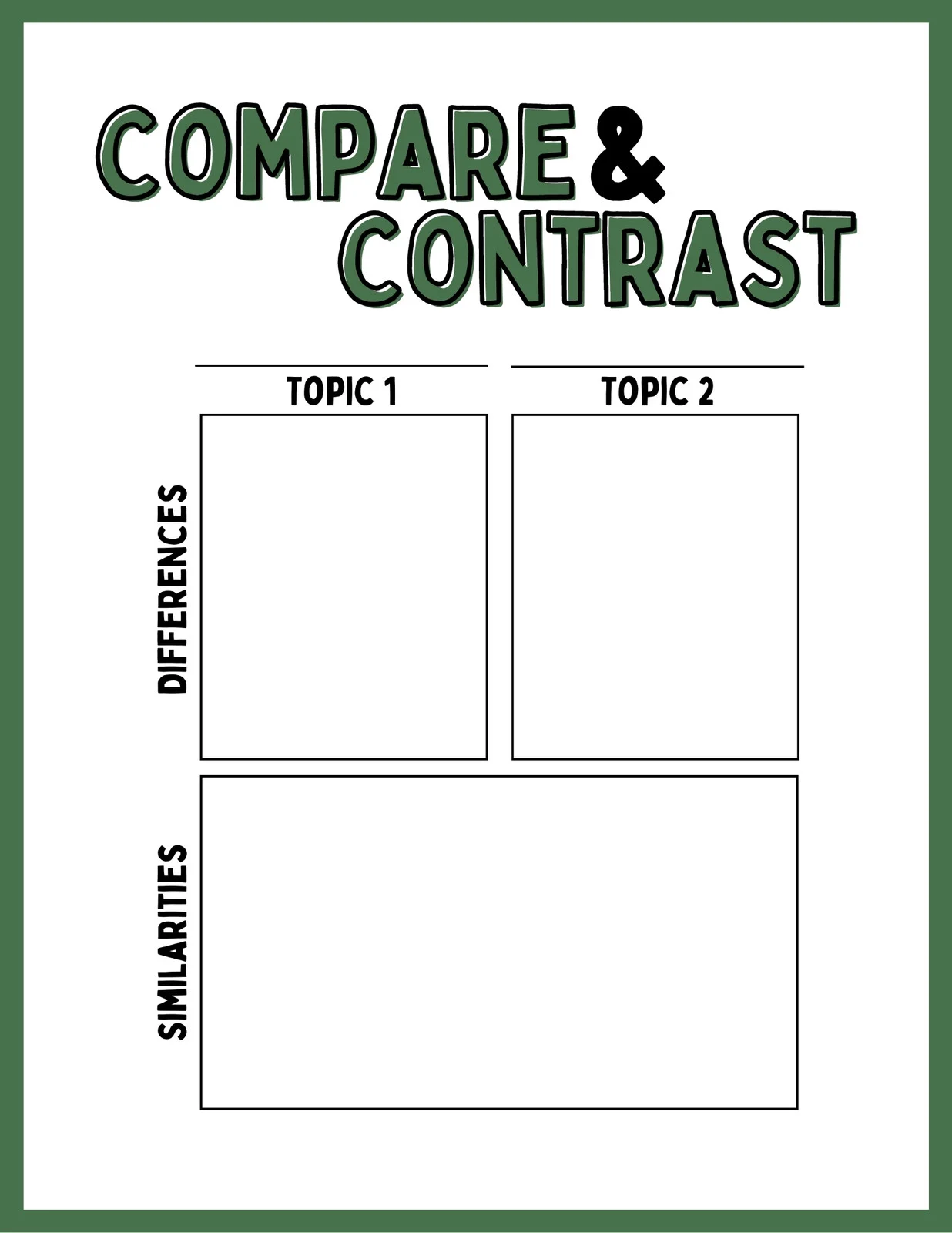
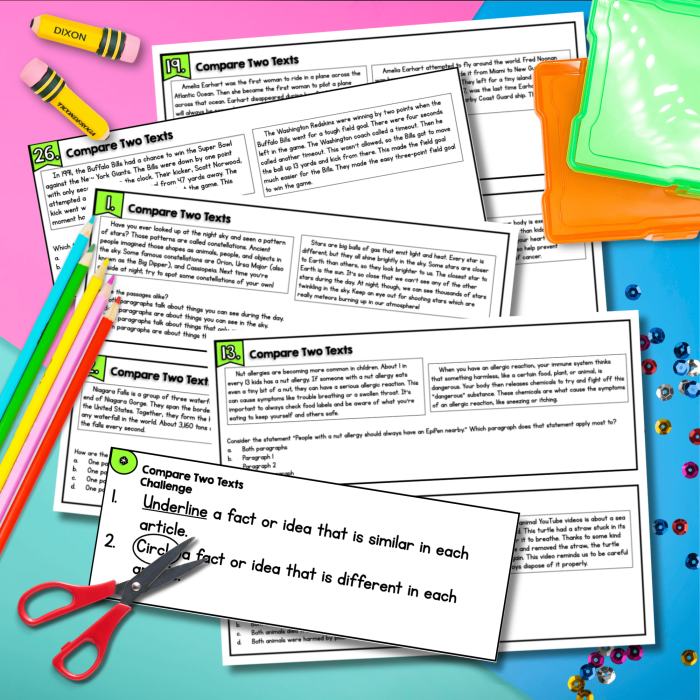
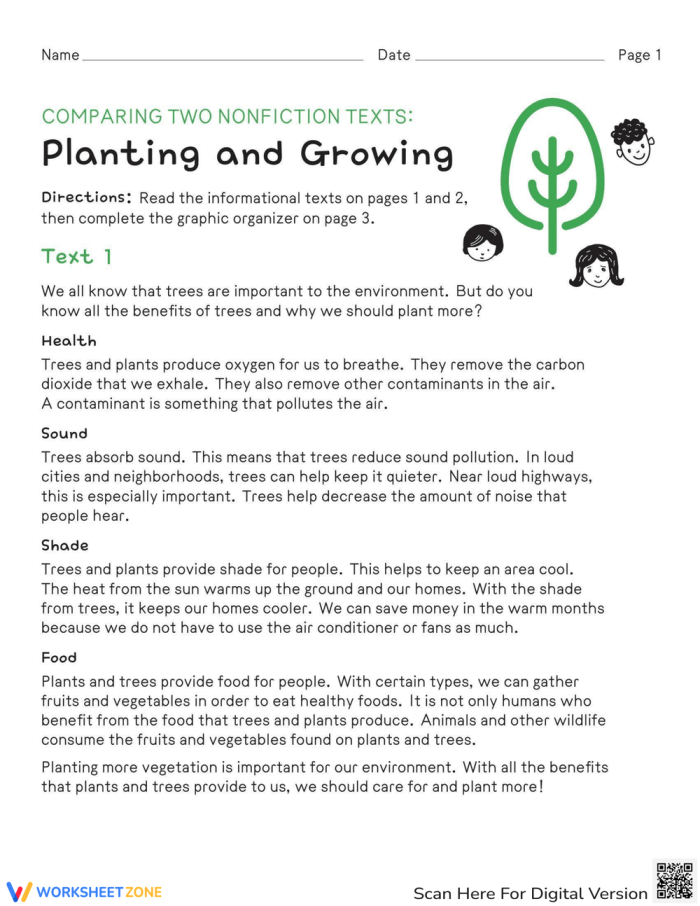
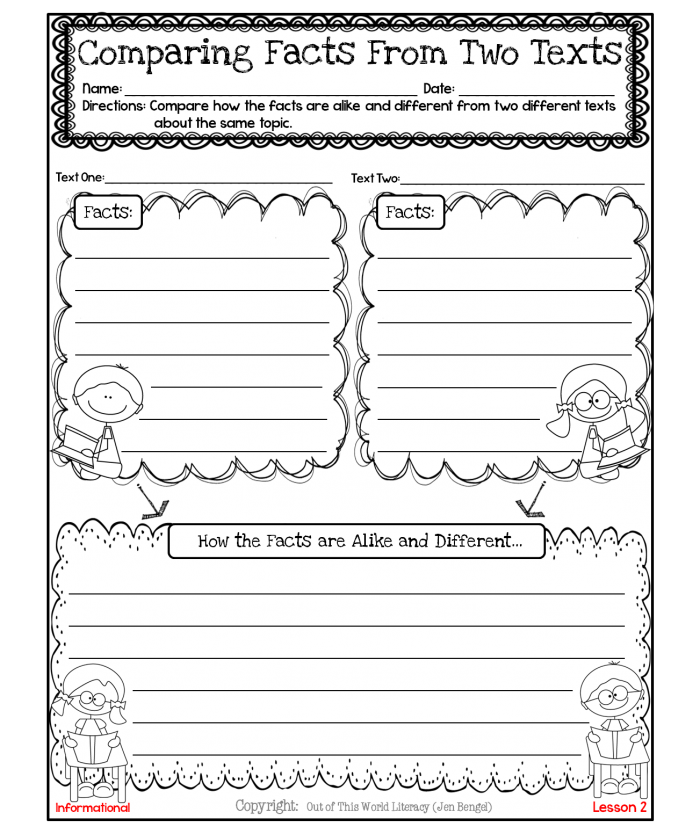
Young readers can enhance their critical thinking skills by synthesizing information from multiple sources, especially when exploring important topics like clean water. In the context of a Fourth Grade reading comprehension worksheet, students tackle the subject of clean water through nonfiction texts. This practice not only bolsters their reading skills but also helps them learn to evaluate and compare information.
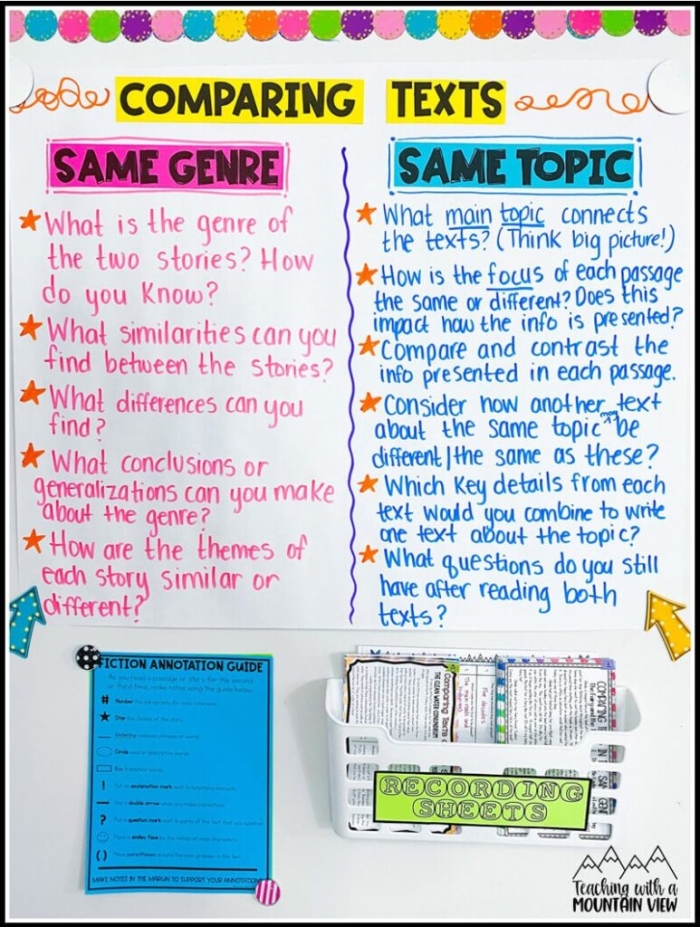
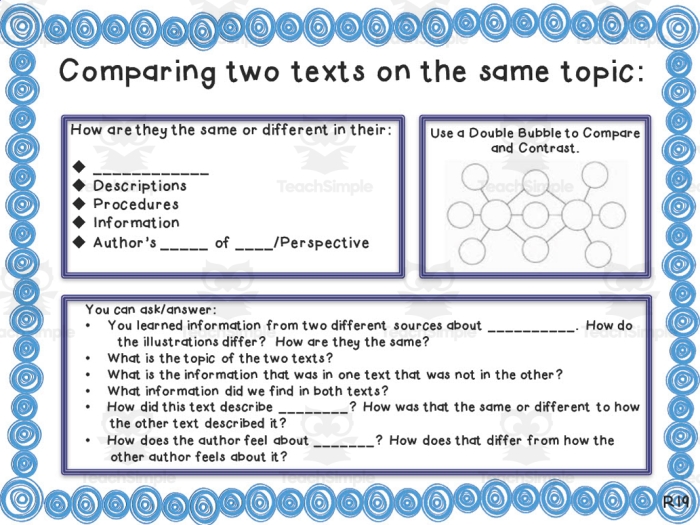
When children engage with different texts about clean water, they are encouraged to identify key ideas and themes across various sources. For instance, one text may focus on the scientific aspects of water purification, while another might discuss its social implications, such as access to clean water in different communities. By synthesizing these perspectives, students can form a more holistic understanding of the issue.
This approach is particularly beneficial for developing analytical skills. Students learn to discern which details are most relevant and how different viewpoints can complement each other. For example, while one article might emphasize the environmental impact of pollution, another could highlight community initiatives aimed at improving water quality. This nuanced understanding prepares them for more complex topics in the future.
To support this learning, educators can incorporate resources like the Evaluating Character Traits worksheet or the Life During the Civil War worksheet. These materials can provide additional contexts for comparison and analysis.
The printable worksheets, such as those focusing on word patterns in sentences, are designed to enrich reading experiences by encouraging students to think critically about what they read. Through this engaging process, young learners not only improve their reading abilities but also gain valuable insights into pressing global issues.
Practice with These Worksheets